Ingredient Ideology | DRUMSTICKS ON A CULINARY FARE Healthy & Tasty – Loaded with Nutrients BY: DR. KAVIRAJ KHIALANI- CELEBRITY MASTER CHEF

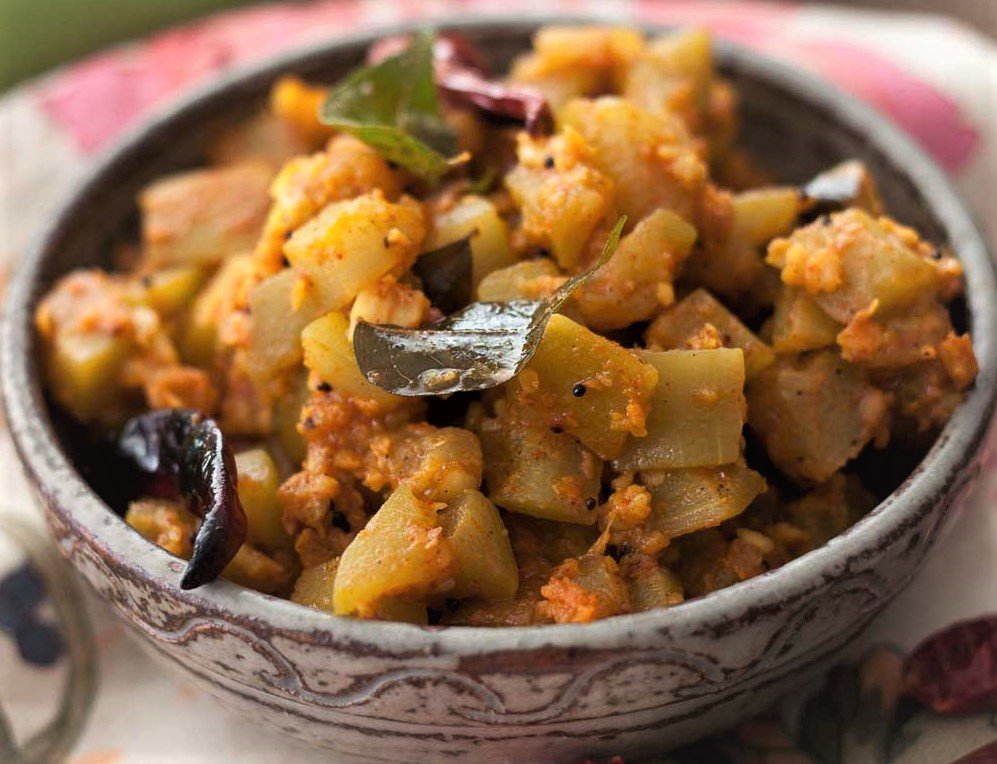
If you are someone who is having an elevated blood pressure level, then a regular intake of this super-powerful vegetable can help in keeping heart diseases at bay. Consumption of drumsticks has also proven results in improving bone health due to the presence of an adequate amount of calcium and iron. Drumstick is one of those rare plant species whose seeds, flowers, leaves, and stems are edible and extremely nutritious. Moringa commonly referred to as drumstick is treated as a ‘super plant’ for its unique yet powerful properties that combat different ailments in our system. This nutrient-dense plant has its roots in Ayurveda and was used as a medicine by our ancestors. The stems of the moringa plant are mostly used in Indian kitchens to prepare scrumptious delicacies, must include them in our diets and menus this summer season. 

Drumstick is an easily available vegetable that is cultivated mostly in Asian and African regions. It is a staple vegetable in Southern India and is also widely consumed in other states. The leaves are packed with polyphenols and bioactive compounds like isothiocyanates, which also play a role in preventing cancer and heart diseases, as well as lowering blood pressure. Body heat - Regular intake of drumsticks 2 to 3 times a week will reduce body heat. Mother's milk - Drumstick green is good for mothers with infants as it would help a generation of more milk. Even after pregnancy, it will help the proper blood condition. (It can be sautéed in ghee and taken) Drumstick benefits for male sperm production are attributed to its antioxidant properties. 

Moringa seeds repair the oxidative damage that can consequently reduce sperm quality. Also, these antioxidant properties kick out stress that boosts your sexual drive and enhances your sexual desires. Drumsticks also offer the benefits of vitamin A, like eye health and skin rejuvenation. This vital ingredient is great for liver health, and also treats stomach issues like constipation, acidity, gastritis, colitis and so on.

Here are a few important health benefits of Drumsticks:

1. Drumsticks are considered good for managing diabetes
The various vitamins and minerals present in drumstick stem help in maintaining an optimum blood-glucose level and hence it is highly recommended for people with diabetes.

2. Drumsticks also help to manage acne issues & fight pimples.
Moringa is known for preventing acne and other skin issues. It is a blood purifier that helps in flushing out all the impurities present in your blood.

3. Drumsticks are regarded as good for hair and skin health.
It is rich in vitamin B, vitamin A, folic acid and other essential nutrients which will help you in achieving a flawless skin and lustrous hair.

4. It is also believed to prevent the outburst of chickenpox.
Moringa or drumsticks are mostly advised to consume during the month of March- April, as due to its medical properties it can provide immunity against chicken pox.


5. Drumsticks help to keep our heart healthy.

If you are someone who is having an elevated blood-pressure level, then a regular intake of this super-powerful vegetable can help in keeping heart diseases at bay.


6. Drumstick also assist our body giving us stronger bones.

Consumption of drumstick has also proven results in improving bone health due to the presence of an adequate amount of calcium and iron.

Here are a few of my all-time favourite ways with Drumsticks:

Recipe-1] DRUMSTICK LENTIL CURRY

Ingredients:

Drumsticks-3-4 no, cleaned, cut into 4 to 5 pieces each, washed.

Ladyfingers- 150 gms, cleaned and cut 1 x 2

Potatoes- 1 cup medium cubes

Brinjal- 1 cup, medium cubes

Carrots-1/2 cup medium cubes

Oil- 2 tsp

Ghee-1 tsp

Hing-1/4 tsp

Curry leaves- 8-10 no

Slit green chilies-2-3 no

Dry red chili-1-2 no

Cumin seeds-1/2 tsp

Mustard seeds-1/4 tsp

Methi seeds-1/2 tsp

Ginger-1 tsp chopped

Besan-2 tbsp.

Hot Water- 2 cups

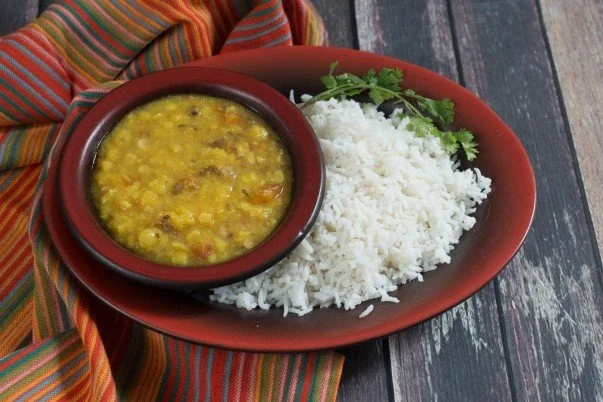
Boiled mashed Tovar dal- 2 cups

Salt to taste

Turmeric powder-1/2 tsp

Red chili powder-1/2 tsp

Tamarind pulp- ½ cup

Coriander leaves- 2-3 tbsp. chopped

Method:

1. Prepare all the ingredients for the recipe as listed.

2. Heat oil and ghee in a pan and add in the ingredients for the tempering one by one and allow them to splutter and crackle for a few seconds.

3. Add in the besan and reduce the flame a little, saute it for a few seconds, add in turmeric powder and red chili powder and mix, now add in the hot water and mix well to prevent any lumps due to the besan.

4. Allow to come to a little boil, add in the boiled and mashed Tovar dal, simmer and continue cooking, add in the drumsticks and all other vegetables as well, the ladyfingers however can be added a little later as they cook faster.

5. Add in salt, sugar to balance, tamarind pulp and mix well. cook for 15-20 mins, stirring occasionally. Once the mixture comes to a nice thickness, check for cooking stage of all vegetables especially drumsticks, add in freshly chopped coriander and serve hot with jeera rice/ steamed white rice/ brown rice etc.


Recipe- 2] MATTAR AUR SHENGI KI SUBZI

Ingredients:

Drumsticks-3-4 no, cleaned, cut into 4 to 5 pieces each, washed.

Oil-2 tsp

Ghee-1 tsp

Hing-1/4 tsp

Curry leaves- 8-10 no

Cumin seeds- 1 tsp

Chopped green chilies- 1 tsp

Chopped ginger-1 tsp

Onions-1/2 cup chopped

Tomatoes- ½ cup chopped

Salt to taste

Turmeric powder-1/2 tsp

Coriander powder-1 tsp

Cumin powder-1/2 tsp

Garam masala powder-1/2 tsp

Water-1 cup

Green peas-3/4 cup

Fresh coriander leaves- 2 tbsp. chopped

Kasuri methi-1 tsp

Curd- 2 tbsp. beaten

Fried red chili- 1-2 no for garnish.

Method:

1. Prepare all the ingredients for the recipe as listed.

2. Heat oil and ghee in a pan add in hing, cumin seeds, curry leaves, ginger, chilies and saute for a few seconds.

3. Add in the onions and saute them until light browned, add in tomatoes, salt, all the powdered spices and bhunao for a few minutes, add in curd, kasuri methi and mix well.

4. Add in the drumsticks, peas and saute for a couple of minutes. Add in water and either cover and cook on a low flame for 15-20 mins or allow 3-4 whistles using a pressure cooker and simmer for 4-5 mins.

5. Once the subzi is nicely cooked and ready, we can finally garnish it with fresh coriander leaves and add some fried red chili on top and serve it hot with phulkas, rotis, etc.


Recipe-3] DRUMSTICK COCONUT CURRY

Ingredients:

Drumsticks-3-4 no, cleaned, cut into 4 to 5 pieces each, washed.

Carrots/ beans/ cauliflower/ peas/ potatoes/ yellow or white pumpkin/ baby brinjal etc can also be added as per choice.

Oil/ Coconut oil - 2 tsp

Ghee-1 tsp

Mustard seeds- 1 tsp

Cumin seeds-1/2 tsp

Fennel seeds-1/2 tsp

Curry leaves- 10-12 no

Slit green chilies- 2-3 no

Slit red chilies- 2-3 no

Coconut milk- 2 cups, thick

Salt to taste

Turmeric powder-1/2 tsp

Red chili powder-1/2 tsp

Coriander powder-1 tsp

Fresh coriander -2 tbsp. chopped

Method:

1. Prepare all the ingredients for the recipe as listed.

2. Heat oil and ghee in a pan add in the ingredients for the tempering one by one and allow to flavour up the pan.

3. Add in the assorted vegetables along with drumsticks or chicken with bones in case of non-veg options.

4. Add in salt and all the powdered spices as per taste and mix well. now add in 2 cups of water and bring to a boil, simmer for 6- 8 mins.

5. Now add in the thick coconut milk and allow to simmer for 10-12 mins and until all veggies/ non-veg gets well cooked.

6. Finally add some fresh coriander leaves, a splash of lime juice before having the curry with some steamed white rice goes well, some fried papad and pickle.


Recipe-4] PRAWNS AND DRUMSTICK MELANGE

Ingredients:

Drumsticks-3-4 no, cleaned, cut into 4 to 5 pieces each, washed.

Medium/ large prawns- 750 gms, cleaned and washed

Oil- 2 tsp

Butter-1 tsp

Salt to taste

Turmeric powder-1/2 tsp

Red chili powder-1/2 tsp

Lime juice-2 tsp

Ginger-garlic paste-1 tsp

Thai yellow/ red/ green curry paste- 2-3 tbsp.

Water-1-2 cups

Thick coconut milk- 2 cups

Thai ginger/ galangal- 2- inch piece

Lime leaves- 3-4 no

Lemon grass- 4-5 pieces

Fresh basil leaves - 6- 8 no

Fresh coriander leaves- 2 tbsp. chopped

To serve with: jasmine rice/ lemongrass rice/ steamed white rice

Assorted vegetables- sweet potato/ brinjal/ pumpkin etc may also be added into the prawn curry to add more texture/ value as well.

Method:

1. Prepare all the ingredients for the recipe as listed.

2. Clean, wash the prawns and marinate them with salt, turmeric, red chili powder, lime juice, ginger-garlic paste, mix well and keep aside for 20 mins in the fridge.

3. To start cooking with the recipe, heat oil and butter in a pan add in the thai ingredients from the lemongrass to the lime leaves, galangal etc and flavour the pan well, add in the thai curry paste.

4. Add in the marinated prawns and 3/4th boiled drumsticks and saute them for a couple of minutes. Add little water, and coconut milk and bring a light boil, simmer and cook for 10-12 mins.

5. Finally add in some fresh basil leaves/ coriander leaves etc and serve the curried prawns and drumsticks with jasmine rice/ steamed rice etc.


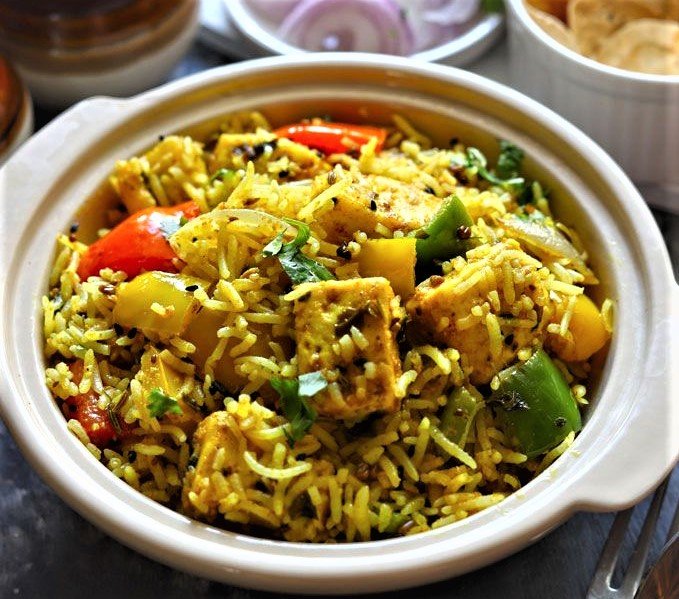
Recipe- 5] SHENG KA MASALEDAAR PULAO

Ingredients:

Drumsticks-5-6 no, cleaned, cut into 4 to 5 pieces each, washed.

Oil-2 tsp

Ghee-1 tsp

Bay leaf- 2 no

Peppercorns- 4-5 no

Cinnamon stick- 2 pieces

Sliced onions- 1 cup

Tomatoes- 1 cup chopped

Ginger- 1 tsp chopped

Garlic- 1 tsp chopped

Slit green chilies- 2-3 no

Salt to taste

Basmati rice- 2 cups

Baby potatoes- 6- 8 no cut 1 x 2

Carrots-1 cup, cut into cubes

Coriander powder-1 tsp

Cumin powder-1/2 tsp

Turmeric powder-1/2 tsp

Red chili powder-1/2 tsp

Garam masala powder-1/2 tsp

Water- as needed to cook the pulao

Dried kasuri methi- 1 tsp

Fried cashews and raisins- 2-3 tbsp.

Fried brown onions- ½ cup

Rose water-2-3 tsp

Method:

1. Prepare all the ingredients for the sheng ka pulao.

2. To start with cut and chop all the vegetables, soak the rice, prepare all the other elements of the recipe.

3. To start cooking, heat oil and ghee in a pan add in the whole spices to start with and add in the sliced onions, ginger, garlic, chilies etc and saute for a few minutes.

4. Add in tomatoes, salt and all the powdered spices add in little water to prevent burning. Now add in the drained rice, the cut drumsticks and baby potatoes, carrots, etc, and bhuna well, add kasuri methi and coriander as well.

5. Now add a double the quantity of water as compared to the rice and bring to a boil, simmer and cover, cook the rice until well done. And add in the fried onions, nuts, rose water towards the end just before serving, enjoy the pulao with some raita, papad.
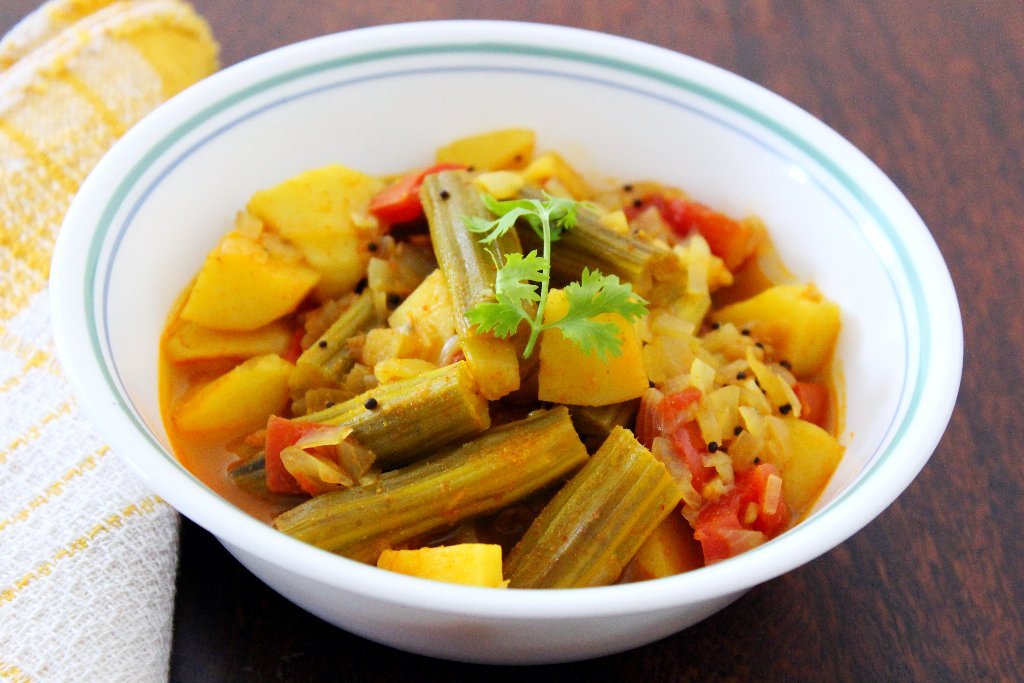


Recipe-6] SINDHI STYLE SINGI ALOO

Ingredients:

Drumsticks – 6-8 no, cleaned, cut and washed.

Potatoes- 2-3 medium sized, cut 1 x 4

Oil-2 tsp

Ghee-1 tsp

Cumin seeds-1/2 tsp

Ginger-1 tsp chopped

Onions-1 cup chopped

Tomato puree-1 and a half cup, freshly made

Slit green chilies- 2-3 no

Salt to taste

Turmeric powder-1/2 tsp

Red chili powder-1 tsp

Coriander powder-1 and a half tsp

Cumin powder-1/2 tsp

Water- 1 and a half cup

Fresh coriander leaves- 2 -3 tbsp. chopped

Method:

1. Prepare all the ingredients for the recipe as listed.

2. Heat oil and ghee in a pan add in the cumin seeds, chilies, ginger and saute for a few seconds, add in the onions and saute them well until pink, add a little water as needed gradually.

3. Now add in tomatoes, salt, and all the powdered spices, add in the cut drumstick pieces and potatoes and bhunao them well in the masala.

4. One of the option is to cover and cook in a pan on low flame for 20-25 mins with enough water in the pan to allow cooking. the second option is to use a pressure cooker and allow 3-4 whistles, cook on a low flame for 6- 8 mins.

5. Finally add in fresh coriander leaves and garnish the subzi, serve it hot with phulkas, rotis etc and some fried papad, pickle to go alongside.







Ingredient Ideology | THE EXEMPLARY & EXQUISITE - EMIRATI CUISINE


Emirati cuisine is the local traditional Arabic cuisine of the United Arab Emirates. It is part of the Eastern Arabian cuisine and shares similarities with cuisines from neighboring countries, such as Omani cuisine and Saudi Arabian cuisine, as well as influences from different Middle Eastern and Asian cuisines. As a major international hub, the United Arab Emirates today has a multicultural and variety of cuisines from different parts of the world.

Cultivation of date palms in the area can be traced back to the mid-third millennium BC (commonly referred to as Umm Al Nar period in the United Arab Emirates) which many date seeds found in Umm al-Nar sites. The presence of grinding stones as well as fired clay ovens in archaeological sites indicate that grain processing was also performed. Studies of human dental remains dating back to the third millennium shows high level of attrition which is believed due to the mastication of dry bread.

The cuisine which originated in the area that is now the United Arab Emirates and was previously the Trucial States is formed by a similar Arabic and Middle Eastern cuisine which is consumed in the wider Arabian Peninsula. The food is a mixture of a Bedouin diet, consisting of meat and camel milk, a fishermen's diet, consisting mainly of fish common in the Persian gulf, and a farmer's diet, consisting mainly of dates. A blend of these diets as well as a mixture of spices such as cinnamon, saffron, and turmeric formed the basis of the common dishes consumed in the Trucial states region and the current traditional Emirati cuisine. 

The traditional food of the United Arab Emirates uses much meat, grain, and dairy. Vegetables that are easy to grow in fertile soil, such as cucumbers and tomatoes, are strongly featured in the diet. Dried lemons, called loomi, are also heavily featured, grown locally, and used in most dishes. Mangos are also grown, usually in the northern emirates in villages such as Masafi. Meats traditionally used are chicken or small fowl, such as Houbara bustards, and goats. As camels are highly prized for their milk and transporting ability, the eating of camel meat is normally reserved for special occasions.

The dishes are usually like stews, as everything is often cooked in a single pot. Saffron, cardamom, turmeric, and thyme are the core flavors used in Emirati cookery. Rice was added to the diet when traders moved to the region. Leaves from indigenous trees, such as the Ghaff, were also used to stuff small birds for enhanced flavor.

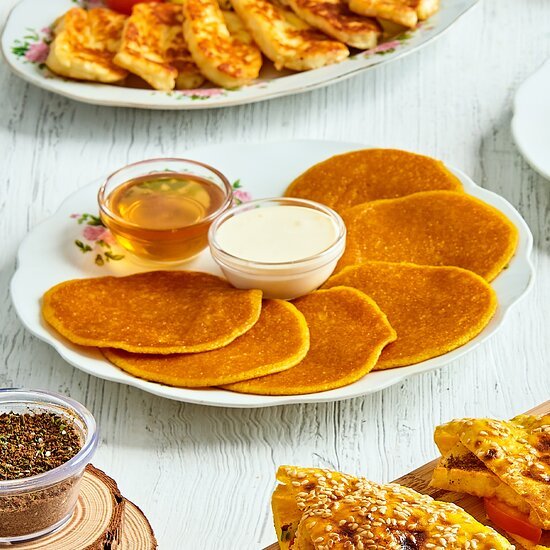
Traditional dishes include Maq'loubaMargoogaHareesMachbousFrsee'ahFireedJisheid, and Mishwy. Breakfast in the UAE usually features breads like raqaqkhameer, and chebab, served with cheese, date syrup, or eggs. These were made over a curved hot plate, resembling a stone, which would have been used by the Bedouins. Balaleat is another dish, but its advent began with the traders, who introduced pasta.

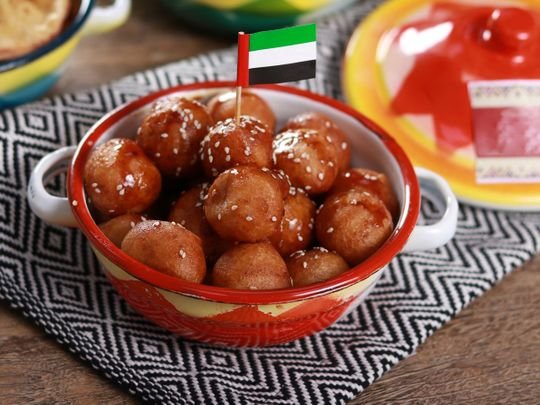
Sweet options include luqeymat, a deep fried ball of pancake batter that is rolled in sesame seeds and then drizzled with date honey. Other desserts include khabeesa, which is flour bread crumbs blended with sugar, cardamom, and saffron or bethitha, a semolina blended with crushed dates, cardamom, and clarified butter.

At the close of the meal, it is usual to serve a red tea infused with mint as a digestive. Other mealtime traditions include a welcome with dates and gahwah (Arabic coffee), which are offered on arrival and are kept available through the guests visit. Levantine is sometimes confused as Emirati/Gulf, but shawarma, hummus, tabbouleh and mixed grill, whilst having similar characteristics, are fairly recent additions to the Emirati diet.

Seafood has been the mainstay of the Emirati diet for centuries.[3] The United Arab Emirates cuisine is a reflection of an Arabian heritage and exposure to other civilizations over time. Muslims are prohibited from eating pork, so it is not included in most menus. Hotels frequently have pork substitutes such as beef, chicken, sausage and veal rashers on their breakfast menus. If pork is available, it is clearly labelled as such. While most believe that a lot of non-veg like Meat, fish, and rice are the staple foods of the Emirati cuisine. Lamb and mutton are the more favoured meats, than goat, beef and Camel meat. Usually, Dates are consumed with meals.

Popular beverages are coffee and tea, which can be supplemented with cardamom, saffron or mint to give it a distinct flavor. Alcohol is generally only served in hotel restaurants and bars (but not in Sharjah). All nightclubs and golf clubs are permitted to sell alcohol. Specific supermarkets may sell pork in a separate section of the market.

What exactly is traditional Emirati food?

Meat, fish, and rice are the staple foods of the Emirati cuisine. Lamb and mutton are the more favoured meats, than goat, beef and Camel meat. Usually, Dates are consumed with meals. Popular beverages are coffee and tea, which can be supplemented with cardamom, saffron or mint to give it a distinct flavor.

What is the most famous out of the rest in Emirati foods?

The most popular Emirati dish, and common Arabic food, is the classic shawarma. This is a non-vegetarian delicacy which includes chicken, lamb, or beef, along with a number of vegetables, mixed with mayonnaise, and wrapped in soft flatbread.

What forms one of the major dish in the UAE?

Khuzi. Khuzi, or ghuzi, is the United Arab Emirates' national dish. It is a complete, filling and delicious meal since this dish consists of roasted lamb or mutton served on top of a bed of rice and topped with vegetables and nuts.

Which one is one of the most popular sweets in Emirati cuisine?

Made of flour, sugar, starch, cardamom powder and dry yeast, rolled in date syrup and sprinkled with date molasses; Luqaimat is one of the must-have traditional Arabic sweets. Luqaimat which can be translated as 'bite-size' in Arabic, is a sweet which comes from Qatar and is traditionally eaten in UAE.

What is UAE also known for?

Made of flour, sugar, starch, cardamom powder and dry yeast, rolled in date syrup and sprinkled with date molasses; Luqaimat is one of the must-have traditional Arabic sweets. Luqaimat which can be translated as 'bite-size' in Arabic, is a sweet which comes from Qatar and is traditionally eaten in UAE.

What are some common features found in the Emirati cuisine?

Emirati cuisine refers to the Arabic food traditions of the United Arab Emirates. It consists of aromatic dishes flavoured by a wealth of spices and herbs like saffron, turmeric, cinnamon, cardamom, coriander, and thyme.

Some popular must have dishes as part of Emirati Cuisine:

1. Balaleet is another popular breakfast dish in the Emirates. It refers to a noodle dish that can be both Savory and sweet. It is, in fact, a Savory-sweet dish that’s typically served for breakfast though it can also be eaten for dessert. Balaleet is made by first sautéing and then boiling vermicelli noodles. Once they’re cooked, they’re sweetened with sugar, cardamom, turmeric, and saffron-infused rose water. When eaten for breakfast, they’re usually served with an omelette or scrambled eggs on top.

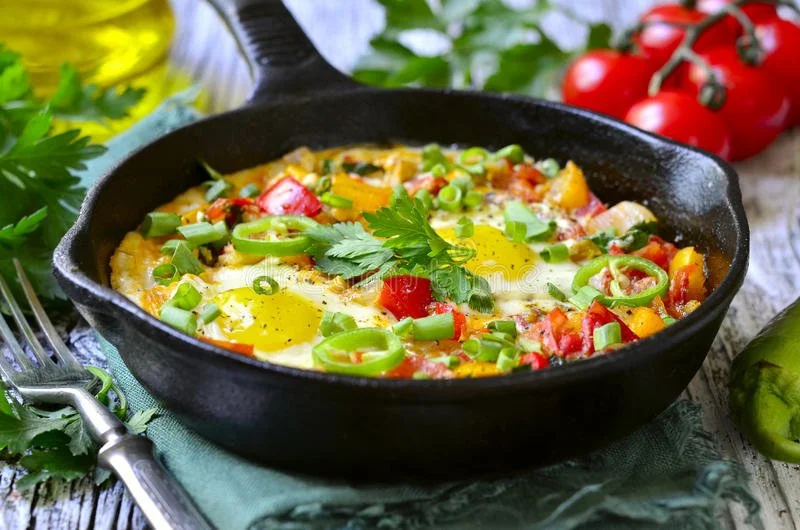
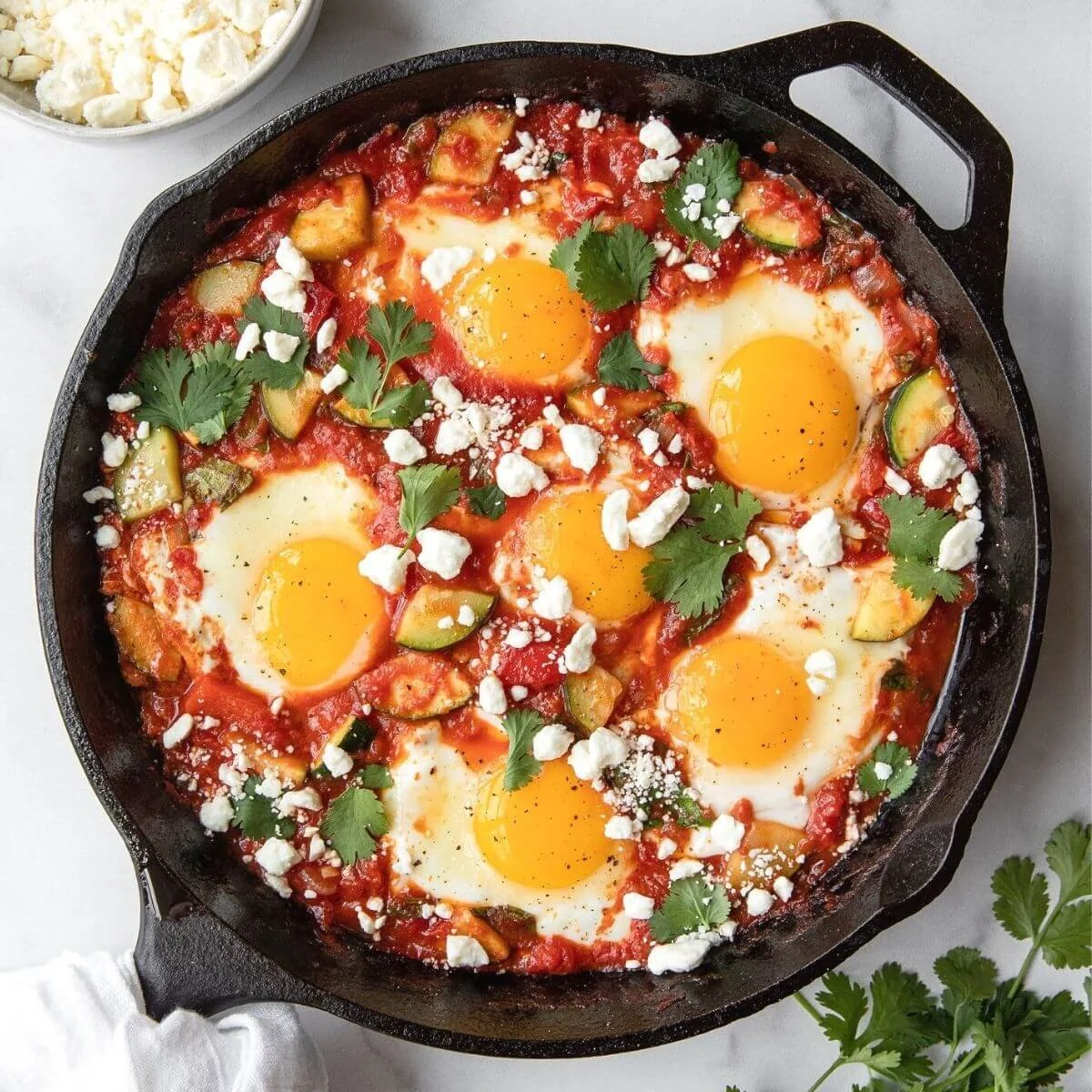
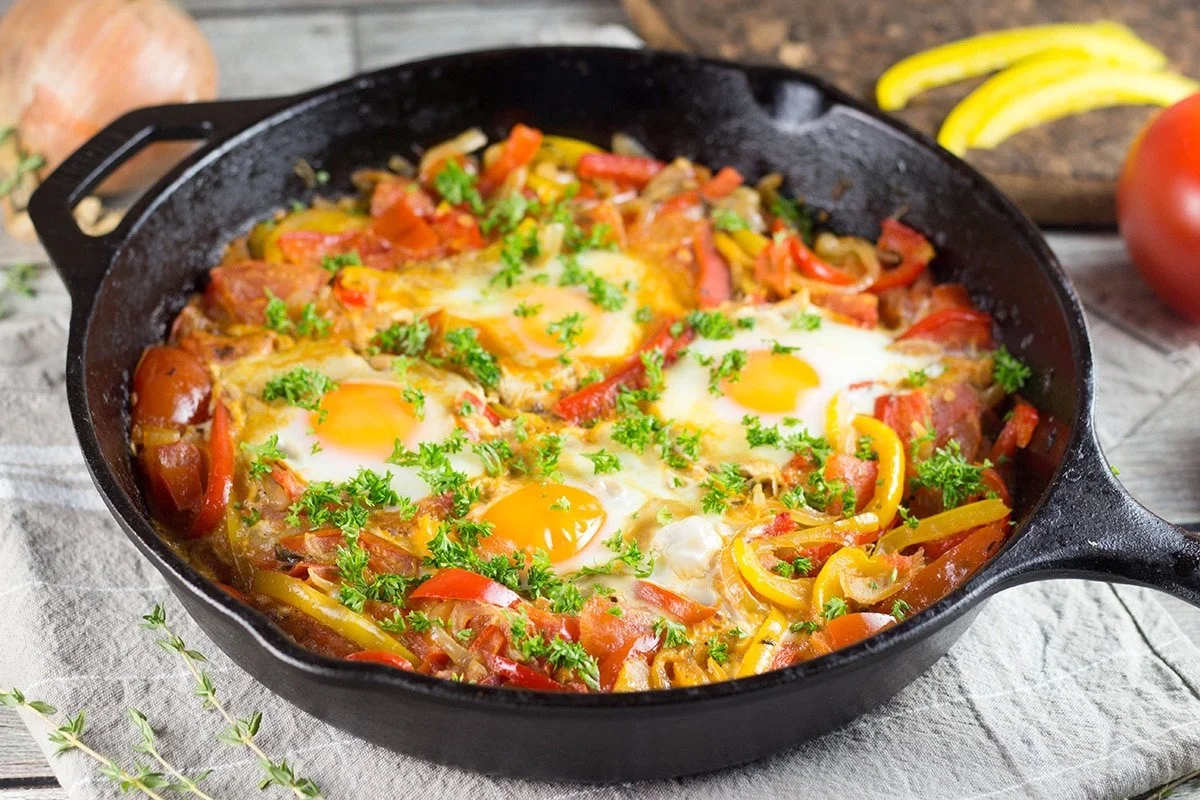
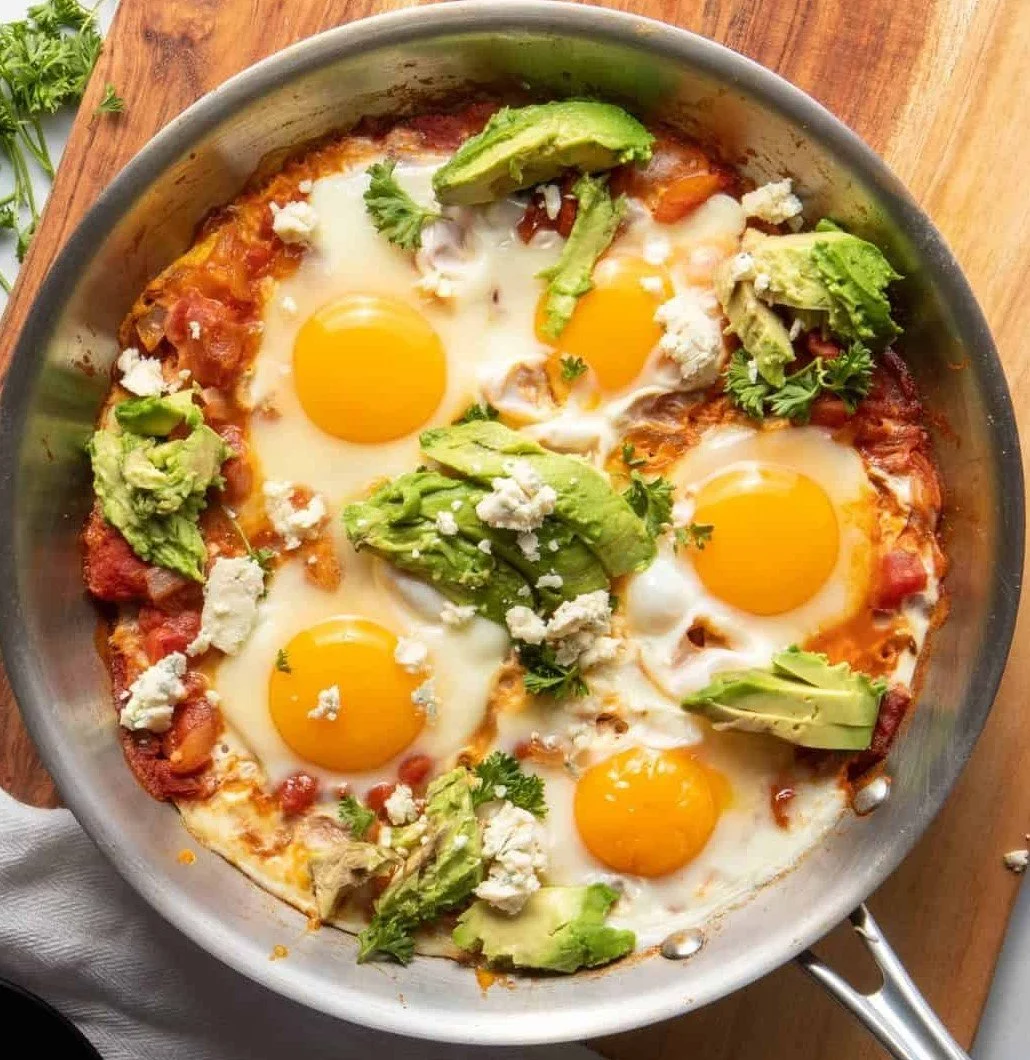
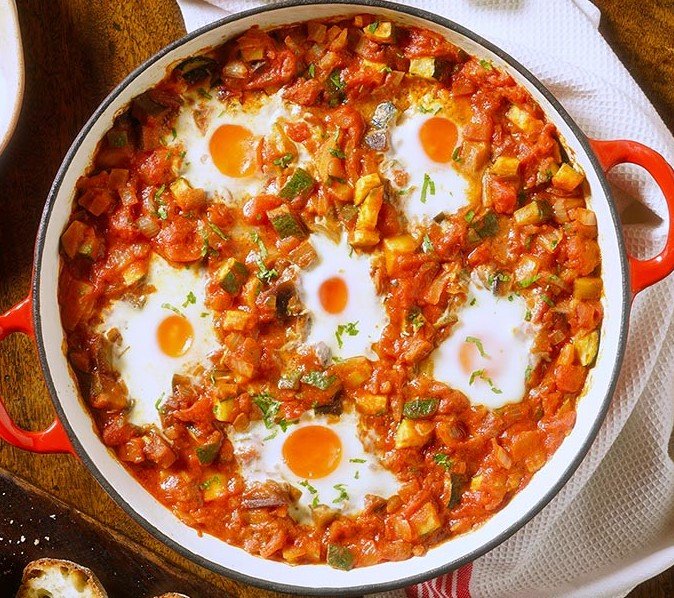
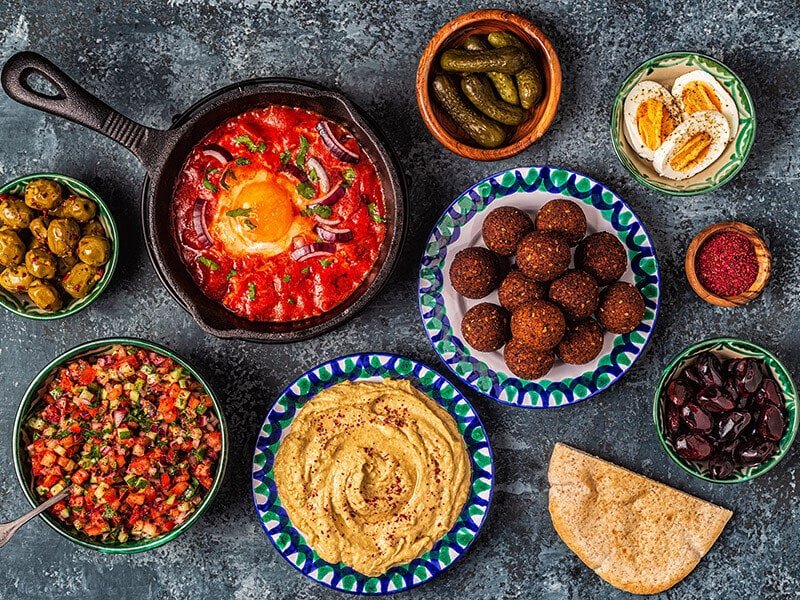
2. Shakshuka is believed to be Tunisian in origin though it’s a staple breakfast dish in many parts of North Africa and the Middle East, including the UAE. In recent decades, it’s been embraced by the west and has become one of the most popular breakfast dishes hailing from that region of the world. Shakshuka refers to a simple but delicious tomato-based dish of poached eggs. To make it, shallots, garlic, tomatoes, bell peppers, and chilies are first sautéed in olive oil. Tomato paste, pureed uncooked tomatoes, and honey are then added to the pan. Once the tomato base is cooked, eggs are cracked into the mixture. The egg whites are allowed to blend into the tomato sauce while the egg yolks are left intact and poached to perfection. The dish is then sprinkled with za’atar and garnished with basil leaves before serving

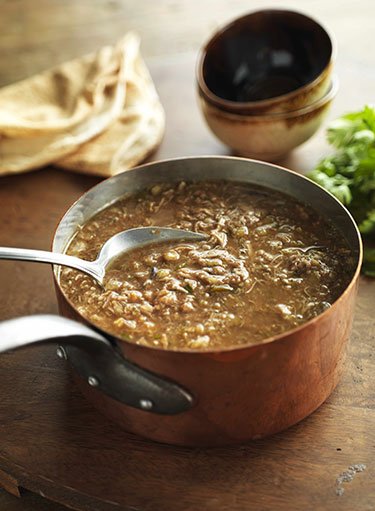
3. Harees is a popular traditional dish in Emirati cuisine. It refers to a porridge made with beaten skinless wheat and meat, usually chicken or lamb. It’s typically served garnished with different ingredients like sugar, cinnamon, ghee, pistachio, and raisins. Harees becomes especially popular during the holy month of Ramadan. It’s a filling and nutritious dish that’s easy on the stomach, which is a boon during the month of fasting. Before using, wheat has to be soaked for at least 5 hours, better if overnight. It’s then placed in a pot of water with meat, onion, garlic, and spices. Even with a pressure cooker, it still takes at least 1.5 hours for the wheat to be fully cooked through. The grains are then mashed till smooth and cooked in a pan with the deboned meat

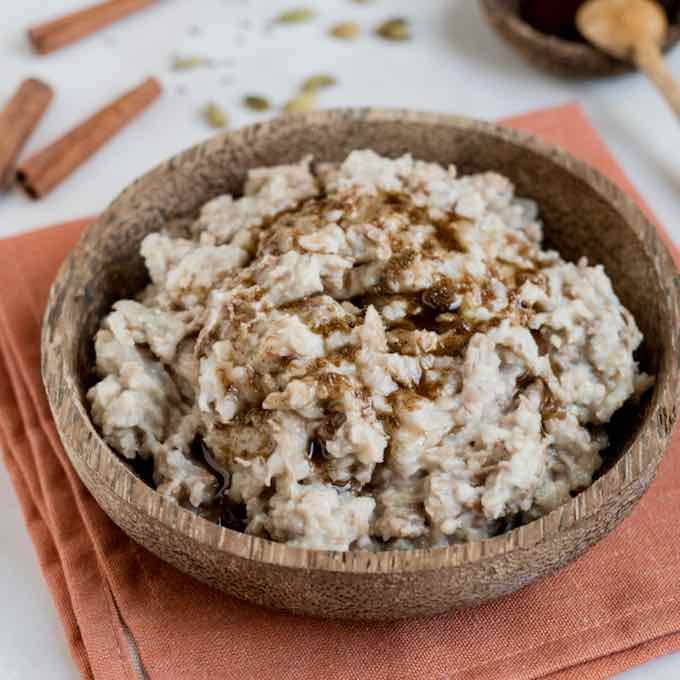
4. Madrouba, also spelled madrooba, is another type of Emirati porridge made with rice and meat, usually chicken. It’s similar to Harees in that it’s traditionally prepared by beating the rice into a smooth mash using a wooden spoon called a medhrab. Though the dish may look deceptively simple, it can be fairly involved to make. and coconut milk while being constantly stirred. To prepare, the meat is first boiled and simmered in a pot of water with caramelized onions, dried lime, and spices. After the meat is cooked all the way through, rice is added and stirred constantly to ensure that it doesn’t stick and burn. Stirring also softens the rice instead of leaving it to absorb all the fluids like in machboos. The rice is then mashed into a fine consistency. For me, madrouba is the ultimate comfort food. It’s thick, nutritious, and filling. Plus, it’s delicious, too.

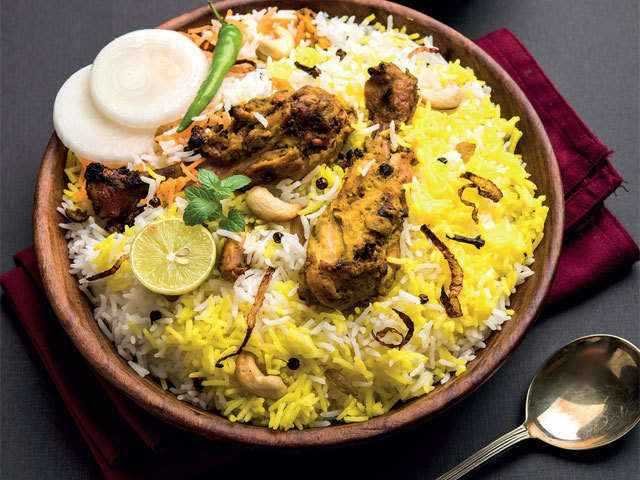
5. Machboos- No Dubai food guide would ever be complete without machboos. Also known as kabsa, it’s a traditional rice dish that’s widely considered to be a national dish in all countries of the Arabian Peninsula. Machboos refers to a hearty meat and yellow basmati rice dish. But unlike Ghuzi, the meat and rice are cooked together in one pot. The meat, usually lamb, is marinated in a mixture of spices like garlic, cumin, cloves, bzar (Emirati spice blend), and chilli powder. It’s then browned in oil before being braised in water or stock with onions, garlic, turmeric powder, coriander powder, dried lime, and chopped tomatoes. Once the meat is almost cooked, soaked basmati rice is added to the pot and slow-cooked at very low heat, undisturbed, until all the cooking liquid is absorbed. Coriander leaves and green chilies can also be added before the rice is fully cooked. 

6. Kunafa- it consists of kataifi pastry soaked in a sweet, sugar-based syrup and layered with cheese. Depending on where it’s from and who’s making it, it can be enriched with other ingredients like pistachios, almonds, raisins, rose water, lemon juice, and cinnamon. It’s decadent and delicious and a definite must-try dessert in the UAE. If you visit Dubai or Abu Dhabi, then you must not miss kunafa. It’s an incredibly delicious dessert that’s consumed in many Arab and Balkan countries like Egypt, Turkey, Greece, and Lebanon.

7. Gahwa: There’s no better end to a decadent meal in Dubai than with dessert and a cup of Arabic coffee. Known in the Emirati dialect as gahwa, coffee has been a central part of Arab culture for centuries. In fact, so important is the coffee tradition to Arab culture that it was awarded Intangible Cultural Heritage status by UNESCO in 2015. Arabic coffee is strong and bitter so it’s traditionally served with dates and other desserts.

On a concluding note: To a lot of people, Emirati food is shrouded in mystery. However, it’s one cuisine that needs to be discovered. Traditional Emirati cuisine is exciting, intense, unique, and most certainly worth exploring. If you visit Dubai in May, then you need to attend the Dubai Food Festival. Add it to your itinerary along with traditional Emirati restaurants in Dubai, Abu Dhabi, and any other destination in the UAE. There are many reasons why Dubai and Abu Dhabi are among the most visited cities in the world. Good local food is definitely one of them. On the whole if we compare the choice of foodies today we are quite open to trying out new recipes, flavours and dishes which have a robust and aromatic feel with a hint of flavour and a pinch of passion which makes it stand out every single time and leaves an impression which brings back the customer yet another time to relish our very best recipes!


Ingredient Ideology |Indo -Italian Fusion Rice Bowls Tempting DelicaciesBY. DR. KAVIRAJ KHIALANI- CELEBRITY MASTER CHEF


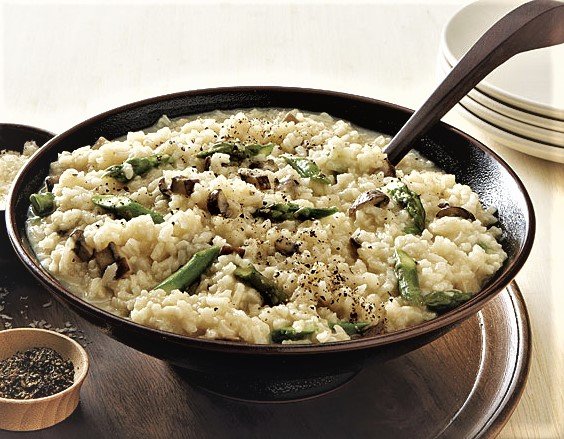
Risotto is a northern Italian rice dish cooked with broth until it reaches a creamy consistency. The broth can be derived from meat, fish, or vegetables. Many types of risotto contain butter, onion, white wine, and parmesan cheese. It is one of the most common ways of cooking rice in Italy. Despite its appearance, risotto is not a type of rice but an Italian dish made with a special high-starch, short-grain rice such Italian Arborio. This special kind of rice can absorb quite a bit of liquid without becoming mushy.

Unlike other rice recipes that require simmering in a pot of water, risotto is cooked very slowly by adding 1/2 cup of liquid at a time. This process allows the rice to release its starches, creating a rich, velvety sauce with soft but slightly al dente grains. Meat and mushroom risotto pair best with light red wines, such as Pinot Noir and Lambrusco or earthy undertones such as Chardonnay. 

Risotto is best served warm, often in heated bowls or plates. It can be a side dish to a meat or fish entrée and is often served in restaurants as the first course. Once you perfect a basic risotto, you can try a variety of risotto recipes that include vegetables and proteins such as lobster and chicken. Accompany the risotto with a salad or cooked vegetables and Italian bread.

Here are a few of my “Desi Twist Riso Rice Bowl” variations to suit our taste and palate with a little twist of taste in the Indo- Italian delicacy!


Recipe-1] Desi Makhni Riso Rice bowl

Ingredients

Risotto Rice also called Arborio / Regular Basmati / Kolam rice- 1 cup

Water/stock- 2 and a half cups

Oil / olive oil-2 tsp

Butter-1 tsp

Jeera-1/2 tsp

Bay leaf-1 no

Onion-1 small chopped

Tomato puree- 1 cup fresh

Ginger-garlic paste-1 tsp

Kasuri methi-1 tsp

Red chili powder-1/2 tsp

Coriander powder-1/2 tsp

Turmeric powder-1 pinch

Garam masala powder-1/4 tsp

Cashew paste-1 tbsp.

Fresh cream-2-3 tbsp.

Choice of veg/non-veg- paneer/ chicken cubes/ mushrooms/broccoli/ zucchini, Babycorn etc can be used.

Cheese- 2-3 tbsp. grated

Olives- 2-3 tbsp. sliced- black or green

Fresh herbs-2-3 tsp, parsley, coriander.

Method:

1. Pre-prep all the ingredients for the desi Makhni Italian style rice dish.

2. Heat oil in a pan add in the bay leaf, onions, jeera, ginger-garlic paste and cook it for 8-10 mins, add little water as needed.

3. Now add in the tomato puree and kasuri methi, salt, all powdered spices and mix well, simmer for 4-5 mins, add little water if needed.

4. Add in the cashew paste and fresh cream on a low flame and blend it all in very well. Add in choice of cooked non-veg cubes of chicken tikka or seekh kabab, paneer tikka or grilled mushrooms etc and simmer the choice of veggies for 2-3 mins.

5. In a separate pan, heat butter and add in the washed rice and saute it for a couple of minutes and add 1 cup water and little salt to taste and cook it until well-cooked add water or stock as needed just to cook the rice to the bite.

6. Once the rice is almost cooked, add it into the gravy and mix lightly, cover and give it a dum for 10-12 mins on a low flame with a tava below and tight fitting lid.

7. Finally add in the olives, cheese and fresh herbs and mix and serve immediately with some nice roasted papad/ bowl of salad.


Recipe-2] CHIC- N –VEG RISO RICE BOWL

Ingredients:

Risotto Rice also called Arborio / Regular Basmati / Kolam rice- 1 cup

Water/stock- 2 and a half cups

Oil / olive oil-2 tsp

Butter-1 tsp

Bay leaf-1

Peppercorns-2-3 no

Garlic-1 tsp chopped

Onion- 1 small chopped

Boneless chicken cubes-1 cup

Green zucchini-1/2 sliced

Carrot-1/2 sliced

Red/green capsicum- ½ cup cubes

Salt and pepper to taste

Mixed herbs-1/2 tsp

Chili flakes-1/2 tsp

Garam masala powder-1/4 tsp

Cheese- 2-3 tsp

Cream-2-3 tbsp.

Soy sauce- 1 tsp

Method:

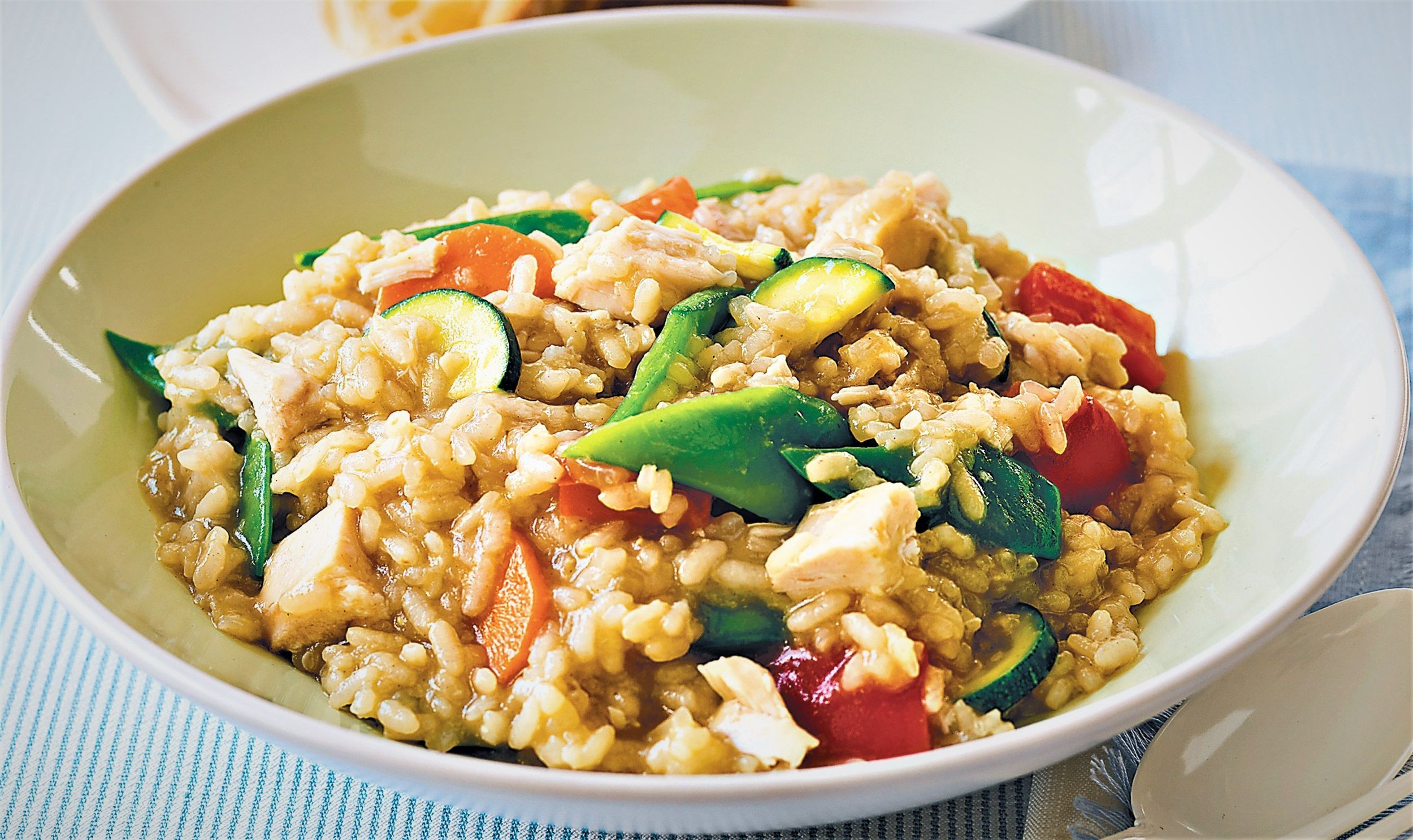
1. Prepare all the ingredients for the chic- n- veg combo risotto.

2. Heat oil and butter in a pan, add in the bay leaf, peppercorns, garlic, onions and saute them for a few seconds, add in the risotto rice/ regular rice as desired and saute for 1 min.

3. Add in the seasonings and herbs, chili flakes to taste, mix well and add water/stock to cook and simmer for 6-8 mins.

4. Now add in the veggies, soya sauce and mix, continue to cook for another 10-12 mins, add in the fresh cream on a low flame mix and add in the garam masala powder, continue to cook for 2-3 mins more.

5. Finally add in the cheese and fresh herbs and serve hot.


Recipe- 3] LENTIL COMBO RISO RICE BOWL.

Ingredients

Risotto Rice also called Arborio / Regular Basmati / Kolam rice- 1 cup

Water/stock- 2 and a half cups

Oil / olive oil-2 tsp

Butter-1 tsp

Salt and pepper to taste

Assorted lentils/ dals of your choice-1/2 cup mix- soaked 20 mins

Turmeric powder-1/4 tsp

Cumin seeds-1/2 tsp

Slit green chilies-2-3 no

Garlic-1 tsp chopped

Onion-1 small chopped

Carrot-1/2 cubed

Green peas-1/4 cup blanched

Mixed herbs-1/2 tsp 

Chili flakes-1/2 tsp

Cream- 3-4 tbsp.

Cheese- 2-3 tsp

Assorted toasted nuts- 2 tsp sliced

Assorted seeds-1-2 tsp, flax seeds, sesame seeds etc

Method:

1. Prepare all the ingredients for the lentil combo risotto.

2. Heat oil and butter in a pan, add in the cumin seeds, slit chilies and garlic, and onions and saute for a few mins.

3. Add in the drained lentils, rice, veggies and saute on a high flame for 2-3 mins, add turmeric, salt, pepper, herbs, chili flakes.

4. Now add in water/stock and allow to simmer and cook for 12-15 mins, once the rice, lentils, veggies start getting soft, add in the cream and herbs, mix and cook for 8-10 mins

5. Finally add in cheese and fresh herbs and serve hot.


Recipe-4] TEMPERED MUSHROOM RISO RICE BOWL

Ingredients

Risotto Rice also called Arborio / Regular Basmati / Kolam rice- 1 cup

Water/stock- 2 and a half cups

Oil / olive oil-2 tsp

Butter-1 tsp

Ginger-1 tsp shredded

Salt and pepper to taste

Fresh button mushrooms-8-10 no, sliced

French beans- 6-8 no, cut into smaller pieces

Use any assorted veggies of your choice like broccoli, zucchini, eggplant, Babycorn, water chestnuts for crunch etc.

Garlic-1 tsp sliced

Spring onion/ shallots- 2-3 tsp chopped

Mixed herbs-1/2 tsp

Chili flakes-1/2 tsp

Bay leaf/ peppercorns/ cinnamon stick -1-2 pieces each

Garam masala powder-1/4 tsp

Fresh cream- 2-3 tbsp.

Cheese-2-3 tsp grated

Assorted fresh herbs-1-2 tsp for garnish

Add a little schezuan sauce/ hot garlic sauce/ pepper sauce etc for more taste/ variety.

Method:

1. Prepare all the ingredients for the tempered mushroom risotto.

2. Heat oil and butter in a pan and temper the pan with ginger, and garlic, the whole spices, saute for a few seconds for a nice aroma to develop then add in the onions/shallots cook for couple of mins.

3. Add in the rice, mushrooms, beans, salt, pepper, herbs, chili flakes and saute on a high flame for 2 mins, add in water/stock and allow to simmer and cook, add more water/stock as needed.

4. Now add in the fresh cream and mix well, simmer for another 4-6 mins, and finally add in some garam masala powder, cheese and herbs as per flavor and serve hot.

Recipe-5] VEGGIE WONDER RISO RICE BOWL

Ingredients

Risotto Rice also called Arborio / Regular Basmati / Kolam rice- 1 cup

Water/stock- 2 and a half cups

Oil / olive oil-2 tsp

Butter-1 tsp

Garlic-1 tsp chopped

Onion-1 small chopped

Cumin seeds-1/2 tsp

Carrot-1/2 cubed

Green peas-1/4 cup blanched

Asparagus/ broccoli, Babycorn, mushrooms etc-1 cup cut, blanched.

For non-veg, use chicken cubes, prawns, cooked or roasted meat etc

Garam masala powder/ all spice powder-1/4 tsp

Fresh cream-2-3 tbsp.

Cheese-2-3 tsp

Saffron solution-2-3 tsp

Blanched almonds/ fried cashews- 2-3 tsp

Method:

1. Prepare all the ingredients for the risotto and keep ready.

2. Heat oil and butter in a pan and add in the cumin seeds, add red chilies/ green chilies if spice is preferred.

3. Add in the garlic and onions and saute for 1 min, add in the veggies of your choice or non-veg ingredients, rice and saute for 1 min.

4.Now add in seasonings to taste, mixed herbs, and add spice as per your taste, add water/veg stock and boil, simmer for 10-12 mins.

5.Add more liquid as needed to cook evenly, add fresh cream and mix, cook for another 6-8 mins and finally add in saffron solution, nuts, cheese and fresh herbs of your choice, mix and serve hot.


Ingredient Ideology | QUICK FIX TIFFIN RECIPES By: Dr. Kaviraj Khialani- Celebrity Master Chef

QUICK FIX TIFFIN RECIPES 

The word tiffin is also used as a name for a lunchbox. Tiffin’s (or dabbas) come in all shapes and sizes, but traditionally they are round, with three or four stacking stainless steel compartments firmly sealed with a tight-fitting lid and a side clip to avoid any nasty spillages and a handle for carrying on top. In India food cooked at home with care and love is considered to deliver not only healthy (and relatively cheap) food but also divine contentment. Lunch is usually eaten thali-style, with a tantalising selection of regional delicacies that may include any combination of spicy vegetables, dhal, rice, yoghurt, pickles, bread and pudding served on a big steel plate or a banana leaf. The separate compartments in the tiffin lunchbox accommodate thali lunches perfectly. 

Tiffin culture is now to be found all over India. Everyone from women in brightly coloured saris working in the fields to giggling families on long train journeys – carries a tiffin to provide a compact, portable, homemade lunch. in British India tiffin has evolved to create a fascinating world of its own, a world that involves a whole range of dishes and equipment and above all of suppliers, from the tiffin wallas of Bombay to the sellers of spiced tea and savoury snacks who cater for busy punters on the run. Today tiffin might mean a packed lunchbox or afternoon tea, a savoury snack or a sweet treat. As long as it is munched between breakfast and dinner, it is simply tiffin. In India we also have a constant and dedicated effort in working on our daily tiffin’s to work being carried from home as well which can be challenging and time consuming as well if not planned ahead of time. Tiffin planning plays a crucial role in cooking and packing meals to carry at work in order to sustain the day all along and to be able to manage the hunger pangs and cravings as well in between meals.

“To me a perfect tiffin refers to variety of temptations packed in a safe manner which offers a perfect balance between color, flavour, taste, temperature and texture which is not only convenient to eat but to also please the palate on the whole!” – Dr. Kaviraj Khialani – Celebrity Master Chef.

Here are a few ideas on daily meal tiffin plans which can be prepared well in time with a little plan of action and pre-preparation to offer a good variety for in meal tiffin boxes & dabbas to work to enjoy with work mates during lunch time.

Recipe-1] ALOO MATTAR KI PESHGI

Ingredients: 

Potatoes- 2-3 medium sized, peeled and cut into cubes

Green peas- 1 cup

Oil-2 tsp

Ghee-1 tsp

Cumin seeds- 1 tsp

Curry leaves- 10-12 no

Salt to taste

Turmeric powder-1/2 tsp

Coriander powder- 1 tsp

Red chili powder-1/2 tsp

Garam masala powder-1/4 tsp 

Water-1/2 cup

Fresh coriander- 2 tbsp. chopped

Grind to a puree/paste:

Onion-1 no

Tomatoes- 2-3 medium sized

Green chilies- 2-3 no

Ginger-1-inch piece

Using ½ cup water grind and keep side.

Method:

1. Prepare all the ingredients for the recipe as listed.

2. Cut the potatoes, prepare the green peas as well, grind the puree.

3. To start cooking, using a pressure cooker add oil/ ghee and allow the cumin seeds to crackle add in curry leaves, now add in the prepared onion tomato puree.

4. Cook the mixture for 2-3 mins, add in salt to taste, all powdered spices and add potatoes, peas and bhunao for 2 mins, add little water.

5. Pressure cook for 3-4 whistles and carefully open when the steam subsides, check for texture and salt and adjust as needed, add in fresh coriander leaves and mix, pack up the tiffin with the subzi and go along with rotis/ salad/ pickle.


Recipe-2] RASMISE VATANE

Ingredients:

Oil-2 tsp

Ghee-1 tsp

Green vatana- 1 cup boiled

Cumin seeds-1/2 tsp

Mustard seeds-1/2 tsp

Hing-1/4 tsp

Curry leaves- 8-10

Slit green chilies- 2-3 no

Salt to taste

Turmeric powder-1/2 tsp

Red chili powder-1/2 tsp

Coconut milk- 1 cup thick

Fresh coriander- 2 tbsp. chopped

Coriander powder-1 tsp

For the masala paste:

Red chilies-2-3 no

Black peppercorns-4-5 no

Green cardamom-1-2 no

Onion-1 med sized

Tomatoes-2 med sized

Ginger-1 tsp

Garlic-2 tsp

Water-1/2 cup

Method:

1. Prepare all the ingredients for the vatana recipe as listed.

2. Soak the vatana overnight and boil, keep aside.

3. Prepare the paste using the ingredients as listed.

4. To start cooking, heat oil and ghee in a pan add in the cumin, mustard, curry leaves, green chilies and allow to crackle/ splutter.

5. Add in the prepared paste and all powdered spices, salt to taste and mix well, cook for 1-2 mins.

6. Add in the coconut milk and boiled vatana and give it a nice mix, cover and cook for 10-12 mins, add in fresh coriander and turn off the flame, cool a little and pack up the tiffin, this can be enjoyed with roti/ pao/ bread/ rice and some raw salad/ pickle on the side.


Recipe-3] GOBI GULISTAN

Ingredients:

Cauliflower- 400 gms, cleaned.

Potato- 2 small, cut into cubes

Green peas-1/2 cup

Oil-2 tsp

Ghee-1 tsp

Hing-1/4 tsp

Bayleaf- 2 no

Peppercorns- 4-5 no

Cinnamon stick-1 piece

Onion paste-1/2 cup

Tomato puree-1/2 cup

Ginger-garlic- chili paste- 2 tsp mix

Salt to taste

Turmeric powder-1/2 tsp

Red chili powder-1/2 tsp

Coriander powder-1 tsp

Kasuri methi-1 tsp

Water- ½ cup

Fresh coriander-2 tbsp. chopped

Ginger juliennes-2 tsp for garnish.

Method:

1. Prepare all the ingredients for the subzi recipe as listed.

2. Clean the cauliflower and soak in salted water for 3-4 mins and refresh.

3.Prepare all the pastes ahead of time and keep them ready for the cooking.

4. To start cooking, heat oil and ghee in a pan, add in the whole spices and start with the onion paste, cook for 2-3 mins, add in the ginger- garlic- chili paste, add in tomato puree, salt and all spices one by one and bhunao the masala well.

5. Add in the cauliflower, potato, peas and mix well, cook for 1 minute. Now add in water, mix, cover and close the pressure cooker and allow to have 3-4 whistles, turn off the flame, open the cooker and check for salt and texture, adjust as per taste, add fresh coriander leaves and garnish with ginger juliennes and serve it hot with rotis/ phulkas etc.


Recipe- 4] JHATPAT SCHEZUAN FRIED RICE

Ingredients:

Boiled basmati rice-2 cups

Oil-2 tsp

Butter-1 tsp

Ginger-1 tsp chopped

Garlic-2 tsp chopped

Green chilies-1 tsp chopped

Onion-1/2 cup chopped

Carrots/ cabbage/ capsicum-1 cup mix chopped as desired

Mushrooms/ boiled corn/ Babycorn/ zucchini etc can be used.

Boiled cut chicken pieces’/ chicken sausages sliced/ chicken salami/

Shredded chicken tikka or leftover grilled chicken can be used too.

Eggs- 2-3 no

Salt and pepper to taste

Soy sauce- 2 tsp

Water-1/4 cup

Schezuan sauce- 2-3 tsp

Spring onion greens- 2-3 tbsp. chopped

Method:

1. Prepare the ingredients for the recipe as listed.

2. The rice in this case needs to be pre-cooked, leftover white rice can be used as well.

3. Prepare the options for the veg/ non-veg choice of ingredients and to get started with the cooking process.

4. Heat oil in a pan add in the ginger, garlic, chilies, saute for a few seconds, add in the chopped onions and saute it for a few seconds.

5. Add in your choice of veggies/ non-veg ingredients, eggs and give it all a nice toss.

6. Add salt and pepper to taste, schezuan sauce, soy sauce and a little water to ensure even blending of the flavours. Cook for 2 mins.

7. Now finally add in the cooked white rice and give it all a nice toss. Add in the spring onion greens, can also add a little grated cheese as well towards the end for a little distinct flavour in the rice recipe. pack up the tiffin and enjoy with some raw salad.


Recipe-5] PANEER BHURJI BEMISAAL

Ingredients:

Paneer- 250 gms, crumbled

Oil-2 tsp

Ghee-1 tsp

Cumin seeds-1/2 tsp

Slit green chilies-2 no

Curry leaves- 3-4 no

Onion-1 small chopped

Tomato- 1 small chopped

Ginger-1 tsp chopped

Green capsicum-1/2 chopped

Salt to taste

Turmeric powder-1/2 tsp

Red chili powder-1/2 tsp

Coriander powder-1 tsp

Garam masala powder-1/4 tsp

Water-1/2 cup

Curd- 2-3 tsp

Malai-1-2 tsp

Fresh coriander leaves- 2 tbsp. chopped

Method:

1. Prepare all the ingredients for the recipe as listed.

2. Heat oil and ghee in a pan and add in the ingredients one by one and allow to cook for a few seconds.

3. Add in the onions, light brown them add ginger, tomato and all powdered spices, salt and little water and allow to cook for 2-3 mins.

4. Now add in the green capsicums and cook for 2-3 mins, now add in the curd and malai, paneer and gently mix them together and cover and simmer for 4-6 mins.

5. Check for salt and adjust accordingly, finally add fresh coriander leaves and pack up the bhurji for lunch with pao/ phulkas, rotis with some raw cut salad.


Recipe-6] ANDA MASALA CURRY

Ingredients:

oil-2 tsp

ghee-1 tsp

eggs- 4-5 no boiled, peeled

salt to taste

fresh cream- 2-3 tsp

salt to taste

kasuri methi-1 tsp

coriander powder-1 tsp

turmeric powder-1/4 tsp

red chili powder-1/2 tsp

garam masala powder-1/4 tsp

Curd-2-3 tsp

Cream-2-3 tsp

in a saucepan combine together:

onion-1 sliced

tomato-2 small chopped

ginger-1 tsp

garlic- 3-4 cloves

Bayleaf-1 no

Peppercorn- 4-5 no

Cinnamon-1 small piece

Green cardamom-1-2 piece

Cashews- 2-3 tsp

Water-1 cup

Cook the above all together for 8-10 mins, cool and grind to a fine paste.

Method:

1. Prepare all the ingredients for the Anda curry masala.

2. To start cooking, using the saucepan add in all the ingredients for the paste and cook for a few mins, cool and grind to a puree.

3. To prepare the gravy, heat oil and butter in a pan, add in the cooked and blended spice mix and cook it for 2-3 mins.

4. Add in the salt, powdered spices and mix well. cook for 3-4 mins, simmer the gravy, add in some curd/ cream as desired to offer a creamy texture. Cook the gravy well until the oil starts leaving the sides.

5. Now add in the sliced boiled eggs and allow them to steep a little in the masala to get the flavours well balanced.

6. Finally add in the fresh coriander leaves and pack up the tiffin with the egg masala curry which goes with boiled rice as well or phulkas, rotis etc.

Ingredient Ideology | TURKISH DELIGHTS TO ENTICE THE TASTEBUDS By: Dr. Kaviraj Khialani- Celebrity Master Chef

TURKISH DELIGHTS TO ENTICE THE TASTEBUDS !

A Basic Introduction: One of my all-time favorite cuisines has been from Turkey, it is not only easy to prepare but has a lot of robust aromas and a great sense of satisfaction which is felt after cooking and serving it to food connoisseurs who do not only relish the tempting delicacies but also appreciate it and share its goodness with loves ones and friends. Turkish Cuisine is one of the world’s top cuisines, joining the ranks of French, Chinese, Italian, and the like. Like the country’s cultural mosaic, the food of Turkey is very colorful and contains countless different influences and tastes. The cuisine of Turkey has continued to evolve over centuries, deriving influence from its rich history of lands that hosted first the Byzantine, and then the Ottoman Empires. Specific tastes in different regions of Turkey contribute to the complexity of the country’s cuisine. The availability of different Turkish food in some regions also helped to shape the foods common to that particular area. 


An Overview of Turkey and its Food Culture: Every country and or continent is known for a particular style of food, variety of ingredients available/ being grown or out-sources, etc which have influenced the food and recipes as well of that particular diaspora. The Eastern Black Sea region, for example, is not appropriate for wheat production due to heavy rainfall; therefore, the residents developed dishes that rely mostly on corn and corn flour. Likewise, the Southeastern Anatolian region is famous for kebabs as a result of its abundant livestock. The Aegean region, known for its olive production, is famous for its delicious olive oil vegetable dishes and herbs; while pastries are the monopoly of Thrace. Istanbul has always attracted a large number of migrants from other parts of Turkey, relocating to the city in search of work. Because of this, Istanbul has become the cultural heart of Turkey, sharing the most delicious Turkish foods from each region in its unique cuisine. The Ottoman Turks had two meals a day. The first meal, which they ate between morning and noon was more like brunch. They would have the second meal of the day anytime between late afternoon and evening; this meal consisted of meat dishes served with vegetable and legume accompaniments such as stuffed eggplant or bulgur pilaf with vegetables. In Turkey, nowadays most families enjoy 3 meals a day. Weekday breakfasts are basic and quick but weekend breakfasts where the family comes together are large and consist of many different foods.


Lunches in Turkey are usually made of seasonal dishes, soup, salad, etc. Dishes that require time and effort to prepare are not common at this meal. Meat-based dishes, as well as desserts, aren’t served at lunches. Dinners are usually a more elaborate and richer one because it’s the only time when family members have been working in fields or at another job all day come home together. In Turkey, there is another unofficial meal called “yatsilik” which is eaten after dinner around 9 or 10 pm. Nuts, dried, and fresh fruits are usually served with black Turkish tea. Some of the most common foods served for yatsilik are seasonal fresh fruits, dried plums, figs, dried fruit pulps (grape, apricot or mulberry), and nuts like pistachios, almonds, roasted chickpeas, roasted pumpkin seeds and sunflower seeds, walnuts, and hazelnuts. 

Turkish Bread:  Among the varied starch preparations, Bread is yet another indispensable part of every Turkish meal. This has been true for thousands of years, and it remains the most important component to every meal: breakfast or dinner, without bread your Turkish meal will lack something special. It is eaten, whether it is particularly suited to the meal, or not. Turkey has the highest bread consumption per person in the world. Bread consumption a year is 199.6 kg (440 lb) per person. Turkish people eat more than three times their own body weight in bread annually.

A few of the key ingredients used in Turkish cooking include:

Vegetables: okra, pea, green peppers, tomato, mallow, artichoke, carrot, cucumber, chicory, spinach, zucchini, cauliflower, celery, asparagus, cabbage, mushrooms, parsley, lettuce, potatoes, beets, eggplant, leek, arugula, garlic, purslane, onion, radish, Legumes: broad beans, beans, chickpeas, lentils, Meats: lamb, beef, chicken, fish

Spices: rosemary, red pepper, nigella seeds, thyme, cumin, mint, cinnamon, coriander, turmeric, sumac, black pepper, clove, poppy seeds, saffron, sesame seeds, Nuts: pistachios, chestnuts, almonds, hazelnuts, walnuts, Grains: rice, bulgur, Oils: Sunflower oil, olive oil, hazelnut oil.

Turkish Cuisine has a wide variety of foods, including cereals, pastries, vegetables, and self-growing herbs mixed with meat. There are also many soups and other traditional Turkish foods that incorporate butter, sunflower oil, and olive oil as an ingredient. Turkish cuisine has also its own unique types of healthy food, such as grape molasses, yogurt, bulgur, etc. Rice is used extensively in Turkish cuisine. It is featured in many of the stuffed meat and vegetable dishes as well as being served as pilaf, and Turkish people have very high standards for its preparation. A great-tasting pilav is proof of a Turkish housewife’s good cooking skills.

Pilaf in Turkey are usually cooked plain only with butter but there are also those exotic rice dishes flavoured with spice, nuts, and fruits—others made with meat, fish, and vegetables, are known as sultan pilavı. Pilaf’s are usually served as an accompaniment to the main course of meat or fish, but some more substantial pilaf’s, like yufkalı pilav and safranlı midyeli pilav can be served with a salad to make a full meal, iç pilavı, with currants, pine nuts, and calves liver, is served all over Turkey, especially on special occasions. Acılı Bulgur Pilavı is actually made with bulgur, or cracked wheat, which has a nutty flavor. Rice with chickpeas is a popular and nutritious type of rice dish in Turkey. In the summer, some pilafs are served cold with plain yogurt.

The preparation of pilaf is as much an art today in Turkey as it was in the sultan’s kitchen in Ottoman times.

Vegetarian in Turkish cooking: Turkey is no stranger to vegetable-based and vegetarian cuisine. The country’s cooking culture often uses vegetables and wild-grown greens, cooked as vegetarian dishes or with meat for the protein hit that can stretch precious supplies of food items like beans and rice. Aegean and Mediterranean regions are well known for their warm and sunny climate which allows growing vegetables year-round. Some of the most common vegetables grown and eaten in Turkey are zucchinis, eggplants, cauliflower, bell pepper, green beans, spinach, artichokes, carrots, and celery. Fresh vegetables are cooked in many ways, but they mostly fall into one of these categories: meatless vegetable dishes (including vegetables with olive oil), boiled, fried, and roasted veggies. Fried vegetables are usually served with garlic yogurt sauce. 

A typical vegetable dish is prepared with a base of olive oil, chopped onions, pepper paste or tomato paste (concentrated tomato sauce), and fresh tomatoes. Usually, the vegetables and hot water is added to this base and prepared as a pot dish. Minced meat can be added to most vegetable dishes except the ones cooked with olive oil. Olive oil dishes are also eaten cold and having meat in them is not a great idea.

Here are a few popular Vegetarian dishes from Turkish Kitchens:

Karniyarik: Large eggplant stuffed with ground beef, chopped-up onions, garlic, tomatoes, and green peppers and cooked in the oven.

Kizartma: Deep-fried vegetables (usually eggplant, zucchini, potatoes, and green peppers) served with yogurt sauce.

Mücver: Graded vegetable (the most popular one is zucchini) mixed with egg and flour and deep-fried.

Lahana Sarmasi: Rolled white cabbage, stuffing is usually with onions and rice and may have minced beef if preferred with meat.

Kapuska: Thin sliced white cabbage cooked with onions and tomato sauce. Can be cooked with minced beef or lamb.

Ispanak Yemegi: Onions, spinach, and rice cooked with tomato sauce (tomato paste). Usually eaten with garlic yogurt.

Türlü: A vegetable dish made with eggplant, zucchini, potatoes, tomatoes, and onion.

Meat Cookery in Turkish kitchens: From the delicious chicken dishes to beef and lamb, Turkish cuisine is definitely a carnivore’s paradise. The meat cooking methods are also varied – from roasted meats cooked in spiced sauces or stews with vegetables to skewered kebabs grilled over slow-burning coals. The kebabs and meatballs are two other very popular ways of preparing meats in Turkey.Almost every city in Turkey has its own style of kofte and kebab which consists of spiced chicken, lamb, or beef. Cooking lamb meat with bulgur, (cracked wheat) and legumes is also a common way of preparing main meals in Turkey. If the dish has lentils, beans, or chickpeas, as the dish is already very nutritious and can be made quickly, a small amount of meat is used just to give the dish a meat flavor.

Lamb was the most popular meat in Ottoman cuisine. The beef was only used to make sausages and dried meat (pastirma). In today’s Turkish cuisine, besides lamb, beef and chicken meat are also used in abundance. Especially chicken meat has become the most popular meat in Turkey in recent years due to its cheap price compared to red meat. 


Kebabs in Turkish cuisine:

In Turkey, kebab is cooked at home as well as in restaurants. It is either cooked on skewers over an open flame but it may also be prepared in pots drily without any water. The pot style kebabs are a more common type of kebabs cooked at home as it’s an easier way to prepare kebabs. Skewered kebabs often dined at restaurants, but they are also the quintessential dish for any family picnic where a mangal (barbeque) is ready with charcoal open flame. Kofte made with ground beef or lamb, grilled meats, skewered meats, and grilled tomato, peppers, and eggplant are also cooked for family picnics. Kebab generally refers to any dish of meat, fish, or vegetables, which are grilled on a skewer or roasted using a rotisserie. In Turkey, the word kebab extends to include any of these dishes cooked over, or next to, a flame. It consists of both small and large cuts of meat, as well as ground meat. Kebab in Turkey can be served on plates (known as porsiyon), in sandwiches, or even in wraps (known as durum).

1. Shish Kabab- A traditional and familiar Turkish kebab of meat and vegetables, generally cubed and threaded onto a skewer before being grilled and served with bread and rice with salads. Çöp şiş is a variety of this popular kebab, made with smaller pieces of meat and generally cooked on wooden skewers, as opposed to iron.

2. Adana Kabab- Hailing from the South-Eastern Turkish province of the same name, Adana kebab is a spicy (read: hot) kebab made from ground mince formed over a wide skewer and grilled over charcoals. A milder version originates from a nearby town and is known as Urfa kebab. Both kebabs are served with grilled vegetables and bulgur pilaf.

3. Iskendar Kabab- This kebab inspired Iskender Efendi to invent the vertically cooking kebab and originates from his seaside hometown of Bursa. Iskender kebab is essentially döner kebab, served with a slathering of melted butter over a bed of bread, with yogurt on the side.

4. Doner Kabab- The World-famous Turkish kebab means ‘rotating’ kebab in Turkish. It is made from lamb, chicken, or beef, slowly roasted on a vertical spit, and then thinly sliced off. Döner is served on a plate with salad and rice or potatoes; in bread like a sandwich; or in a wrap known as durum.

Mezze and salads: Vegetables are a very important part of the Turkish diet, and fresh salads are an essential part of most meals. They are served with the main course. Most salads are simply made with leafy greens, tomatoes, cucumbers, green peppers, onions, and whatever other vegetables are in season. Salads made with beans, grains, and vegetables are frequently a part of a winter meze. Edible wild greens such as dandelions are often cooked and served cold with a drizzle of extra-virgin olive oil or lemon juice.

Olive oil in Turkish cuisine. Today, meze culture is very common in Turkish taverns and restaurants. Hot and cold Turkish mezes ordered to the table in small plates and are shared by everyone at the table. Turkish meze can be served with any kind of beverage. Turkish wines and Turkish raki, make great accompaniments to appetizer mezes. Wild herbs with yogurt sauce, pickles, ezine cheese, melon, vegetable dishes with olive oil, stuffed grape leaves, Haidari, lakerda, arugula salad, tomato and onion salad, roasted eggplant salad, marinated fish, octopus’ salad, shrimp cuts, sautéed wild herbs, pilaki, fava, olives, şakşuka, celery salad, artichokes with olive oil, ezme salad are the best examples of mezes in Turkey. Turkish people give careful consideration to the acid, fat, and salt ratio of the different mezes when ordering many of them together. Some of these mezes mentioned above are dipping mezes and usually served with toasted bread.

Turkish Sweets & Desserts: Baklava and kadayif, those sweet, nutty, flaky pastries, are the most familiar Turkish desserts to the rest of the world. The most famous baklava types are from the southeastern Turkish cities of Gaziantep and Urfa. They prepare it with painstaking care from rolling the thinnest possible sheets of fresh filo dough to selecting and grinding the nuts. Baklava, until the 1990s, was a celebration dessert in Turkey only served during the religious holidays of Ramadan and Sacrifice feast. 

There are 3 main types of Turkish desserts: Syrupy desserts: Syrupy desserts are desserts made with dough and usually by pouring sugar syrup on them. Baklava, tulumba, kadayif, sekerpare, lokum (Turkish delight), revani, irmik tatlisi, tas kadayif, lokma, and Burma are some of the popular syrupy deserts. Milky desserts: Milk desserts, which are lighter compared to syrupy desserts, are both easy to eat and easy to digest. Keokuk, sakizli muhallebi, sutlac, tavukgogsu, kazandibi, dondurma (Turkish ice cream), and gullac are some of the popular milk based desserts in Turkey. Fruit desserts: hosaf, komposto, kabak tatlisi, ayva tatlisi, pestil are among the popular fruit-based Turkish sweets. 

Turkish Beverages: It is common to think that as the majority of Turks are Islamic, alcoholic beverages wouldn’t be common. However, they’re just about equally available in Turkey as anywhere in Europe. Rakı and beer make up a large portion of alcohol consumption in Turkey. The country has long been producing great wines in a number of regions and wine production in Turkey also goes back thousands of years ago. In Turkey, there are two dominant types of non-alcoholic drinks: black tea and Turkish coffee. Turkish people also love to drink herbal tea as well, especially on cold winter days. Mint, sage, ginger, thyme, chamomile, rosehip teas are some of the popular ones.


Turkish Tea:

Turks love tea, and most Turks drink many cups a day. Turkish tea is always offered first to visitors and guests to all homes and businesses. Turks prepare tea by brewing it in a teapot (not with ‘tea bags’), preferably porcelain, over a kettle, and a perfectly brewed Turkish tea should be a deep red color. Although tea can be found served in porcelain cups at the major hotels and cafes, Turks prefer to have their tea served in glass cups. Although instant coffee (which Turks call ‘Nescafe’) is quite common, nothing can take the place of a good cup of tea. Tea gardens abound in Istanbul. These open-air gardens, usually located in areas with stunning panoramic views, also serve fruit juice, colas, and some Turkish food like sandwiches and ‘tost’ (grilled sandwiches). More traditional tea gardens serve their tea with a semaver (a metal teapot), and in some tea gardens, you’ll even find nargile (water pipe) for smoking an array of fruit-flavoured tobacco. The tea gardens of Moda and Emirgan are popular choices among café-goers.

Turkish coffee- Turkish coffee is served in small porcelain cups (resembling espresso cups) and always with a glass of water. It is not usually consumed with breakfast; but, more commonly, it is enjoyed after meals with something sweet, usually Turkish delight or chocolate. Turkish coffee is traditionally prepared in a small copper pot called a cezve, and is made by boiling an extremely finely ground coffee together with water and sugar. The coffee is served according to your taste – sade (without sugar) or sekerli (sweet). While drinking you should sip the coffee lightly, to leave the coffee grounds at the bottom of the cup. Afterward, you can perhaps find someone who can read your future from the coffee grounds, which is still very popular in Turkey among both the older and younger residents.

On a Concluding Note & A Few Notes to know of on a Turkish Table: Before eating the food in Turkey it is common for the chef and others at the table to wish each other ‘afiyet olsun’, which is essentially the same as saying bon appetite. As a complement to the chef, the diners at the table will also say ‘elinize saglik’, which literally means ‘health to your hands’ but is interpreted as a sign of endearment or ‘very delicious, well done’. Finally, before drinking, everyone will shout ‘serefe’, meaning cheers! As we all know India too has been widely open to accepting culinary heritage and recipes from across the globe and we do find a few restaurants/ outlets too in various parts of our country who serve a few of the well-known Turkish delicacies under various categories to relish at their very best!

Ingredient Ideology | THE TENDLI TRAIL, By: Dr. Kaviraj Khialani- Celebrity Master Chef.


Tendli also called Ivy gourd, tindora is one of the most commonly available vegetable found in our local markets. while most of us do include it in our diets and recipes occasionally it is a very nutritious ingredient to include in various ways with a touch of innovation and little creative ideas Tendli or tindora regulates blood sugar levels in our system, improves digestion, prevents constipation and also is a heart healthy vegetable.

Tendli is rich in Vitamin C and is also regarded good for the eyes, and also assists in detoxifying our system as well. It is also known to increase metabolism levels in our body and is a good ingredient to consume for weight watching since it is low in calories.it is also rich in fiber, Vitamin B & iron content.

While most recipes with Tendli start with basic tempering with Indian spices and with a touch of hing, jeera and chilies, some also combine ingredients like coconut and curd too when working with Tendli based preparations. I enjoy Tendli aloo sukha subzi with a mild touch of home spices to accompany a nice dal fry and hot phulkas, besides having included in recipes with pasta, baked dishes, stuffing’s for parathas and continental dishes, Tendli is one ingredient which also goes well with Mexican, Spanish, Chinese and Thai recipes as well.

Here are some easy to make and healthy recipes with Tendli:


Recipe-1] Tendli Tamatar Ka Milan

Ingredients:

Tendli- 200 gm- cut into round slices

Oil-1 tsp

Ghee-1 tsp

Hing- ¼ tsp

Curry leaves- 8-10

Slit green chilies- 3-4

Tomatoes- 2 medium size, puree or grated.

Salt to taste

Turmeric powder-1/2tsp

Red chili powder-1/2tsp

Dhaniya powder-1 tsp

Kasoori methi- 1tsp

Water- ¼ cup

Roasted crushed peanuts- 2 tbsp.

Chopped coriander- 2 tbsp.

Lime juice- 1tbsp.

To serve with –chapattis, phulkas, ideal for tiffin.

Method:

1. Prepare all the ingredients and keep aside.

2. Heat oil add in the ingredients for the tadka and cook for 10 seconds, add in the sliced Tendli and tomatoes.

3.Now add in salt and all powdered masala, methi and bhunofy for 2 mins, add in the roasted crushed peanuts.

4. Add little water cover and cook in steam for 10-15 mins, add lime juice and coriander leaves mix, serve hot with rotis, raita and salad.


Recipe-2] Tendli Ka Khush Mijaaz Pulao

Ingredients

Tendli- 200 gms- sliced vertically.

Basmati rice- 1 and half cup

Oil- 1 tsp

Ghee-1 tbsp.

Shahi jeera/ jeera- 1 tsp

Ginger- 1 tsp sliced

Green chilies- 2-3 slit

Onion- 1 small sliced

Tomato- 1 med size chop

Salt to taste

Turmeric powder- 1/2tsp

Red chili powder-1/2 tsp

Methi leaves- ½ cup fresh

Coriander leaves- 1/2cup fresh.

Garam masala powder-1/2 tsp

Water as needed to cook the pulao

To garnish-fried brown onions/fried nuts.

Method:

1. Prepare all the ingredients for the pulao.

2. Soak the rice, heat oil and ghee in a pan add the ingredients one by one and saute for 15 seconds.

3. Add in the Tendli and fry them for 1 min, add in the drained rice, salt and all the masala and methi-coriander.

4. If desired add some more veggies like carrots, peas, capsicums, soy chunks etc.

5. Add in double the amount of water cover and cook in dum, or use a cooker and allow 2 whistles.

6. Serve the pulao hot garnish with fried onions/nuts with a bowl of chilled boondi aloo raita, papad and pickle.


Recipe-3] TENDLI AUR VATANE KI SUBZI

Ingredients:

Tendli- 150 gms sliced

Boiled white vatana- 1 cup

Oil- 1 tbsp.

Ghee- 1 tsp

Curry leaves- 10-12

Red chili- 2 no slit

Hing- 1 pinch

Ginger- chili paste- 1 tsp

White sesame seeds/til- 1 tsp

Mustard seeds-1 tsp

Chopped onion- ½ cup

Chopped tomato-1/2 cup

Fresh coconut- ½ cup

Curd- ½ cup beaten

Salt to taste

Turmeric powder- 1/2tsp

Aamchur powder- ½ tsp

Dhaniya jeera powder-1 tsp mix

Garam masala powder-1/2 tsp

Fresh coriander- 2 tbsp. chopped

Method:

1. Prepare all the ingredients for the recipe.

2. Heat oil and ghee in a pan add in the ingredients for the tadka one by one and add in the onions and saute until light brown, add tomatoes, salt and masalas, add in the coconut and beaten curd, boiled vatana and sliced Tendli.

3. Mix all well and allow to cover and cook for 15-20 mins in steam, stir occasionally and add little water if needed.

4. Serve hot garnished with fresh coriander leaves, roasted peanuts, enjoy this recipe with hot rotis/parathas, kulchas along with a bowl of salad and papad.


Ingredient Ideology | TEACHER’S DAY SPECIAL THE MYSTICAL MACARONI BY: DR. KAVIRAJ KHIALANI- CELEBRITY MASTER CHEF.

Curled up to treat the palate with sumptuous delicacies

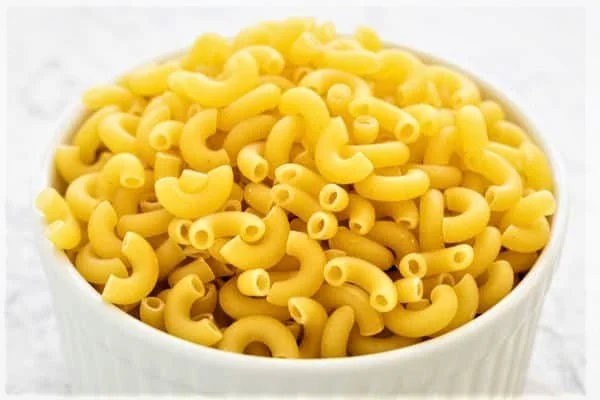
Macaroni a well-known pasta shaped at the curve and looks like our elbow shape is one of the easiest and tasty versions of pasta which has been known to us. A lot many ways with macaroni have been designed and presented to our guests from the classic Italian to the contemporary versions and the creative concoctions which are my favorite and out of the box offerings!

A pasta is one of the easiest dish to prepare since it just needs a few basic tips to adapt to and the recipes from the simplest to the fusion are just a thought process which is imaginary and full of aromas and flavors to balance that perfect pasta plate to indulge into at any hour of the day.

Macaroni pasta is small in size and easy to handle for someone working with pasta for the first time and is also good to learn with a variety of sauces, ingredients and taste enhancing ingredients to make the pasta experience all the more enticing and mesmerising. 

Wishing all our Teachers, Mentors and Guides a very happy teacher’s day 2022.

Here are a few tips on how to combine Macaroni Pasta in our day to day cooking:

  • Combine boiled macaroni with boiled green peas and cook it in tomato based masala with simple home spices like cumin, coriander, turmeric, red chili, mixed herbs and a little salt to taste, fresh coriander leaves and have it with a little topping of grated cheese, good munch for the kids and teenagers.

  • Macaroni pasta goes well into our palak paneer gravy as well, try using a little leftover gravy next time add boiled pasta to it and some sweet corn, capsicums and chili flakes, top it with cheese and bake.

  • Adding macaroni pasta to a chana chaat, tossing it together with a sprouts salad with desi chutneys for dressing, serving it with roasted crushed peanuts with a little curd and chaat masala, mint and coriander in a raita format for a change with a tadka of curry leaves and mustard seeds is just yummy!

  • I have always enjoyed macaroni with cubes of hard boiled eggs, boiled shredded chicken pieces, saute prawns or boiled shrimps, some sliced chicken sausages, salami, bacon etc dressed in a little mayonnaise with some mustard paste and a dash of Capsico or tabasco sauce for a snack.

  • Macaroni pasta can also be done with a tomato/ onion- tomato masala and additions can be potato cubes, a few fox nuts/makhanas or phool patasha as we call it in sindhi, it’s a little gravy to it and eaten with rotis.

  • I also enjoy macaroni pasta with a methi garlic masala and with some paneer or colorful capsicums/ little lady fingers/ bitter gourd/ small baby onions cooked in a green masala also is a good choice as a variety.

Here are a few easy and yummy recipes with macaroni pasta for a perfect Sunday Brunch!

Recipe-1] MACARONI MASKA MASALA

Ingredients:

Macaroni- 2 cups boiled

Green peas-1/2 cup boiled

Oil-1 tsp

Butter-1 tsp

Slit green chilies- 2-3 no

Curry leaves -5-6 no

Salt to taste

Cumin seeds-1/2 tsp

Turmeric powder- ½ tsp

Red chilli powder-1/2 tsp

Coriander powder-1/2 tsp

Chaat masala-1/2 tsp

Tomatoes-1 cup grated/puree

Cheese-2 tbsp. Grated

Coriander leaves- 2 tbsp. chopped

Lime-2-3 slices

Method:

1. Prepare all the ingredients for the macaroni pasta recipe in a desi style.

2. Heat oil in a pan add in the curry leaves, green chilies and cumin seeds allow to splutter for a few seconds, add in the grated or fresh tomato puree.

3. Add in salt and all the powdered spices, boiled green peas and mix well.

4. Cook the mixture for 4-5 mins on a medium flame and add in the boiled macaroni pasta, and coriander leaves, herbs to taste and toss well. Cook for another 4-5 mins on low flame.

5. Finally add grated cheese mix and serve hot with a slice of lime.


Recipe-2] SPICED TOMATO MACARONI SOUP

Ingredients

Oil-1 tsp

Butter-1 tsp

Garlic- 1 tsp chopped

Onion-1 small chopped

Carrot-1/2 no small cubes

Celery-1 stalk small pieces

Potato-1 small cubes

Green capsicum-1/2 no small cubes

Sprouts-1/2 cup

Boiled rajma/ chana/ pulses of your choice-1/2 cup

Water/vegetable stock- 3-4 cups

Salt and crushed black pepper to taste

Mixed herbs/fresh basil to taste

Chili flakes-1/2 tsp

Grated cheese-2 tbsp. Optional.

Coriander/parsley/basil-1 tbsp. for garnish.

Method:

1. Heat oil and butter in a pan add in the garlic and onions and saute for a few seconds. Add in the assorted vegetables, ideally start with the tough ones of your choice and saute them for a minute.

2. Add in the seasonings from salt, pepper to flavorings with mixed herbs and chili flakes to spice it up.

3. Add in vegetable stock or water and allow to boil, simmer and cook the soup for around 20-25 mins on a medium flame or until the macaroni and tough veggies are just done.

4. Now add in the capsicums, sprouts and mix well into the soup, cook for another 3-4 mins and serve hot garnished with cheese/ fresh herbs/coriander.


Recipe-3] THE HEALTHY MACARONI SALAD BOWL

Ingredients

Macaroni pasta-1 cup boiled.

Cucumber-1 small, cut into small cubes

Tomatoes-1 small, cut into small cubes

Onion-1/2 small, cut into small cubes

Boiled pulses- rajma/ beans/ peas- ½ cup

Fresh sprouts-1/2 cup

Cabbage-1/2 cup cut into cubes- white or purple cabbage

For the dressing:

Curd- 1 cup – hung to remove excessive whey/liquid

Salt and crushed black pepper to taste

Mint leaves- 2 tsp chopped

Coriander leaves- 2 tsp chopped

Fresh herbs/basil leaves- 4-5 no

Chili flakes-1/2 tsp

Lime juice- 2 tsp

Chaat masala-1/4 tsp

Cumin powder-1/4 tsp

Flax seeds/ melon seeds/roasted crushed peanuts- 2 tsp

Fresh pomegranate seeds-1/2 cup

Method:

1. Prepare all the ingredients for the healthy macaroni salad bowl.

2. In a mixing bowl combine together all the ingredients for the dressing and mix well.

3. Now add in the body of the salad from macaroni to all other veggies/fruits/non-veg ingredients if any of your choice and give the salad a nice toss.

4. Arrange a bed of assorted lettuce leaves or salad leaves at the base of the serving bowl/salad plate and top it up with a generous portion of the freshly tossed healthy salad.

5. Garnish with fresh herbs, assorted seeds and serve immediately.


Recipe-4] SOY MACARONI COMBO MEAL

Ingredients

Macaroni -1 cup boiled

Soy granules-1 cup, soaked in warm water for 15-20 mins

Oil-1 tsp

Butter-1 tsp

Cumin seeds-1/2 tsp

Ginger-garlic paste- 1 tsp

Green chilies-1 tsp chopped

Onion-1 small chopped

Salt and pepper to taste

Red chili powder-1/2 tsp

Coriander powder-1 tsp

Garam masala powder-1/2 tsp

Tomato puree-1 cup fresh

Kasuri methi-1 tsp

Water-1/2 cup

Green peas-1/2 cup boiled

Coriander leaves-2 tbsp. chopped

Grated cheese-2 tbsp.

Method:

1. Heat oil and butter in a pan add in the cumin seeds, onions, ginger-garlic paste and green chilies and saute for 1-2 mins.

2. Add in the tomato puree, kasuri methi, salt, all spices and add in the drained soy granules and green peas, saute well for a couple of mins.

3. Simmer and allow to cook for 8-10 mins. Add in the boiled macaroni and mix well, cook for another 4-5 mins and add in the coriander leaves and grated cheese mix and serve hot with garlic bread/ masala pao.


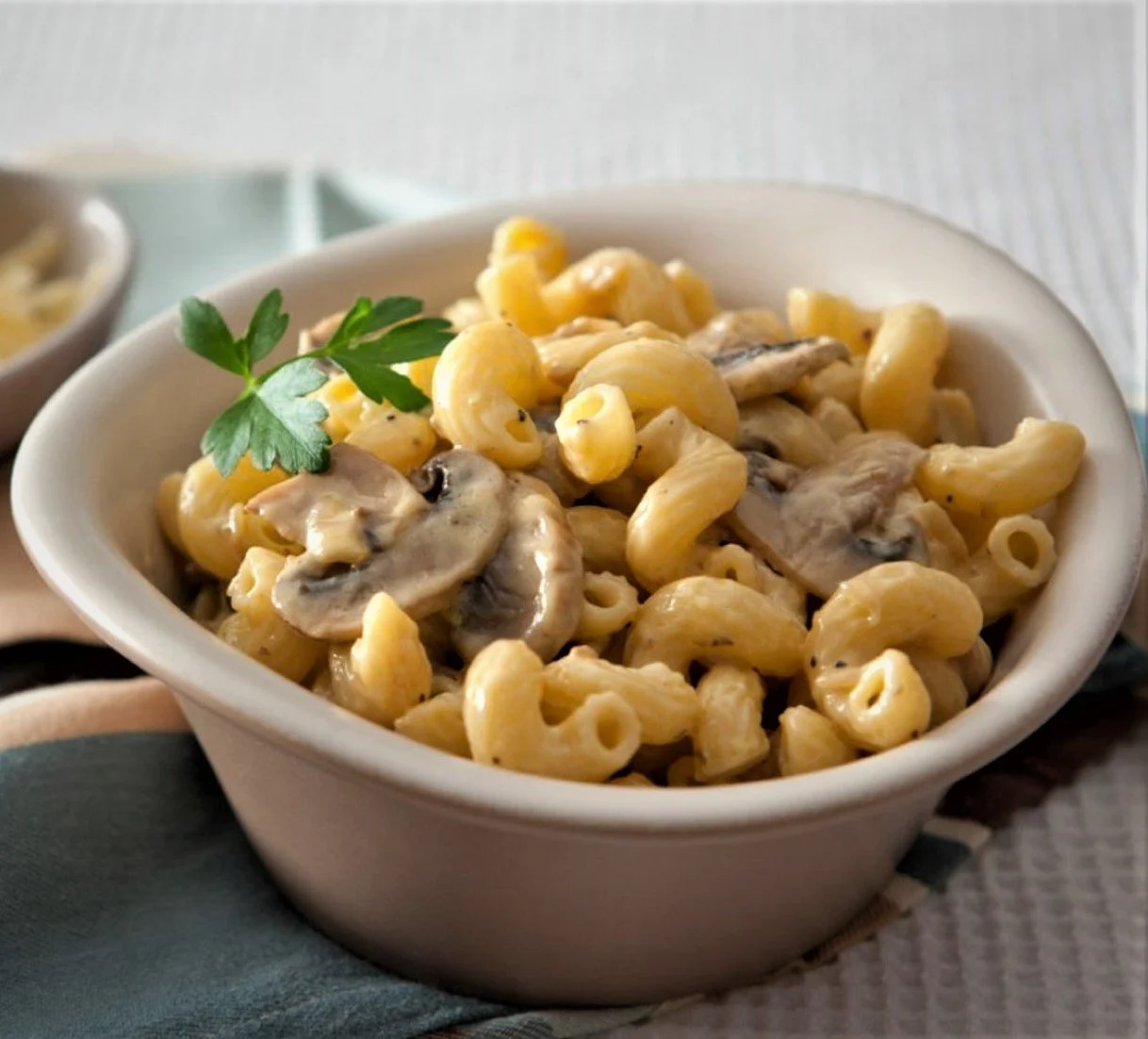
Recipe-5] MACARONI MUSHROOM MELANGE

Ingredients:

Macaroni pasta-1 cup boiled

Mushrooms-1/2 cup sliced

Oil-  1 tsp

Butter-1 tsp

Garlic-1 tsp chopped

Onion-1/2 small chopped

Celery-2 tsp chopped optional

Salt and crushed black pepper powder to taste

Maida-1 tsp

Milk-1/2 cup

Veg stock/ Water-1/4 cup

Cream-2 tbsp.

Mixed herbs-1/2 tsp

Chili flakes-1/2 tsp

Cheese-2 tbsp. grated

Parsley/basil/coriander-2 tbsp. chopped

Method:

1. Heat oil and butter in a pan add in the garlic, and onions, and saute for a minute.

2. Add in the sliced mushrooms, and maida and saute for 30 seconds, add in the milk and water, herbs, chili flakes and stir well.

3. Bring the mixture to a boil and add in the boiled macaroni pasta and mix, allow to cook on a medium flame for 2-3 mins.

4. Add cream and cheese, herbs to flavor the pasta and serve hot with toast.

Ingredient Ideology | The Enchanting Enchiladas - A Treat for the Palate! BY: Dr. Kaviraj Khialani- Celebrity Master Chef

The Enchanting Enchiladas - A Treat for the Palate!

The flavors of mexican foods are not only inviting and appealing to us but also easy to adapt into our daily recipes as well. From the chili and peppers to the salsa, nachos and tacos! this cuisine has so much to offer that it gets difficult to pick and choose between the options. Mexican ingredients are easily available from assorted fresh vegetables to the corn meal, the tortillas, jalapenos, peppers and tomatoes for the salsa. The kitchens of Mexico also have a wide array of non-veg ingredients too including chicken, eggs, fish and seafood, red meat as well in some recipes. 

One of the most popular one meal dish in mexican fare is the concept of enchiladas- tortillas [ made up with corn meal/ makkai ka atta] cooked first, rolled up with an array of filling of your choice, topped with a nice cheesy sauce, baked in the oven and relished!

The methods of cooking in this cuisine are easy to follow and also doesn’t really call for any unusual equipment’s as well. Pots and pans, griddles and hot plates, fryers and ovens are some of the most commonly used mediums. The steps involved in the recipes are short and easy to follow keeping in mind the nutritive aspects as well in most recipes. While they do love to have their foods well presented with accompaniments and garnishes there is a lot more which we can think of as well when it comes to fusion with mexican recipes.

Innovating with enchiladas is always so much fun and it just takes the preparation to level next as I tried incorporating leftovers from indian cuisine as well rolling them into tortillas, theplas, leftover chapattis and more! Keep up the spirit of creativity and indulge into this exciting variety of enchiladas and treat your loved ones this weekend.

Here are a few simple recipes with the Mexican concept of Enchiladas with my little twist of taste attached to make them more palatable and delicious!

Recipe-1] DESI SAUSAGE & BEAN STUFFED ENCHILADAS

Ingredients:

For the enchilada wrapper:

Readymade tortilla rotis [made with corn ka atta] - 4-6 no

Or else whole wheat/ flour/corn meal based rotis- 4-6 no.

For the filling of the enchiladas:

Oil-2 tsp

Butter-1 tsp

Garlic-1 tsp chopped

Green chilies-1 tsp chopped

Spring Onion-1 small chopped

Sliced mushrooms- 8-10 no

Chicken sausages- 3-4 sliced

Baked beans in tomato sauce-1 cup

Capsicum-1 no chopped

Salt, pepper, herbs and chili flakes to taste

Red chili sauce + green chili sauce + soy sauce- 1 tsp each

Spring onion greens-2-3 tbsp. chopped

Grated cheese-1/4 cup

White sauce- 1 and a half cup

For the Salsa mixture:

Tomatoes-1 cup chopped

Onions-1 small chopped

Green chilies-1 tsp chopped

Jalapenos/olives/gherkins-2-3 tsp sliced

Salt and pepper to taste

Capsicum-1/2 no chopped

Tabasco/Capsico sauce-1 tsp

Pinch of sugar

Coriander leaves-2 tsp chopped

Mix and chill for 20 mins.

To serve with: salsa sauce as listed above/ sliced avocado/ tossed salad.

Method:

1. Prepare the wrappers for the enchiladas by either using readymade tortilla wraps or prepare chapattis using variety of flours as desired.

2. To prepare the filling, heat oil and butter in a pan add in the garlic and onions and saute until light pink add in the sliced mushrooms, capsicums, salt, pepper, herbs and chili flakes to taste.

3. Cook for 2-3 mins and add in the sausages and baked beans all the sauces etc and mix, cook for another 2-3 mins, turn off the flame add in the spring onion greens and cheese and mix well.

4. Place the wrapper on a work station and place the prepared filling in the center of the wrapper carefully close up the sides by folding them in and securing it up.

5. Pre-heat the oven to 160-180 degrees celsius and grease a baking dish with some butter, place a little white sauce at the base and then place the rolled up enchiladas, arrange them neatly, top with the white sauce, salsa sauce and some grated cheese and bake for 15-18 mins until nicely browned and set, remove and serve hot.


Recipe-2] CURRIED CHICKEN AND CHEESE ENCHILADAS

Ingredients:

For the enchilada wrapper:

Readymade tortilla rotis [made with corn ka atta] - 4-6 no

Or else whole wheat/ flour/corn meal based rotis- 4-6 no.

For the filling of the enchiladas:

Oil-2 tsp

Butter-1 tsp

Garlic-1 tsp chopped

Green chilies-1 tsp chopped

Spring Onion-1 small chopped

Boneless chicken breasts- 250 gms- boiled, shredded

Chicken liver- 2-3 no cooked/boiled, optional

Baked beans in tomato sauce-1 cup

Capsicum-1 no chopped

Salt, pepper, herbs and chili flakes to taste

Curry powder- 1 tsp

Coconut milk- 1 cup thick

Spring onion greens-2-3 tbsp. chopped

Grated cheese-1/4 cup

White sauce- 1 cup only for topping

For the Salsa mixture:

Tomatoes-1 cup chopped

Onions-1 small chopped

Green chilies-1 tsp chopped

Jalapenos/olives/gherkins-2-3 tsp sliced

Salt and pepper to taste

Capsicum-1/2 no chopped

Tabasco/Capsico sauce-1 tsp

Pinch of sugar

Coriander leaves-2 tsp chopped

Mix and chill for 20 mins.

To serve with: salsa sauce as above / sliced avocado/ tossed salad.

Method:

1. Prepare the wrappers for the enchiladas by either using readymade tortilla wraps or prepare chapattis using variety of flours as desired.

2. To prepare the filling, heat oil and butter in a pan add in the garlic and onions and saute until light pink add in the boiled chicken breast shredded pieces, cooked chicken liver, capsicums, salt, pepper, herbs and chili flakes to taste.

3. Cook for 2-3 mins and add in the curry powder and baked beans and coconut milk and mix, cook for another 2-3 mins, turn off the flame add in the spring onion greens and cheese and mix well.

4. Place the wrapper on a workstation and place the prepared filling in the center of the wrapper carefully close up the sides by folding them in and securing it up.

5. Pre-heat the oven to 160-180 degrees celsius and grease a baking dish with some butter, place a little white sauce at the base and then place the rolled up enchiladas, arrange them neatly, top with the white sauce, salsa sauce, and some grated cheese and bake for 15-18 mins until nicely browned and set, remove and serve hot.


Recipe-3] MAKHNI TADKA ENCHILADAS

Ingredients:

For the enchilada wrapper:

Readymade tortilla rotis [made with corn ka atta] - 4-6 no

Or else whole wheat/ flour/corn meal based rotis- 4-6 no.

For the filling of the enchiladas:

Oil-2 tsp

Butter-2 tsp

Garlic-1 tsp chopped

Green chilies-1 tsp choppedOnion-1 small chopped

Cooked chicken tikka/ paneer tikka/ tandoori mushrooms

Fresh basil leaves-4- 5 no

Tomato ketchup-2-3 tsp

Baked beans in tomato sauce-1 cup

Capsicum-1 no chopped

Salt, pepper, herbs and chili flakes to taste

Kasuri methi-1 tsp

Red chili sauce-1 tsp

Garam masala powder-1/2 tsp 

Spring onion green or 2 tbsp. chopped coriander.

Grated cheese-1/4 cup

White sauce- 1 cup only for topping

For the Salsa mixture:

Tomatoes-1 cup chopped

Onions-1 small chopped

Green chilies-1 tsp chopped

Jalapenos/olives/gherkins-2-3 tsp sliced

Salt and pepper to taste

Capsicum-1/2 no chopped

Tabasco/Capsico sauce-1 tsp

Pinch of sugar

Coriander leaves-2 tsp chopped

Mix and chill for 20 mins.

To serve with: salsa sauce as above / sliced avocado/ tossed salad.

Method:

1. Prepare the wrappers for the enchiladas by either using readymade tortilla wraps or prepare chapattis using variety of flours as desired.

2. To prepare the filling, heat oil and butter in a pan add in the garlic and onions and saute until light pink add in the cooked sliced chicken tikka pieces, capsicums, salt, pepper, herbs like basil leaves and chili flakes to taste.

3. Cook for 2-3 mins and add in the garam masala powder, kasuri methi, and baked beans and prepared makhani sauce and mix, cook for another 2-3 mins, turn off the flame add in the spring onion greens/ coriander leaves, cheese and mix well.

4. Place the wrapper on a work station and place the prepared filling in the center of the wrapper carefully close up the sides by folding them in and securing it up.

5. Pre-heat the oven to 160-180 degrees celsius and grease a baking dish with some butter, place a little white sauce at the base and then place the rolled up enchiladas, arrange them neatly, top with the white sauce, salsa sauce and some grated cheese and bake for 15-18 mins until nicely browned and set, remove and serve hot.


Recipe- 4] METHI PANEER ENCHILADAS

Ingredients:

For the enchilada wrapper:

Readymade tortilla rotis [made with corn ka atta] - 4-6 no

Or else whole wheat/ flour/corn meal based rotis- 4-6 no.

For the filling of the enchiladas:

Oil-2 tsp

Butter-2 tsp

Garlic-1 tsp chopped

Green chilies-1 tsp choppedOnion-1 small chopped

Ginger-1 tsp chopped

Tomatoes- 1 cup puree, fresh

Baked beans in tomato sauce-1 cup

Methi leaves- 2 cups chopped

Paneer- 250 gms, crumbled

Coriander leaves- 1 cup chopped

Salt, pepper, herbs and chili flakes to taste

Turmeric powder-1/2 tsp

Coriander powder-1 tsp

Red chili powder-1/2 tsp

Cumin powder-1/2 tsp

Garam masala powder-1/4 tsp 

Spring onion green or 2 tbsp. chopped coriander.

Grated cheese-1/4 cup

White sauce- 1 cup only for topping

For the Salsa mixture:

Tomatoes-1 cup chopped

Onions-1 small chopped

Green chilies-1 tsp chopped

Jalapenos/olives/gherkins-2-3 tsp sliced

Salt and pepper to taste

Capsicum-1/2 no chopped

Tabasco/Capsico sauce-1 tsp

Pinch of sugar

Coriander leaves-2 tsp chopped

Mix and chill for 20 mins.

To serve with: salsa sauce as above / sliced avocado/ tossed salad.

Method:

1. Prepare the wrappers for the enchiladas by either using readymade tortilla wraps or prepare chapattis using variety of flours as desired.

2. To prepare the filling, heat oil and butter in a pan add in the garlic, ginger and onions and saute until light pink add in the methi, coriander leaves, tomatoes, salt and all spices and cook on a low flame for 8-10 mins.

3. Add in the baked beans and mix, cook for another 2-3 mins, turn off the flame add in the spring onion greens/ coriander leaves, cheese and mix well, also add colorful bell peppers/capsicums for crunch and color.

4. Place the wrapper on a work station and place the prepared filling in the center of the wrapper carefully close up the sides by folding them in and securing it up.

5. Pre-heat the oven to 160-180 degrees celsius and grease a baking dish with some butter, place a little white sauce at the base and then place the rolled up enchiladas, arrange them neatly, top with the white sauce, salsa sauce and some grated cheese and bake for 15-18 mins until nicely browned and set, remove and serve hot.


Recipe- 5] TAVA PRAWNS AND PEPPER ENCHILADAS

Ingredients:

For the enchilada wrapper:

Readymade tortilla rotis [made with corn ka atta] - 4-6 no

Or else whole wheat/ flour/corn meal based rotis- 4-6 no.

For the filling of the enchiladas:

Oil-2 tsp

Butter-2 tsp

Garlic-1 tsp chopped

Green chilies-1 tsp choppedOnion-1 small chopped

Ginger-1 tsp chopped

Tomatoes- 1/2 cup puree, fresh

Baked beans in tomato sauce-1 cup

Assorted capsicums- 1 cup chopped, red-green-yellow

Red chili sauce-1 tsp

Prawns- 500- 700 gms- approx. 10-12 pieces medium sized, cut 1 x 2

Coriander leaves- 1 cup chopped

Salt, pepper, herbs and chili flakes to taste

Turmeric powder-1/2 tsp

Coriander powder-1 tsp

Red chili powder-1/2 tsp

Cumin powder-1/2 tsp

Garam masala powder-1/4 tsp 

Spring onion green or 2 tbsp. chopped coriander.

Grated cheese-1/4 cup

White sauce- 1 cup only for topping

For the Salsa mixture:

Tomatoes-1 cup chopped

Onions-1 small chopped

Green chilies-1 tsp chopped

Jalapenos/olives/gherkins-2-3 tsp sliced

Salt and pepper to taste

Capsicum-1/2 no chopped

Tabasco/Capsico sauce-1 tsp

Pinch of sugar

Coriander leaves-2 tsp chopped

Mix and chill for 20 mins.

To serve with: salsa sauce as above / sliced avocado/ tossed salad.

Method:

1. Prepare the wrappers for the enchiladas by either using readymade tortilla wraps or prepare chapattis using variety of flours as desired.

2. To prepare the filling, heat oil and butter in a pan add in the garlic, ginger and onions and saute until light pink add in the prawns, salt and all spices, tomato puree and cook on a low flame for 8-10 mins.

3. Add in the baked beans and mix, cook for another 2-3 mins, turn off the flame add in the spring onion greens/ coriander leaves, cheese and mix well, also add colorful bell peppers/capsicums for crunch and color.

4. Place the wrapper on a work station and place the prepared filling in the center of the wrapper carefully close up the sides by folding them in and securing it up.

5. Pre-heat the oven to 160-180 degrees celsius and grease a baking dish with some butter, place a little white sauce at the base and then place the rolled up enchiladas, arrange them neatly, top with the white sauce, salsa sauce and some grated cheese and bake for 15-18 mins until nicely browned and set, remove and serve hot.


Recipe-6] TEX- MEX SUBZI WALA ENCHILADAS

Ingredients:

For the enchilada wrapper:

Readymade tortilla rotis [made with corn ka atta] - 4-6 no

Or else whole wheat/ flour/corn meal based rotis- 4-6 no.

For the filling of the enchiladas:

Oil-2 tsp

Butter-2 tsp

Garlic-1 tsp chopped

Green chilies-1 tsp choppedOnion-1 small chopped

Ginger-1 tsp chopped

Tomatoes- 1/2 cup puree, fresh

Baked beans in tomato sauce-1 cup

Assorted Veggies- carrots/ beans/ peas/ potatoes/cauliflower/broccoli/ mushrooms/ zucchini etc can be cut into small pieces, blanch/boil the tough options and then cook it in the sauce as listed in the method

Red chili sauce-1 tsp

Green chili sauce-1 tsp

As an option we can use soya chunks/ soya granules/ tofu as well.

Coriander leaves- 1 cup chopped

Salt, pepper, herbs and chili flakes to taste

Turmeric powder-1/2 tsp

Coriander powder-1 tsp

Red chili powder-1/2 tsp

Cumin powder-1/2 tsp

Garam masala powder-1/4 tsp 

Spring onion green or 2 tbsp. chopped coriander.

Grated cheese-1/4 cup

White sauce- 1 cup only for topping

For the Salsa mixture:

Tomatoes-1 cup chopped

Onions-1 small chopped

Green chilies-1 tsp chopped

Jalapenos/olives/gherkins-2-3 tsp sliced

Salt and pepper to taste

Capsicum-1/2 no chopped

Tabasco/Capsico sauce-1 tsp

Pinch of sugar

Coriander leaves-2 tsp chopped

Mix and chill for 20 mins.

To serve with: salsa sauce as above / sliced avocado/ tossed salad.

Method:

1. Prepare the wrappers for the enchiladas by either using readymade tortilla wraps or prepare chapattis using variety of flours as desired.

2. To prepare the filling, heat oil and butter in a pan add in the garlic, ginger and onions and saute until light pink add in the assorted veggies/ soya chunks etc which are semi- cooked, salt and all spices, tomato puree and cook on a low flame for 8-10 mins.

3. Add in the baked beans, sauces and mix, cook for another 2-3 mins, turn off the flame add in the spring onion greens/ coriander leaves, cheese and mix well, also add colorful bell peppers/capsicums for crunch and color.

4. Place the wrapper on a work station and place the prepared filling in the center of the wrapper carefully close up the sides by folding them in and securing it up.

5. Pre-heat the oven to 160-180 degrees celsius and grease a baking dish with some butter, place a little white sauce at the base and then place the rolled up enchiladas, arrange them neatly, top with the white sauce, salsa sauce and some grated cheese and bake for 15-18 mins until nicely browned and set, remove and serve hot.


On a Concluding Note: Enchiladas are one of those recipes from Mexican cuisine which is able to find its place at any given hour of the day be it a brunch, supper or even a craving in the evening hours to munch on something interesting and tasty. As an advice we can also assemble these enchiladas and keep them all ready, set them in the baked dishes and store them covered/cling wrapped in the fridge and put them to bake just before you wish to have them/ serve them. This concept is also good to prepare ahead of time and keep which can save last-minute hassles during a get-together or a reunion etc where we can spend more quality time together while the oven creates the magic for the moment! Happy Cooking!!

INGREDIENT IDEOLOGY| PASSION FOR POTATOES! BY: DR. KAVIRAJ KHIALANI CELEBRITY MASTER CHEF.


PASSION FOR POTATOES!

presenting a fusion melting pot of ideas using our favourite potatoes!

Potatoes a favorite of almost all of us, one ingredient which we can rarely do without in our kitchens. Near and dear one, also turns out to being a saviour amidst us while cooking many recipes, be it adding up volume into the recipe or absorbing up a little over normal salt added in a dish during the cooking process, it has the ability and capacity to please us in a number of ways.

Potatoes are a good source of fiber, which can help you lose weight by keeping you full longer. Fiber can help prevent heart disease by keeping cholesterol and blood sugar levels in check. Potatoes are also full of antioxidants that work to prevent diseases and vitamins that help your body function properly.

Besides indian cooking, potatoes are a world famous commodity and has been with global culinary world since thousands of years now. New or old category of potatoes as we usually classify them are both equally nutritious and beneficial to us in a number of ways, infact some of them are also rated on size from small baby potatoes to the medium and the large. 

Here are a few Health Benefits of Potatoes:

  • Potatoes are a rich source of magnesium, iron and ascorbic acid, beneficial for our body in a number of ways.

  • Potatoes minimise sugar absorption & help in digestion.

  • Potatoes are rich in Vitamin – C, Vitamin –B6 & copper too.

  • Potatoes are regarded as best energy producing vegetable.

  • Potatoes are low in sodium & reduce inflammation.

  • Potatoes offer liver cleansing & control blood pressure.

  • Potatoes are high in Vitamin-A & also prevent kidney stones.

Let us now try out a few of my recipes using our favorite POTATOES:

Recipe-1] CRISPY INDO-FRENCH POTATO CROQUETTES

Ingredients:

For the potato mixture:

Boiled mashed potatoes- 2 cups/ approx. 5-6 med sized potatoes

Salt to taste

White/black pepper powder-1/4 tsp

Butter-2 tsp at room temperature

Egg yolk-1 no- optional.

Grated cheese- 2-3 tsp- optional.

Nutmeg powder/ jaiphal- 1 pinch

Chaat masala-1/4 tsp

Roasted crushed jeera- ¼ tsp

Parsley & mint leaves- 2 tsp each chopped

Bread crumbs-1 cup for binding and coating as well

Maida / corn flour- ¼ cup for binding and for the dipping mixture with water

Oil- to deep fry

To serve with:

Chili Mili Mayo Dip:

Mayonnaise-1/2 cup

Chopped green chilies-1 tsp

Coriander-1 tsp chopped

Salt and pepper to taste

Mango pickle masala-1/2 tsp

Mix and chill.

Method:

1. In a mixing bowl, combine together all the ingredients for the potato croquette recipe, mix up the ingredients for the dip and chill until used.

2. Add seasonings, herbs and flavorings as desired to taste and add breadcrumbs along with little maida/cornflour and butter and bind it well together.

3.Divide the potato mixture into 12-14 even portions lemon sized and apply little oil on the hands/fingers and shape every portion into a cylindrical shape and dip it in a coating batter of maida and water and then coat with breadcrumbs and place on a plate.

4. Prepare all the portions the same way, as a variation we can also stuff them with combination of grated cheese with nuts, cooked mincemeat with cheese or nuts etc as well, capsicum, cheese, cooked mushrooms etc can be used as well.

5. Chill the prepared portions in the fridge for 30 mins, heat oil for frying to a medium hot flame and slide in the croquettes one by one and fry them well on all sides to nice golden color, remove on a kitchen paper, drain off excess oil and serve with the prepared chilled dip.


Recipe-2] HASSLE FREE HERBED POTATOES

Ingredients:

Potatoes- 10-12 no medium sized.

For the marination:

Oil/ olive oil- 2-3 tbsp.

Salt to taste

Black pepper powder-1/2 tsp

Mixed herbs- 1 tsp preferably use fresh herbs.

Chili flakes- 1 tsp

Honey-2-3 tsp

Soy sauce- 2 tsp

Red chili sauce- 2 tsp

White vinegar-2 tsp

Butter- 2-3 tbsp. melted

Parsley- 2-3 tsp

Parmesan cheese/ cheese- 2-3 tsp grated for garnish.

Dip to serve alongside with the Potatoes:

Hung curd- 1 cup, beaten and thick

Cream cheese- 2 tsp

Salt and pepper to taste

Mustard paste-1/2 tsp

Chaat masala-1/2 tsp

Mint and coriander leaves- 2 tsp chopped

Dates-2-3 chopped.

Mix well and chill until used.

Method:

1. Clean and rinse the potatoes few times under running water.

2. Scrub the potatoes with a little regular salt to remove any dirt etc and rinse again.

3. Do not peel them for this recipe, using a sharp knife make slit slices as shown in the pic in every potato and keep in salted water for 10 mins.

4. In a mixing bowl combine together the oil based marination for the potatoes and using a kitchen brush apply the marination in and on every potato and arrange them on a baking tray and put them to bake/ roast in a preheated oven at 160 degrees for 25-30 mins.

5.Remove the potatoes from the oven and arrange on a serving platter and place the prepared dip alongside and serve as a snack.


Recipe-3] INDO- AMERICAN POTATO CUPS

Ingredients

Potatoes- 4-5 no slightly oval or elongated shaped, cut half horizontally and par boil them, scoop out the center part and use in stuffing.

For the marination:

Oil- 2-3 tsp

Mustard paste- 1 tsp

Salt and pepper to taste

Mixed herbs- 1 tsp

Chili flakes-1/2 tsp

Chaat masala-1/2 tsp

Red chili sauce- 2 tsp

For the stuffing:

Baked beans-1/2 cup tinned

Scooped out potatoes- chopped

Garlic-1 tsp chopped

Onion-1 small chopped

Green chilies-1 tsp

Oil-1 tsp

Butter-1 tsp

Chicken sausages-2-3 chopped/sliced

Tomato ketchup-2 tsp

Salt and pepper to taste

Chopped coriander-2 tsp

Garam masala powder-1/4 tsp

Capsicum-1/2 chopped

Red chili sauce-1 tsp

Grated cheese-2-3 tbsp. topping.

Method:

1. Prepare all the ingredients for the stuffed potato recipe.

2. Heat oil and butter and saute the garlic, onions, chilies and add in the capsicums, sausages or any veggies of your choice and baked beans from a tin and add along salt and all spices, herbs, flavorings and sauces to taste.

3. Cook the mixture on a low flame for 4-5 mins and turn off the flame, stuff the parboiled potato cups with this mixture and top with cheese and place it on a baking tray and bake them at 160 degrees Celsius for 20-25 mins.

4. Serve them as a snack with dips and sauces of your choice or as a side dish to main course or mini meal.


Recipe-4] INDO- MEXICAN POTATO WEDGES

Ingredients:

Potatoes-4-5 no cut into wedges

For the marination:

Oil- 2-3 tbsp.

Chopped garlic-1 tbsp.

Red chili powder-1/2 tsp

Chaat masala-1/2 tsp

Black salt-1/4 tsp

Black pepper powder-1/4 tsp

Coriander powder- 2 tsp

Cumin powder-1 tsp

Turmeric powder-1/4 tsp

Garam masala powder-1/4 tsp

Salt to taste

Melted butter-1/4 cup

Chopped coriander/ parsley-2 tbsp.

Dip to serve alongside with the wedges:

Tomato ketchup-2 tsp

Tomato puree-1/2 cup

Garlic-2 tsp chopped

Olive oil-2 tsp

Butter-1 tsp

Red chili sauce-2 tsp

Mixed herbs-1/2 tsp

Chili flakes-1/2 tsp

Chopped coriander-2 tsp

Cook all the above in a pan for 2-3 mins and keep warm.

Method:

1. Prepare all the ingredients for the potato wedges recipe.

2. In a mixing bowl combine together the marinate and apply it on the potato wedges, pre-heat oven to 160 degrees Celsius and place the potato on a baking tray to cook in the oven for 25- 30 mins.

3. Remove and arrange them on a serving platter, and serve with the prepared warm tomato dip and also suggested to serve with the mexican avocado dip called guacamole.


Recipe-5] INDO- WESTERN MASHED POTATOES

Ingredients:

Potatoes- 5-6 large ones, boiled, peeled and mashed.

To add into the mashed potatoes:

Olive oil- 2 tsp

Melted butter-1/4 cup

Salt and crushed black pepper-to taste

Red chili powder-1/4 tsp

Chaat masala-1/4 tsp

Garlic-1 tsp chopped

Spring onions-2-3 chopped

Parsley-2- 3 tsp chopped

Lime juice-2 tsp

Toasted/ fried peanuts- 2-3 tbsp.

Sunflower seeds/ flax seeds- 2 tsp toasted-crushed.

Method:

1. Prepare all the ingredients for the indo-western mashed potatoes.

2. Once the potatoes are boiled, peeled, mashed add the ingredients into it while they are still warm, saute the garlic and onion in the oil and butter and then add into the potatoes.

3. Cream the mixture well in order to mix in the flavors and getting them well blended into the potatoes.

4. Serve them immediately with toasted bread/ lavash or cheese straws/ fancy bread rolls etc.


Recipe-6] LETS BAKE ON WITH LAYERED POTATOES

Ingredients

Potatoes- 3-4 medium sized, peeled and sliced, par boiled.

To prepare the filling for the layered potato recipe:

Oil-2 tsp

Butter-2 tsp

Garlic-2 tsp chopped

Onion-1 chopped

Chicken mince/ soya granules-1 cup

Green peas- ½ cup

Assorted capsicums-1/2 cup chopped

Salt and pepper to taste

Mixed herbs and chili flakes to taste

Water/stock-1/2 cup

Garam masala powder-1/4 tsp

Tomato puree-1/2 cup

Tomato ketchup-2 tbsp.

Red chili sauce- 2 tsp

Sliced onions-1 cup saute in little oil and butter until light pink

Grated cheese/ cream cheese- 2 tbsp.

Coriander/ parsley-2 tsp chopped.

Method:

1. Prepare all the ingredients for the layered baked potato combi recipe.

2. Pre-heat the oven to 160 degrees Celsius and grease a deep baking dish with olive oil/butter.

3. Heat oil and butter in a pan saute the garlic, onions until light pink in color add in the green capsicums, peas, and the chicken keema or the soya granules which can be soaked in warm water earlier for around 15 mins, drained and added here.

4. Add in the tomato puree, ketchup, salt and other seasonings, herbs, and mix well. Simmer and cook for 15-18 mins.

5. Layer this mixture with the sliced potatoes, little cheese and the saute sliced onions and allow to bake for 20-25 mins, serve hot with garlic bread, french bread or masala herbed focaccia.

SWEET TREATS ON INDEPENDENCE DAY! CRESCENT SHAPED DELIGHTFULLY AWESOME TREATS By Dr. Kaviraj Khialani- Celebrity Master Chef

SWEET TREATS ON INDEPENDENCE DAY!

CRESCENT SHAPED DELIGHTFULLY AWESOME TREATS

Karanji, a Maharashtrian sweet snack is traditionally made during festivals, especially Diwali. It is made at home with the help of all the members of the family. Children specially get involved while making this sweet. The Karanji recipe as originated from Maharashtra has coconut as one of the main ingredients. 

This dry sweet snack is rich in taste and full of flavour. It is half crescent in shape and can be stored in an airtight container for a long time. The karanji recipe suggests the use of very simple ingredients to prepare this sweet.  The outer covering is made of flour, water and oil, whereas the inner filling usually has grated coconut, sugar, raisins and cardamoms as the ingredients. Karanji is prepared like a samosa by making the dough and filling separately and then assembling them together.

 As per the karanji recipe, this dish tastes best when deep fried in desi ghee. As mentioned earlier this is a typical festival sweet. It is not prepared throughout the year. People of Maharashtra and Karnataka offer karanji to the guests who visit their house during festivals. This sweet is eaten as a snack at any time of the day. It is made in large numbers and is stored so that throughout the festival season it can be enjoyed. Alterations have happened from the original karanji recipe as time has passed. Although the outer cover has not undergone much change, varieties of filling have been created for this special sweet.

Copra filling - This kind of filling is made of copra or dried coconut instead of fresh grated coconut. The other ingredients remain the same.

Puttani filling – Instead of coconut, Puttani or fried gram dal is the main ingredient of this filling. The other ingredients like sugar, cardamom and raisins are mixed with the dal to prepare the filling.

Coconut filling – Some additional ingredients are added to this filling which makes it different from the traditional one. Cashew nuts, pistachios and poppy seeds are added to this filling to make it special. Sometimes instead of sugar, jaggery or sugar free is added to the filling. This special sweet is nowadays available in baked form rather than fried for those health conscious people.

Khajoor or dates: karanji is also a popular karanji nowadays. It consists of a filling of dates.

Innovative ideas: today we are able to variate in a number of ways to make karanji fillings, some of the ideas include using crumbled up boondi ladoo, burfi and mithai can be crumbled and mixed with a little mava and used as well. We also have an option to use chocolate brownies- eggless versions as well with a little Gulkhand mixed in it as a stuffing for the karanji. Besides we also have the halwa, sheera concepts as well which can be adapted to.

The Food and Hospitality Industry has always stepped up on a very positive note when it comes to making moments and occasions like these special for our valued guests and food lovers! A lot of hotels and restaurants plan up special menus with the tri-coloured theme attached to suit the Independence day! There is a décor and ambience created in the outlets to add that look and feel experience to make the auspicious day all the more patriotic and the feeling of pride which every indian carries on this day is just incomparable. Republic day & Independence day theme related welcome drinks, display pieces from fruit and vegetable carvings, spice and salt displays, margarine carvings etc have also been spotted as a part of presenting the menu for the day in a very appealing and impressive manner.


Buffets, special a la carte offers, table promotions, tent card delights, live counters, chefs special offerings, mocktail bar specials are some of the attractions which see a houseful of food lovers visiting the food outlets to celebrate the day with family and friends. In India, the term "tricolour" refers to the Indian national flag. The National flag of India is a horizontal tricolour of deep saffron (kesari) at the top, white in the middle and dark green at the bottom in equal proportion. The design of the flag of India that was first presented in 1921 to Late Shri. Mahatma Gandhi, leader of the All-India Congress, was created by Pingali Venkayya. 

The Chakra or the wheel also symbolizes the Power of the State governed by Dharma. It is also called the tiranga or tricolour. The National Flag is a horizontal tricolour of India saffron (kesari) at the top, white in the middle and India green at the bottom in equal proportion.

 The ratio of width of the flag to its length is two to three. In the centre of the white band is a navy-blue wheel which represents the chakra. The top saffron colour, indicates the strength and courage of the country. The white middle band indicates peace and truth with Dharma Chakra. The green shows the fertility, growth and auspiciousness of the land.

Food is also one of the important elements associated with the tricolour and as we represent various meanings and values via colors it not only pleases the senses and whets the appetite but also creates wonderful concoctions and makes our culinary diaspora more rich and varied from indian cooking to international it gives a sense of brotherhood and togetherness creating a melange of flavours, tastes and balance.

Here are a few of my favorite easy to make recipes with a mix-n-match touch of twist on this auspicious occasion on the eve of our 75th year of Independence.


Here are a few simple and easy ways with Karanji, our all-time favorite homemade sweet with a little twist of taste!

Recipe-1] Desi Nariyal Wali Karanji

Ingredients:

For the Karanji dough:

Maida- 2 cups

Ghee-2 tbsp.

Salt-1/4 tsp

Milk-1/4 cup/ as needed

For the Nariyal wali stuffing:

Desiccated coconut-1/2 cup

Ghee-2 tsp

Green cardamom powder-1/4 tsp

Cashew powder-2 tsp

Raisins-2-3 tsp chopped

Dates-2-3 tsp chopped

Almonds-2-3 tbsp. sliced finely

Powdered sugar-2-3 tsp/as per taste

To fry:

Oil- as needed.

Method:

1. Assemble all the ingredients for the Karanji recipe as listed.

2. Prepare the dough to start with, a semi-hard, firm and pliable dough easy to work with. Cover it with a damp muslin cloth and rest the dough for 20-25 mins.

3. Meantime, we can prepare the filling/stuffing for the karanji. Heat up the ghee in a thick bottomed pan add in the coconut and lightly saute it for a few minutes on a low flame.

4. Add in the green cardamom powder, cashew powder, nuts as desired and give it a nice mix. Once it all starts coming together add in the powdered sugar and mix well, cook for 1-2 mins and turn off the flame. Allow the prepared filling/stuffing mixture to cool.

5. Divide the prepared and rested dough into 12-16 lemon sized portions, roll them out one by one and using a round cutter get a uniform size to all the sheets of the dough, place 2-3 tsp full mixture on one side, apply little water on the edges and using finger tips and then a fork, seal and crimp up/ press the ends in order to secure the filling inside.

6.To fry the prepared Karanji, Heat oil for deep frying in a pan or kadai. Gently place the prepared karanji in hot oil. Just add a few karanji while frying and don't crowd them.

7.Fry till crisp and golden in color, remove and drain on paper towels/kitchen paper sheets to remove excess oil. Once cooled, store them in air-tight container and serve as needed.


Recipe-2] Akhroat Aur Khajoor Wali Karanji

Ingredients:

For the Karanji dough:

Maida- 2 cups

Ghee-2 tbsp.

Salt-1/4 tsp

Milk-1/4 cup/ as needed

For the Akhroat Aur Khajoor wali stuffing:

Mava- ½ cup grated

Ghee-2-3 tsp

Green cardamom powder-1/4 tsp

Almond -powder-2 tsp

Raisins-2-3 tsp chopped

Dates -1/2 cup finely chopped

walnuts-2-3 tbsp. sliced finely

Powdered sugar-2-3 tsp/as per taste

To fry:

Oil- as needed.

Method:

1. Assemble all the ingredients for the Karanji recipe as listed.

2. Prepare the dough to start with, a semi-hard, firm and pliable dough easy to work with. Cover it with a damp muslin cloth and rest the dough for 20-25 mins.

3. Meantime, we can prepare the filling/stuffing for the karanji. Heat up the ghee in a thick bottomed pan add in the mava and dates and lightly saute it for a few minutes on a low flame.

4. Add in the green cardamom powder, almond powder, nuts as desired and give it a nice mix. Once it all starts coming together add in the powdered sugar and mix well, cook for 1-2 mins and turn off the flame. Allow the prepared filling/stuffing mixture to cool.

5. Divide the prepared and rested dough into 12-16 lemon sized portions, roll them out one by one and using a round cutter get a uniform size to all the sheets of the dough, place 2-3 tsp full mixture on one side, apply little water on the edges and using finger tips and then a fork, seal and crimp up/ press the ends in order to secure the filling inside.

6.To fry the prepared Karanji, Heat oil for deep frying in a pan or kadai. Gently place the prepared karanji in hot oil. Just add a few karanji while frying and don't crowd them.

7.Fry till crisp and golden in color, remove and drain on paper towels/kitchen paper sheets to remove excess oil. Once cooled, store them in air-tight container and serve as needed.


Recipe-3] Chukandar aur Charoli Wali Karanji

Ingredients:

For the Karanji dough:

Maida- 2 cups

Ghee-2 tbsp.

Salt-1/4 tsp

Milk-1/4 cup/ as needed

For the Chukandar aur Charoli wali stuffing:

Mava- ½ cup grated

Ghee-2-3 tsp

Green cardamom powder-1/4 tsp

Beetroot/ chukandar- 2 med sized, peeled, grated.

Raisins-2-3 tsp chopped

Dates -1/2 cup finely chopped

Charoli- 2-3 tsp.

Powdered sugar-2-3 tsp/as per taste

To fry:

Oil- as needed.

Method:

1. Assemble all the ingredients for the Karanji recipe as listed.

2. Prepare the dough to start with, a semi-hard, firm and pliable dough easy to work with. Cover it with a damp muslin cloth and rest the dough for 20-25 mins.

3. Meantime, we can prepare the filling/stuffing for the karanji. Heat up the ghee in a thick bottomed pan add in the grated beetroot and dates and lightly saute it for a few minutes on a low flame for 3-4 mins, add in the grated mava and cook on low flame for 3-4 mins.

4. Add in the green cardamom powder, Charoli, nuts as desired and give it a nice mix. Once it all starts coming together add in the powdered sugar and mix well, cook for 1-2 mins and turn off the flame. Allow the prepared filling/stuffing mixture to cool.

5. Divide the prepared and rested dough into 12-16 lemon sized portions, roll them out one by one and using a round cutter get a uniform size to all the sheets of the dough, place 2-3 tsp full mixture on one side, apply little water on the edges and using finger tips and then a fork, seal and crimp up/ press the ends in order to secure the filling inside.

6.To fry the prepared Karanji, Heat oil for deep frying in a pan or kadai. Gently place the prepared karanji in hot oil. Just add a few karanji while frying and don't crowd them.

7.Fry till crisp and golden in color, remove and drain on paper towels/kitchen paper sheets to remove excess oil. Once cooled, store them in air-tight container and serve as needed.


Recipe-4] Lauki Aur Badam Wali Karanji

Ingredients:

For the Karanji dough:

Maida- 2 cups

Ghee-2 tbsp.

Salt-1/4 tsp

Milk-1/4 cup/ as needed

For the Lauki aur Badam wali stuffing:

Mava- ½ cup grated

Ghee-2-3 tsp

Green cardamom powder-1/4 tsp

Lauki/Dudhi/bottle-gourd- 300 gms, peeled and grated

Almond -powder-2 tsp

Raisins-2-3 tsp chopped

Dates -1/2 cup finely chopped

Powdered sugar-2-3 tsp/as per taste

To fry:

Oil- as needed.

Method:

1. Assemble all the ingredients for the Karanji recipe as listed.

2. Prepare the dough to start with, a semi-hard, firm and pliable dough easy to work with. Cover it with a damp muslin cloth and rest the dough for 20-25 mins.

3. Meantime, we can prepare the filling/stuffing for the karanji. Heat up the ghee in a thick bottomed pan add in the grated Lauki/ bottle-gourd and cook for 2-3 mins, add in the grated mava and dates and lightly saute it for a few minutes on a low flame.

4. Add in the green cardamom powder, almond powder, nuts as desired and give it a nice mix. Once it all starts coming together add in the powdered sugar and mix well, cook for 1-2 mins and turn off the flame. Allow the prepared filling/stuffing mixture to cool.

5. Divide the prepared and rested dough into 12-16 lemon sized portions, roll them out one by one and using a round cutter get a uniform size to all the sheets of the dough, place 2-3 tsp full mixture on one side, apply little water on the edges and using finger tips and then a fork, seal and crimp up/ press the ends in order to secure the filling inside.

6.To fry the prepared Karanji, Heat oil for deep frying in a pan or kadai. Gently place the prepared karanji in hot oil. Just add a few karanji while frying and don't crowd them.

7.Fry till crisp and golden in color, remove and drain on paper towels/kitchen paper sheets to remove excess oil. Once cooled, store them in an air-tight container and serve as needed.


Recipe- 5] Videsi Tadke Wali Karanji

Ingredients:

For the Karanji dough:

Maida- 2 cups

Ghee-2 tbsp.

Salt-1/4 tsp

Milk-1/4 cup/ as needed

For the Videsi Tadke Wali stuffing:

Dark/ bitter chocolate-1/4 cup, grated

White chocolate-1/4 cup, grated

Butter-2 tsp

Almond flakes/ sliced-2-3 tsp

Raisins-2-3 tsp chopped

Dates -1/2 cup finely chopped

Digestive biscuits- 4-5 no, powdered

Apricots/ berries/ prunes- 2-3 tbsp. cut

Glazed cherries- 5-6 no chopped

Powdered sugar-2-3 tsp/as per taste

To fry:

Oil- as needed.

Method:

1. Assemble all the ingredients for the Karanji recipe as listed.

2. Prepare the dough to start with, a semi-hard, firm and pliable dough easy to work with. Cover it with a damp muslin cloth and rest the dough for 20-25 mins.

3. Meantime, we can prepare the filling/stuffing for the karanji. Warm up the butter in a thick bottomed pan add in the fruits, nuts, powdered digestive biscuits and dates and lightly saute it for a few minutes on a low flame.

4. Add in the almond powder, nuts/berries etc as desired and give it a nice mix. Once it all starts coming together add in the powdered sugar and mix well, cook for 1-2 mins and turn off the flame. Allow the prepared filling/stuffing mixture to cool.

5. Divide the prepared and rested dough into 12-16 lemon sized portions, roll them out one by one and using a round cutter get a uniform size to all the sheets of the dough, place 2-3 tsp full mixture on one side, apply little water on the edges and using finger tips and then a fork, seal and crimp up/ press the ends in order to secure the filling inside.

6.To fry the prepared Karanji, Heat oil for deep frying in a pan or kadai. Gently place the prepared karanji in hot oil. Just add a few karanji while frying and don't crowd them.

7.Fry till crisp and golden in color, remove and drain on paper towels/kitchen paper sheets to remove excess oil. Once cooled, store them in air-tight container and serve as needed.


Recipe-6] Gajar aur Gulkhand Wali Karanji

Ingredients:

For the Karanji dough:

Maida- 2 cups

Ghee-2 tbsp.

Salt-1/4 tsp

Milk-1/4 cup/ as needed

For the Gajar Aur Gulkhand wali stuffing:

Mava- ½ cup grated

Ghee-2-3 tsp

Green cardamom powder-1/4 tsp

Carrots- 300 gms, peeled and grated

Almond -powder-2 tsp

Raisins-2-3 tsp chopped

Dates -1/2 cup finely chopped

Powdered sugar-2-3 tsp/as per taste

Gulkhand- 2-3 tsp

To fry:

Oil- as needed.

Method:

1. Assemble all the ingredients for the Karanji recipe as listed.

2. Prepare the dough to start with, a semi-hard, firm and pliable dough easy to work with. Cover it with a damp muslin cloth and rest the dough for 20-25 mins.

3. Meantime, we can prepare the filling/stuffing for the karanji. Heat up the ghee in a thick bottomed pan add in the grated carrots and cook for 2-3 mins, add in the grated mava and dates and lightly saute it for a few minutes on a low flame.

4. Add in the green cardamom powder, almond powder, nuts as desired and give it a nice mix. Once it all starts coming together add in the powdered sugar and mix well, cook for 1-2 mins and turn off the flame. Allow the prepared filling/stuffing mixture to cool and then add in Gulkhand and mix well, chill for 30 mins.

5. Divide the prepared and rested dough into 12-16 lemon sized portions, roll them out one by one and using a round cutter get a uniform size to all the sheets of the dough, place 2-3 tsp full mixture on one side, apply little water on the edges and using finger tips and then a fork, seal and crimp up/ press the ends in order to secure the filling inside.

6.To fry the prepared Karanji, Heat oil for deep frying in a pan or kadai. Gently place the prepared karanji in hot oil. Just add a few karanji while frying and don't crowd them.

7.Fry till crisp and golden in color, remove and drain on paper towels/kitchen paper sheets to remove excess oil. Once cooled, store them in air-tight container and serve as needed.

Ingredient Ideology | HEALTH TOTAL CULINARY FIESTA YOUR GUIDE TO CULINARY APPROPRIATE BEHAVIOUR By: Dr. Kaviraj Khialani- Celebrity Master Chef.

HEALTH TOTAL CULINARY FIESTA

        YOUR GUIDE TO CULINARY APPROPRIATE BEHAVIOUR!

Treat up yourself to the best but eat well & rest is also one of the citations these days which we need to look at and follow up on while we are on the way dealing with Covid-19 and since we all are aware that we need a strong immunity level built up taking place during the recovery days a few tips from our culinary collection can also assist us do it well. with the onset of the current monsoon season, many of us feel under the weather at times and end up catching a common cold, cough and other infections due to a number of reasons.

Most people these days are adapting themselves to various styles and methods and combo treatments from allopathy to Ayurveda, naturopathy and more! We must however take all advice and reconfirm any readings with our nutritionists and then only take up one or more of them to help better suit our system and help it heal faster.

Firstly, we need to be strong come what may, since stress pulls down our immunity levels drastically which is not a good sign instead we need to be calm, patient and slightly more alert once the tests are positive. Let us now look at a few helpful pointers listed below as suggested by a few experts and studies on the culinary Covishield.

Trivia on Culinary Aspects Associated with Seasonal / climatic changes, their effects on our health and its variants:

1. Drink warm/lukewarm water at least 3 to 4 litres, throughout the phase and continue following it for days and weeks to go.

2. Alter your diet immediately as we have heard “You are what you Eat!” Now it would be Eat light, feed wise & rest right to sit up upright to face the tide!” it is time to eat limited, but nutritious and low in oil & fats, sodium and spices.

3. It is suggested to be on a protein rich diet ideally while recovering, would be great to be on vegetarian diet ideally which is also protein rich. Also follow the policy of cook fresh eat fresh! Do not store the cooked food for a long time and again re-heat & consume.

4. As a guide to keeping inflammation and bacterial growth at bay, we would suggest to keep wheat away from the diet for a few days and also keep away wheat based products for a while, instead recommended to consume brown rice, pulses like rajma, black eye peas, and opt for gluten free flours like oats flour, soy flour etc for your chapattis etc.

5. We also need to keep away sweets and sugar in all forms hence none of your favorite Gulab jamuns, malai sandwich or rossogulla, phirni etc for some time, it’s time to revamp your diet.

6. Mucus formation needs to be taken care of in the system during these times, therefore it is suggested to avoid milk and milk based/dairy products as well not to be included in the diet for a while.

7. On a positive note, one can try consuming roasted pounded Flaxseed powder, 1 -2 tsp per day, depends on how well you can have the intake and acceptance by your body, also try having organic honey a tsp or so in a day, it does have benefits to offer as well.

8. We have often heard of fresh turmeric being great when it comes to remedial measures and it has been handy in our kitchens since ages now, try fresh ground turmeric paste with a little crushed black peppercorns and a few tulsi leaves and have it as a mix in the morning to start your day on an empty stomach, it has worked for many.

9. During this recovery and rebuilt of strong immunity levels in our body it is important to make healing energy available on our plates as well and what better than a small portion of boiled rice, with a dal which is made non-spicy, less oil and salt a little drinkable works well. Furthermore, we are aware of the best nutri rich voted Indian favorite dal khichdi- have this made with yellow or green moong dal, mildly to low in spices and salt levels. For the dessert and sweet tooth lovers go for a small portion of a ripened sweet papaya!

10. Taking positive culinary moves to waive off the positivity from the test reports would be to include tisanes or herbal teas, ginger- cinnamon tea or a combination of black pepper and tulsi chai, have this few times a day in small portions with no sugar and no milk, try adding giloy though!

11. Drumsticks as we mentioned in our immunity boosting list earlier is a true friend and support here, have a nice light soup made with drumsticks- I make this like a shorba but with no oil, just with curry leaves, pepper, ginger, choose between ajwain or jeera,  a touch of lime, turmeric, fresh coriander, mint with cut up drumsticks in boiling water with a pinch of pink or Himalayan salt if available, cook the drumsticks in the soup pot, extract and strain out the flavors of the drumstick, nice and mild, sip on this one for a few days!

12. A few foods from the Pre-Biotic category are also helpful and come handy here to boost up our immunity levels for instance gradually we can start using a little garlic, ginger, onion, ripened banana, fresh coconut, fermented foods, brinjal and even raw tomatoes in our healthy cooking drive to also support good gut bacteria in our system which goes for a little toss due to antibiotics.

13. Experts also suggest to include sattu in the special diet after the initial few days it is possible to do a desi protein shake kind of concept here and sattu goes well with roasted jeera powder as well, having a couple of spoons of this mixture should be good.

14. Sprouted and ground moong dal or mix dal dosa or cheela concept being made with very little oil on a non-stick tava with light seasonings and flavorings like ginger and onion should be good to start now, can also use little sprouted kabuli chana once in a while in the above.

15. For those who wish to opt for eggs, may think of including 1-2 boiled eggs or a simple omelette to go once in couple of days with some multi-grain bread or gluten free slice bread.

16. Almonds soaked overnight and eaten in the morning would be a good start to the day, have 6-8 of them per day, along with these one can also think of having raisins, figs or Anjeer as available or any other dry fruit as well of your choice can be consumed.

17. We all need a little twist of taste on our palate during these times, try a sweet potato and sprouted cooked/boiled moong dal tikki, with a touch of ginger, green chili, salt and coriander /mint and have them like small tikkis shallow fry on a non-stick with very little oil for a change add a little crushed melon, sunflower seeds for a crunch in them.

Here are a few recipe suggestions which can be easily made and are healthy as well this monsoon season to keep our immunity levels high:

Recipe-1] HEALTHY OATS IDLI

Ingredients:

Oats -1 cup

Rava/sooj-1/2 cup

Curd-1/4 cup

Water- 1 cup to be used and adjust texture.

Salt to taste

Lemon juice- 2 tsp

Cooking soda/ fruit salt- ½ tsp

Carrot-2- 3 tbsp. grated

For the tempering:

Oil/ghee- 1 tsp

Mustard seeds-1/2 tsp

Cumin seeds-1/2 tsp

White urad dal- 1 tsp

Chana dal-1/2 tsp

Ginger-1 tsp grated

Cashews- 2-3 no. chopped 

Hing- 1 pinch

Green chili-1 no chop

Curry leaves-4-5 no.

Coriander leaves- 2 tbsp. chopped

Method:

1. Firstly, dry roast the oats in a non-stick pan for a few mins, cool slightly and grind it to a powder using a dry grinder.

2. Now heat the oil/ghee and prepare the tempering as listed above, add in the rava and powdered oats and mix them well on a low flame add salt and keep aside to cool completely.

3. Add water and curd or use buttermilk to make a nice batter for the idlis, adjust the texture and cover, set aside for 10-15 mins, now add lemon juice, carrot, coriander, nuts to the batter and finally add fruit salt and mix well.

4. Place the idli maker on the flame meantime with water, grease the idli moulds and pour the batter in each mould and continue with the steaming process once it comes out clean with a toothpick, carefully remove the idlis and serve with coconut chutney.


Recipe-2] SATTU KA HEALTH SHAKE

Ingredients

Sattu ka atta- 2 tbsp.

Almond powder/ cashew powder- 2 tsp

Soy milk- 1 and a half cup

Green elaichi powder- ¼ tsp

Raisins-1 tsp chop

Dates- 2-3 no. chop

Turmeric powder-1/4tsp

Saffron- 2-3 strands

Method:

1. Prepare all the ingredients for the shake.

2. In a pan add the soy milk, add in the chopped dates, saffron, turmeric, add the sattu, nut powder and cook well for 3-4 mins.

3. Add elaichi powder, raisins and bring a light boil and simmer for 2 mins.

4. Serve the health shake warm to slightly hot and enjoy this 2-3 times a week.

Recipe-3] MIX DAL KA CHEELA

Ingredients:

Toor dal- 3 tbsp.

Yellow moong dal-3 tbsp.

White urad dal- 2 tbsp.

Brown rice/white rice- 3 tbsp.

Oil- to cook

Sooji- 2-3 tbsp.

Green chili-2 tsp chop

Ginger- 1 tsp chop

Hing- ¼ tsp

Coriander leaves- 2 tbsp. chop

Salt to taste

Method:

1. Clean the dals and rice, wash them well and soak them all together in water around 4 cups for around 2-3 hours.

2. Drain the water grind with green chili, hing, ginger to a coarsely fine paste, add few tsp of water as needed.

3. Remove into a bowl, add in the sooji and mix well, cover and keep aside for 15-20 mins.

4. Using a non-stick tava, grease it lightly, using a round spoon/ladle pour the cheela batter onto the tava and spread it evenly.

5. Spray or drizzle very little oil on the sides to assist in cooking once it gets a light nutty brown color, remove and serve hot with chutney or little curd.


Recipe-4] DRUMSTICK SOUP

Ingredients

Drumsticks- 2-3 scrape them a little from the top with a sharp knife and cut into smaller pieces and washed.

Oil-1 tsp

Cumin seeds- ¼ tsp

Mustard seeds-1/4 tsp

Curry leaves- 4-5 no

Green chili-1 no chop

Salt to taste

Ginger- 1 tsp chop

Water- 4-5 cups

Black pepper powder- ¼ tsp

Lime juice- 1 tbsp.

Coriander leaves- 1 tbsp.

Method:

1. Prepare all the ingredients for the healthy soup.

2. Heat oil add in the tempering ingredients add in the drumstick pieces and salt, pepper, water and bring to a boil, simmer for 15- 20 mins or 3- 4 whistles using a pressure cooker.

2. Cool down slightly and press down and extract the drumstick pulp into the soup, strain the entire mixture in to a fresh sauce pan and bring it back to a boil, now check for salt, add lime and coriander and serve hot.

Recipe-5] NUTRI RICH MOONG DAL KHICHDI

Ingredients:

Boiled brown rice/white rice- 1 cup cooked.

Yellow moong dal- 1 cup boiled and mashed

Oil/ghee- 1 tsp

Hing-1/4 tsp

Ginger- 1 tsp chop

Slit green chili-1 no

Cumin seeds-1/2 tsp

Salt to taste

Curry leaves- 4-5 no

Turmeric powder-1/2 tsp

Coriander powder-1/2 tsp

Coriander leaves- 2 tbsp.

Tomato- ½ cup chop.

Lime juice-2 tsp.

Roasted crushed peanuts- 1 tbsp.

Method:

1. Prepare all the ingredients for the khichdi recipe.

 2. Heat oil/ghee add in the ginger, hing, chili and tomatoes.

3. Add in the spices, salt, boiled dal and rice and mix well.

4. Cook on a medium flame for 8-10 mins.

5. Adjust texture using hot water and get the khichdi to a slightly

Mashed texture, add lime juice and crushed peanuts.

6. Serve hot garnished with fresh coriander.


On a concluding note: Keeping it simple- light & easy is the key! do not be in a rush to go very heavy on the intake of foods high in carbs, fats etc. look at the balance in the nutrition chart for a couple of months from here, have adequate sleep and take good rest. Avoid too much of physical activity do not strain your mind, brain and body too much with work pressure/stress etc for few weeks, as we agreed upon Health is Wealth! Take regular medications as prescribed, do continue a few steam inhalations, and also salt water gargles couple of times a day. Revitalise yourself and revive all those aims, goals and ambitions after a little break and me time, which is most needed during these times. Stay Safe, Eat Healthy and Stay Fit!

Ingredient Ideology | RAISING A TOAST TO PIZZA By: Dr. Kaviraj Khialani- Celebrity Master Chef.

RAISING A TOAST TO PIZZA 

RELISH THE TEMPTATIONS!

Pizza is a dish of Italian origin consisting of a usually round, flat base of leavened wheat-based dough topped with tomatoes, cheese, and often various other ingredients, which is then baked at a high temperature, traditionally in a wood-fired oven. A small pizza is sometimes called a pizzetta. Looking back into history and finding out how it all started reveals specifically, baker Raffaele Esposito from Naples is often given credit for making the first such pizza pie. Historians note, however, that street vendors in Naples sold flatbreads with toppings for many years before then. Legend has it that Italian King Umberto I and Queen Margherita visited Naples in 1889. While few food connoisseurs argue on what is so special about a pizza? Your taste buds are the primary factor in what makes pizza special. 

Along with sweet, salty, sour and bitter, there is a fifth "taste" called umami. Umami was pinpointed by a Japanese chemist who took his observations into a lab and determined exactly what "umami" was and how it affected your taste buds.

Few facts about how the very first pizza came into existence says, the first Italian pizza restaurant, Antica Pizzeria Port ‘Alba, began baking pizzas in 1738 as the dish grew in popularity, especially with tourists visiting Naples. Then, in 1889, modern pizza was born when pizza maker Raffaele Esposito created the “Pizza Margherita” for the Queen consort of Italy, Margherita of Savoy. Pizza was first invented in Naples, Italy as a fast, affordable, tasty meal for working-class Neapolitans on the go. While we all know and love these slices of today, pizza actually didn't gain mass appeal until the 1940s, when immigrating Italians brought their classic slices to the United States.

While some also call it is pizza pie for the fact that Pizza was first invented in Naples, Italy as a fast, affordable, tasty meal for working-class Neapolitans on the go. While we all know and love these slices of today, pizza actually didn't gain mass appeal until the 1940s, when immigrating Italians brought their classic slices to the United States. The reason for pizza usually being round in shape but why must is be round? For starters, round pies can be easily cut and divided into equal pieces. Second, a circular shape can be more evenly cooked and heated throughout. Pizza dough is also stretched by spinning the lump of dough in the air, which takes advantage of centrifugal force and rounds the dough out.

Here are a few of my all-time favourite pizza recipes for our readers to freshly bake and relish.


Recipe-1] MURGH AFGHANI PIZZA

Ingredients:

Pizza base of your choice- 2-3 no

For the spread on the pizza base:

Peanut butter- 2-3 tbsp. mixed with 2 tbsp. tomato sauce

For the toppings of the pizza:

Sliced onions-1/2 cup

Slit green chilies- 2-3 no

Boneless chicken cubes/ shreds- 1 and a half cup cooked

Cream cheese-1/2 cup

Mixed herbs-1 tsp

Chili flakes-1 tsp

Crushed black pepper-1/2 tsp

Chaat masala-1/2 tsp

Red chili sauce-1 tsp

Slit black olives- 2-3 no, green or black

Fresh basil leaves- 4-5 no

Method:

1. Prepare all the ingredients for the pizza as listed.

2. Spread up the peanut butter and tomato sauce mixture on the pizza base.

3. Use pre-cooked chicken pieces’/ chicken kababs/ seekh kababs etc for this pizza along with a choice of veggies like corn/ capsicums/ onion rings etc.

4. Mix up the cream cheese and the grated cheese with some herbs, chili flakes and fresh herbs to top it up and spread it on the pizza toppings.

5. Garnish the pizza with sliced olives and gherkins/ fresh basil leaves etc and bake it in a pre-heated oven at around 180 degrees celsius for 8-10 mins, slice and serve hot.


Recipe-2] Pan- n- Pick Pizza

Ingredients:

For the base of the pizza:

Choose as desired thin or thick crust pizza bread.

For the spread on the base:

Tomato sauce ¼ cup mixed with chopped chilies 2 tsp

Or schezuan sauce and little tomato sauce mixed

For the toppings of the pizza:

Paneer/ tofu cubes- 1 cup

Marinate it with salt, pepper, oil, mixed herbs and chili flakes

For the add on toppings:

Sliced onion rings-1/4 cup

Sliced mushrooms- 1/3 cup

Shredded capsicum-1/2 no

Salt and pepper to taste

Chaat masala powder-1/2 tsp

The assorted choice of cheese- 1 cup, mozzarella/ processed cheese.


Method:

1. Prepare all the ingredients for the pizza as listed.

2. Spread the tomato chili sauce on the pizza base.

3. Marinate the paneer/tofu cubes and keep aside for 20 mins.

4. Saute them lightly in a non-stick pan with little oil and chaat masala.

5. Place the assorted veggies as per choice on the pizza base.

6. Top up the pizza with grated cheese to cover it all over.

7. Sprinkle herbs and chili flakes and place the pizza for baking in a pre-heated oven at around 180 degrees celsius. serve hot.


Recipe-3] DESI SAUSAGE PIZZA

Ingredients:

For the base of the pizza:

Choose as desired thin or thick crust pizza bread.

For the spread on the base:

Tomato sauce ¼ cup mixed with chopped chilies 2 tsp

Or schezuan sauce and little tomato sauce mixed

For the toppings of the pizza:

Sliced chicken sausage- 2-3 no

Sliced onions-1/4 cup

Salt and pepper to taste

Shredded green/red/ yellow capsicum-1/2 no

Boiled sweet corn-1/4 cup

Grated cheese- ½ cup, as per choice.

Chaat masala- ½ tsp

Red chilli flakes-1/2 tsp

Olives- 3-4 no black

0lives- 2-3 no black.

Micro-greens for garnish


Method:

1. Prepare all the ingredients for the pizza recipe as listed above.

2. Choose between the desired thickness of the pizza bread.

3. Apply a spread of mayo mixed with chili sauce and a dash of chili flakes, herbs and chopped garlic.

4.Now place the sliced sausages along with all other ingredients on the pizza base and spread it evenly.

5. It is now time to place the herbs/ chili flakes and seasonings to taste and place all the additional toppings on the pizza.

6.We can place the prepared pizzas topped with choice of cheese in a pre-heated oven at around 180 degree celsius. and slice and serve it hot once done. For a choice of veg in the same recipe, we can also use cubes of assorted veggies, use exotics like broccoli, Babycorn/ roasted eggplant etc.


Recipe- 4] FUSION TOSS PIZZA

Ingredients:

For the choice of base for the pizza:

Whole wheat / multi-grain/ regulars

For the choice of spread on the pizza base.

Tomato herbed sauce- ½ cup

Tomato- pepper- chili dip-1/2 cup

Peanut butter with dash of chili sauce and garlic- 2-3 tbsp.

For the toppings:

Sliced onions-1/2 cup

Green capsicum-1/2 no cut into strips

Black and green olives- 3-4 no each

Sliced roast chicken-1 and a half cup

Juliennes of chicken salami- ½ cup

Mixed herbs-1-2 tsp

Salt and pepper to taste

Chili flakes-1 tsp

Choice of cheese as desired from processed to mozzarella

Method:

1.Prepare all the ingredients for the recipe as listed.

2. Choose between regular pizza base of thick crust/ fancy ingredient 

Being added to the base.

For the choice of spreads on the base:

Tomato sauce and chili sauce as per taste- 2-3 tbsp.

Mayo plus white sauce plus Capsico sauce-2 tsp

Cream cheese plus tomato sauce and herbs-2-3 tbsp.

Pesto chutney with a dash of cheese-grated -1 cup

For the toppings on the pizza:

Sliced chicken tandoori pieces- 10-12 no or 2 breast pieces

Assorted veggies like broccoli/ mushrooms, bell peppers and a lot more can be a choice for the toppings. We can also use grilled/ roast or bbq chicken pieces as well.

We can also use tandoori paneer, grilled or pan-fried prawns, tava fish fry can also be used to place, bake and serve.

For the garnishes of the pizza:

Sliced onions-1/2 cup

Sliced tomatoes-1/2 cup

Sliced brown onion rings- 1 cup

Micro-greens-1/4 cup

Sliced olives- black or green-4-5 no

Grated cheese-1 cup, processed or plain.


Recipe-5] MURGH MASALA MIX PIZZA

Ingredients:

For the choice of base for the pizza:

Whole wheat / multi-grain/ regulars

For the choice of spread on the pizza base.

Tomato herbed sauce- ½ cup

Tomato- pepper- chili dip-1/2 cup

Peanut butter with dash of chili sauce and garlic- 2-3 tbsp.

For the toppings:

Sliced onions-1/2 cup

Sliced chicken salami- 1 cup

Sliced red capsicum-1/2 no

Baked beans from a tin-1/3 cup drained

Chicken- 250 gms, cut into cubes to be cooked in makhani gravy.

Makhani gravy- 1/2 tsp

Cream cheese-2-3 tbsp.

Cheese- ½ cup choose between processed and or mozzarella

Slit olives- black and green- 3-4 no each

Assorted herbs- ½ tsp

Chili flakes-1/2 tsp

For the garnishes:

Micro-greens- ¼ cup

Sliced gherkins-1/4 cup

Fresh assorted herbs-1-2 tbsp.

Method:

1. Prepare all the ingredients for the base of the pizza.

2. Apply the choice of spreads on the pizza base or bread.

3. Now place the toppings as per choice as listed above and add in the baked beans, chicken pieces, kale and other greens.

4. Pace the chicken pieces laced with makhani gravy on the pizza bread and top it up with choice of cheese and cream cheese as well.

5. Sprinkle over the garnishes and cheese as needed for the pizza before placing it in the pre-heated oven at 180 degrees celsius.

6. Cut the pizza into equal portions and dish out the pizza while it is still hot since the cheese tends to get rubbery if not cut accordingly and serve hot.


Recipe-6] VEGGIE WONDER PIZZA

Ingredients:

For the choice of base for the pizza:

Whole wheat / multi-grain/ regulars

For the choice of spread on the pizza base.

Tomato herbed sauce- ½ cup

Tomato- pepper- chili dip-1/2 cup

Peanut butter with dash of chili sauce and garlic- 2-3 tbsp.

For the toppings:

Sliced onions-1/2 cup

Green capsicum-1/2 no cut into strips

Black and green olives- 3-4 no each

Sliced roast chicken-1 and a half cup

For the add-on toppings:

Water chestnuts- 2-3 no sliced

Sliced mushrooms-1 cup

Salt and pepper to taste

Chaat masala-1/2 tsp

Method:

1. Prepare the ingredients for the pizza as listed above and pre-heat the oven to 180 degrees celsius.

2. Apply a choice of spreads which can be applied on the pizza base and can add a lot more excitement and feast for the palate.

3. Place the assorted toppings as desired and choose between veg and non –veg and evenly spread them all out.

4. Place out the garnishes for the pizza as per choice and ensure that the pizza looks colorful and attractive and not just the regulars but also exotic veggies be added on the pizza bread. 

5. After ensuring a generous topping of grated cheese and assorted nuts/seeds/ herbs etc place the pizza inside the oven and allow to bake for 3-4 mins on each sides.

6. Remove from the oven and slice them hot along with tomato sauce/ chili sauce/ Capsico/ and a small portion of tossed salad.

Ingredient Ideology | PULAO FOR THE PALATE By: Dr. Kaviraj Khialani- Celebrity Master Chef.

PULAO FOR THE PALATE

The earliest mention of a dish named Pilaf can be found in the transcripts of the history on Alexander the Great. It is believed that the young Greek conqueror enjoyed the reception he received at the hands of the locals of Bactria. The military forces accompanying Alexander savoured the Bactrian dish of rice and meat, and took the recipe back with them to Greece which remained with them for a good amount of time.

While a lot many foodies get confused with its relation to the concept of a biryani, the two are much different in many ways. A Biryani is made using the draining method of cooking--which basically means the rice is par-boiled in water, and then drained, dried and used to layer up. Pulao is made through the absorption method, so the amount of water or stock is completely absorbed by the rice and vegetables in the dish.

Pulao is supremely aromatic and its exquisite usage of elegant spices makes it a very sophisticated dish. It’s this very subtle elegance that played a key role in spreading it to the world at large. From ancient Persia it spread far and wide to the entire middle-east and beyond. The Spanish added a host of seafood to it, infused it with saffron and called it paella, the Turks referred to it as pilaf, and the Latin race from Italy called it their world famous delicacy today called risotto.

In India, the chef’s in Lucknow however prided in making the fragrant pulao and maintained that the sophistication of the dish was in its subtlety of flavours, where the floral essence of the rice was enhanced by the gentle fragrance of fennel and coriander seeds. Although today we look at the scenario of pulao its way different across various parts of our country as well and that’s how it keeps us attracted towards it and we indulge in its uniqueness as always.

Do try out some of my simple yet lip-smacking recipes for Pulao’s in your kitchens & relish the effervescence of the robust spices & more!


Recipe-1] ZAIKEDAAR MURGH KEEMA PULAO

Ingredients:

1 and a half cup basmati rice, cleaned, washed and soaked for 15min.

200 gms chicken keema

100 gms green peas, frozen ideally.

2 tsp oil

1 tsp ghee

2 bay leaves

3-4 black peppercorns

1-inch piece cinnamon stick

1- 2 green/ black cardamoms

1 tsp ginger-garlic paste

1 tsp green chilies, chopped.

1 no onion, chopped

½ cup tomato puree

Salt to taste

1 tsp kasuri methi

½ tsp red chili powder

1 tsp coriander powder

1 tsp garam masala powder

3 cups warm water

2 tbsp. chopped coriander leaves

2 tsp rose water

2-3 tbsp. fried nuts/ fried brown onions for garnish.

Method:

prepare all the ingredients for the keema mattar pulao. Heat oil and ghee in a thick bottomed pan, add in the whole spices, saute the onions for a few minutes, add in the ginger-garlic paste, green chilies and the tomato puree. Saute all the ingredients for 2-3 mins, add in the chicken keema, green peas, salt, kasuri methi and all the masalas. Ensure we bhunao or saute the keema well with the masalas for 2-3 mins and then add in the drained rice and mix well. Add 3 cups of warm water, allow to boil, cover and simmer, cook the pulao in dum for 20-25 mins and as the rice cooks with the keema the aromas get released, add rose water and coriander leaves, mix it lightly and garnish with fried nuts/browned onions and serve with raita/papad/pickle.

For a vegetarian option: try using veg soy granules in the same recipe with peas.


Recipe-2] PANEER KA CHUTNEY WALA PULAO

Ingredients:

1 and a half cup basmati rice, cooked.

150 gms paneer cubes

1 green capsicum cubed

1 onion cubed

1 tomato cubed

For the green chutney:

1 cup coriander leaves

1-2 green chili

1 tsp garlic, sliced

1 tsp ginger, sliced

3-4 tbsp. water

2 med tomatoes roughly cut

Grind all together and keep aside.

For cooking the masala for the pulao:

2 tsp oil

2 tsp ghee

½ tsp cumin seeds

Salt to taste

½ tsp turmeric powder

½ tsp red chili powder

1 tsp coriander powder.

Method: Prepare the basic ingredients for the pulao recipe. Using a chutney grinder prepare the fresh green masala and keep aside. Heat oil and ghee in a pan add in the powdered spices and salt, green masala and cook for 2-3 mins. Add in the paneer cubes and other cut veggies as well. Cover and cook for 2-3 mins on low flame. Now add in the cooked white rice and toss it with the chutney wala masala and paneer. Cover and cook in dum/steam for 5-8 mins and serve hot with spinach raita, anar aur boondi ka raita or a glass of chaas and papad to go along.

For a non-veg variation: try using chicken drumsticks/thighs in the same recipe.

Recipe-3] KHUMB KA DUMDAAR PULAO

Ingredients:

1 and a half cup basmati rice, cooked.

2 tsp oil

1 tsp butter

1-2 green cardamoms

1 tsp green chilies, chopped.

1 tsp ginger-garlic paste

1 med onion, sliced

3/4th cup curd

Salt to taste

200 gms khumb / fresh mushrooms, sliced

1 med potato, peeled and cubed.

½ tsp turmeric powder

¼ tsp red chili powder

1 tsp coriander powder

½ tsp garam masala powder

¼ cup water

2 tbsp. coriander, chopped

2 tsp mint leaves, chopped

1 tbsp. rose water.

Method: prepare all the ingredients for the khumb or mushroom pulao recipe. Heat oil and butter in a pan add in the green cardamom, onions, ginger-garlic paste, green chilies and saute them for 2-3 mins. Add in the beaten up curd with all powdered spices and cook on a low flame for 2-3 mins. Now add in the sliced mushrooms and small cubes of potatoes, little water cover and simmer for 3-4 mins. Add in the cooked rice on top, coriander and mint leaves and sprinkle little rose water and cover with a tight fitting lid and cook the pulao in steam for 12-15 mins and serve hot with a bowl of date and walnut raita or a kachumber with fried papad.

For a non-veg variation: try doing this same recipe using chicken liver or chicken sausages with boiled eggs and potatoes.


Recipe-4] GOSHT KA NARAM GARAM PULAO

Ingredients:

1 and a half cups basmati rice, cleaned, washed & soaked for15 min

750 gms mutton with bones.

2 tsp oil

2 tsp ghee

1-2 bay leaves

2-3 black cardamoms

1 tsp shahi jeera

1 tsp ginger-garlic paste

2-3 green chilies

1 cup onions, sliced

2 med-sized potatoes, cubed

Salt to taste

1 tbsp. coriander powder

1 tsp red chili powder

½ tsp turmeric powder

½ tsp garam masala powder

1 tsp Kasuri methi

1 cup curd, beaten

2 tbsp. coriander leaves, chopped

2 tbsp. rose water/ kewra essence.

2-3 tbsp. fried onions and fried nuts.

Method: Prepare all the ingredients for the mutton pulao recipe. Boil the mutton for 20-25 mins with the whole spices separately to enable faster cooking later with the rice. Heat oil and ghee in a pan add in the shahi jeera and the whole spices from the boiled mutton and lightly brown the onions, add in the ginger-garlic paste, slit onions and cook for 2-3 mins. Now add in the half cooked mutton and drained rice add in all the powdered spices, beaten curd and salt to taste and bhunao it all together for a couple of minutes, add kasuri methi, potato cubes and double amount of the mutton stock or the boiling liquid into the pan and mix well. Simmer the mutton pulao on a low flame until well-cooked lastly add the rose or kewra water into the pulao and serve hot garnished with browned onions and nuts.

For a veg variety in this case: use assorted veggies of your choice with soy chunks.


Recipe-5] SUBZI TARKARI PULAO

Ingredients:

1 and a half cup basmati rice, clean- wash-soak for 15 mins.

2 tsp oil

1 tsp ghee

1-star anise

4-5 peppercorns

1-2 mace or javitri

½ tsp jeera

1 tsp ginger-garlic paste

2-3 green chilies chopped

1 cup onions, sliced

Salt to taste

1 cup pre-cut assorted veggies of your choice- carrots, peas, beans, cauliflower, potatoes etc.

½ tsp turmeric powder

1 tsp coriander powder

¼ tsp red chili powder

½ cup tomato puree

3 cups water

1-2 tbsp. fresh cream

2-3 tsp fried nuts and browned onions for garnish

2 tbsp. coriander leaves, chopped

Method: prepare all the ingredients for the assorted vegetable pulao. Heat oil and ghee in a pan add in the whole spices and jeera allow to splutter for a few seconds. Add in the onions and lightly brown them, add in the ginger-garlic paste, chilies and saute for 1-2 mins. Add in the tomato puree, salt and all powdered spices and mix well followed by all the assorted veggies as desired and bhunao or saute them all together for 1-2 mins. Add in the fresh cream, drained rice and mix well, add double quantity of warm water and mix, cover and cook in steam until the rice and veggies are well cooked. Add in the coriander leaves and mix well. Serve hot garnished with nuts and browned onions. Serve it with masala chaas or a bowl of cucumber mint raita or a sev aur boondi ka raita.

For a non-veg variation here: try using chicken curry cuts or prawns/ shrimps as well in the same recipe.

Ingredient Ideology | TASTE OF MONGOLIAN CUISINE By: Dr. Kaviraj Khialani- Celebrity Master Chef.

TASTE OF MONGOLIAN CUISINE

Mongolia is a land of vast, unspoiled wilderness, for a long term known as the 'end of the earth'. A country where 30% of the population live in nomadic tribes, from the mountains of the north to the Gobi Desert's "Singing Sands" in the south. Mongolian foods are simple and full of variety of meat that includes mutton, beef, camel, horse, sheep even marmot. There is some Mongolian cuisine accompanied including meat with vegetables, noodles, rice’s and pasta. People mainly eat sheep and goat meat but not much beef, camel, pork and horse meat. 

Mongolian people consume a lot of milk tea, wild fruit juice and home-made alcohol drinks. A variety of dairy products are bread and butter for breakfast and snacks throughout the day. For breakfast and lunch, locals always have pastry and fried bread. Mongolian cuisine predominantly consists of dairy products, meat, and animal fats. The most common rural dish is cooked mutton. In the city, steamed dumplings filled with meat—"buuz"— are popular.

Mongolian cuisine can be found in China's Mongol Autonomous Region of Inner Mongolia and in other northern Chinese provinces, as far east as Beijing. Mongolian cuisine is mainly derived from the traditions of ethnic Mongols. It is a blend of their nomadic diet and influences from northern China and Russia. Mongolian cuisine is characterized by a variety of meat, including beef, mutton, deer, ostrich almost all kinds of meat on the grasslands, mixing with Mongolian characteristics of seasoning spices, the unique cooking method makes beef more unique in flavor. Shamanistic Mongols worship the good 55 heavens once a year by worshipping a sacred mountain or an Ovoo. During the ceremony of Ovoo worship, shamans offer fire and food to the spirits of the mountains and of the waters. Once a year shamans perform a special ritual to abuse the bad heavens.

Here are a few popular recipes from the cuisine of Mongolia for us to relish:

Recipe-1] Mongolian Bansh – Dumplings

Ingredients:

Flour – 250 gms

Water – 150 ml approx.

Ground meat or lamb -500 gms

Onions- 2 small chopped

Garlic cloves- fine chopped-2-3 pieces

Salt to taste

Pepper powder to taste

Curry powder -1 to 2 tsp

Method:

1. Add the meat, onion, garlic, salt, pepper, and other seasonings to a bowl. 

2. The goal of the mixture is to create a smooth paste. Add just enough water to make the mixture smooth.

3.Add enough water to the flour until it becomes malleable. Knead for several minutes until the dough is pliable.

4. Shape the dough into a bread loaf shape. When done, rest the dough for 15 minutes. Divide the dough into small balls and roll each out until round (you can also use a round cutter to make perfect circles).

To prepare the dumplings:

  1. 5. Get one round of dough and add 1 teaspoon or a dollop of the filling into the centre of the dough.

  2. Fold the circle in half and press the edges together.

  3. When pressing the edges, try to make it form like braids.

  4. Repeat the process for the rest of the dough.

  5. To cook the dumplings, boil water on a deep pan or pot with a pinch or two of salt.

  6. Once the water has boiled, put the Bansh carefully on the boiling water.

  7. Let the Bansh sink to the bottom of the pan and boil them for 10 minutes.

  8. You will know when the Bansh is ready when they all rise to the surface.

  9. Serve it hot with any sauce of your preference or add some vegetables on the side.


Recipe-2] Mongolian Style Tsuvian – Stir Fried Noodles

Ingredients:

For the home-made noodles

2 1/2 cups all-purpose flour plus more for dusting

1 cup water

Vegetable oil for rolling and cooking

For the stir frying of the noodles:

 onion peeled and thinly sliced-1 no

 Mutton or chicken- 250gms, cut into strips

 Salt and pepper to taste

 carrots cut into matchsticks- 2 no

 potato peeled and cut into matchsticks-1 no

 green cabbage thinly sliced-1 cup

 cloves garlic peeled and minced- 2-3 no

water or stock-1 cup

spring green onions thinly sliced- 2-3 no

Method

 To make the noodles:

1. Place the flour in a large bowl and make a well in the center. Add the water and mix to combine and form a dough.

2. On a lightly floured surface, knead the dough well until smooth and elastic. If too sticky to handle, add a little more flour. If too crumbly, add a little water. Cover with an inverted bowl or wrap in plastic and allow to rest for 15 minutes.

3. Divide the rested dough into 4 equal pieces. Cover three of the pieces and place one on a lightly floured surface. Roll the piece of dough into a thin sheet, making sure the bottom does not stick to the surface.

4. Grease the top of the sheet with about 1 tablespoon of oil- making sure all parts are covered. Loosely roll the sheet up, long side to long side. Using a sharp knife, quickly cut the roll into strips about 1/4 inch (0.6 cm) wide. Gently shake the strips loose with your fingers to separate and place on a greased baking sheet or other surface. Repeat with remaining dough.

To prepare the Tsuvian- stir fried noodles:

1. Place a large pan over medium heat and drizzle with about a tablespoon of oil. Once heated, add the sliced onions and cook, stirring often, until softened.

2. Stir in the meat, season with salt and pepper, and continue to cook, stirring occasionally, until golden on all sides. Add the carrots, potatoes, cabbage if using, and garlic. Cook until starting to soften.

3. Pour the water into the pan and bring to a boil. Reduce to a simmer and arrange the sliced noodles around the top, leaving a hole in the center. Drizzle the tops of the noodles evenly with about 1 tablespoon oil. Cover tightly with a lid and steam the noodles until cooked through, about 15 minutes. If the water has evaporated before the noodles are finished cooking, pour in a little more water.

4. Once cooked, remove the lid and gently fan the noodles using a paper fan, the pot lid, or even a cutting board to help dry out the top layer. Use a fork to gently fluff and separate the noodles, then lightly toss all the ingredients together. Season to taste with salt and pepper and serve immediately topped with the green onions


Recipe-3] Mongolian Style Lamb Stir Fry

Ingredients:

For the marination:

Boneless shoulder of lamb- 400 gms, shredded

Salt and pepper to taste

Chinese soy sauce- 1-2 tsp

Garlic-2 tsp minced

Chinese wine-2-3 tsp or red wine- 45 ml

Cornflour- ½ cup

Baking powder-1/4 tsp

Oil- 2-3 tbsp.

Apply all the above to the shredded lamb, keep aside.

For the stir fry sauce to go with the lamb:

Oil- 2-3 tbsp.

Garlic- 2-3 tsp chopped

Onion- 1 small chopped

Slit red chilies-2-3 no

Spring onions- 2-3 sliced

Salt and pepper to taste

Soy sauce- 2-3 tsp

Red chili sauce- 2-3 tsp

Hot garlic sauce-2-3 tsp

Water/stock as needed

Cornflour and water solution for thickening- 2-3 tbsp.

Star anise-2-3 no

White vinegar-1 tsp

Method:

1. Prepare the lamb as instructed above and apply the marination on the same and keep aside for 20-25 mins.

2. To start with the cooking process for the lamb stir fry, choose a thick bottomed pan or skillet and heat up the oil, add in the star anise and chilies, onions, garlic and saute for a few seconds.

3. Add in the marinated lamb and give it a nice stir, add in some wine if desired. Add in some stock or water and allow the lamb to cook for a few mins. Now add in the seasonings, sauces and give it all a nice mix.

4. Allow the lamb to cook up well to the desired cooking stage and thicken up the sauce a little using cornflour and water solution. Dish out the stir fried lamb and garnish with fresh spring onions their greens and some sliced celery etc and serve it hot with steamed rice.


Recipe-4] Gambir- Mongolian Style Fried Pancakes

Ingredients:

Refined flour- 250 gms

Salt- 1 pinch

Water- 150 ml approx.

Grain white sugar- 4-5 tsp

Oil/ fat for frying as needed

Method:

1. Knead pliable dough with water and flour. Leave it aside for 15 minutes.

 2. Divide the dough into 3-4 parts, to process individually, Roll one part into a thin sheet.

 3. Drizzle drops of oil or melted butter on it, Sprinkle a little sugar over the surface.

 4. Wrap up the sheet into a long roll and press it into a compact heap, so that the oil and sugar can equally be distributed, Flatten it again with the rolling pin. Make parallel cuts near the center with a knife.

5.Heat oil and fry on both sides over medium heat, Repeat with other dough portions.


Recipe-5] FISH CURRY MONGOLIAN STYLE

Ingredients:

Fleshy variety of fish of your choice- 500-750 gms, cubes

For the curry:

Oil- 3-4 tbsp.

Mustard seeds-1/2 tsp

Fenugreek seeds- ½ tsp

Onion- 1 small chopped

Ginger- 1 tsp, chopped

Garlic- 1 tsp, chopped

Onion-1 small, chopped

Turmeric powder-1/2 tsp

Chili powder-1/2 tsp

Coriander powder-1 tsp

Salt to taste

Tomatoes- 1 cup puree

Red chili paste-1-2 tsp

Seafood/ fish stock- 2-3 cups

Tamarind pulp-1/2 cup

Coconut cream- 1 and a half cup

Coriander leaves- 2-3 tbsp. chopped

Lime juice- 2 tsp

Fried red chilies- 2-3 garnish.

Method:

1. Prepare the fish and keep aside. Apply a little salt on the fish cubes and allow to chill and rest for 20 mins.

2. To start the cooking process, heat oil in a pan add in the seeds allow them to crackle for a few seconds. Add in the garlic, ginger, onions and saute them until light pink in color, add little stock or water during the process as needed.

3. Now add in the tomato puree or chopped tomatoes, salt and powdered spices and allow them all to blend well, cook the masala mixture on a low flame for 3-4 mins, add little stock.

4. Add in the fish pieces and lightly coat them with the masala and add ½ cup fish stock, simmer cover and cook fish for 2-3 mins.

5. Now add in the coconut cream/milk and stir in well to get a nice creamy texture for the curry, simmer for another 2-3 mins. Check for salt and adjust accordingly. 

6. Serve the fish curry piping hot garnished with fried red chilies and add in a splash of lime juice and enjoy it with steamed white rice.


Recipe-6] MONGOLIAN FRIED RICE

Ingredients:

Boiled white rice- 2 cups

Oil- 2 tbsp.

Butter- 1 tsp

White sesame seeds- 2 tsp

Ginger-1 tsp chopped

Garlic-1 tsp chopped

Spring onions- 3-4 chopped

Spring onion greens-1/2 cup chopped

Red chili paste-1/2 cup cooked

Red chili sauce-2-3 tsp

Tomato ketchup-1-2 tsp

Soy sauce-1-2 tsp

Salt to taste

Black pepper to taste

Water/stock-1/2 cup

Boiled shredded chicken-1 cup

Beansprouts- 1 cup

Sliced mushrooms- 1 cup

Broccoli/ zucchini/ Babycorn/ beans-1 cup assorted, blanched

White vinegar-1-2 tsp

Fried red chilies- 2-3 for garnish

Eggs- 2-3 no

Method:

1. Prepare all the ingredients for the rice recipe

2. Boil the rice, allow to cool completely.

3. To start cooking, heat oil in a wok or pan add in the white sesame seeds, the garlic, ginger, onions and saute.

4. Add in the veggies of your choice, salt, pepper, little stock and allow to cook for 2-3 mins.

5. Add in the chili paste, sauces and mix well. Cook the mixture for 2-3 mins. Add in the chicken and boiled rice and give it all a nice stir.

6. Finally check for seasonings, adjust as needed, add in the egg in the form of scrambled eggs/ double fried egg shredded and placed on top or also can be like a half fry egg which can be placed while serving.

Ingredient Ideology | CORN-O-COPIA FIESTA Monsoon Special Tempting & Delicious Recipes to Savour

CORN- O- COPIA FIESTA

Monsoon Special Tempting & Delicious Recipes to Savour!

Corn is one of those interesting ingredients to involve in our day to day cooking in a variety of ways since it not only adds a touch and look of freshness to the dish it is added but also adds a nice bite and crunch as a texture too. The versatility of corn in today’s times has really gone up a lot since not only regular dishes, classic varieties but also contemporary and creative cuisines have incorporated corn in amazing ways!

Do try few recipes using corn adapted with a twist of taste!

Recipe-1] Desi Makkai ka Videshi Chaat

Ingredients:

2 cups sweet corn, boiled.

2 tsp olive oil

1 tsp garlic, chopped

1 tsp green chili, chopped

2-3 spring onions, chopped

½ green capsicum, small dices

Salt and pepper to taste

¼ cup mayonnaise/hung curd/greek yogurt.

2 tsp peanut butter mixed with 1 tsp tomato ketchup

¼ tsp chili flakes

¼ tsp fresh herbs

½ tsp chaat masala powder

2 tsp coriander leaves/basil leaves

2 tbsp. spring onion greens, chopped.

2 tbsp. peanuts, roasted & crushed.

For non-veg options: ¼ cup boiled, diced chicken or 2 hardboiled eggs, diced or 2-3 chicken sausages, sliced.

Method: Prepare all the ingredients as per the recipe for veg/non-veg options. In a mixing bowl combine together the ingredients for the dressing and mix them well. In a pan take 2 tsp olive oil and saute the garlic, chilies, onions, capsicums along with the boiled sweet corn for 2-3 mins and remove. allow it to cool completely and then add it into the prepared dressing and give it all a nice mix-n-toss. Portion the fusion chaat recipe into a serving bowl and garnish with greens and a little dusting of chaat masala, add a slice of lime and serve chilled.


Recipe-2] Creamy Spiced Corn & Celery Soup

Ingredients:

2 cups sweet corn, boiled

1 tsp oil

1 tsp butter

1 tsp garlic, chopped

½ onion, chopped

1 tsp green chili chopped

1/2 cup milk / soy milk

2 tsp maida

Salt and pepper to taste

½ tsp chili flakes

½ tsp mixed herbs

2 tbsp. cheese, grated.

2 tsp parsley/coriander, chopped.

2 tsp cream

2 tsp cashew paste/almond paste

1 pinch of cinnamon powder.

2 stalks celery, chopped.

2-3 cups water/vegetable stock.

For non-veg: use boiled chopped/shredded chicken pieces as a garnish in the soup, saute prawns and add it as well if desired for a variation, in that case avoid the milk and use only cream.

Method: prepare all the ingredients for the creamy corn soup and heat oil in a pan add in the oil and saute the garlic, chilies and onions for a minute. Add in the boiled sweet corn and chopped celery, add in the butter and refined flour and saute it for a minute. Add in milk, water/veg stock, salt, pepper, herbs and a dash of chili flakes and mix well. Allow the soup to come to a boil and simmer for 12-15 mins. Cool, puree the soup and strain it. Bring it back to a boil, add in the cashew paste, cream and mix well. Check for seasonings and portion out the soup into soup bowls, garnish with cheese, a dash of cinnamon powder, chili flakes, and some fresh herbs and serve hot.


Recipe-3] CORN SALSA TOSSED RICE

Ingredients:

1 cup sweet corn, boiled

2 cups white/brown rice, boiled and cooked.

2 tsp oil/olive oil/butter

1 tsp garlic, chopped.

1 small onion, chopped

2 tsp green chilies, sliced

2-3 jalapeno pepper, sliced optional

4-5 black/green olives, sliced

½ cup assorted capsicums, small cubes

1 cup red ripe tomatoes, chopped

Salt and pepper to taste

½ tsp mixed herbs

½ tsp chili flakes

2 tbsp. tomato ketchup

2 tsp red chili sauce

2 tbsp. parsley/coriander, chopped

1 cup crispy nacho chips

2-3 tbsp. grated cheese.

For non-veg options: cooked shredded/chopped chicken, sliced chicken salami, tuna fish, boiled/scrambled eggs.

Method: Prepare all the ingredients for the yummy rice recipe. Heat oil/butter in a pan add in the garlic, chilies, onions and saute for 30 seconds. Add in the capsicums and boiled corn/non-veg to be added at this stage if being used, along with all seasonings and flavorings, tomatoes and mix well, cook covered on a medium flame for 3-4 mins, add in the tomato ketchup, chili sauce and a few tbsp. of water if needed to adjust the texture. Now add in the cooked rice, fresh herbs like parsley/coriander/mint/basil and mix well. Cook for another 4- 5 mins on a medium flame add in the olives, jalapenos, grated cheese as well if desired and serve hot with a bowl of crispy nachos and some extra salsa sauce.


Recipe-4] PESTO TOSSED CORN TARTS

Ingredients

10-12 readymade tart shells.

1 and a half cup sweet corn, boiled.

For the Pesto dressing sauce:

1 cup basil leaves

¼ cup coriander leaves

1 tsp garlic, chopped

2 tsp nuts- almonds/pinenuts/cashews.

2 tbsp. olive oil

2 tbsp. cold water

2 tsp lime juice

Salt and pepper to taste

Other ingredients to add into the filling for the corn tarts:

¼ cup assorted bell peppers, cut into small cubes

3-4 sliced olives, black or green

Salt and pepper to taste

2 tbsp. cheese, grated

For non-veg: use assorted cold cuts-sausages/salami/bacon.

Grilled chicken/roast chicken/ tandoori prawns/ chicken tikka can also be added in as variations with corn.

Method:

Prepare all the ingredients for the corn tarts. Using a chutney grinder jar combine all ingredients for the pesto dressing and churn it well, remove into a bowl and keep chilled until used. In a mixing bowl combine together the other ingredients for the filling, add seasonings to taste, add in the pesto and toss it well. Arrange the tart shells on a serving platter/plate and spoon in the prepared filling, garnish with assorted ingredients like olives/cheese/chili flakes/jalapenos/ micro-greens/ cherry tomatoes etc and serve.


Recipe-5] Mini Savoury Corn Cakes

Ingredients:

1 cup sweet corn, boiled and coarsely crushed.

Oil for shallow frying

1 tsp garlic, chopped

1 tsp green chilies, chopped

½ onion, finely chopped

¼ cup red/yellow/green capsicums, small cubes.

Salt and pepper to taste

¼ tsp garam masala powder

¼ tsp chaat masala powder

1 potato medium sized, boiled, peeled and grated. 

2 tsp coriander leaves, chopped.

2 tbsp. cheese, grated.

Maida /corn flour –as needed for binding

1 egg

Method: assemble all the ingredients for the savoury corn cakes. In a mixing bowl combine together the coarsely crushed cooked corn along with grated potato also add in the capsicums and all other ingredients including seasonings, flavorings and mix well. Add in little maida or corn flour to get them all together and add in the cheese and beaten egg for the moisture in the mixture. Heat up a non-stick tava, lightly grease it with oil and spoon this mixture onto the tava and cook on a medium to low heat for 4-5 mins or until nicely set and golden browned. Remove and serve as a snack with assorted dips/sauces/chutneys/flavoured mayonnaise etc.

Recipe-6] CUSTARD CORN –N- CINNAMON PUDDING

Ingredients:

1 cup sweet corn, boiled and semi-crushed.

1 cup vanilla flavoured custard.

¼ tsp cinnamon powder.

2 tbsp. dates, chopped

2 tsp assorted nuts- almonds/pista/cashews.

1 cup bread crumbs, freshly made.

½ tsp vanilla essence

2 tsp butter

2 tsp honey

2 tbsp. sugar/brown sugar/ condenses milk/ jaggery.

Method:

Assemble all the ingredients for this easy to make tasty pudding recipe. In a saucepan combine together butter, dates, corn along with the sweetener of your choice and honey. Cook them all together on a medium flame for 2-3 mins. Add in the nuts, bread crumbs, a pinch of cinnamon powder and mix it well. Finally add in the prepared custard sauce and vanilla essence and cook for another 4-5 mins until it all gets together and leaves the sides of the pan.  Dish out the corn pudding into serving bowls, it can be served warm or chilled as well. We can further bake the pudding as well in the oven with a topping of brown sugar a little dusting of cinnamon powder and serve it with assorted cut fresh fruits

Ingredient Ideology | LAUKI KI LAZZAT  By: Dr. Kaviraj Khialani- Celebrity Master Chef.

LAUKI KI LAZZAT 

Nobel in Nutrients & Versatile in Variations

Bottle gourd or Dudhi, Lauki as it is popularly known as in various parts of India is one humble vegetable with a refreshing look and cooling properties to satisfy the needs of our dietary requirements. It is one vegetable which is able to be adapted in various forms from a fresh juice as a healthy beverage to snacky dishes, into subtle main course dishes to the exotics as well, blends well with spices, flours, pulses and legumes and sweeteners as well to offer us a varied choice of delicacies on our plates.

Some of the Culinary Uses of Lauki/ Bottle Gourd/ Dudhi:

  • A lot of us have had it in a fresh extracted juice form as well which is very healthy for weight management.

  • Dudhi ki subzi with a mild tempering of hing, jeera, curry leaves, turmeric, salt and a generous amount of coriander leaves and a little aamchur powder at the end is yum.

  • Lauki ke kofte is a classic recipe from north India and has been done since a long time from the royal kitchen era.

  • Dudhi chana dal is one of the commonly made daily veg and dal combo which goes well with a tadka of shahi jeera and mild spices to be enjoyed with phulkas/rice.

  • Bottle gourd is also good at being stir fried with bell peppers, broccoli, carrots, peas and mushrooms as well.

  • Lauki tamatar nu shaak a popular recipe with it being cooked in mildly spiced tomato based masala with a touch of jaggery and chili.

  • Dudhi ke Parathey, chillas with grated Lauki and sooji, stuffing’s for tikkis and cutlet mixtures with Dudhi.

  • A popular sweet with called Lauki ki kheer, Lauki ka mavedaar halwa etc are also some of the exotic and very tempting recipes from Indian cuisine.

  • Fusion cooking too is delicious using Lauki and Dudhi some of the ideas I tried are basil flavored bottle gourd and nutty cream cheese ravioli pasta served with a sun dried tomato and roast pepper sauce.

  • Indo-Chinese Lauki Manchurian gravy with vermicelli fried rice topped with double fried schezuan egg.

  • Bottle gourd brownie pudding with blueberry salsa and praline cream.


        Here are some interesting Health Benefits of Lauki:

  • It is beneficial in a number of ways starting from helping in weight loss, if being used the correct way with wise cooking methods.

  • Lauki also is a heart healthy vegetable and helps us in treating hypertension as well among many complications.

  • Lauki is good for the hair health, liver health and also treats urinary issues as well.

  • It is considered to be rich in dietary fiber and also helps in curing constipation issues and even piles.

  • Lauki is also beneficial for us since it is high in water content, keeps our body hydrated and also has good amounts of potassium.

  • It is also known to have sedative properties, relaxes the body and also helps to get sound sleep.

  • Lauki which can also be juiced is regarded good for reducing stress and also control blood pressure issues.


Here are a few easy and tasty recipes using 

Lauki:

Recipe-1] SHORBA –E- LAZZAT

Ingredients:

Dudhi- 500gms, peeled and roughly cut.

Oil/butter/ghee- 1 tbsp.

Jeera-1/2 tsp

Slit green chilies- 2 no

Ginger- 1 tsp chop

Onion- 2 tbsp. chop

Salt to taste

Veg stock/water- 4-5 cups

Curd + besan-1 tsp + 1 tbsp. cashew paste- ¼ cup curd.

Fresh cream- 2 tbsp.

Garam masala powder-1/4 tsp

Mint/coriander/parsley/nuts and seeds to garnish.

Method:

1. Prepare all the ingredients for the shorba

2. Heat oil/ghee/butter in a pan add the ingredients for tempering one by one and saute well.

3. Add in the Lauki, salt, and spices to taste.

4. Add in the curd, besan and cashew paste mix, add water as desired, bring to a boil.

5. Cook well, simmer and continue for 10-12 mins

6. Blend the soup into a nice puree, bring it back to a boil add cream, check for seasonings and serve hot.


Recipe-2] LAUKI AUR DAL KI JUGALBANDI

Ingredients

Lauki- 500gms peeled and cubed.

Chana dal- ¼ cup

Yellow moong dal-2 tbsp.

Oil/ghee- 2 tbsp.

Shahi jeera/ jeera seeds- ½ tsp

Slit green chilies- 2 no

Ginger garlic-  1 tsp each chop

Onions- 1 small chop

Salt to taste

Tomatoes- ½ cup chop

Turmeric powder-1/2 tsp

Red chili powder- 1/3 tsp

Coriander powder- ½ tsp

Water as needed

Kasuri methi- 1 tsp

Coriander leaves- 2 tbsp. garnish.

Method:

1. Prepare all the ingredients for the recipe.

2. Soak the dals in water for 30 mins.

3. Heat oil/ghee add in the jeera, chilies, ginger garlic and onions, tomatoes saute well for a minute.

4. Add in the drained dals, Lauki, salt, spices, methi and water.

5. Using a pressure cooker allow 3-4 whistles and lower the flame for 10 mins.

6. Open and blend it using a masher and garnish with coriander leaves, serve hot with rotis, rice, pulao.

Recipe- 3] ZAIKEDAAR TADKEWALI LAUKI

Ingredients:

Lauki- 500gms peeled and cut into cubes.

Oil/ghee- 2 tbsp.

Hing-1/4 tsp

Mustard seeds-1/4 tsp

Cumin seeds- ½ tsp

Curry leaves- 10-12

Slit red and green chilies- 2 no.

Onion- 1 small chopped

Salt to taste

Red chili powder-1/2 tsp

Coriander powder- 1 tsp

Garam masala powder- ½ tsp

Curd- 2 tbsp.

Cumin Powder- 1/3 tsp

Curry powder- 1 tsp- optional

Coconut- fresh grated- 2 tbsp.

Tamarind pulp-2 tsp

Jaggery-1 tsp

Water as needed.

Coriander leaves- 2 tbsp.

Fried red chili- 2 no for garnish.

Method:

1. Prepare all the ingredients for the recipe.

2. Heat oil/ghee add in the tempering ingredients one by one add in the onions and saute them, add in the powdered spices, add ½ cup chop tomatoes- optional.

3. Add little water, coriander leaves, coconut, Lauki pieces and mix well, add in the tamarind and jaggery and curd and blend it well.

4. Cover and simmer for 12- 15 mins, open and serve hot with chapattis, missi roti, parathas.

Recipe-4] BOTTLE GOURD AND SESAME RAITA

Ingredients:

Dudhi- 400 gms, peeled and grated and steamed for 10 mins

Curd- 2 cups beaten and sweet.

Salt and pepper to taste

Mint leaves- 10-12 no

Roasted white sesame seeds- 1 and half tsp.

Sliced almonds, raisins etc if needed.

Chop dates- 2 tbsp.

Method:

1. Prepare all the ingredients for the recipe.

2. Combine together the curd, seasonings and Dudhi, add chaat masala/rock salt, dates and other ingredients like mint, coriander etc and mix well with the Dudhi and dates into this raita.

3. Portion the raita when its chilled garnish with mint/coriander/nuts and seeds and some healthy sesame seeds and serve with a choice of rice preparations, pulao and biryanis.

Ingredient Ideology | THE CALZONE FIESTA By: Dr. Kaviraj Khialani- Celebrity Master Chef.

THE CALZONE FIESTA

A Calzone is an Italian oven-baked folded pizza, often described as a turnover, made with leavened dough. It originated in Naples in the 18th century. It all Started in Naples, originating in 1700's Naples, Italy, calzones were sold on the streets and intended to be eaten on the go. At this time, calzones were actually formed by simply folding an uncooked pizza in half before baking it, hen, America got on board to get in the Cal-Zone. The origin of this delicacy began in Naples, Italy in the early 1700s. If you were to translate 'calzone' from Italian to English, it would mean 'pants leg. ' Pants leg refers to the Italians with the need for a pizza on the go! They are basically an individual pizza all wrapped up. No cheese sliding off or floppy crusts. Just pure deliciousness wrapped up in a pillowy dough. This recipe gives calzones their much-needed due attention.


When calzones were first originated in Naples, they were designed to be eaten by hand, without any utensils. The half-moon shape of a traditional calzone indicates that it was made by simply folding over a single round of pizza crust. Originating in 1700's Naples, Italy, calzones were sold on the streets and intended to be eaten on the go. At this time, calzones were actually formed by simply folding an uncooked pizza in half before baking it. They're also the basis for the frozen food – “Pizza Pockets.” While calzones are more commonly the size of a medium pizza, panzerottis remain small and sandwich-sized. They tend to be about 9″ inches in diameter and semi-circled. Calzones are Italian. Actually, legitimately, 100%-certified, Italian. They originated in Naples as a casual, standing-on-the-street way of eating pizza, and they vary in terms of ingredients and techniques in different regions in Italy. Stromboli is Italian-American. A calzone is like a pizza, but it's not a pizza. That's why it's called something different. Similar to the sandwich/wrap conundrum. But sandwiches, like pizza, are endlessly versatile (toppings, breads, sauces, etc.)


In Italy. Sandwich-sized calzones are often sold at Italian lunch counters or by street vendors, because they are easy to eat while standing or walking. Fried versions of the calzone are typically filled with tomato and mozzarella: these are made in Apulia and are called panzerotti. Calzone fillings are similar to that of toppings on pizza- cured meats like ham, pepperoni, prosciutto, sausage…, vegetables, and various cheeses. This Calzone is more of a classic “Supreme Pizza” but you can use whatever fillings you like best. A true calzone has ricotta cheese and does NOT have any sauce. A calzone is actually a type of pizza, but the big difference is it's inside out! The dough is on the outside and the “toppings” are inside the calzone making it a completely different experience from eating a pizza. 


Essentially a pizza folded over itself, the calzone is like one big hand pie: filling neatly enclosed with dough, so you get browned crust in every bite. You can fill it with any pizza toppings; it should be substantial and fairly dry so the dough doesn't leak or get soggy. And while both have Italian cheese, calzones are made with ricotta (often alongside mozzarella and/or Parmesan) while Stromboli are typically only made with mozzarella. Calzones' fillings do not include sauce; marinara is served on the side for dipping.

You can also make calzones in smaller one-serving sizes, if you prefer, and they can be filled with the ingredients of your choice. Since calzones are equally good served hot or at room temperature, they are perfect for parking-lot picnics, sack lunches or meals on the run.

 Here are a few twist of taste - Calzone recipes to try out by all our readers:


Recipe-1] HERBED CHICKEN CALZONE

Ingredients:

For the calzone dough:

1 cup whole- wheat flour

½ cup refined flour

Yeast- 1 tsp fresh

Sugar- 1 tsp

Salt- 1 pinch

Warm water as needed to make the dough

Olive oil-2 tsp

For the herbed chicken filling:

Oil- 2 tsp

Garlic-1 tsp chopped

Onion- 1 small chopped

Boiled chopped chicken- 1 cup

Salt and pepper to taste

Sliced black olives- 2-3 tsp

Sliced green olives- 2-3 tsp

White sauce- ½ cup

Fresh cream-2 tbsp.

Grated cheese-2 -3 tbsp.

Fresh parsley- 2 tsp chopped

Mixed herbs- ½ tsp dried

Chopped capsicum-2-3 tsp


Method:

1. To start with the dough for the calzone, in ¼ cup warm water add in the yeast, sugar and mix in 2 tsp of the refined flour and mix, cover and keep aside for 15 mins. 

2. Sieve all the other dry ingredients and keep them aside. Once bubbles appear on the surface of the yeast mixture, add it into a well created in between the flour and dry ingredient mixture and using more warm water and little olive oil make a fairly smooth and stiff dough.

3. Knead it up well, shape it into a round and cover it with a damp duster and place it in a warm place to activate fermentation. It will take around 20-25 mins.

4. Punch back the dough and release the air from it post fermentation and divide the mix into 6- 8 equal portions and shape it into rounds and keep aside.

5. Meantime prepare the chicken filling as well side by side by using all the listed ingredients and cook the mixture for 3-4 mins, remove onto a plate, cool completely and then add in the grated cheese.

6. Roll out each of the dough mixture into an approx. 6-inch diameter round shape, place the filling towards one side, spread out a little cold water to assist in sealing the edges, cover and fold over pinch the edges down using a fork, forming it into a semi-circle kind of shape.

7. Prepare all the calzones the same way, pre-heat the oven to 180 deg celsius and either apply a little milk wash/ egg wash over the calzones, sprinkle a few sesame seeds or so and allow to bake for 15-18 mins, once done carefully remove them and allow to wait on the cooling rack, serve as desired.


Recipe-2] MUSHROOM AND TOFU CALZONE

Ingredients:

For the calzone dough:

1 cup whole- wheat flour

½ cup refined flour

Yeast- 1 tsp fresh

Sugar- 1 tsp

Salt- 1 pinch

Warm water as needed to make the dough

Olive oil-2 tsp

For the mushroom & tofu filling:

Oil- 2 tsp

Garlic-1 tsp chopped

Onion- 1 small chopped

Sliced fresh mushrooms- 1 cup

Tofu- soft/ firm- ½ cup crumbled

Salt and pepper to taste

Sliced black olives- 2-3 tsp

Sliced green olives- 2-3 tsp

White sauce- ½ cup

Tomato ketchup-2 tsp

Fresh cream-2 tbsp.

Grated cheese-2 -3 tbsp.

Fresh parsley- 2 tsp chopped

Mixed herbs- ½ tsp dried

Chopped capsicum-2-3 tsp


Method:

1. To start with the dough for the calzone, in ¼ cup warm water add in the yeast, sugar and mix in 2 tsp of the refined flour and mix, cover and keep aside for 15 mins. 

2. Sieve all the other dry ingredients and keep them aside. Once bubbles appear on the surface of the yeast mixture, add it into a well created in between the flour and dry ingredient mixture and using more warm water and little olive oil make a fairly smooth and stiff dough.

3. Knead it up well, shape it into a round and cover it with a damp duster and place it in a warm place to activate fermentation. It will take around 20-25 mins.

4. Punch back the dough and release the air from it post fermentation and divide the mix into 6- 8 equal portions and shape it into rounds and keep aside.

5. Meantime prepare the mushroom and tofu filling as well side by side by using all the listed ingredients and cook the mixture for 3-4 mins, remove onto a plate, cool completely and then add in the grated cheese.

6. Roll out each of the dough mixture into an approx. 6-inch diameter round shape, place the filling towards one side, spread out a little cold water to assist in sealing the edges, cover and fold over pinch the edges down using a fork, forming it into a semi-circle kind of shape.

7. Prepare all the calzones the same way, pre-heat the oven to 180 deg celsius and either apply a little milk wash/ egg wash over the calzones, sprinkle a few sesame seeds or so and allow to bake for 15-18 mins, once done carefully remove them and allow to wait on the cooling rack, serve as desired.


Recipe-3] PASSION OF SEAFOOD CALZONE

Ingredients:

For the calzone dough:

1 cup whole- wheat flour

½ cup refined flour

Yeast- 1 tsp fresh

Sugar- 1 tsp

Salt- 1 pinch

Warm water as needed to make the dough

Olive oil-2 tsp

For the seafood filling:

Oil- 2 tsp

Garlic-1 tsp chopped

Onion- 1 small chopped

Medium sized shrimps-1 cup, cleaned

Poached fish/ cooked fish- 1 cup

Salt and pepper to taste

Sliced black olives- 2-3 tsp

Sliced green olives- 2-3 tsp

White sauce- ½ cup

Tomato ketchup-2 tsp

Fresh cream-2 tbsp.

Grated cheese-2 -3 tbsp.

Fresh parsley- 2 tsp chopped

Mixed herbs- ½ tsp dried

Chopped capsicum-2-3 tsp


Method:

1. To start with the dough for the calzone, in ¼ cup warm water add in the yeast, sugar and mix in 2 tsp of the refined flour and mix, cover and keep aside for 15 mins. 

2. Sieve all the other dry ingredients and keep them aside. Once bubbles appear on the surface of the yeast mixture, add it into a well created in between the flour and dry ingredient mixture and using more warm water and little olive oil make a fairly smooth and stiff dough.

3. Knead it up well, shape it into a round and cover it with a damp duster and place it in a warm place to activate fermentation. It will take around 20-25 mins.

4. Punch back the dough and release the air from it post fermentation and divide the mix into 6- 8 equal portions and shape it into rounds and keep aside.

5. Meantime prepare the seafood filling as well side by side by using all the listed ingredients and cook the mixture for 3-4 mins, remove onto a plate, cool completely and then add in the grated cheese.

6. Roll out each of the dough mixture into an approx. 6-inch diameter round shape, place the filling towards one side, spread out a little cold water to assist in sealing the edges, cover and fold over pinch the edges down using a fork, forming it into a semi-circle kind of shape.

7. Prepare all the calzones the same way, pre-heat the oven to 180 deg celsius and either apply a little milk wash/ egg wash over the calzones, sprinkle a few sesame seeds or so and allow to bake for 15-18 mins, once done carefully remove them and allow to wait on the cooling rack, serve as desired.


Recipe-4] PEPPERED MEAT CALZONE

Ingredients:

For the calzone dough:

1 cup whole- wheat flour

½ cup refined flour

Yeast- 1 tsp fresh

Sugar- 1 tsp

Salt- 1 pinch

Warm water as needed to make the dough

Olive oil-2 tsp

For the peppered meat filling:

Oil- 2 tsp

Garlic-1 tsp chopped

Onion- 1 small chopped

Cooked meat/ grilled sliced meat-1 cup

Red chili sauce/green chili sauce- 2 tsp

Salt and pepper to taste

Sliced black olives- 2-3 tsp

Sliced green olives- 2-3 tsp

White sauce- ½ cup

Tomato ketchup-2 tsp

Fresh cream-2 tbsp.

Grated cheese-2 -3 tbsp.

Fresh parsley- 2 tsp chopped

Mixed herbs- ½ tsp dried

Chopped capsicum-2-3 tsp


Method:

1. To start with the dough for the calzone, in ¼ cup warm water add in the yeast, sugar and mix in 2 tsp of the refined flour and mix, cover and keep aside for 15 mins. 

2. Sieve all the other dry ingredients and keep them aside. Once bubbles appear on the surface of the yeast mixture, add it into a well created in between the flour and dry ingredient mixture and using more warm water and little olive oil make a fairly smooth and stiff dough.

3. Knead it up well, shape it into a round and cover it with a damp duster and place it in a warm place to activate fermentation. It will take around 20-25 mins.

4. Punch back the dough and release the air from it post fermentation and divide the mix into 6- 8 equal portions and shape it into rounds and keep aside.

5. Meantime prepare the peppered meat filling as well side by side by using all the listed ingredients and cook the mixture for 3-4 mins, remove onto a plate, cool completely and then add in the grated cheese.

6. Roll out each of the dough mixture into an approx. 6-inch diameter round shape, place the filling towards one side, spread out a little cold water to assist in sealing the edges, cover and fold over pinch the edges down using a fork, forming it into a semi-circle kind of shape.

7. Prepare all the calzones the same way, pre-heat the oven to 180 deg celsius and either apply a little milk wash/ egg wash over the calzones, sprinkle a few sesame seeds or so and allow to bake for 15-18 mins, once done carefully remove them and allow to wait on the cooling rack, serve as desired.


Recipe- 5] SPINACH AND CORN CALZONE

Ingredients:

For the calzone dough:

1 cup whole- wheat flour

½ cup refined flour

Yeast- 1 tsp fresh

Sugar- 1 tsp

Salt- 1 pinch

Warm water as needed to make the dough

Olive oil-2 tsp

For the spinach and corn filling:

Oil- 2 tsp

Garlic-1 tsp chopped

Onion- 1 small chopped

Spinach- 1 cup blanched and chopped

American corn- 1 cup boiled

Red chili sauce-1-2 tsp

Chaat masala-1/2 tsp

Salt and pepper to taste

Sliced black olives- 2-3 tsp

Sliced green olives- 2-3 tsp

White sauce- ½ cup

Tomato ketchup-2 tsp

Fresh cream-2 tbsp.

Grated cheese-2 -3 tbsp.

Fresh parsley- 2 tsp chopped

Mixed herbs- ½ tsp dried

Chopped capsicum-2-3 tsp


Method:

1. To start with the dough for the calzone, in ¼ cup warm water add in the yeast, sugar and mix in 2 tsp of the refined flour and mix, cover and keep aside for 15 mins. 

2. Sieve all the other dry ingredients and keep them aside. Once bubbles appear on the surface of the yeast mixture, add it into a well created in between the flour and dry ingredient mixture and using more warm water and little olive oil make a fairly smooth and stiff dough.

3. Knead it up well, shape it into a round and cover it with a damp duster and place it in a warm place to activate fermentation. It will take around 20-25 mins.

4. Punch back the dough and release the air from it post fermentation and divide the mix into 6- 8 equal portions and shape it into rounds and keep aside.

5. Meantime prepare the spinach and corn filling as well side by side by using all the listed ingredients and cook the mixture for 3-4 mins, remove onto a plate, cool completely and then add in the grated cheese.

6. Roll out each of the dough mixture into an approx. 6-inch diameter round shape, place the filling towards one side, spread out a little cold water to assist in sealing the edges, cover and fold over pinch the edges down using a fork, forming it into a semi-circle kind of shape.

7. Prepare all the calzones the same way, pre-heat the oven to 180 deg celsius and either apply a little milk wash/ egg wash over the calzones, sprinkle a few sesame seeds or so and allow to bake for 15-18 mins, once done carefully remove them and allow to wait on the cooling rack, serve as desired.


Recipe-6] VEGETARIAN BASILICO CALZONE

Ingredients:

For the calzone dough:

1 cup whole- wheat flour

½ cup refined flour

Yeast- 1 tsp fresh

Sugar- 1 tsp

Salt- 1 pinch

Warm water as needed to make the dough

Olive oil-2 tsp

For the Veggie basil filling:

Oil- 2 tsp

Garlic-1 tsp chopped

Onion- 1 small chopped

Carrots and beans-1 cup, cut and boiled

Green peas-1/2 cup boiled

Cauliflower-1/2 cup boiled

Red chili sauce-1-2 tsp

Chaat masala-1/2 tsp

Salt and pepper to taste

Sliced black olives- 2-3 tsp

Sliced green olives- 2-3 tsp

White sauce- ½ cup

Tomato ketchup-2 tsp

Fresh cream-2 tbsp.

Grated cheese-2 -3 tbsp.

Fresh basil leaves- 8-10 no

Mixed herbs- ½ tsp dried

Chopped capsicum-2-3 tsp


Method:

1. To start with the dough for the calzone, in ¼ cup warm water add in the yeast, sugar and mix in 2 tsp of the refined flour and mix, cover and keep aside for 15 mins. 

2. Sieve all the other dry ingredients and keep them aside. Once bubbles appear on the surface of the yeast mixture, add it into a well created in between the flour and dry ingredient mixture and using more warm water and little olive oil make a fairly smooth and stiff dough.

3. Knead it up well, shape it into a round and cover it with a damp duster and place it in a warm place to activate fermentation. It will take around 20-25 mins.

4. Punch back the dough and release the air from it post-fermentation and divide the mix into 6- 8 equal portions and shape it into rounds and keep it aside.

5. Meantime prepare the veggie and basil filling as well side by side by using all the listed ingredients and cook the mixture for 3-4 mins, remove onto a plate, cool completely, and then add in the grated cheese.

6. Roll out each of the dough mixtures into an approx. 6-inch diameter round shape, place the filling towards one side, spread out a little cold water to assist in sealing the edges, cover and fold over pinch the edges down using a fork, forming it into a semi-circle kind of shape.

7. Prepare all the calzones the same way, pre-heat the oven to 180 deg celsius and either apply a little milk wash/ egg wash over the calzones, sprinkle a few sesame seeds or so and allow to bake for 15-18 mins, once done carefully remove them and allow to wait on the cooling rack, serve as desired.

Ingredient Ideology | CARING FOR CROQUETTES By: Dr. Kaviraj Khialani- Celebrity Master Chef.

CARING FOR CROQUETTES

The croquette originated in France and it was in 1898 that Monsieur Escoffier, the founder of the classical French Cuisine, together with the help of Monsieur Phileas Gilbert started to write down the recipe.  The word croquette is French, derived from croquer, meaning 'to crunch'. A croquette is a type of dumpling consisting of a thick binder combined with a filling, which is breaded and deep-fried; it is served as a side dish, a snack, or fast food worldwide. The binder is typically a thick béchamel or brown sauce, mashed potatoes, wheat flour or wheat bread. 

The Origin of the Croquette- A croquette is a small cylinder or ball of filling that has been breaded and fried. Auguste Escoffier, a French culinary artist, created the modern form of these bundles of joy in France in 1898. Croquettes are a heavenly invention– especially ham croquettes in Spain. But the Spanish aren't the only people to make these delicious fried goodies. Croquettes are simply a bread crumbed and fried roll of food leftovers, usually bound with Bechamel sauce or mashed potatoes. 

One of the most popular Spanish tapas (food bites one eats while drinking), croquettes are also a staple in Spanish cuisine, often served as a light lunch or dinner with a salad. These little bites may easily be called the ultimate comfort food; they are delicious, crunchy, salty, and crispy. To prevent the croquettes from exploding during cooking, it is important that they are completely submerged and that the oil temperature is as specified. You can fry them in sunflower oil if you prefer and some also believe that Croquettes can be frozen for 1 month if stored well.

Chicken Croquettes are filled with panko, chopped red and green bell peppers, cooked chicken, creamy mayonnaise, seasoned with garlic powder and mixed together into small rounds. These are easy to make! These are perfect for a light dinner, easy appetizer or a quick snack! Place a cube of cheese in the middle and wrap the mashed potato around it. Shape into a cylinder shape. Dip the croquette into the flour, then into the egg and finally into the breadcrumbs, ensuring the croquette is completely covered. Place on the baking tray and repeat with the rest of the mashed potato.

Here are a few easy to make varieties of croquettes to try out and relish:

Recipe-1] CHEESY CHICKEN CROQUETTES

Ingredients:

Oil- 2 tsp

Butter-1 tsp

Refined flour-2 tsp

Garlic-1 tsp chopped

Onion-1 small chopped

Green chilies-1 tsp chopped optional

Salt to taste

Black pepper powder to taste

Mixed herbs-1/2 tsp

Chili flakes-1/4 tsp optional

Milk-1/2 cup

White sauce-1/2 cup

Boiled chopped chicken-1 cup

Mashed potato-1 cup

Grated cheese-2-3 tbsp.

Bread crumbs- ½ cup for binding + as needed for coating

Cornflour/ maida- 2-3 tsp as needed for binding + as needed for the batter to dip in the croquettes.

Oil- as needed to deep fry the croquettes.

To serve the croquettes:

Tomato ketchup / chili sauce/ mayonnaise / dips we desired.


Method:

1. Prepare all the ingredients as needed for the croquette recipe.

2. Heat oil and butter in a pan, add in the flour and cook for 15 seconds using a whisk add in garlic and onions saute them for a few seconds, add in some veg stock/ water and little milk and mix well.

3. Now add in the seasonings, herbs, chili flakes, green chilies if desired. Add in the boiled chopped chicken pieces, mix well.

4. Add in the grated cheese and turn off the flame. Add in the mashed potatoes and little maida, cornflour powder and combine it all well to form a dough like texture in the pan, the sides need to be coming out clean as we mix it all well.

5. Remove the mixture onto a greased plate, allow to cool for a few seconds. Apply little oil on the fingers and start dividing the mixture into equal small portions, shape them into a cylindrical pattern and press and bind well.

6. Chill the croquettes in the fridge for around 20 mins, remove and dip in a coating thick batter of maida/ corn flour and water followed by a coating of bread crumbs, pat them well and remove excess crumbs. Allow the croquettes to chill one more time for 10-12 mins.

7. Heat up oil to deep fry in the meantime and on a medium high flame we can start frying the prepared croquettes to a nice golden brown color, remove onto a kitchen paper/ tissue and drain off the excess oil.

8. Arrange the fried chicken croquettes on a serving plate or platter and offer the dips and sauces to go alongside.


Recipe-2] DESI ALOO PEPPER TADKA CROQUETTES

Ingredients:

Oil- 2 tsp

Butter-1 tsp

Refined flour-2 tsp

Garlic-1 tsp chopped

Onion-1 small chopped

Green chilies-1 tsp chopped optional

Ginger-1 tsp chopped

Cumin seeds-1/2 tsp

Curry leaves- 5-6 no

Salt to taste

Black pepper powder to taste

Mixed herbs-1/2 tsp

Chili flakes-1/4 tsp optional

Milk-1/2 cup

White sauce-1/2 cup

Mashed potato-1 cup

Grated cheese-2-3 tbsp.

Bread crumbs- ½ cup for binding + as needed for coating

Cornflour/ maida- 2-3 tsp as needed for binding + as needed for the batter to dip in the croquettes.

Oil- as needed to deep fry the croquettes.

To serve the croquettes:

Tomato ketchup / chili sauce/ mayonnaise / dips we desired.

Method:

1. Prepare all the ingredients as needed for the croquette recipe.

2. Heat oil and butter in a pan, add in the flour and cook for 15 seconds using a whisk add in garlic, ginger, cumin and curry leaves and onions saute them for a few seconds, add in some veg stock/ water and little milk and mix well.

3. Now add in the seasonings, herbs, chili flakes, green chilies if desired. Add in the boiled mashed veggies, mix well.

4. Add in the grated cheese and turn off the flame. Add in the mashed potatoes and little maida, cornflour powder and combine it all well to form a dough like texture in the pan, the sides need to be coming out clean as we mix it all well.

5. Remove the mixture onto a greased plate, allow to cool for a few seconds. Apply little oil on the fingers and start dividing the mixture into equal small portions, shape them into a cylindrical pattern and press and bind well.

6. Chill the croquettes in the fridge for around 20 mins, remove and dip in a coating thick batter of maida/ corn flour and water followed by a coating of bread crumbs, pat them well and remove excess crumbs. Allow the croquettes to chill one more time for 10-12 mins.

7. Heat up oil to deep fry in the meantime and on a medium high flame we can start frying the prepared croquettes to a nice golden brown color, remove onto a kitchen paper/ tissue and drain off the excess oil.

8. Arrange the fried chicken croquettes on a serving plate or platter and offer the dips and sauces to go alongside.


Recipe-3] FISH AND DILL CROQUETTES

Ingredients:

Oil- 2 tsp

Butter-1 tsp

Boneless fish fillets- 400 gms

Refined flour-2 tsp

Garlic-1 tsp chopped

Onion-1 small chopped

Green chilies-1 tsp chopped optional

Salt to taste

Black pepper powder to taste

Mixed herbs-1/2 tsp

Fresh dill leaves- 2 tsp chopped

Chili flakes-1/4 tsp optional

Fish stock -1/4 cup

Fish veloute sauce-1/2 cup thickened

Mashed potato-1 cup

Grated cheese-2-3 tbsp.

Bread crumbs- ½ cup for binding + as needed for coating

Cornflour/ maida- 2-3 tsp as needed for binding + as needed for the batter to dip in the croquettes.

Oil- as needed to deep fry the croquettes.

To serve the croquettes:

Tomato ketchup / chili sauce/ mayonnaise / dips we desired.

Method:

1. Prepare all the ingredients as needed for the croquette recipe.

2. Heat oil and butter in a pan, add in the flour and cook for 15 seconds using a whisk add in garlic and onions saute them for a few seconds, add in some fish stock/ water and little fish veloute and mix well.

3. Now add in the seasonings, herbs, chili flakes, green chilies if desired. Add in the poached fish pieces, mix well and using a fork break it down into the mixture.

4. Add in the grated cheese and turn off the flame. Add in the mashed potatoes, dill leaves and little maida, cornflour powder and combine it all well to form a dough like texture in the pan, the sides need to be coming out clean as we mix it all well.

5. Remove the mixture onto a greased plate, allow to cool for a few seconds. Apply little oil on the fingers and start dividing the mixture into equal small portions, shape them into a cylindrical pattern and press and bind well.

6. Chill the croquettes in the fridge for around 20 mins, remove and dip in a coating thick batter of maida/ corn flour and water followed by a coating of bread crumbs, pat them well and remove excess crumbs. Allow the croquettes to chill one more time for 10-12 mins.

7. Heat up oil to deep fry in the meantime and on a medium-hi flame we can start frying the prepared croquettes to a nice golden brown color, remove onto a kitchen paper/ tissue and drain off the excess oil.

8. Arrange the fried chicken croquettes on a serving plate or platter and offer the dips and sauces to go alongside.


Recipe-4] LENTIL OLIVE CROQUETTES

Ingredients:

Oil- 2 tsp

Butter-1 tsp

Boiled yellow lentils- ½ cup thick mixture

Refined flour-2 tsp

Garlic-1 tsp chopped

Onion-1 small chopped

Green chilies-1 tsp chopped optional

Salt to taste

Black pepper powder to taste

Mixed herbs-1/2 tsp

Black olives- 2-3 tsp chopped

Fresh parsley leaves- 2 tsp chopped

Chili flakes-1/4 tsp optional

veg stock -1/4 cup

Bechamel sauce-1/2 cup thickened

Mashed potato-1 cup

Grated cheese-2-3 tbsp.

Bread crumbs- ½ cup for binding + as needed for coating

Cornflour/ maida- 2-3 tsp as needed for binding + as needed for the batter to dip in the croquettes.

Oil- as needed to deep fry the croquettes.

To serve the croquettes:

Tomato ketchup / chili sauce/ mayonnaise / dips we desired.

Method:

1. Prepare all the ingredients as needed for the croquette recipe.

2. Heat oil and butter in a pan, add in the flour and cook for 15 seconds using a whisk add in garlic and onions saute them for a few seconds, add in some veg stock/ water and little béchamel and mix well. 

3. Now add in the seasonings, herbs, chili flakes, green chilies if desired. Add in the thick lentil mixture, mix well and add in the sliced black olives as well.

4. Add in the grated cheese and turn off the flame. Add in the mashed potatoes, chopped parsley leaves and little maida, cornflour powder and combine it all well to form a dough like texture in the pan, the sides need to be coming out clean as we mix it all well.

5. Remove the mixture onto a greased plate, allow to cool for a few seconds. Apply little oil on the fingers and start dividing the mixture into equal small portions, shape them into a cylindrical pattern and press and bind well.

6. Chill the croquettes in the fridge for around 20 mins, remove and dip in a coating thick batter of maida/ corn flour and water followed by a coating of bread crumbs, pat them well and remove excess crumbs. Allow the croquettes to chill one more time for 10-12 mins.

7. Heat up oil to deep fry in the meantime and on a medium high flame we can start frying the prepared croquettes to a nice golden brown color, remove onto a kitchen paper/ tissue and drain off the excess oil.

8. Arrange the fried chicken croquettes on a serving plate or platter and offer the dips and sauces to go alongside.


Recipe- 5] MAC- N- CHEESE CROQUETTES

Ingredients:

Oil- 2 tsp

Butter-1 tsp

Boiled macaroni pasta- 1 and a half cup

Refined flour-2 tsp

Garlic-1 tsp chopped

Onion-1 small chopped

Green chilies-1 tsp chopped optional

Salt to taste

Black pepper powder to taste

Mixed herbs-1/2 tsp

Black olives- 2-3 tsp chopped

Fresh parsley leaves- 2 tsp chopped

Chili flakes-1/4 tsp optional

veg stock -1/4 cup

Bechamel sauce-1/2 cup thickened

Mashed potato-1/4 cup

Boiled chopped eggs-1 -2 no

Grated cheese-2-3 tbsp.

Bread crumbs- ½ cup for binding + as needed for coating

Cornflour/ maida- 2-3 tsp as needed for binding + as needed for the batter to dip in the croquettes.

Oil- as needed to deep fry the croquettes.

To serve the croquettes:

Tomato ketchup / chili sauce/ mayonnaise / dips we desired.

Method:

1. Prepare all the ingredients as needed for the croquette recipe.

2. Heat oil and butter in a pan, add in the flour and cook for 15 seconds using a whisk add in garlic and onions saute them for a few seconds, add in some veg stock/ water and little béchamel and mix well. 

3. Now add in the seasonings, herbs, chili flakes, green chilies if desired. Add in the macaroni pasta mix well and add in the chopped eggs as well.

4. Add in the grated cheese and turn off the flame. Add in the mashed potatoes, chopped parsley leaves and little maida, cornflour powder and combine it all well to form a dough like texture in the pan, the sides need to be coming out clean as we mix it all well.

5. Remove the mixture onto a greased plate, allow to cool for a few seconds. Apply little oil on the fingers and start dividing the mixture into equal small portions, shape them into a cylindrical pattern and press and bind well.

6. Chill the croquettes in the fridge for around 20 mins, remove and dip in a coating thick batter of maida/ corn flour and water followed by a coating of bread crumbs, pat them well and remove excess crumbs. Allow the croquettes to chill one more time for 10-12 mins.

7. Heat up oil to deep fry in the meantime and on a medium-high flame we can start frying the prepared croquettes to a nice golden brown color, remove onto a kitchen paper/ tissue and drain off the excess oil.

8. Arrange the fried chicken croquettes on a serving plate or platter and offer the dips and sauces to go alongside.
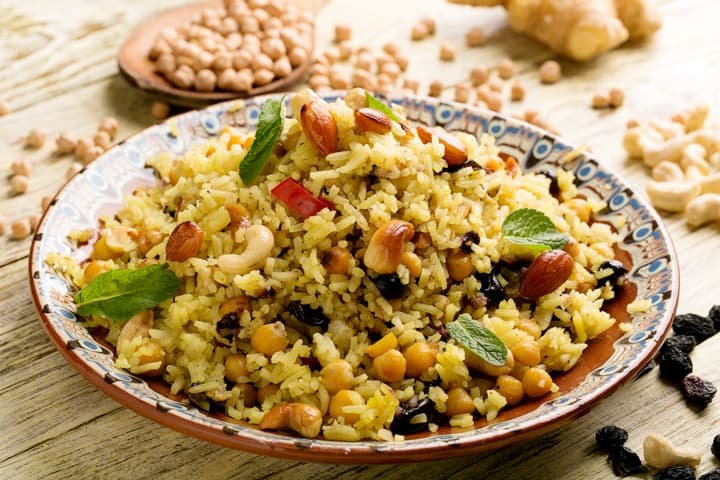
Recipe-6] MIX VEGGIE HERBED CROQUETTES

Ingredients:

Oil- 2 tsp

Butter-1 tsp

Boiled carrots/ beans/ peas/ cauliflower- 1 and a half cup mix

Refined flour-2 tsp

Garlic-1 tsp chopped

Onion-1 small chopped

Green chilies-1 tsp chopped optional

Salt to taste

Black pepper powder to taste

Mixed herbs-1/2 tsp

green olives- 2-3 tsp chopped

Fresh parsley leaves- 2 tsp chopped

Jalapenos- 2-3 tsp chopped

Chili flakes-1/4 tsp optional

veg stock -1/4 cup

Bechamel sauce-1/2 cup thickened

Mashed potato-1/4 cup

Boiled chopped eggs-1 -2 no

Grated cheese-2-3 tbsp.

Bread crumbs- ½ cup for binding + as needed for coating

Cornflour/ maida- 2-3 tsp as needed for binding + as needed for the batter to dip in the croquettes.

Oil- as needed to deep fry the croquettes.

To serve the croquettes:

Tomato ketchup / chili sauce/ mayonnaise / dips we desired.

Method:

1. Prepare all the ingredients as needed for the croquette recipe.

2. Heat oil and butter in a pan, add in the flour and cook for 15 seconds using a whisk add in garlic and onions saute them for a few seconds, add in some veg stock/ water and little béchamel and mix well. 

3. Now add in the seasonings, herbs, chili flakes, green chilies if desired. Add in the boiled lightly mashed veggies mix well and add in the jalapenos and olives as well.

4. Add in the grated cheese and turn off the flame. Add in the mashed potatoes, chopped parsley leaves and little maida, cornflour powder and combine it all well to form a dough like texture in the pan, the sides need to be coming out clean as we mix it all well.

5. Remove the mixture onto a greased plate, allow to cool for a few seconds. Apply little oil on the fingers and start dividing the mixture into equal small portions, shape them into a cylindrical pattern and press and bind well.

6. Chill the croquettes in the fridge for around 20 mins, remove and dip in a coating thick batter of maida/ corn flour and water followed by a coating of bread crumbs, pat them well and remove excess crumbs. Allow the croquettes to chill one more time for 10-12 mins.

7. Heat up oil to deep fry in the meantime and on a medium high flame we can start frying the prepared croquettes to a nice golden brown color, remove onto a kitchen paper/ tissue and drain off the excess oil.

8. Arrange the fried chicken croquettes on a serving plate or platter and offer the dips and sauces to go alongside.
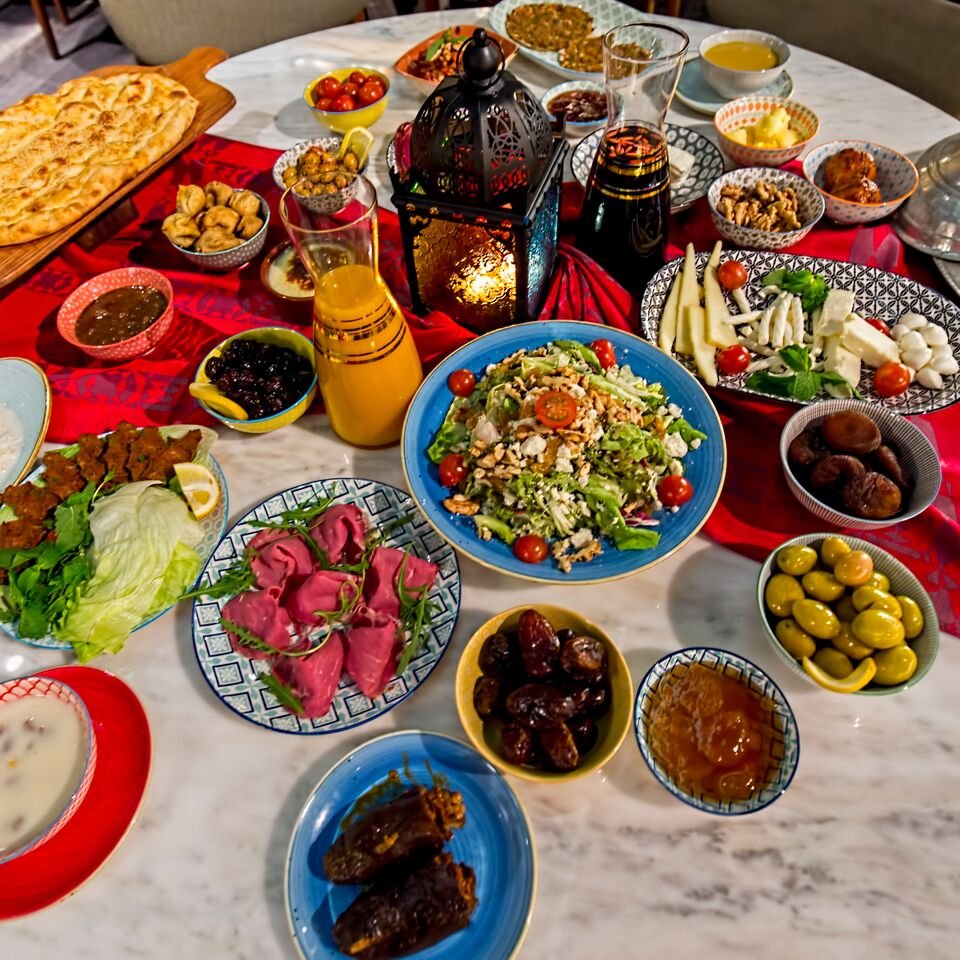
On a concluding note: the concept of croquettes is no doubt a part of continental cuisine and style but it can be a good option to try when it comes to innovative and or creative aspects being attached to it. A few of my works turned out amazing with this concept for instance some leftover chicken tikka, finely chopped in combination with some schezuan chutney, some mashed potato, fresh coriander all bound up together into a croquette fashion and served with a pesto mayo chutney is just so tempting to the palate! Let us all keep our vision beyond the horizon and experiment with food as much possible to entice the taste buds of not only our loved ones but also our valued guests and food connoisseurs!

Ingredient Ideology | CALLING ON SHAKSHUKA – A Middle- Eastern Delicacy! By: Dr. Kaviraj Khialani- Celebrity Master Chef.

CALLING ON SHAKSHUKA – A Middle- Eastern Delicacy!

Shakshuka is a Maghrebi dish of eggs poached in a sauce of tomatoes, olive oil, peppers, onion and garlic, commonly spiced with cumin, paprika and cayenne pepper. It is also said that Shakshuka is a delicious combination of eggs, tomatoes, and spices popular across the Middle East and North Africa. Shakshuka comes in many shapes and sizes. The dish is likely of Tunisian or Yemini origin, and the name is thought to originate from either Arabic or Amazigh (Berber) for "mixture." The exact provenance of the word is often contested, but, like the names of many Maghrebi dishes and terms, is believed to come from the language of the Amazigh (or Berber) people indigenous to the region. 

The best part about it is that Shakshuka is an easy, healthy breakfast (or any time of day) recipe in Israel and other parts of the Middle East and North Africa. It's a simple combination of simmering tomatoes, onions, garlic, spices and gently poached eggs. It's nourishing, filling and one recipes guarantee you'll make time and again and enjoy them. While we also know that Shakshuka is a simple dish made of gently poached eggs in a delicious chunky tomato and bell pepper sauce. Said to have originated in Tunisia, this breakfast recipe is popular in many parts of North Africa and the Middle East. It is so satisfying, you can serve it for breakfast, lunch, or dinner.

Talking about the health benefits of it, Shakshuka is a delicious combination of eggs, tomatoes, and spices popular across the Middle East and North Africa. Shakshuka comes in many shapes and sizes. In fact, this shakshuka recipe has many health benefits, and it's a great food to incorporate into your diet. Traditional shakshuka is rich in vitamin A, vitamin C, vitamin K, folate, and potassium, the eggs add lots of protein and the feta has lots of calcium. This dish is nourishing and deliciously health friendly. What to serve with this easy shakshuka recipe? It is traditionally served for breakfast with warm pita bread, challah, or naan. Also pairs well with hummus, grits, roasted potatoes, herb salad, cucumber salad, or Greek salad, according to some food historians, shakshuka originated in Yemen, while others claim it came from the Ottoman Empire. It is only known that to Israel, the dish came from northeast African cultures, and more specifically, from the Libyan-Tunisian region. The best baked eggs in the world – Shakshuka! A Middle Eastern and North African dish traditionally served up for breakfast or lunch, this can be made entirely on the stove or finished in the oven.

Here are a few of my ideas with Shakshuka which can be easily made and relished!

Recipe-1] BEAN AND VEG SHAKSHUKA

Ingredients:

Oil- 2-3 tsp

Butter-1 tsp

Star anise-1-2 for flavour

Cinnamon stick- 1-inch piece

Garlic-1 tsp chopped

Green chilies- 1-2 tsp chopped

Onion-1 small chopped/ sliced

Tomatoes- 2-3 small, fresh puree/ blanched, peeled and chopped

Tomato puree-2-3 tsp ready to use

Red chili sauce- 1-2 tsp

Salt to taste

Black / white pepper powder to taste

Cumin powder-1/2 tsp

Coriander powder-1 tsp

Red chili powder-1/2 tsp

Turmeric powder-1/4 tsp

Tomato ketchup- 2-3 tbsp.

Grated cheese-2-3 tsp

Fresh cream- 2-3 tsp

Fresh coriander leaves- 2-3 tbsp. chopped

Or fresh parsley- 2-3 tsp chopped

Green/red/ yellow capsicums- ½ cup shredded

Baked beans- ½ cup from the tin

Any other assorted veggies- sliced mushrooms/ blanched sliced Babycorn or boiled American corn/ diced zucchini can also be used.

Method:

1. Prepare all the ingredients for the shakshuka recipe and assemble them.

2. Choose a thick bottomed pan to do this recipe ideally will be nice to have a tight fitting lid too since it can help in the cooking process.

3. To start the recipe, heat oil in the pan, add in the whole spices from star anise to cinnamon/ green cardamom etc and flavour the pan.

4. Add in the garlic, onions, chilies as per taste and saute for a few seconds. Now add in the tomatoes saute them, add in a few basic spices a little water to prevent burning, cook the mixture for 1-2 mins, add in salt to taste as well.

5. Add in the cream, tomato ketchup, chili sauce etc and mix, add in capsicums or any choice of veggies, also add in the baked beans, break open the eggs and place them in the pan carefully not to break the yolks.

6.Cover and cook the shakshuka on a low to medium flame for around 6- 8 mins, allowing the eggs to settle down and get cooked too.

7.Finally add in the grated cheese and fresh coriander or parsley and serve it hot with assorted breads.


Recipe-2] BELL PEPPER & CHICKEN SHAKSHUKA

Ingredients:

Oil- 2-3 tsp

Butter-1 tsp

Bayleaf- 1 no

Black peppercorns- 3-4 no

Garlic-1 tsp chopped

Ginger-1 tsp chopped

Green chilies- 1-2 tsp chopped

Onion-1 small chopped/ sliced

Tomatoes- 2-3 small, fresh puree/ blanched, peeled and chopped

Tomato puree-2-3 tsp ready to use

Red chili sauce- 1-2 tsp

Salt to taste

Black / white pepper powder to taste

Cumin powder-1/2 tsp

Coriander powder-1 tsp

Red chili powder-1/2 tsp

Turmeric powder-1/4 tsp

Tomato ketchup- 2-3 tbsp.

Grated cheese-2-3 tsp

Fresh cream- 2-3 tsp

Fresh coriander leaves- 2-3 tbsp. chopped

Or fresh parsley- 2-3 tsp chopped

Green/red/ yellow capsicums- ½ cup shredded

Boiled cubed chicken -1 cup/ sliced chicken sausages-1/2 cup

Any other assorted veggies- sliced mushrooms/ blanched sliced Babycorn or boiled American corn/ diced zucchini can also be used.

Method:

1. Prepare all the ingredients for the shakshuka recipe and assemble them.

2. Choose a thick bottomed pan to do this recipe ideally will be nice to have a tight fitting lid too since it can help in the cooking process.

3. To start the recipe, heat oil in the pan, add in the whole spices from bay leaf, peppercorns to green cardamom etc and flavour the pan.

4. Add in the garlic, onions, chilies as per taste and saute for a few seconds. Now add in the tomatoes saute them, add in a few basic spices a little water to prevent burning, cook the mixture for 1-2 mins, add in salt to taste as well.

5. Add in the cream, tomato ketchup, chili sauce etc and mix, add in the bell peppers or capsicums or any choice of veggies, also add in the boiled chicken cubes or sliced sausages, break open the eggs and place them in the pan carefully not to break the yolks.

6.Cover and cook the shakshuka on a low to medium flame for around 6- 8 mins, allowing the eggs to settle down and get cooked too.

7.Finally add in the grated cheese and fresh coriander or parsley and serve it hot with assorted breads.


Recipe-3] HERBED CHICKPEA SHAKSHUKA

Ingredients:

Oil- 2-3 tsp

Butter-1 tsp

Bayleaf- 1 no

Black peppercorns- 3-4 no

Garlic-1 tsp chopped

Ginger-1 tsp chopped

Green chilies- 1-2 tsp chopped

Onion-1 small chopped/ sliced

Tomatoes- 2-3 small, fresh puree/ blanched, peeled and chopped

Tomato puree-2-3 tsp ready to use

Red chili sauce- 1-2 tsp

Salt to taste

Black / white pepper powder to taste

Cumin powder-1/2 tsp

Coriander powder-1 tsp

Red chili powder-1/2 tsp

Turmeric powder-1/4 tsp

Tomato ketchup- 2-3 tbsp.

Mixed herbs-1/2 tsp

Grated cheese-2-3 tsp

Fresh cream- 2-3 tsp

Fresh coriander leaves- 2-3 tbsp. chopped

Or fresh parsley- 2-3 tsp chopped

Boiled chickpeas/ kabuli chana-1 cup

Boiled sweet potato-1/2 cup cubed

Any other assorted veggies- sliced mushrooms/ blanched sliced Babycorn or boiled American corn/ diced zucchini can also be used.

Method:

1. Prepare all the ingredients for the shakshuka recipe and assemble them.

2. Choose a thick bottomed pan to do this recipe ideally will be nice to have a tight fitting lid too since it can help in the cooking process.

3. To start the recipe, heat oil in the pan, add in the whole spices from Bayleaf to peppercorns to green cardamom etc and flavour the pan.

4. Add in the garlic, onions, chilies as per taste and saute for a few seconds. Now add in the tomatoes saute them, add in a few basic spices a little water to prevent burning, cook the mixture for 1-2 mins, add in salt to taste as well.

5. Add in the cream, tomato ketchup, chili sauce etc and mix, add in the bell peppers or capsicums or any choice of veggies, also add in the boiled cubed sweet potatoes, boiled chickpeas, break open the eggs and place them in the pan carefully not to break the yolks.

6.Cover and cook the shakshuka on a low to medium flame for around 6- 8 mins, allowing the eggs to settle down and get cooked too.

7.Finally add in the grated cheese and fresh coriander or parsley and serve it hot with assorted breads.


Recipe-4] SAUSAGE AND CHEESE SHAKSHUKA

Ingredients:

Oil- 2-3 tsp

Butter-1 tsp

Bayleaf- 1 no

Black peppercorns- 3-4 no

Garlic-1 tsp chopped

Ginger-1 tsp chopped

Green chilies- 1-2 tsp chopped

Onion-1 small chopped/ sliced

Tomatoes- 2-3 small, fresh puree/ blanched, peeled and chopped

Tomato puree-2-3 tsp ready to use

Red chili sauce- 1-2 tsp

Salt to taste

Black / white pepper powder to taste

Cumin powder-1/2 tsp

Coriander powder-1 tsp

Red chili powder-1/2 tsp

Garam masala powder-1/4 tsp

Golden fried sliced onions- ¼ cup

Tomato ketchup- 2-3 tbsp.

Mixed herbs-1/2 tsp

Grated cheese-2-3 tbsp. or use 2-3 tsp cream cheese.

Fresh cream- 2-3 tsp

Fresh coriander leaves- 2-3 tbsp. chopped

Or fresh parsley- 2-3 tsp chopped

Sliced chicken sausages- 1 cup, saute in 2 tsp butter.

Boiled sweet potato-1/2 cup cubed

Any other assorted veggies- sliced mushrooms/ blanched sliced Babycorn or boiled American corn/ diced zucchini can also be used.

Method:

1. Prepare all the ingredients for the shakshuka recipe and assemble them.

2. Choose a thick bottomed pan to do this recipe ideally will be nice to have a tight fitting lid too since it can help in the cooking process.

3. To start the recipe, heat oil in the pan, add in the whole spices from Bayleaf to peppercorns to green cardamom etc and flavour the pan.

4. Add in the garlic, onions, chilies as per taste and saute for a few seconds. Now add in the tomatoes saute them, add in a few basic spices a little water to prevent burning, cook the mixture for 1-2 mins, add in salt to taste as well.

5. Add in the cream, tomato ketchup, chili sauce etc and mix, add in the bell peppers or capsicums or any choice of veggies, also add in the sautéed sliced sausages, garam masala powder, break open the eggs and place them in the pan carefully not to break the yolks.

6.Cover and cook the shakshuka on a low to medium flame for around 6- 8 mins, allowing the eggs to settle down and get cooked too.

7.Finally add in the golden fried sliced onions, grated cheese and fresh coriander or parsley and serve it hot with assorted breads.


Recipe- 5] SPINACH AND HERB SHAKSHUKA

Ingredients:

Oil- 2-3 tsp

Butter-1 tsp

Bayleaf- 1 no

Black peppercorns- 3-4 no

Garlic-1 tsp chopped

Ginger-1 tsp chopped

Green chilies- 1-2 tsp chopped

Onion-1 small chopped/ sliced

Tomatoes- 2-3 small, fresh puree/ blanched, peeled and chopped

Tomato puree-2-3 tsp ready to use

Spinach-2 cups, blanched and roughly cut

Red chili sauce- 1-2 tsp

Salt to taste

Black / white pepper powder to taste

Cumin powder-1/2 tsp

Coriander powder-1 tsp

Red chili powder-1/2 tsp

Garam masala powder-1/4 tsp

Golden fried sliced onions- ¼ cup

Tomato ketchup- 2-3 tbsp.

Mixed herbs-1/2 tsp

Grated cheese-2-3 tbsp. or use 2-3 tsp cream cheese.

Fresh cream- 2-3 tsp

Fresh coriander leaves- 2-3 tbsp. chopped

Or fresh parsley- 2-3 tsp chopped

Sliced chicken sausages- 1 cup, saute in 2 tsp butter.

Boiled sweet potato-1/2 cup cubed

Any other assorted veggies- sliced mushrooms/ blanched sliced Babycorn or boiled American corn/ diced zucchini can also be used.

Method:

1. Prepare all the ingredients for the shakshuka recipe and assemble them.

2. Choose a thick bottomed pan to do this recipe ideally will be nice to have a tight fitting lid too since it can help in the cooking process.

3. To start the recipe, heat oil in the pan, add in the whole spices from Bayleaf to peppercorns to green cardamom etc and flavour the pan.

4. Add in the garlic, onions, chilies as per taste and saute for a few seconds. Now add in the tomatoes saute them, add in a few basic spices a little water to prevent burning, cook the mixture for 1-2 mins, add in salt to taste as well.

5. Add in the cream, tomato ketchup, chili sauce etc and mix, add in the bell peppers or capsicums or any choice of veggies, also add in the blanched and roughly cut spinach leaves, herbs and garam masala powder, break open the eggs and place them in the pan carefully not to break the yolks.

6.Cover and cook the shakshuka on a low to medium flame for around 6- 8 mins, allowing the eggs to settle down and get cooked too.

7.Finally add in the golden fried sliced onions, grated cheese and fresh coriander or parsley and serve it hot with assorted breads.


Recipe-6] ZUCCHINI AND TOMATO SHAKSHUKA

Ingredients:

Oil- 2-3 tsp

Butter-1 tsp

Bayleaf- 1 no

Black peppercorns- 3-4 no

Garlic-1 tsp chopped

Ginger-1 tsp chopped

Green chilies- 1-2 tsp chopped

Onion-1 small chopped/ sliced

Tomatoes- 2-3 small, fresh puree/ blanched, peeled and chopped

Tomato puree-2-3 tsp ready to use

Yellow zucchini cubes- 1 cup, blanched

Red chili sauce- 1-2 tsp

Salt to taste

Black / white pepper powder to taste

Cumin powder-1/2 tsp

Coriander powder-1 tsp

Red chili powder-1/2 tsp

Garam masala powder-1/4 tsp

Golden-fried sliced onions- ¼ cup

Tomato ketchup- 2-3 tbsp.

Mixed herbs-1/2 tsp

Grated cheese-2-3 tbsp. or use 2-3 tsp cream cheese.

Fresh cream- 2-3 tsp

Fresh coriander leaves- 2-3 tbsp. chopped

Or fresh parsley- 2-3 tsp chopped

Sliced chicken sausages- 1 cup, saute in 2 tsp butter.

Boiled sweet potato-1/2 cup cubed

Any other assorted veggies- sliced mushrooms/ blanched sliced Babycorn or boiled American corn/ diced eggplant can also be used.

Method:

1. Prepare all the ingredients for the shakshuka recipe and assemble them.

2. Choose a thick-bottomed pan to do this recipe ideally will be nice to have a tight-fitting lid too since it can help in the cooking process.

3. To start the recipe, heat oil in the pan, add in the whole spices from Bayleaf to peppercorns to green cardamom etc and flavor the pan.

4. Add in the garlic, onions, and chilies as per taste and saute for a few seconds. Now add in the tomatoes saute them, add in a few basic spices a little water to prevent burning, cook the mixture for 1-2 mins, add in salt to taste as well.

5. Add in the cream, tomato ketchup, chili sauce etc and mix, add in the bell peppers or capsicums or any choice of veggies, also add in the blanched yellow zucchini cubes, herbs and garam masala powder, break open the eggs and place them in the pan carefully not to break the yolks.

6.Cover and cook the shakshuka on a low to medium flame for around 6- 8 mins, allowing the eggs to settle down and get cooked too.

7.Finally add in the golden fried sliced onions, grated cheese and fresh coriander or parsley and serve it hot with assorted breads.

CULINARY DIASPORA FROM NEPAL A Land of Goodness in Food & Tourism By Dr. Kaviraj Khialani- Celebrity Master Chef.

CULINARY DIASPORA FROM NEPAL

A land of goodness in food & tourism

Nepal: A Brief introduction:

It is a landlocked country in South Asia and is bordered by China and India. It is located in the Himalayas and contains eight of the world's ten highest peaks. The government system is a federal parliamentary republic; the chief of state is the president, and the head of government is the prime minister. Nepali/Nepalese cuisine comprises a variety of cuisines based upon ethnicity, soil, and climate relating to Nepal's cultural diversity and geography. Nepalese cuisine comprises a variety of cuisines based upon ethnicity, soil, and climate relating to Nepal's cultural diversity and geographyDal-bhat-tarkari is eaten throughout Nepal. 

Dal is a soup made of lentils and spices, served over boiled grain, bhat—usually rice but sometimes another grain - and a vegetable soup, tarkari. Condiments are usually small amounts of spicy pickle which can be fresh or fermented, mainly of dried mustard greens called as 'gundruk ko achar' and radish known as 'Mula’ and of which there are a considerable number of varieties. Other accompaniments may be sliced lemon or fresh green chili and fried papad (thin, crisp disc-shaped food). Dhindo is a traditional food of Nepal. For many, Nepal's greatest attraction is its people. The Hindu, Buddhist, and other cultural heritage sites of Nepal, and the year fair weather are also strong attractions. Nepal is the country of Mount Everest, the highest mountain peak in the world, and the Birthplace of Gautama Buddha- Lumbini.

An overview of Nepal: The beautiful country of Nepal, famous for its towering mountain peaks and home to eight of the 10 highest peaks in the world, also has a burgeoning culinary scene. The geographic and cultural diversity of this landlocked country produces an abundance of dishes that are just as unique and rich in taste and flavour. Read on to find out what the food of Nepal is like. You will also discover the most traditional and popular Nepalese dishes you have to try Much of the cuisine is variations on Asian themes. Momos is a Nepalese-style dumpling filled with minced meat in flour dough, given different shapes, and then cooked by steaming. It is one of the most popular foods in Nepal and the regions of Sikkim, Darjeeling and Kalimpong in India where ethnic Nepalese have a presence. Momos were originally filled with buffalo meat but are now commonly filled with goat or chicken, as well as vegetarian preparations. Special foods such as sel rotifinni roti, and patre are eaten during festivals such as TiharSel roti is a traditional Nepali homemade ring-shaped rice bread which is sweet to taste. Other foods have hybrid Tibetan and Indian influence.

Nepal has a variety of street food or snacks as well. And while you can find appealing options from the food cart vendors, I do recommend trying them with caution and particularly if you have a strong stomach. Nepal is not unlike other developing countries where the pollution is a problem. Food hygiene is also a questionable topic. The street food is vibrant and tasty, so if you’re like me you probably won’t want to miss out on the opportunity. However, to be on the safe side, you can try these foods in restaurants instead, the prices may be higher but so is the hygiene standard. Always go for freshly prepared meals. Local foods are, in general, safer than foreign foods as the ingredients and preparation are a daily ways of life. Dishes such as dal bhat are cooked at high temperatures, thus killing any bacteria. 

Chow Mein is a Nepali favorite in modern times based on Chinese-style stir-fried noodles. It is one of the most beloved everyday staple lunches in Nepali/Nepalese households.

Nepali Cuisine refers to the food items eaten in Nepal. Nepal is a small land-locked country situated in South East of Asia, bordered by China and India. The influence of western culture is easily seen on Nepali Cuisine with fast food becoming very popular among youngsters. Burgers, sandwiches, momos, Chowmein and various cold drinks are very popular. However, the staple food is Dal - bhat - Tarkari. Dal is a lentil soup, bhat is boiled rice/pressure cooker rice while Tarkari is a veg component. Nepali people eat Dal - bhat - Tarkari twice a day as lunch and dinner. The taste is enhanced by pickle or Achar / Chutney. Food items are not consumed by cutlery instead Right hand is used. Food is cooked in the home itself in the Home kitchen. The Nepali kitchen is very clean and everyone is not allowed to enter in the kitchen as purity is strictly maintained in food items. 

The Nepali Staple Diet Overview: it consists primarily of rice, wheat, corn and lentils, in addition to fresh vegetables and meats. A typical Nepali everyday meal can be characterized by Dal (lentil soups), Bhat (steamed rice), and Tarkari (vegetable preparations), also known as “The Trinity,” supplemented by some meat preparation. Dal bhat Tarkari is eaten throughout the country. Tarkari varies from season to season while meat items as side dishes are consumed usually in festivals, and weekends. Around 80% of Nepalese are Hindus so cattle meat is considered sacred and taboo. The popular meat is Mutton, chicken among Brahmin, chhetris while aadibaashi, who never takes pork or buffalo. Nepali food uses various spices which are used either whole, grounded or in roasted form. It gives a distinct flavor to the dish. The food of Nepal is considered Healthier than India as cream are not used in cooking, oil and spices are not used at extreme level. They eat together either sitting or in dining table. No shoes are allowed in kitchen and touching other foods while eating is considered bad. Nepali cuisine has its distinct taste and fruits and vegetables are available throughout the season in Terai. The land is also very suitable for Agriculture than Hilly and mountain region so Tearai is also called the granary of Nepal. Dairy products are also extensively eaten. Milk, curd, ghee is available in all houses every day.

FEATURES OF NEPALI ETHNIC/ REGIONAL CUISINE: -


Nepal has cultural and geographical diversity which resulted in a variety of cuisines. It is a multi-ethnic and multi-cultural country. The ethnic group of Nepal has its own special Cuisine. Some features of Nepali Ethnic and Regional Cuisine are: -


1. The Newari Cuisine: 

The Newars are indigenous people living in the capital of Nepal ' Kathmandu, Newari Cuisine has more than 200 dishes with all dishes primarily made from Buffalo. No part of Buffalo is wasted, every part is used in the preparation of various dishes with different names. The dishes have distinct taste and flavour. Chhoila, kachila, kwanti are their signature dishes. Newars House have high income and feast are common among them. Their dessert are also traditional like Juju dhau yomari to name a few.


2. The Himalayan Cuisine:


The Himalayan region is bordered by Tibet so it's influence is easily seen on Himalayan Cuisine. Himalayan region of Nepal is not suitable for Agriculture as it receives heavy snowfall throughout region. Potato is a staple crop here and dishes are mainly made of potato. There are no good Transportation facilities so goods and food items need to be either transported by Air or by animals. Himalayan people grow Millet, barley, and buckwheat and they take warm food to keep themselves warm like soup, thukpa, strong alcohol, and butter tea. They raise yak, sheep so yak and sheep meat, milk is very common here. Dhindo is also their primary dish 


3. The Thakali Cuisine :


The Thakali are the people living in thak khola valley. Their Cuisine is the fusion between Himalayan and Tearai cuisine. They take sheep meat and is common there. Similarly, rice, maize and pulses are transported from lower region. Thakali Cuisine has very distinct taste and food items are very tasty. They have migrated to different places of Nepal and flourished their cuisine throughout Nepal.


4. The Khaas Cuisine :


It is typical hilly area Cuisine. Dal-bhat-tarkari is eaten two times a day similarly, the hilly area is not so productive so the crops they grow don't last a year due to which other grains like wheat, Maize, barley, millet are popular. They make gundruk, sinki and various Achar which are available throughout a year. Fruits like lemon, mango, apple is common here and meat are taken as side dishes along with curd. The Tarkari consumed here is seasonal vegetables grown in own land with own efforts. 


5. The Lohorung Cuisine :


It is the cuisine from Eastern region of Nepal. The most important contribution by Lohorung Cuisine is tongba which is millet base eaten by adding warm water. The homeland of Lohorung Cuisine is sankhuwasabaha district.


6. The Tearai Cuisine :


Tearai has the most fertile land so a lots of crops, legumes, and vegetables grow throughout the year. Rice is eaten throughout the year. Similarly, Tearai cuisine consists of Maithili cuisine in the East, tharu Cuisine in West, and Bhojpuri cuisine in the center. Fruits like litchi, mango, papaya are grown and various fish, crabs are also consumed which is fished in local land, and river. The cuisine of Tearai is bit spicier than another cuisine of Nepal.


Let us discuss a few important dishes from NEPALI CUISINE:

1. TONGBA: Better known as 'Tibetan Hot Beer', this is a very famous local beer that you'll find people sipping from a cast like vessels through bamboo straws. It is millet-based alcohol and is also a traditional drink in Nepal. It is a warm beverage and is normally consumed in large quantities.


2. CHOILA: Also a part of the extensive Newari cuisine, this food in Nepal is a spicy one made with water buffalo meat. There are also other variants of Chhoila that use duck meat or normal meat. This is a hot and spicy savory dish served with rice flakes. This is also a part of the Samay Baji and is a very famous dish during festivities


3. SAMAY BAJI: One of the main dishes in Nepalese food, the Samay Baji is a gourmet dish that has been passed on along the generations of Nepali people. It is a platter containing barbecued buffalo meat, boiled egg along with beaten rice, and spicy potato salad. It is a traditional dish that is served on auspicious occasions in the Newari culture. This dish is a must-try in Nepal, if you are a person who loves perfectly cooked meat and spicy dishes.


4. THUKPA: It is a noodle soup, served in the mountains of Nepal during winters. It can have meat, egg or simply just vegetables. It is normally served along with a dish called Momos. This dish carries along with it a lot of inspiration from the Tibetan and Chinese cuisines. The meat used in Thukpa can be goat, lamb, chicken or even yak. This dish is more like a survival kit against the shivering cold on the mountains. Along with a great taste, it provides the locals with the perfect nutrients they need.


5. CHATAMARI: Normally referred to as the Nepali Pizza, this Newari snack is actually not so close to a pizza when it comes to taste. It's rather a rice flour crepe cooked with toppings including coriander, minced meat, eggs, chopped onions, chilies and a lot of spices. It is only because of its round shape and appearance that it is referred to as a type of pizza. Quite a different dish amongst other food in Nepal, this one is a must-try. 


6. JUJU DHAU: Also known as the 'king curd', Juju Dhau is a type of yogurt. It is a creamy, thick, and sweet dish normally preferred as a dessert. Made with buffalo milk, this dish is very famous among the Newari’s people and is a must try if you are visiting Bhaktapur. You'll find a lot of street-side vendors selling Juju Dhau in Bhaktapur.


7. GORKHALI LAMB: It is a collection of assorted flavors all stuffed into one package. Gorkhali lamb is essentially a curry dish that is prepared by slow-cooking the lamb in the curry along with potatoes and onions. It is then removed from the curry, grilled and covered with a layer of spicy chili mix giving it an intense flavor. It is then put back into to curry to cook for a bit longer. Lamb is one of the favorites of the Nepalese and this dish will surely be something worth trying.


8. GUNDRUK: This is a condiment or a side dish often accompanied by Dhido. It is considered as the national food in Nepal. It is actually fermented or pickled green and leafy vegetables. It is made by storing mustard, radish and cauliflower in an earthen pot which is then left to be pickled until the veggies inside release acidic juices and have undergone fermentation.


9. DHINDHO: Look into the corners of Kathmandu and in the Thamel region, you'll find a hidden delicacy, the Dhindo or Dhido Thali. It is actually a thick porridge prepared by boiling stone-ground cornmeal, buckwheat flour, millet flour with salt in water. It is the staple diet of the rural areas and is eaten with butter, vegetable curries, pickles, buttermilk and yoghurt.


10. YOMARI: A sweet dish prepared from rice dough and stuffed with a sweet paste made of coconut, sesame seeds and molasses, Yomari is a festival food in Nepal, made only during the festival of Yomari Punhi. This festival is celebrated each year in the winters to thank the Gods for a good harvest. This dish is very famous is Kathmandu and you might also find its spicy version made with lentil. Traditionally, the sweet snack is prepared on the December full moon in preparation for the winter crop harvest celebration among Newer communities. Yomari is more than just a festive sweet as it is inextricably linked with Newari identity. There’s a place in Patan city, called The Village Cafe, where you can get a taste of this delicacy.


11. EVEREST BEER: This local Nepali beer is made with rice and is a cheap buy. You might want to give it a go if you are a beer fan. There is also another local alcohol called Raksi which is the traditional beverage of Limbu people and it is normally served with pork or beef meat.


12.NEPALI SAMOSA: Samosas are typically a famous Indian delicacy but you get them fresh onto your plate in Nepal as well. It is a spicy dish and is a mixture of mashed potato and spices stuffed in a triangular envelope made of white flour. This is then fried to make the shell crunchy. If you're not a fan of spicy food, you might want to take a nibble and taste it first. These delicacies are served with a sweet red coloured Chutney and you might want to have them fresh off the pan.


13. SEL ROTI: A fusion of doughnut and bagel, Sel Roti is one of the most sought after snack in Nepal during festivals like Tihar and Dashain. It is a circular rice flour bread which is deeply fried to make it crunchy on the outside and soft on the inside. It is crispy and sweet and tastes best with yoghurt or veggies. Being a popular festival food in Nepal, this dish is a must on your culinary bucket list. 


14. BARA OR WO: Wo is a kind of pancakes made by the Newari people of Nepal. The Newari’s are an indigenous group of locals in the Kathmandu valley. Wo is made with ground lentil (green or black) batter during the 'Sithi Nakha', a Newari festival. These Dal patties are light and perfect for snacks. For non-vegetarians, Bara can also be added with minced chicken and battered egg.


15. MOMOS: The next very popular dish is Momos. This is one of the favourites for tourists and is a must try for everyone visiting Nepal. Momos are small envelopes of white flour stuffed with veggies or minced lamb or chicken. They are served with different kinds of sauces and mayonnaise which makes the combination a delicious snack. This food in Nepal has taken India by storm and is a popular street food across many countries as well. 


16. DAL BAHT: The staple food of each Nepali household, Dal Bhat is mainly rice served along with lentil soup and vegetable curry or chicken (or meat). This meal is the most beloved one amongst Nepali people as it's wholesome and provides with the needed nutrition.

17. Sekuwa : Known as Nepali styled meat barbecue, this is one of the very popular foods in Nepal that tourists simply have to indulge in. The grilled meat can either be pork, chicken, mutton, or a mixture of those. The meat is marinated with a combination of unique Nepali spices and herbs before being skewered on a stick and roasted in wood charcoal. You can enjoy the meat sticks as they are or they can be served with puffed rice and some pickles. Sekuwa can easily be found in a typical street food stall. However, one authentic place to try this tasty treat is at “Bajeko Sekuwa,” a famous food-chain designated for this particular food only and can be found in major cities in Nepal.
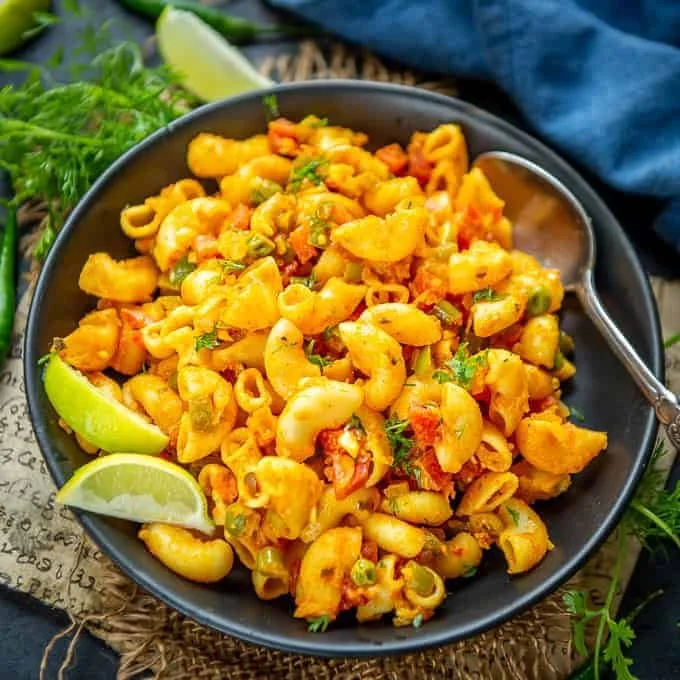
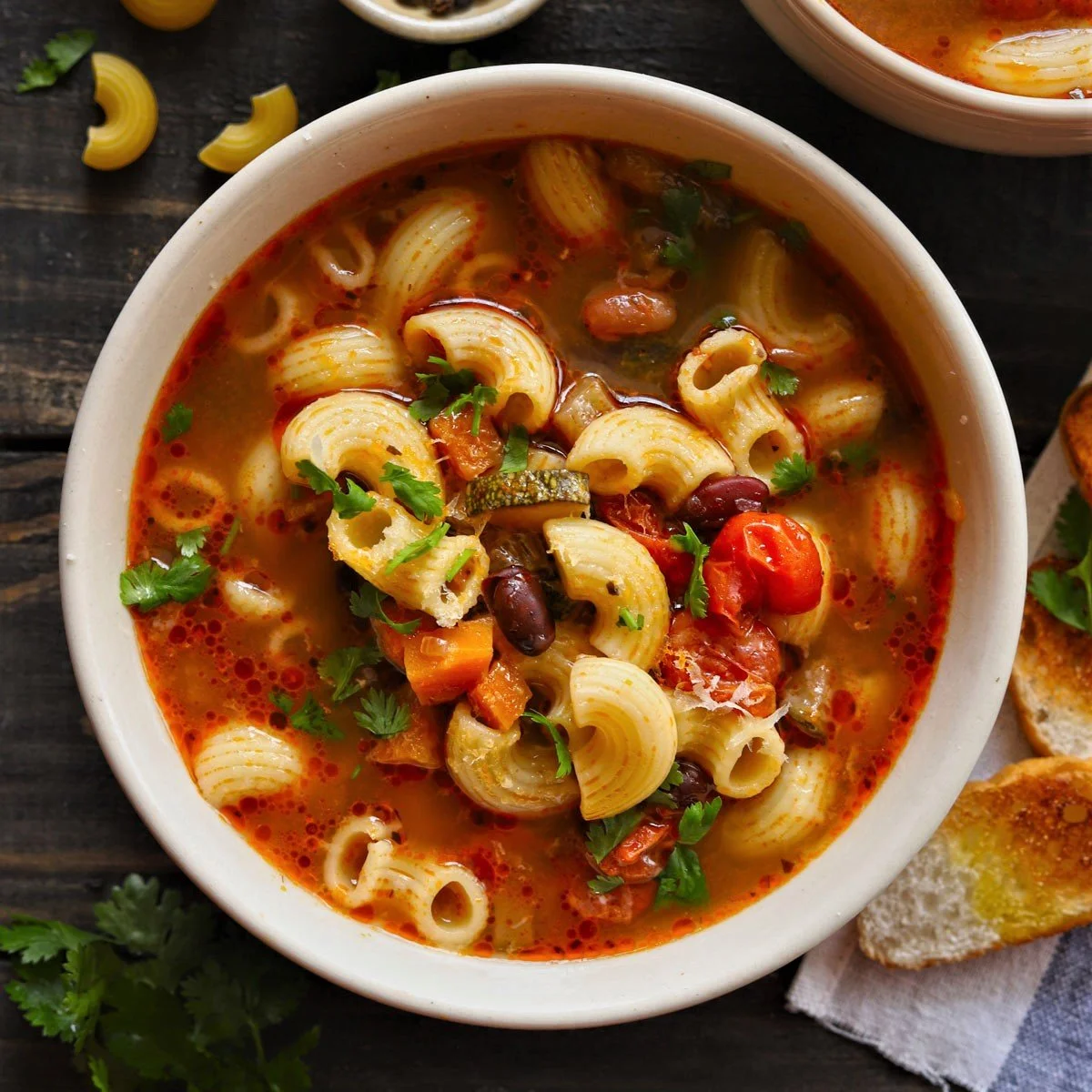
18. KWATI: A traditional Nepalese dish, kwāti is a thick stew comprising nine different varieties of sprouted beans. It literally translates to “hot soup,” with ‘kwa’ meaning hot and ‘ti’ meaning soup. The nine varieties include mung bean, black gram, field bean, rice bean, chickpea, soybean, cowpea, field bean, and garden pea.Sprouted beans are known for their enhanced levels of protein among many other great nutrients. Imagine how much of a protein boost you’ll get from a combination of 9 types of sprouted beans – well, that’s kwāti. High in nutrients, this dish can be eaten with rice or roti. This is one of the most typical dishes of the Brahmin and Newar tribe. It is often prepared as a ritual significance during the monsoon season in Nepal and enjoyed during the festival of Guni Punhi and Rakshya Bandhan.In addition to its ritual significance, Kwāti is eaten as a delicacy and for its health benefits. No wonder it is dubbed ‘the healthiest food of all’ and believed to cure a cold and cough instantly. A must try dish from Nepal.
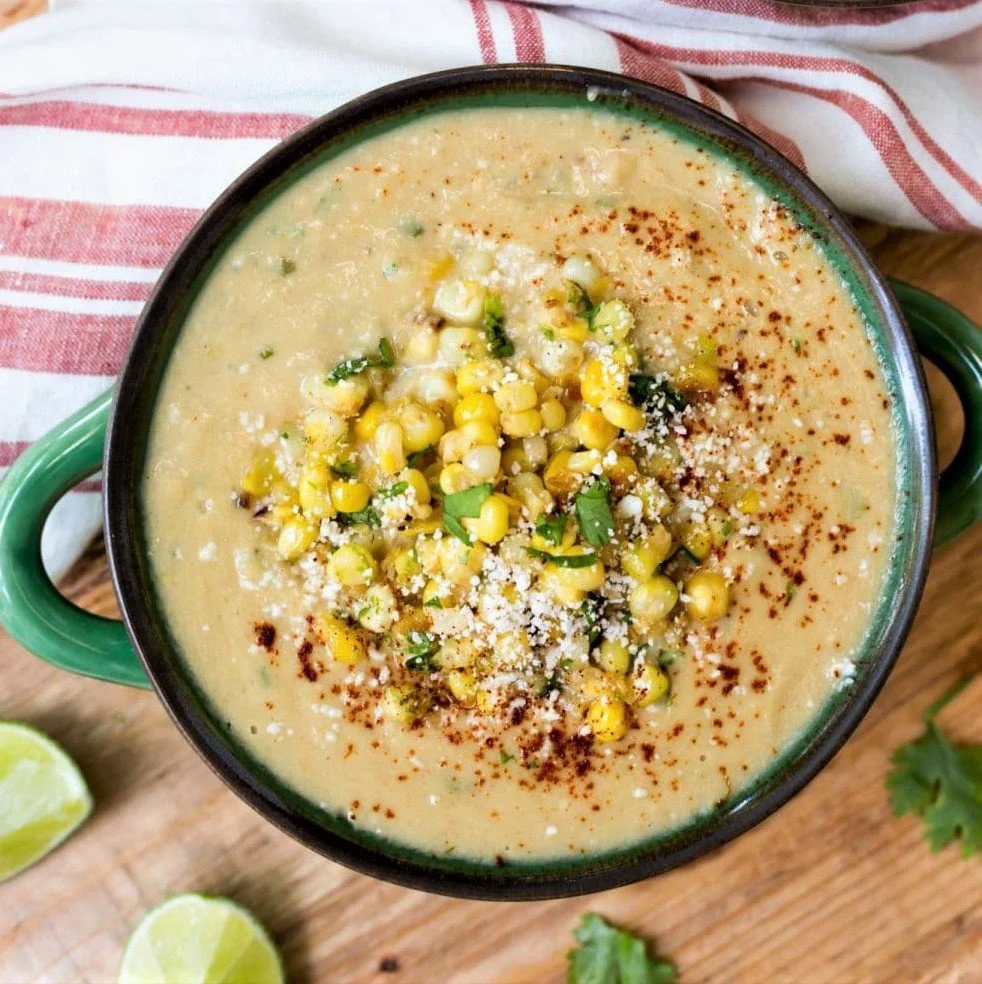
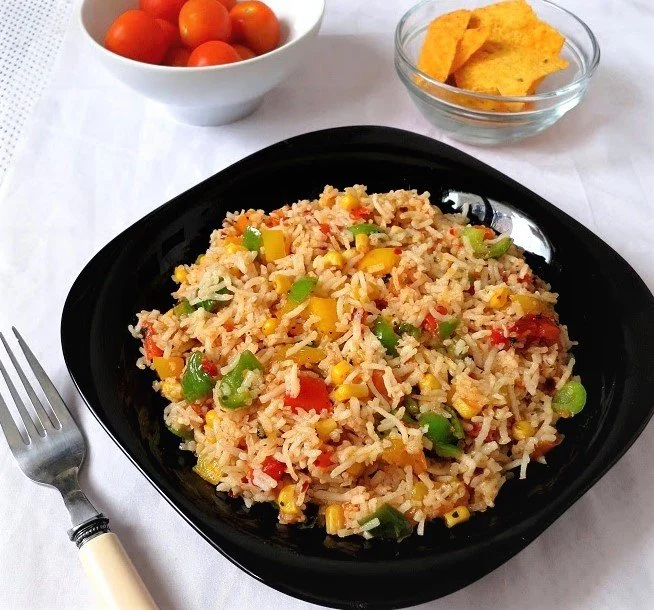

Do’s & Don’ts while we eat food in Nepal!

There are quite a few rules to keep in mind when it comes to table manners and eating in Nepal. First of all, for the most part, the people of Nepal eat with their hands. Tourists might find it uncomfortable and can opt for spoons and forks instead. But if you want to eat the local way, remember to use your right hand. The reason is, as with some other cultures in the world, the left hand is considered “dirty” and it would be extremely rude to touch food with it. Another mealtime etiquette, is to avoid sharing eating utensils and drinking glasses. In a different scenario, you might, as a nice gesture, feel like offering another person a taste of your food. However, that would come across as strange in Nepali culture, so please, add it to your list of things to avoid. Another aspect to bear in mind is that in Nepali society, the elderly is highly respected. This can be clearly observed during meal times, when people hold off eating until the elderly start. You are also expected to wait for them to finish their meals before leaving your table. It may sound constricting, but when in Nepal, do as the Nepalese do.Please remember not to eat beef in front of a Hindu or Buddhist when visiting the country. Last but not least, try to finish everything on your plate. Any food left untouched or uneaten is taken as a message conveyer that it is not good enough.

ON A CONCLUDING NOTE

Nepal’s food is as culturally diverse as it is geographically and ethnically. But many of us are not aware of its richness and are more likely to be informed about the global cuisines than our own. Though food is an epitome of the culture and they have an intrinsic relationship, little attention is paid to understand, explore, and promote Nepali food culture, which defines who we are. Similar to other cultures around the world, food is at the centre of any festivals and celebrations in Nepali culture. 

This is more evident in Newar community than any other. Bhoye, a lavish elaborated Newar feast organised during festivals, jaatras and special occasions, is an integral part of the Newar culture. The rich food culture can be attributed to its fertile valley, vibrant cross-border trading and a historically well-to-do economy. Making a yomari—a steamed rice flour cake filled with chaku—and sapumicha—buffalo tripe filled with bone marrow—are examples of the ingenuity of Newar cuisine as we discussed above as well.

One of the peculiar flavoring and my favorite ingredients is aromatic-nutty roasted mustard oil. The world is yet to discover. In embracing the commercial global cuisine, we are also forgetting our own ethnic food culture and heritage. It is imperative to preserve and promote Nepal’s rich and diverse food culture not just simply for the sake of tourism but most importantly to preserve our own variegated heritage, history, culture and identity, and for our next generation to experience.

Food connects us in a level that no other thing does and understanding other food culture will help us appreciate and respect each other’s culture more. I am sure this brief and to the point information about food and cuisine of Nepal has given as a fair idea on the cuisine and eating habits. Let us try to incorporate, adapt into, share and promote this very interesting & tasty cuisine as well around us spreading the good thoughts, good vibes and flavors!