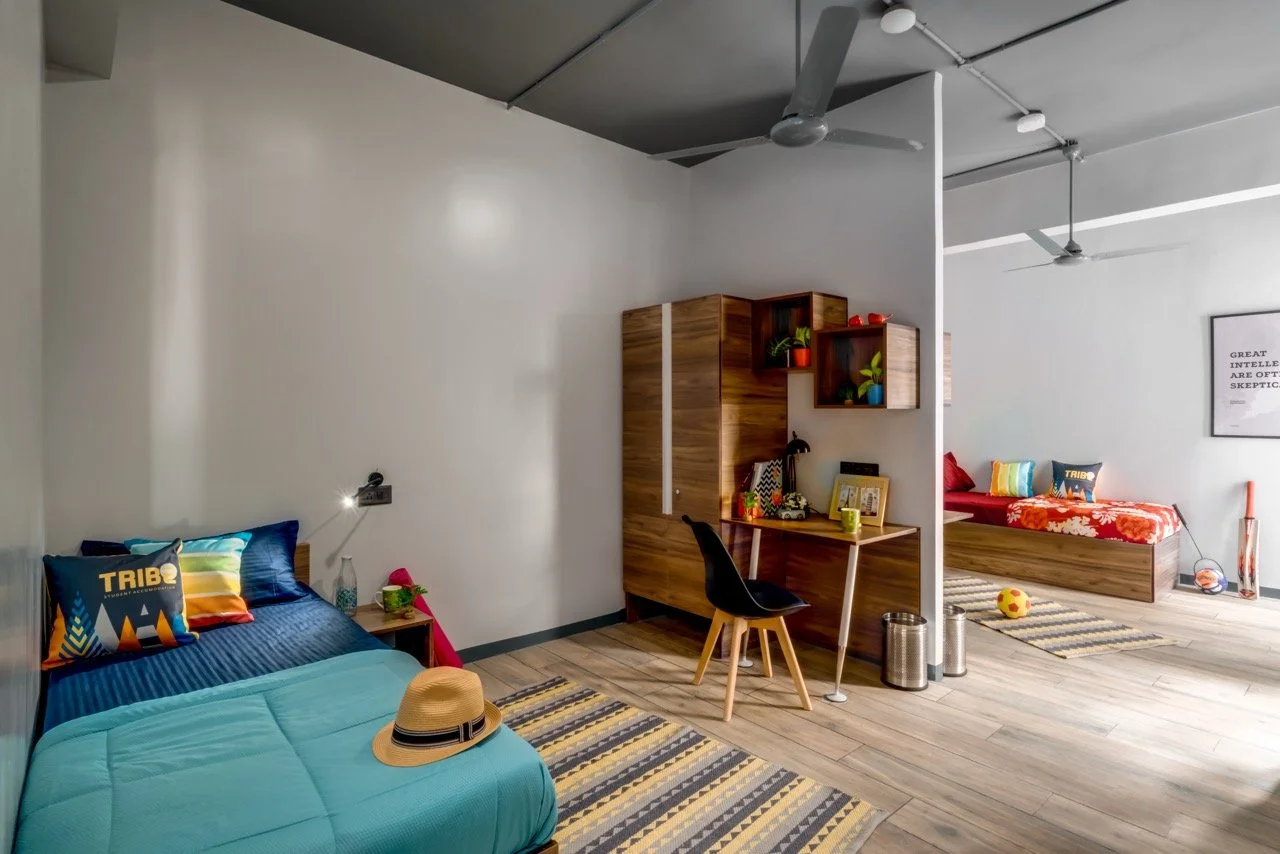
There is a particular loneliness that belongs to the first few weeks in a new city.
It sits quietly inside cardboard boxes and half-unpacked suitcases. It appears in the search for a decent meal after a long day. It hides in the awkwardness of asking strangers where to buy detergent, how the neighbourhood works, or whether the city will ever begin to feel like one's own.
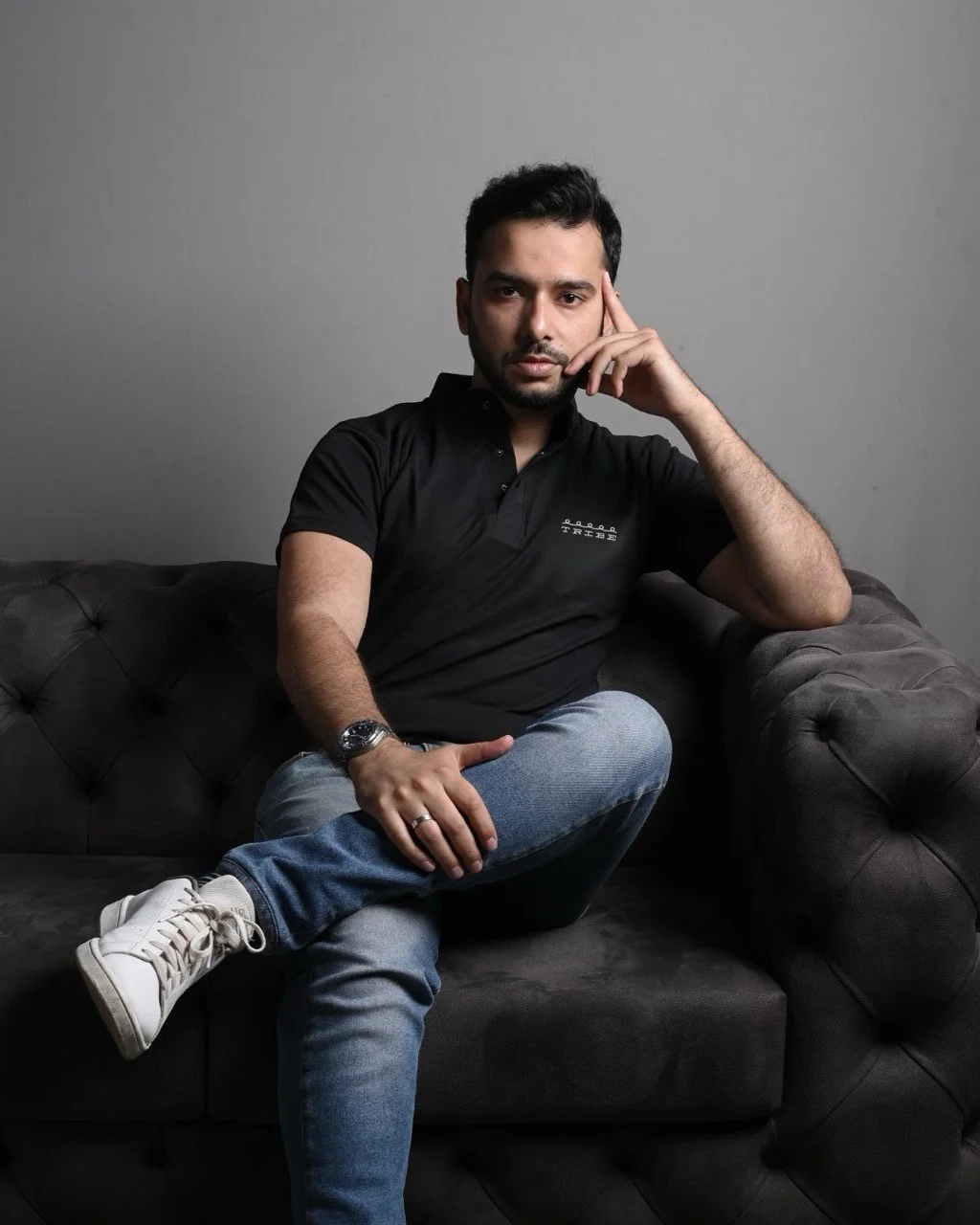
For Aman Mehra, co-founder of Tribe, that loneliness is not an abstraction. It is the problem the company was built to solve.
Tribe began with a line that could have sounded like ambition alone: to be the Taj of co-living. But behind the phrase sits a more textured idea. Not luxury as marble. Not hospitality as theatre. Rather, a more intimate form of service. The kind that notices what it feels like to arrive somewhere unfamiliar and tries to soften the landing.
Aman describes Tribe as a mix of home and hotel, but the more revealing comparison comes later in the conversation.
It is an easy line to remember. It is also a useful way to understand where co-living in India may be headed. Not as a better PG. Not as a hostel with prettier furniture. But as a new category of urban living built around crowd, community and care.
The pain point before the product
Tribe was not born from a hotelier's desire to enter a fashionable new asset class. Aman is clear that hotels were already a mature, established industry. The opportunity lay elsewhere.
The founders saw a recurring problem among young professionals and students moving cities. Finding a place to live was only one part of the challenge. Managing that life was the harder part. Food, laundry, housekeeping, safety, people, familiarity, a sense of being looked after. These were not extras. They were the difference between merely staying somewhere and actually settling in.
The market, meanwhile, was full of unorganised PGs. People were willing to pay for something better, but the organised premium offering had not yet arrived in a meaningful way.
So Aman, his brother and their father Yogesh Mehra spent nearly a year and a half studying the space across India and internationally before launching. The family-run structure, Aman says, has been an advantage. Trust is complete. Decisions are owned. The business has the emotional shorthand of family, but also the clarity of assigned responsibility.
That detail matters because Tribe is not trying to sell only rooms. It is trying to sell a way of living. That demands a founder-led culture.
The choreography of arrival
The first act of hospitality at Tribe begins before a resident reaches the property.
Once someone books, the team gets in touch with practical guidance: what to bring, how to settle in, places around the property, things to know before arrival. At check-in, there is a welcome kit. The community team meets the resident personally, explains the spaces, understands likes and dislikes, and introduces them to others.
This is not accidental warmth. It is designed belonging.
For anyone who has moved cities, the value is obvious. The first few days are when uncertainty is highest. Tribe appears to have understood that the resident experience is not defined only by the room, but by the first human handhold.
Aman returns often to the idea that residents want to feel they belong, make friends, and know that someone is listening. Food, laundry and housekeeping are necessary, but not sufficient. The emotional product is community.
Tech where it helps, humans where it matters
Tribe uses technology throughout the resident journey, but Aman is careful not to confuse automation with hospitality.
Residents share interests and preferences through the app. Polls help the team understand what people want. Events are curated around food, sports, films, travel, stand-up comedy, Zumba, brunches and screenings. Events can be booked through the app, with QR-code check-ins.
The app also supports operational discipline. Staff use a dedicated system that enforces process. If KYC is incomplete, the check-in button is not activated. If the room checklist is not filled and signed off by OTP, the check-in process cannot be completed.
This is the less glamorous side of hospitality tech, but arguably the more important one. SOPs are only as good as their execution. Tribe's philosophy is simple: create the SOP, then make it easy for teams to follow through technology.
But Aman is equally clear that the hospitality layer cannot be fully automated. How to greet someone. How to listen when a resident is upset. How not to respond defensively when someone raises their voice. These behaviours require training, repetition and culture.
A video-based training platform is now being built so that even a new team member in another city can hear the founders explain the philosophy directly. For a company planning rapid expansion, this may become one of the quiet foundations of scale.
Listening as operations
One of the more interesting parts of Tribe's model is its insistence on structured listening.
Every two weeks, the team speaks with resident representatives. These are not simply complaint sessions. They are a way to understand what is working, what is not, and how the community spaces can become more alive.
Tribe calls these representatives "chiefs". They are usually the more enthusiastic residents, the ones who want to organise clubs, participate in events, or become the voice of their batch. In exchange, they may receive perks such as free meals or content opportunities.
Aman smiles at the practical genius of the idea. Even residents who complain frequently can be invited into the system as chiefs. It converts friction into involvement.
There is also a formal ambassador programme. Residents are paid around ₹5,000 a month to create content, wear Tribe merchandise on campuses and drive referrals. It is campus activation, but embedded inside the community rather than imposed from outside.
For hospitality operators, this is worth studying. Tribe is not treating community as a vague brand promise. It is creating roles, rituals and feedback loops around it.
Food as community infrastructure
Food is one of the strongest deciding factors in long-stay accommodation. Aman places it in the top two or three reasons someone chooses one residence over another.
That makes sense. In a hotel, a poor meal may be forgotten by checkout. In student housing or co-living, food is eaten three times a day for months. It becomes routine, comfort, irritation, memory.
Tribe outsources catering, but the kitchens are in-house. The company sets the menus, negotiates pricing and conducts quality checks. There is variety, Sunday brunch, international cuisine and a focus on taste as much as nutrition.
Aman makes a sharper point: better food leads to more people using the café and community areas, which in turn builds stronger bonds. Food is not just a service line. It is community infrastructure.
The feedback loop is three-tiered:
- A manual register at the food area, with vendors required to collect feedback from at least 20 residents per meal.
- A monthly in-app survey covering food, housekeeping, laundry and security.
- Qualitative feedback from chief residents during regular calls.
In many hospitality businesses, feedback is collected but not metabolised. Tribe's challenge, as it grows, will be to ensure these loops continue to translate into visible changes.
Safety without moral policing
Tribe's current properties are student accommodation, co-ed but with gender-segregated floors. Residents of different genders can use common areas, but not access each other's floors.
The upcoming Tribe Commune in Baner, Pune, is different. It targets the 25 to 40 age group and will be fully open. Couples, guests and partners are part of the reality of adult living. Aman is clear that Tribe does not intend to moral police that space.
Safety, however, remains a major pillar. Tribe has a three-tier security system: 24/7 manned security, including male and female guards depending on the floor, CCTV coverage and biometric checks at entries and exits.
There are also food safety protocols, with food stored for two days in case testing is required. Staff are trained in first aid, each property has tie-ups with at least two hospitals, and the target is for an ambulance to reach within 15 minutes. Tribe also bears the cost of initial emergency response until parents or family can step in.
These details matter because premium co-living in India sits at the intersection of freedom and reassurance. The product must feel liberating to the resident and trustworthy to the family.
Design as a social engine
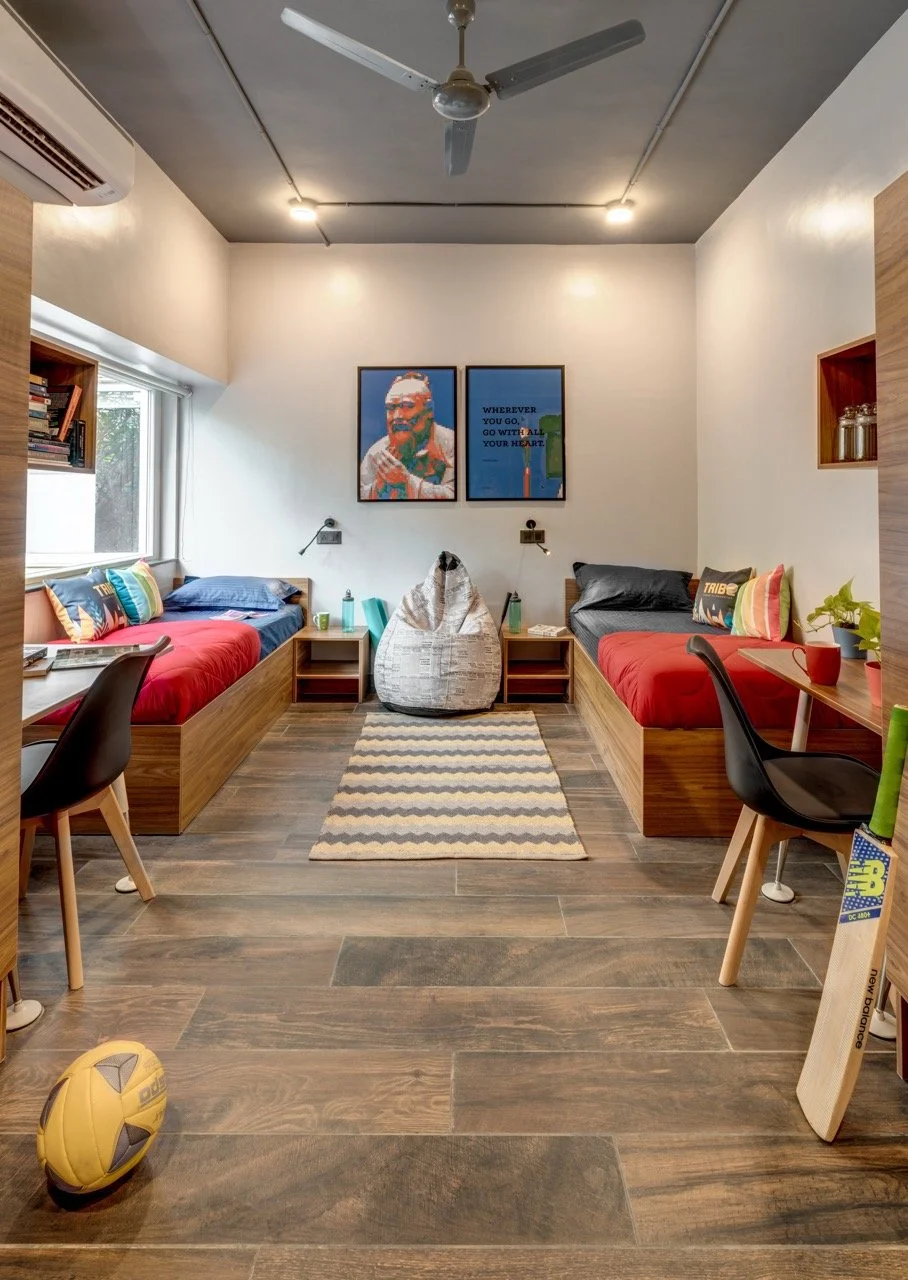
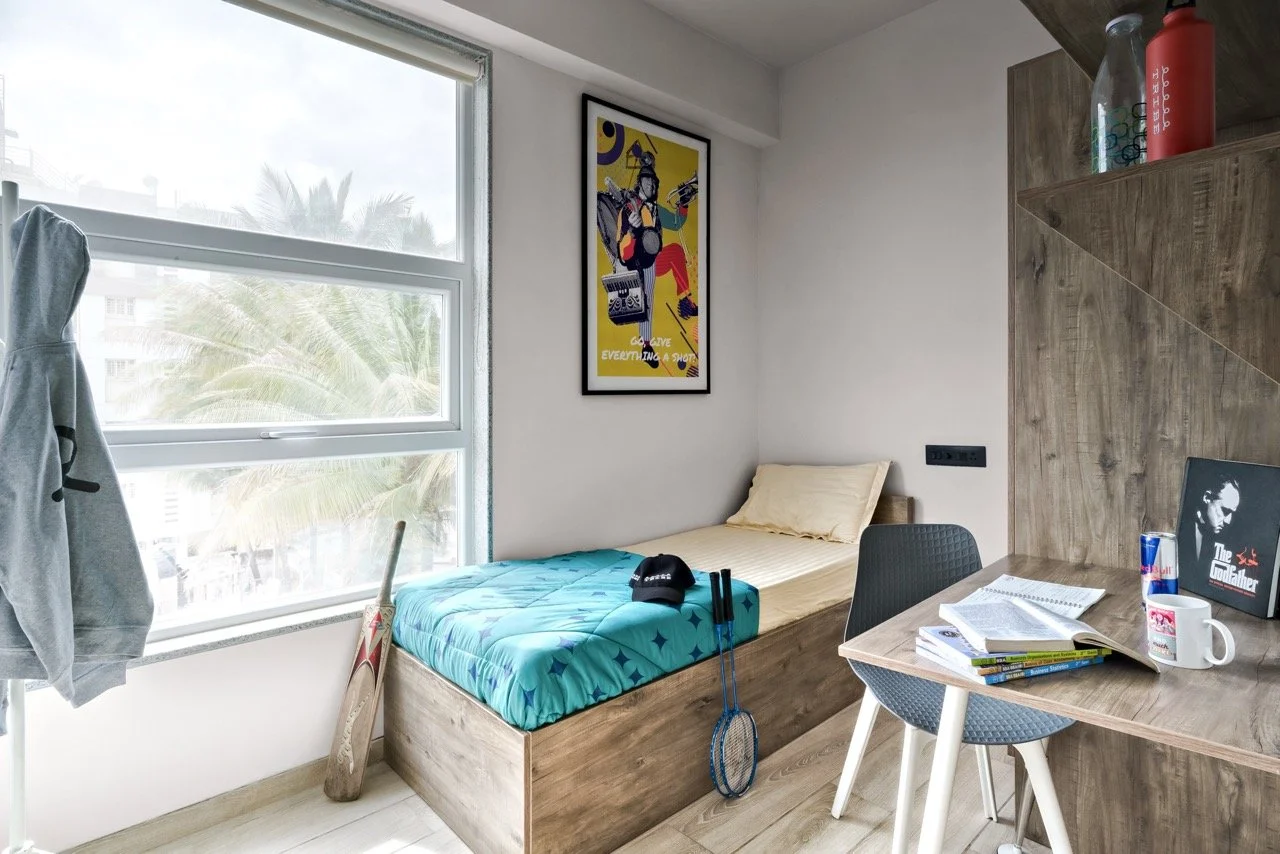
Design at Tribe is not treated as decoration. Aman says every new project must be at least one notch above the previous one. His father, Yogesh Mehra, CEO of the company, is personally involved in the spatial design of every property.
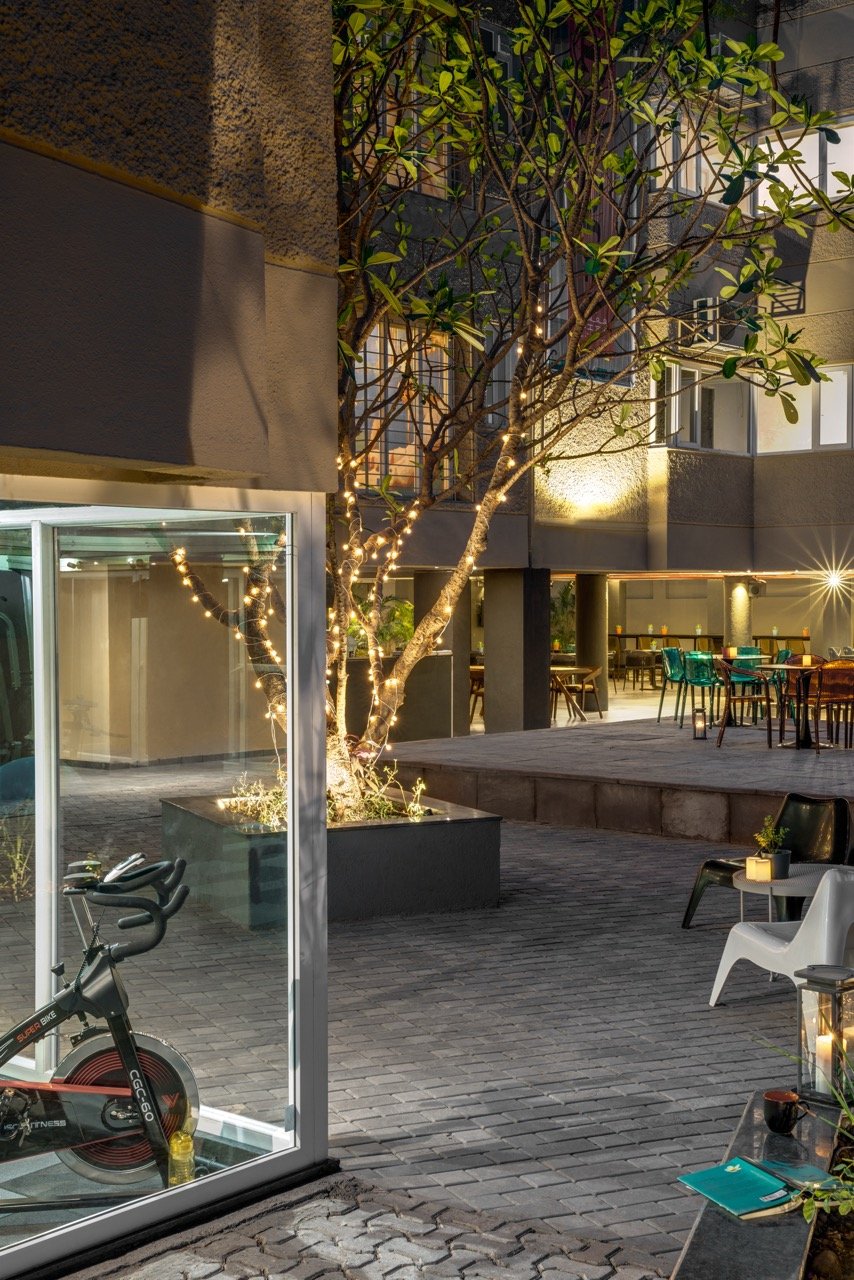
Architecture and interior firms are used, but the philosophy is internal. The team thinks through signages, wall graphics, spatial cues and furniture. Long communal tables, for example, are not just aesthetic choices. They are instruments of social behaviour.
This is an important distinction. Many shared living products add community spaces as amenities. Tribe appears to be asking a better question: what kind of spaces make people actually meet?
The scale of the ambition
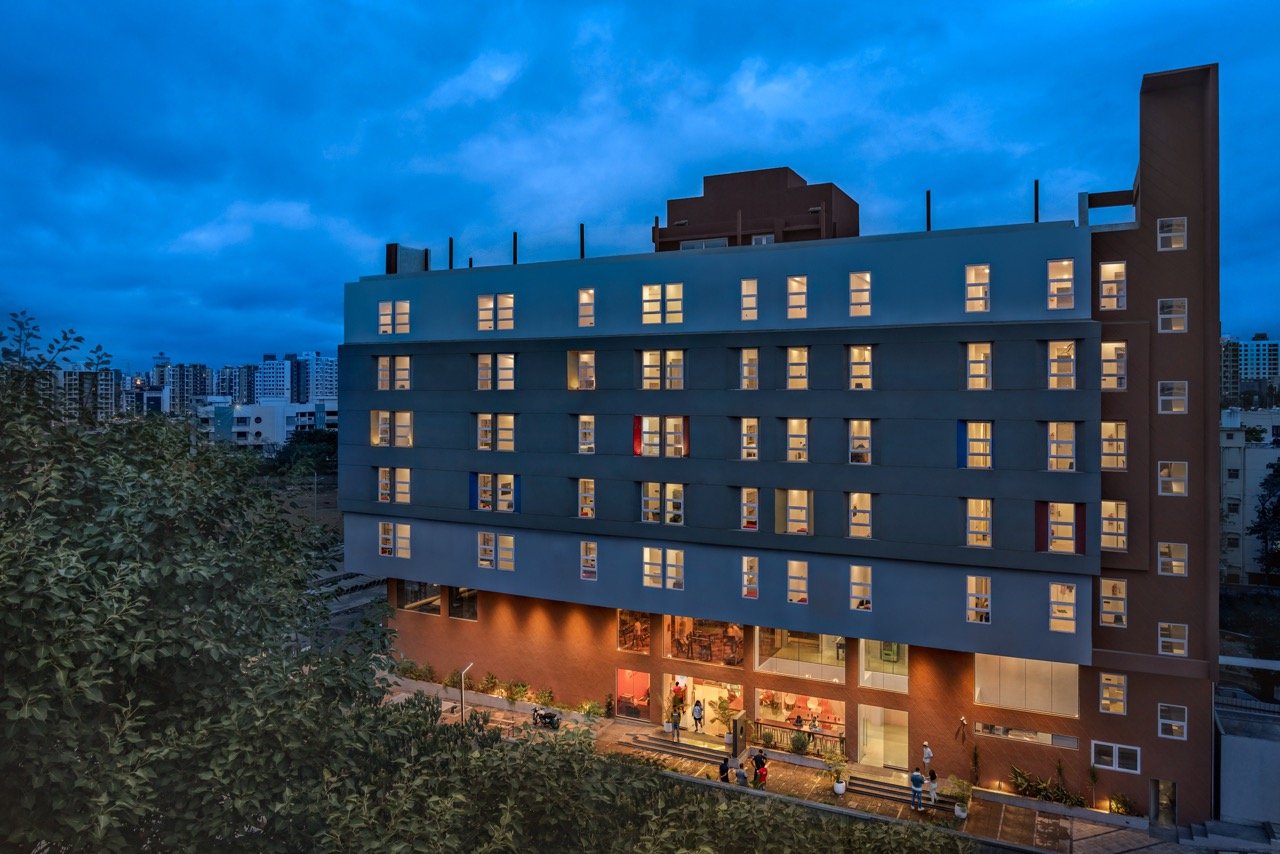
Tribe currently has around 800 live beds across three properties in Pune and one in Himachal Pradesh. By April 2027, the plan is to reach around 2,000 beds across approximately five properties in Pune, along with Hyderabad, Indore, Gurgaon, Himachal and potentially more.
The long-term ambition is much larger: 25,000 beds across major Indian cities and eventually international markets within five to six years.
The business model is also evolving. Tribe started with leases to prove the concept, but the focus now is revenue share. For landlords, Aman argues that co-living offers a compelling proposition. Traditional residential and commercial yields may sit around 3 to 6 per cent, while co-living can move towards 8 to 11 per cent. Fit-out costs are also lower than hotels, around ₹1,500 to ₹2,000 per sq ft for co-living compared with ₹5,000 and above for hotels.
The long-stay nature of the model adds stability. Compared with a hotel, the cash flow can be more predictable and the capital cost lighter.
This is where the hospitality conversation becomes a real estate conversation. Co-living is not merely an experience product. It is also a yield product.
Tribe Commune and the next definition of co-living
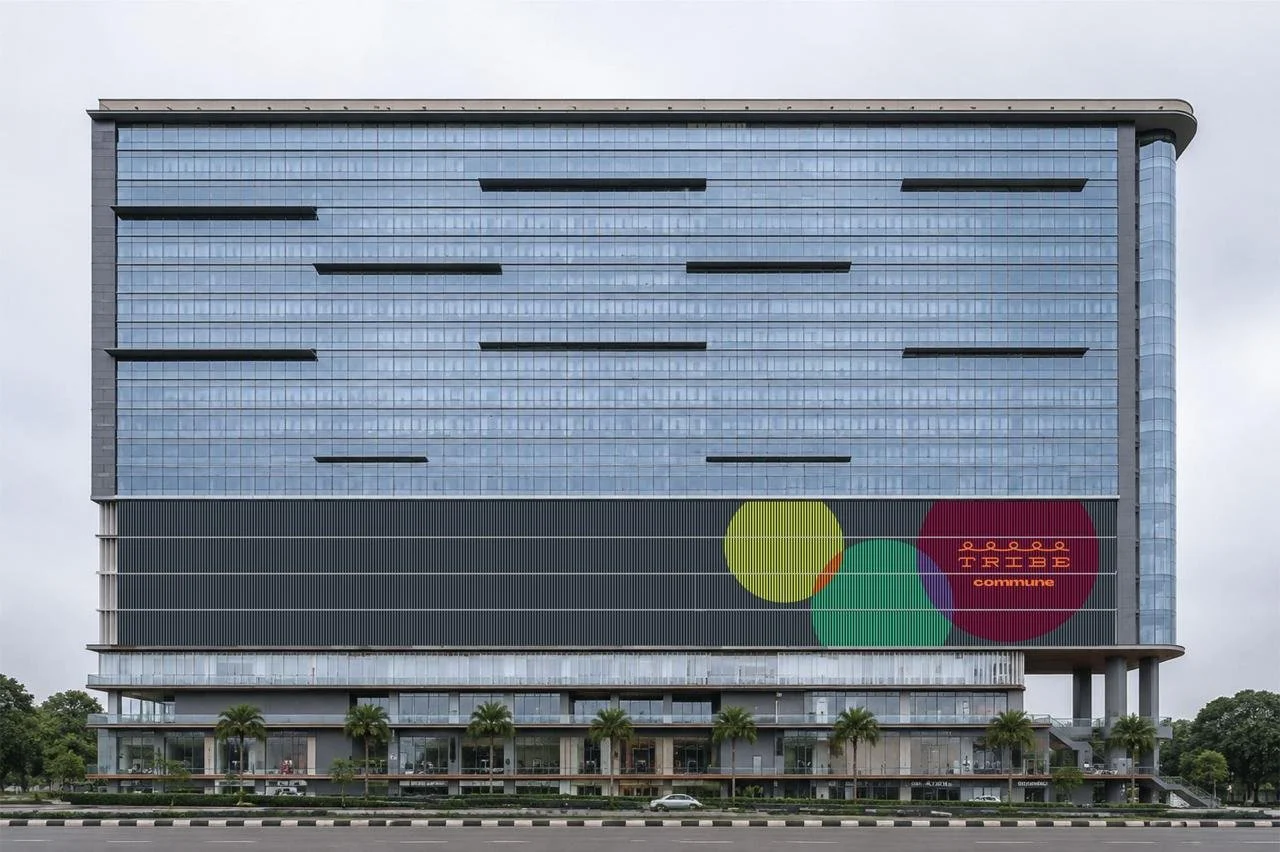
The most important upcoming chapter is Tribe Commune in Baner, Pune, expected to launch in August.
Aman describes it as Tribe's flagship co-living product, something he believes India has not seen at this level. The property will have around 230 keys and about 20,000 sq ft of amenity space. It will target adults, not students, with pricing from around ₹35,000 to ₹1 lakh per room. Long stays are defined as one month and above. Short stays, primarily for corporates, will also be allowed.
Soft visits are expected from 1 August, with a larger launch towards the end of August.
Aman believes Commune can change how people view the term co-living itself. Today, the word can mean anything from a PG to a hostel to a managed rental. Tribe wants Commune to push the category upward.
That ambition is not small. It is also not without risk. Premium co-living has to justify its price every day, not just at check-in. The room may sell the first month. The community has to sell the second.
Selling the crowd first
Towards the end of the conversation, Aman is asked what Tribe is really selling.
His answer is revealing because it reverses the usual hospitality hierarchy.
First, he says, Tribe sells the crowd. The quality of people one lives with. The friendships, memories and networks that emerge from that crowd. Second, it sells the community that allows those memories to form. Third, it sells the space where all of this happens.
This may be the most important idea in the whole conversation.
Hotels have long understood the power of atmosphere. Clubs have understood the power of the room. Restaurants know that who is at the next table can matter almost as much as what is on the plate. Tribe is bringing that logic into living.
The implications are large. If people begin choosing accommodation not only for location, price and room quality, but for the social environment it offers, then co-living becomes something far more powerful than managed housing.
It becomes a new form of urban hospitality.
The same-city signal
One unexpected trend has strengthened Aman's belief in the model: residents from the same city are booking spots with Tribe, including people who live with their parents.
This was not the original audience. Tribe expected relocation to be the main driver. But same-city residents seem to want freedom without the operational burden of setting up an independent apartment. They want independence, but they do not want to manage furniture, rent, food, housekeeping and maintenance.
For Aman, this validates the larger dream: to replace apartment living for single people and unmarried couples.
That dream may sound bold. But many category shifts begin this way. A service first solves an obvious pain point, then discovers it is also answering a quieter desire.
In Tribe's case, the pain point is relocation. The desire is freedom with belonging.
The desire is freedom with belonging.
The Hospemag view
The hospitality industry should pay attention to Tribe not because co-living is new, but because the company is trying to build it with hospitality discipline.
There are SOPs. There is design thinking. There are safety protocols. There are resident journeys, feedback loops, community roles, food systems and training platforms. There is a clear attempt to turn warmth into process without turning the experience cold.
That is not easy.
The danger in any scaled living model is that it becomes real estate with service language pasted on top. Tribe's opportunity is to become something else: a hospitality company that happens to operate where people live.
The line "Taj of co-living" may attract attention, but the real test will be quieter. Will the food still feel cared for after scale? Will the chiefs still feel heard? Will the property managers carry the founder's intent into Hyderabad, Gurgaon and Indore? Will Commune create a category or simply a premium address?
Those answers will come with time.
For now, Tribe offers a compelling thesis for the future of Indian urban living: that the next generation may not want to own furniture, manage kitchens or live anonymously behind apartment doors.