
T here is a lake in the middle of Saputara town called Saputara Lake. Sarpaganga Sarovar when the monsoon fills it.
No one pretends it was always there. It was created, dug out of nothing, filled with intention, because the land needed a heart. Because a hill station made for rest and recreation needed a place where people could simply sit, look out, and feel the weight of nothing in particular.
I have been thinking about that lake ever since I came back from Radisson Hatgad.
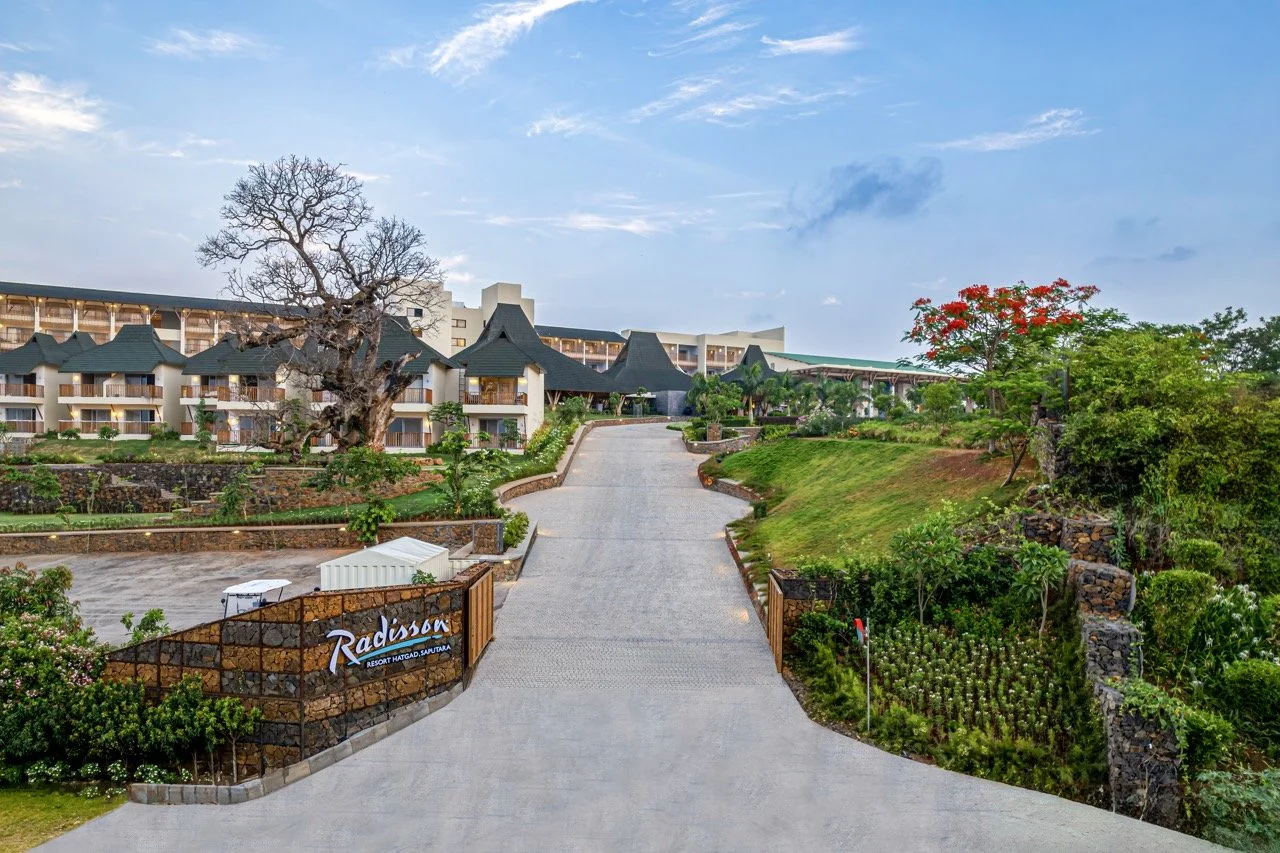
Because Radisson Hatgad is, in essence, the same thing. A place that did not exist until someone decided it should. Built with deliberate hands in a remote tribal pocket between Gujarat and Maharashtra, 69 rooms and 34 villas on seven acres of land that the highway passes by. A resort created not because the market demanded it, but because someone believed in a certain kind of joy. The uncomplicated, sattvik, unhurried kind, and decided to build a home for it.
I arrived with my two daughters. One is twenty-one. The other is fifteen. This is not the kind of detail I usually lead with, but it matters for this story. Because what stays with me most about Radisson Hatgad is not only what it gave me. It is what it gave them.
The First Impression Is Space
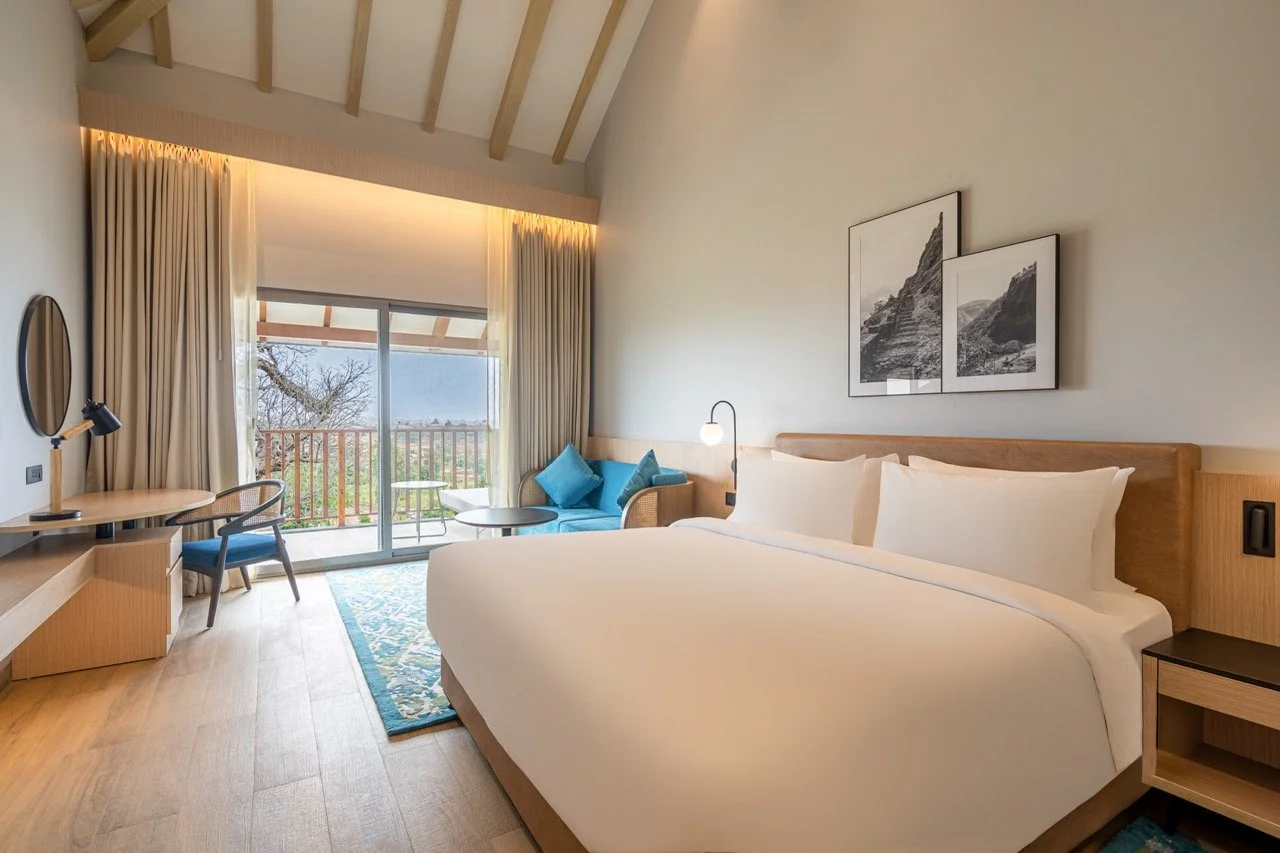
Considerably larger than standard Radisson specifications.
Resorts are man-made too. Not in the obvious sense of concrete and glass. In the deeper sense.
A resort is a choreography. Arrival timing. Room readiness. The invisible discipline of housekeeping. The way breakfast works when you are full, and also when you are late. The way staff respond when a family is tired and slightly sharp with each other.
At Hatgad, that choreography feels assured.
The first impression is space. Not “luxury space” as a brochure word, but actual breathing room. Rooms here are 525 square feet, considerably larger than standard Radisson specifications, each with a private balcony that becomes the easiest ritual. Someone reading. Someone quietly on their phone. Someone saying nothing at all. All of it, miraculously, working. If you have ever travelled with a teenager, you know that is not a small accomplishment.
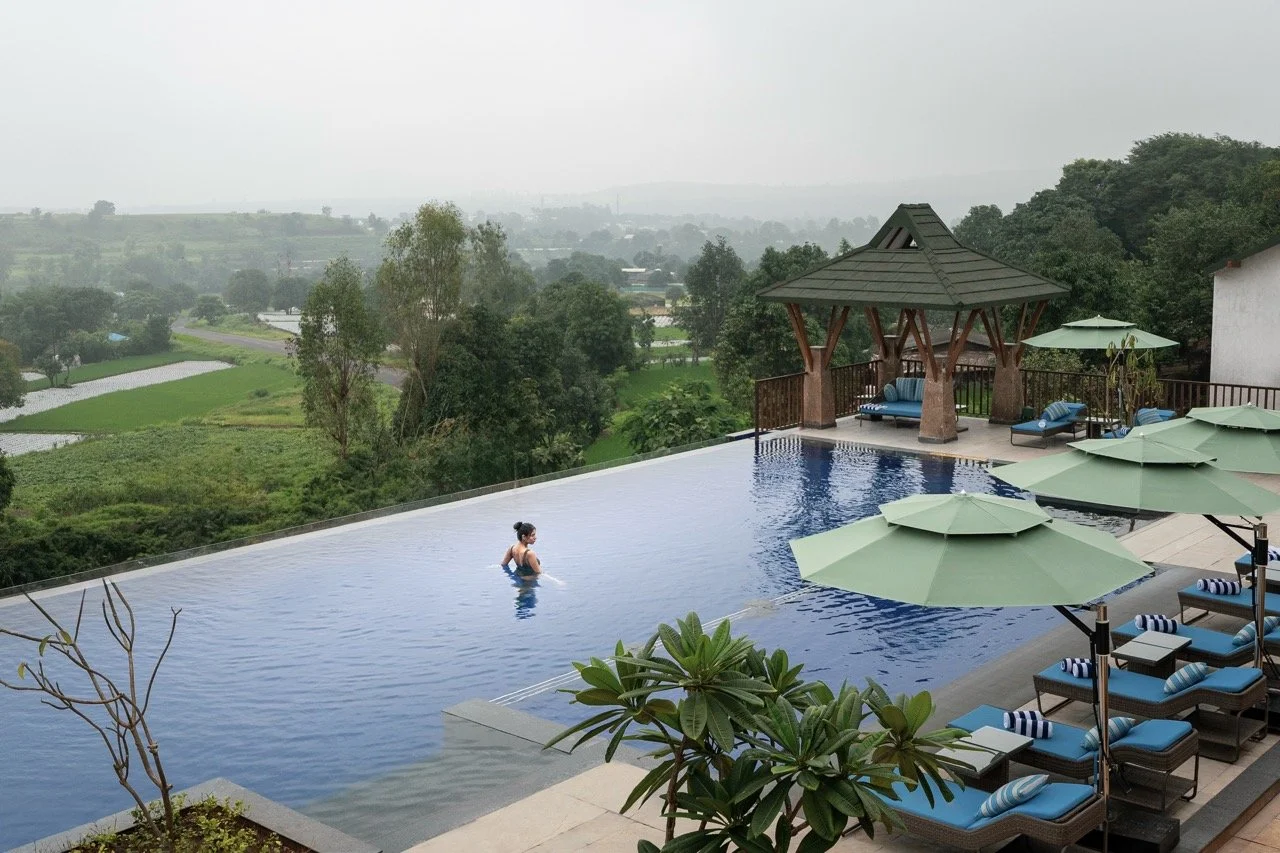
Beyond the rooms, the resort spreads itself generously. There is an outdoor pool that quickly becomes the gravitational centre of the stay. A well-equipped gym. A spa offering body and beauty treatments. A dedicated children’s play area and an indoor games room. Carrom, pool, table tennis, board games, the unhurried pleasures of a family actually in the same room without a screen between them.
Evening karaoke! A star-gazing deck that makes you realise how rarely you look up. Trekking trails into the hills around the property for those who want to earn their breakfast.
The restaurant, Atrium, carries the resort’s sattvik philosophy into every service. Morning yoga and breathwork sessions on the lawn set a tone that, surprisingly, sticks.
The Owner Who Believes in Purity
Before you understand the resort, you need to understand the man who built it.
Rohit Balar, the MD and owner, only studied until the fifth grade. He built his wealth across real estate, diamonds, and textiles before deciding, as his fourth venture, to build a hotel. He follows the Swaminarayan faith, and that faith is not decorative. It runs through every decision made on this property.
The hotel is pure vegetarian. No meat. No eggs. Not even for the staff. When candidates are interviewed for kitchen roles, they are told upfront what this means. Many of the chefs who joined are pure vegetarians by personal choice, so the philosophy and the team found each other naturally.
The bar on the property is structured as a separate business, owned by partners, so Balar himself does not profit from the sale of alcohol. This is not a compromise. It is a conviction made workable.
In the Indian hospitality landscape, this is genuinely unusual. A five-star-positioned resort with this kind of owner is rare.
And what is even rarer. The food does not taste like an apology for what it is not. It tastes like a confident declaration of what it is.
The vision is simple yet powerful, to create a space where guests can step away from demanding routines and rediscover balance through nature, nourishment and thoughtful experiences. The resort stands as a refined sanctuary that feels both comforting and grounding, offering warmth, authenticity and understated luxury.
The Woman Who Runs It
Every property has a personality. The good ones have a consistent one. That consistency usually comes from the General Manager, even when guests never meet them. It shows up in tempo, in tone, in the sense that things feel thought through rather than patched together.
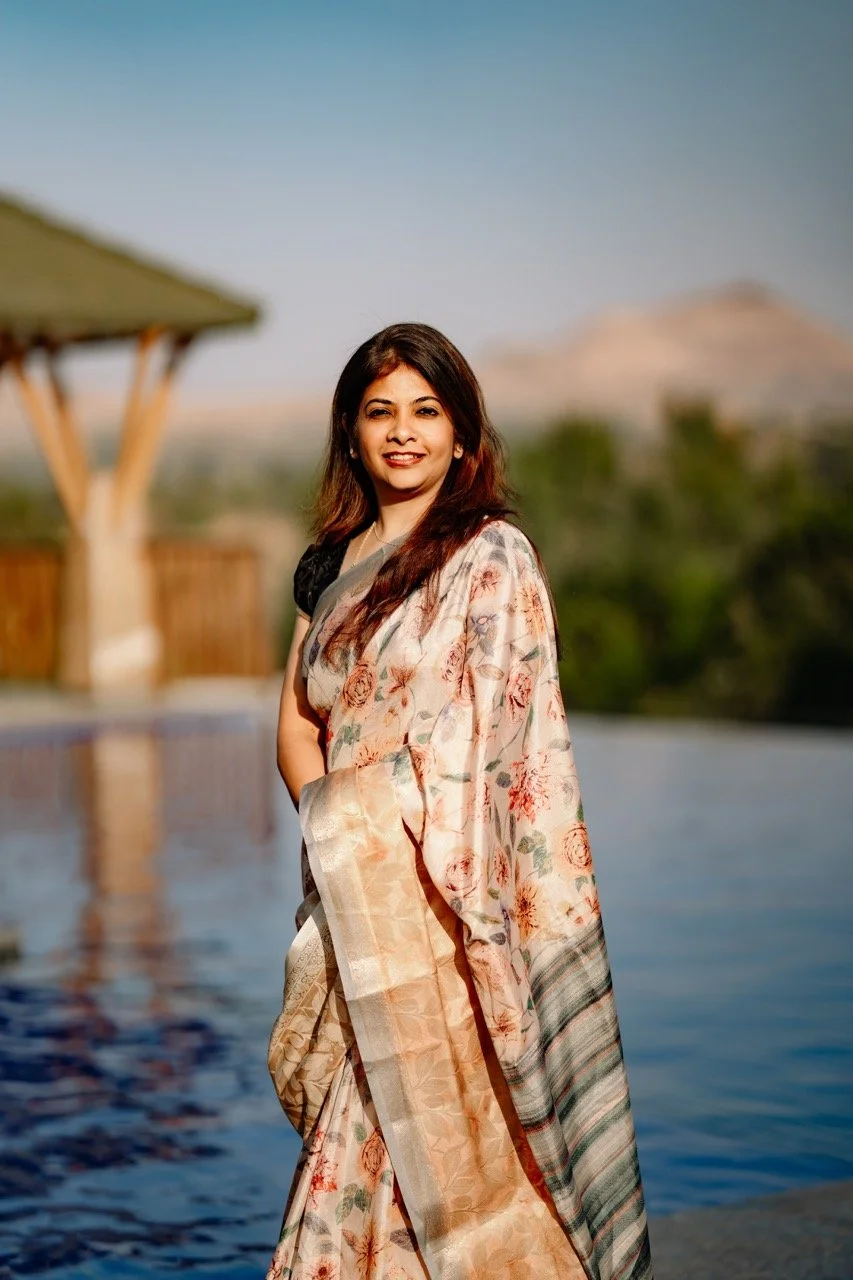
Poonam Nair is the General Manager here, and the first to live on the property. She negotiated to be resident. Her family understood.
She comes from a sales background that spans some of the most high-pressure commercial moments in modern Indian hospitality. Isha Ambani’s pre-wedding celebrations. The G20 summit. At Radisson Blu Udaipur, she grew hotel revenue from approximately INR 35 crore to INR 105 crore across nine years.
She chose this remote, not-yet-famous resort as her first GM posting when she could have had more visible ones. I find that telling.
Poonam is the kind of person who sees things clearly. She knows the challenges. Remote location. Staffing turnover. Guests who Google “nearest resort from Surat” and find you by accident. She does not romanticise any of it. She builds systems. She builds culture.
A hospitality leader who believes that true luxury lies in how a place makes you feel long after you have left. With years of hands-on operational experience and a deep understanding of people-centric hospitality, she has shaped the resort into a sanctuary for conscious living and meaningful escapes.
Her leadership philosophy is rooted in empathy, balance and intention—creating an environment where guests can slow down, reconnect and recalibrate, while teams feel inspired, empowered and valued. Under her guidance, the resort has evolved beyond a destination into a lifestyle experience—one that celebrates wellness, togetherness and quiet luxury, all while staying true to Radisson’s global standards.
And she is clear about why that matters.
“The repeat factor is strong because the team makes people feel cared for,” she said. “Not served. Cared for.” It is a distinction she holds seriously.
The Food Is the Point
Let me tell you about a meal.
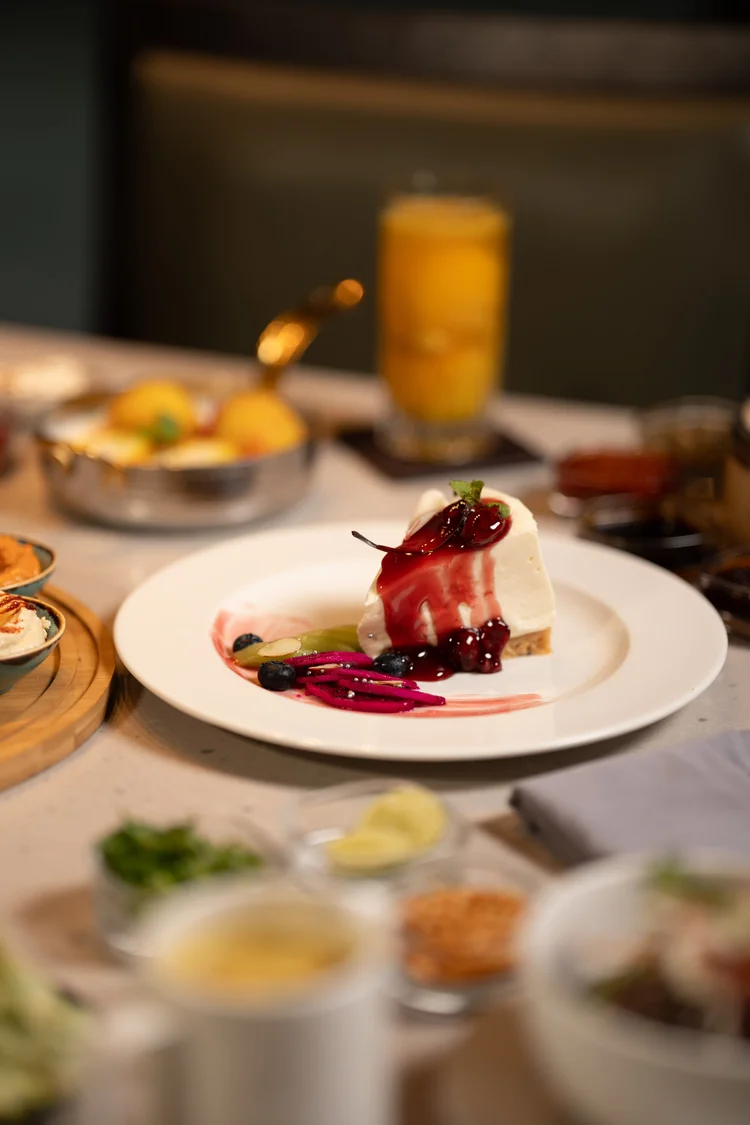
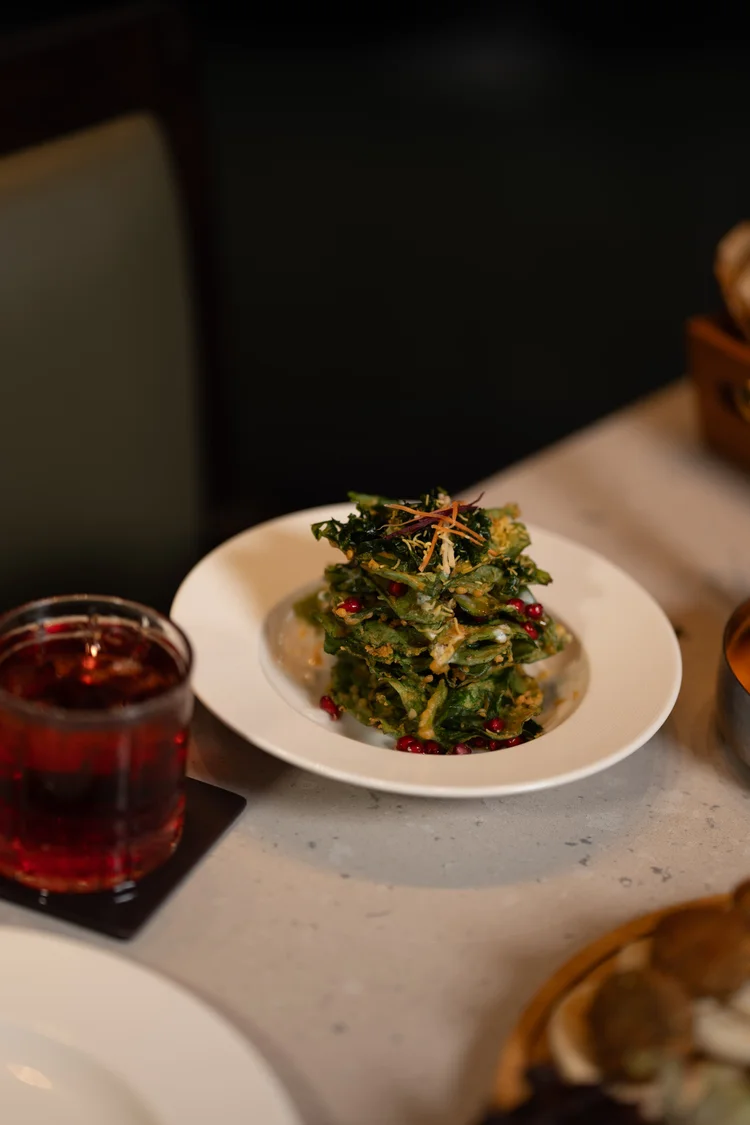
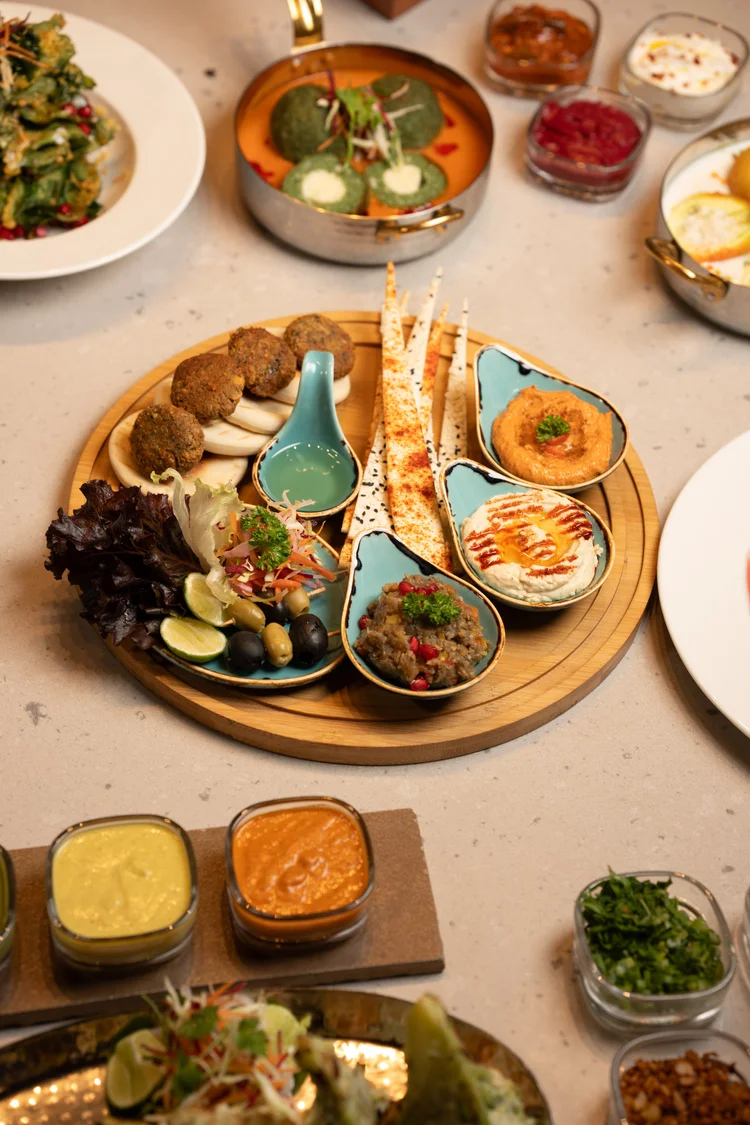
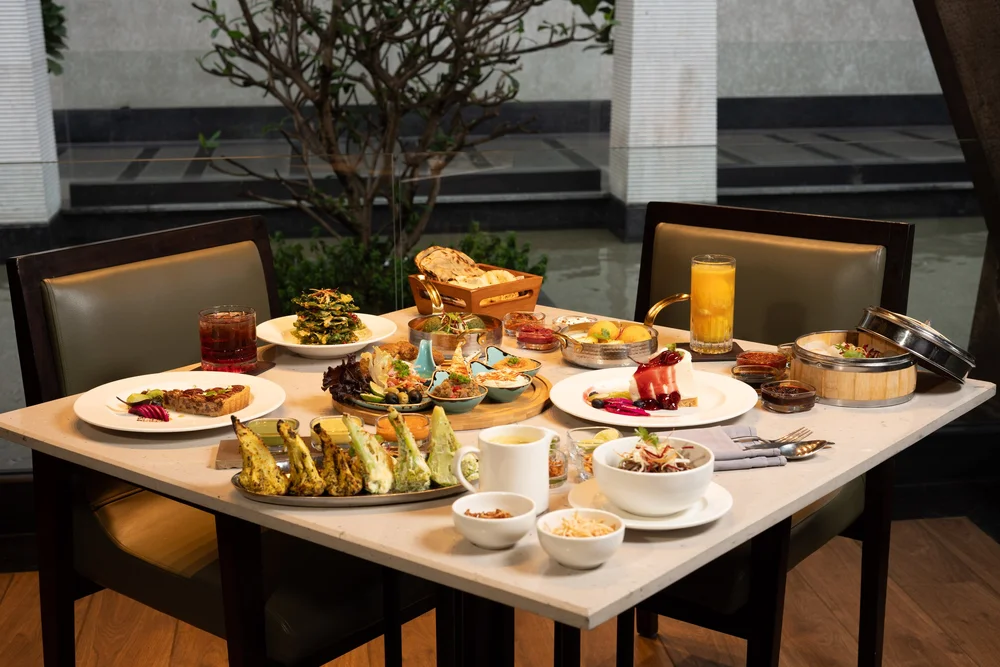
Sabudana khichdi made with the kind of attention that makes you slow down before eating. Sitaphal ki sabzi, a custard apple preparation that sounds like it should not work and somehow lands perfectly. Gravies built not on onion and garlic but on Ayurvedic spices. Cinnamon, star anise, bay leaves. The kind of base that settles you rather than stimulating you. Banana vegetable. Paneer malai curry. Curd and corn starters so delicate they barely announce themselves.
An in-house bakery producing eggless bread, brownies, cakes. Fresh strawberries sourced from a local strawberry farm. English vegetables, broccoli, bok choy, lettuce, grown in the resort’s own kitchen garden.
Eighty percent of guests at Radisson Hatgad request sattvik food or no-onion-no-garlic preparations. The kitchen adjusts to Jain requirements without drama. For multi-generational families arriving for events, Jain food is served before sunset for elders, while celebrations continue past midnight for everyone else.
The hotel has handled 500-person events on this entirely sattvik menu. That is not a small accomplishment.
I have been to enough vegetarian-option hotels to know what it feels like when a kitchen is reluctantly meatless. This was not that. This was a kitchen at home in what it was doing.
I spoke to Executive Chef Rahul Kumar. He was not surprised by the guest preferences.
“Vegetarian food is lighter, easier to digest,” he told me. “And guests want to experience diverse cuisines, but with their dietary preferences respected.”
There is another detail worth recording. The F&B team looked after us while simultaneously holding the centre steady for an entire wedding party. That double attention must not have been easy.
On our last morning, they arranged a superlative in-room breakfast. Partly because the restaurant would be full, but partly, I sensed, because they wanted us to linger. To hang out as a family, unhurried, without negotiating buffet crowds.
That kind of effort and care is rare.
The kitchen does range particularly well. Global cues adapted intelligently. Continental options built with the same sattvik logic. A Maharaj in the kitchen for Marwari preparations alongside chefs for Indian, Continental, Japanese and Thai.
Hotel-style plating without losing the clean, light feeling sattvik food is meant to deliver.
My teenage daughter, who treats anything labelled “healthy” as suspicious propaganda, went unusually quiet mid-meal. Then asked what was in the dish. Then went back for seconds.
That is the real review.
|
|
|
|
|
|
Two Daughters, and What They Noticed
My daughters found the pool and it seemed like they did not leave it for two days. What I mean is that they lived there. Genuinely still. Genuinely unhurried.
A weaker resort tries to entertain you like a cruise ship. Too many activities, too much insistence. You become busy, not rested. A better resort offers experiences the way a good host offers conversation. Lightly, at the right moment, with enough ease that you can decline without guilt.
Radisson Hatgad gets this right. Here, the experiences felt designed for families who want to be together without being forced into “togetherness”.
One evening, it was karaoke.
Karaoke is a strange truth serum. It strips away coolness. It makes adults ridiculous. It makes daughters laugh in a way that does not happen at home.
The teenage daughter announced she would never sing. She wore the face that says: I am only here because you made me.
Ten minutes later, she was choosing songs.
The older daughter did what older daughters do. Recorded everything. Laughed the loudest. Later used it as evidence that we are capable of being fun.
Another day, it was a mocktail-making workshop.
They both made mocktails in a session the hotel organised, standing behind a counter with tiny bottles and fresh ingredients, taking the whole thing with the seriousness of a chemist. It looked small on paper and turned out to be exactly right. It gave everyone a role. It became mildly competitive. Somebody wanted it sweeter, somebody wanted it sharper, somebody insisted they had invented the garnish.
They said, on the last evening, “We want to come back.” Not “this was nice.” We want to come back.
There is something important in that. The activities here are not elaborate. They are not engineered for photographs. They are genuinely fun, the kind of fun that comes from a property saying, we want all of you to exhale. To just be.
They succeeded.
The Staff Who Chose to Stay
Hatgad is not easy to live in. The nearest city large enough for proper shopping is Nashik, about two hours away. Mobile connectivity is patchy. There are no malls. There is no after-work in any urban sense of the phrase.
And yet people are here. And they have chosen to be.
Santosh Upreti, the Executive Housekeeper, brought twelve years of Dubai hospitality experience back to India and chose this remote forest-adjacent property to plant himself. He joined in February 2024, during pre-opening, the first employee on site, and stayed through the logistical blur of getting a brand-new Radisson to standard. Snagging rooms, adjusting lighting, fixing drainage, sourcing better mattresses when the originals did not meet brand specifications.
He anticipated challenges. Dust. Wind. Remote-location wear. Some did not materialise the way one expects. But the rooms, at 525 square feet, clean differently than standard inventory, and he adapted staffing ratios accordingly.
The large public areas do not help.
People & Culture Manager Latha Benedict shapes the internal world that guests rarely see but always feel. The team energy. The warmth that shows up in unforced smiles and quick responses. The culture that makes a remote posting feel like community rather than exile.
Management’s approach to the location challenge is direct. They frame it as a savings opportunity. Weekly offs allow staff to get to Nashik. Daily necessities are available in nearby Borgaon and Saputara markets. Transportation is planned with staff in mind.
It does not erase the isolation, but it acknowledges it honestly.
Poonam speaks seriously about employee happiness, not as a retention strategy, though it is that too, but as a baseline obligation. Town halls. Team building. Game zones. Simple, human rituals that matter when the work is tough and the days feel long.
The Metaphor I Cannot Let Go Of
Saputara Lake sits in the middle of the hill station knowing exactly what it is. Created for joy. Filled on purpose. A place where you can take a boat out on a quiet morning and feel, briefly, that the world has agreed to pause.
Radisson Hatgad is the same thing, scaled to ambition.
Someone looked at this land in a tribal district no one was paying attention to, and decided, here. A five-star resort. Pure vegetarian. Rooms larger than they need to be. A sattvik kitchen. A staff community built close enough to walk between. An owner who does not drink and is not embarrassed about it.
And they built it.
The result is not a compromise. It is a conviction. And convictions, in hospitality, are rare enough to be worth the drive.
Some places try to impress you. Better places simply arrange the conditions for you to have a good time. This resort does the second. Quietly, confidently, on purpose. And that is why it stays with you long after the drive home.
Radisson Resort Hatgad Saputara is located near Saputara, on the Gujarat-Maharashtra border. The property is accessible by road from Mumbai, Pune, Surat, Nashik, Ahmedabad, Vadodara, Vapi, Valsad and other cities. New road infrastructure is expected to reduce the Ahmedabad driving distance from approximately 8 hours to 4-5 hours. The resort operates as a pure vegetarian property and caters to leisure, wellness, family and wedding segments.
This story is part of Experiences That Stay With You, Hospemag’s ongoing editorial series exploring the people, places, and moments that linger long after the experience ends. Each feature is shaped through first-hand encounters and chosen for what it leaves behind.
If you believe your work, your property, or your story belongs here, and is best experienced in person, you’re welcome to write to us at editor@hospemag.me