Rebuilding Guest Trust Through Operational Excellence | By Younis Khan, Hotel Manager, The LaLiT Ashok Bangalore
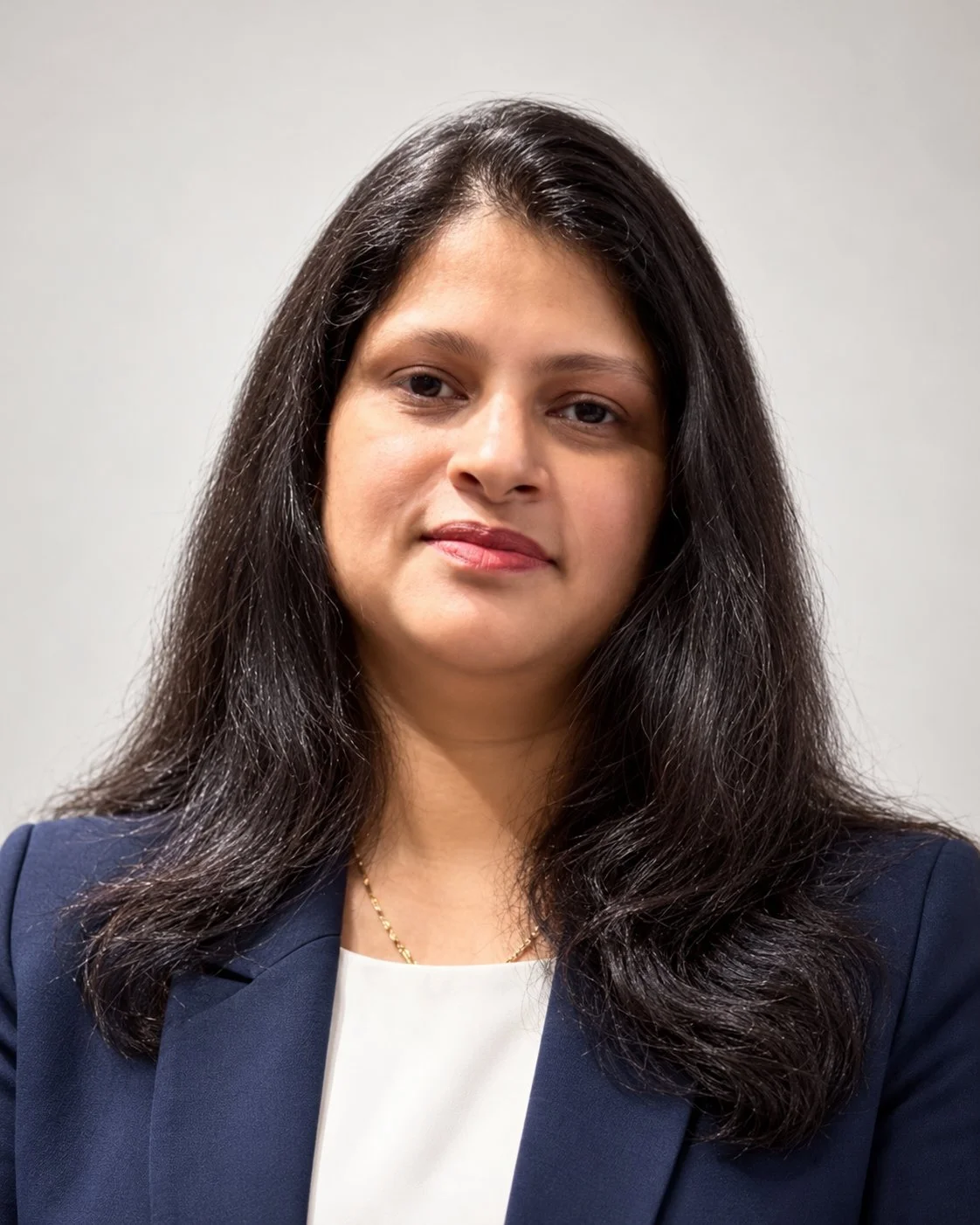
/Younis Khan has spent more than three decades in hospitality, beginning in Front Office operations and going on to hold leadership roles with IHG Hotels & Resorts, Taj Hotels, The Grand Hotels & Resorts and Radisson Hotel Group. He joined The LaLiT Suri Hospitality Group in 2024 as Resident Manager – Delhi NCR and has now taken charge as Hotel Manager at The LaLiT Ashok Bangalore, where he oversees day-to-day operations, strategic business initiatives and guest engagement.
In this conversation with Hospemag, he explains what operational excellence means to him today, how hotels build a culture of hygiene, food safety and accountability across departments, how to communicate when concerns arise, and why guest trust starts in the back of house.
After three decades in hospitality, what does operational excellence mean to you today?
When I began in Front Office, I thought it was mostly about being quick and getting things right. Thirty years on, I see it differently. To me, it is whether a guest gets the same quality of care on a Tuesday afternoon with a quiet house as on a Saturday night when we are full and everyone is stretched. Anyone can put on a great evening once. The difficult part is doing it again the next day, with a different team on shift.
For that, you need clear systems, so people know what is expected and what to do when something goes wrong. But systems alone don't do it. I have seen hotels with excellent manuals and indifferent service, because nobody on the floor felt the manual was theirs. The person at the counter or in the kitchen has to feel responsible for how things turn out.
The best operations are also quiet. A guest should never see the checklist or the early morning inspection. They should just find the room right, the food good, and the service unhurried, without knowing how much work went into it.
And it never really finishes. Guests expect more every year, rules get tighter, teams change. So the question I keep asking myself and my colleagues is simple: what could we have done better today?
What are your immediate priorities at The LaLiT Ashok Bangalore?
I have only recently taken charge, so my first job has been to listen. I would like to understand the hotel properly before I start changing things. That means sitting with people from each department, hearing from corporate clients and local partners, and finding out what is working and what is frustrating them. Usually, the people closest to the work already know where the problems are.
After that, a few things are on my mind. Consistency comes first. We have 186 rooms and suites, a large banquet space, and several restaurants, and a guest should feel the same care in all of them, whether they are checking in, attending a conference, or at a wedding.
Food safety and hygiene are next, and I want every department to see them as part of the guest experience and not only the kitchen's concern. Guest trust is built there.
I also want to build on where we sit in the city. Bengaluru is no longer only a corporate destination. Business travellers want to see something of the city around their meetings, and with our central location, our event space, and our restaurants, we are well placed to offer both.
And finally, our people. I want colleagues who feel heard and confident enough to sort out a guest's problem themselves without waiting for someone to approve it. None of this is quick, but it is where the foundations are.
How do luxury hotels build a consistent culture of hygiene, food safety and accountability across departments?
The first thing to say is that it cannot belong to one person or one department. People tend to think of the kitchen or the food safety officer, but a hotel is one connected operation. Purchase, stores, stewarding, housekeeping, engineering, service, even the front desk when a guest asks about a dish, all of them touch it in some way.
What I have found is that culture follows what leaders do, far more than what they say. If the Hotel Manager and the department heads regularly walk the back areas, open the cold rooms, and ask questions, the team understands that this matters. If standards only get attention before an audit, the team will treat them as something to get through.
Training is the second part, and it has to continue after the induction week. Short refreshers, practical demonstrations, and experienced people showing new joiners how things are done all help. It also works better when people know the reason behind a rule. An associate who understands why a chiller must stay at a certain temperature will check it without being reminded.
Then there is accountability, which only works if people are not afraid. If someone reports a mistake and gets shouted at, they will hide the next one. I would much rather hear about a near miss on Monday than discover a problem on Friday.
Last, I think we should recognise people for this work. It is easy to praise a team for a guest compliment. We should be just as quick to thank the person who caught an expired item or flagged a damaged delivery.
What systems and checks are critical across procurement, storage, preparation and service?
I tend to think of food safety as a chain, and a chain is only as strong as its weakest link. Each stage has its own discipline.
It starts with procurement, with the suppliers you choose. They should be approved and checked with clear specifications. When a delivery arrives, someone needs to look at the temperature, the condition, the labels, the batch details, and the expiry date before it is accepted. If something is not right, it should go back to the door. Once it is inside, it becomes our problem.
Storage is where small lapses quietly turn into big ones. Every category needs the right temperature, and it needs to be monitored and recorded. Everything should be dated and labelled, and older stock should be used first. Raw and cooked food must be kept apart, and so must vegetarian and non-vegetarian items, with separate space, equipment, and utensils. And someone has to go through the shelves regularly, looking for expiry dates, damaged packs, and anything that has spoiled.
In preparation, it comes down to personal hygiene, separate boards and knives, safe thawing, correct cooking temperatures, and cleaning schedules that are actually checked afterwards. Allergens deserve particular attention because a guest's dietary needs should never depend on someone remembering.
Service is the last stretch. Hot food has to stay hot, cold food cold, and buffets need someone watching them throughout. Our service teams should also know what is in each dish, so they can answer a guest without having to go and ask.
Running through all of this are checklists, logs, and audits, both internal and external. They are not there for the paperwork. They are how we show ourselves and the guest that the standard is being met every day.
How do hotels balance stringent back-end processes with a seamless guest experience?
I don't really see them as two things pulling against each other. The back-end process is what lets the guest relax. When someone enjoys a meal without a second thought, it is because a lot of checking happened earlier, out of sight.
The challenge is to design the process so the guest never feels it. Checks should sit inside the normal flow of work, at receiving, in storage, and during preparation, so that by the time food reaches the table, nothing is holding it up. A guest should never be kept waiting because of something that could have been done an hour earlier, or feel that a rule matters more than their comfort.
A little visibility can help too. At Baluchi, for example, the kitchen is open and interactive, so guests can watch the food being prepared. That creates a connection between the chef, the food, and the guest, and it is quietly reassuring.
Mostly, though, it is about the team. If people understand why a process exists, they follow it naturally and still have attention left for the guest. A well-trained associate can follow every standard and still remember your name and how you like your coffee. That is what I want: warm service in front, discipline behind.
How should hotels communicate when concerns around food safety or operations arise?
Honestly, the instinct in most organisations is to wait until everything is sorted and then say something polished. In my experience, that is the wrong way round. Silence does more damage than the problem itself. People forgive a mistake far more readily than they forgive a hotel that seemed to be hiding it.
So the first thing is to say what happened, plainly, and say what we are doing about it. Short and factual is better than long and careful.
But words only count if action is already underway. Before we say anything, the team should be looking into it, fixing it, and protecting the guest. A guest who sees the issue dealt with will trust us far more than one who only receives an apology.
If an individual guest is affected, the conversation should be personal and quick, and it should be led by someone senior enough to make a decision. The guest should feel listened to and not passed from one person to another.
Everyone in the hotel should also be saying the same thing, from the front desk to the General Manager. Mixed messages make everything worse.
And afterwards, tell people what has changed. When a concern leads to a better process, and we say so openly, it can end up building more confidence than before. Being open in a difficult moment does not weaken a hotel. It tends to make people trust it more.
What broader lessons can the industry take from recent conversations around food storage, segregation and product checks?
I would rather talk about what we can all learn than point at any one hotel, because I think the whole industry should take something from this.
The main lesson is that the basics matter most. Expiry dates, labelling, temperatures, and keeping vegetarian and non-vegetarian food apart are not complicated ideas. The hard part is getting them right every day, in a busy kitchen, with people coming and going. A star rating tells a guest what kind of experience to expect, but it does not guarantee safe food. What is the routine that is followed day after day?
I would also say that systems need to be checked and not assumed. It is easy to believe a procedure is being followed because it is written down. Walking through the stores, doing surprise checks of your own, and being honest about what you find shows you the gap between what is on paper and what is happening.
Food safety is also everybody's job. Purchase, stores, kitchen, stewarding, and service all play a part, and senior people need to be seen taking an interest.
Guests today also know more and ask more. They read, they compare and they expect to be told things. I think that is healthy for us, because it keeps the standard moving up.
And I would add that regulators and hotels want the same thing, which is for guests to be safe. If we treat an inspection as a chance to learn and not only something to get through, the whole sector benefits.
What role do department heads and frontline teams play in identifying risks early?
A very big one, because they are the ones closest to the work. I see the hotel for part of the day. A chef, a storekeeper, or a steward sees it all day, every day. If a chiller is running a little warm, a delivery does not look right, or someone is cutting a corner because the shift is busy, it is that person who will notice first.
Department heads set the standard. They need to walk their areas, look beyond the surface, ask questions, and make sure their teams have the training, the equipment, and the time to do things properly. They also need to pass problems up quickly, without getting defensive about it.
The frontline is really our early warning system. It might be a torn pack at receiving, a missing label, or a guest mentioning an allergy while ordering. Someone paying attention at that moment can stop it from becoming an incident later.
What I try to do is make it easy and safe to speak up. If an associate raises something and nothing happens, they will not raise the next thing. If they see it acted on and they are thanked for it, they will keep their eyes open. I also encourage teams to solve what they can themselves and not wait for escalation. A team that feels ownership, with clear standards behind it, protects a hotel better than anything else I know.
Which leadership lessons from your career have shaped your approach to building high-performing teams?
The biggest one is that hospitality is a people business. Technology helps us work faster and more accurately, but it cannot replace a person who makes a guest feel welcome. Almost everything else I have learned about leading follows from that.
My approach is fairly simple. I listen first, because the people doing the work usually know more than I do about what is going wrong. I make time to speak with associates across departments and hear their difficulties directly. Then I try to give people the confidence to act. If a guest has a problem, I would like the associate in front of them to handle it and not go looking for a manager.
I also believe in recognition, and not only for commercial results. A guest compliment, a good piece of service, or a colleague who stayed late to help should be noticed and said out loud. It costs nothing, and it means a lot. After that comes development. Cross-training, regular learning, and a visible path to move up make a difference. I started in the front office myself, and many of the best leaders I have worked with came up from the front line.
If you do those things, people tend to stay, and when they stay, they care more about the guest. The other thing thirty years has taught me is that high standards and kindness work together. The best teams I have seen were demanding of themselves, and they were that way because they felt respected. My aim is to build strong teams now and to bring up the next generation of hospitality leaders from within.
What is your vision for taking The LaLiT Ashok Bangalore forward in Bengaluru?
I would like the hotel to be thought of as more than a business hotel. I want it to be a place people associate with the city itself, a Bengaluru experience hub.
Bengaluru has changed. It is young, busy, and always trying something new. A visitor today might have a meeting in the morning, want a good meal and something of the city in the evening, and sometimes stay on for the weekend. We are well placed for that. We are central, at Kumara Krupa High Grounds, close to the railway station, the Trade Fair Grounds, and the embassies. We have 186 rooms and suites and over 59,000 sq. ft. of banquet and event space.
The foundation of it all is trust. Guests will only come back if they feel confident about the food, the service, and the care behind both, so the work on food safety and hygiene we have discussed is where it begins.
On food and beverage, Bengaluru diners want a story and a reason to return. Baluchi and its interactive kitchen, regional Indian cooking, festive menus, and more of Karnataka's ingredients and flavours give us that. I want people to choose the hotel for dinner even when they are not staying with us.
I also want our people to feel they have a future here, because the warmth guests remember comes from them. And I would like us to keep sustainability part of daily work, in how we use energy and water, handle waste, and buy our ingredients.
Through all of it, I want us to stay true to The LaLiT's tradition of refined Indian hospitality, while making Bengaluru feel it has a hotel of its own.
About Younis Khan
An alumnus of Mangalore University with a degree in Hotel Management, Younis Khan has expertise across hotel management, revenue optimisation, sales and marketing, guest experience, operational efficiency and talent development, and has received several industry awards during his career. Away from work, he is a nature enthusiast who enjoys playing football.
Images: courtesy of The LaLiT Ashok Bangalore