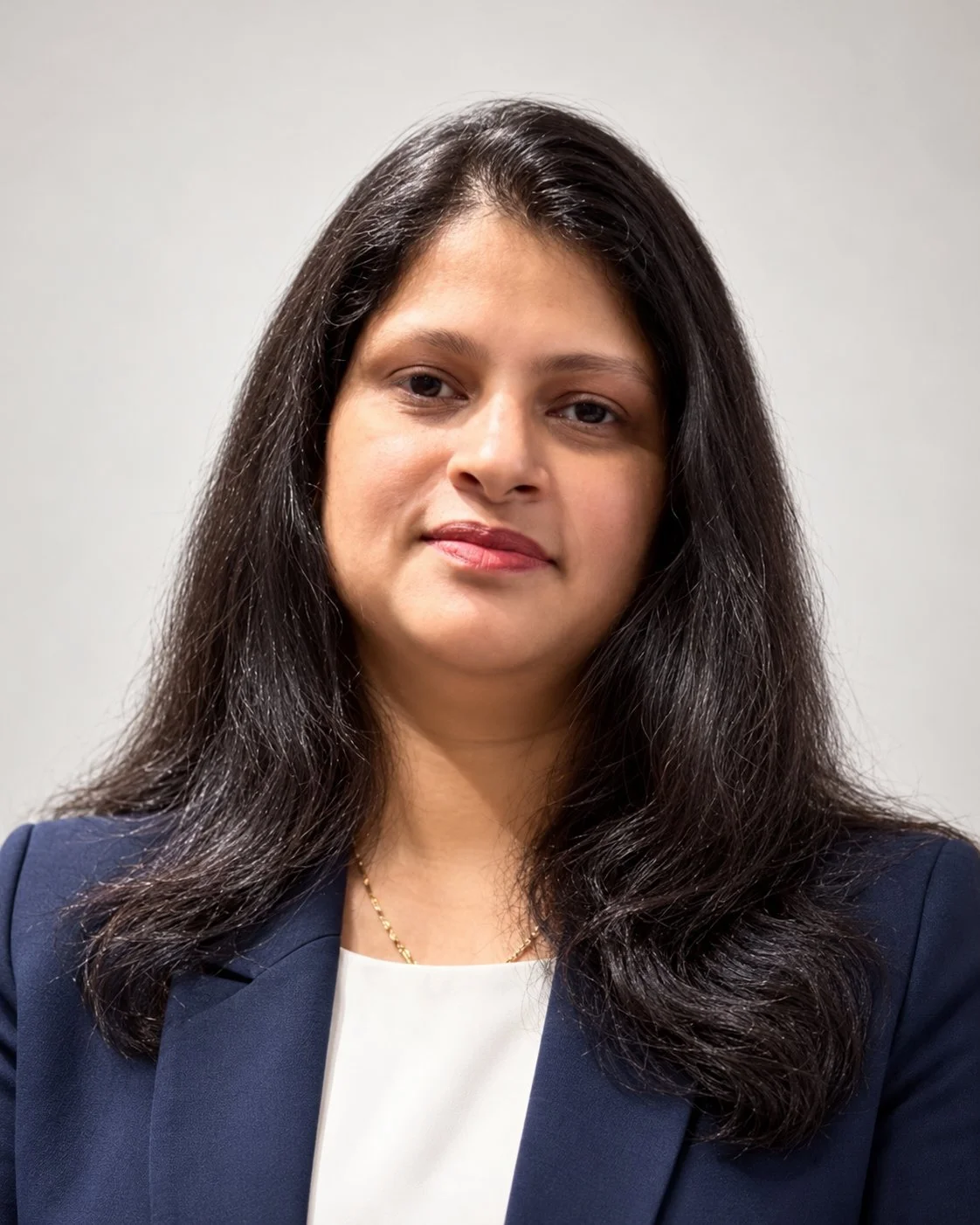
Seamless Stays: How Digital Payments Are Redefining Hospitality Experience By Sheik Mohideen, executive vice president, Worldline India
/
The hospitality industry has long mastered the art of crafting memorable moments—arrival, ambience, service, and recovery. Yet one critical touchpoint has remained under designed: payments.
Checkout, often the final interaction, still feels transactional rather than experiential. When settling a hotel bill requires more effort than splitting a dinner payment on apps, the issue is not technological—it’s strategic.
A Shift Driven by Guests, Not Technology
The tools to modernize payments have existed for years. What has changed is the guest. Expectations are now shaped by seamless digital experiences across retail, transport, and finance. The payment layer in hospitality is no longer judged in isolation—it is compared to every frictionless interaction a consumer has daily.
This shift is particularly visible in India, where Unified Payments Interface (UPI) has transformed how people transact. With over billions of monthly transactions, Indian consumers are among the most payment-savvy globally. They expect speed, transparency, and simplicity—everywhere.
Structural Friction in Legacy Systems
Traditional hotel payment systems were designed for a simpler model: one guest, one card, one bill. Today’s stays are more complex—spanning rooms, dining, spa services, and shared expenses across multiple guests and payment methods.
The result is operational friction -
Staff time lost to reconciliation errors
Deposit holds that linger days after checkout
Card declines at check-in due to system constraints, not insufficient funds
These breakdowns undermine otherwise well-designed guest experiences.
Payments as an Experience Layer
Forward-looking hotels are rethinking payments not as backend infrastructure, but as part of the guest journey. This shift is subtle but transformative.
Consider what this looks like in practice-
Tokenised payments at check-in: Guests register their payment method once; settlement happens automatically at departure—no queues, no interruptions.
QR-based dining: Orders and billing are integrated into the room account, eliminating payment friction during meals.
Automated pre-authorizations: Holds are released instantly upon checkout, reducing post-stay frustration.
These capabilities are not futuristic—they are already being deployed. The difference lies in intent.
Loyalty Lives in the Details
Payment moments also present an opportunity for personalization. Automatically applying loyalty benefits or recognizing repeat guests during transactions transforms routine billing into meaningful engagement.
Guests may not always remember flawless service—but they do notice friction. More importantly, they remember when a brand anticipates their needs.
India’s Hidden Advantage
India’s hospitality sector is often framed as catching up globally, but in payments, it may already be ahead. The scale and interoperability of UPI, combined with deep banking integrations, provide a strong foundation.
An independent hotel in Kochi or Udaipur can, with the right systems, deliver a checkout experience on par with global luxury brands. The challenge is not infrastructure—it is adoption.
At the same time, hotels in India must cater to two distinct segments –
Domestic travellers: Highly fluent in digital payments
International guests: Expecting multi-currency support and global card acceptance
Modern payment platforms are increasingly equipped to serve both seamlessly.
Designing the Last Impression
The future of hospitality payments is already taking shape. Embedded finance, contactless transactions, and “invisible checkout”—where guests leave without stopping at the front desk—are becoming standard expectations.
The industry’s question is no longer whether to modernise payments, but how quickly and how thoughtfully to do so.
Because in hospitality, the final impression matters as much as the first. And the bill—long treated as an afterthought—is, in reality, a defining part of the guest experience.