Knowledge Series – What Hotels Get Wrong When They Buy Art, by David
/
What Hotels Get Wrong When They Buy Art
By David, Founder, TOPKIN Bronze Sculpture
A hotel lobby tells a guest what kind of place this is before anyone says a word. After two decades of casting bronze for hotels, I have seen the same five mistakes repeat. None is about taste, and all are cheaper to prevent than to fix.
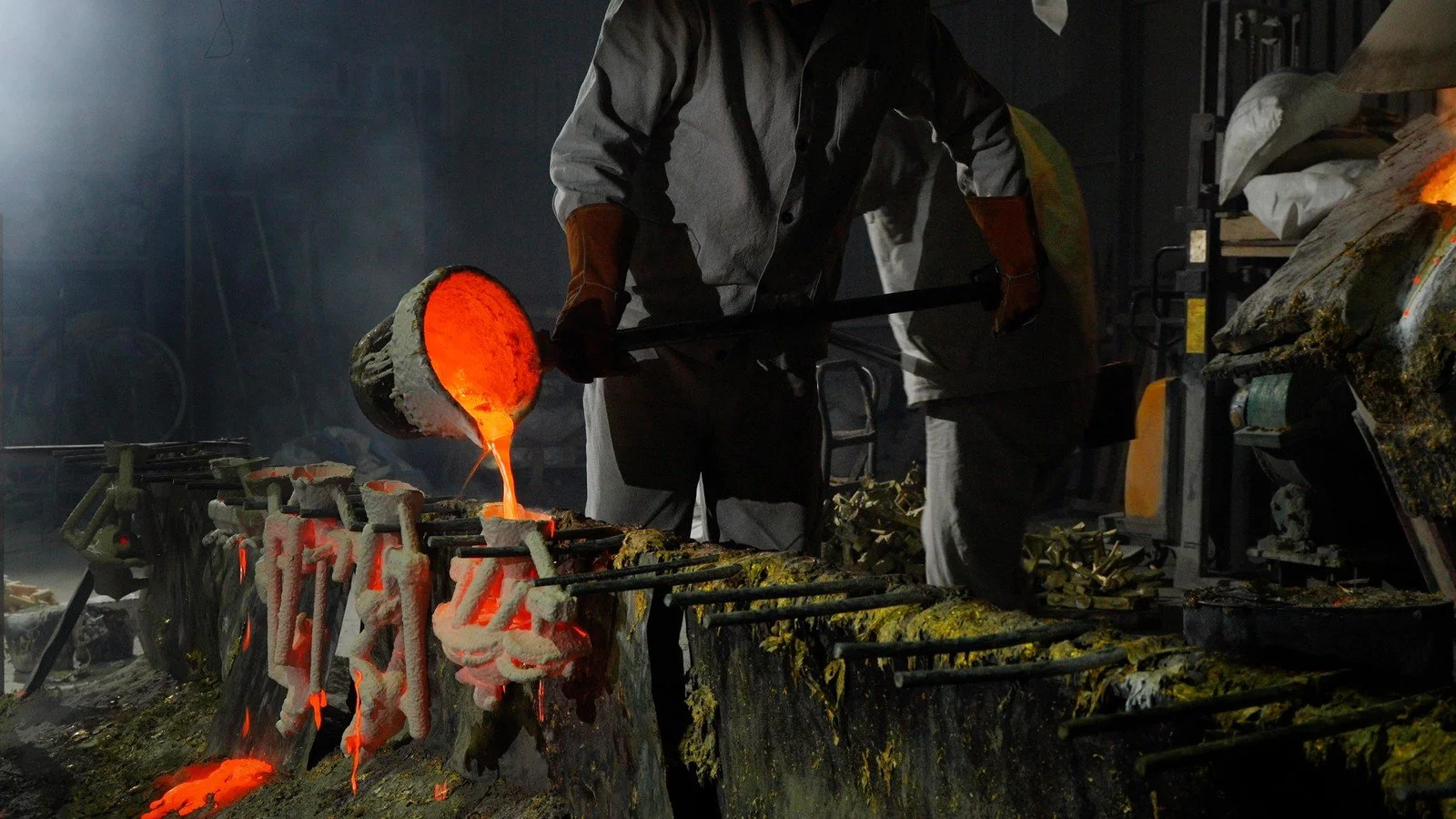
The most expensive mistake is also the most common. A piece can look bronze and be sold as bronze, yet be resin with bronze powder mixed in — what the trade calls cold-cast or bonded bronze. It is light in the hand, sounds dull when tapped, and will not age the way metal does. Genuine cast bronze is dense, roughly 8.7–8.9 g/cm3, so a piece of the same size is typically three to four times heavier than its cold-cast twin; it rings when tapped, while resin gives a flat thud.
Before you sign, ask in writing: what alloy, and how thick is the wall? Lost-wax cast, or moulded in resin? Will the foundry certify it? A magnet rules out iron underneath — bronze is non-magnetic — but cannot separate bronze from resin, so never rely on it alone.
A sculpture that looked generous in a showroom photograph can disappear in a double-height lobby, and one that filled a catalogue page can overwhelm a small lounge. Before ordering, tape out the footprint on the floor and cut a cardboard silhouette at full height. Stand where a guest will stand — at the entrance, at the lift, at the bar — and check the sightlines. A statement piece should read clearly from the farthest point a guest first sees it. A desktop piece of 40–60 cm is usually enough; a lobby centrepiece often needs to be well over a metre. Without exact dimensions and weight, you cannot plan the plinth, floor loading or delivery — and you will discover that on installation day.
Bronze does not arrive finished and stay finished. Its colour — the patina — is a chemical layer formed with heat and reagents, not paint, and it keeps changing with its environment. A dark brown patina is generally the most durable outdoors; a bright verdigris green is beautiful but more sensitive to chlorides and sulphur in the air. That matters most where hotels love to put sculpture: by the pool and by the sea.
Chlorine, fertiliser spray, bird droppings and salt air all attack the surface. Wash outdoor bronze with clean water and re-wax once or twice a year — microcrystalline wax such as Renaissance Wax is the usual choice — and remove droppings promptly. Never let housekeeping use general cleaning chemicals on it. Do not place bronze in a pool or in standing water: trapped water corrodes from the inside, so any hollow piece needs drainage at its lowest point. If nobody owns this maintenance, budget for someone who does, or choose another location.
A lobby sculpture has weight, a centre of gravity and a daily encounter with luggage trolleys and cleaning equipment. Ask who anchors it and how it is fixed to its plinth. Agree the cleaning routine in writing before handover — soft cloth, clean water, no chemicals — and make sure the night team knows it, not just the general manager. A piece beautiful on opening day and chipped a year later is a purchase nobody planned to live with.
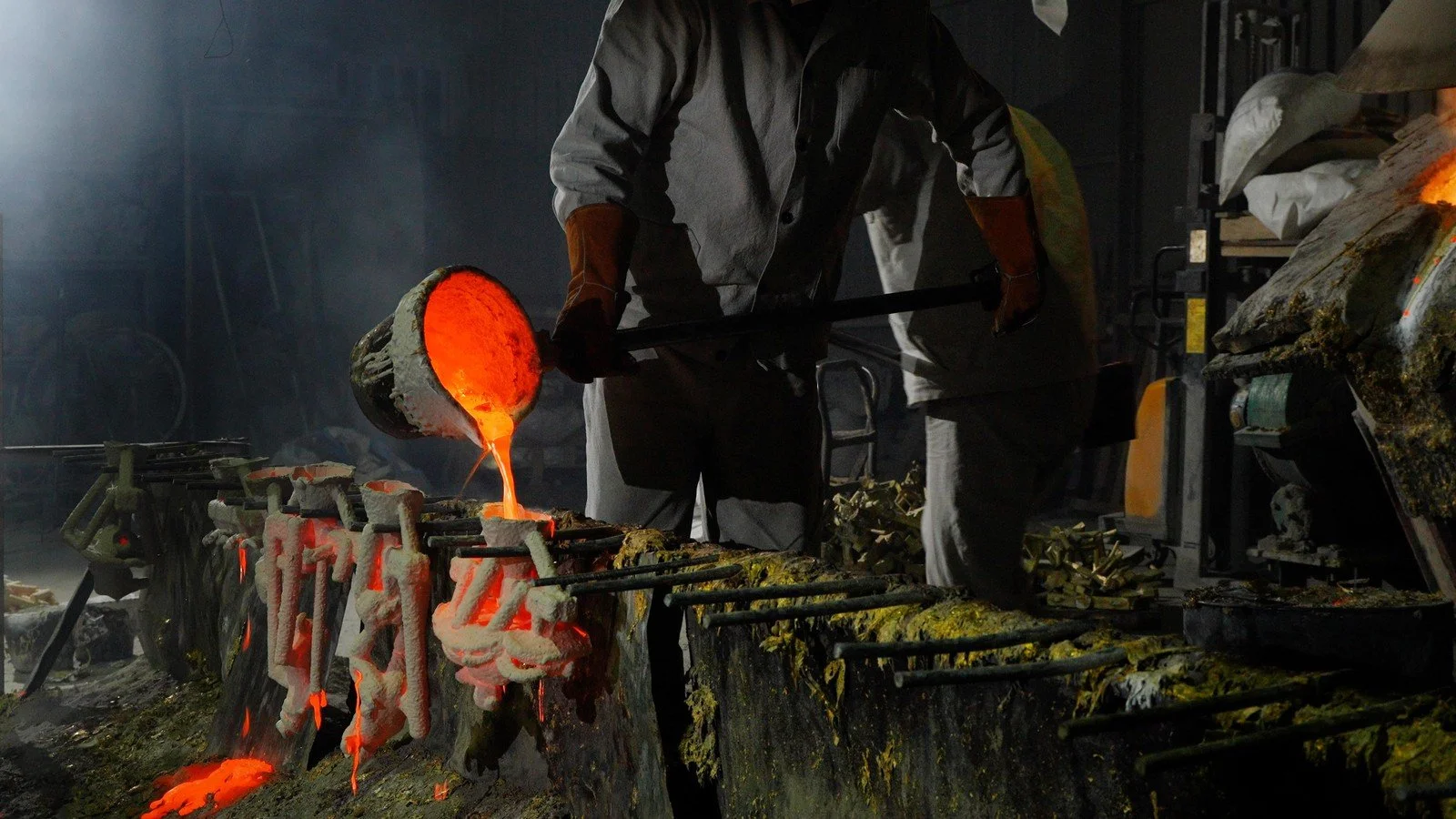
Custom bronze is slow: modelling, moulding, casting, chasing, patinating and finishing, and in our foundry a custom commission typically takes around 100 days. A supplier promising a bespoke, life-size bronze in three weeks is selling stock or a shortcut. Ask for a production schedule with dates, not just a delivery date, and a photograph of the finished piece before it ships. Treat artwork like joinery — specified early, checked at each stage, never left to the last week.
What alloy is it, and how thick is the wall? What finish was applied, and how does it behave in this exact location? Who maintains it, how often, and with what? How is it anchored, and what does it weigh? What does the production schedule look like, stage by stage? If a supplier answers all five clearly, in writing, you are probably buying well. If three draw a blank, walk away — the room will forgive an empty plinth far sooner than a piece that was wrong from the start.
Author biography
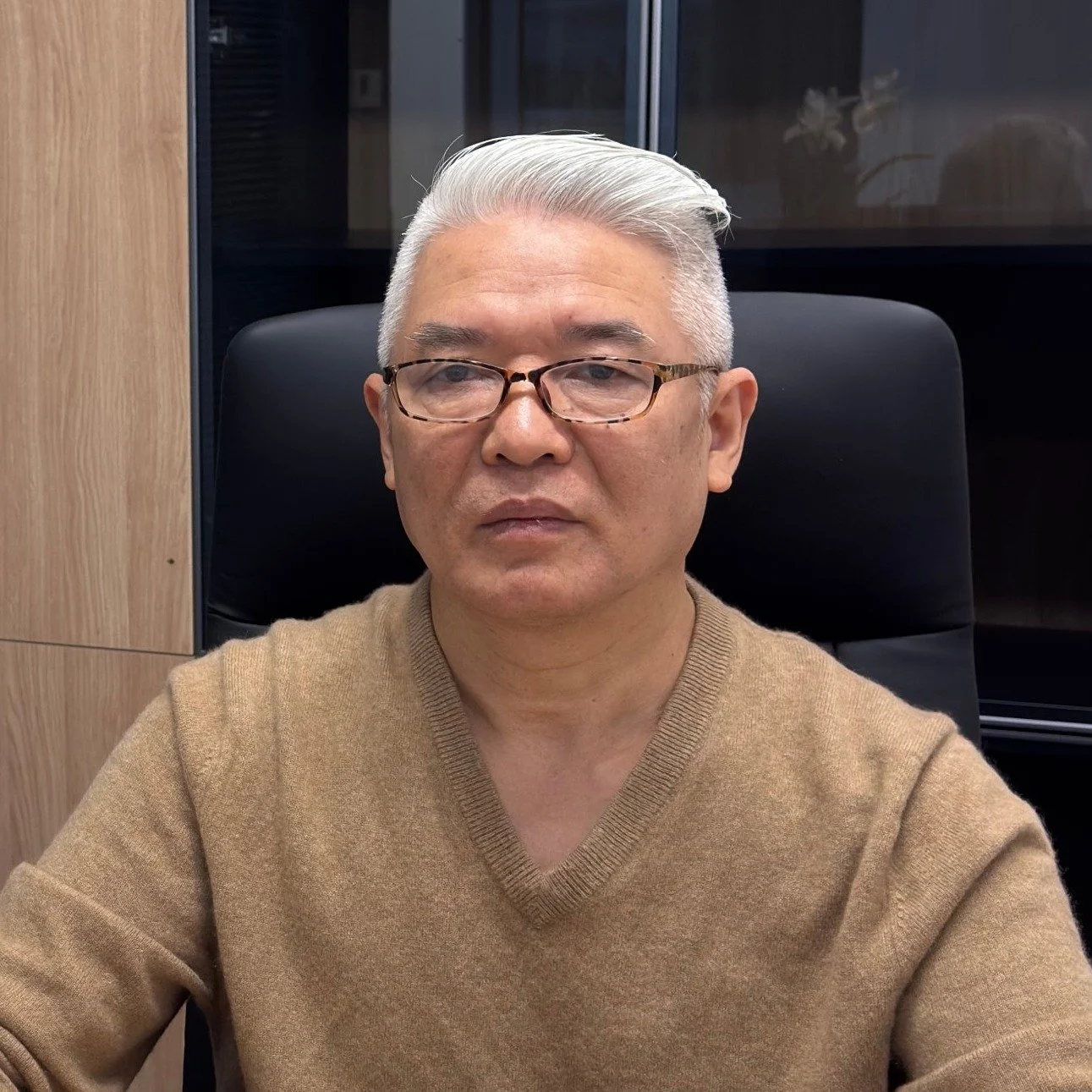
David is the founder of TOPKIN Bronze Sculpture in Nanjing, China, a foundry workshop hand-casting solid bronze sculpture by the traditional lost-wax method for over 20 years, working with designers and hotel clients on custom commissions and wholesale orders.
Website: https://toperkinbronze.com
Images: courtesy of TOPKIN Bronze Sculpture