Malaysia Aviation Group Cuts Over 103,000 Tonnes of CO₂ Emissions Through Operational Efficiency and Fleet Modernisation
/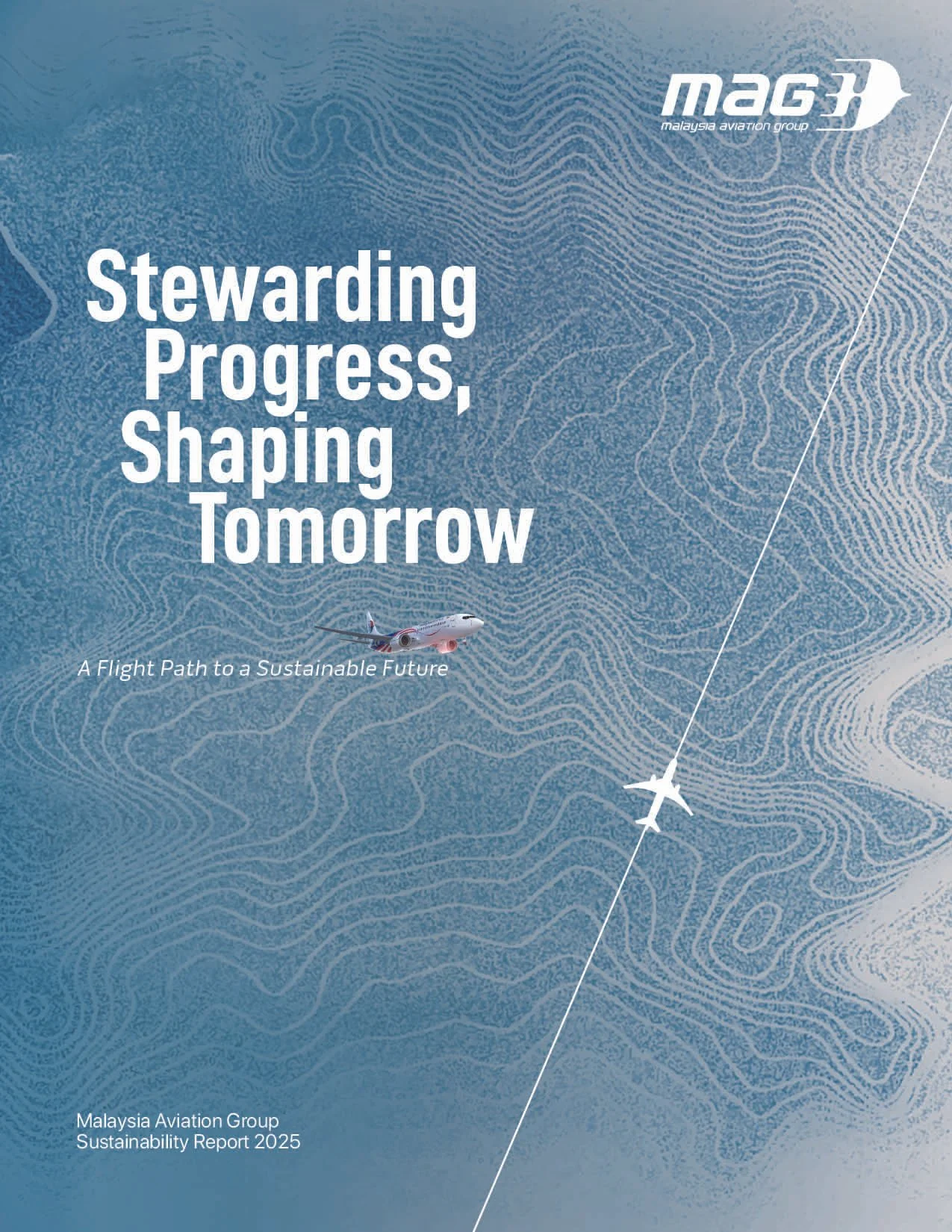
KLIA,, May 2026 –Malaysia Aviation Group (MAG) today released its 2025 Sustainability Report, highlighting the Group’s continued progress in advancing environmental, social, and governance (ESG) priorities through operational efficiency, fleet modernisation, workforce inclusivity, and strengthened governance practices as part of its long-term sustainability journey.
The report outlines significant milestones achieved across the Group throughout the year, including a reduction of 103,424 tonnes of carbon dioxide (CO₂) emissions through fuel efficiency initiatives, resulting in total fuel savings of 30,036 tonnes across its operations.
MAG is also further advancing its fleet modernisation programme with the induction of additional next-generation aircraft, including the A330neo and Boeing 737-8. These investments support improved fuel performance, lower emissions intensity, and an enhanced passenger experience. At the same time, MAG further enhanced the environmental performance of its fleet, with the proportion of aircraft compliant with the International Civil Aviation Organization’s (ICAO) Chapter 14 noise standards — the most stringent international aircraft noise certification standard designed to reduce noise impact on communities surrounding airports — increasing from 8.6% in 2023 to 15.6% in 2025.
As part of its decarbonisation efforts, MAG completed its first pilot Sustainable Aviation Fuel (SAF) uplift on the Kuala Lumpur–London route in partnership with PETRONAS. In line with evolving international regulatory requirements, the Group also uplifted 2% SAF for flights departing from the United Kingdom and Europe.
Philip See, Group Chief Sustainability Officer from MAG, said, “Sustainability remains a key enabler of our Long-Term Business Plan 3.0 (LTBP3.0), supporting our ambition to build a more resilient and future-ready aviation Group while progressing towards our long-term decarbonisation ambitions. Over the past year, we made meaningful progress through improved operational efficiencies, closer industry collaboration, and ongoing investments in innovation, governance, and people development. As the industry transitions towards a lower-carbon future, our focus remains on delivering practical and measurable outcomes that support responsible growth and create long-term value for our stakeholders and the nation.”
Beyond environmental initiatives, MAG further strengthened workforce diversity and talent development initiatives, particularly across technical and operational functions. Of the Group’s over 1,000 new hires in 2025, 51% were women, while 67% comprised young talent. MAG also expanded outreach programmes encouraging greater female participation in aviation and engineering careers, reaching close to 500 students nationwide. Its “Join the Women Who Power Every Takeoff” campaign further reinforced efforts to increase female representation across technical aviation roles, including pilots, Licensed Aircraft Engineers and technicians.
Throughout the year, MAG also continued deepening ecosystem partnerships and sustainability capability-building initiatives, including collaborations supporting SAF development, operational innovation, digitalisation, and employee-led sustainability programmes.