Mumbai, June 2026: Every year on World Environment Day, the conversation turns to what must be changed. At EkoStay, the conversation has always been about what should never be built in the first place.
Founded in 2018, EkoStay is India’s fastest-growing professionally managed villa brand with 150+ curated homes across 12+ leisure destinations, ₹40 crore in revenue for FY 2025–26, and not a single rupee of external funding. But behind those numbers is a model that, by its very design, treads lightly on the planet.
In an industry where growth typically means breaking ground, pouring concrete, and consuming energy at scale, EkoStay has grown by doing the opposite: unlocking the potential of homes that already exist.
THE GREENEST HOTEL IS ONE THAT WAS NEVER CONSTRUCTED
India’s hospitality sector is booming and so is its construction footprint. New hotels, resorts, and mega-developments continue to consume land, water, and natural resources across the country’s most ecologically sensitive destinations.
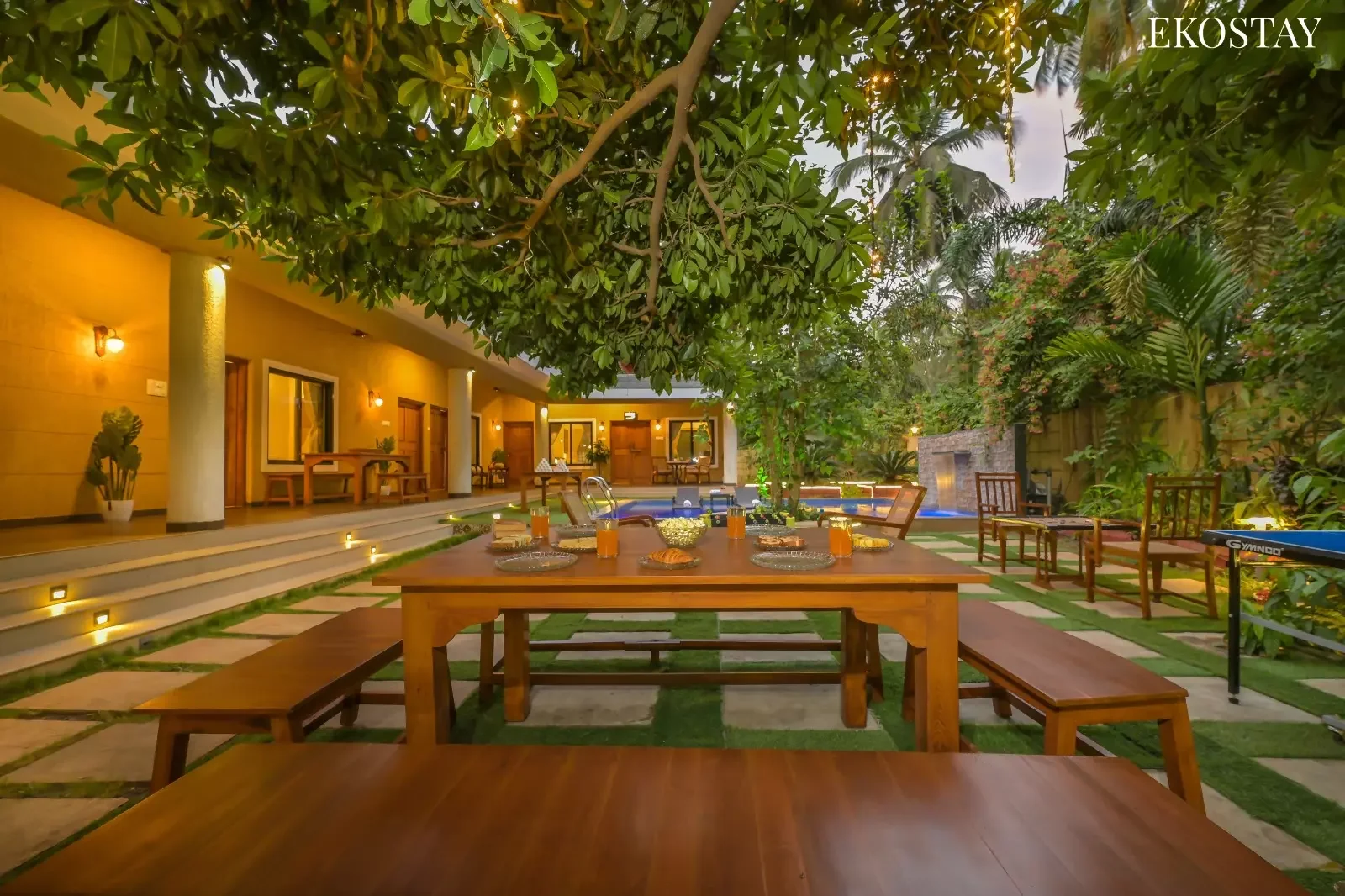
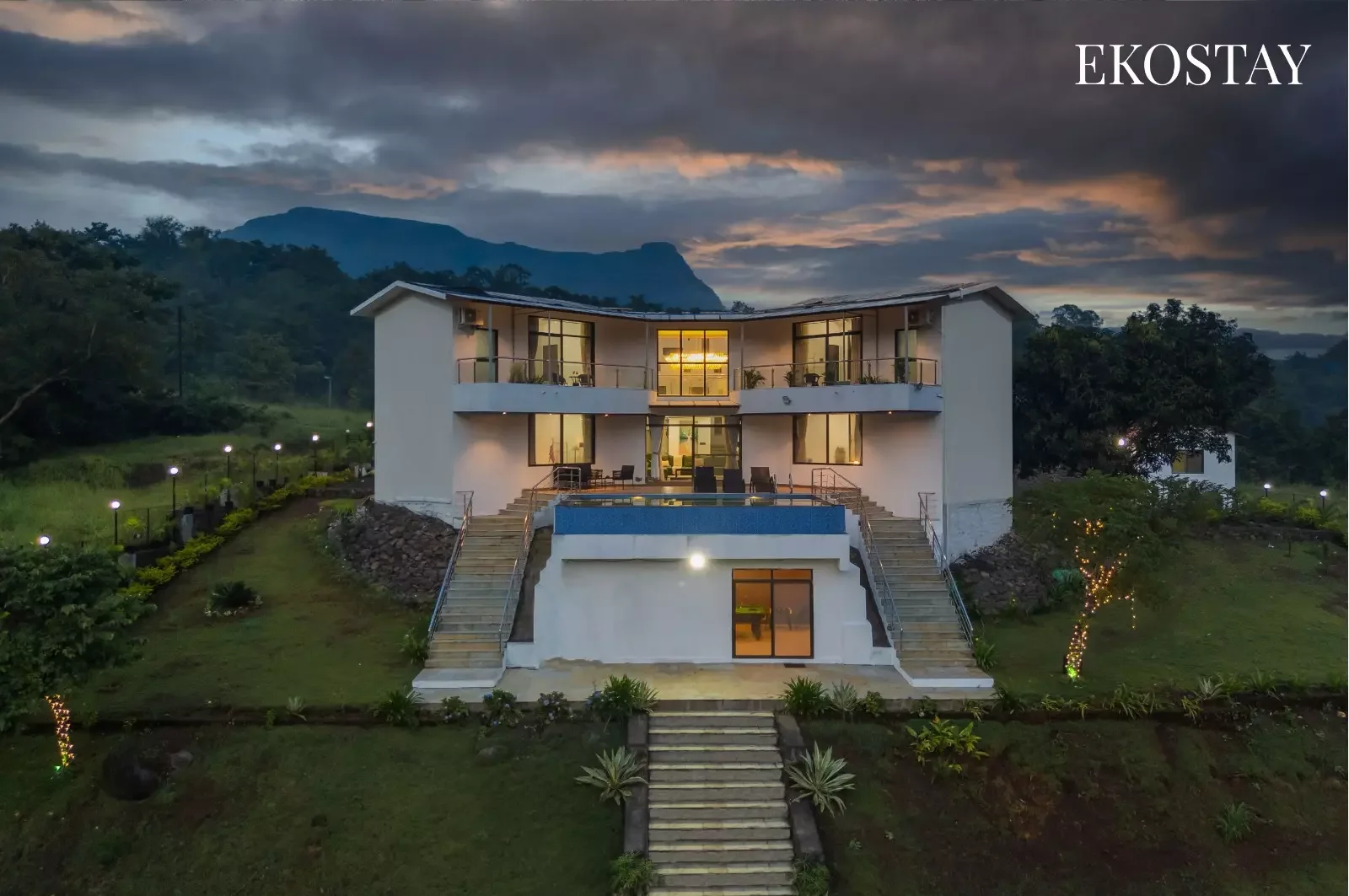
EkoStay’s model is structurally different. Rather than erecting new buildings, the brand brings underutilised second homes and private properties into its professionally managed portfolio. Every villa onboarded is an existing structure renovated, not built; restored, not razed.
This approach means that EkoStay’s growth does not directly increase the construction footprint on India’s natural landscapes. The hillsides of Ooty remain hillsides. The coastline in Alibaug remains a coastline. EkoStay simply creates a better-managed way for travellers to experience them within homes that were already there.
“Our expansion is not just about increasing numbers. It is about deepening our connection with travellers across India. Each new property is a step toward our vision of creating immersive, design-led spaces that feel like a second home while delivering exceptional hospitality.” Husain Khatumdi, MD & Co-Founder, EkoStay
NATURE IS NOT THE BACKDROP-IT IS THE BUSINESS
EkoStay’s portfolio spans some of India’s most ecologically rich and environmentally significant destinations: the Nilgiris (Ooty, Kodaikanal), the Western Ghats (Lonavala, Mahabaleshwar, Igatpuri, Karjat), the Konkan Coast (Alibaug), wine country (Nashik), and the shores of Goa.
These are not generic tourist zones. They are biodiverse, often fragile environments that benefit from responsible, low-density travel rather than mass tourism infrastructure. By channelling travel demand into existing private homes, EkoStay inherently distributes visitor footfall across residential spaces rather than concentrating it in large, resource-intensive hotel complexes.
The brand’s deliberate, demand-led expansion strategy selecting only high-traction micro-markets with structurally strong demand also acts as a check against overdevelopment. EkoStay does not expand for the sake of scale. It expands where the ecosystem of travellers and destinations can genuinely sustain it.
“Our focus has always been on identifying destinations where demand is structurally strong and aligning our supply accordingly.” Zishan Khan, Chief Acquisition Officer & Co-Founder, EkoStay
REVIVING PROPERTIES, EMPOWERING COMMUNITIES
EkoStay’s Villa Makeover Programme which transforms underutilised second homes into professionally managed vacation villas is as much a community initiative as it is a business one.
When a property is onboarded onto EkoStay’s platform, renovation and beautification work is carried out by skilled local manpower sourced from the surrounding community. This is not incidental it is a stated commitment of the programme, ensuring that the economic benefits of tourism flow directly to the people who live closest to these natural destinations.
The logic is simple and powerful: when local communities have a material stake in the health and attractiveness of their surroundings, conservation becomes self-sustaining. A local carpenter who builds the furniture for a villa, a local caretaker who maintains the garden, a local cook who serves guests each has a reason to care about the quality and preservation of the place they call home.
This model mirrors the foundational principle of responsible tourism: that travel should leave communities better off, not just passed through.
“This initiative strengthens our long-term vision to not only expand EkoStay’s presence across new regions but also to create sustainable, profitable models for property owners.” Sohail Mirchandani, COO & Co-Founder, EkoStay
A PRIVATE VILLA STAY IS ALSO A QUIETER FOOTPRINT
The environmental case for private villa stays over conventional hotels is straightforward. A group of eight travellers sharing a villa uses one kitchen, one water supply, one set of common spaces. The same group in a hotel occupies eight separate rooms, eight separate sets of air conditioning, eight separate housekeeping cycles, eight sets of daily linen changes.
Villa stays are inherently resource-efficient not because EkoStay mandates specific green practices at each property, but because the format itself consolidates consumption. Guests cook together, share spaces, and self-manage many of the daily resource decisions that hotels manage centrally and wastefully.
As India’s travel preferences shift toward private, experience-led stays a shift that EkoStay both reflects and leads this structural efficiency becomes a meaningful environmental dividend.
BOOTSTRAPPED, PROFITABLE, AND BUILT TO LAST
There is an environmental argument for financial sustainability too. Businesses that rely on external capital to fund growth often prioritise speed over responsibility expanding inventory before the operational discipline is in place to manage it well.
EkoStay’s eight-year journey without a single rupee of external funding tells a different story. The brand has grown because guests come back. Revenue is reinvested. Properties are chosen carefully. Operations are scaled only when the capability to serve guests well is already in place.
This is, at its core, a philosophy of sufficiency the same philosophy that underpins sustainable living. Take what you need. Grow at the pace the ecosystem supports. Build things that last.
“India’s travel behaviour has fundamentally shifted towards private, experience-led stays where travellers seek space, flexibility, and curated hospitality. We are focused on building depth within high-performing micro-markets while simultaneously unlocking new leisure destinations that show strong long-term potential.” Varun Arora, CEO & Co-Founder, EkoStay
EKOSTAY: BY THE NUMBERS
• Founded: 2018 | Headquarters: Worli, Mumbai
• Portfolio: 150+ professionally managed villas | Target: 220+ properties
• Destinations: 12+ leisure micro-markets across India
• Revenue FY 2025–26: ₹40 crore | YoY Growth: 43% | EBITDA Margin: ~10%
• External Funding Raised: Nil — entirely bootstrapped
• Occupancy Rate: ~56%
• Key natural destinations served: Nilgiris, Western Ghats, Konkan Coast, Goa, Nashik wine country
• Community impact: Local labour and manpower engaged for all property renovations under Villa Makeover Programme