Kiwi Link India 2026 Concludes on a High Note in Goa, Reinforcing New Zealand's Commitment to India Outbound Travel Market

Mumbai, July 2026: Tourism New Zealand is reinforcing its long-term commitment to India – one of New Zealand's priority growth markets – with this year's edition of Kiwi Link India, its flagship travel trade event aimed at elevating New Zealand's status as a premier, year-round destination for Indian travellers.

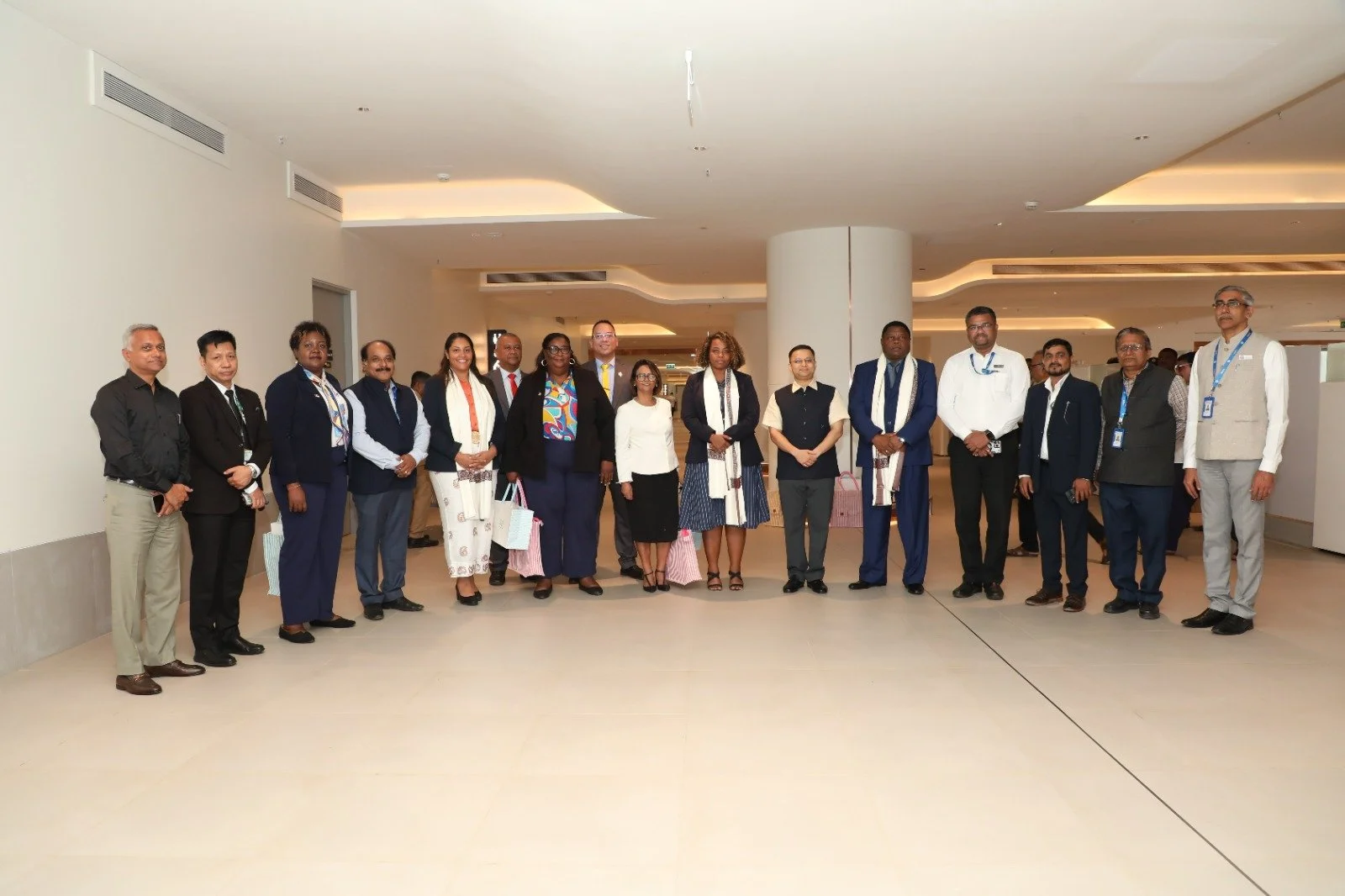
The comprehensive trade event took place in Goa from 20–23 July and brought together 75 leading travel buyers from across India and 49 New Zealand tourism businesses. This year's event has been designed to strengthen commercial partnerships, build trade capability and increase consideration for New Zealand as a year-round holiday destination. The flagship event continues its momentum, as New Zealand recorded Indian arrivals at 125% of 2019 levels in the year ended May 2026. Visitor expenditure (in YE March 26) climbed to NZD229M, nearly 49% higher than pre-pandemic levels.

Commenting on the success of this year's event, Gregg Wafelbakker, Regional Director Asia, Tourism New Zealand, says, "The Indian traveller is looking beyond traditional holidays towards richer, more immersive experiences across culture, adventure, culinary discovery, and wellness. New Zealand delivers this holiday experience, and more. Kiwi Link India reflects Tourism New Zealand's commitment to working closely with our trusted travel trade partners to unlock demand, deepen relationships, share market intelligence, and inspire confidence in promoting destination New Zealand."

Kiwi Link India builds on more than two decades of Tourism New Zealand's trade engagement in India, consistently building commercial relationships, deepening destination knowledge, negotiating new business, and helping curate experiences that reflect the evolving preferences of Indian travellers.

As Tourism New Zealand continues to invest in the Indian market, Kiwi Link remains a cornerstone of its trade engagement strategy, creating stronger industry connections, expanding destination knowledge and supporting the travel trade in converting growing interest into future visitation.

Prospective participants for Kiwi Link India 2027 are advised to monitor this link for updates regarding application dates and the event prospectus.

Culture-Led Travel Takes Centre Stage as 67% Indians Plan Holidays Around Heritage, Festivals and Food, Reveals Skyscanner

84% of Indian Travellers Say Their Interest in Cultural Travel Within India Has Grown in Recent Years

New Delhi, July , 2026: Culture is increasingly shaping how and where Indians choose to explore. As travellers move beyond traditional sightseeing, they are seeking deeper, more authentic experiences that connect them with the local heritage, traditions, cuisine, festivals and communities. Leading global travel app, Skyscanner has launched The India Culture Travel Index, a report that reveals that India's appetite for culture-led travel continues to grow.

Through The India Culture Travel Index, Skyscanner analysed the evolving behaviours driving culture-led travel in India. The findings uncover five defining trends that together form the R.O.O.T.S. of India's growing culture-led travel movement:

R - Rediscovering heritage

Heritage continues to be the strongest driver of culture-led travel. It is the top motivator for Indian travellers, with 47% saying they would plan a trip around heritage and historical sites. Kerala, Rajasthan and Uttarakhand rank among the country's leading cultural destinations, reflecting travellers' growing interest in exploring India's architectural landmarks, historic communities and living traditions.

O - Open discovery

As Indian travellers become more open to discovering destinations through culture, they are embracing more immersive experiences beyond traditional sightseeing. Social media and YouTube (42%), along with the growing popularity of food, craft and heritage trails (41%), are the biggest drivers behind growing interest in culture-led travel.

Beyond domestic travel, 46% of Indian travellers have already travelled internationally for a cultural event, festival or heritage trail, while a further 43% aspire to do so, highlighting a growing curiosity to explore culture both within India and around the world. This openness extends closer to home too, with one in four Indian travellers (25%) heading to Tier 2 and Tier 3 towns for cultural experiences, beyond the usual metro circuit.

O - Once-in-a-year experiences

Festival tourism is emerging as a powerful travel driver, with 72% of Indian travellers saying they would consider planning a trip specifically to attend a major cultural or religious festival. India's iconic festivals are powerful travel motivators, with Durga Puja (58%) emerging as the top festival travellers would consider travelling to attend, followed by Ganesh Chaturthi (52%) and Navratri Garba (47%).

The findings suggest that travellers are increasingly treating major festivals as limited-time experiences worth planning an entire holiday around, rather than simply activities to enjoy after arriving at a destination.

T - Traditions & Taste

Food, crafts, and local traditions continue to play an increasingly important role in shaping culture-led travel. Regional food experiences rank among the top reasons for travel, with 43% of Indian travellers saying they would plan a trip around them. The growing popularity highlights an appetite for experiences that connect travellers with a destination's local traditions, flavours and way of life.

S - Smarter planning

As cultural experiences become a bigger travel priority, travellers are becoming more intentional in how they plan their journeys. Most Indian travellers begin planning their culture-led trips well in advance, with 40% starting three to six months ahead and 36% beginning one to three months before departure.

Festival timing has become the biggest booking consideration, with 36% of travellers saying availability during key festival or event dates matters most, followed by affordable prices for transport and accommodation (32%).

With many cultural experiences taking place at specific times of the year, Skyscanner's Price Alerts allow travellers to monitor fare changes without having to repeatedly search, while Whole Month search lets them compare prices across different travel dates to identify the best value around festivals, heritage trails and other cultural experiences.

Looking ahead, India's appetite for culture-led travel shows no signs of slowing. With 41% Indian travellers planning to take two culture-focused trips within India over the next year, 32% expect to take three to four. While enthusiasm remains high, safety concerns (49%) and high travel costs (37%) continue to be the biggest barriers to taking more culture-led journeys.

Neel Ghose, Travel Trends and Destinations Expert, Skyscanner India, said: "For a long time, people chose a destination first and discovered its culture once they arrived. We're increasingly seeing that journey now happens in reverse. Travellers are starting with the experience they want, whether that's witnessing Durga Puja, exploring a heritage trail or discovering a region through its food, and then building the trip around it. That shift is changing not just where people travel, but how they plan. When festival dates are fixed and demand is high, comparing different travel dates, airlines, airports and routes can help travellers find better value. For instance, try mixing and matching airlines or airports when you are searching for flights, and use helpful tools like Skyscanner's Price Alerts, to find better value when planning travel."

Dr Navina Jafa, an expert in heritage tourism, sustainability, cultural strategy, and Kathak dance, said: "India's cultural heritage is not only about monuments, but also the ecosystems around heritage landscapes: creative skilled communities, cultural traditions, and living practices. Studies show a growing number of travellers seeking immersive heritage experiences, underlining India's need to invest in its vast geographical diversity and multilayered cultural legacy. This fast-growing sector offers major opportunities for conservation, economic growth, and for strengthening heritage tourism nationally and globally."
As India's appetite for culture-led travel continues to grow, Skyscanner continues to help travellers uncover the R.O.O.T.S. of every journey, from rediscovering heritage and open discovery to once-in-a-year experiences, traditions, and taste, and smarter planning.

Top destinations to connect with your ROOTS**

DestinationPriceKochi, Kerala₹10,765Udaipur, Rajasthan₹10,307Almora, Uttarakhand₹3,824[1]Kolkata, West Bengal₹5,271Mumbai, Maharashtra₹4,722Lucknow, Uttar Pradesh₹3,652Puri, Odisha₹9,040[2]Kohima, Nagaland₹7,250[3]

Beyond The Gen Z Myth: Four Distinct Luxury Mindsets Reshaping Travel in Asia Pacific

As Gen Z rises as a defining force in luxury travel, one long-held assumption no longer holds: there is no single Gen Z traveler. A new report from the Luxury Group by Marriott International in Asia Pacific excluding China (APEC), reveals a generation comprising four distinct luxury mindsets, with each redefining luxury on their own terms, from cultural immersion and personal wellbeing to digital disconnection and heritage-driven exploration.

Drawing on insights from 2,800 affluent travelers across eight Asia Pacific markets, including 1,200 Gen Z respondents aged 18 to 29, the report signals a decisive shift. Luxury travel is no longer anchored by demographic factors, but increasingly shaped by intention, identity, and personal meaning.

“Luxury today is no longer defined by a singular standard. It is deeply personal,” said Oriol Montal, Regional Vice President of Luxury, Marriott International Asia Pacific excluding China. “Our research reveals that affluent Gen Z travelers are not just participating in luxury travel. They are reshaping it, driven by a desire for meaning, wellbeing, and authentic connection. As the definition of luxury continues to fragment and evolve, understanding these emerging perspectives will be critical for shaping the next generation of travel experiences.”

From Followers to Architects of Luxury Travel

Today’s affluent Gen Z travelers are no longer passive participants. Rather, they are deliberate architects of their journeys. More than half fund their own trips, while nearly half plan every aspect of their journeys themselves. Immediate family remains their preferred travel companions (51%), while small-group travel has grown by 17%, signaling a shift toward more intimate, shared experiences.

They also bring sophisticated expectations to every journey. Cultural immersion and engagement with local communities influence destination choice for 87% of respondents, while culinary discovery (86%), proximity to nature (86%), and wellness (85%) are key priorities shaping travel decisions.

At the same time, Gen Z travelers expect luxury to be seamless. Time inefficiencies and communication gaps are among their biggest frustrations, underscoring a growing demand for intuitive, frictionless service. Meanwhile, technology is playing an increasingly important role in trip planning, with 23% already using AI tools for travel inspiration and planning.

Four Distinct Luxury Mindsets

The report identifies four Gen Z archetypes whose definitions of luxury diverge significantly:

  1. The Connoisseur Traditionalist (34%)

For this group, luxury remains rooted in the enduring pillars of hospitality: reputation, service, and craftsmanship. They gravitate toward iconic hotels, exceptional service, loyalty recognition, acclaimed dining and meticulously planned itineraries. Notably, 79% consistently stay in luxury hotels, while 91% say brand reputation influences booking decisions. Loyalty remains a powerful driver, with 85% motivated by recognition and rewards. As one of the most organized traveler groups, 66% book trips at least one to two months in advance, underscoring a definition of luxury grounded in precision, trust, and excellence.

  1. The Future Proofer (30%)

For Future Proofers, travel is an investment in long-term wellbeing. Their journeys are shaped by a desire for optimization and balance, with nearly all (97%) engaging in wellness facilities during their stay, while 95% value access to in-house healthcare experts and consider proximity to nature important when choosing a destination. More than half (57%) are willing to spend more on wellness treatments, far exceeding the broader Gen Z average (20%). Their growing influence reflects the evolution of luxury travel toward an indulgence in preventive health, restoration and holistic wellbeing.

  1. The Quiet Luxurist (20%)

In an era of constant connectivity, Quiet Luxurists are choosing absence over access. They are redefining luxury as the ability to disconnect, disappear, and reclaim stillness. All respondents in this profile (100%) say they limit technology use while traveling, compared with 63% of Gen Z overall. Meanwhile, 85% seek out lesser-known destinations, 60% prefer places before they become popular, and 90% value private dining experiences. Favoring boutique hotels, private villas and secluded escapes, they measure luxury not by visibility, but by the freedom to step away.

  1. The Cultural Reclaimer (16%)

For Cultural Reclaimers, luxury travel is closely linked to identity, heritage and meaningful connection. Every respondent in this group takes an active role in planning family trips, with 65% also acting as the primary financial decision-maker. Half say destinations linked to family heritage are very important, significantly above the broader Gen Z average of 33%. They are also highly engaged travelers, with 88% seeking immersive experiences. Their journeys are driven less by social validation, and more by cultural discovery, personal enrichment and strengthening intergenerational bonds.

A Broader Recalibration of Luxury Travel

Beyond Gen Z, the report also signals a broader recalibration of luxury travel across the region. Fueled by a continued appetite for premium travel experiences, affluent travelers are also becoming more selective, taking fewer trips while extending their length of stay. Average international leisure trips are expected to increase in duration from seven to nine nights, reflecting a shift from frequency to depth. As travelers concentrate their time and spending, expectations around personalization, seamless service, and meaningful engagement continue to rise.

As luxury travel enters a new era, the findings point to a fundamental shift: the future of luxury will not be defined by a single aspiration, but by a spectrum of personal values. From the pursuit of stillness to the search for identity, from wellbeing to cultural immersion, Gen Z is transforming luxury into something more nuanced and more intentional.

For the industry, the implication is clear. Success will depend not on creating one definition of luxury, but on understanding many, and delivering experiences that feel deeply personal, emotionally resonant, and unmistakably relevant.

Revel Travel Partners with Kappa FuturFestival to Bring Italy’s Premier Electronic Music Experience to Indian Travellers

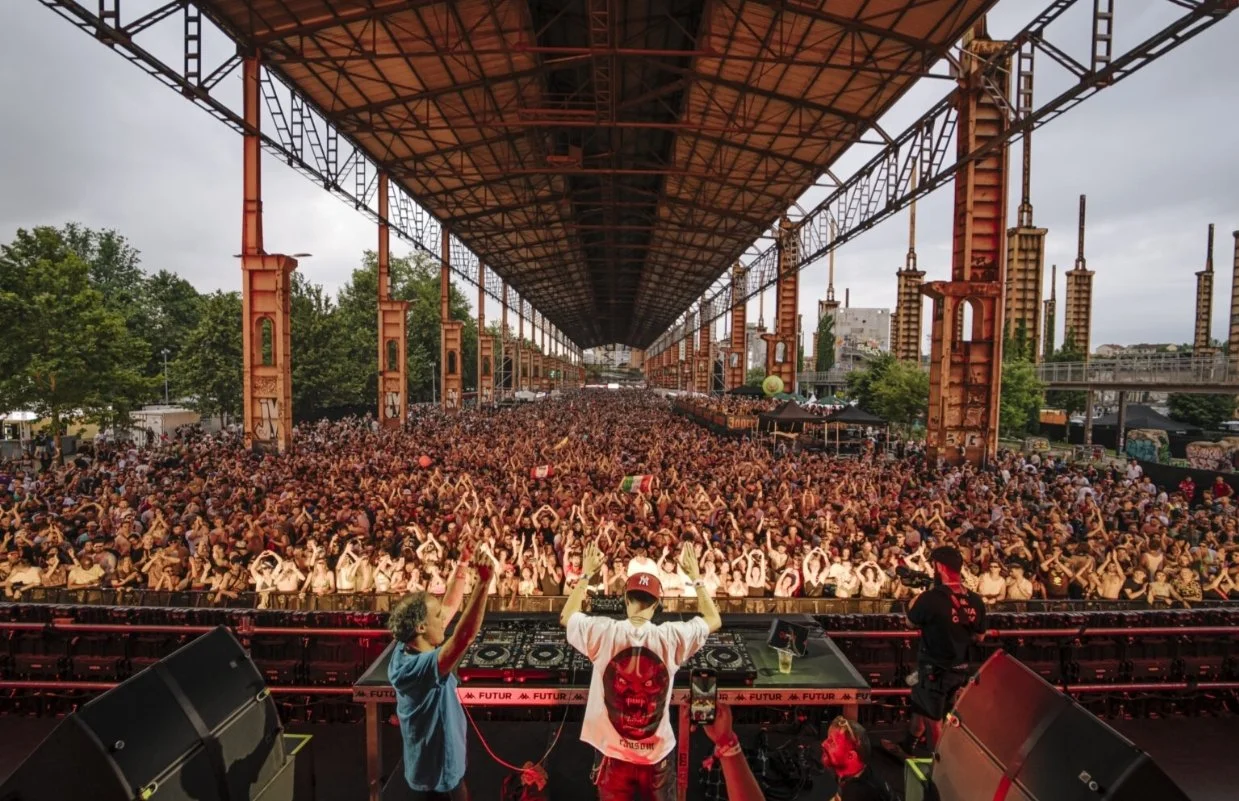
Mumbai, June 2026: Attending premier international music festivals has traditionally been a complex undertaking for Indian travellers, requiring navigation of visa appointments, flights, accommodation, ticket purchases and unfamiliar destinations. However, the landscape is shifting rapidly as Indian audiences increasingly pursue global travel experiences. Recognising this growing appetite, Revel Travel has become an official travel partner of Italy’s celebrated Kappa FuturFestival, scheduled for July 3 to 5, 2026 in Turin.

Held at Parco Dora—an iconic industrial venue transformed into Europe’s leading electronic music destination—Kappa FuturFestival attracts over 120,000 attendees from 150 countries annually. The festival has established itself as a premier gathering for international techno and house music enthusiasts, featuring more than 130 DJs across six stages.

Festival tourism has emerged as a defining trend in international travel. A new generation of travellers now plans itineraries around concerts, sporting events and cultural experiences rather than traditional sightseeing. Experience-led travel has created opportunities for platforms like Revel Travel to simplify access to global events and remove logistical barriers that deter Indians from taking that crucial first international festival trip.

As an official travel partner, Revel Travel provides Indian travellers with curated Kappa FuturFestival packages that bundle accommodation, festival passes and transfers—eliminating the complexity of coordinating these elements separately. Travellers can focus entirely on the experience rather than logistics.

Speaking about the partnership, Sahil Wahid, Director at Revel Travel, said: “Kappa FuturFestival is an extraordinary cultural moment. We’ve witnessed growing appetite among Indian travellers for experiences that transcend typical holidays. Music festivals today merge culture, travel and community. This partnership exists to remove barriers and make it possible for Indians to immerse themselves fully in these transformative experiences.”

As international festivals increasingly function as cultural destinations, the question is no longer whether Indians want to attend—it’s how to make the journey seamless. Partnerships like this one are making that future

Bintan Sees Continued Growth in Indian Visitor Interest Amid Evolving Travel Preferences

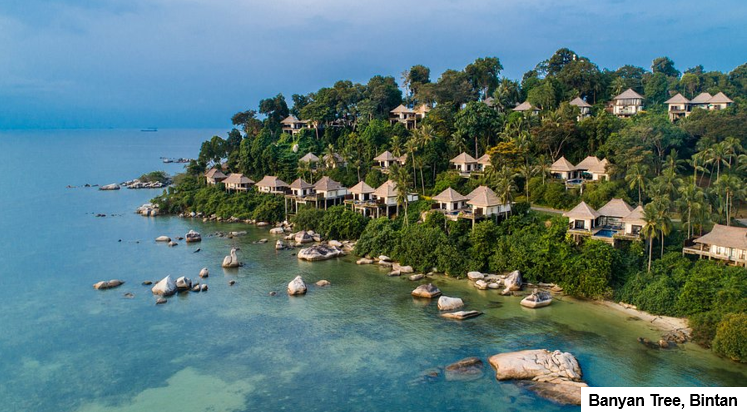
India, June 2026: Bintan, Indonesia's tropical island destination located just a short ferry ride from Singapore, continues to witness growing interest from Indian travellers as demand for accessible and experience-led international holidays gains momentum.

The destination's increasing popularity reflects evolving travel preferences among Indian consumers who are seeking destinations that offer convenience, shorter travel times and a diverse range of experiences within a single trip.

Factors such as seamless connectivity via Singapore, growing interest in beach and wellness getaways, demand for family-friendly holidays and the appeal of nature and outdoor experiences have contributed to Bintan's growing visibility among Indian travellers.

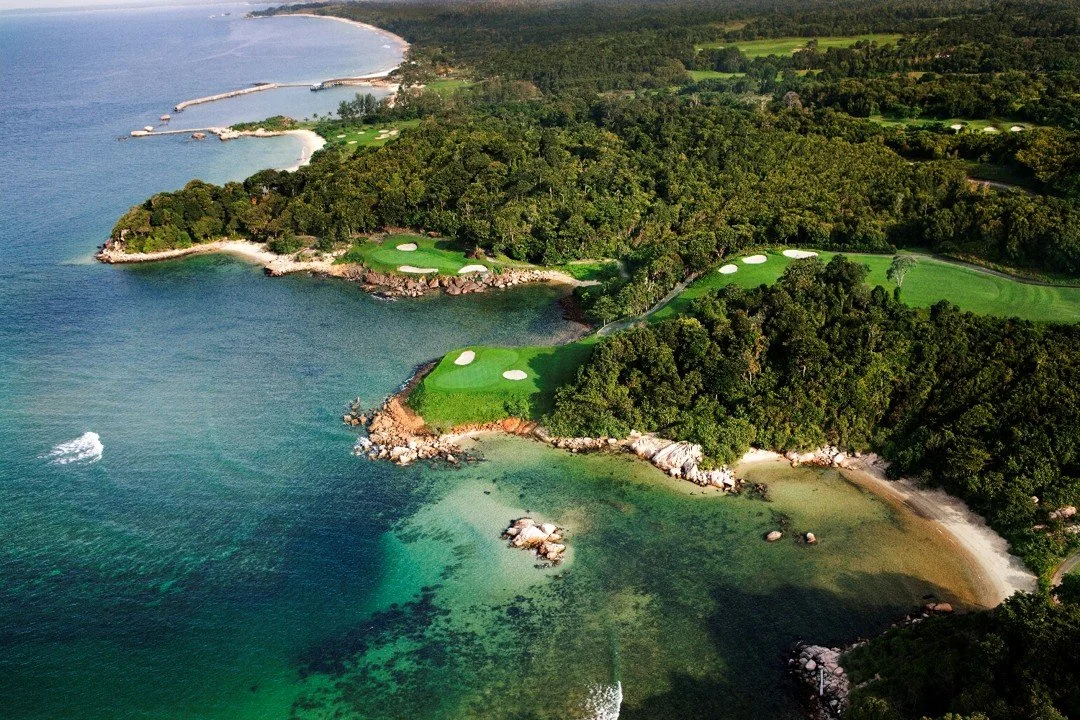
Offering a blend of pristine beaches, wellness retreats, championship golf courses, water sports and nature-based experiences, Bintan presents travellers with an opportunity to explore a different side of Indonesia while enjoying easy accessibility and world-class hospitality.

The destination is also seeing rising interest from the MICE and corporate travel segments, supported by its range of resorts, event venues and group-friendly experiences that cater to incentives, meetings and corporate retreats.

Commenting on the growing interest from India, Mr. Abdul Wahab, Chief Operating Officer, Bintan Resorts, said: "India remains one of our key focus markets and we are encouraged by the growing awareness and consideration for Bintan among Indian travellers. Today's travellers are looking for destinations that offer a balance of relaxation, recreation and meaningful experiences, and Bintan continues to resonate strongly with these evolving preferences. We look forward to strengthening our engagement with the market and welcoming more visitors to discover the island's unique offerings."

As part of its ongoing commitment to India, Bintan Resorts continues to strengthen its presence through a combination of B2B and B2C initiatives. These include partnerships with travel trade stakeholders, engagement with MICE planners and participation in key industry platforms, alongside consumer-focused marketing campaigns, digital outreach and awareness-building efforts designed to inspire more Indian travellers to experience Bintan.

Lords Hotels & Resorts Showcases India’s Experiential Travel Through “Bharat Dekho with Lords”

Mumbai, June 2026: Lords Hotels & Resorts is showcasing its “Bharat Dekho with Lords” campaign, encouraging travellers to explore India’s diverse destinations through meaningful and experience-led journeys. The campaign highlights the brand’s presence across spiritual, leisure, wildlife, heritage, and business destinations throughout the country.

 With over 70 hotels and resorts pan-India, Lords Hotels & Resorts has expanded its footprint across key tourism circuits and emerging travel markets.

 Speaking about the initiative, Pushpendra Bansal, COO, said, “Through ‘Bharat Dekho with Lords’, we aim to encourage travellers to experience the diversity of India while enjoying our true value hospitality across our destinations.”

 As part of the campaign, the brand has also introduced a special Summer Escape Offer across select properties. Guests booking extended stays during the offer period can avail 50% savings on the third night, encouraging longer and more relaxed travel experiences.

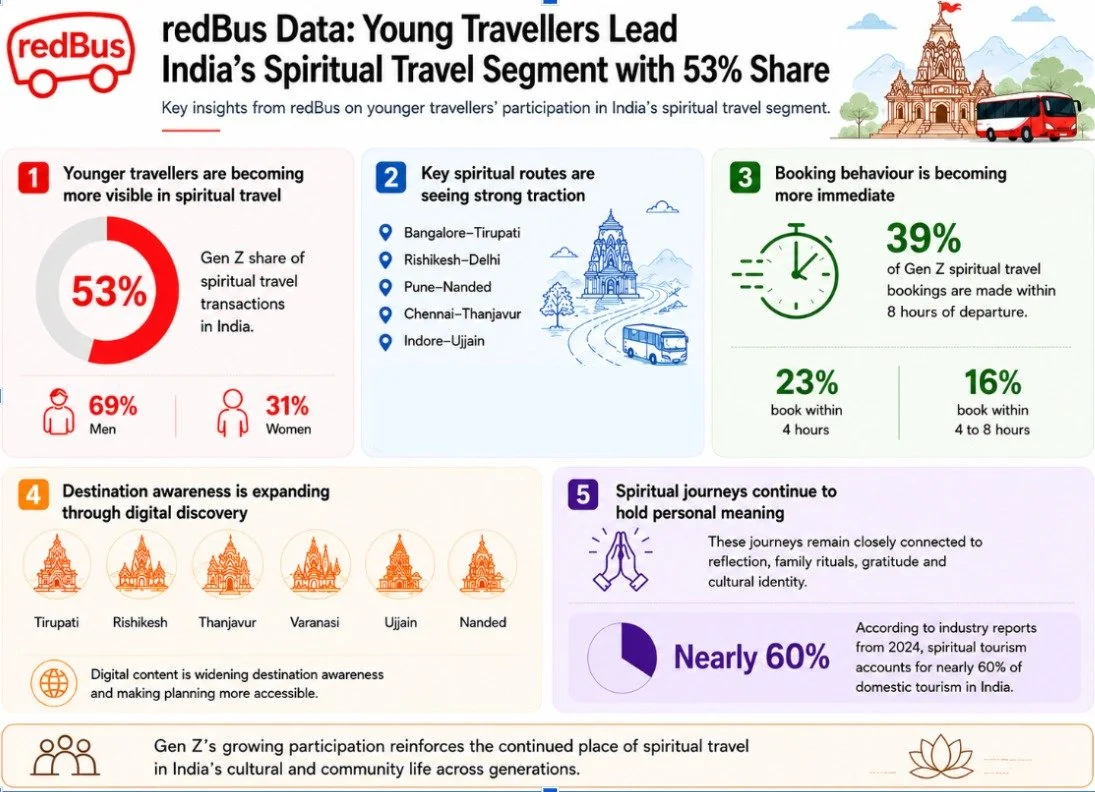
redBus Data Shows GenZ Leads India’s Spiritual Travel Segment with 53% Share

India’s spiritual travel segment continues to see strong participation across generations, with younger travellers becoming increasingly visible across key routes and destinations to religious and pilgrimage destinations. Data from redBus, the world’s largest online bus ticketing platform, indicates that Gen Z and young travellers now account for more than 53% of travelers to spiritual destinations in FY26. This marks a notable rise over the corresponding period in FY25, making them a significant cohort in this category.

1. Younger travellers are becoming more visible in spiritual travel

Gen Z and young travellers now account for nearly 53% of travel to spiritual destinations in India, making them the largest cohort in this category. Men account for nearly 69% of these travellers, while women contribute around 31%. This reflects a stronger youth presence in a segment that has long held deep cultural, familial and personal significance in India.

2. Key spiritual routes are seeing strong traction

Corridors such as Bangalore–Tirupati, Hyderabad–Tirupati and Rishikesh–Delhi, Pune-Nanded, Chennai-Thanjavur, Indore-Ujjain are seeing notable traction among Gen Z travellers. The Bangalore–Tirupati corridor alone logged lakhs of GenZ travellers, highlighting strong demand across established spiritual routes. It also points to the role of easier access and digital booking in helping younger travellers plan these journeys with greater convenience.

3. Booking behaviour is becoming more immediate

Spiritual journeys are not always planned far in advance, especially among younger travellers. The share of bookings made within the first four hours alone has increased from 16% in 2022 to nearly ¼ (23%) in 2026. This reflects the convenience of mobile-first access and a growing comfort with close-to-departure planning. Travel decisions may be influenced by important dates, family plans, personal schedules or sudden availability .

4. Destination awareness is expanding through digital discovery

Family guidance, community recommendations and traditional travel routes continue to play an important role in travel to spiritual destinations. Alongside this, digital content is helping bring spiritual destinations into the consideration set of younger travellers, through route information, travel videos, devotional music, destination visuals and shared community experiences. This is helping places such as Tirupati, Rishikesh, Thanjavur, Varanasi, Ujjain and Nanded remain visible among young travellers. Digital discovery is not altering the purpose of these journeys; it is widening awareness and making planning more accessible through channels familiar to this cohort.

5. Spiritual journeys continue to hold personal meaning

Spiritual travel continues to remain closely linked to family traditions, cultural continuity and personal belief among younger travellers. Industry reports from 2024 estimate that spiritual tourism contributes nearly 60% of domestic tourism in India, underlining the scale and relevance of the segment.

Gen Z’s growing participation does not change the essence of travel to spiritual destinations. It reinforces its continued place in India’s cultural and community life. As younger travellers become more active on these routes, the segment is gaining wider visibility across age groups, supported by easier access, digital planning and intergenerational relevance. For young India, these journeys remain anchored in tradition, family, culture and a deeper personal connection to spiritual destinations.

Staying Without Leaving a Scar: How EkoStay Is Building a Travel Brand That Works With Nature, Not Against It

On World Environment Day, India’s leading professionally managed villa brand makes the case that the most sustainable hotel is one that was never built

 Mumbai,  June 2026: Every year on World Environment Day, the conversation turns to what must be changed. At EkoStay, the conversation has always been about what should never be built in the first place.

Founded in 2018, EkoStay is India’s fastest-growing professionally managed villa brand with 150+ curated homes across 12+ leisure destinations, ₹40 crore in revenue for FY 2025–26, and not a single rupee of external funding. But behind those numbers is a model that, by its very design, treads lightly on the planet.

In an industry where growth typically means breaking ground, pouring concrete, and consuming energy at scale, EkoStay has grown by doing the opposite: unlocking the potential of homes that already exist.

THE GREENEST HOTEL IS ONE THAT WAS NEVER CONSTRUCTED

India’s hospitality sector is booming and so is its construction footprint. New hotels, resorts, and mega-developments continue to consume land, water, and natural resources across the country’s most ecologically sensitive destinations.

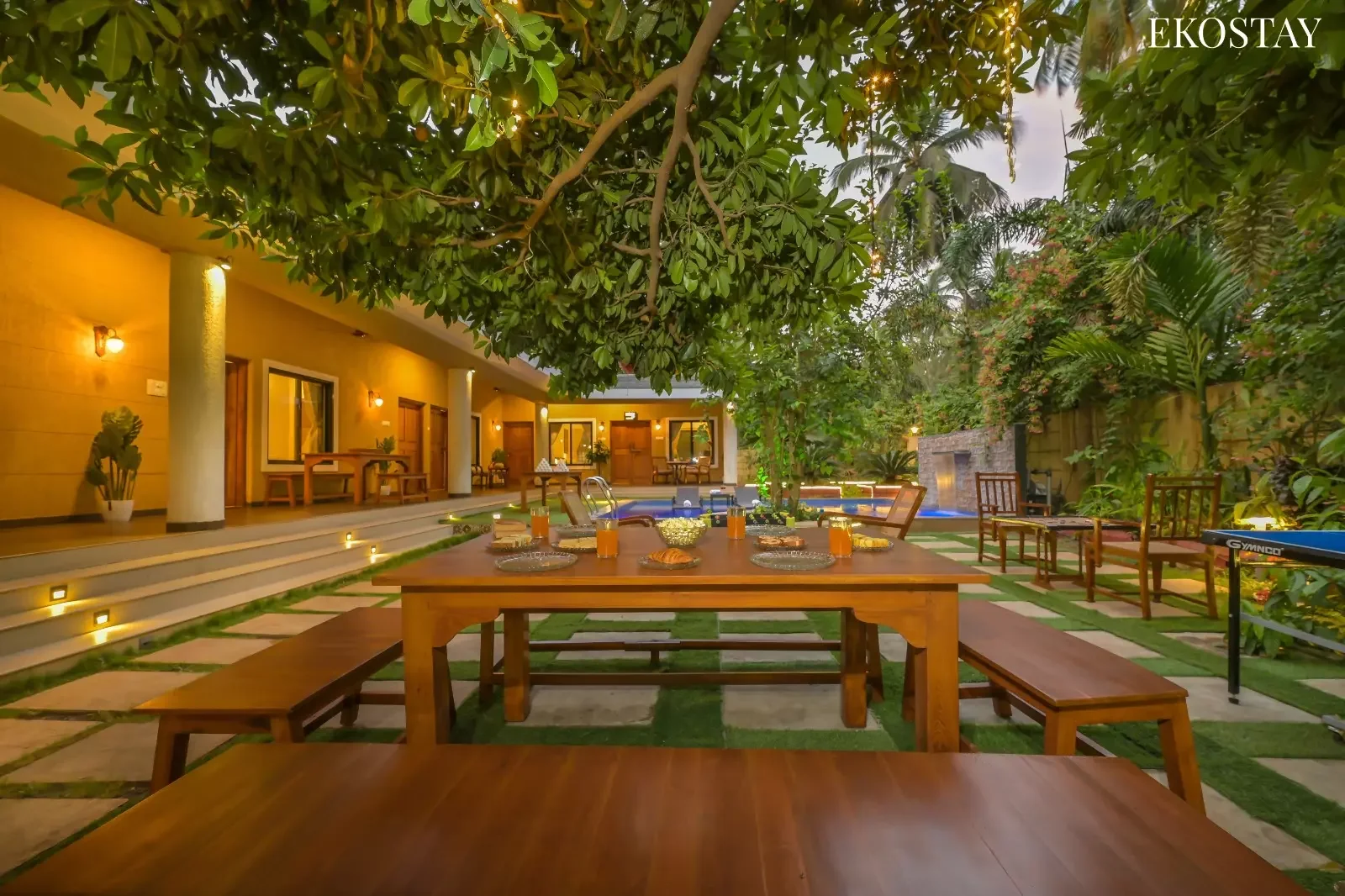
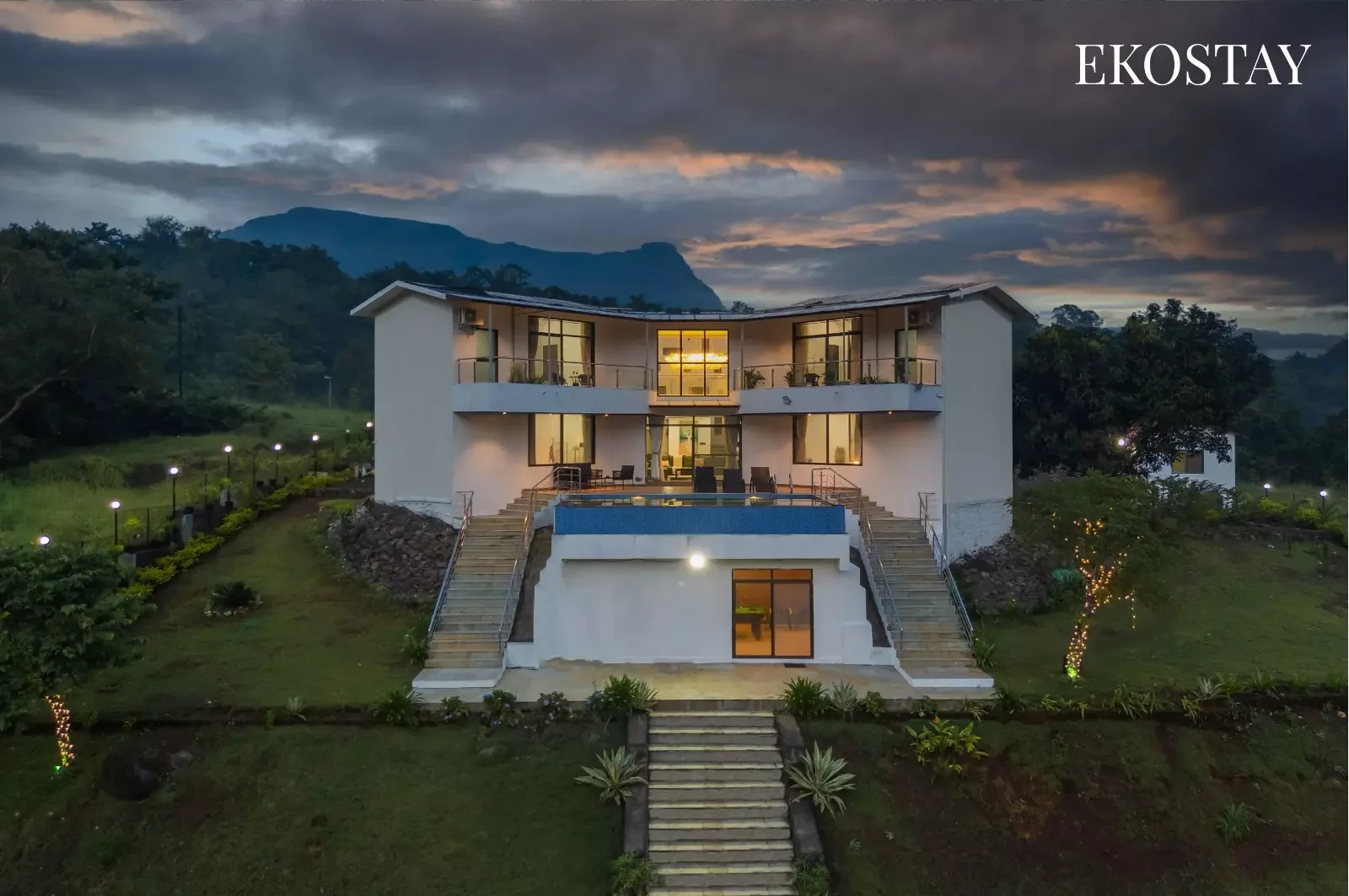
EkoStay’s model is structurally different. Rather than erecting new buildings, the brand brings underutilised second homes and private properties into its professionally managed portfolio. Every villa onboarded is an existing structure renovated, not built; restored, not razed.

This approach means that EkoStay’s growth does not directly increase the construction footprint on India’s natural landscapes. The hillsides of Ooty remain hillsides. The coastline in Alibaug remains a coastline. EkoStay simply creates a better-managed way for travellers to experience them within homes that were already there.

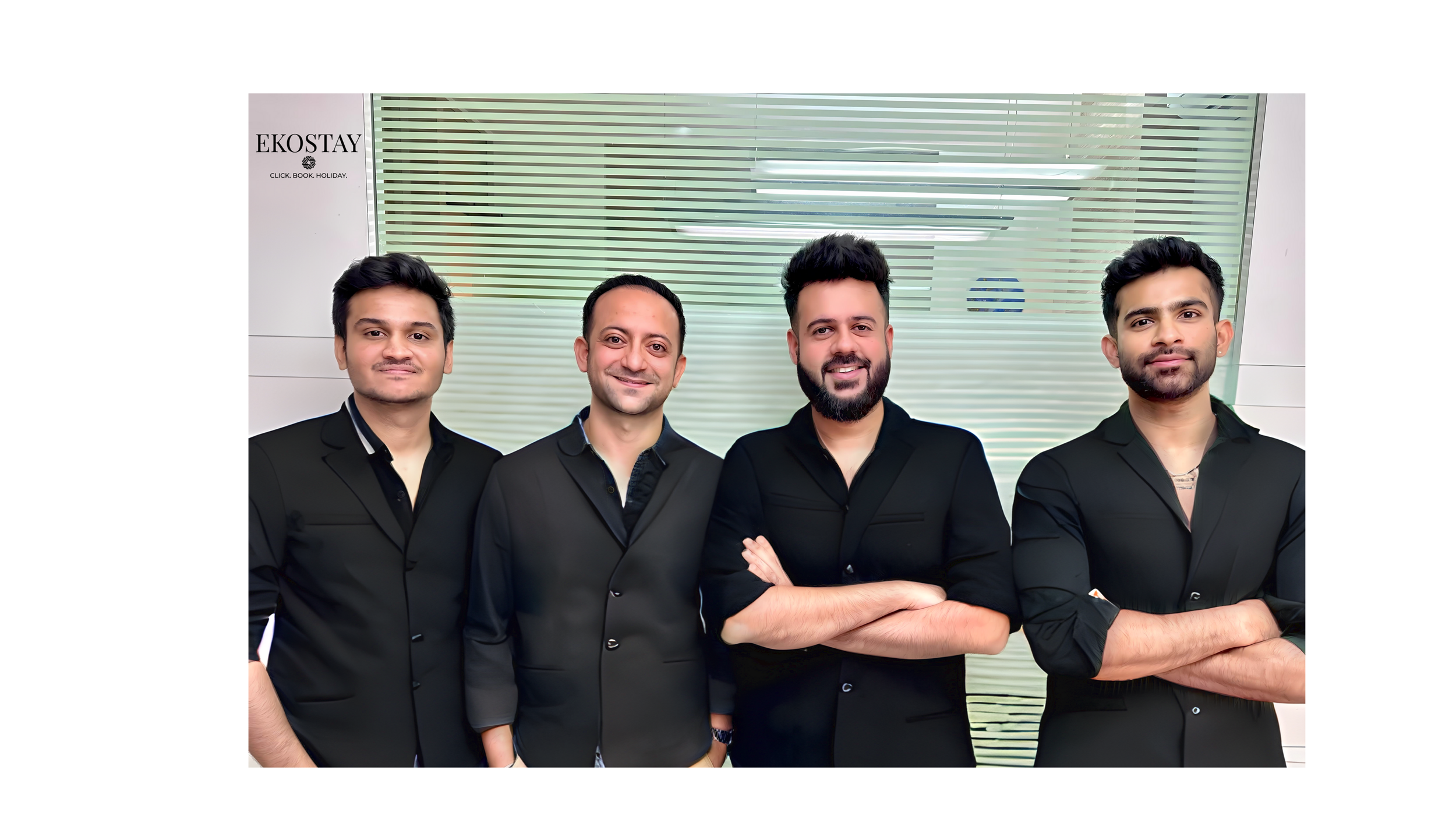
“Our expansion is not just about increasing numbers. It is about deepening our connection with travellers across India. Each new property is a step toward our vision of creating immersive, design-led spaces that feel like a second home while delivering exceptional hospitality.” Husain Khatumdi, MD & Co-Founder, EkoStay

NATURE IS NOT THE BACKDROP-IT IS THE BUSINESS

EkoStay’s portfolio spans some of India’s most ecologically rich and environmentally significant destinations: the Nilgiris (Ooty, Kodaikanal), the Western Ghats (Lonavala, Mahabaleshwar, Igatpuri, Karjat), the Konkan Coast (Alibaug), wine country (Nashik), and the shores of Goa.

These are not generic tourist zones. They are biodiverse, often fragile environments that benefit from responsible, low-density travel rather than mass tourism infrastructure. By channelling travel demand into existing private homes, EkoStay inherently distributes visitor footfall across residential spaces rather than concentrating it in large, resource-intensive hotel complexes.

The brand’s deliberate, demand-led expansion strategy selecting only high-traction micro-markets with structurally strong demand also acts as a check against overdevelopment. EkoStay does not expand for the sake of scale. It expands where the ecosystem of travellers and destinations can genuinely sustain it.

“Our focus has always been on identifying destinations where demand is structurally strong and aligning our supply accordingly.” Zishan Khan, Chief Acquisition Officer & Co-Founder, EkoStay

REVIVING PROPERTIES, EMPOWERING COMMUNITIES

EkoStay’s Villa Makeover Programme which transforms underutilised second homes into professionally managed vacation villas is as much a community initiative as it is a business one.

When a property is onboarded onto EkoStay’s platform, renovation and beautification work is carried out by skilled local manpower sourced from the surrounding community. This is not incidental it is a stated commitment of the programme, ensuring that the economic benefits of tourism flow directly to the people who live closest to these natural destinations.

The logic is simple and powerful: when local communities have a material stake in the health and attractiveness of their surroundings, conservation becomes self-sustaining. A local carpenter who builds the furniture for a villa, a local caretaker who maintains the garden, a local cook who serves guests each has a reason to care about the quality and preservation of the place they call home.

This model mirrors the foundational principle of responsible tourism: that travel should leave communities better off, not just passed through.

“This initiative strengthens our long-term vision to not only expand EkoStay’s presence across new regions but also to create sustainable, profitable models for property owners.” Sohail Mirchandani, COO & Co-Founder, EkoStay

A PRIVATE VILLA STAY IS ALSO A QUIETER FOOTPRINT

The environmental case for private villa stays over conventional hotels is straightforward. A group of eight travellers sharing a villa uses one kitchen, one water supply, one set of common spaces. The same group in a hotel occupies eight separate rooms, eight separate sets of air conditioning, eight separate housekeeping cycles, eight sets of daily linen changes.

Villa stays are inherently resource-efficient not because EkoStay mandates specific green practices at each property, but because the format itself consolidates consumption. Guests cook together, share spaces, and self-manage many of the daily resource decisions that hotels manage centrally and wastefully.

As India’s travel preferences shift toward private, experience-led stays a shift that EkoStay both reflects and leads this structural efficiency becomes a meaningful environmental dividend.

BOOTSTRAPPED, PROFITABLE, AND BUILT TO LAST

There is an environmental argument for financial sustainability too. Businesses that rely on external capital to fund growth often prioritise speed over responsibility expanding inventory before the operational discipline is in place to manage it well.

EkoStay’s eight-year journey without a single rupee of external funding tells a different story. The brand has grown because guests come back. Revenue is reinvested. Properties are chosen carefully. Operations are scaled only when the capability to serve guests well is already in place.

This is, at its core, a philosophy of sufficiency the same philosophy that underpins sustainable living. Take what you need. Grow at the pace the ecosystem supports. Build things that last.

“India’s travel behaviour has fundamentally shifted towards private, experience-led stays where travellers seek space, flexibility, and curated hospitality. We are focused on building depth within high-performing micro-markets while simultaneously unlocking new leisure destinations that show strong long-term potential.”  Varun Arora, CEO & Co-Founder, EkoStay

EKOSTAY: BY THE NUMBERS

•       Founded: 2018 | Headquarters: Worli, Mumbai

•       Portfolio: 150+ professionally managed villas | Target: 220+ properties

•       Destinations: 12+ leisure micro-markets across India

•       Revenue FY 2025–26: ₹40 crore | YoY Growth: 43% | EBITDA Margin: ~10%

•       External Funding Raised: Nil — entirely bootstrapped

•       Occupancy Rate: ~56%

•       Key natural destinations served: Nilgiris, Western Ghats, Konkan Coast, Goa, Nashik wine country

•       Community impact: Local labour and manpower engaged for all property renovations under Villa Makeover Programme

5 Top Luxury Stays Leading the New Era of Travel in 2026

Travel in 2026 is increasingly defined by purpose, experience, and how seamlessly a stay blends into the journey itself. Destination hotels are no longer just places to stay they are becoming the reason people travel in the first place. From thoughtfully designed spaces to immersive guest experiences, the focus has shifted toward stays that shape the entire trip rather than simply support it. This shift is also being driven by changing traveler expectations, where personalization, flexibility, and meaningful experiences matter more than traditional definitions of luxury. Guests today are looking for stays that feel intuitive, locally connected, and emotionally engaging spaces where they can unwind, work, or explore at their own pace. As a result, destination-led luxury hotels are emerging as key players in shaping how people plan holidays, short breaks, and even work-leisure travel in 2026.

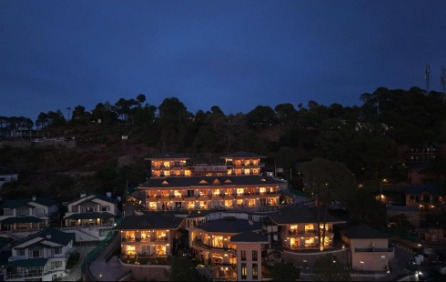
Treetop by Eight Continents Royalpine – Kasauli 

Treetop by Eight Continents—Royalpine, Kasauli, is a contemporary Himalayan retreat that reflects the shift toward experience-led luxury travel in 2026, where stays are defined by immersion rather than formality. Surrounded by the calm of the hills, it aligns with the growing demand for slow, restorative escapes that move beyond traditional hospitality, offering guests a blend of natural setting and thoughtful comfort. As part of the new wave of destination-driven hotels, it highlights how modern luxury is increasingly about meaningful experiences and a deeper connection to place rather than just accommodation. 

Link:https://eightcontinentshotels.com/room/treetop-by-eight-continents-royalpine-kasauli/

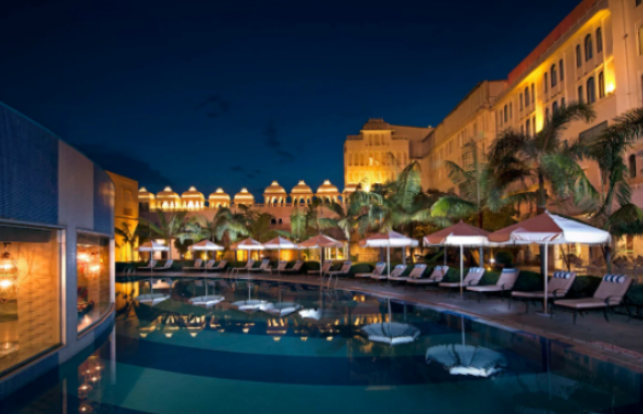
Radisson Blu Palace, Resort and Spa, Udaipur

Radisson Blu Udaipur stands as a contemporary lakeside luxury retreat overlooking the serene Fateh Sagar Lake, reflecting the evolving 2026 trend of destination-led hospitality where the stay becomes as meaningful as the destination itself; blending modern comfort with panoramic views of Udaipur’s natural and cultural landscape, it offers a refined urban-resort experience that caters to both leisure and business travelers, positioning itself as a key example of how modern luxury hotels are shifting toward immersive, location-driven stays in India’s most iconic travel cities. For added fun, the game zone includes a bowling alley, arcade games, and paintball, ensuring entertainment for both kids and adults. With its warm hospitality, memorable dining experiences, and proximity to Udaipur’s key attractions, the hotel creates the ideal setting for a fun-filled and unforgettable family stay.

Link: https://www.radissonhotels.com/en-us/hotels/radisson-blu-resort-udaipur-spa

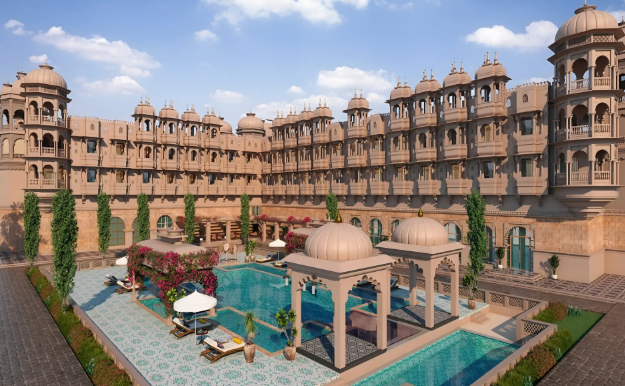
Wyndham Garden Udaipur

Wyndham Garden Udaipur is a modern lakeside-inspired hotel that reflects the evolving nature of destination-led hospitality in one of India’s most iconic travel cities. Designed for both leisure and business travelers, it offers a blend of contemporary comfort and relaxed resort-style living, making it ideal for short luxury escapes and extended stays alike. Positioned in the heart of Udaipur’s tourism circuit, the property aligns with the growing 2026 travel trend where guests seek convenient, experience-focused stays that connect them to the destination while offering comfort, ease, and understated elegance. 

Link:https://www.wyndhamhotels.com/wyndham-garden/udaipur-india/wyndham-garden-udaipur-bhuwana/overview

Treetop by Eight Continents (Astroport Sariska) – Sariska, Rajasthan 

Astroport Sariska – Treetop by Eight Continents Hotels is an experiential luxury retreat designed for travelers seeking a deeper connection with nature, comfort, and discovery, set close to the Sariska Tiger Reserve amidst untouched landscapes and rich wildlife surroundings. Reflecting the 2026 shift toward immersive, destination-led luxury, the property blends refined stays with curated experiences such as stargazing, astronomy sessions, and guided nature explorations, offering a rare balance of adventure and calm. With thoughtfully designed spaces and a focus on meaningful engagement rather than conventional hospitality, it redefines luxury as a personal, experiential journey shared in the heart of nature.

Link:https://eightcontinentshotels.com/room/treetop-by-eight-continents-astroport-sariska/ 

Wyndham Grand Agra

Wyndham Grand Agra is a contemporary upscale hotel that offers a refined luxury stay experience in one of India’s most iconic heritage cities. Positioned close to the Taj Mahal, it blends modern design, spacious comfort, and thoughtful hospitality, making it a convenient gateway for travelers exploring Agra’s cultural landmarks. With its calm interiors and premium services, the hotel reflects a destination-led approach to hospitality, where comfort and location come together to create a seamless, elevated travel experience. 

Link:https://www.wyndhamhotels.com/wyndham-grand/locations?ICID=IN%3AGR%3A20190422%3AHPTO1%3AGREATSTAY%3ALOCATIONS%3ANA

Why Bintan Is Becoming Southeast Asia’s Go-To Destination for Wellness-Led Travel and Endurance Experiences

India, May 2026:Travel today is no longer only about ticking destinations off a bucket list. Increasingly, travellers are seeking experiences that leave them feeling more connected, energised and balanced, both physically and mentally. From marathon tourism and cycling holidays to wellness retreats and endurance events, active travel has evolved into one of the most significant shifts shaping the global travel landscape.

Rather than simply sightseeing or relaxing by the beach, modern travellers are choosing holidays that allow them to stay active, recharge mentally and return feeling refreshed. Experiences that combine movement, wellness, nature and opportunities to unwind are increasingly influencing how travel itineraries are being planned.

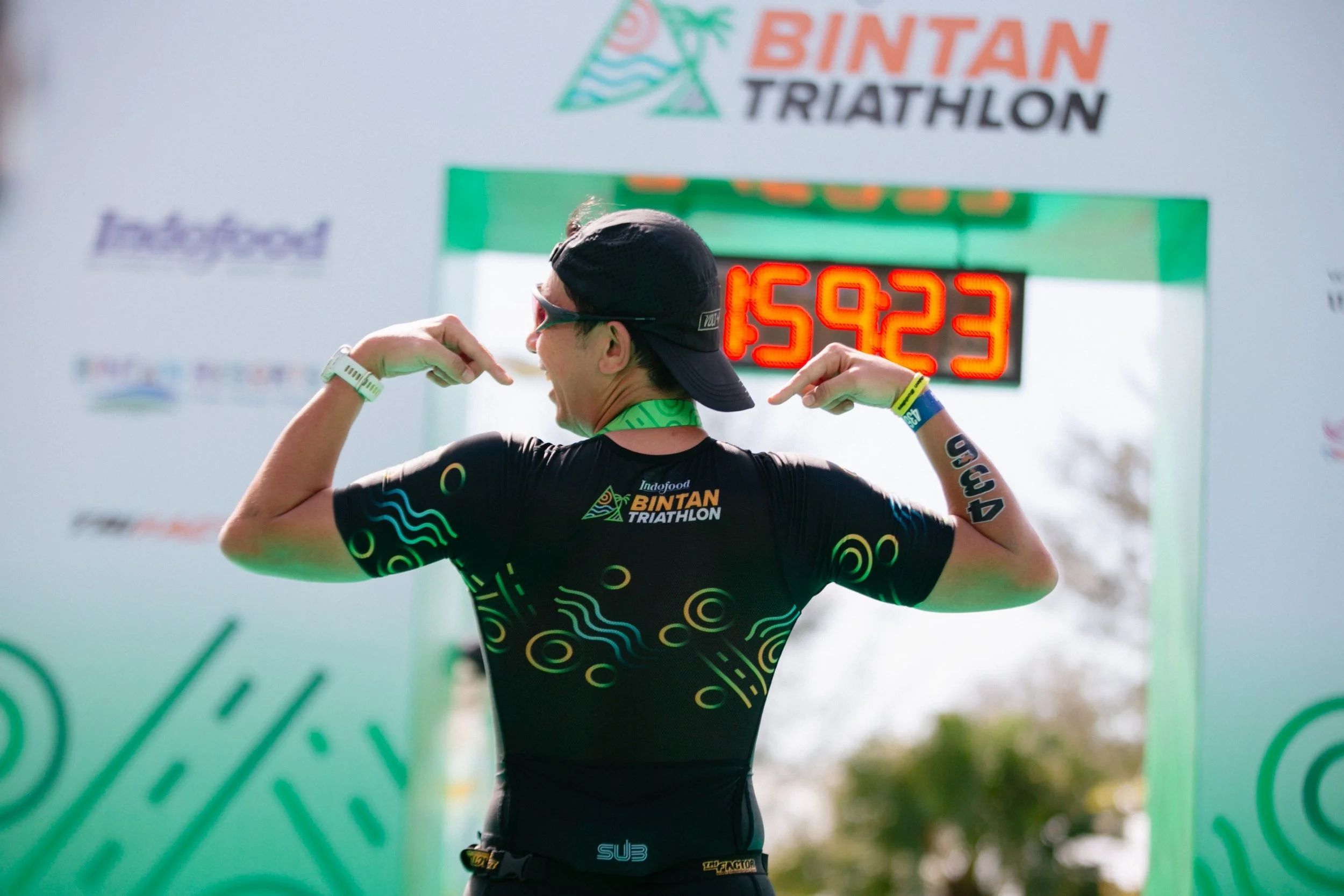
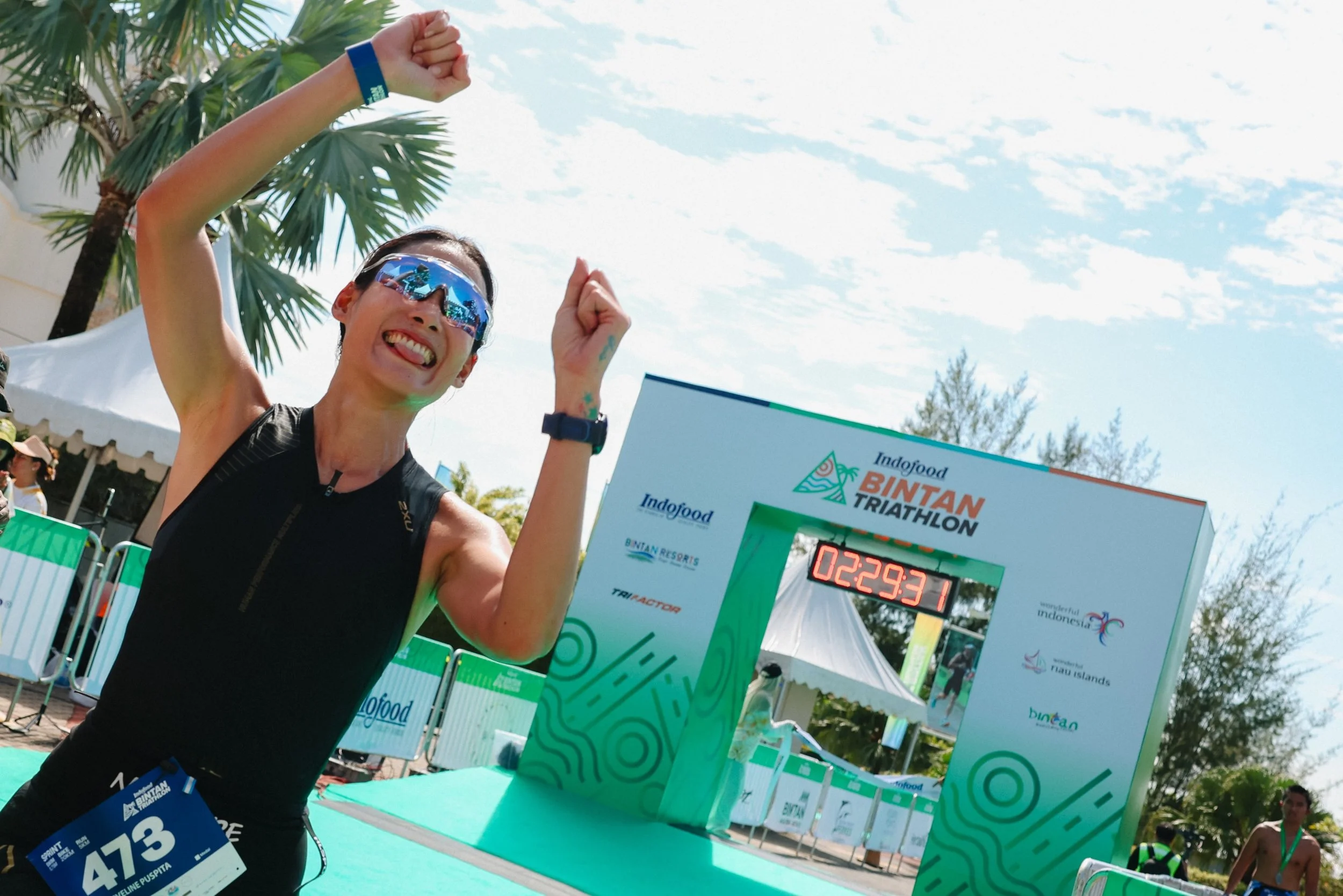
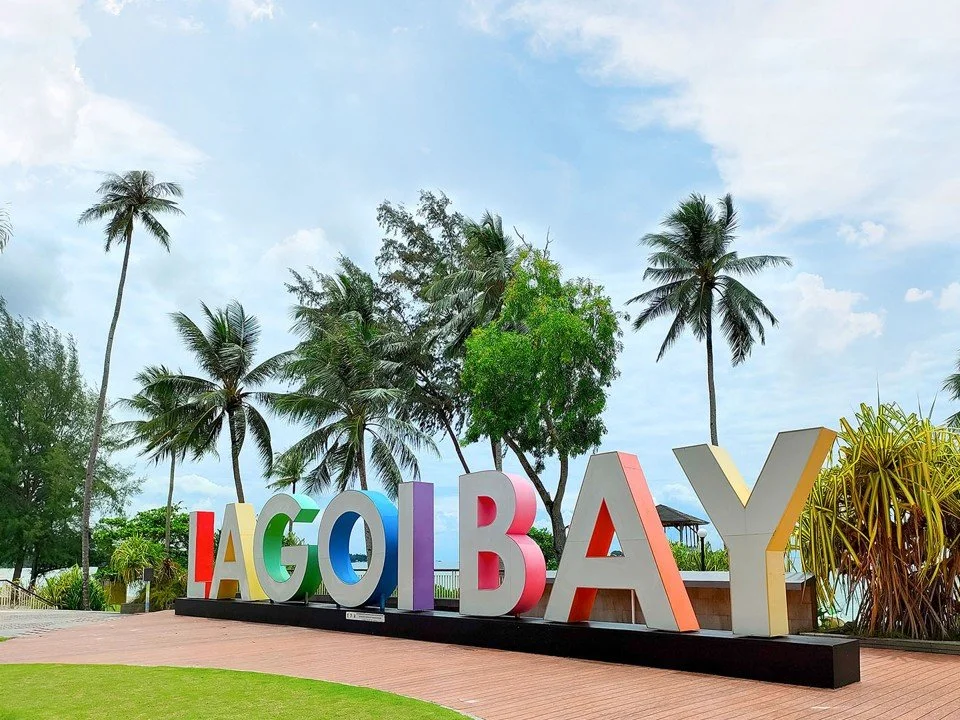
Reflecting this evolving mindset, Bintan Resorts is set to welcome the return of one of Southeast Asia’s most anticipated endurance events, the Bintan Triathlon 2026, taking place from 2nd to 4th October 2026 at the scenic Lagoi Bay.

Set against Bintan’s tropical coastal landscapes and located just a 60-minute ferry ride away from Singapore, the internationally recognised triathlon has evolved into far more than just a sporting competition. Today, it brings together professional athletes, fitness enthusiasts, families, wellness travellers and first-time participants from across the globe for a vibrant weekend centred around endurance, adventure and community spirit.

Known for its picturesque race routes and high-energy atmosphere, the event offers participants the opportunity to swim through crystal-clear waters, cycle along scenic coastal roads and run through lush tropical surroundings, creating a race experience that is both challenging and immersive.

This year’s edition will feature multiple race categories across all age groups and experience levels, including Olympic Distance, Sprint Distance, Standard Duathlon, Youth Triathlon, Kids Triathlon, Sprint Duathlon, Family Duo (50m swimming & 400m running) and the entry-level Splash & Dash categories.

Last year’s edition saw participation from over 600 athletes and wellness enthusiasts representing more than 30 nationalities, highlighting the growing global interest in active, experience-led travel. With travellers increasingly seeking holidays that combine movement, recovery and meaningful experiences, this year’s edition is expected to attract even stronger participation.

What makes the Bintan Triathlon especially compelling is how naturally the race experience extends into a relaxing island getaway. Beyond the excitement of competition, participants and visitors can transition into a slower pace through beachfront stays, wellness experiences and Bintan’s laid-back tropical atmosphere.

After the intensity of race day, travellers can unwind by the beach, indulge in restorative spa therapies, explore mangrove tours, enjoy water sports or simply recharge in a peaceful tropical setting. This balance between high-energy activity and meaningful relaxation is increasingly becoming a defining part of modern travel experiences.

Beyond the race itself, Plaza Lagoi will come alive throughout the weekend with entertainment, hospitality experiences and a vibrant community atmosphere that has become synonymous with the event over the years.

As Bintan Triathlon 2026 prepares to welcome participants from around the world once again, the event continues to reflect a larger shift in how people travel today, where wellness, endurance, relaxation and meaningful escapes seamlessly come together in one tropical destination.

Agoda: Indian Gen Z Makes Travel More Frequent, Flexible, and Experience-Driven

India, April 2026 – Digital travel platform Agoda reveals that Indian Gen Z travelers are reshaping travel into a more regular, experience-led part of life, favoring shorter, more frequent trips over traditional longer holidays. The findings point to a generation prioritizing flexibility, accessibility, and discovery-driven travel, as they look to integrate trips more seamlessly into their routines.  

 The insights are based on a survey of Asian travelers conducted as part of Agoda’s 2026 Travel Outlook Report, highlighting a shift among Indian Gen Z toward traveling with partners (57%) and taking solo trips (22%), moving away from traditional family travel. At the same time, many expect a mix of domestic and international trips, reflecting a preference for balancing exploration with convenience. 

  Frequent, Short Trips Redefine Travel Patterns 

Indian Gen Z is traveling more frequently, with shorter trips becoming the norm. 84% of respondents plan to take between one and six trips a year, and 72% opt for stays of just one to seven days. This shift reflects a move toward travel that is easier to plan and repeat, allowing trips to fit around work, study, and personal schedules. India, alongside markets such as Thailand and Vietnam, show a stronger inclination toward higher trip frequency, reinforcing how travel is becoming embedded in everyday life rather than reserved for specific seasons. 

  Experiences Take Priority Over Destinations 

For Gen Z, travel is increasingly defined by what they want to do, rather than where they want to go. Respondents across India say their trips are primarily motivated by the pursuit of experiences, including cultural exploration (56%) and outdoor activities (36%) as the leading drivers. While experience remains central, relaxation still plays an important role for Gen Z, with 72% of travelers also citing it as part of their travel plans.  

  This points to a more deliberate approach to travel, where each trip is shaped by a clear set of experiences. Gen Z travelers plan around what they want to get out of a trip, whether it is cultural immersion, time outdoors, or a change of pace. As a result, destinations are chosen based on how well they align with that intent. 

  Gaurav Malik, Country Director, India Subcontinent & Indian Ocean Islands, Agoda, said: “For Gen Z in India, travel is increasingly becoming a regular part of their lifestyle rather than an occasional activity. What stands out is how consciously this generation is planning travel by prioritizing flexibility and experiences that align with their interests. At Agoda, we are focused on supporting this evolving behavior by offering a wide range of options across flights, accommodations, and activities, making it easier for Gen Z to plan trips that fit seamlessly into their schedules and preferences while continuing to access great value.” 

  With over 6 million holiday properties, more than 130,000 flight routes, and over 300,000 activities, Agoda enables travelers to plan and combine every part of their journey in one place. Its platform supports different travel styles and preferences, making it easier to plan trips that fit individual pace and priorities. Discover more on Agoda’s mobile app or at Agoda.com. 

Tourism and Hospitality sector seeking 680-million dollar aid package from province

According to the Tourism Association of BC, over 100-thousand jobs in the sector have been temporarily or permanently lost due to the pandemic.

The sector is seeking a 680-million dollar stimulus recovery package from the BC Government.

Chairperson, Vivek Sharma told Vista Radio businesses are facing some increased costs after re-opening.

“Any businesses that have re-opened has had to do at a significant cost to change the way they do business bringing in barriers, personal protective equipment, and implementing ways of doing contactless operations, all of that comes at a cost.”

Sharma added several businesses have been ravaged because of COVID-19.

“Ten percent of our restaurants have closed permanently and another 50% are expected to close if they don’t get any assistance. Hotel occupancy has been down about 65% for June over previous years.”

“We need to get strategic on how we aid industry now and when we came up with this amount we broke it down into three categories so that we know how the aid is required.”

The three components are:

A Working Capital Recovery Grant ($475 million) to help sustain and maintain solvency for businesses that have prospects to return to profitability in the medium term (i.e. 18 months). This could include the provision of low or no-interest loans with an extended payback period. As the timing and magnitude of out-of-province visitors are uncertain, the immediate priority would be to sustain businesses that normally rely on these visitors and generate significant revenues for the visitor economy, as well as businesses that play central roles in attracting visitors to a community or a region.

Support for Adaptation Costs ($190 million) that would provide funds to help businesses adapt their operations to the health and safety requirements of COVID-19 and protect their workforce, visitors, residents, and local communities; and develop innovative ways of delivering tourism experiences to augment and accelerate recovery.

Support for Developing Resilient, B.C.-focused Supply Chains ($15 million). The goal would be to support industry subsectors (accommodation, attractions, transportation, food services, and retail) refocus their supply chains and forge new relationships with B.C. suppliers, to create supply chains that will not only promote recovery over the next 18 months but also contribute to the industry’s resilience going forward.

Destination BC’s projection for this year is a 69% decline in tourism revenue from the $20.4 billion generated in 2018 to $6.7 billion in 2020.

download 1.jpg

Hyatt Announces Face Coverings Requirement for Guests at Hotels in the U.S. and Canada

 At Hyatt, the safety and security of our colleagues and guests is always a top priority. Guided by our purpose – to care for people so they can be their best – and following medical expert guidance to help reduce the spread of COVID-19, beginning Monday, July 27, for the foreseeable future, all Hyatt hotels in the U.S. and Canada will require face coverings within indoor public areas, which include meetings and events spaces, restaurants and bars, and fitness centers. Some guests may be exempt from this mandate, including but not limited to people with medical conditions, consuming food or beverages in restaurants, and children under the age of two years.

Guests who are not wearing face coverings indoors will be asked to wear one, and at all Hyatt hotels, face masks will be made available to guests who do not have one. Additionally, Hyatt hotels request all guests practice proper social distancing in indoor and outdoor public areas, and social distancing guidelines are prominently placed throughout all hotels.

Hyatt will continue to require colleagues to wear face masks – and additional personal protective equipment based on job specifications – at all Hyatt hotels globally. In April, Hyatt introduced the Global Care & Cleanliness Commitment (hyatt.com/care-and-cleanliness) which prioritizes the safety and wellbeing of colleagues and guests through enhanced business and operational practices during the COVID-19 pandemic and beyond at all Hyatt hotels globally.

“This new policy comes at a pivotal time amidst the ongoing challenges of COVID-19 and helps us care for the health and safety of our guests and colleagues,” said Mark Hoplamazian, president and CEO, Hyatt. “In an effort to enable safe travel, we support AHLA’s recently expanded Safe Stay initiative and traveler checklist that help us come together as an industry to promote clear guidelines, which for the foreseeable future include the wearing of face coverings in indoor public spaces and practicing social distancing throughout the hotel.”

As the COVID-19 pandemic continues to evolve, Hyatt remains committed to supporting industry partners like AHLA and following medical expert guidance that supports face coverings and social distancing as successful ways to mitigate the spread of the virus. Hyatt will continue to closely monitor the situation as well as local government mandates and consider expanding this mandate to other regions.

download (5).jpg

Sleep Under The Stars With Switzerland’s Stellar New Hotel Concept

In an effort to draw visitors to less-known regions throughout the summer, Switzerland Tourism has launched the brand new accommodation concept, Million Stars Hotel.

Accommodation options, designed for two, range between a cozy hotel room in a mountain gondola to a tented treetop stay and rooftop set-up in Zurich.

For More Details Click Below :

www.forbes.com/sites/laurenjadehill/2020/07/07/sleep-under-the-stars-with-switzerlands-stellar-new-hotel-concept/#592b22e8159b

960x0.jpg

Frasers Hospitality reopens properties with new cleaning measures

Frasers Hospitality is reopening its properties with new health and safety initiatives in place in the wake of the COVID-19 crisis.

Following the easing of restrictions in the UK, serviced residences in England reopened on July 4 and those in Scotland will open on July 15, with a phased reopening of boutique lifestyle hotels Malmaison and Hotel du Vin.

Fraser says it has introduced the following measures across its properties as part of its new #FraserCares initiative

For More Information Click Below:

www.businesstraveller.com/business-travel/2020/07/08/frasers-hospitality-reopens-properties-with-new-cleaning-measures/

download (15).jpg

Taj Jumeirah Lakes Towers ranks first as favourite new hotel in the MENA region

Taj Jumeirah Lakes Towers, Dubai, the latest addition to the international portfolio of the iconic Taj brand, has been recognized as ‘Favourite New Hotel’ in the Middle East and North Africa region at the prestigious Condé Nast Traveller Middle East Readers’ Choice Awards 2020.

The winners are selected based on unbiased reader votes, resulting in a list that honours those who have gone above and beyond to create the memorable guest experience

For More Information Click Below :

bwhotelier.businessworld.in/article/Taj-Jumeirah-Lakes-Towers-ranks-first-as-favourite-new-hotel-in-the-MENA-region/29-06-2020-292210/

download.jpg

Airbnb Launches Campaign to Support Domestic Travel & Local Economic Growth

Key Take Away

The initiatives come as the travel industry takes initial steps to recover from the impact of the COVID-19 pandemic. This work includes a series of partnerships with destination marketing organizations to help these organizations use the Airbnb platform to support local economic development. 

Partnering with local communities to promote travel and economic growth

We are working with governments and tourism agencies to help support responsible and safe travel that benefits local citizens and small businesses.

Go Near

In a survey commissioned by Airbnb, nearly half of US respondents said they will prefer to stay within a day’s drive for their first trip once lockdown restrictions lift.

For More Information Click Below :

news.airbnb.com/airbnb-launches-campaign-to-support-domestic-travel-local-economic-growth/

download (18).jpg

Preferred Hotels & Resorts Welcomes 26 New Member Hotels

Key Take Away

Preferred Hotels & Resorts has welcomed 26 new member hotels across 14 destinations in the past four months, from January 1 and April 30, 2020, with the new additions ranging from the iconic Biltmore Hotel in Coral Gables, Florida, to the soon-to-open Montage Healdsburg in Sonoma County, California.

Preferred Hotels & Resorts continues to position itself as the brand of choice for independent hotels because we offer our member hotels the freedom to compete on their own terms – not just when it’s convenient for us – while inviting them to tap into Preferred’s global reach as a rich complement to their individual efforts.”

All 26 new member hotels are bookable via PreferredHotels.com, and travel advisors can book stays for their clients via the GDS with Preferred Hotels & Resorts’ “PH” and “PV” chain codes.

For More Information Click below:

www.PreferredHotels.com

 www.PreferredHotels.com/Freedom.

preferredhotels.com/bulletin/preferred-hotels-resorts-welcomes-26-new-member-hotels

images.png

Six Senses Con Dao Appoints New General Manager and Director of Sales and Marketing

Key Take Away

Eric Hallin appointed as a New General Manager and Director of Sales and Marketing brings more than 40 years of international hospitality experience. With her goal-oriented and strategic mindset, and a great deal of passion for high-end travel, he makes a perfect fit for Six Senses Con Dao

He brings a fresh breeze to the resort and its hosts, sharing his working philosophy that a general manager is only as good as his ability to inspire, motivate, and empower his team.

For More Information

www.sixsenses.com/en/corporate/media-center/press-releases/2020/six-senses-con-dao-appoints-new-general-manager-and-director-of-sales-and-marketing

unnamed.jpg

532 flights operated on Day 1, over 39,000 people travelled: Puri

Key Take Away

The airlines resumed operations after a two-month nationwide lockdown was imposed to contain the spread of the virus. The airlines, which were allowed to operate one-third of their pre-lockdown domestic services

Civil Aviation Minister Hardeep Singh Puri tweeted that 532 domestic flights operated on Monday and 39,231 passengers traveled 

States like Maharashtra, West Bengal, and Tamil Nadu, which are home to some of the busiest airports in the country, were reluctant to allow domestic flight services from their airports, citing swelling Covid-19 cases there

For More Information:

https://www.livemint.com/

download (5).jpg