Sterling Deepens Spiritual Tourism Strategy with Entry into Varanasi

Sterling Varanasi opens near Sankat Mochan Hanuman Temple, strengthening the brand’s network across India’s high-intent spiritual destinations.
Chennai,  2026: Sterling Holiday Resorts Limited has announced its entry into Varanasi with the opening of Sterling Varanasi, adding one of India’s most significant spiritual destinations to its growing portfolio.

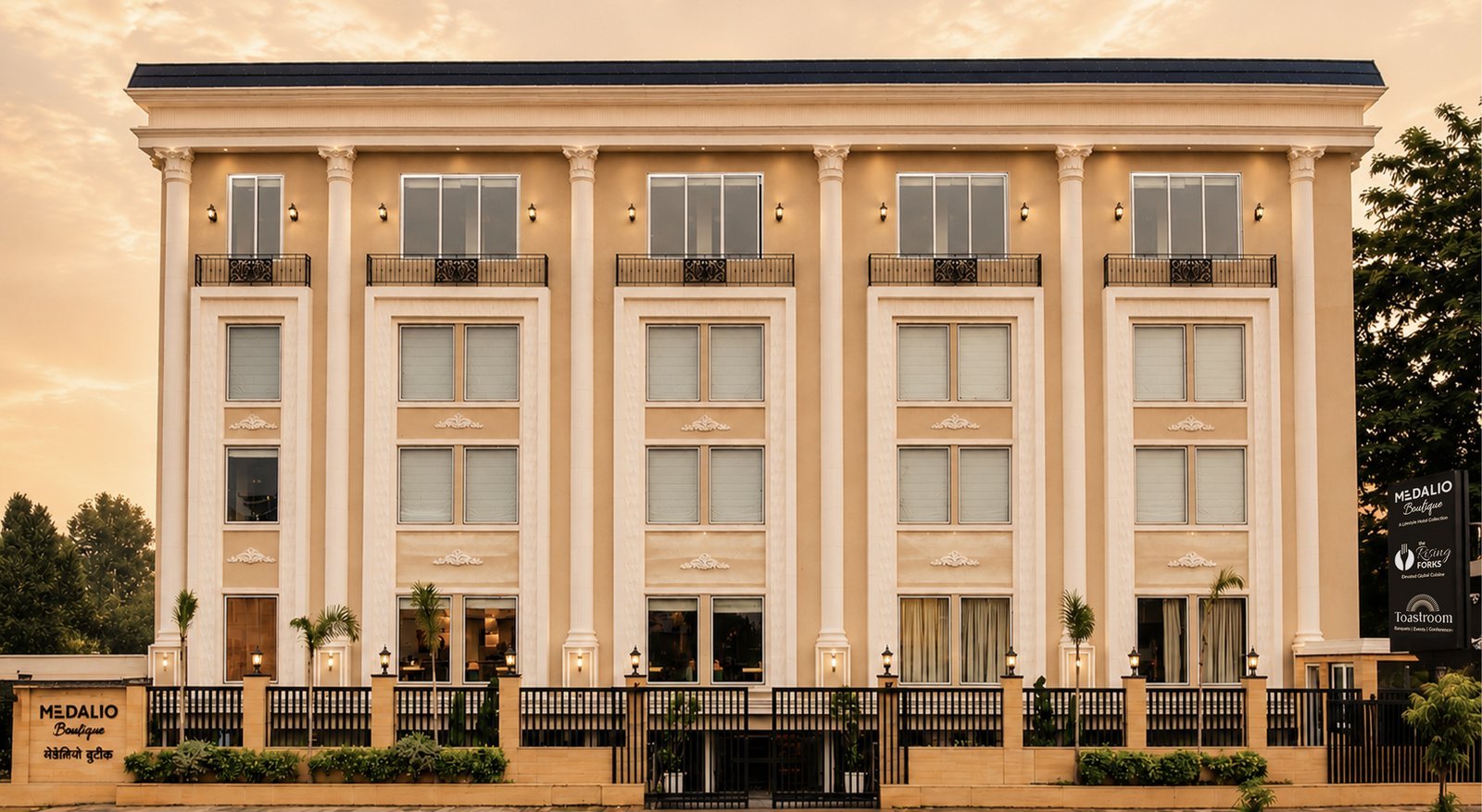
Located near the revered Sankat Mochan Hanuman Temple, the 33-room hotel offers convenient access to Assi Ghat, Shri Kashi Vishwanath Temple, Banaras Hindu University and the ghats of the Ganges, giving guests a well-connected base from which to experience Kashi.

The opening strengthens Sterling’s presence across destinations where faith and spirituality are powerful reasons to travel. With Ayodhya, Haridwar, Rishikesh, Guruvayur, Tiruvannamalai, Pushkar, Madurai and Puri already part of its network, Varanasi adds an important destination to the company’s growing spiritual travel footprint.

For Sterling, the opportunity goes beyond pilgrimage. Faith-led journeys are increasingly intersecting with family travel, culture, cuisine, heritage and discovery, while travellers seek greater comfort, reliability and quality hospitality.

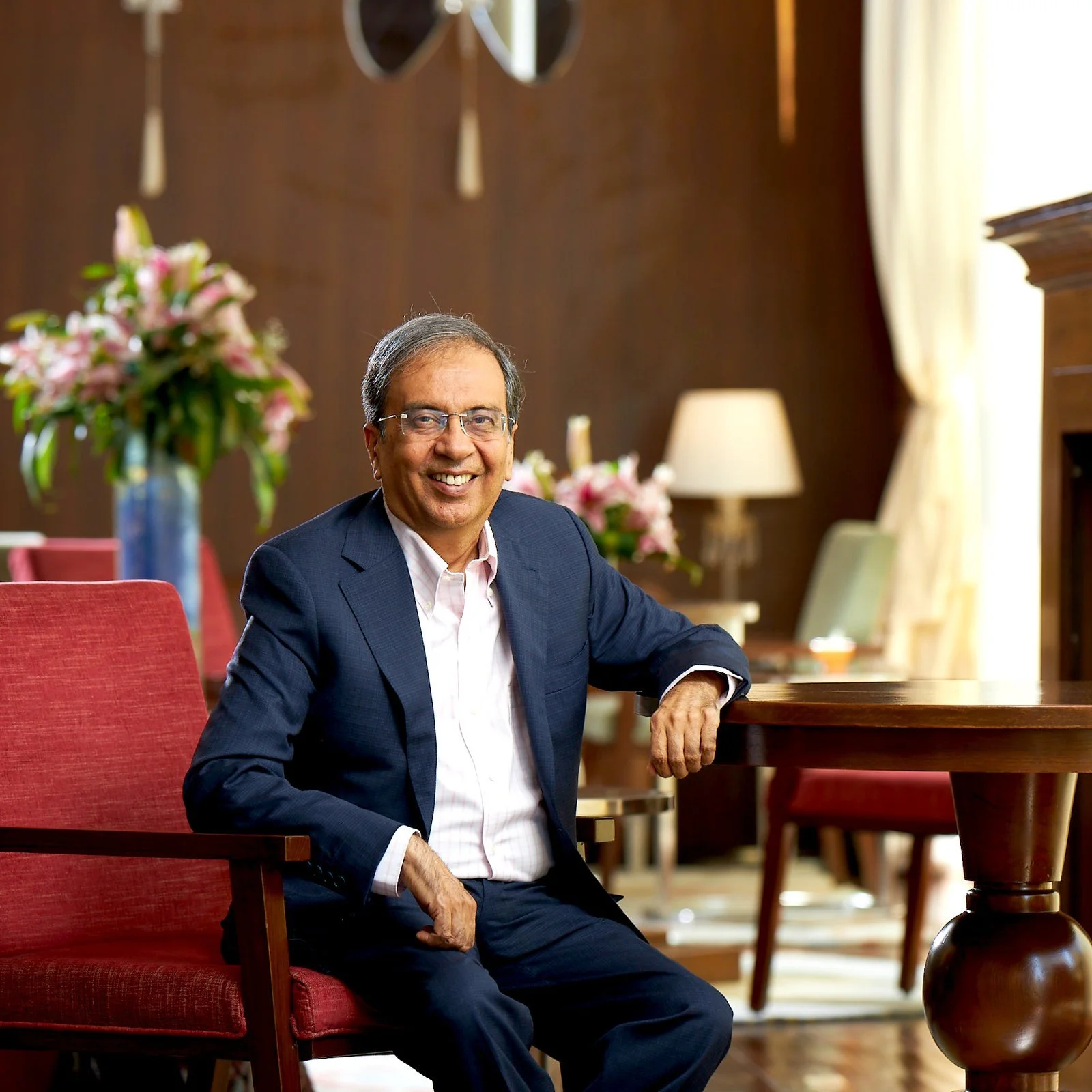
Commenting on the opening, Vikram Lalvani, Managing Director & CEO, Sterling Holiday Resorts (SHRL), said:

“Our strategy is to understand why India travels and build around those reasons. Spiritual travel has always been one of India’s most enduring travel motivations; what is changing is the traveller and the experience around the journey.

In Varanasi, the reason to travel may begin with faith, but the journey can extend into family, culture, cuisine, history and discovery. Our role is to make that experience more comfortable, reliable and meaningful. Kashi therefore becomes an important addition to Sterling’s destination-led growth strategy.”

Sterling Varanasi features 33 contemporary rooms, including the unique Premier Rooms with balconies offering views of Kashi.

Its vegetarian restaurant, RASA KASHI, draws inspiration from Varanasi’s food traditions while offering a wider menu for contemporary travellers, bringing together two elements deeply associated with the city—food and faith.

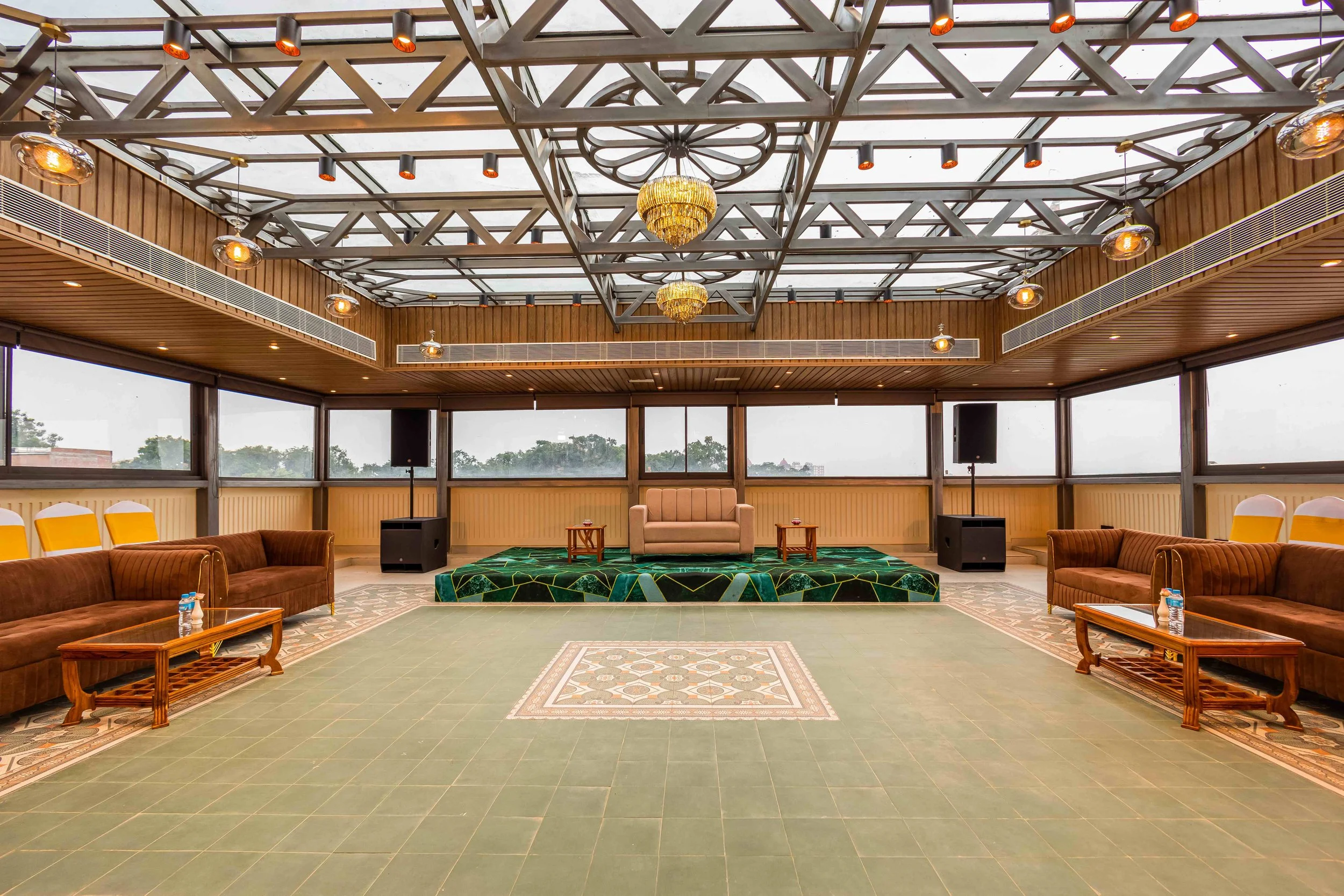
On the fifth floor, KASHI REGALIA, a partially covered glass-roof venue with 180-degree views across Varanasi, offers a distinctive setting for intimate celebrations, family gatherings and special occasions.

Guests can build their stay around the rhythms of the destination—from early-morning boat journeys on the Ganges and the evening Ganga Aarti to temple visits, Sarnath, Banarasi cuisine, silk and local craft traditions.

Mr. Arya Vishwajeet Singh, Aditi Group, Owner of Sterling Varanasi, said:

“Our vision was to create a contemporary hospitality address that understands why people come to Varanasi and makes that journey easier and more comfortable. Sterling brings the brand reach, operating expertise and distribution strength to establish the property as a trusted hospitality address in the city.”

The addition of Varanasi further advances Sterling’s Destination Architect strategy—building its network around why people travel, rather than conventional destination categories alone. A journey may begin with the hills, wildlife, wellness, culture or spirituality.

Summit Hotels and Resorts Recasts Portfolio Around Spiritual Tourism, Emerging Destinations and Premium Travel

Mandir, Offbeat and Signature Collections mark Summit’s push into spiritual tourism, emerging destinations and premium destination-led hospitality


Siliguri, September  2026: One of the largest homegrown hospitality chains in Northeast India and the Eastern Himalayas, Summit Hotels & Resorts is redrawing its growth strategy around three distinct travel segments, spiritual tourism, lesser-known leisure destinations and premium experiential hospitality.

The company has launched three portfolio verticals, Mandir Collection, Offbeat Collection and Signature Collection, which will increasingly shape how Summit positions its existing hotels and identifies destinations for future expansion.

The move marks a strategic evolution for the 18-year-old hospitality company. Having built its presence largely across the Eastern Himalayas and leisure markets, Summit is now creating differentiated formats around why people travel rather than simply where it can add another hotel.

The Mandir Collection marks Summit’s entry into spiritual hospitality and will begin with the upcoming Summit Salasar,  The Mandir Collection in Salasar, Rajasthan. The format will combine accommodation with Satvik dining, wellness and spaces for spiritual and community experiences, with the collection envisioned for expansion into other important pilgrimage destinations.

The Offbeat Collection, meanwhile, formalises a strategy Summit has followed across the Himalayas: identifying destinations outside established tourism circuits and entering them early. The collection includes Summit Enigma Resort & Spa in Lamahatta, Summit Sherpa Mountain Hotel & Spa in Deolo, Kalimpong, Summit Bougainvillea Tea Resort in Kurseong and Summit Tashi Ghang Heritage Resort in Pelling. Samthar, still relatively unfamiliar to mainstream travellers, represents the next step in this approach.

At the premium end, the Signature Collection brings together hotels where luxury is built around the destination's character. It includes Summit Norbu Ghang,  The Signature Collection in Gangtok and Rungkhung Village Resort - The Signature Collection in Dirang, Arunachal Pradesh, extending Summit’s premium footprint deeper into the Northeast.

Sumit Mitruka, CEO, Summit Hotels & Resorts, said, “India’s next hospitality opportunities will not necessarily emerge only from destinations that are already established. We see considerable potential at the intersection of changing travel motivations and destinations that are still evolving. These three collections give us a sharper framework for that growth. Mandir addresses journeys driven by faith, Offbeat allows us to identify places before they enter the mainstream, and Signature gives us a distinct premium proposition. The strategy is ultimately about being early in markets where we believe travel demand will deepen over time.”

With the new architecture, Summit is effectively moving from a geography-led portfolio towards a travel-motivation-led strategy, using faith, discovery and premium destination experiences as distinct platforms for future growth.

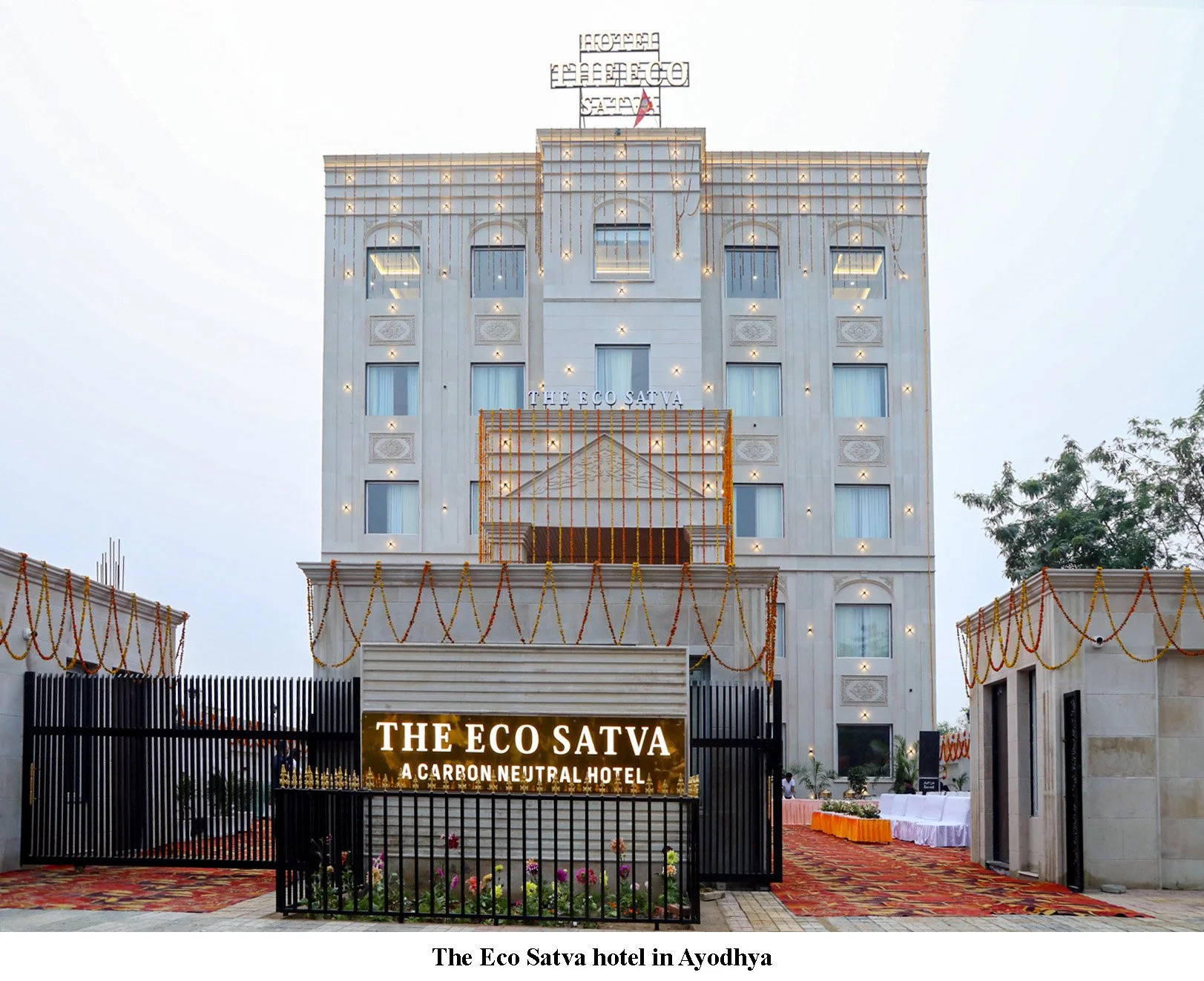
Eco Hotels And Resorts Limited Expands into India’s Spiritual Tourism Market with New Hotel in Ayodhya

Eco Hotels And Resorts Limited, a sustainable hospitality company committed to responsible tourism, recently announced the launch of its newly completed hotel property in Ayodhya, marking a strategic expansion into one of India’s fastest-growing religious tourism markets.

Anchored by the iconic Shri Ram Janmabhoomi Temple, Ayodhya has rapidly emerged as a global pilgrimage hub, with visitor numbers rising from 57.5 million in 2023 to over 160 million in 2024, and more than 230 million devotees in the first half of 2025. Supported by enhanced infrastructure, pilgrim amenities, and strong connectivity, the city continues to attract domestic and international travelers. This growth is generating significant opportunities for local MSMEs, artisans, transport services, and employment, fostering a vibrant economic ecosystem around Ayodhya’s spiritual heritage.

The company’s new property is strategically positioned to serve this expanding market, offering 33 well-appointed rooms, a restaurant on the top floor, landscaped lawn, and swimming pool for a premium yet comfortable stay. Guests can enjoy satvik cuisine emphasizing fresh, vegetarian, and culturally authentic meals. “Sahar—Back to the Roots” restaurant serves food without onion and garlic and also offers Glutin free breakfast. Located just 5 kilometers from the Shri Ram Janmabhoomi Temple with direct highway access, the hotel ensures convenient connectivity for pilgrims and cultural travellers. Its sustainable practices, including efficient resource management and responsible energy use reflect the company’s ongoing commitment to environmentally conscious hospitality.

The launch also reflects the growing demand for quality hospitality infrastructure in emerging pilgrimage destinations across India. With Ayodhya witnessing unprecedented tourist inflow, the need for professionally managed hotels that combine comfort, accessibility, and responsible practices has become increasingly important. Eco Hotels & Resorts aims to address this gap by offering a thoughtfully designed property that caters to pilgrims, leisure travellers, and group tours while maintaining high standards of service, sustainability, and operational efficiency.

Speaking on the launch, Vinod Kumar Tripathi, Chairman of Eco Hotels And Resorts Limited, said: "Ayodhya represents one of India’s most dynamic tourism markets. Launching our hotel here is a strategic step in expanding our footprint in spiritual and cultural destinations. We aim to deliver a premium hospitality experience while implementing eco-conscious practices that respect both the environment and the city’s cultural heritage."

With this property, the company strengthens its presence in Uttar Pradesh’s tourism economy and expands its portfolio of eco-friendly hospitality assets, including brands such as The Eco, The Eco Grand, EcoXpress, The Eco Boutique and EcoValue.

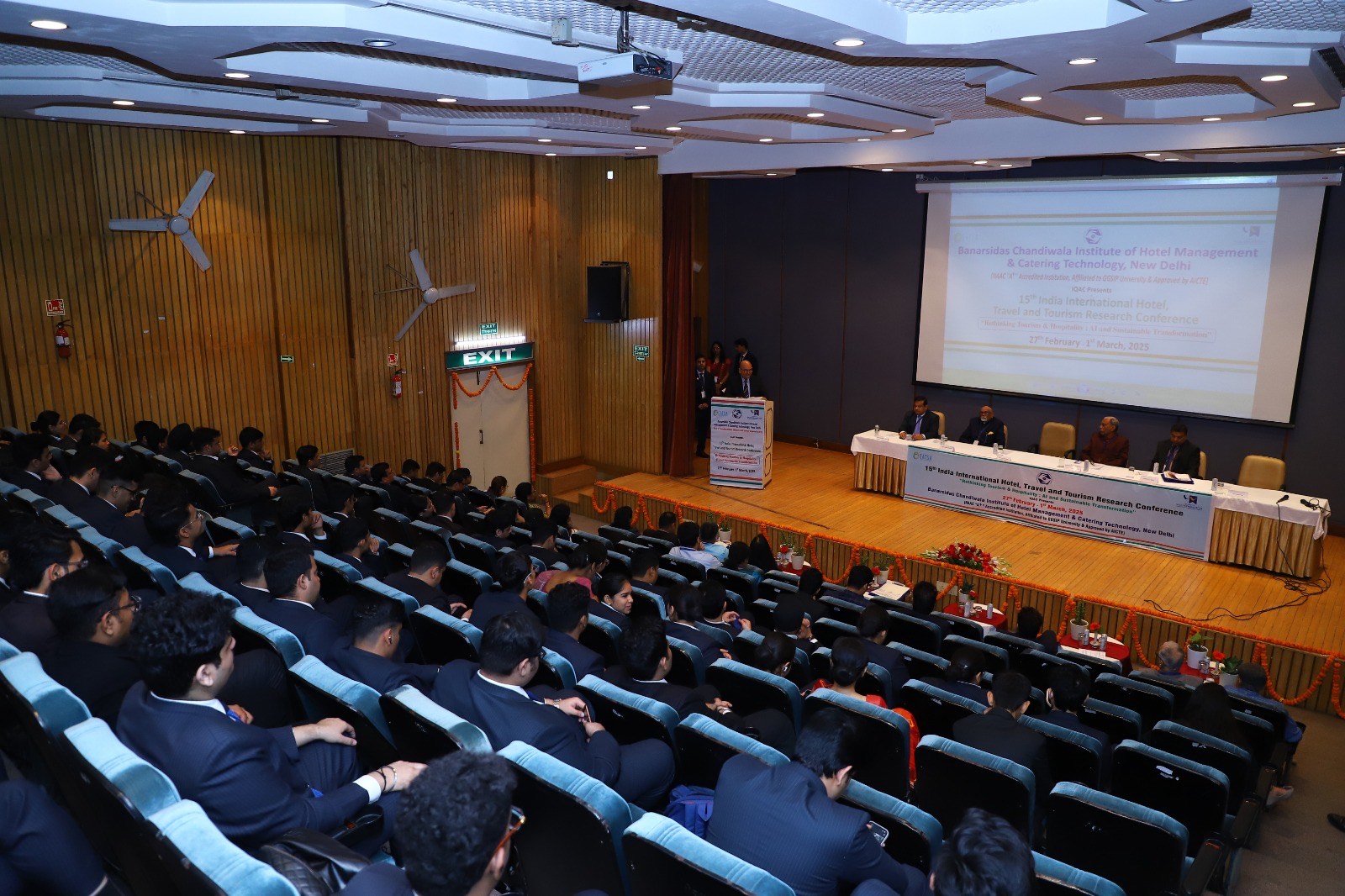
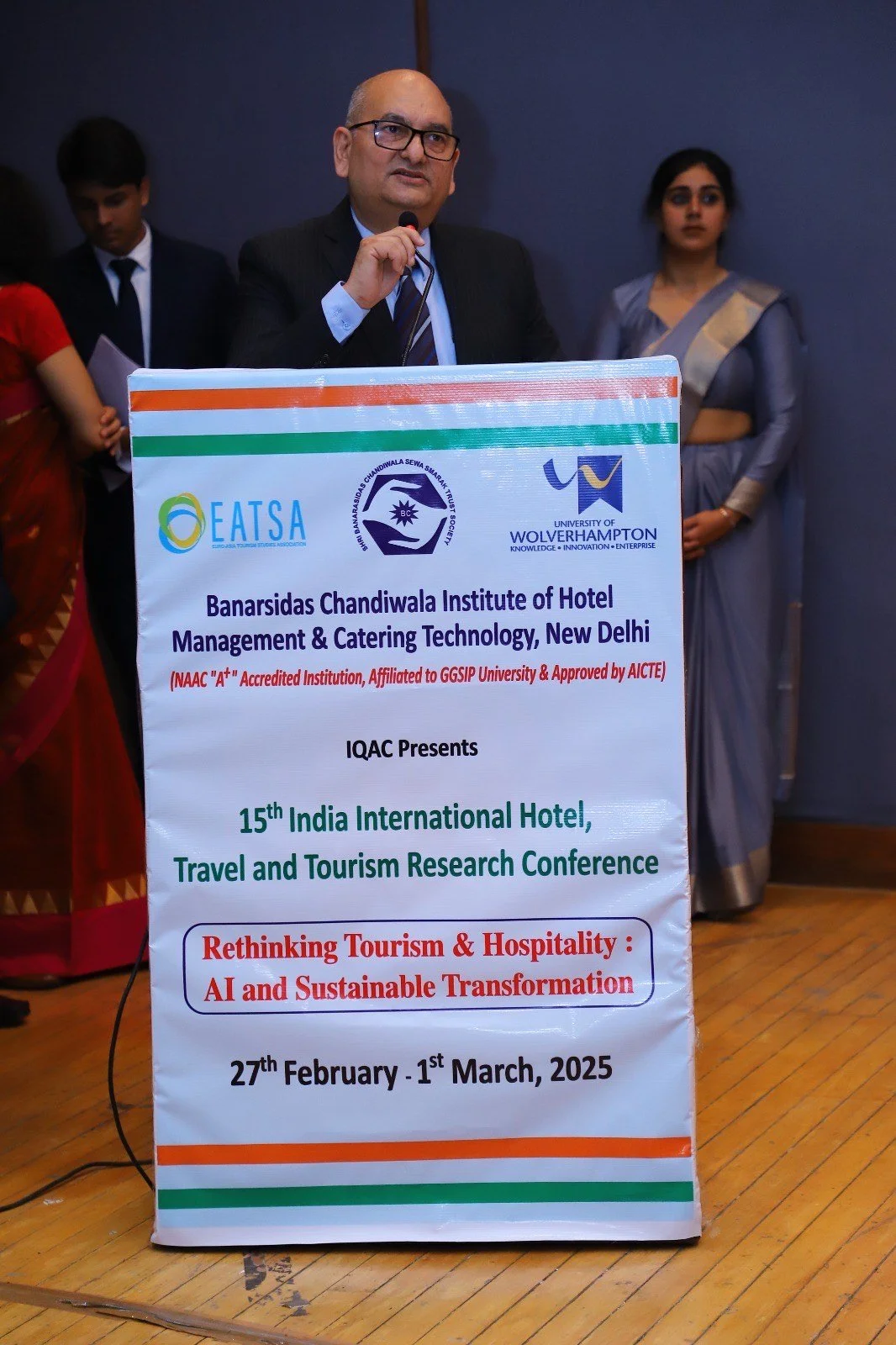
BCIHMCT Unveils 16th IIHTTRC-2026: Advancing Spiritual Tourism and Hospitality for a Peaceful World

The Banarsidas Chandiwala Institute of Hotel Management and Catering Technology (BCIHMCT) is proud to announce the 16th edition of the India International Hotel, Travel & Tourism Research Conference (IIHTTRC)-2026. The conference will be held on 26th and 27th February 2026 in hybrid mode.

The 2026 conference will explore the theme, “Healing Horizons: Integrating Spiritual Tourism & Indian Hospitality for Global Peace.” This theme reflects the growing global interest in spiritual tourism as a pathway to mental wellness, cultural enrichment, and global harmony. It emphasizes the unique role of Indian hospitality, rooted in the philosophy of “Atithi Devo Bhava,” in creating meaningful and transformative experiences for travelers while developing peace and mutual understanding.

The conference will provide an enriching platform for academicians, researchers, industry professionals, policymakers, and students to engage in discussions on the evolving role of spiritual tourism in the hospitality and tourism landscape. Key deliberations will focus on the integration of spiritual tourism with sustainable hospitality practices, wellness tourism, cultural heritage preservation, responsible tourism, and the contribution of hospitality in promoting global peace and well-being.

Participants can look forward to insightful keynote sessions, research paper presentations, panel discussions, and interactive forums led by distinguished experts from academia and industry. The conference will encourage innovative research, exchange of ideas, and collaborative dialogue on emerging trends and practices in hospitality and tourism.

Original research papers, case studies, and conceptual papers from academicians, researchers, and industry practitioners are invited. Selected quality papers will be considered for publication in the Indian Journal of Applied Hospitality & Tourism Research (ISSN 0975-4954), a peer-reviewed journal, and in an edited volume with ISBN.

Through IIHTTRC-2026, BCIHMCT continues its tradition of promoting academic excellence, research, and global knowledge exchange. The conference aims to create a meaningful platform to explore how spiritual tourism and Indian hospitality traditions can contribute to sustainable development, holistic well-being, and global peace.