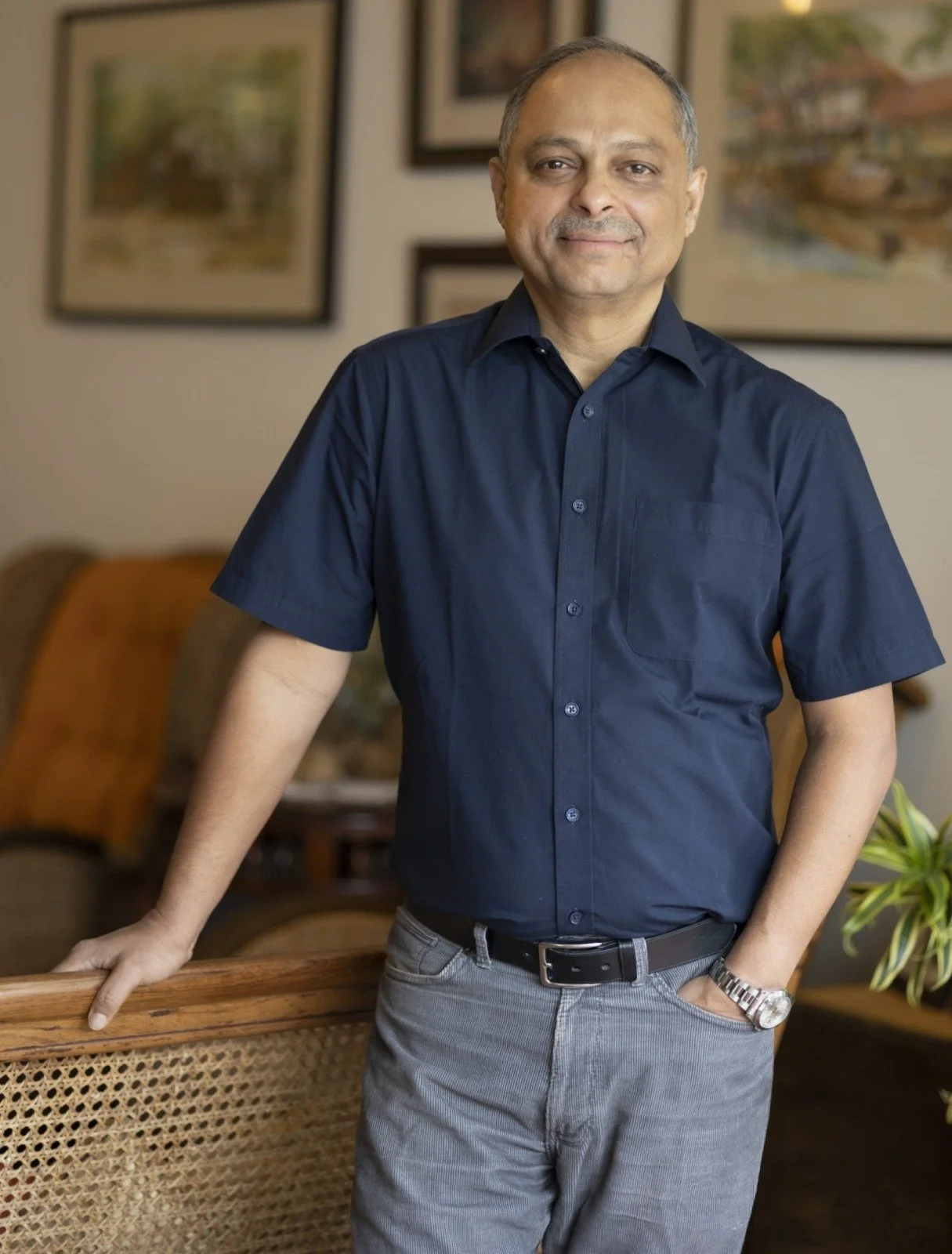
In Conversation | Professor Shivani Arora Khanna on her book Mindful Miles.

In her book Mindful Miles, Professor Shivani Arora Khanna reflects on journeys through sacred paths, small villages, and living cultures—where travel becomes less about visiting places and more about learning how to walk gently within them. We sat down with her to talk about the experiences, realizations, and deeper purpose behind the book.

Read More

Jaipur National University Sets Stage for India Book of Records – India’s Largest Millet Base Pizza

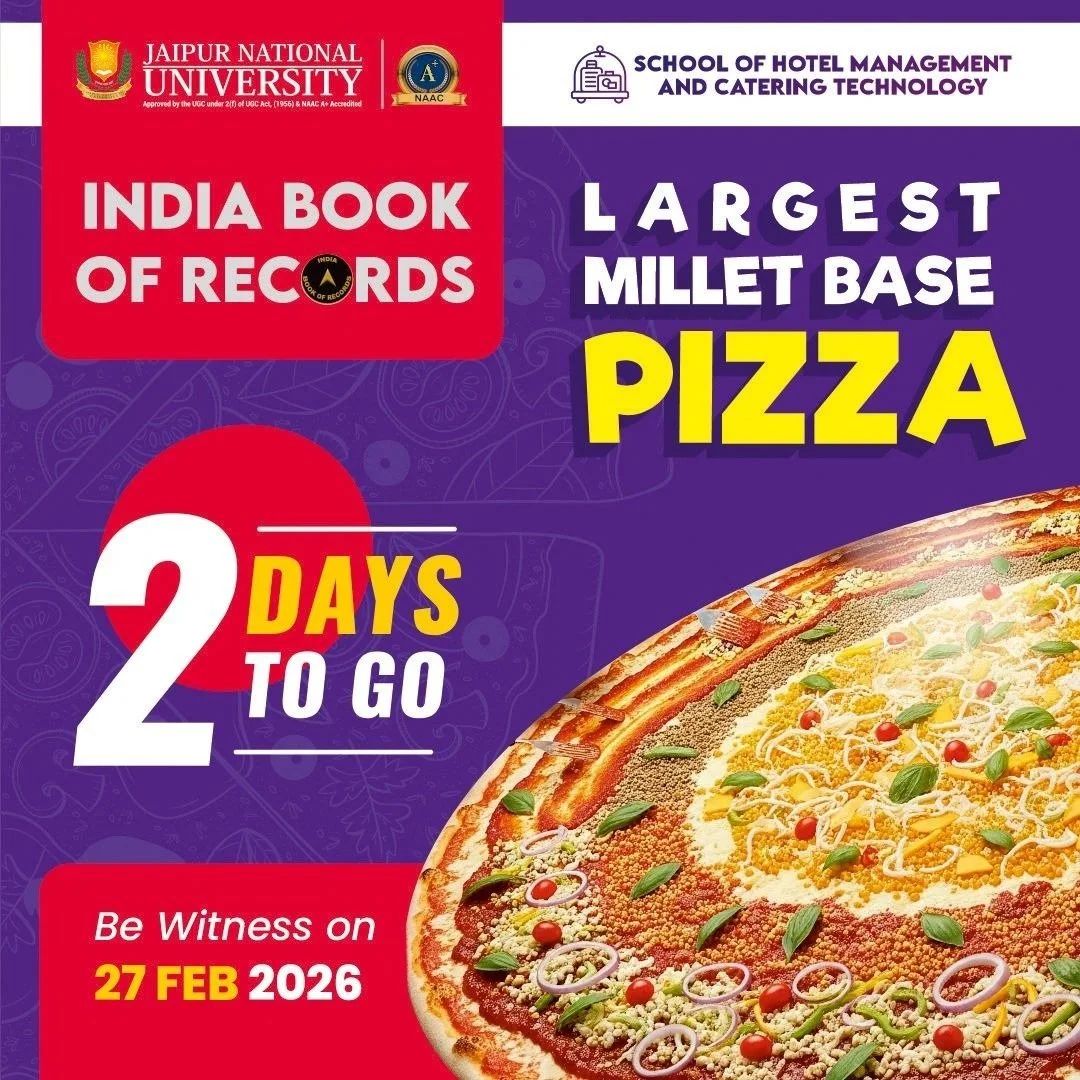
Jaipur National University is preparing to make history as its School of Hotel Management and Catering Technology attempts to set a record with India’s Largest Millet Base Pizza on 27th February 2026. The event, to be held at the SADTM JNU Campus, Admin Lawn, will showcase the nutritional benefits of millets while highlighting the creativity, teamwork, and culinary expertise of the university’s hospitality students.

The initiative is being guided by Hon’ble Chancellor Sandeep Bakshi, whose leadership continues to inspire innovative, practical learning. Under the dynamic direction of Dr. Sandip Tapkir, Director of the School of Hotel Management and Catering Technology, faculty and students are enthusiastically preparing for the mega event. The core culinary team includes Chef Jhinesh Rajoria, Chef Mandeep Singh, Chef Somy Gupta, Chef Anand Singh, and Chef Sanjay Saini, who are leading the planning and execution of this record-breaking attempt.

Supporting them is the event coordination team comprising Praveen Chaudhary, Garvit Bhardwaj, Rajkumar Badgurjar, Vikrant Meshram, Saket Dixit, and Shivam Sharma, ensuring smooth execution. The organizing team emphasized that the event is not only about setting a record but also about promoting sustainable food practices and encouraging students to think creatively on a grand scale.

The celebration is expected to witness enthusiastic participation from students, faculty members, and distinguished guests. With meticulous planning and collective effort, Jaipur National University is poised to achieve a remarkable milestone in culinary arts. Such initiatives reflect the university’s commitment to academic excellence, innovation, and holistic learning—blending tradition, nutrition, and professional skill development into one historic achievement.

Event Details:

  • Date: 27th February 2026

  • Time: 10:00 AM

  • Venue: SADTM JNU Campus, Admin Lawn, New RTO Road

BCIHMCT Unveils 16th IIHTTRC-2026: Advancing Spiritual Tourism and Hospitality for a Peaceful World

The Banarsidas Chandiwala Institute of Hotel Management and Catering Technology (BCIHMCT) is proud to announce the 16th edition of the India International Hotel, Travel & Tourism Research Conference (IIHTTRC)-2026. The conference will be held on 26th and 27th February 2026 in hybrid mode.

The 2026 conference will explore the theme, “Healing Horizons: Integrating Spiritual Tourism & Indian Hospitality for Global Peace.” This theme reflects the growing global interest in spiritual tourism as a pathway to mental wellness, cultural enrichment, and global harmony. It emphasizes the unique role of Indian hospitality, rooted in the philosophy of “Atithi Devo Bhava,” in creating meaningful and transformative experiences for travelers while developing peace and mutual understanding.

The conference will provide an enriching platform for academicians, researchers, industry professionals, policymakers, and students to engage in discussions on the evolving role of spiritual tourism in the hospitality and tourism landscape. Key deliberations will focus on the integration of spiritual tourism with sustainable hospitality practices, wellness tourism, cultural heritage preservation, responsible tourism, and the contribution of hospitality in promoting global peace and well-being.

Participants can look forward to insightful keynote sessions, research paper presentations, panel discussions, and interactive forums led by distinguished experts from academia and industry. The conference will encourage innovative research, exchange of ideas, and collaborative dialogue on emerging trends and practices in hospitality and tourism.

Original research papers, case studies, and conceptual papers from academicians, researchers, and industry practitioners are invited. Selected quality papers will be considered for publication in the Indian Journal of Applied Hospitality & Tourism Research (ISSN 0975-4954), a peer-reviewed journal, and in an edited volume with ISBN.

Through IIHTTRC-2026, BCIHMCT continues its tradition of promoting academic excellence, research, and global knowledge exchange. The conference aims to create a meaningful platform to explore how spiritual tourism and Indian hospitality traditions can contribute to sustainable development, holistic well-being, and global peace.

IHM Ranchi Hosts Wellness & Mindfulness Expert Session for Student

Institute of Hotel Management (IHM) Ranchi organized a special “Wellness & Mindfulness” workshop for students, led by Mrs. Sweta Verma Rawat, Founder of Soul Seedlings and a mental health professional working in the areas of emotional well-being and life skills development. The session aimed to help students maintain mental balance, build emotional resilience, and develop self-awareness while managing academic and professional pressures. Meditation was introduced as a practical life skill rather than only a spiritual practice.

During the session, Mrs. Rawat highlighted the common challenges faced by hospitality students, including placement pressure, internship stress, emotional fatigue, and performance anxiety. She emphasized that professional excellence is achieved not only through technical skills but also through emotional intelligence, inner stability, and self-awareness.

During session students participated in a guided breathing-based mindfulness exercise designed to enhance mental clarity, focus, and calmness—skills especially useful during interviews, internships, kitchen operations, front office duties, and long working hours. She noted that hospitality professionals must learn to care for their inner well-being while serving others.

The workshop received an enthusiastic response from both students and faculty.
Dr. Bhupesh Kumar, Principal, IHM Ranchi, stated that in today’s competitive environment, integrating mental health awareness, emotional resilience, and mindfulness into daily life is essential for students’ overall development.

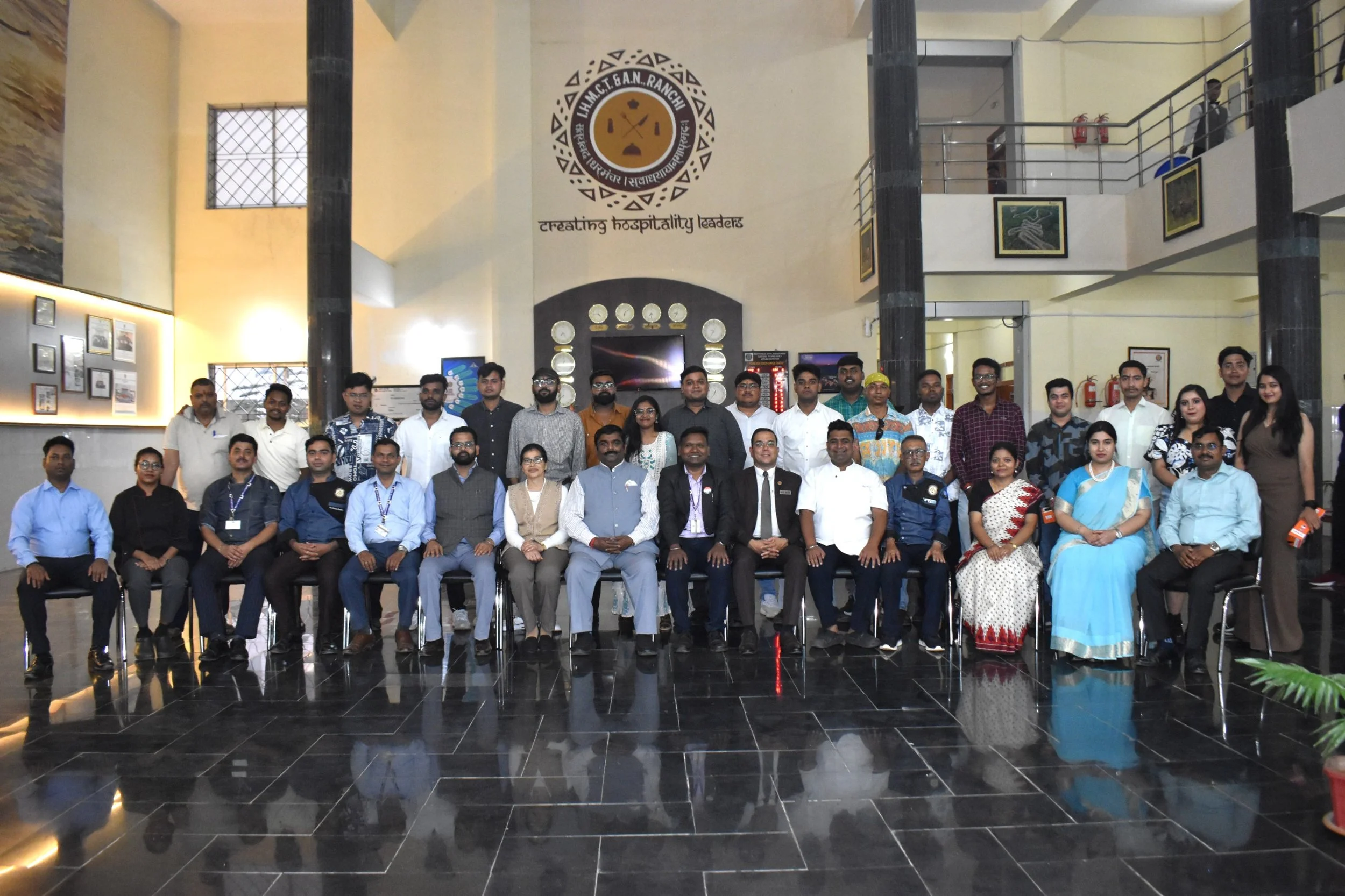
Lighting the Flame for the Future: IHM Ranchi Welcomes the Batch of 2025–26

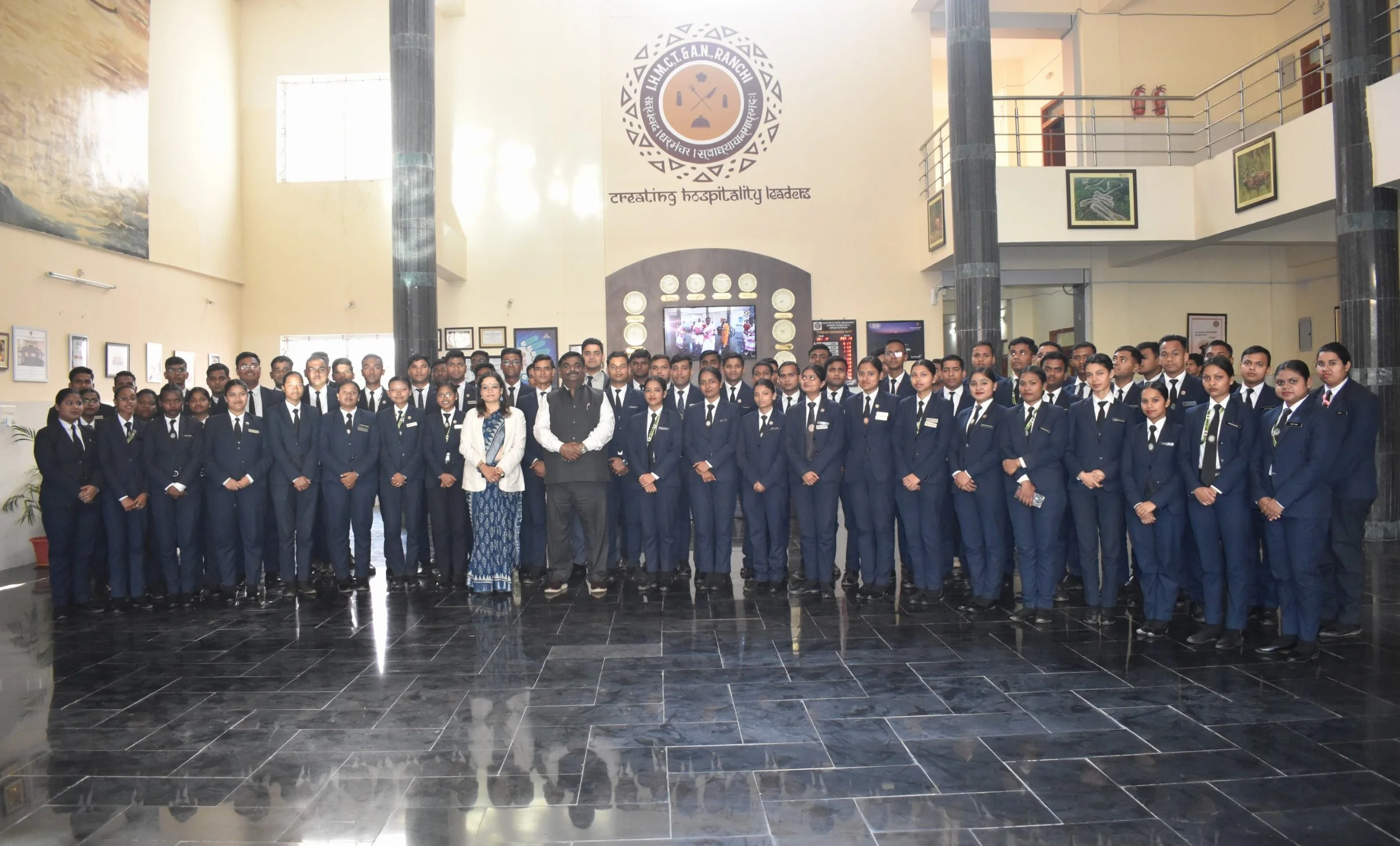
With tradition, pride, and purpose, the Institute of Hotel Management (IHM), Ranchi rolled out a spirited welcome to its new B.Sc. H&HA students — the batch of 2025–26 — in a grand orientation ceremony that celebrated both heritage and ambition.

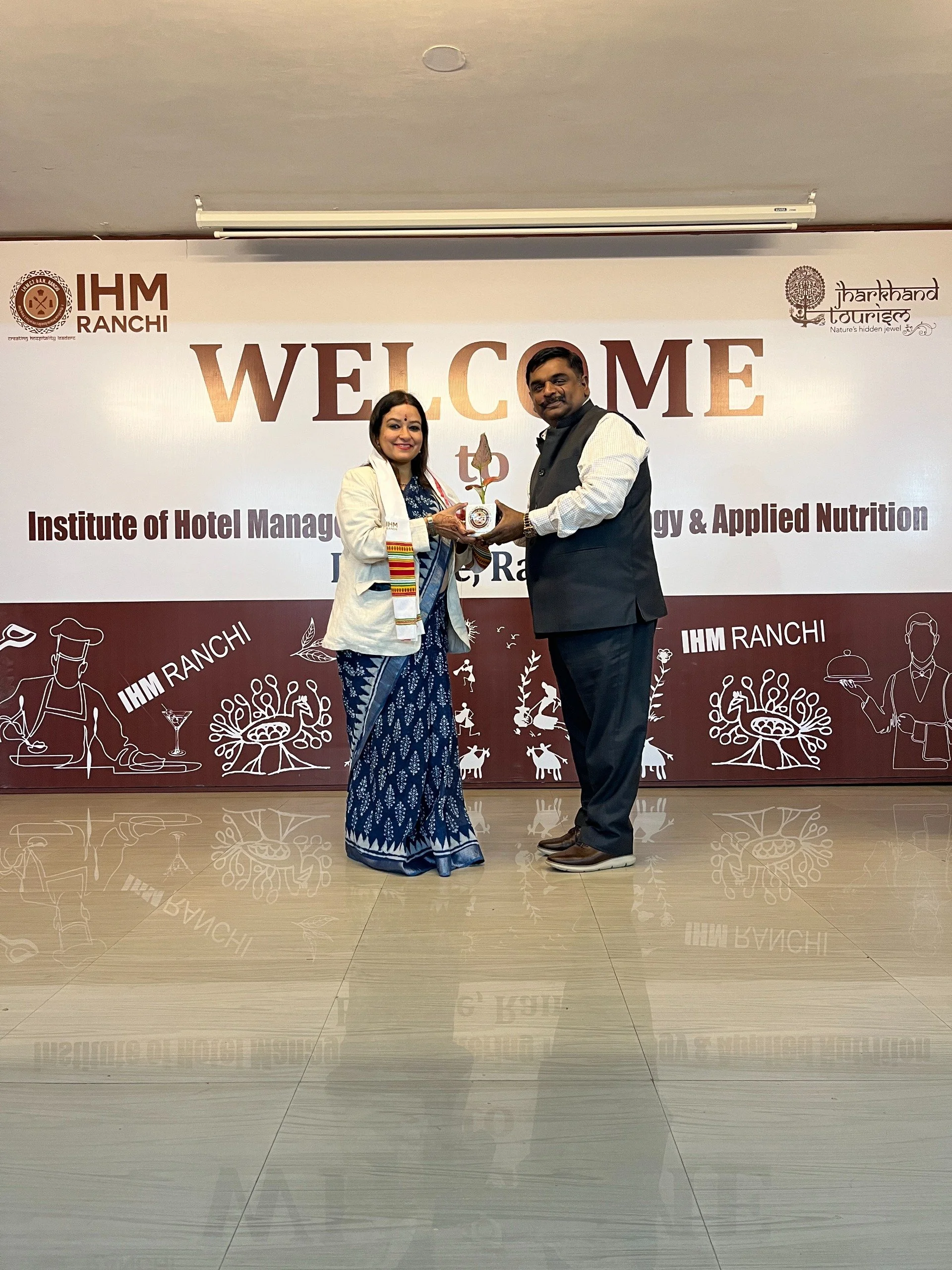
The day began on a reverent note with a Gayatri Havan, setting a tone of positivity across the campus. This was followed by the ceremonial lighting of the lamp by Ms. Jadhav Vijaya Narayan Rao, Director, Department of Tourism, Government of Jharkhand, who graced the event as Chief Guest. Joining her were Mr. Sahil Kapoor, Managing Director of Lemon Tree Hotels, Ranchi, and Dr. Bhupesh Kumar, Principal of IHM Ranchi, along with student leaders Mr. Mihir Ghosh (Student Representative President) and Mr. Aditya Kumar Singh, acting as General Manager of Hotel IHM Ranchi.

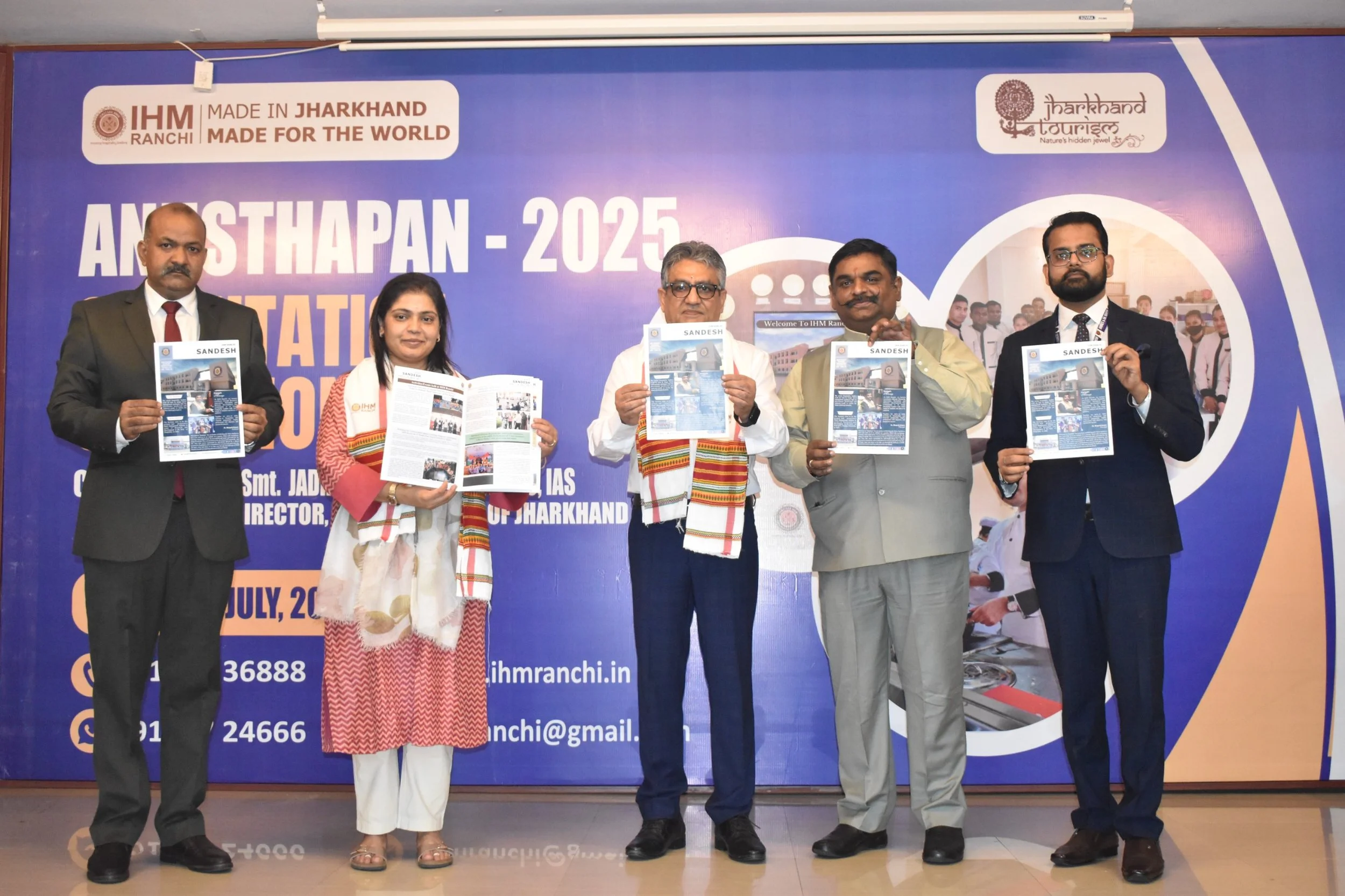
Cultural richness met student energy as performances like Ganesh Vandana and Jharkhand’s traditional Jhumar dance showcased the region’s artistic legacy. The dignitaries also unveiled the latest edition of the institute’s magazine, “Sandesh”, marking a proud moment for the student editorial team.

In her keynote address, Ms. Rao encouraged the students to step into hospitality with discipline, humility, and adaptability, underlining the sector’s vital role in economic development and tourism. “The hospitality industry is not just a career — it's a calling,” she said, urging the new batch to see themselves as future brand ambassadors of Indian hospitality.

Mr. Sahil Kapoor brought in industry wisdom with a motivating message: “Dream big and stay limitless.” Drawing from his own journey, he emphasized ambition, resilience, and the importance of thinking beyond boundaries.

Welcoming the students into the IHM family, Principal Dr. Bhupesh Kumar highlighted the institute’s commitment to shaping not just professionals, but also responsible, value-driven citizens. He shared success stories of alumni, along with insights into the academic calendar, training modules, and evolving career opportunities.

The orientation also included detailed briefings by committee heads on academic departments, internships, placements, and institutional policies — ensuring that students had a strong footing to begin their journey.

The event concluded with a vote of thanks by Mr. Mihir Ghosh, rounding off a day filled with pride, inspiration, and the unmistakable spark of potential.

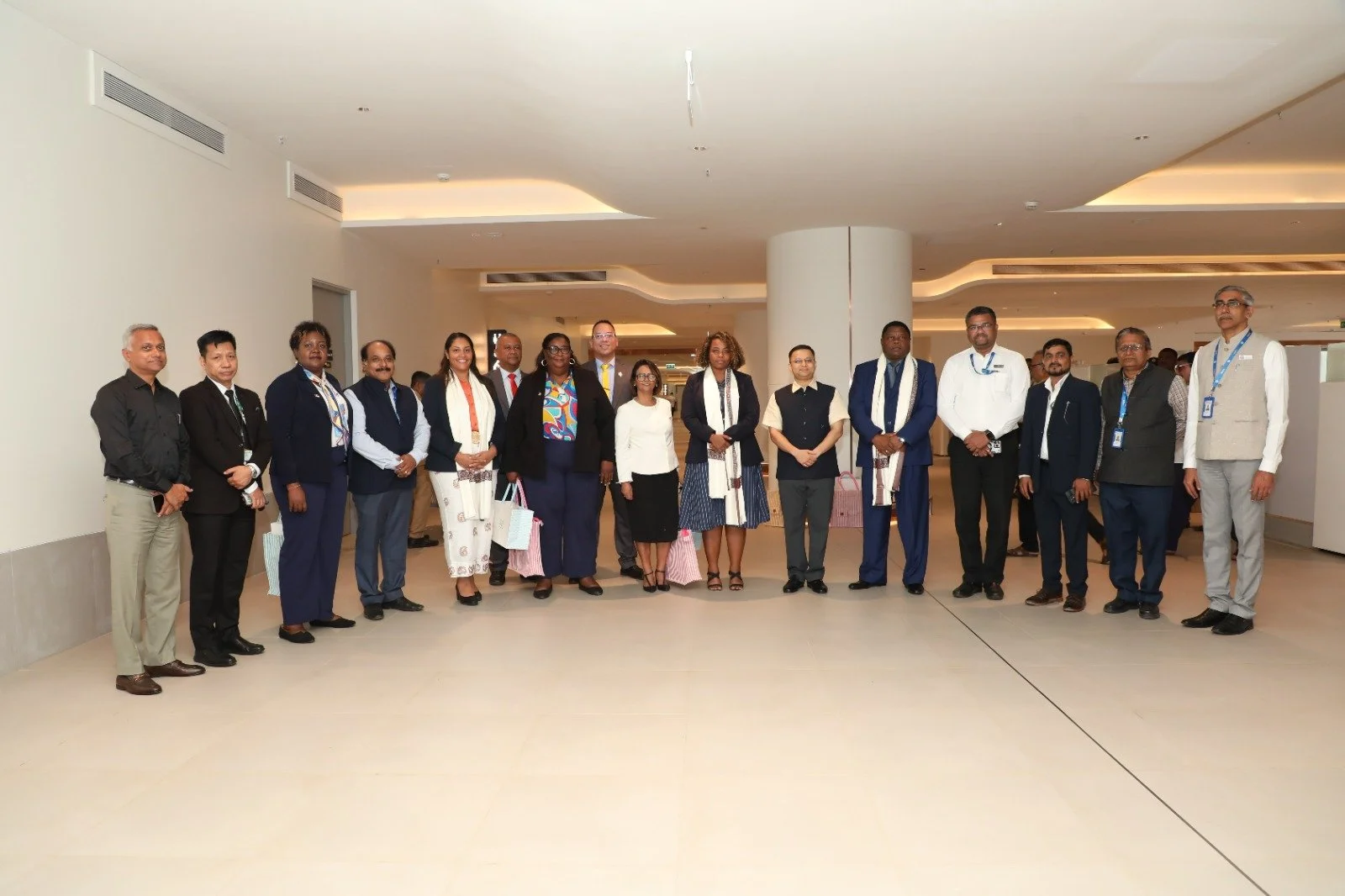
BCIHMCT Strengthens Strategic Ties with IHCL Through Collaborative Visit to Taj Mahal Hotel, New Delhi

In a move that signals a deepening partnership between academia and industry, a delegation from the Banarsidas Chandiwala Institute of Hotel Management and Catering Technology (BCIHMCT) recently visited the iconic Taj Mahal Hotel in New Delhi. The visit came at the personal invitation of Mr. Tuhar Abrol, Director of Learning & Development for the IHCL Group’s Delhi NCR L&D Hub.

Hosted by Dr. Anmol Ahluwalia, Area Director – Operations and General Manager, alongside Mr. Abrol and Ms. Paramjeet Dias, Learning & Development Manager, the BCIHMCT team was given a firsthand look at the hotel’s recent renovations and engaged in a series of forward-looking discussions aimed at aligning educational outcomes with evolving industry needs.

The visit served as a springboard for exploring collaborative opportunities that can prepare students for the future of hospitality. Key among the discussions was the proposal by Prof. R.K. Bhandari, who introduced the institute’s “Chandiwala Cocreation Lab” — an initiative focused on innovation, research, CSR, and co-hosted events. He invited IHCL to join hands in shaping projects across a range of areas including incubation, knowledge sharing, and talent development.

Dr. Ahluwalia brought attention to the importance of inclusive employment practices, advocating for skill training programs tailored for individuals with physical challenges, with an eye toward integrating them more effectively into the hospitality workforce.

The meeting concluded with a moment of pride for the institute as Dr. Ahluwalia acknowledged the contributions of BCIHMCT students currently undergoing industrial training at the hotel, specifically naming Mr. Tushar Manchanda, Ms. Soumya Ahuja, and Mr. Yashit Goyal.

This visit marks another step forward in the growing collaboration between BCIHMCT and the IHCL Group, reinforcing a shared mission to develop future-ready professionals equipped to thrive in a dynamic and inclusive hospitality landscape.

Role Of Being An Educator In Today’s Times!!!Article By: Dr. Kaviraj Khialani- Celebrity Master Chef

EDUCATOR: is one such strong word which comes with a lot of impressions and mindset which would typically stand for disciplined approach towards sharing of knowledge & imparting of skills & brushing up on the talent updates in any field that it may apply to. Though teaching & educating has always been regarded as one of the most noble professions out of all it comes with a lot of pros and cons as well which we need to look at over a period of time and have to adapt- adjust & apply the needed changes as well with times of change.

Let me express my views when it comes to defining an educator:

E – Expressive

D- Determined.

U- Understanding.

C- Consistent

A-Admirable

T- Tolerant

O- Observant

R- Restorable


Education from school was always very enchanting for most of us and while some have very good memories of school time with friends and mates of those times, some of us are still in touch with school time friends and often meet and look back in times and speak about how we were then and now, the change elements with time in life and its impact as well from personal to professional lives.

I somehow didn’t like maths during school times and would somehow manage to pass the number game and move on to the next grade, though my overall numbers would be pretty good and high on the whole. The fact that I wanted to develop myself in the said subject I opted for private tutions as well at home to enhance by know how and mathematics skills, collaborated with a gold medalist maths teacher who came down to teach me for an hour three times a week during early hours of the evening after having a post lunch power nap.the expectations she had about me and her subject expertise didn’t somehow match on the number grid and her way of teaching would not gel with me, she would expect me to pick things up on a high speed level and for me it would need sometime to get used to it. Tried adjusting with her for a few days and finally decided to give it up and I somehow managed the guts to tell her on the face that she didn’t know how to teach! It left her furious and razed up but I couldn’t manage it somehow so had to give it a break from the gold medal angle to a self-study angle. The moral of this example is that you may have a bucket full of knowledge with you but if you do not use it mug by mug or little by little and use it effectively in the benefit of someone it would be a waste.

I came across many such instances where people thought they knew a lot and when it came to prove themselves it was a game over session. Even while I am writing this article right now it is taking me back into memory lane where even during my 10th standard exams I had a support system of coaching in maths it was a struggle period for me to get over it and finally come out clean with shining colors. 

These instances since childhood were also some of the reasons I chose to be into teaching and training in my area of expertise. The observations since then and knowledge gained over the years helped me to be a better person and brought out the best from within me to come out as a shining star- best teacher- outstanding trainer and filled up my caps with a lot many feathers associated with teaching and sharing of knowledge from certifications to national awards and more.

Experience is the best teacher in life! Is something we all agree with but my aspect would be to check on whether you have been a good student as well over the years to learn from your mistakes. While some don’t agree with this some say let it be…life goes on! For me the best part of life is that it goes on as well as gets more rocking with time. We all come across funny- fancy & fussy people in life who are around us to make a point, to judge us and to make us feel vulnerable too at times! But the educational learning we must pick from here is that we need to be rock hard- consistent and powerful enough to make life more valued and worth living. 

Some of the essentials ideally needed or should possess by an Educator would be as below:

K Y C: KNOW YOUR CONTENT – while being into educating minds it is important not to have too many cooks spoiling the broth but to rather have one pot which dishes out a perfect dish once prepared properly step by step using the correct list of ingredients. As teachers we need to bear this in mind that social media has today taken a great toll on all of us and we should ensure that our facts & figures are realistic & apt.


B A D: BE ABLE to DELIVER – it is important for any educator or teacher/trainer to ensure that he/she has the basic essentials needed which is a flair for delivery. It is the first stage towards being successful that whether or not the audience/ students are able to understand you what you want to say or does it leave them in doldrums- doubts and confusions. I have often evaluated people those who wish to get into education line but themselves are not even clear with their dialogue delivery and self-introduction too at times.


H L O: HAVE LEARNING OUTCOMES-Education without a purpose is like a biryani without masala! So lets get this right and correctly put here that we need to be completely sure of what we are going to teach our audience, be it a practical demo of a French recipe from scratch or from delivering a seminar on how to get selected in an interview and get your desired dream job! The outcomes should be laid down at the start enabling the crowd to understand and see how to get there and what can go wrong as well all along the way and road to success. 

 W O W : WORDS OFFER WISDOM – an educator should be well aware of his context of words and the kind of vocabulary as well which needs to be used effectively while delivering the topic or presenting a demo or even addressing a seminar or a webinar. The choice here needs to be influencing, impressing, and also inculcating the thought and need to continue listening to the speaker. A lot of teachers do not make the best use of this quality that words offer wisdom, it should spark something interesting in the minds of the audience and they should feel like being there for your next session as well, they should want to be present in every class of yours in order to absorb, get motivated and take the best from you when it comes to knowledge- skills and abilities. An educator should always bear in mind that the listener is one who not only wants to benefit by being in your session but also wants to feel the change, be the change for the future.


E S I : EXPRESS – SHARE & INSTILL – students look up to their teachers and educators in a number of ways. Firstly it is the first impression which is created, the body language, the dressing, the approach, the eye contact, the smile, the voice- tone – pitch everything matters so much here! We are judged in matter of seconds by our audience be it the way we carry ourselves, our shoes, our hairstyle, the way we introduce ourself etc. Second factor that also plays a role here is that preparedness of the educator for the session be it theory or practical. Besides the tutorial being shared it is also how we do every bit of it, the thoughts we express, the way we share our inputs and what qualities we want to instil in the students also matters. For instance, in my sessions, I often observed students getting more conscious about their outlook, smart appearance, smarter way of expressing and sharing their points and overall instilling sense of punctuality and discipline in their outlook which is the need of the hospitality industry.

R A C: REVISE- ASSESS- CONFIRM- the very fact that an educator must keep in mind that all five fingers cannot be same- a universal truth, therefore not every student in the class will understand everything at one go. It has to be an on-going process by constantly revising stuffs, the topics done last time in class should be randomly taken up again and the ones who don’t seem to be very confident on the same should be made to speak, if not correct they would now ensure that they need to get it right. So therefore, assessing of our students in class is very important. I often indulge in cross revising as well which means practical menus being revised in theory class and theory facts and definitions being revised in practical briefings as well. It really works well in my training sessions as students are prepared at all times with the revision aspect with makes them retain things for a long time.


A M P : APPRECIATE – MOTIVATE & PREPARE- the very fact that our hospitality industry is very competitive and analysing types it is very important for educators to let the students know that the real-time world is a different one altogether as compared to college life. As hospitality educators we need to acknowledge the efforts put in by the students and appreciate them in a way that makes them do even better. They need to be motivated at all times in order to have their mind working on better things to do and moving ahead in a positive direction to make a great career. Be it interviews or exams an educator needs to ensure that the students know it all and are able to grasp as much as possible from our side. Sharing of content- notes- ppts- information and facts must be done by all on a regular basis. At times there will be some issues which may pop up but doesn’t mean that we are here to give up anytime soon!


On a concluding note: being stern, being strict and being sensitive towards tolerance doesn’t mean that we are not in favour of the world becoming a better place to live in! it is just that some of us have our own way of looking at things and that isn’t a crime. We all know that educating the minds of tomorrow raising the levels of perfection too and also ensuring that everything falls in place. Time management- work management- self management, space management, resource management you name it all. Overall, a candidate needs to feel accomplished and contended that he/she made the right choice and feels confident enough to face the challenges of the real work in a very smart way!


----------------------------------------------------------------------------


Glion drops a new Executive Master’s to shape the next-gen hospitality leaders

Glion drops a new Executive Master’s to shape the next-gen hospitality leaders

Glion Institute of Higher Education just entered its executive era. The globally respected Swiss institution has launched its Executive Master of Advanced Studies in Hospitality and Business Leadership — a high-impact, 12-month program crafted for professionals ready to level up and lead the future of global hospitality.

This part-time power move blends flexible online learning with an immersive, on-campus week in Switzerland — serving up strategy, innovation, and real-world skills on a silver platter. Ideal for rising managers, entrepreneurs, career shifters, and seasoned pros looking to get legit leadership credentials, this Master’s is all about real growth, not just resume sparkle.

Designed for execs, not textbooks

Over four deep-dive modules, learners will explore topics like disruptive business models, sustainability, corporate finance, digital marketing, and org transformation. You’ll be learning with — and from — an international peer group, while balancing a full-time role. The chef’s kiss? A final Business Research Project that ties it all back to your career goals.

“This isn’t your average Master’s,” says Dr. Antonina Santalova, Academic Dean. “It’s intensive, flexible, and designed to spark transformation — whether you’re climbing the ladder or building your own.”

The Montreux campus Residential Week brings it all to life with hands-on workshops, industry visits, and the kind of networking you actually want to do.

For the bold, the curious, and the global

This Executive Master welcomes ambitious humans from all walks — mid-career managers, entrepreneurs, and even professionals from outside the hospitality scene who are eyeing a smart pivot. The program brings together people who want to lead across cultures, sectors, and industries — all while earning a credential worth 60 ECTS (30 US credits).

Applications? Open. Your move.

The first cohort kicks off on 24 November 2025. If you’re ready to invest in the future you actually want, this might be your sign.

🔗 glion.edu

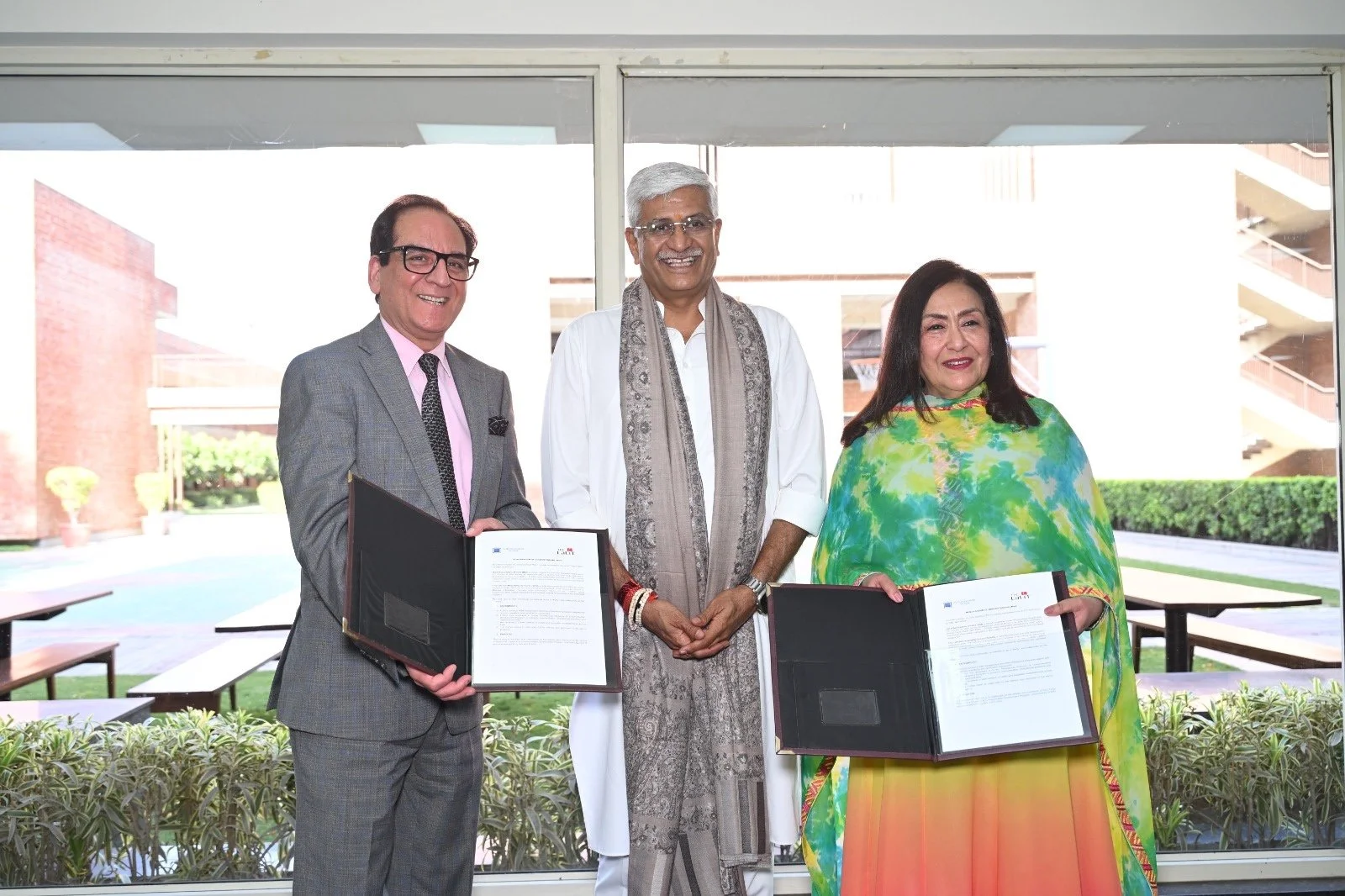
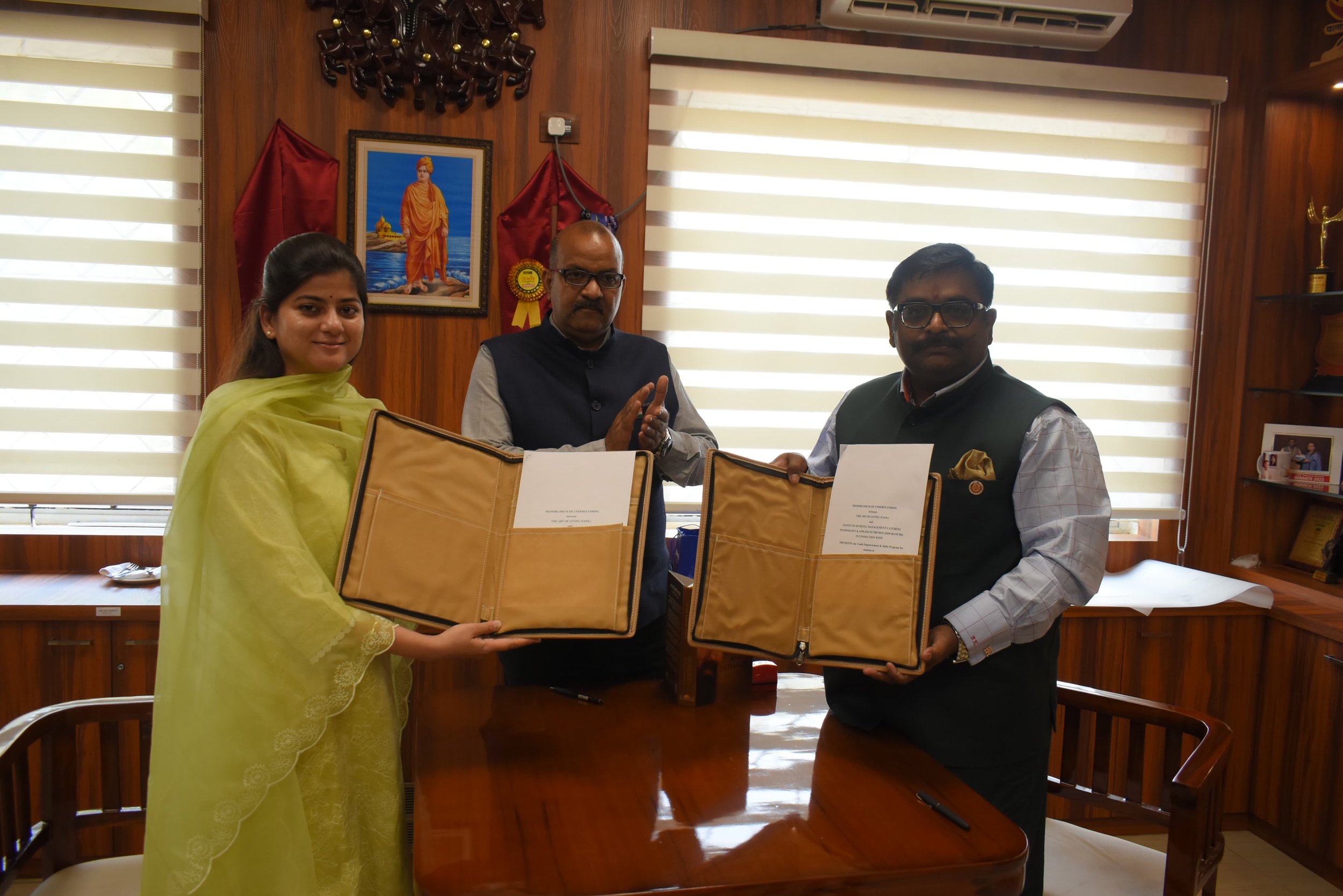
MoU Signed Between IHM Ranchi and The Art of Living to Provide Youth Empowerment and Skill Development Programs for Students

A Memorandum of Understanding (MoU) has been signed between the Institute of Hotel Management (IHM), Ranchi, and The Art of Living (TAOL) to provide youth empowerment and skill development programs for students. The primary objective of this MoU is to establish a collaborative partnership between IHM Ranchi and The Art of Living in order to promote health, awareness, and stress management practices among students.

The initiative also aims to train students in aspects related to “Art of Etiquette,” enabling them to receive holistic, multidisciplinary, and value-based education through TAOL’s well-tested and proven student development programs. This collaboration is designed to foster the integrated development of all human faculties—intellectual, aesthetic, social, physical, emotional, and moral.

Present on the occasion were Dr. Bhupesh Kumar, Principal of IHM Ranchi; Dr. Alok Aswal, Head of Department, IHM Ranchi; and Mrs. Riya Tyal.

Dr. Bhupesh Kumar, Principal of IHM Ranchi, stated that in today’s highly competitive era, technical and professional competence alone is not sufficient. A student’s holistic development—mental balance, self-awareness, commitment to ethical values, and sensitivity towards society—is what truly shapes a successful and well-rounded individual. He further emphasized that this agreement between IHM Ranchi and The Art of Living will serve as a powerful step in that direction. It will not only strengthen the students’ inner confidence but also inspire them to become better human beings, embodying the values of service, leadership, and compassion.

“Our institution has always viewed education not merely as an academic process, but as a continuous journey of life-building,” he said. “By collaborating with a globally active organization like The Art of Living, we are making this journey even more meaningful and impactful.”

The Art of Living is a charitable trust that is bringing transformation across India through its various programs. It implements a wide range of service projects aimed at uplifting and empowering individuals, families, and communities so that the full potential of human life can be realized. Its mission is to help people—both in urban and rural India—lead stress-free lives and empower them to become agents of change, working towards reducing poverty, suffering, and disease even at the grassroots level.

The Lalit Suri Hospitality School and Chef Ritu Dalmia Collaborate to Launch the European Culinary Excellence Program

Mumbai March 2025: The Lalit Suri Hospitality School, in line with The Lalit Group’s ongoing commitment to inclusivity and skill development, has announced a collaboration with renowned chef and restaurateur Ritu Dalmia to introduce the European Culinary Excellence Program—a transformative 10-week European culinary training. This initiative aims to foster an inclusive learning environment by providing aspiring chefs, including LGBTQIA+ students and individuals from underprivileged backgrounds, with access to world-class training.

The program will bring together 15 students from The Lalit Suri Hospitality School and 7 individuals from marginalized communities, 3 students from DIVA and 5 participants from the open category equipping them with hands-on experience in European and Italian cuisine. Participants will explore the historical and cultural influences that have shaped these cuisines while mastering classic recipes such as handmade pasta, risottos, gnocchi, breads, pastries, and desserts like tiramisu. Under the expert guidance of Chef Ritu Dalmia and her team, students will also gain essential technical skills, including knife techniques, sauce-making, and plating artistry.

Speaking about the collaboration, Chef Ritu Dalmia shared: "I am thrilled to partner with The Lalit Suri Hospitality School. Giving back to society is important, and the least I can do is share my knowledge and experience with young aspiring chefs. Over the past 32 years, I have learned so much, and I hope that this program will help shape future culinary stars who will make us all proud."

Rahul Ahuja, Principal, The Lalit Suri Hospitality School, emphasized the program’s broader vision:
"At The Lalit Suri Hospitality School, we are committed to fostering talent through meaningful learning experiences. The Culinary Excellence Program is another step towards promoting inclusivity in the hospitality industry. Under the mentorship of Chef Ritu Dalmia, students will not only develop culinary expertise but also gain a deeper appreciation for diverse European food cultures."

The European Culinary Excellence Program embodies The Lalit Suri Hospitality Group’s unwavering commitment to nurturing talent, redefining culinary excellence in hospitality education, and driving empowerment through world-class skill development

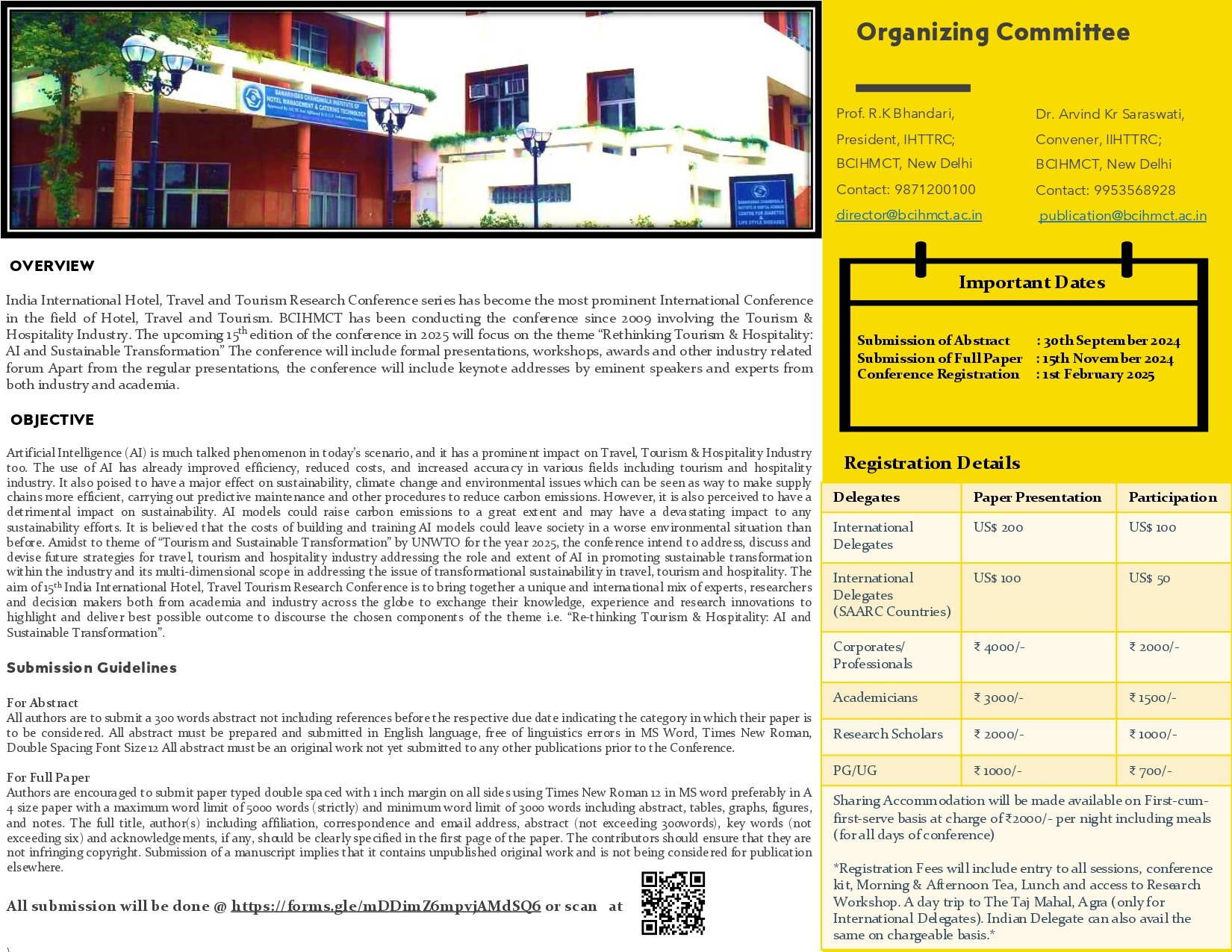
15th India International Hotel, Travel & Tourism Research Conference: Rethinking Tourism & Hospitality through AI and Sustainable Transformation

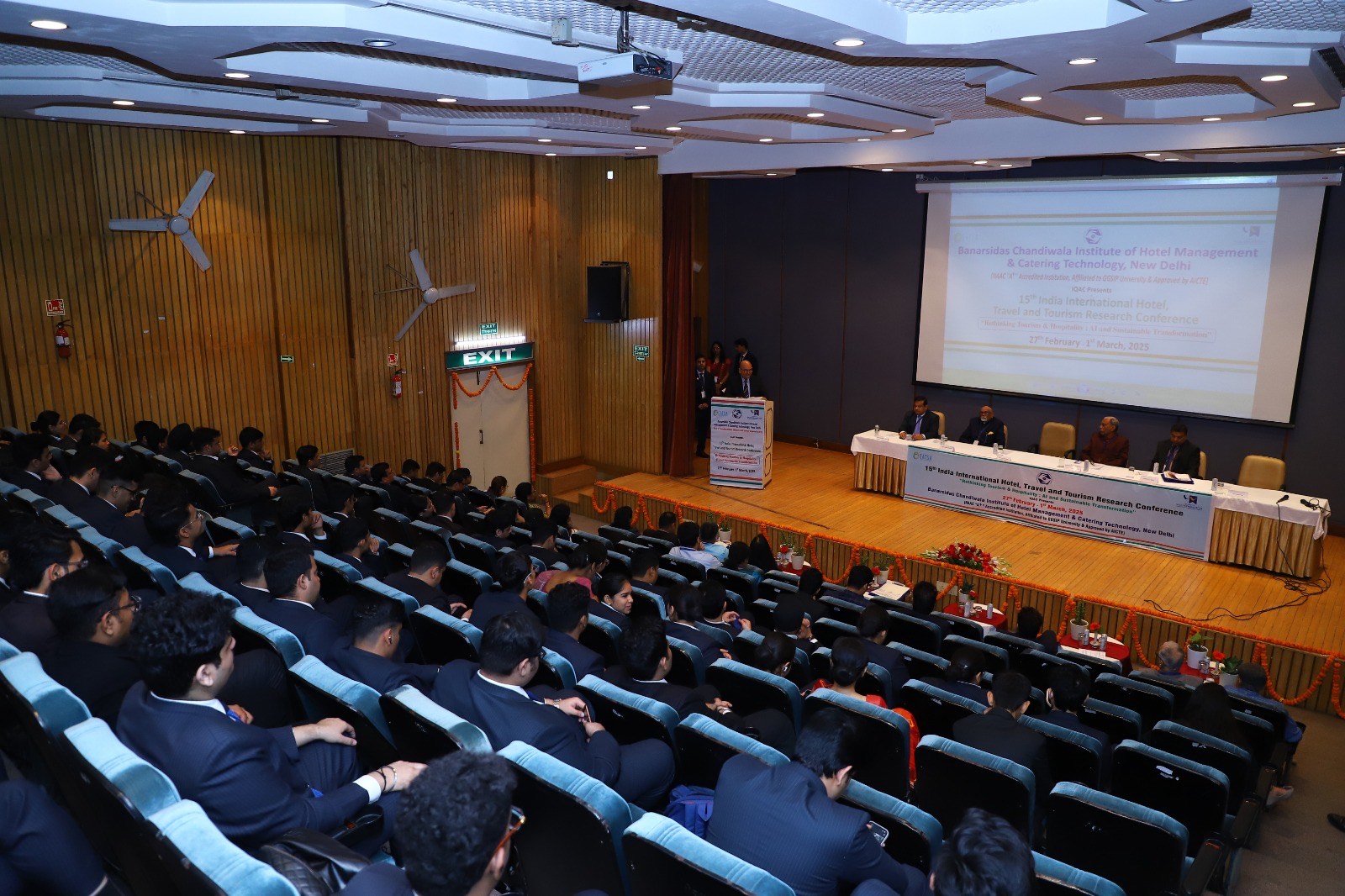
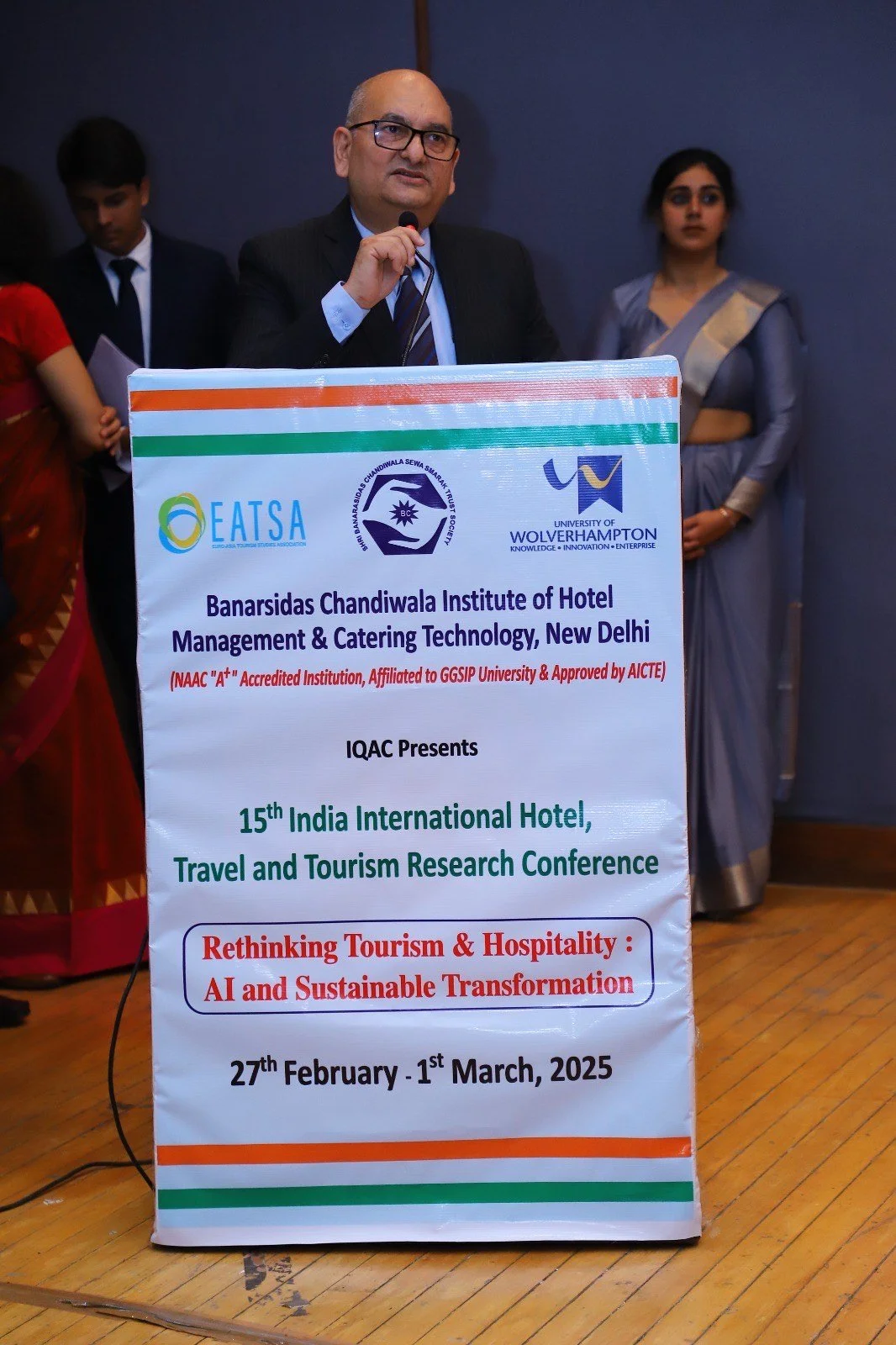
The Banarsidas Chandiwala Institute of Hotel Management & Catering Technology (BCIHMCT) is proud to announce the 15th edition of the India International Hotel, Travel & Tourism Research Conference (IIHTTRC), scheduled to take place from February 27 to March 1, 2025.

The IIHTTRC series has consistently provided a valuable platform for exploring global trends, fostering innovation, and shaping the future of the hospitality and tourism sectors.

The 2025 conference will focus on the theme “Rethinking Tourism & Hospitality: AI and Sustainable Transformation.” in alignment with the United Nations World Tourism Organization’s (UNWTO) 2025 theme of “ Tourism and Sustainable Transformation,” the event aims to explore the transformative potential of Artificial Intelligence (AI) in reshaping the future of the hospitality and tourism sectors. This conference provides a valuable opportunity to examine the role of AI in promoting sustainable transformation within the travel, tourism, and hospitality sectors. It will address the multi-dimensional challenges and opportunities associated with transformational sustainability and will bring together experts, researchers, and industry professionals from around the globe to exchange insights and propose innovative strategies.

Participants can look forward to a range of activities, including formal research presentations, workshops, interactive forums, keynote addresses by eminent speakers from academia and industry, and award ceremonies recognizing excellence in research and innovation. The event will serve as a platform for knowledge sharing, fostering collaboration, and highlighting the latest trends and advancements in the field.

Original research articles, case studies, and papers from academicians, practitioners, and policymakers are invited to contribute to the conference’s discourse. Selected quality papers will be published in the “Indian Journal of Applied Hospitality Tourism Research” (Volume 17, ISSN 0975-4954), an annual peer-reviewed open-access journal indexed in UGC CARE. Additionally, selected papers will be included in an ISBN-edited book titled “Re-thinking Tourism & Hospitality: AI and Sustainable Transformation.”

BCIHMCT, a NAAC A+ accredited institution affiliated with Guru Gobind Singh Indraprastha University, Delhi, continues to demonstrate its leadership in academic excellence and industry collaboration.

Ingredient Ideology | Farm To Fork Trend In The Culinary Business, By: Dr. Kaviraj Khialani- Celebrity Master Chef.

Introduction To Trends In The Food Business Post Covid. 

In the wake of the COVID-19 pandemic, the food business has witnessed several noteworthy trends. Online food delivery and takeout services have surged, with consumers increasingly embracing the convenience of ordering food from their smartphones. Contactless dining has become a norm, characterized by QR code menus and mobile payment options, offering a safer and more efficient dining experience. Health and wellness have gained prominence, leading to a heightened demand for healthier and more transparent food choices, including plant-based and functional foods. The focus on local sourcing and sustainability has grown, as consumers seek locally-produced and eco-friendly food products. Automation and robotics are being adopted to address labor shortages, and culinary innovation is flourishing with the introduction of unique menu items, inspired by the need to stand out in a competitive market. These trends are shaping the post-COVID food business, emphasizing adaptability and a commitment to meeting evolving consumer demands.


WHAT IS FARM TO FORK CONCEPT?

The "farm to fork" concept, often referred to as "farm to table," is a holistic approach to food production, distribution, and consumption that emphasizes the traceability and transparency of the food supply chain. This concept aims to ensure that food is sourced, produced, processed, and delivered to consumers with minimal intermediaries and maximum freshness. It promotes sustainability, reduces food miles (the distance food travels from its source to consumers), and fosters a connection between consumers and the origins of their food.

Key components of the Farm to Fork concept include:

Local Sourcing: Prioritizing food sourced from nearby farms and producers, which reduces transportation and supports local economies.

Sustainability: Promoting environmentally friendly and responsible farming and food production practices, such as organic farming and reduced pesticide use.

Transparency: Providing consumers with information about the origins of their food, including the location of farms, production methods, and potential certifications (e.g., organic or fair trade).

Seasonality: Encouraging the consumption of foods that are in season, which is both environmentally sustainable and often more flavorful.

Shorter Supply Chains: Reducing the number of intermediaries between producers and consumers, which can lower costs and improve food safety.

Quality and Freshness: Prioritizing the delivery of fresh, high-quality products to consumers, which can enhance flavor and nutritional value.

The farm to fork concept not only supports local agriculture and sustainable practices but also fosters a deeper connection between consumers and their food sources. It empowers consumers to make informed choices about the food they consume and contributes to a more sustainable and resilient food system.


WHAT ARE THE MINUS POINTS OF FARM TO FORK CONCEPT.

The Farm to Fork concept is a European Union (EU) initiative aimed at creating a more sustainable and environmentally friendly food system. While it has several potential benefits, it also has its critics, who point out some of its potential drawbacks and challenges:

Economic Concerns: Critics argue that the Farm to Fork strategy could lead to increased production costs for farmers due to stricter regulations and sustainability requirements. This may affect the competitiveness of EU farmers in the global market.

Trade Implications: The initiative's ambitious goals could potentially lead to trade tensions with countries that have different agricultural and environmental standards. It may also impact the EU's ability to access a diverse range of affordable food products.

Food Security: Some critics worry that the emphasis on sustainability and reduction in certain agricultural practices may reduce food production, which could impact food security and affordability for EU citizens.

Innovation and Technology: The Farm to Fork concept's focus on sustainability may discourage the adoption of innovative agricultural technologies and biotechnology, potentially slowing down progress in increasing agricultural productivity and resilience.

Transition Challenges: Implementing such a major shift in the food system will require a significant transition period, which may be challenging for both farmers and the food industry. Adjusting to new practices and standards can be costly and time-consuming.

Rural Communities: Some rural communities may be disproportionately affected by the changes associated with the Farm to Fork strategy, as it may lead to changes in land use and agricultural practices that impact local economies and livelihoods.

Consumer Costs: Stricter sustainability standards and regulations may lead to higher food prices, which could impact consumers' ability to access affordable and diverse food options.


Balancing Environmental and Economic Goals: Balancing environmental sustainability with economic sustainability is a significant challenge. It's crucial to ensure that efforts to protect the environment do not come at the cost of farmers' incomes and economic viability.


It's important to note that the Farm to Fork concept is designed to address the growing concerns about the environmental impact of the food system and promote healthier and more sustainable food production. While there are potential drawbacks and challenges, proponents argue that the long

term benefits in terms of environmental sustainability and improved public health justify the initiative's goals. However, finding the right balance between these objectives is a complex and ongoing process.


WHAT KIND OF MENUS CAN BE MADE KEEPING IN MIND THE FARM TO FORK CONCEPT.

Creating menus with the Farm to Fork concept in mind involves prioritizing locally sourced, seasonal, and sustainably produced ingredients. The idea is to reduce the environmental footprint of food production and promote healthier, more responsible eating. Here are some types of menus that can align with the Farm to Fork concept:

Seasonal Menus: Design your menu around the availability of seasonal produce. This not only ensures freshness but also reduces the need for long-distance transportation and energy-intensive greenhouse cultivation. For example, in the summer, your menu might feature dishes with fresh tomatoes, zucchini, and berries, while in the winter, you could focus on root vegetables and hearty greens.

Locally Sourced Menus: Prioritize ingredients from local farms and suppliers to support the regional economy and reduce the carbon footprint associated with food transportation. Consider creating a "local farmer spotlight" section on your menu to highlight the sources of your ingredients.

Sustainable Seafood Menus: If your menu includes seafood, choose sustainable seafood options that are sourced responsibly, taking into account overfishing and the preservation of marine ecosystems. Organizations like the Marine Stewardship Council can help you identify sustainable seafood choices.

Plant-Based Menus: Promote plant-based and vegetarian options on your menu to reduce the environmental impact of meat production. Highlight dishes with a variety of vegetables, legumes, and whole grains, making them delicious and appealing to a broad audience.

Farm-to-Table Menus: Partner directly with local farms and feature their products prominently on your menu. This can involve creating relationships with farmers and featuring a "farm of the month" to showcase different local producers.

Organic and Non-GMO Menus: Prioritize organic ingredients and non-genetically modified organisms (GMO) to support sustainable farming practices and healthier food choices.

Reduced Food Waste Menus: Implement strategies to minimize food waste, such as using every part of an ingredient, composting kitchen scraps, and designing dishes that can incorporate surplus ingredients creatively.

Ethical Animal Farming Menus: If you serve animal products, opt for meats, dairy, and eggs that come from farms with high animal welfare standards and sustainable practices. This includes sourcing products from farms that provide more humane living conditions and feed animals a more environmentally responsible diet.

Reduced Processed Foods Menus: Minimize the use of highly processed and pre-packaged ingredients in your dishes. Fresh and minimally processed ingredients are not only healthier but also more in line with the Farm to Fork concept.

Education and Transparency: Consider adding information about the origin and sustainability of your ingredients to your menu. This can educate diners about the Farm to Fork concept and highlight your commitment to responsible sourcing.

Ultimately, creating menus aligned with the Farm to Fork concept involves a commitment to sourcing, preparation, and presentation that emphasizes sustainability, local production, and responsible agriculture practices. It can help differentiate your restaurant or food service business while contributing to a more environmentally and socially responsible food system.


IS FARM TO FORK CONCEPT GETTING POPULAR IN METRO CITIES LIKES MUMBAI? WHAT ARE THE CHALLENGES BEING FACED.

The Farm to Fork concept, which emphasizes sustainable and local food sourcing, has been gaining popularity in many metro cities around the world, including Mumbai, India. However, it's important to note that the extent of its popularity and adoption can vary within different regions and communities. Here are some factors to consider regarding the popularity of the Farm to Fork concept in Mumbai and the challenges it may face:

Popularity:

  • Growing Awareness: There is a growing awareness and interest in sustainable and locally sourced food in Mumbai, as in many other urban areas. Consumers are increasingly conscious of the environmental and health impacts of their food choices.

  • Emerging Restaurants and Cafes: Many restaurants and cafes in Mumbai are embracing the Farm to Fork concept. They are featuring menus that highlight local and seasonal ingredients, and some even establish direct relationships with local farmers and suppliers.

  • Farmers' Markets: Farmers' markets and community-supported agriculture (CSA) initiatives are becoming more common in and around Mumbai. These platforms enable consumers to access fresh, local produce directly from farmers.

  • Food Delivery Services: Some food delivery platforms are now focusing on promoting sustainable and locally sourced meals to cater to the demand for Farm to Fork offerings.

Challenges:

  • Logistics and Supply Chain: Mumbai's densely populated and urban environment presents challenges in sourcing enough local produce to meet the demands of the city's population. Building efficient and sustainable supply chains can be a logistical challenge.

  • Seasonal Variability: The availability of certain ingredients can be limited by season, which may make it challenging for restaurants to maintain consistent menus and for consumers to access their favorite dishes year-round.

  • Consumer Education: Many consumers in Mumbai may not be fully aware of the Farm to Fork concept and its benefits. Restaurants and food providers may need to invest in educating customers about the importance of local and sustainable sourcing.

  • Price Sensitivity: High real estate and operational costs in Mumbai can make it challenging for restaurants to offer Farm to Fork menus at competitive prices, potentially limiting accessibility for some segments of the population.

  • Regulatory Hurdles: Compliance with food safety and hygiene regulations while sourcing from local and smaller-scale producers can sometimes pose challenges.

  • Balancing Tradition and Innovation: Mumbai has a rich culinary tradition that includes various regional and international cuisines. Balancing this tradition with innovative Farm to Fork offerings can be a creative challenge for chefs and restaurant owners.

Despite these challenges, the Farm to Fork concept is gradually gaining ground in Mumbai, driven by consumer demand for healthier and more sustainable dining options. Overcoming logistical and awareness-related challenges will be important for its continued growth in the city. Additionally, government support and incentives for sustainable and local food production can also play a significant role in promoting the concept.


5 RECIPES WHICH CAN BE DONE BETTER USING FARM TO FORK CONCEPT 

The Farm to Fork concept emphasizes the use of locally sourced and seasonal ingredients to create more sustainable and flavorful dishes. Here are five recipes that can be improved by applying this concept:


  1. Caprese Salad:

Ingredients:

  • 4 large ripe tomatoes (locally sourced if possible)

  • 8 ounces (about 225 grams) fresh mozzarella cheese

  • 1 bunch of fresh basil leaves

  • Extra virgin olive oil (high-quality and locally produced)

  • Balsamic vinegar (optional)

  • Sea salt and freshly ground black pepper, to taste

Method:

Prepare the Ingredients:

  • Wash and dry the tomatoes and basil leaves.

  • Slice the tomatoes into 1/4-inch thick rounds.

  • Slice the fresh mozzarella cheese into 1/4-inch thick rounds as well.

  • Pick the basil leaves from the stems.

  • The tomato, mozzarella, and basil slices, slightly overlapping them.

  • Drizzle extra virgin olive oil generously over the salad.

  • If desired, you can also drizzle a small amount of balsamic vinegar for extra flavor.

  • Season the salad with sea salt and freshly ground black pepper to taste.


  1. Vegetable Stir-Fry:

Ingredients:

For the Stir-Fry Sauce:

  • 1/4 cup soy sauce

  • 2 tablespoons oyster sauce (or hoisin sauce for a vegetarian option)

  • 2 tablespoons rice vinegar

  • 1 tablespoon honey or brown sugar

  • 1 teaspoon cornstarch

  • 1 tablespoon vegetable oil (locally sourced if possible)

  • 1 pound (450 grams) mixed vegetables, such as bell peppers, broccoli, carrots, snap peas, and mushrooms, thinly sliced or chopped

  • 2 cloves garlic, minced

  • 1-inch piece of fresh ginger, grated or minced

  • 1 block of tofu, chicken, shrimp, or beef (optional), cut into bite-sized pieces

Method:

  • In a small bowl, whisk together the soy sauce, oyster sauce (or hoisin sauce), rice vinegar, honey (or brown sugar), and cornstarch. Set this sauce aside.

  • Wash and chop the mixed vegetables. You can use any combination you prefer or what's in season.

  • If using protein (tofu, chicken, shrimp, beef), prepare it by cutting it into bite-sized pieces.

  • Heat the Oil:

  • Heat the vegetable oil in a large skillet or wok over medium-high heat.

  • Add the chopped vegetables to the skillet. Stir-fry for 3-5 minutes until they start to become tender but still crisp. You can adjust the cooking time based on your preference for the level of doneness.


  1. Grilled Cheese Sandwich:

Ingredients:

  • 2 slices of high-quality artisanal bread (locally sourced if possible)

  • 2-3 ounces (about 60-85 grams) of your favorite cheese, such as cheddar, Swiss, or mozzarella

  • 1-2 tablespoons of butter (locally sourced if available)

  • Optional additions: tomato slices, cooked bacon, or caramelized onions

Method:

Lay out the two slices of bread.

Place the cheese (and any optional additions) between the slices of bread to create a sandwich.

Spread a thin layer of butter on the outside of each slice of bread. This will give the sandwich a golden, crispy exterior when grilled.

Heat a non-stick skillet or a griddle over medium heat. You can also use a panini press or a sandwich press if you have one.

Place the buttered side of the sandwich down in the hot skillet.

Grill for 2-3 minutes on each side, or until the bread is golden brown and the cheese is melted. If using a sandwich press, follow the manufacturer's instructions.


  1. Farm-to-Table Saag Paneer:

Ingredients:

  • Locally sourced paneer (cottage cheese)

  • Fresh, seasonal leafy greens like spinach, mustard greens, or fenugreek leaves

  • Organic and locally produced spices (cumin, coriander, turmeric)

  • Fresh tomatoes and onions from local farms

    Method:

  • Use locally sourced and farm-fresh paneer.

  • Incorporate seasonal leafy greens, ensuring they are freshly

  • harvested.

  • Make a rich tomato-based gravy with fresh tomatoes and onions.

  • Spice it with local and sustainably produced spices.

  • Serve with locally sourced rice or bread.


  1. Seasonal Vegetable Pulao:

 Ingredients:

  • Seasonal vegetables like peas, carrots, and beans from local farms

  • Locally sourced Basmati rice

  • Fresh herbs and spices from nearby markets

  • Local ghee or vegetable oil


    Method:

  • Use locally sourced Basmati rice.

  • Incorporate seasonal vegetables from local farms.

  • Spice the pulao with fresh herbs and spices from nearby markets.

  • Cook in local ghee or vegetable oil for an authentic and sustainable touch.

  • Serve the Vegetable Pulao with locally produced yogurt or raita.


CONCLUSION

In conclusion, the Farm to Fork concept promotes a more sustainable and responsible approach to food sourcing and consumption. It emphasizes the use of locally grown, seasonal, and sustainably produced ingredients to create healthier, environmentally friendly, and flavorful dishes. This concept has gained popularity in many metro cities, including Mumbai, as consumers become increasingly aware of the benefits of supporting local agriculture and reducing the environmental impact of the food system.

While the Farm to Fork concept offers numerous advantages, including fresher and more flavorful ingredients, support for local economies, and reduced carbon emissions, it also faces challenges. These challenges include logistical and supply chain issues, seasonal variability in ingredient availability, the need for consumer education, price sensitivity, regulatory hurdles, and the balancing of tradition and innovation in culinary offerings.

To fully realize the potential of the Farm to Fork concept, it is important for businesses, restaurants, and consumers to collaborate in sourcing and promoting local, sustainable, and seasonal ingredients. By doing so, we can contribute to a more responsible and resilient food system that benefits both our health and the environment.


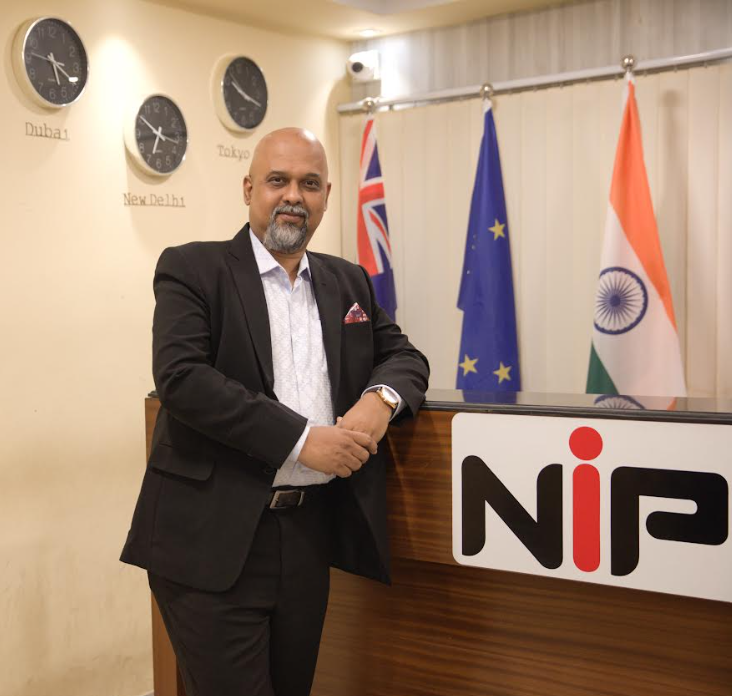
IPOSH- The What , Why and How by Shivani Arora (Asst Professor in Tourism & Hospitality, Certified POSH Trainer)

Preventing sexual harassment in the workplace and creating a respectful, inclusive culture are among the important issues facing the hotel industry today. Hotels are unique environments and it can be a challenge to ensure a safe, harassment-free workplace.

Unchecked inappropriate behavior by employees, supervisors, vendors, or visitors can result in sexual harassment incidents and expensive lawsuits that can negatively impact recruiting and retention, employee morale, loyalty programs, brand reputation, and financial performance.

Implementing a sexual harassment training program specifically designed for the hotel industry is a crucial first step in teaching staff members how to identify, report, and prevent harassment as part of a comprehensive strategy to stop workplace harassment. It also helps to maintain a welcoming and safe environment for all guests and employees.

What is POSH Training?

Understanding the Act- Workers need to understand the basic definition of harassment. Employees typically believe that touching another person constitutes sexual harassment. While this behavior does qualify as sexual harassment, it’s not the only one. Social Culture vs Organizational Culture- Values are established by organizations, but social culture has an impact on corporate culture that cannot be overlooked. It has been noted that workers bring their unconscious social learning to work. There are instances when a particular behavior is appropriate in social settings but inappropriate in the workplace.

What are the benefits of POSH Training in Hospitality Industry?

Legal Compliance- A safe working environment and legal protection from liability are ensured by hotels that comply with numerous jurisdictions’ laws and regulations requiring them to provide training on sexual harassment prevention.

Employee Well being- Victims of sexual harassment may experience serious psychological, emotional, and physical consequences. Hotels show their dedication to their workers’ health and well-being by offering preventive training, which promotes an environment of mutual respect and support.

Maintaining a positive workplace culture- A hotel that prioritizes the prevention of sexual harassment promotes a positive workplace culture. This can lead to increased employee satisfaction, productivity, and loyalty, contributing to a healthier work environment.

Guest Satisfaction and safety- Reputation and guest experiences are closely related in hotels. Hotels make their guests feel safer and more at ease by addressing and preventing sexual harassment. This may have a favorable effect on patron loyalty and satisfaction.

Risk Mitigation- Incidents of sexual harassment may lead to fines, legal action, and reputational harm to the hotel. Prevention training assists in reducing these risks by teaching staff members on proper behavior and by laying out clear policies, procedures, and expectations.

Bystander Intervention- Training employees on bystander intervention empowers them to play an active role in preventing sexual harassment. Encouraging a culture of looking out for one another can contribute to a safer overall environment.

Ethical and Social Responsibility- Hotels have an ethical duty to provide preventive training in addition to their legal obligations. Encouraging a harassment-free workplace is in line with the larger social expectation that businesses should make a positive contribution to society.

Attraction and Retention of talent- When selecting or deciding to remain with an employer, job seekers and employees are increasingly taking workplace culture and policies into account. The hotel’s dedication to ending sexual harassment makes it a more appealing place to work, attracting and keeping top talent.

Best Practices- Global standards and best practices, including anti-harassment measures, have been established by numerous international hotel chains and hospitality organizations; hotels that consistently implement prevention training are in line with these industry-wide expectations.

How can employees recieve POSH Training-

An organization can provide its staff with a range of training alternatives. There are several options for POSH training, such as seminars on training modules, online classroom instruction, and traditional classroom instruction. The kind of training to use will depend on the nature of the organization.

Choose a solution that offers high-quality courses for corporate training. Instructor-led virtual training courses are the best, but employees should have the right to access them from any location, on any device. Online training makes it simple and easy to deliver training as needed, depending on your schedule.

In the workplace, sexual harassment has become the norm. While harassment can affect both men and women, women are more at risk. Through POSH training, managers and staff can collaborate to make the workplace a safer place for everyone. This training encourages managers and staff to abide by the law. Employees that participate in posh harassment awareness training will learn what constitutes harassment, how to spot it, and how to prevent it. The legal and moral ramifications of harassment are also covered in the training, as well as the obligation of both employers and employees to report and stop it.

Pre-event Release for International Conference on Travel, Tourism, Hospitality & Culture-2024 (ICTTHC - 2024)” on the theme “Culture & Cuisine in the Digital World”

(IHM Ranchi)

Institute of Hotel Management Catering Technology & Applied Nutrition, Ranchi (IHM Ranchi) is going to organise the “International Conference on Travel, Tourism, Hospitality & Culture- 2024 (ICTTHC - 2024)” on the theme “Culture & Cuisine in the Digital World " on 16th & 17th February 2024, in association with Ministry of Tourism, government of India and Department of tourism, Art, Culture, Sports and Youth Affairs, Government of Jharkhand with an aim to bring together experts, researchers and decision makers from academia and industry across the globe to exchange the knowledge, experience and research innovations related to Culture & Cuisine,

Promotion & Development and to discuss and deliberate the impact of Digital transformation on Culture & Cuisine of a destination.

The inauguration of the conference will be done by Dr. D.K. Singh, Vice chancellor, Jharkhand University of Technology, Mr. Gyan Bhusan, IES, Ministry of tourism, Government of India, Ms Anajali Yadav (IAS), Director, Department of Tourism, Govt. of Jharkhand and the valedictory ceremony will witness Mr. Manoj Kumar (IAS), Secretary, Department of Tourism, Art Culture, Sports and Youth Affairs, Govt. of Jharkhand as the Chief Guest and other dignitaries from Ministry of Tourism, government of India and NCHMCT Noida.

The keynotes during the conference will be delivered by Prof. Maharaja Vijay Reddy, Associate Dean University of Wolverhampton, UK, Dr. S.C. Bagri, Former Vice Chancellor Himgiri Zee University and Member of Indian National Commission for Cooperation with UNESCO (INCCU), Dr. Ashish Dahiya, Professor & Director, Institute of Hotel & Tourism Management, M.D University Rohtak, Haryana, Master Chef Lawrence Gomes, Awarded as 100 Best Chefs of the World in 2023, Dr. Steffy Teresa Murmu, Director - Rasik Gourabi Besra Memorial Trust, Dumka, Jharkhand, Convener INTACH Ranchi Chapter, Prof. Parikshat Singh Manhas, Chairman, Jammu & Kashmir Board of School Education (JKBOSE), &  Director, State Council of Educational Research & Training - JKUT (SCERT).

The conference will have panel discussion on the themes - Culinary Tourism: Today & Tomorrow and Importance of Adding Social Media Management in Course Curriculum of Hotel Management Education with various research paper presentations sketching challenges and issues for cuisine and culture in the digital era.

Master Chef Jameela Zakey, Lebanese & Syrian Expat Chef, Dr. Manisha Oraon, Co- Founder, The Open Field Farms, Chef Nishant Choubey, Consulting Chef for Michelin Plated Indus, Co-Founder Street Storyss, Mr. Satvir Singh, Director (studies), NCHMCT, Noida, Dr. Priyadarshan Lakhawat, Director Academics, NCHMCT, Noida, Mr. Hemant Mehta, General Manager, Radisson Blu Ranchi, Dr. Prem Ram, Associate Professor, BCIHMCT, New Delhi, Prof. Nimit Chowdhary, HOD, Tourism and Hospitality Management, Jamia Millia Islamia, New Delhi, Mr. Ashirbad Praharaj, Cluster General Manager, Odisha, Jharkhand &  Bihar for Taj Hotels and Resorts, Mr. Kamal Kant Pant, Principal, IHM Delhi, Mr. Raja Sadhukhan, Principal, IHM Kolkata, Ms. Sharada Ghosh, Principal, IHM Bhubaneswar, Dr. Bhuvan G. M., Principal, Apeejay Institute of Hospitality, Navi Mumbai, Mr. Brajesh Gupta, General Manager, Sarovar Portico Le Lac, Ranchi, Ms. Sowmya Sengupta, Manager, Learning and Development, Taj Hotels Resorts and Palaces and Mr. Ajay Kumar Sahoo, Principal In- charge, IHM Ahmedabad will be the representing as tourism and Hospitality experts during the conference.

 An ISBN Book title “Culture & Cuisine in the Digital World " will be released during the conference which will have the research work contributed by Scholars, Paper Presenters, Industry Experts from India and abroad.

Importance of Food Technology for the Hospitality Industry by Dr. Himanshu Talwar

In the post-pandemic phase, where industries have had a difficult time generating revenue, the hotel industry has particularly struggled because of restrictions on travel. However, technology has been one significant factor that has provided those working in this sector with the right kinds of opportunities to reinvent themselves.

F&B Sector

The hospitality sector has been the fastest-expanding sector globally, and the food and beverage (F&B) sector continues to be the glue that holds the business together. The estimated size of the industry is around 3% of the GDP of India, which in business terms translates to 2/3 of the Indian retail market. With a projected market value in 2024 expected to reach USD 1.264 million, this sector has seen tremendous growth in the last few years. It has been estimated that the sector has grown at a CAGR of almost 14% from 2020 to 2024. Now, in order to understand the reason behind exponential growth, one must understand and evaluate the role of technology in the sector.

Open and adaptive to the tech revolution

Investments in new innovative technologies, as a way to deal with post-pandemic issues, have helped the F&B sector grow significantly, which has greatly contributed to the recovery of India’s hospitality industry. QR code-based e-menus, online billing and payment methods, integrated marketing, and customer relationship management (CRM) have been important tools in bringing about a change in the hospitality sphere. Furthermore, in order to sustain profitability over the long term and maintain a reputable client base, the hospitality sector understood the value of and how crucial it was to adopt and employ innovative technologies. And all such important decisions taken well in time have delivered exceptional results for the industry. Restaurants partnering with technology companies to improve the productivity and efficiency of their operations is a day-to-day thing to be seen and noticed. Henceforth, we are experiencing a revolution; for instance, the HoReCa sector is implementing newer innovations like contactless dining, contactless payments, and voice-controlled operations.

Kitchens and Internet

Another important factor is the rising popularity of cloud kitchens, online food delivery, and meal plans that emphasise health and wellbeing, which are contributing to the tremendous growth that India's foodtech sector is expected to experience over the next several years. Such steps, fueled by cutting-edge technologies like IoT and big data as well as the popularity of fast-service restaurants and chains, are transforming the sector and making it ready for the decades to come. With social and digital media gaining prominence, cultivating a brand identity that promotes an experience beyond food and beverages has become an important marketing strategy. Food tech startups like Rebel Foods, Box8, Fresh Menu, Daalchini, etc. have all helped accelerate revenue by encouraging people to invest in new food experiences.

Government Support

In an agreement to register a significant number of street vendors with Swiggy and Zomato, the Prime Minister's Street Vendors Self-Trust Fund and the Ministry of Urban Development shook hands with the food-tech giants. This initiative is a great opportunity to help the neighbourhood street sellers boost their sales, strengthening the foundation of the food-tech sector. And the introduction of the Open Network for Digital Commerce (ONDC) is another such unique initiative that will open doors for local street vendors to supply food and beverages to consumers without compromising on the quality of the item. Indeed, the role of organisations and departments such as Consumer Affairs, FSSAI, etc. is praiseworthy.

Outcome

To conclude, the sector is seeking opportunities to discuss and dwell upon issues such as acquisition costs, investments, and opportunities available to the company, which need to be addressed by some of the best tech experts in the world. Moreover, a platform must be created that can provide insight into the world’s newest and best assets in order to help businesses reach new heights, pushing them further in the global market. Surviving the pandemic has been a challenging task for most businesses; hence, issues like increasing the efficiency of F&B operations and boosting profit potential with the help of technology, as well as future-proofing of assets available currently, must be thoroughly studied and discussed for the betterment of the sector, the creation of more employment, and above all, keeping the good health of the people intact.

HARNESSING THE K.A.S.H. MODEL Empower Employee to Enhance Revenue, & Guest Experience in Indian Hotel Industry

It's a pivotal moment in the history of the Indian hotel industry. As we navigate past the challenges of the COVID-19 pandemic, we're stepping into a time of extraordinary growth and transformation, where the industry is ripe with opportunities for innovation and advancement. In the present scenario even if we talk about the mid-budget segment; then major players like OYO have witnessed an impressive surge in revenue, reaching 47.8 billion INR in 2022[1]. Furthermore, the sector is poised for expansion at a growth rate of 8.28% from 2023 to 2027[2], with market volume predicted to reach approximately US$10.53 billion or ₹774.95 billion [3].

However, certain challenges need to be addressed urgently, including high employee turnover rates and a declining intake in hotel management colleges. The annual turnover rate in the hotel industry stood at a staggering 74.9% in 2018[4], highlighting the dire need for an effective training model. Over the past four years, data shows that a mere 77% of students graduating from hotel management and catering colleges were boys [8].

Additionally, statistics indicate significant skill gaps in hotel management and food production [11]. According to a Ministry of Tourism study, there was a shortfall of 2.6 million skilled personnel in 2018; this is expected to reach 1.1 million by 2025[6]. The hospitality sector still faces an overall shortage of quality manpower ranging between 20-25% [10].

Industry executives, managers, and professionals must take these challenges head-on by adopting innovative models like K.A.S.H (Knowledge, Attitude, Skills, and Habits) for holistic employee development. This approach emphasizes four crucial pillars:

  • Knowledge: Comprising approximately 25% of employee development, this includes grasping industry norms and operations—like knowing how to manage reservations or handle guest complaints.

  • Attitude: Contributing an estimated 30% towards employee development, it emphasizes the need for a positive service-oriented attitude crucial to enhancing guest experiences - for instance, greeting guests warmly and handling requests graciously.

  • Skills: Equating to about 25% of employee development, this aspect forms the groundwork for efficient hotel operations. Skills can be identified like adeptly managing the front desk or swiftly resolving maintenance issues.

  • Habits: Accounting for nearly 20% of employee development, it focuses on good practices like punctuality, cleanliness, and protocol adherence—like punctually showing up for shifts and maintaining spotless guest rooms.

Although we lack specific post-COVID statistics for India, it is reasonable to infer that the pandemic has exacerbated these challenges. The K.A.S.H Model has been acknowledged as a key framework in various sectors, including financial services and sales [12]. Its comprehensive approach aligns with the hospitality industry's demands, where knowledge, attitude, skills, and habits play a critical role in success.

The Indian hotel industry has always underlined the significance of K.A.S.H. in enhancing employee satisfaction, improving service quality, and reducing turnover rates. However, a strategically focused model is currently more vital than ever before. To maintain our competitive edge and deliver world- class services that meet international standards while preserving India's unique hospitality charm, a robust K.A.S.H Model implementation is indispensable.

In conclusion, the K.A.S.H Model goes beyond being a mere training model; it is a blueprint for success and a guide to revolutionizing industry operations. As we continue to evolve in this dynamic sector, it is imperative to adopt models like K.A.S.H to ensure competitiveness, top-notch service quality, and enhanced customer experiences. Industry professionals must recognize that investing time and effort into implementing this model will not only help us survive but truly thrive in the Indian hotel industry.

REFERENCES

[1]: Statista. (2022). Hotel industry in India - statistics & facts. (https://www.statista.com/topics/7790/hotel-industry-in-india/

[2]: Statista. (2023). Market volume of the hotel industry in India from 2018 to 2027. https://www.statista.com/outlook/mmo/travel-tourism/hotels/india

[3]: Skift. (2023). Hotel sector could add 1 trillion to economy by 2047. https://skift.com/2023/08/21/skift-india-report-hotel-sector-could-add-1-trillion-to-economy-by-2047/

[4]: IHM Ahmedabad (2020). Journal Index http://ihmahmedabad.com/download/others/Journal%20Index_2020/A7.pdf

[5]: Mordor Intelligence. (2021). Hospitality Industry in India. https://www.mordorintelligence.com/industry-reports/hospitality-industry-in-india

[6]: HVS. (2023). Indian hospitality sector skill shortage to hinder recovery and growth. https://www.hvs.com/article/9274-hvs-monday-musings-indian-hospitality-sector-skill-shortage-to-hinder-recovery-and-growth

[7]: Live Mint. (2024). Hotel industry to contribute 1.5 tn to GDP by 2047.https://www.livemint.com/industry/infrastructure/hotel-industry-to-contribute-1-5-tn-to-gdp-by-2047-11692120793671.html

[8]: Times of India. (2021). Boys dominate enrolment chart in hotel management, catering.https://timesofindia.indiatimes.com/india/boys-dominate-enrolment-chart-in-hotel-management-catering/articleshow/65370839.cms

[9]: Pal Arch’s Journal of Archaeology of Egypt/Egyptology. (2020). Quality of Hotel Management Education in India. https://archives.palarch.nl/index.php/jae/article/download/9949/9146/19488

[10]: Financial Express. (2021). Manpower shortage big challenge for hospitality sector. https://www.financialexpress.com/business/industry-manpower-shortage-big-challenge-for-hospitality-sector-sarovar-hotels-md-2604646/

[11]: Travel Daily Media. (2022). HRAWI focuses on shortage of talent in the hospitality industry. https://www.traveldailymedia.com/hrawi-focuses-on-shortage-of-talent-in-the-hospitality-industry/

[12]: NAPA Benefits. (2020). The K.A.S.H. Formula for Sales Success. https://www.napa-benefits.org/business-development/the-K.A.S.H.-formula-for-sales-success


SAURABH PANDE EXPLORER MASTER TRAINER AND FACILITATOR CERTIFIED LEARNING AND DEVELOPMENT MANAGER  ABOUT WRITER  Saurabh Pande, hailing from Lucknow - the charming city of Nawab’s & Kebab’s; is a passionate hotelier carrying an impressive 20+ years of

SAURABH PANDE

EXPLORER

MASTER TRAINER AND FACILITATOR

CERTIFIED LEARNING AND DEVELOPMENT MANAGER

Saurabh Pande, hailing from Lucknow - the charming city of Nawab’s & Kebab’s; is a passionate hotelier carrying an impressive 20+ years of experience under his belt. With a decade each spent mastering the art of F & B Service, and Learning & Development, he has emerged as a dynamic Hotelier, Certified Master Trainer and Facilitator, and Certified Learning and Development Manager.

Saurabh's diverse interests include reading, penning thoughts, and singing. Forever fuelled by curiosity, he loves exploring new avenues and delving into the hidden depths of topics that interests him.

Saurabh Pande’s Linkedin


Workshop on Online Safety, Wellbeing and Digital Resilience organized at IHM Ranchi

42% of students surveyed by FLAIR are moderately addicted to internet usage, 25% addicted to social media

 In collaboration with FLAIR (Forum for Learning and Action with Innovation and Rigour) and SHICAA (safe and Healthy Internet for Children and Adolescents Alliance) organized a three-day workshop on “Online Safety, well-being, and Digital Resilience” at the Institute of Hotel Management, Catering Technology and Applied Nutrition (IHM), Brambe, Ranchi. Three-day workshops took place on 29th September, 6th October, and 13th October 2023.

The workshop was organized in view of increased digital usage and its impact on mental health. On 29.09.2023, the workshop was organized by the welcome address by Dr. Alok Aswal, Head of Department, IHM followed by the introduction to the seminar and workshop series by Dr. Bhupesh Kumar, Principal. Mr. Ajay Sinha, executive director of FLAIR, talked about the reinforcement of addictive behavior towards the internet and how hormones namely dopamine, serotonin and melatonin play key roles in it. Ajay highlighted that dysfunctional behavior and hormones correspondingly affect sleep and result in lower productivity, poor academic performance, procrastination, and less socialization with the immediate surroundings. He also spoke about “legal and safety measures” and how it affects our mental health at large. After the overview of the issue, Riya Tirkey, a Psychologist conducted the screening assessments of internet addiction, internet gaming disorder, social media disorder, and smartphone addiction in students. The program consisted of a quiz and short video to increase awareness of internet safety. The Second day of the workshop was conducted with the presence of chief guest Mr. Shail Kumar, Deputy Director of the income tax department. The program commenced with the address note and inauguration by Dr, Bhupesh Kumar, Principal followed by a keynote address by Mr. Ajay Kumar Sinha, executive director, of FLAIR. It was followed by a panel discussion in which Ms. Ritisha, Clinical Psychologist, Mr. Raj Kumar, Special Correspondent Hindustan Times, Mr. Nabhojit Dey, Vice President, Global program and services, Adroit Associate, Mr. Ashish Anand, Consultant- Social Development, Department of Agriculture, and Dr. B. Beck, Director and Chairman of Seven Stars Academy, Ranchi, shared their views on the topic. They discussed about healthy internet consumption and how problematic internet usage impacts one’s physical health and mental health. The panel discussion was moderated by Mr. Praveen Raman, Media Advisor, FLAIR. The third day of the workshop began with the mark of Mental Health Day with its theme “Mental health is a universal human right”. The program was further led by Ritisha, a psychologist at FLAIR about mental health problems in students and professionals of hotel management field and solutions of it, she further mentioned how maintaining professional, academic and personal life is plays a significant role in healthy functioning she also told about the kind of services flair provides to promote, maintain and treat the mental health problems at last discussion was held with the students regarding common mental health concern faced by the students and it's possible solutions. The sample data of 98 was collected through screening assessment and analyzed, the sample was from the age group between 18-25 which was assessed on the variable of internet addiction, internet gaming disorder, social media disorder, and smartphone addiction. The result of the data revealed that 29 out of 98 (approximately 29.6%) participants fall under mild internet addiction and 42 out of 98 (approximately 42.9%) students fall under moderate level of internet addiction whereas 2 out of 98 (approximately 2.0%), participant fall under game addiction criterial range and 1 participant fall under the risk of developing addiction towards game addiction, moreover 35 out of 98 (approximately 35.7%) participants were indicative of social media addiction and 39 (approximately 39.8%) participants fall under risky usage of social media, according to the frequency result 25 out of 98 (approximately 25.5%) fall under smartphone addiction and 10 out of 98 (approximately 10.2%) fall under risky usage of the smartphone. The moderate level of addiction is concerning which demands preventive and immediate attention to not only stop us to fall under severity but also guide us to use smartphones healthily. 

These findings provide a statistical overview of the frequencies and proportions of different levels of internet addiction, gaming addiction, social media addiction, and smartphone addiction among the 98 participants surveyed. She also stated that COVID-19 marked the increase of active accounts on any social media platform, according to the survey conducted in Jharkhand in the year 2021 revealed that the active users on social media platforms has increased from 35.94% to 68.75% after covid. The COVID-19 pandemic reshaped our lives and accelerated our reliance on social media and the internet. While these platforms have connected us in a time of isolation, they've also exerted a significant influence on our mental health.The surge in active social media accounts and increased internet use during and after the COVID-19 pandemic has had a profound impact on our mental health. To navigate these challenges, it's essential to set boundaries, curate our online experiences, and prioritize our well-being. By approaching social media and the internet mindfully, we can harness their benefits while protecting our mental health in this digital age.

While speaking on the findings of the survey Riya stated that the figures underscore prominent severity of social media-related behaviors with the 39 participants suggestive of social media addiction among the surveyed participants, by shedding light on the prevalence of using social media as an emotional escape, excessive preoccupation, and emotional distress when access is restricted. While talking about the possible ways of corrective measures Ritisha stated that one should check early signs and symptoms and consult with mental health professional regarding the internet addiction, turn off or silent the notification of social media, games, applications and websites, people with problematic Internet users can use free application that can track their internet activity and usage by engaging themselves in their hobbies without using internet and people can use remainder to remind themself regarding the enough use of internet for time or day to curb the impact of problematic internet usage.


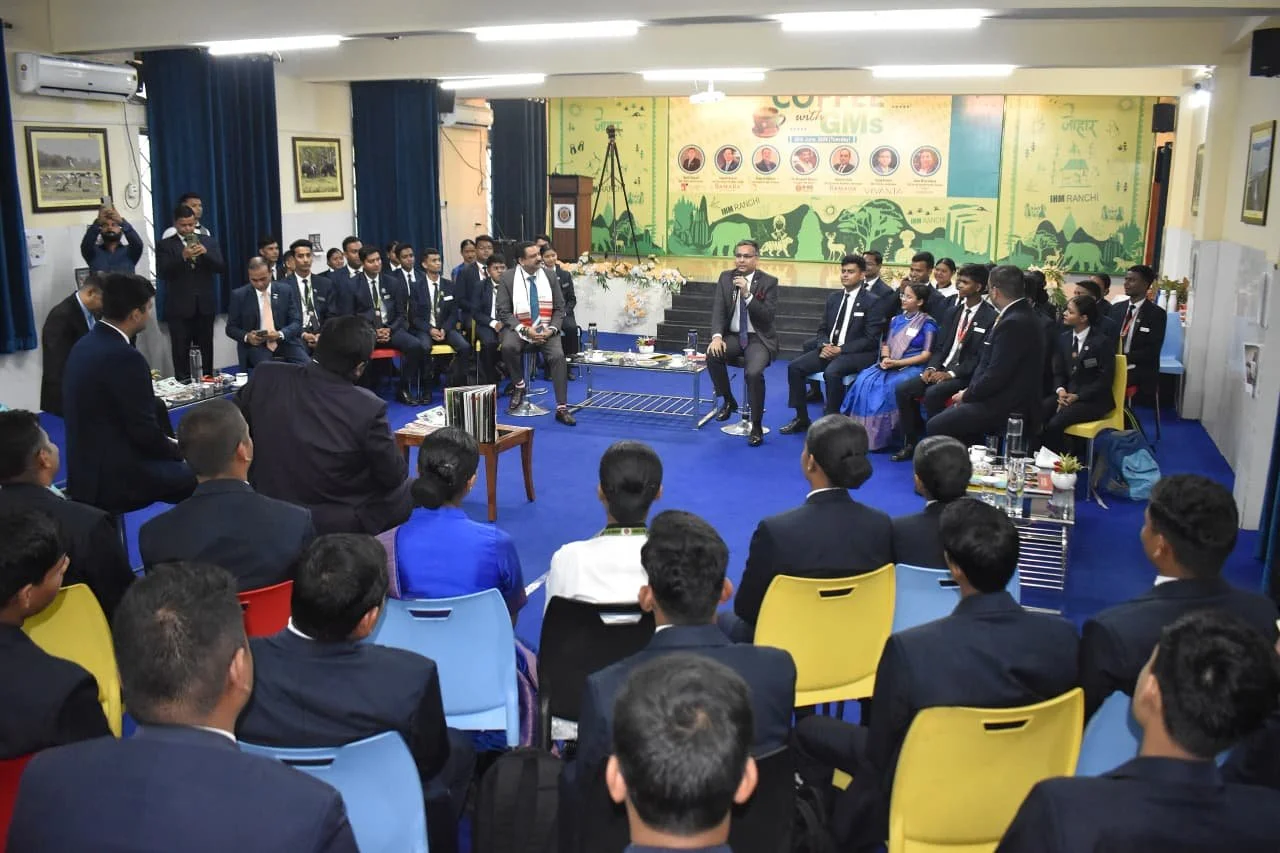
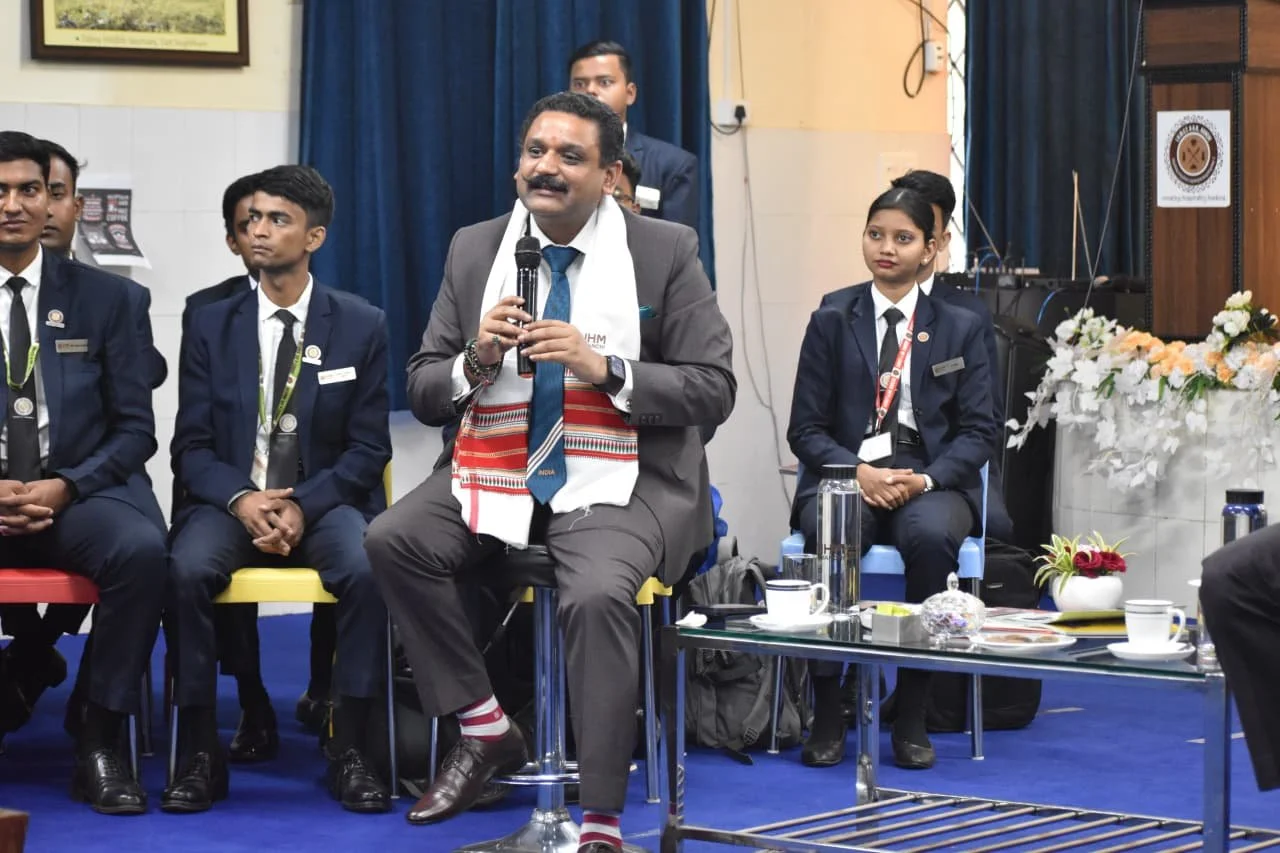
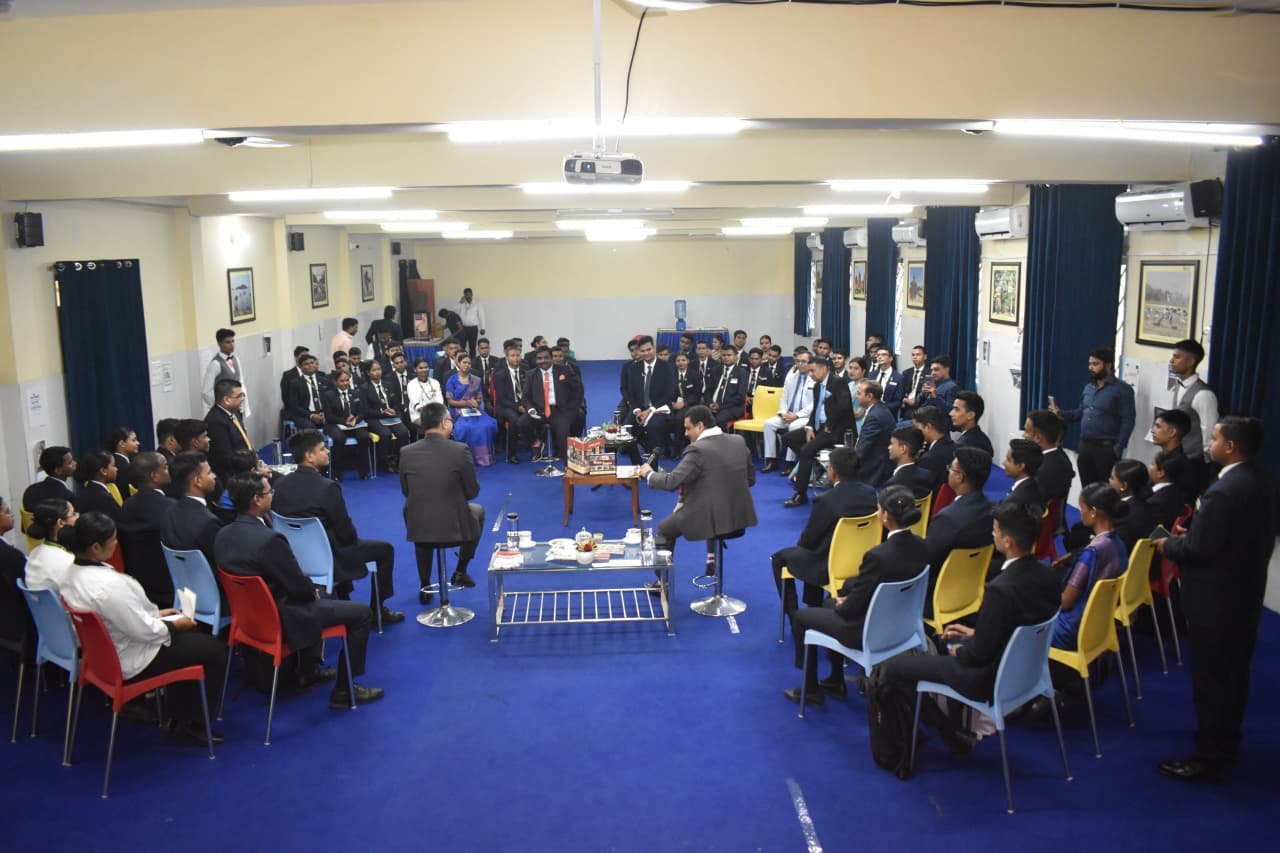
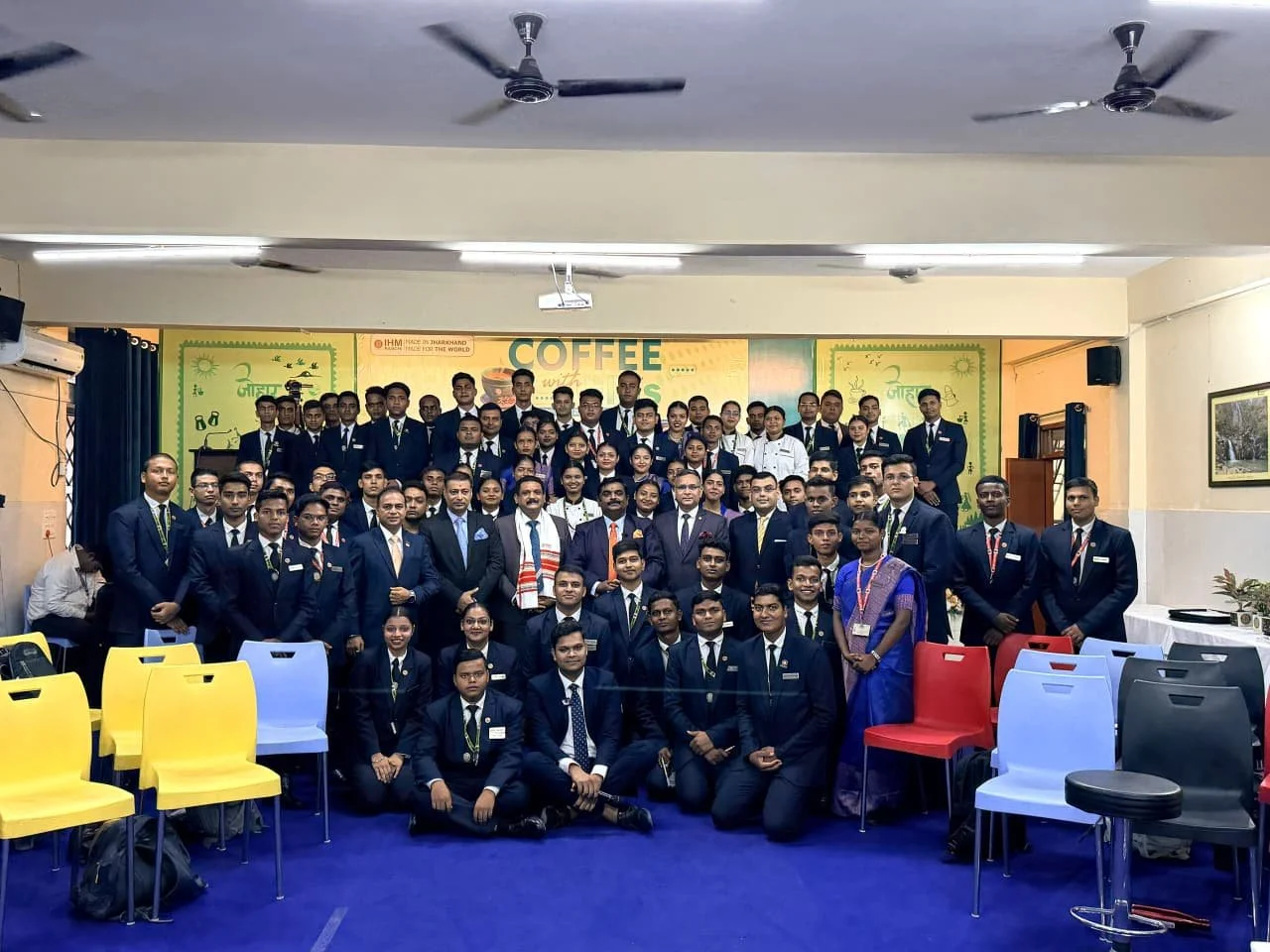
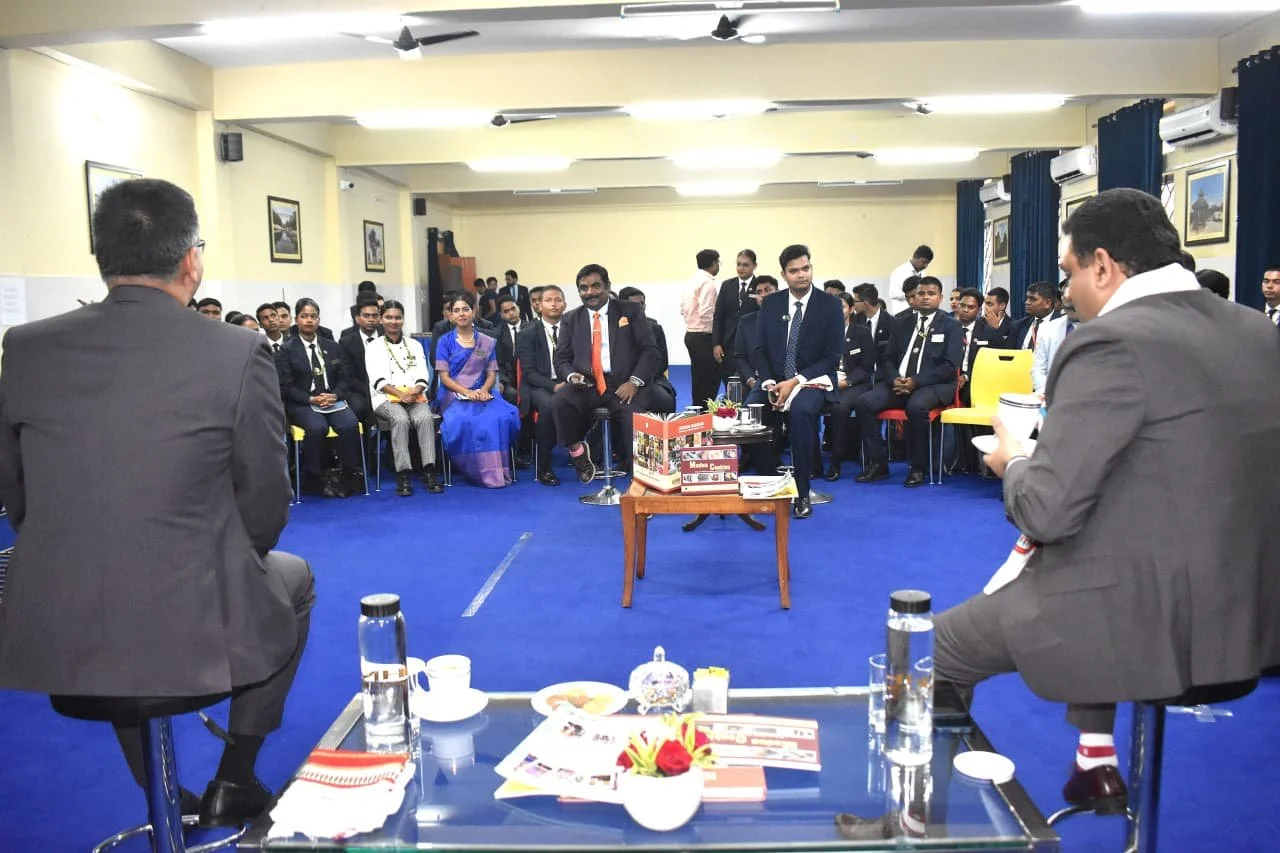
IHM Ranchi organizes interactive session themed “Coffee with GMs” at the institute premises

The Institute of Hotel Management (IHM), Ranchi organized an interactive session with the industry leaders on the theme “Coffee with GMs” for the final year students of the institute. The event witnessed the presence of Mr. Hemant Mehta, General Manager, Hotel Radisson Blu, Ranchi, Mr. Amit Kaushik, General Manager, Hotel Royal Retreat, Mr. Asit Kundu, General Manager, Capital Residency, Mr. Kallol Sengupta, General Manager, Hotel Green Horizon and Mr. Brajesh Gupta, General Manager Hotel Le Lac Sarovar Ranchi.

The program was set-up through a casual interaction among the General Managers and the students focusing on the career development tips, success stories and fun- filled memories from their academic and professional journey. Decades of experience and the struggle and success stories of General Managers included focus on the personal development, self-confidence, self-presentation changing industry trends and best practices, hard work and dedication, effective management styles, conflict management, budgeting and financial management in the various roles during the long spanning career in the hospitality industry. The students were enthusiastic and energetic throughout the session and they asked various questions and queries related to personal and professional life and the secret behind their success and management styles to which all the General Managers were humble to address the gathering.

The event was moderated by Dr. Bhupesh Kumar, Principal, IHM Ranchi and all the teachers were also present during this occasion. Coffee with GM is a unique initiative by IHM Ranchi where the industry experts and budding hoteliers come together on the same platform eliminating the hesitations and boundaries of interaction through heart. The program concluded with a hi- tea wherein delicious burgers, pizza and coffee all made by the students were served to the students and guests present on this occasion.