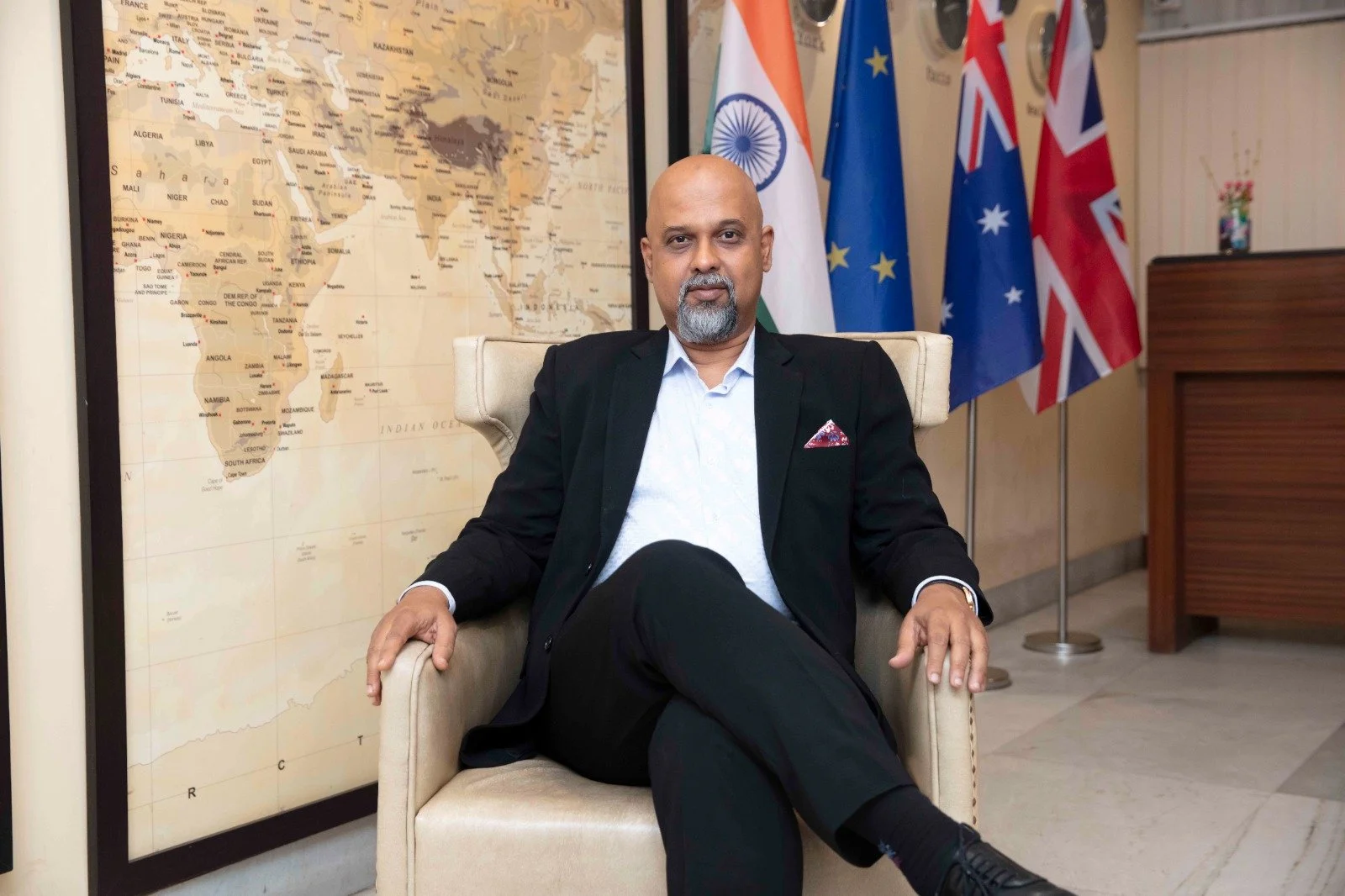
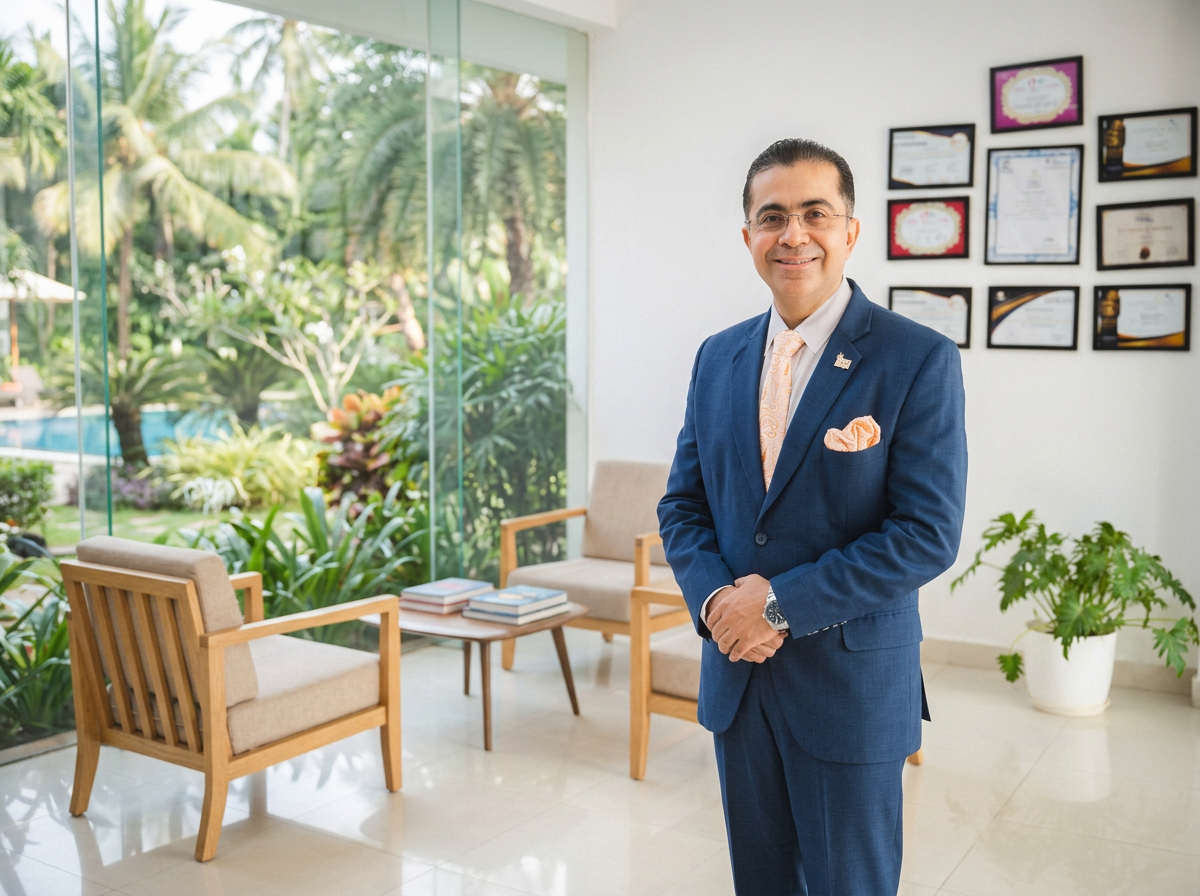
Exclusive Interview | Mr Gaurav Shiva | General Manager The Orchid Hotel Mumbai
/
Tell us about your journey. How did it all begin?
My culinary journey began 29 years ago after graduating from the Institute of Hotel Management, Aurangabad, when I joined the Taj Group as a Management Trainee. During my training, I worked across 12 Taj hotels, gaining exposure to diverse cuisines, before becoming part of the opening team at Taj Exotica, Goa.
Cooking has always been my passion—it started in my childhood while helping my mother in the kitchen. At hotel school, I consistently ranked among the top students, and the encouragement from my mentors and faculty gave me the confidence to pursue excellence. Looking back, those early experiences laid the foundation for the career I have today.
What qualities do you believe are essential to succeed in hospitality today?
I believe great hospitality leadership comes down to three things.
First, you have to genuinely love people. Hospitality is a people-driven business, and having started my journey on the front line, I understand what our teams go through every single day. Caring for people isn't about saying the right things—it's about showing it through your actions. Whether it's spending time with the team, appreciating their efforts, or simply speaking to someone with kindness and respect, those small moments create a culture where people feel valued. We often forget that everyone is fighting a battle we know nothing about, and as leaders, we have the opportunity to make someone's day a little easier.
Second is patience. Hospitality teaches you that there are no shortcuts. You need to earn your growth by mastering your craft, understanding every aspect of the business, and remaining open to learning. The same patience applies to our guests—they are more aware, more well-travelled, and often have valuable perspectives that can help us become better.
And finally, perseverance. Every career has its ups and downs, but success belongs to those who keep showing up. I've always believed in staying the course, learning from every challenge, and never giving up. Passion may get you started, but it's perseverance that keeps you moving forward
When you hire or build teams, what attributes matter most to you?
Whenever I interview someone, I try to look beyond the résumé. Qualifications and experience certainly matter, but the first thing I notice is the person's attitude. Over nearly three decades in hospitality, I've realised that skills can always be taught, systems can be learned, but attitude is what truly defines a person's journey.
There's a quote I really like: "A bad attitude is like a flat tyre—you can't go very far until you change it." I think that's very true. In hospitality, we are in the business of making people feel welcome. If someone has warmth, humility, respect for others, and a genuine willingness to learn, they've already won half the battle.
That doesn't mean everyone has to be loud or extroverted. Every department has its own personality. Someone in Finance may be quiet and analytical, while someone at the front desk may naturally be more outgoing. What matters is not how expressive you are, but whether you treat people with kindness, work well as a team, and take pride in what you do.
The other value that's very close to my heart is inclusion. I've had the privilege of working with diverse teams across different organisations and cultures, and I've seen how much stronger a workplace becomes when everyone feels they belong. Diversity isn't just about representation—it's about creating an environment where every individual is respected, heard, and given an equal opportunity to succeed.
At the end of the day, hotels aren't built by walls or chandeliers—they're built by people. And when you bring together people with the right attitude, the right values, and a shared purpose, everything else naturally falls into place.
How do you see your vision shaping The Orchid Hotel Mumbai’s next phase of growth?
I've spent the last few weeks understanding the business, studying our guest mix, and meeting many of our key partners. One thing is very clear—we have a strong foundation, and my focus is to build on that by strengthening relationships with our existing market segments while also exploring new opportunities that can help drive both occupancy and average room rates.
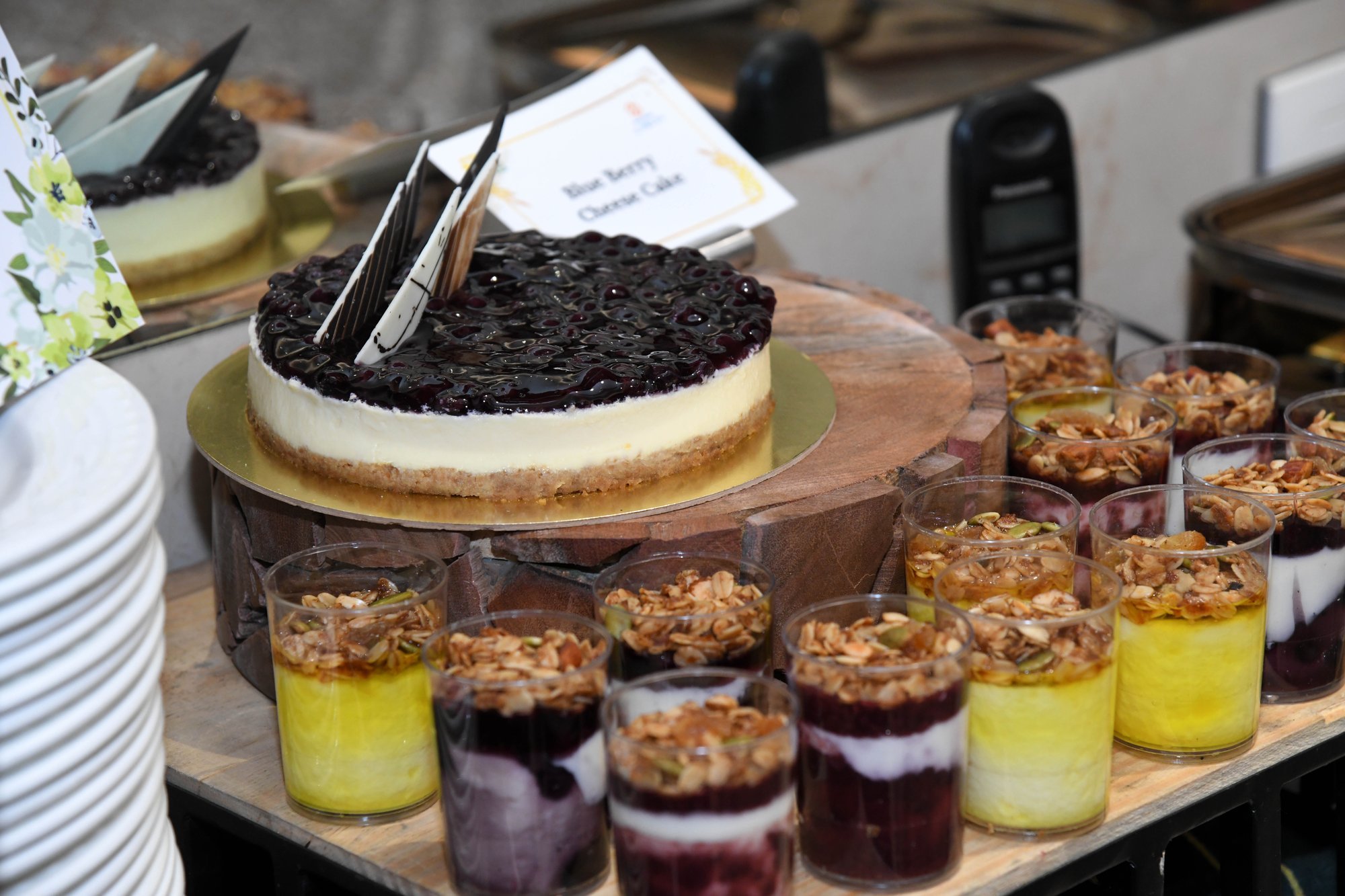
Food and beverage is another area I'm particularly passionate about. Guests today are always looking for something fresh and memorable, so you'll see us introducing thoughtful changes across our restaurants—from refreshed menus to elevated dining experiences and finer details that make every visit special. I firmly believe it's the little touches that guests remember long after they've checked out.
Personalisation has always been at the heart of my leadership style. I enjoy spending time with guests, meeting them in the lobby or restaurants, understanding why they're visiting, and whenever possible, creating an unexpected moment of delight—especially if they're celebrating a birthday, anniversary, or another special occasion. Those genuine, unscripted moments often leave the biggest impression.
Beyond that, we have exciting plans across rooms, food and beverage, and our overall guest experience. While many of these initiatives are still work in progress, the vision is simple—to continuously enhance every touchpoint and ensure that every guest leaves with a memorable experience and a reason to return.
How is the hospitality landscape in Mumbai evolving, and how are guest expectations changing?
Over the last few weeks, I've made it a point to visit several hotels across Mumbai—not just for meetings or coffee, but to understand the city's hospitality landscape and experience it through a guest's lens. Every market has its own personality, and Mumbai is no different.
Being the financial capital of India, Mumbai operates at an incredible pace. The guests here are discerning, extremely well-travelled, and have very clear expectations of what a business five-star hotel should deliver. They don't just compare you with the hotel next door; they compare you with the best experiences they've had across India and around the world. That makes this market both challenging and exciting.
For us, that's a great opportunity. It pushes us to constantly raise the bar and pay attention to every detail. Luxury today isn't just about beautiful rooms or great food—it's about consistency, genuine hospitality, and creating experiences that feel personal and memorable.
At the end of the day, guests want to feel that they've received exceptional value for the trust they've placed in us. If we can consistently exceed those expectations, they'll not only return but also become our strongest ambassadors.
Sustainability has been central to The Orchid Hotel Mumbai’s legacy as Asia’s first Ecotel. How are you building on that foundation today?
Sustainability has always been at the heart of The Orchid's identity. Since its inception in 1997, the hotel has been a pioneer in environmentally responsible hospitality, and my role is not to change that legacy, but to build on it.
There are already several thoughtful initiatives in place—from water-saving systems such as aerators and flow regulators to rainwater harvesting, abundant natural daylight through our stunning atriums, and beautifully designed spaces like Meadows that maximise the use of natural light. We are also modernising and upgrading our sewage treatment plant to enhance grey water recycling, further strengthening our water conservation efforts.
What I particularly love about this hotel is that sustainability isn't limited to technology—it's woven into the guest experience. Our lush green spaces, hidden gardens, and thriving bird habitat, where hundreds of parakeets visit regularly, remind us that a hotel can coexist beautifully with nature. These are the little touches that make The Orchid truly distinctive.
Going forward, my focus is to strengthen these initiatives while exploring new and innovative ways to reduce our environmental footprint. Sustainability is no longer just a responsibility; it's an expectation from today's travellers. At The Orchid, we're fortunate that it's been part of our DNA for nearly three decades, and I'm excited to take that journey forward.
What leadership lessons stand out from nearly three decades across India and international markets?
Over the years, I've been fortunate to work across hotels, cruise liners, industrial catering, and education. Every experience has taught me something different, but a few leadership principles have remained constant throughout my journey.
The first is that people are our greatest asset. We live in an era of AI, automation, and machine learning, and while technology will certainly make us more efficient, hospitality will always remain a people business. No technology can replace the warmth of a genuine smile, a thoughtful conversation, or the feeling of being cared for. At the end of the day, it's our people who create memorable guest experiences.
The second principle is leading by example. I have always believed that you can't expect your team to do something you're unwilling to do yourself. If I want excellence at breakfast, I need to be there. If I expect high standards across the hotel, I have to walk the hotel floors, meet guests, and engage with my teams. Leadership is visible—it isn't exercised from behind a desk.
Another value that has stayed with me is humility. No matter where life takes you, never forget where you started. I began my career on the operational floor, and those experiences continue to shape the way I lead today. Whether it's a doorman, a steward, or a department head, every individual deserves the same respect because every role contributes to the guest experience.
I also believe that consistency beats occasional brilliance. Guests don't remember us because we were exceptional once; they return because we deliver the same warmth, service, and quality every single time. Consistency builds trust, and trust builds loyalty.
Equally important is listening. Some of the best ideas I've come across have come from the people working closest to our guests. Before making any decision, I like to hear different perspectives because leadership isn't about having all the answers—it's about creating an environment where people feel heard.
I've also learnt that challenges reveal character. In hospitality, no two days are the same. Every challenge is an opportunity to understand your people better, support them, and help them grow. That's when leadership truly matters.
And finally, celebrate your people generously. A simple "thank you," a word of appreciation, or recognising someone's effort can have a far greater impact than we often realise. Having worked my way up through the ranks, I know how meaningful those moments can be.
The hospitality industry is unlike any other. It demands the precision of an engineer, the creativity of an artist, the discipline of the armed forces, the financial acumen of a business leader, and above all, the heart of someone who genuinely enjoys serving others. That's what makes this profession so special, and after all these years, I still feel incredibly fortunate to be a part of it.
In your view, how do food & beverage experiences drive guest engagement and hotel revenues?
Food and beverage has evolved from being a support function to becoming one of the strongest revenue drivers for hotels. In many full-service hotels, it contributes over half of the total revenue, which highlights just how important it has become.
Today's guests, especially Millennials and Gen Z, are looking for experiences rather than just a meal. They want places where they can celebrate, socialise, work remotely, or simply spend quality time with friends and family. As a result, hotels are no longer just places to stay—they've become vibrant social destinations.
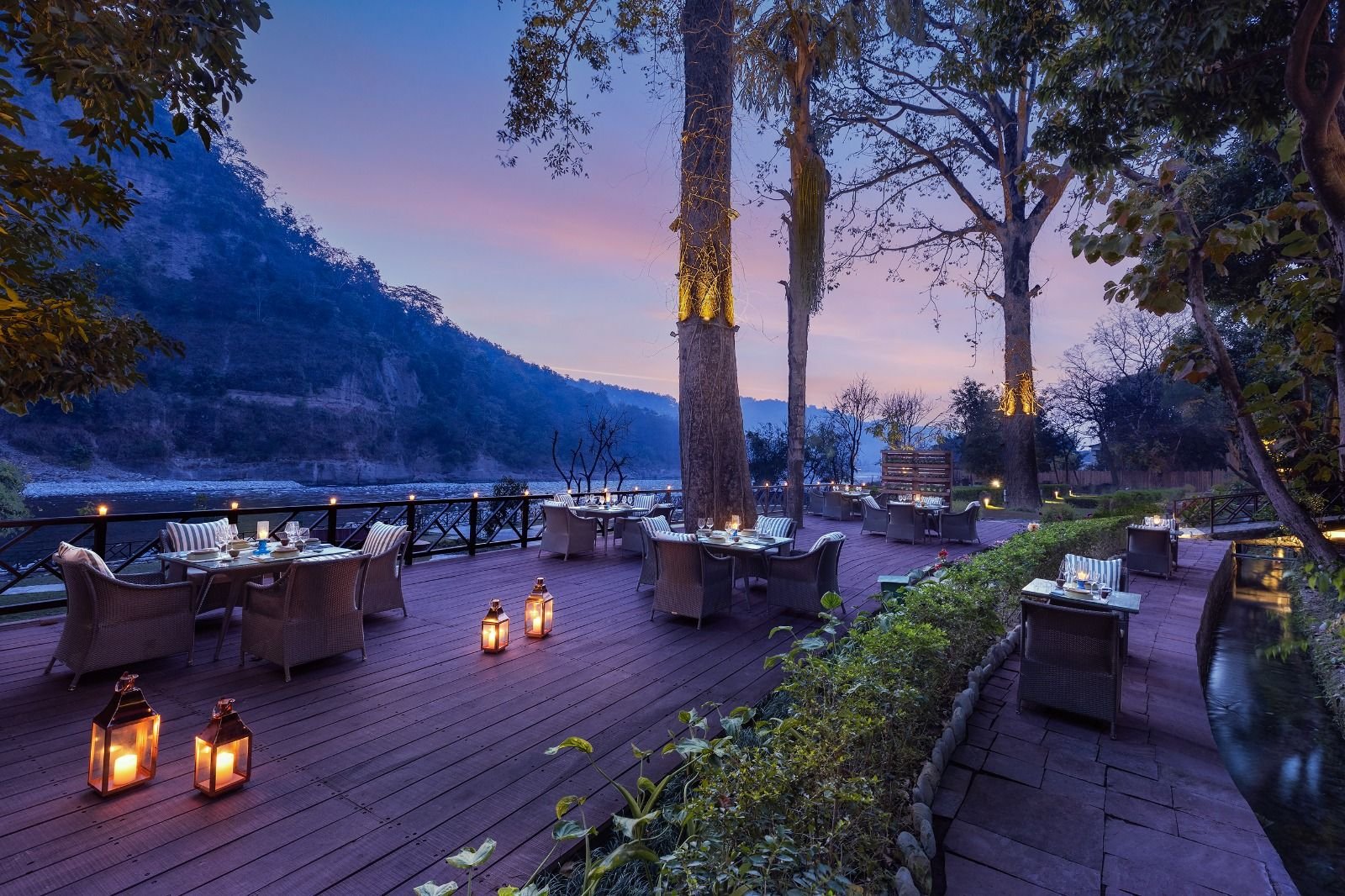
That's why it's important for us to offer distinct and memorable dining concepts. At The Orchid, every outlet has its own identity. Whether it's a rooftop restaurant overlooking the airport runway, an authentic South Indian dining experience, a whisky lounge with an extensive collection, or our bustling gourmet café, each venue offers guests a completely different experience. This diversity encourages guests to return—not just to the hotel, but to explore something new each time.
Innovation is equally important. Refreshing menus, introducing seasonal experiences, and constantly elevating the guest journey ensure that our restaurants remain relevant in an ever-changing market.
Ultimately, great food and beverage isn't just about generating revenue. It's about creating memorable moments, building guest loyalty, and making the hotel a destination in itself. When guests choose to visit you even when they aren't staying with you, that's when you know you've created something truly special.
What role does technology play in creating memorable guest experiences at your hotel?
Technology has undoubtedly transformed the way hotels operate, and we welcome that change. It helps us understand our guests better, remember their preferences, and personalise every stay in a much more meaningful way.
That said, at The Orchid Mumbai, we firmly believe that technology should support hospitality—not define it. The warmth of a genuine welcome, a thoughtful conversation, or a small gesture of care can never be replaced by a screen or a system.
As an Indian homegrown hospitality brand, our greatest strength has always been our people. We use technology to empower our teams, so they can spend less time on processes and more time creating memorable moments for our guests.
For us, the perfect balance is when technology works seamlessly in the background, allowing our people and our hospitality to remain at the heart of every guest experience.
How do you approach building high‑performing teams that consistently deliver excellence?
For me, it all begins with hiring the right people. If you've brought in individuals with the right attitude, capability, and values, you've already done half the job.
Once my team is in place, I believe in giving them the trust and the space to do what they do best. I don't believe in micromanaging. We connect every morning to align on priorities, and I have regular catch-ups with my department heads, so I'm always aware of what's happening across the hotel. My role is to support, guide, and step in only when I genuinely feel I can add value or help improve the guest experience.
One practice that has stayed with me throughout my career is Management by Walking Around. I spend a significant part of my day on the hotel floor—meeting guests, interacting with team members, and simply observing. You learn far more by being present than by sitting behind a desk. Those conversations and observations often tell you what reports never can.
I believe leadership is about creating confidence, not control. Give people the right direction, trust them to perform, and be there when they need you. In my experience, that's when teams do their best work.
What emerging trends do you believe will shape the future of luxury and business hospitality in India?
Luxury hospitality in India is evolving rapidly, and I believe a few trends will define its future.
The first is hyper-personalisation. Today, technology and AI help us understand our guests better than ever before—from their preferred room temperature and dining choices to the little details that make every stay feel familiar. The idea is not just to recognise a guest, but to anticipate their needs and create a truly personalised experience.
The second is sustainable luxury, something that has always been at the heart of The Orchid Mumbai. Today's luxury traveller values authenticity as much as comfort. Farm-to-table dining, sourcing local ingredients, reducing food waste, and celebrating regional produce are no longer trends—they're becoming expectations. Sustainability is no longer an option; it's an integral part of luxury.
The third is wellness. Luxury today is increasingly about helping guests feel better—whether that's through better sleep, mindful dining, or creating spaces where they can truly unwind from their busy lives.
We're also seeing the continued growth of bleisure travel, where business travellers extend their stay to experience the local culture, cuisine, and destination. Hotels are becoming more than places to stay—they're becoming destinations in themselves.
Above all, I believe the future of luxury lies in thoughtful details. I recently came across a wonderful example of a Japanese chef who serves only one dish—biryani. What fascinated me wasn't the biryani itself, but the experience he created around it. Every element, from the way it was cooked and served with an enamel spoon instead of a stainless steel one to the timing of when the beverage was brought to the table at -3 Degrees and consumed at o degrees, was meticulously planned to elevate the guest's experience. It reminded me that luxury isn't always about offering more; it's about doing the smallest things exceptionally well. Those are the moments guests remember.
At The Orchid Mumbai, that's the philosophy we believe in—combining sustainability, innovation, and genuine hospitality with thoughtful attention to detail, so that every guest leaves with an experience that's both memorable and meaningful.
If you could change two things in the industry, what would they be?
If I had the opportunity to change two things about our industry, the first would be the way we nurture our young talent.
Industrial trainees and management trainees are the future of hospitality. I say this from personal experience because I still remember my own days as a trainee. The long hours and hard work never bothered me—that's part of the learning. What stayed with me, however, was how important it is to treat young professionals with dignity, encouragement, and respect.
That's why, wherever I've worked, I've made it a point to personally welcome every new batch of trainees, spend time with them, and stay connected throughout their journey. Those first few months often determine whether someone falls in love with hospitality or decides to leave it. At a time when our industry is facing a talent shortage, investing in our trainees isn't just the right thing to do—it's essential for our future.
The second area would be creating a healthier work-life balance. Hospitality has always been a demanding profession, and while initiatives like additional weekly offs are certainly welcome, I believe work-life balance is about much more than a number on a roster.
It's about creating a workplace where people feel respected, heard, and supported. It's about providing the right resources, recognising good work, listening to concerns, and fostering an environment where people genuinely enjoy coming to work. When employees feel valued, they naturally perform better and stay longer.
As leaders, we also have a responsibility to ensure our teams aren't stretched beyond their limits. Sustainable performance comes from well-supported people, not exhausted ones. If we can create workplaces where our people thrive, our guests will ultimately experience the very best of hospitality.
I firmly believe that if we take care of our people, they will take exceptional care of our guests. And that's how great hospitality is built.
Understanding that a healthy team is a happy team, The Orchid Hotel, Mumbai provides an in-house gym for employees, encouraging a balanced lifestyle and overall well-being.
What is your favourite interview question to ask candidates, and why?
My interview style has always been a little different. While technical knowledge is important, I believe skills can be taught. What is much harder to teach is judgment, composure, and the ability to make the right decision under pressure.
That's why I rely heavily on behavioural interviews. Over the years, I've developed a bank of situational questions tailored to different roles. Rather than asking candidates what they know, I ask them what they would do.
For example, if I'm interviewing a Duty Manager, I might ask, "It's 7 a.m., one wing of the hotel has caught fire, and you're the only Duty Manager on duty. What's your first course of action?" If it's a chef, I may ask how they would respond if a fryer caught fire during service. An engineer may be asked how they would restore hot water after a major pipeline failure, while a security manager might be faced with a scenario involving an external security threat.
There isn't always one perfect answer. What I'm really evaluating is how the person thinks, how they prioritise, how they communicate, and whether they remain calm under pressure. Those qualities often tell me far more about a candidate than a list of qualifications ever could.
Hospitality is an industry where no two days are the same. Every day brings new challenges, and that's why I believe the ability to think clearly and act decisively is one of the most valuable qualities a professional can possess.