Luxury Hotel Brands Are Folding All-Inclusive into Their Flagship Names
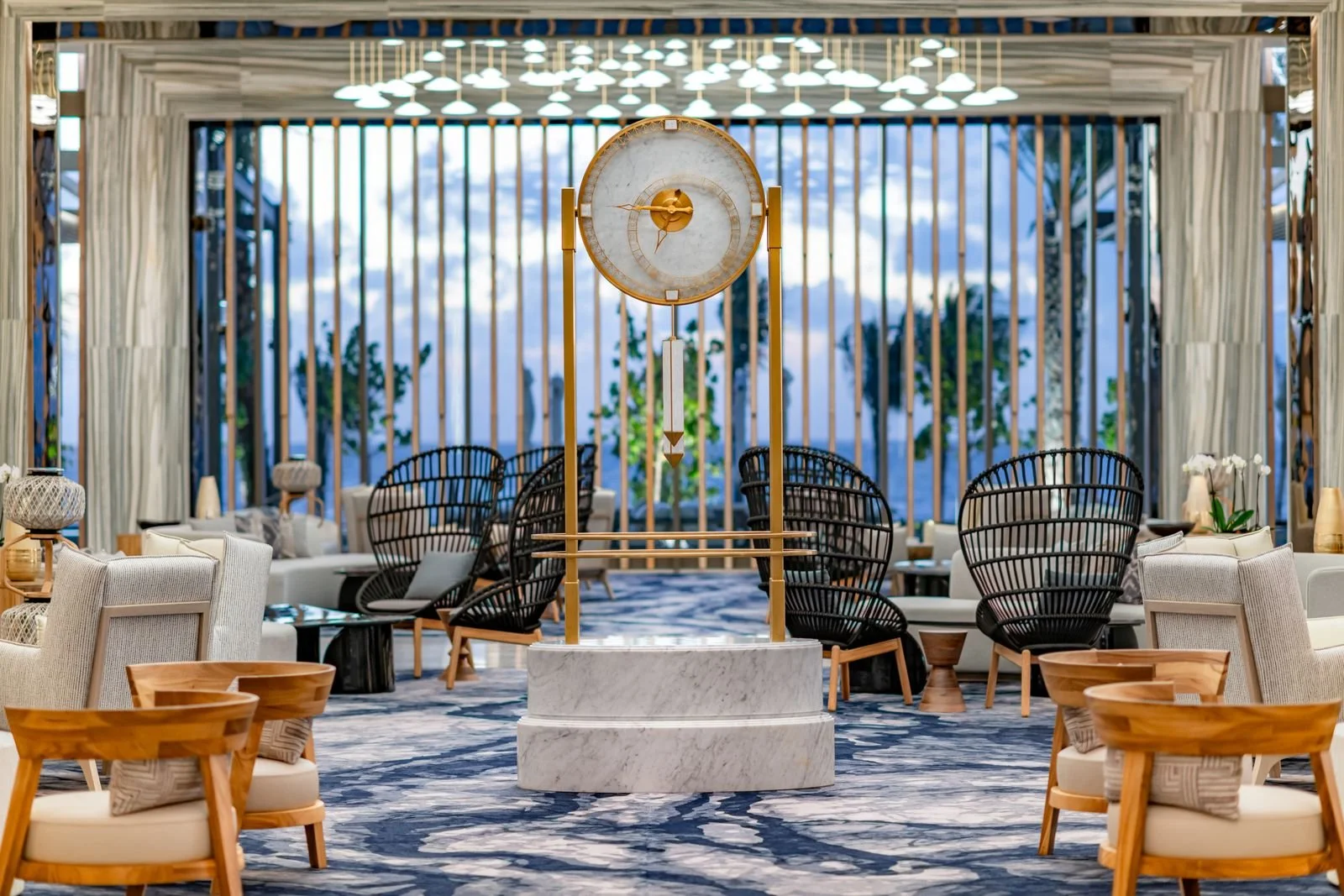
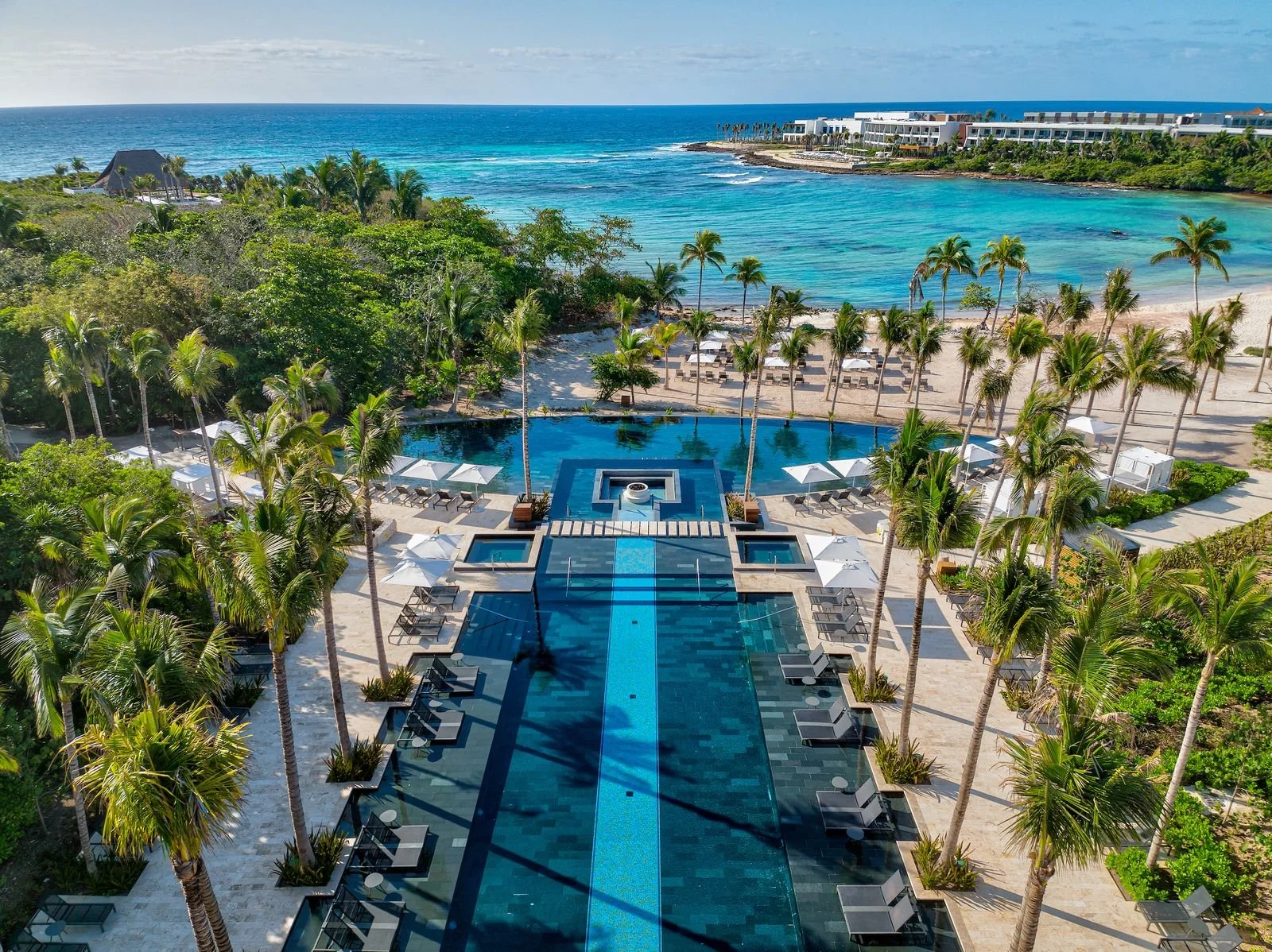
/Luxury hotel companies are no longer treating all-inclusive as a format they merely observe from a distance. They are placing it inside the same brand names they use for conventional luxury stays — a shift that became more visible on 1 October 2026, when Hilton moved Waldorf Astoria Riviera Maya and Conrad Tulum Riviera Maya, two of its luxury resorts on Mexico’s Caribbean coast, to all-inclusive operations.
The decision matters because Waldorf Astoria and Conrad have long been associated with à la carte luxury rather than a prepaid holiday. Hilton is also drawing a clearer line between the two properties. From 10 January 2027, Waldorf Astoria Riviera Maya will become adults-only for registered guests aged 18 and over, while Conrad Tulum Riviera Maya will remain a multi-generational resort, with a dedicated adults-only section, Ceiba Club. “Today’s travelers want the freedom and ease of an All-Inclusive resort, paired with the distinctive depth, personalization and sense of place they expect from Hilton’s award-winning luxury brands,” said Sylvia Scholey, Hilton’s vice president and global head of all-inclusive and resorts, in the company’s announcement.
Hilton is arriving after other global groups have already tested the model. According to Luxury Travel Report, Marriott International entered the segment in 2019 and has since applied all-inclusive operations to brands including The Luxury Collection and Autograph Collection, while W Hotels opened its first all-inclusive resort in Punta Cana last year and is converting W Punta de Mita. The same report says Hyatt built a large presence through its 2021 acquisition of Apple Leisure Group, later launching the Hyatt Inclusive Collection and, in 2022, Impression by Secrets, an adults-only brand intended to feel closer to a luxury boutique hotel.
The commercial logic is straightforward. A prepaid stay simplifies the guest’s choices and steadies hotel revenue, but it only works under a luxury nameplate if dining, wellness and service do not feel standardised. That is why recent investment has been concentrated on those areas, rather than on adding still more buffet stations.
Paradisus Cancun, described by Luxury Travel Report as the first resort in Meliá’s high-end all-inclusive Paradisus brand, illustrates the point. According to the report, the property has reopened after a USD 55 million renovation that added redesigned rooms, an infrared yoga studio, a new fitness centre and pickleball courts, as part of an effort to reset the brand around wellness and gastronomy.
Dining is where the change is most obvious. According to Luxury Travel Report, W Punta de Mita’s optional all-inclusive offer includes Spice Market by Jean-Georges Vongerichten, while Hotel Xcaret Arte and Hotel Xcaret México now point to Michelin-starred restaurants — Le Chique, with a 27-course tasting menu by Chef Jonatán Gómez Luna, and Ha’, led by Carlos Gaytán — as part of the stay. Whether every resort that uses the phrase “luxury all-inclusive” meets that standard is another matter. The report itself notes that the term now covers a wide range of properties, and that new rooms and a longer restaurant list do not, on their own, amount to luxury.
The sharper question for operators is not whether all-inclusive can be luxurious, but whether a flagship brand can absorb the model without flattening what made the brand distinctive. Hilton’s approach — an adults-only Waldorf Astoria alongside a family-oriented Conrad on the same coast — suggests one answer: keep the convenience, but do not make the stays interchangeable.
The prepaid holiday has not disappeared. What has changed is which names are prepared to put it on the door.
Images: courtesy of Hilton