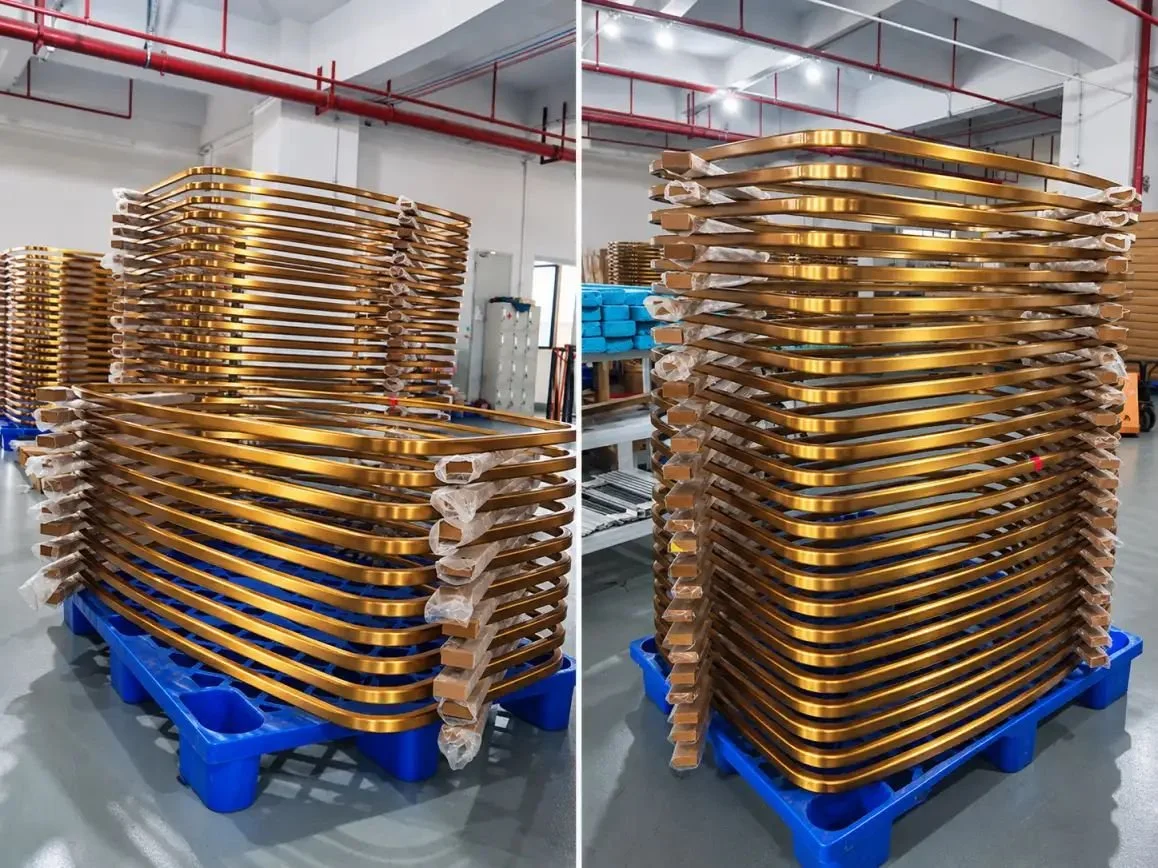
Before the Hotel Bathroom Mirror Fails: Five Checks That Help Reduce Replacement and Maintenance Problems
/By Gallen Ge
A bathroom mirror is one of the most frequently used fixtures in a hotel guest room, yet it is rarely the focus of a maintenance plan until something goes wrong. Its performance depends on decisions made by designers, buyers, installers and housekeeping teams - sometimes years apart.
Unlike a mirror in a private home, a hotel mirror may be cleaned every day and exposed to repeated changes in humidity. When the same specification is installed in dozens or hundreds of rooms, a recurring defect can become a property-wide maintenance issue. Dark edges, uneven frame finishes and damaged backing are not only visual concerns; they also create avoidable inspection and replacement work.
Five straightforward checks can help hotel teams identify risks earlier and set better expectations for long-term care.
1. Inspect the edges before approving a sample
The reflective layer on a conventional silvered glass mirror is protected by backing coatings, but edges remain vulnerable. Moisture, cleaning liquid or chemicals can enter through damaged areas, including corners, holes and cutouts. As the reflective layer deteriorates, the damage may appear from the front as dark discoloration known as black edge.
Procurement teams should therefore inspect more than the polished face. Look for edge chips, small cracks, backing damage and the quality of any protective edge treatment. Fabricated holes and openings deserve the same attention as the outside perimeter. A compatible edge coating can provide another barrier where the specification calls for one, but it should not be presented as a guarantee against corrosion.
The approved sample should show the actual edge finish, backing construction, openings and frame arrangement that will be used in production. Photograph any agreed details so that incoming goods can be compared against a common reference.
Practical check: Approve a finished, representative sample - including its edges and backing - before placing a multi-room order.
2. Check what housekeeping actually uses
The cleaning routine starts affecting the mirror as soon as a room enters service. Spraying cleaner directly onto the glass may be fast, but surplus liquid can run down the face and collect along a lower edge or inside a frame channel. Repeated wetting increases exposure where the protective backing is most vulnerable.
The National Glass Association recommends applying cleaning liquid to a soft, lint-free cloth rather than spraying it directly on the mirror. Keep the cloth damp instead of saturated, and dry edges and joints after wiping. Its mirror-cleaning guidance also advises against abrasive materials, strongly acidic or alkaline products, and commercial cleaners containing ammonia or vinegar. Always check the mirror and frame manufacturer's specific care instructions before choosing a product.
Illuminated mirrors add another consideration: housekeeping should avoid allowing liquid to enter switches, sensors or electrical components. A short, written room-cleaning procedure is often more useful than a maintenance leaflet that nobody sees.
Practical check: Ask housekeeping to demonstrate its usual cleaning method and identify the products used around mirror edges and frames.
3. Review the installation for moisture traps
An attractive mounting detail is not necessarily a durable one. Some lower channels or deep frames can hold condensation and cleaning liquid against the glass. Tight installations may also leave inadequate opportunity for the backing area to dry. These risks need to be considered when drawings are reviewed, not only after stains appear.
The National Glass Association advises maintaining appropriate space behind mirrors to encourage ventilation and avoiding conditions where water can pool at the bottom edge. New wall finishes should be dry or properly cured before installation. Where adhesives or sealants are used, they must be suitable for the mirror backing and applied according to the relevant manufacturer's instructions; mechanical mounting and wall suitability must also be assessed for the fixture's weight.
For lighted mirrors, the project team must additionally coordinate electrical access, servicing needs and the requirements applicable to the particular model and jurisdiction. A decorative frame can conceal early discoloration, but it is not a substitute for sound drainage and moisture control.
Practical check: Have the contractor review mounting, wall condition, drainage and service access against the approved installation drawing.
4. Control frame finishes across rooms
A single mirror is judged on its appearance. A hotel order is also judged on consistency. Slight differences in metal tone, texture, joint alignment or surface marks may be much more obvious when the same design appears across a corridor of guest rooms.
A specification such as 'brushed gold' does not fully define a finish. Buyers should approve a physical reference sample and record the frame material, finish process and acceptable visual standard. Comparisons during production and incoming inspection should be made under consistent lighting. Check visible scratches, spots, corner joins, alignment and differences between batches.
Maintenance requirements should be coordinated as well. A cleaner suitable for the glass may not be suitable for the frame's finish, so housekeeping instructions need to cover both surfaces.
Practical check: Keep an approved frame sample available for both factory inspection and on-site acceptance.
5. Make mirror checks part of handover
Mirror acceptance should continue beyond delivery. Before shipment, checks may include glass appearance, processed edges, backing condition, frame alignment and protective packaging. After installation, the room-by-room inspection should confirm position, mounting security and any visible damage.
For illuminated products, qualified personnel should carry out the functional and electrical checks required by the approved specification and applicable regulations. Confirm controls, lighting and any additional features without assuming that every model has the same functions.
Photographs and room numbers make defect reports more useful. They can help distinguish shipping or installation damage from problems found later in service. Handover information should also include cleaning guidance, relevant installation instructions and a clear route for reporting defects. If similar damage develops in several rooms, the common cleaning method or installation condition deserves investigation before mirrors are replaced one by one.
Practical check: Add mirror condition, mounting, functional checks and care instructions to the guest-bathroom handover checklist.
A shared responsibility
No mirror is immune to every combination of humidity, cleaning chemicals, physical damage and prolonged use. The goal for a hotel is not to purchase an allegedly corrosion-proof fixture, but to reduce preventable exposure and detect problems before they spread across many rooms.
Designers shape the installation detail, buyers define the quality reference, contractors determine how the fixture is mounted, and housekeeping influences it every day. When these roles share clear specifications and practical checks, hotels are better positioned to preserve appearance, plan maintenance and avoid unnecessary replacement.
About the author
Gallen Ge represents NISSIYA, a manufacturer and supplier of bathroom mirrors, LED mirrors and wall-mounted magnifying makeup mirrors for hospitality and commercial projects. His work involves product specifications, manufacturing coordination and mirror quality control. Website: nissiya.com
Technical references
National Glass Association, Proper Procedures for Cleaning Flat Glass Mirrors (FB06-24, updated 2024): NGA cleaning guidance
National Glass Association, Installation Techniques Designed to Prolong the Life of Flat Glass Mirrors (FB21-09, 2021): NGA installation guidance
Images: courtesy of NISSIYA