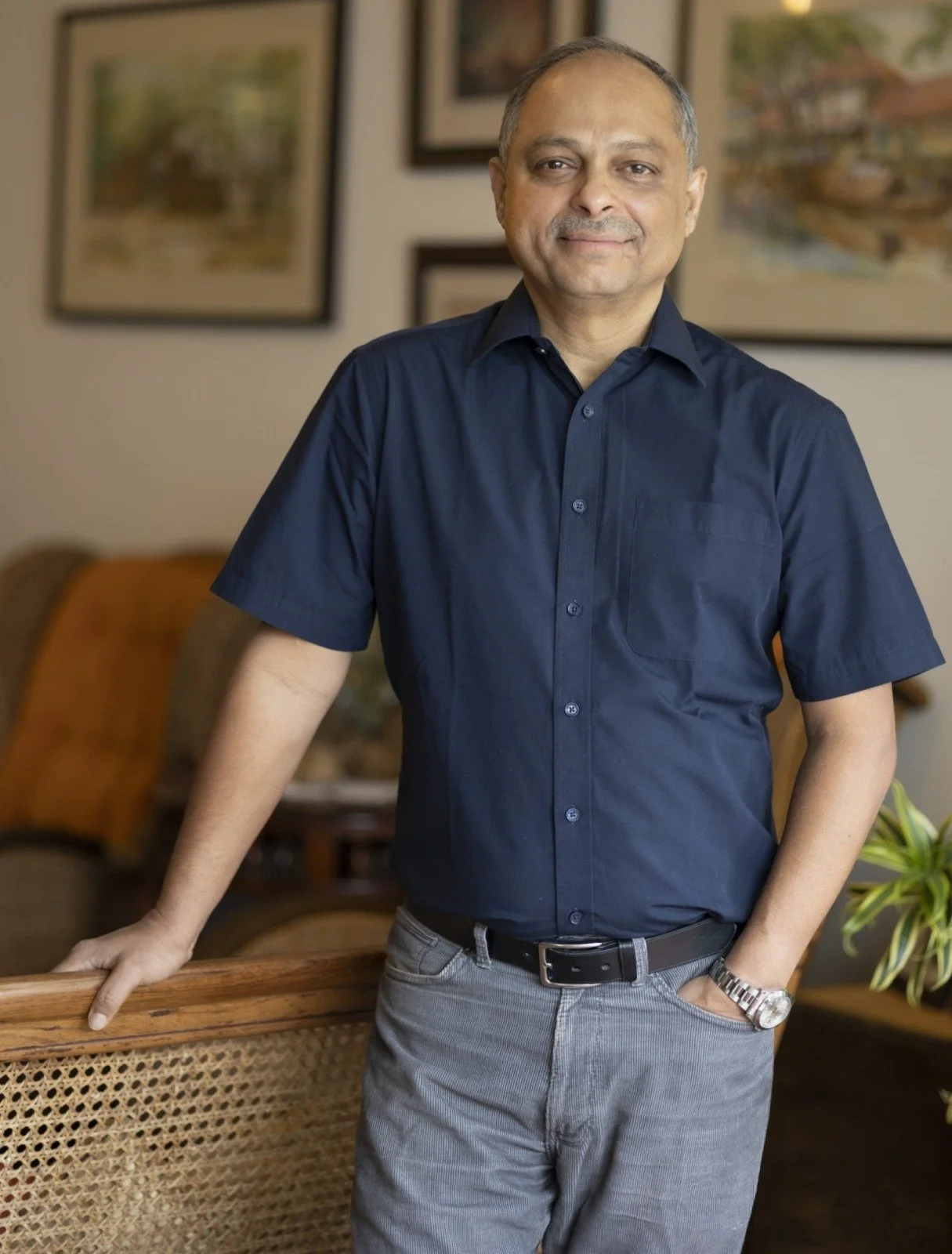
Why Artistic Collaborations Are Becoming Hospitality's Most Enduring Brand Assets By Mr. Jose Ramapuram, Executive Director - Marketing, Evolve Back

A hospitality brand can run a campaign, sign an influencer, and watch a dashboard update by the hour, and still have said nothing that lasts.
Getting noticed is one thing. Being remembered is another.

Artistic collaborations offer hospitality brands a way to build recognition that does not rely on constant repetition. Photography, art, film, and literature can capture the character of a place with a depth that a campaign often cannot, creating stories that remain relevant long after a campaign has ended. For hospitality brands, that distinction is increasingly important because the strongest brand associations are often built over time.

Artists as the Custodians of Narrative

A place, its history, its rhythms and the communities that shape it usually take more time to understand than a single campaign allows. A destination’s spirit is rarely captured in one caption or one shoot. Recognising this helps a hospitality brand choose the right medium for the story it wants to tell.


When hospitality brands collaborate with artists, photographers, filmmakers, and writers, they bring different ways of how a destination can be viewed into the brand's story. A photographer documenting wildlife across seasons can capture a depth that a single campaign shoot rarely can. A filmmaker can observe a local ritual over time, while a writer can uncover stories that usually sit outside the usual travel narrative. What begins as a creative project has the potential to eventually become a body of work that continues to represent the destination and the brand long after it is first published.


How Years of Documentation Became both an historical archive and a marketing asset

Luxury hospitality occupies a distinctive position in this conversation. These properties are rarely anonymous backdrops. They are deeply rooted in landscapes, cultures, and histories that predate their own existence. This gives luxury brands both the opportunity and the responsibility to interpret a place rather than simply occupy it.


That thinking shaped our approach to documenting the landscapes, wildlife, heritage, and communities around our properties in Coorg, Kabini, and Hampi through photography, art, and storytelling. What started as a documentation effort continued for close to two decades. Today, it forms the basis of a collector's coffee table book placed in guest rooms across all three resorts.


A photography series on regional wildlife, a film capturing local rituals, or a literary project exploring a destination's folklore can preserve an identity that belongs to the place itself, not just the brand documenting it. Done well, this kind of work protects something the destination and the brand both depend on.


Building Brand Equity Beyond the Campaign Cycle

There is also a clear business rationale behind this approach. Campaigns have a defined lifespan, while a strong piece of cultural storytelling can continue to find relevance years after it is created. A photograph, film, or artistic collaboration can be revisited by new audiences, become part of a property's identity, and even acquire meaning beyond the original campaign or brief. This longevity translates into genuine brand equity, building emotional recall that transactional marketing struggles to replicate, and forming associations that are felt rather than simply seen.


Guests may not remember the details of a seasonal offer, but a striking photograph or a story tied to their stay is often what stays with them.


However, this approach does require patience. Returns are not always immediate, and impact is harder to measure using conventional marketing metrics. The brands willing to wait gain a body of work that continues to represent them faithfully, independent of trends or algorithms. They cultivate relationships with creative practitioners who bring genuine expertise rather than borrowed relevance. And perhaps most importantly, they position themselves as custodians of the places they inhabit rather than temporary tenants passing through.

The brands that last are not necessarily the ones that communicate the most, but the ones that give people something to come back to. Artistic collaborations offer that possibility. They allow a brand to document, interpret, and celebrate a destination while creating cultural assets that can continue to grow in meaning over time. For luxury hospitality, where a sense of place is central to the experience, that may be the real advantage.


***
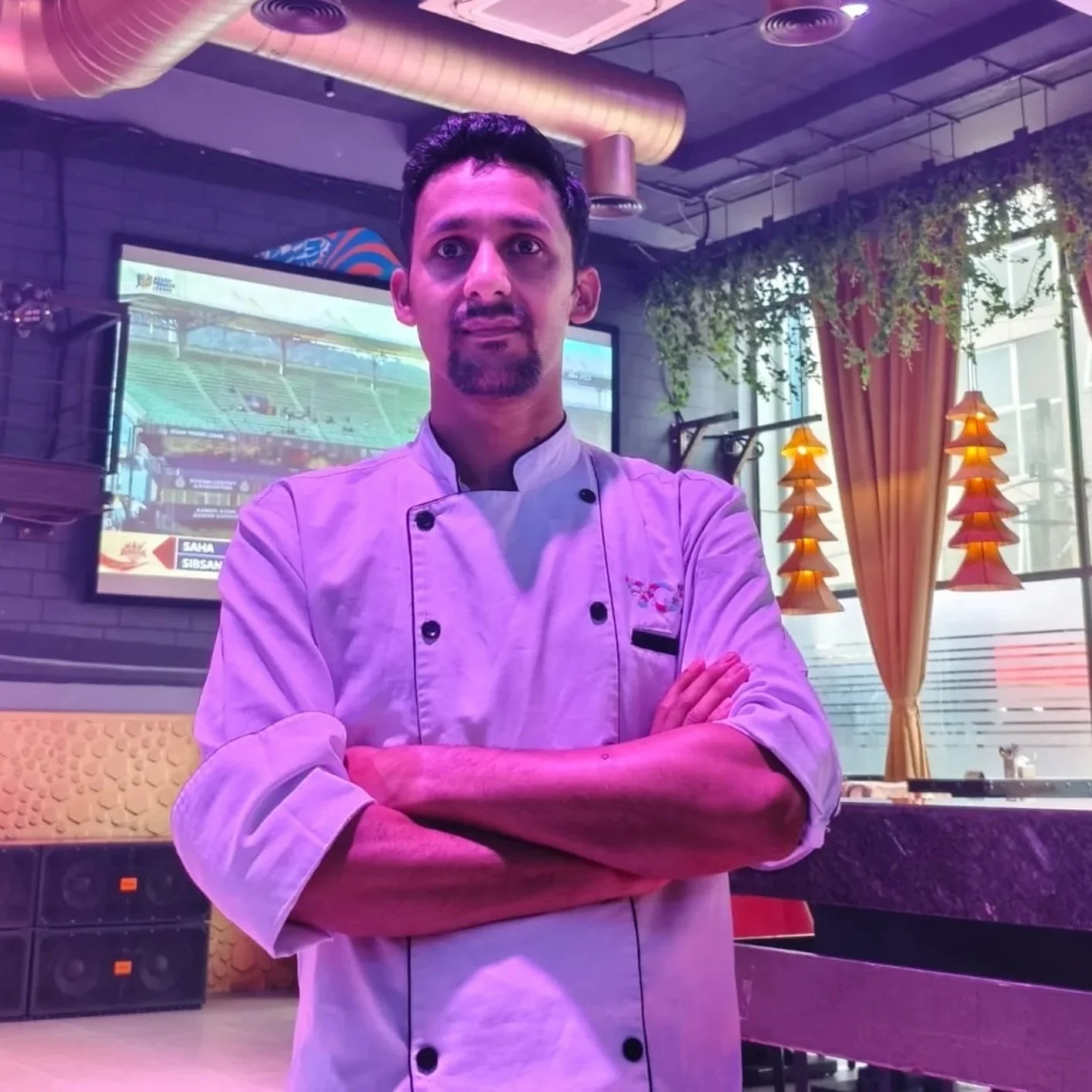
The Changing Role of a Chef: From Cooking to Managing an Entire Kitchen Ecosystem-Chef Hemant Singh Bohra 

The notion of a chef standing behind the stove, creating dishes and managing the cooking process is undergoing many changes. In modern times inside the restaurants, the job of a chef is much wider than just cooking delicious food. A chef is becoming more and more like a manager, counselor, planner, and even a guardian of a brand, responsible for the smooth operation of the entire kitchen ecosystem, says Chef Hemant Singh Bohra.

Managing the Kitchen Beyond Cooking

A modern chef must think not only about what is on the plate. There are many responsibilities of a chef which range from menu planning to inventory management to working with suppliers and tracking the cooking process. A chef must have knowledge of the costs of food, purchasing, hygiene, equipment and service time and also to keep the kitchen process running effectively from the beginning to the end of the day.

Keeping the Entire Kitchen Ecosystem in Sync

A kitchen in a restaurant operates as a well-functioning system in which the position of every worker is dependent on another employee. The chef must ensure that the ingredients reach the kitchen on time, that the preparation is finished before the food gets served, and that each working station is ready for taking orders. Interaction between the kitchen, the service, the suppliers and the management of the restaurant is vital, especially during peak hours of business when even a small delay can ruin the whole dining experience.

Balancing Creativity with Costs and Wastage

The chef must invent dishes, which are fresh and interesting for customers on the one hand and inexpensive at the same time. Good menu planning, portioning and use of products will allow minimizing wastage and at the same time producing delicious food.

Developing and Leading a Good Kitchen Team

To have a successful kitchen, it is necessary to have good people. Chefs should not only cook but also train, encourage and supervise their staff in a way that everyone is aware of what he/she should do. There must be good interaction among all employees of the kitchen from cooks to sous chefs. A chef with a competent cooking team can keep the kitchen working without his/her presence at every station. 

Getting Things Done Right!

It is not enough to serve a great dish for a restaurant at once. Visitors want to eat the same thing every time they come to the restaurant. To achieve this, a restaurant should be prepared to cope with every situation. Chefs should have definite recipes, procedures, rules and restrictions while staying cool and calm.

Changing and Forming the Identity of the Restaurant
Another of the many changes that the chef must take into account is connection with the identity of the restaurant. A chef’s food, food principles, idea of presentation and many other important aspects influence the way visitors think about the restaurant. One chef can decide what to cook and what the idea of the restaurant is.


Business of Experience Perspective – Sandeep Kale- GM- Sapphero Resort Shirdi – Development & Pre-opening

Q: How much of an experience is about what happens and how much is about how the guest feels? At Sapphero Resorts Shirdi, we focus on creating a sense of comfort, peace and convenience. From our lush, resort-style surroundings, lavish swimming pool and spacious accommodation to scrumptious meals, well-equipped banquet spaces and complimentary shuttle service to the Sai Baba Temple, every touchpoint is designed to make the guest’s stay relaxed and meaningful. Whether guests are visiting for a spiritual getaway, a family celebration or a grand event, our aim is to ensure they feel comfortable, cared for and connected to their Shirdi experience.

Q: What will guests expect from hospitality experiences five years from now that they don't necessarily expect today? Guests will increasingly expect hospitality to be more personalised, seamless and meaningful. They will want hotels to understand their preferences without making the experience feel intrusive. At the same time, there will be greater demand for experiences that connect guests with the destination and local culture.

Q: Where should technology disappear completely from the guest experience? Guests should not feel that they are constantly interacting with screens or systems when they are looking for hospitality. At Sapphero Resorts Shirdi, technology should support convenience in the background while the guest remains focused on enjoying the stay and their spiritual journey.

Q: How do you create experiences that feel unique to a destination rather than transferable from one hotel to another? The key is to build the experience around the destination rather than simply the hotel. Shirdi is a spiritual destination, and that naturally shapes the experience at Sapphero Resorts. Our location, approximately 2 km from the Shri Sai Baba Temple, along with our complimentary shuttle service, makes the temple visit convenient while allowing guests to return to a peaceful resort environment with lush green gardens and recreational spaces. Our experience is therefore a combination of Shirdi's spiritual significance and the comfort and tranquillity of a resort stay. That connection makes the experience difficult to replicate elsewhere.

Q: Should guests pay separately for experiences, or should they be built into the overall proposition? The core experience should always feel complete and valuable without guests feeling that every memorable moment comes with an additional charge. At the same time, premium dining, celebrations, customised experiences and special event requirements can be offered as optional enhancements for guests looking for something extra.

Q: What is one mistake hospitality businesses make when trying too hard to 'design' an experience? The biggest mistake is over-designing the experience and leaving no room for discovery. Hospitality should create the conditions for memorable moments to happen naturally, rather than scripting every detail. True guest satisfaction often comes from the unexpected—those thoughtful gestures and spontaneous experiences that make a stay unforgettable.

Business of Experience Perspective - Kumar Roushan, Senior GM – Development & Pre-opening, Lord Hotels and Resorts

Q: How much of an experience is about what happens and how much is about how the guest feels? At Lords Hotels and Resorts, we believe the experience is ultimately about how the guest feels. The room, the food, the service and the amenities are important, but they are ultimately the building blocks of the experience. What guests remember is whether they felt welcomed, understood, cared for and comfortable.

A beautifully designed room may impress a guest, but a team member remembering their preference or going the extra mile at the right moment can create a far stronger memory. We would say the experience is perhaps 40% what happens and 60% how it makes the guest feel. The real art of hospitality lies in turning functional moments into emotional ones.

Q: What will guests expect from hospitality experiences five years from now that they don't necessarily expect today? We see growing expectations around wellness, sustainability, local immersion and flexibility. Guests will want to experience the destination rather than simply stay in a hotel within it. At the same time, they will value authenticity more than excessive luxury. Five years from now, the differentiator may not be how much a hotel offers, but how intelligently and meaningfully it brings those offerings together for each guest.

Q: Where should technology disappear completely from the guest experience? Technology should disappear wherever it creates friction rather than removing it. Guests shouldn't have to think about the technology behind a smooth check-in, a well-managed room request or a personalised recommendation.

The best technology in hospitality is often the technology guests don't notice. It should enable our teams to be more responsive and give guests greater choice, rather than replace genuine human interaction. At Lords, we see technology as an enabler, not the experience itself. The moment a guest is thinking about the system instead of enjoying their stay, the technology has become too visible.

Q: How do you create experiences that feel unique to a destination rather than transferable from one hotel to another? The starting point has to be the destination itself. A hotel should not simply bring its standardised experience to a location; it should understand what makes that location special and allow those characteristics to influence the guest journey.

That could come through local cuisine, regional traditions, design, storytelling, people, art or recommendations that take guests beyond the property. For Lords Hotels and Resorts, the objective is to maintain the consistency of our hospitality standards while allowing each destination to have its own personality. Consistency should build trust; locality should create memory.

Q: Should guests pay separately for experiences, or should they be built into the overall proposition? There is a place for both. Some experiences are valuable precisely because they are curated as part of the overall stay and make the guest feel that they are receiving more than just a room. These should be woven naturally into the proposition wherever possible.

At the same time, specialised or highly personalised experiences can be offered as additional choices. The important thing is that the guest should never feel that every meaningful moment has a price attached to it. Hospitality is about creating value beyond the transaction. The best approach is to build a strong core experience and then give guests the freedom to personalise it further.

Q: What is one mistake hospitality businesses make when trying too hard to 'design' an experience? The most powerful hospitality moments are spontaneous—a thoughtful gesture, a conversation with a team member, a local recommendation or simply noticing what a guest needs before they ask. Experience design should create the conditions for those moments to happen, not dictate every moment.

The biggest mistake is trying to make every moment extraordinary. When an experience becomes overly scripted or deliberately orchestrated, it can lose the spontaneity and authenticity that make hospitality truly special. At Lords Hotels and Resorts, we believe the role of hospitality is not to dictate how a moment should unfold, but to create the right setting for memorable moments to happen naturally. Sometimes, the most lasting memories are the ones that were never planned.


Business of Experience Perspective –Sanat Hooja, Partner, The Machan

Q: How much of an experience is about what happens and how much is about how the guest feels? For me, how the guest feels is ultimately the experience. You can design beautiful spaces and create any number of activities, but what people really remember is how a place made them feel.

At The Machan, that could simply be waking up to the forest, watching a sunrise, sitting quietly with a cup of coffee or spending uninterrupted time with someone you love. We live such connected and increasingly hectic lives that sometimes the luxury is simply having the time and space to slow down. Those are often the moments our guests remember most.

Q: What will guests expect from hospitality experiences five years from now that they don't necessarily expect today? I think people will increasingly look beyond the traditional definitions of luxury. A beautiful room, great food and good service will almost become hygiene factors. What guests will value more is privacy, personalisation and experiences that genuinely give them something they don't get in their everyday lives.

For us, that means nature, space, silence and the ability to disconnect. I think the luxury of the future may actually be having fewer distractions rather than more of them.

Q: Where should technology disappear completely from the guest experience? Technology should disappear wherever it starts getting between the guest and the experience they have travelled for.

The Machan is in the middle of a forest, and connectivity is naturally limited. We don't necessarily see that as a disadvantage. If you are sitting under a sky full of stars, listening to birds in the morning or hearing the wind move through the trees, we would rather you experience that than look at it through a screen.

Technology is extremely useful when it makes hospitality more seamless behind the scenes. But once the guest arrives, I think there should be places where it quietly gets out of the way.

Q: How do you create experiences that feel unique to a destination rather than transferable from one hotel to another? I think you have to start with the destination rather than the hotel. At The Machan, the forest came first. The architecture and the experience were designed around it, rather than trying to impose a conventional resort onto the landscape.

That philosophy is reflected in the different Machans. The Starlight Machan has a retractable roof that lets you sleep under the night sky; the Sunset Machan is designed around its views; while the Canopy, Heritage, Jungle and other Machans each interact with the forest differently.

To me, if you could pick up a hotel and put it somewhere else without fundamentally changing the experience, then it probably isn't connected deeply enough to its destination.

Q: Should guests pay separately for experiences, or should they be built into the overall proposition? I don't think there is one answer for every experience. The things that are fundamental to why a guest has chosen to stay with you should be part of the proposition. At The Machan, nature, tranquillity, privacy and the freedom to disconnect aren't add-ons—they are the reason for being here.

There will always be specialised experiences that require additional people, expertise or resources, and it is perfectly reasonable to charge separately for those.

The important thing is that the guest should never feel that every interaction has been designed as another opportunity to charge them.

Q: What is one mistake hospitality businesses make when trying too hard to 'design' an experience? Over-designing it.

I think hospitality can sometimes become so focused on creating an itinerary of "experiences" that we forget to leave space for the guest to discover something for themselves.

Nature does this particularly well. You cannot schedule a spectacular sunset, the sound of rain through a forest or a sky suddenly full of stars. Our role is to create the environment in which those moments can happen and then, sometimes, simply get out of the way.

Some of the best experiences aren't designed at all.

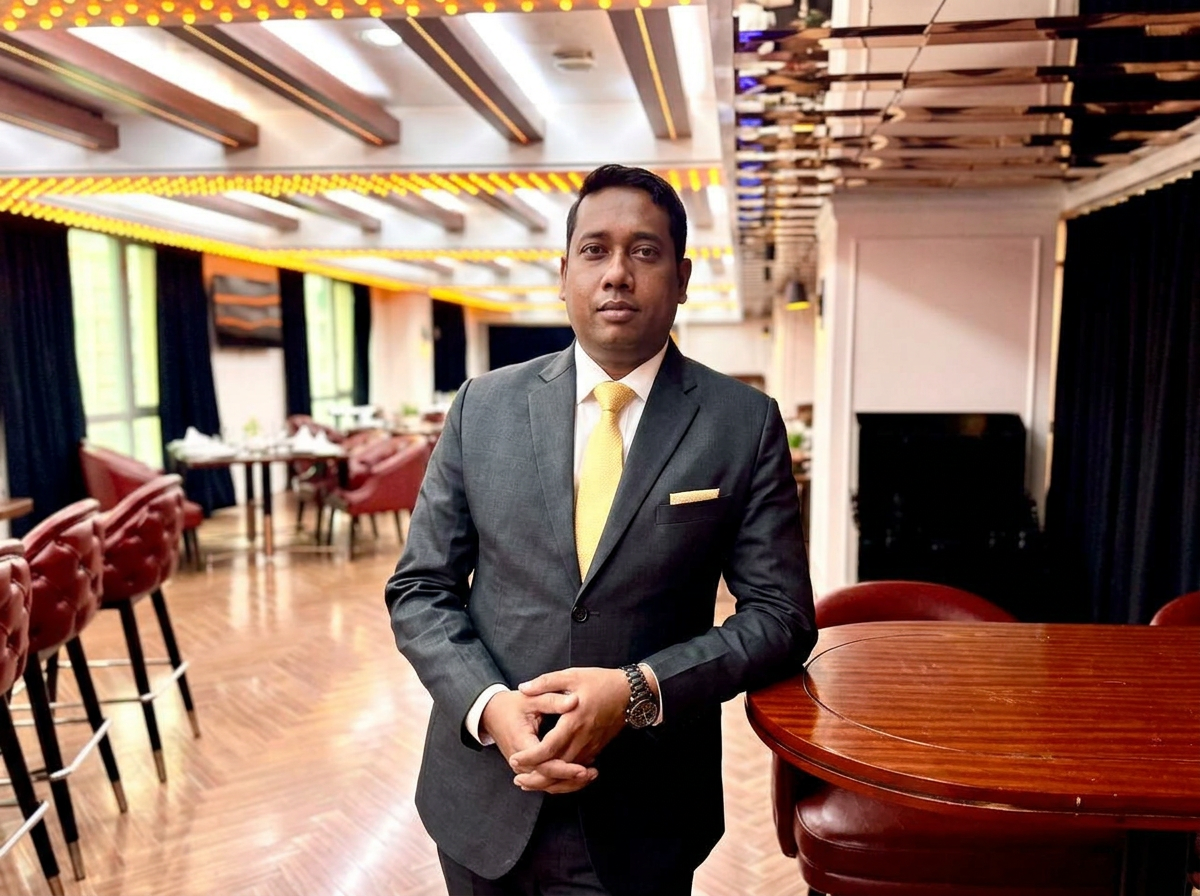
Business of Experience Perspective – Biplab Roy, F&B Manager, Planet Hollywood Thane


Q: How much of an experience is about what happens and how much is about how the guest feels? At Planet Hollywood Thane, we believe an experience is defined not only by what happens, but by how it makes you feel. Every detail is thoughtfully considered to create a sense of ease, occasion and belonging. Whether it is a private celebration, a business gathering, a family occasion or a leisurely escape, our role is to make every moment feel distinctive and memorable—leaving our guests with an experience they remember long after they leave.

Q: What will guests expect from hospitality experiences five years from now that they don't necessarily expect today? Guests will increasingly seek more than a place to stay; they will seek a sense of lifestyle, connection and discovery. Hospitality will become more fluid, bringing together exceptional dining, entertainment, social experiences, celebrations and leisure under one roof. At Planet Hollywood Thane, we see the future as creating destinations where every visit offers something worth experiencing, whether it is an intimate evening, a significant celebration, a business occasion or simply time well spent.

Q: Where should technology disappear completely from the guest experience? Technology should be almost invisible where it matters most. It should make the experience more seamless and intuitive, without ever coming between the guest and the moment. At the heart of hospitality will always be genuine human interaction, thoughtful service, exceptional dining and an atmosphere that cannot be replicated by a screen.

Q: How do you create experiences that feel unique to a destination rather than transferable from one hotel to another? We believe a destination should have its own character and hospitality should reflect it. At Planet Hollywood Thane, we bring our guests and the local community together through experiences that celebrate the spirit, culture and social fabric of Thane. From traditional cake-mixing and Christmas carols to Holi, Halloween and New Year celebrations, alongside curated experiences such as our Fisherman’s Table and Seafood Festival, each occasion is thoughtfully shaped to feel relevant to its surroundings. It is this sense of place that makes an experience distinctly Planet Hollywood Thane.

Q: Should guests pay separately for experiences, or should they be built into the overall proposition? The experience should always feel complete in itself, with thoughtful touches that make a stay or visit memorable without every element carrying an additional cost. At the same time, guests should have the freedom to elevate their experience through exceptional dining, private celebrations and bespoke offerings. Our Viiking Club Exclusive membership extends this philosophy, giving members privileged access and exclusive benefits across stays, dining and experiences—creating a more rewarding relationship with the hotel and its lifestyle.

Q: What is one mistake hospitality businesses make when trying too hard to 'design' an experience? The biggest mistake is trying to make every moment extraordinary. When an experience becomes overly scripted or deliberately orchestrated, it can lose the spontaneity and authenticity that make hospitality truly special. At Planet Hollywood Thane, we believe the role of hospitality is not to dictate how a moment should unfold, but to create the right setting for memorable moments to happen naturally. Sometimes, the most lasting memories are the ones that were never planned.


Rashi Morbia Kumar on the Business of Experience: Why Authenticity Matters in Hospitality

1. How do you give frontline teams enough autonomy to create memorable moments without compromising operational standards?

For me, it's about trusting people. You can train someone on service standards, but you can't script genuine hospitality. The basics should always be consistent, but beyond that, I want my team to have the freedom to be themselves, read the room, and create those little moments that make a guest feel seen. Systems keep the business running, but it's the human instinct behind them that people remember.

2. How much of an experience is about what happens, and how much is about how the guest feels?

I genuinely believe people don't come back for the food or the cocktails alone. They come back because of how a place made them feel. You might not remember every dish or drink, but you'll remember the conversation you had, how comfortable you felt, or how welcomed you were. For me, that's what hospitality is really about, creating a feeling people want to return to.

3. Can AI create meaningful personalisation, or will the most memorable moments always require human intuition?

AI can definitely help us understand our guests better and personalise certain parts of their experience, but I don't think it can ever replace human intuition. Some of the most meaningful moments are incredibly simple, remembering someone's usual order, noticing they're having a difficult day, celebrating a special occasion without being asked, or knowing when they'd rather be left alone. Those aren't things that come from data, they come from genuinely paying attention. And I think that's something only people can do.

4. What is the difference between an experience that creates value for the guest and one that simply creates cost for the operator?

Some of the most memorable moments are surprisingly simple: a thoughtful gesture, a conversation, a well curated event, or just a space where people feel comfortable enough to stay longer than they planned. If people leave feeling something, you've created value. If you're spending money on things they don't notice or connect with, then it's just a cost.

5. What is one trend in experiential hospitality that you think is overhyped?

I think experiences designed purely to go viral are one of the most overhyped trends in hospitality today. Don't get me wrong, aesthetics matter, and social media is an incredibly powerful tool, but not everything that goes viral stays. The obsession with chasing virality has become so intense that a lot of brands are starting to lose their authenticity. Everyone is trying to outdo each other, create the next big Instagram moment, and somewhere along the way, they lose their own identity and essence. I've seen it happen, and I honestly find it a little sad.

For me, the goal has never been to create something people visit once because they saw it online. I'd much rather create a place people keep coming back to, trends come and go, but genuine experiences have a much longer life.

6. Where do you begin when designing a guest experience, with the guest, the destination, the story, or the business objective?

I think it starts with staying true to what you genuinely believe in. When something is created just to follow trends or impress people, it eventually shows. Guests can sense when a place lacks authenticity or meaning. For me, the energy of a space matters more than anything else. If that feels honest and intentional, everything else naturally falls into place.

Every guest who walks through the door is different. They have their own expectations, preferences, and reasons for being there. If you try to design an experience around pleasing every individual, you'll end up creating something that stands for nothing. I'd rather build a place with a clear identity and let the right people connect with it. The people who resonate with it will keep coming back, and those are the relationships that last.

7. How do you build a culture where employees actively look for opportunities to create better experiences?

I think people mirror the environment they work in. If you create a culture where kindness, curiosity and genuine hospitality are valued, your team naturally starts looking for ways to make someone's day better. I don't expect perfection, I expect people to care. Some of the best improvements come from the team because they're the ones having real conversations with guests every single day.

8. What are the small details that guests may never consciously notice but that fundamentally change an experience?

I think it's always the little things. The music, the lighting, how quickly someone is acknowledged when they walk in, guests may not consciously notice these details, but they absolutely feel them.

I also love doing small things that don't necessarily get spoken about online. I don't believe every thoughtful gesture needs to become content. We give away little souvenir matchboxes, serve complimentary boozy fruits and jello shots on some weekends, surprise guests with random giveaways, and we're constantly experimenting with new little touches. We rarely post about these things, and I don't expect our guests to either. They're not done for social media, they're done because they make someone's visit a little more memorable. I think those unexpected moments quietly leave a lasting impression, and that's far more valuable than a viral post.

9. Should guests pay separately for experiences, or should they be built into the overall proposition?

I don't believe every experience should have a price tag attached to it. Some are absolutely worth paying for because they offer something special, but I also think generosity has a place in hospitality. Sometimes the most memorable experiences are the unexpected ones that guests weren't charged for and never saw coming. We do both. We create curated experiences that people choose to pay for, but we also believe in adding little moments of delight just because we can. I think that balance makes a place feel less transactional and a lot more genuine.

10. How do you create experiences that feel unique to a destination rather than transferable from one hotel to another?

I think every destination already has a story, you don't need to force one onto it. The best experiences come from understanding the people, the culture and the energy of a place, while still staying true to your own identity. The Nook wouldn't be The Nook without Bandra, and it also wouldn't be The Nook if we tried to be everything to everyone. I think that's what makes a place feel authentic. It belongs where it is, and people can feel that the moment they walk in.

11. What will guests expect from hospitality experiences five years from now that they don't necessarily expect today?

I actually think people are going to crave authenticity more than anything else. We've reached a point where almost every place looks beautiful online, and with AI becoming more common, it'll become even easier to create polished, curated experiences. What will be harder to replicate is genuine human connection and a place with real character. I think guests will become much better at sensing what's authentic and what's been manufactured purely to attract attention.

Five years from now, I don't think people will just be looking for great food or beautiful interiors. They'll be looking for places that have a point of view, where they feel recognised, comfortable and genuinely connected.

12. What separates a good hospitality experience from a truly memorable one?

I think what separates a good experience from a truly memorable one is the energy of the space. And that energy can only come from authenticity. It comes from staying true to your vision, believing in what you're building, and not constantly changing your identity just to attract more people. Guests can feel when a place is genuine, and they can also feel when it's trying too hard.

Right now, there's a huge obsession with chasing trends, creating waiting lists, and doing whatever it takes to go viral. But I don't think that's what creates longevity. If you're constantly changing your voice just to pull in a crowd, eventually you lose the very thing that made your place special. I'd rather build something with a clear identity that resonates deeply with the right people than something that appeals to everyone for a few months. Trends fade, but authenticity has a much longer life.

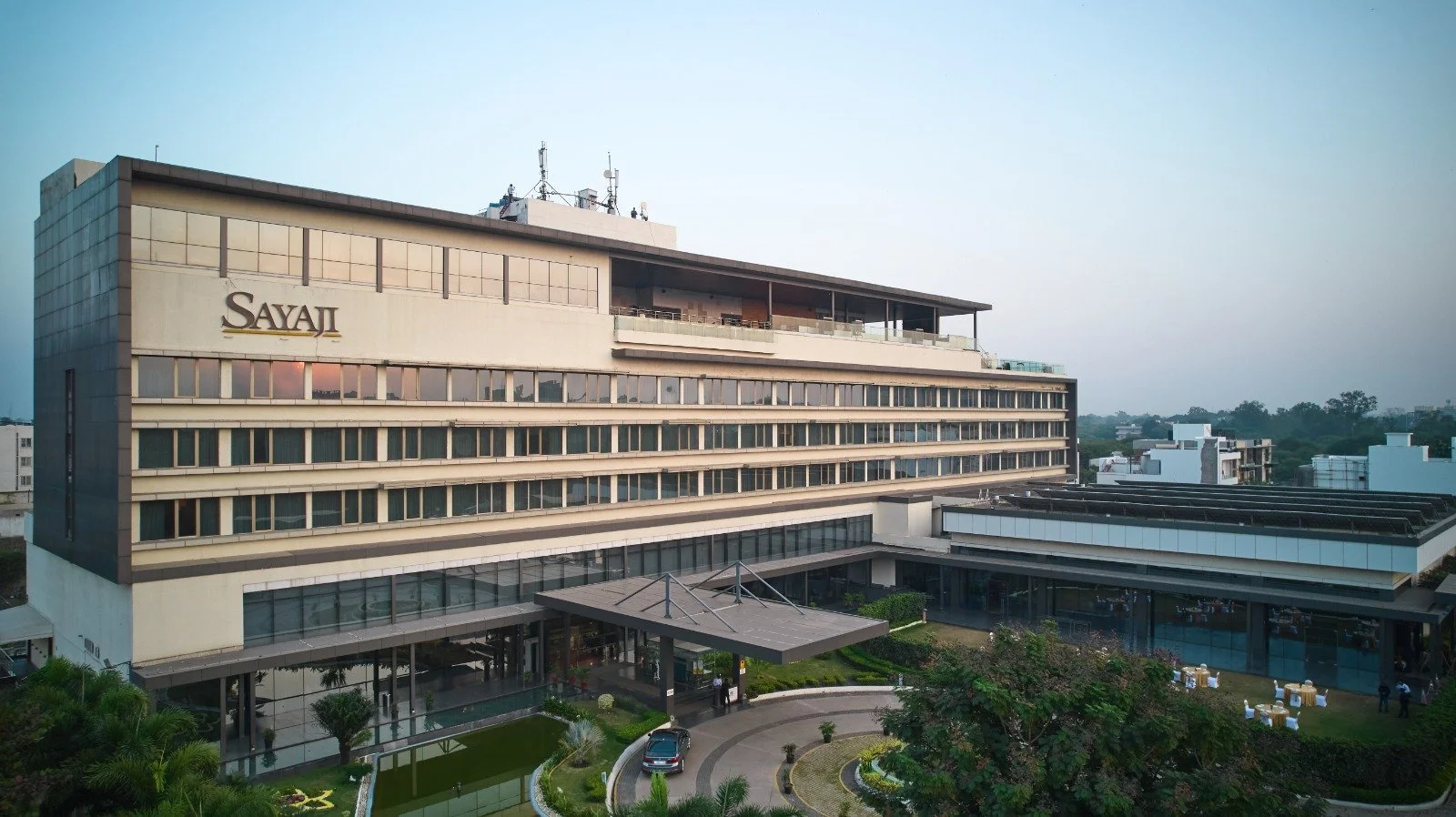
The Business of Experience: Crafting Authentic Hospitality at Sayaji Raipur

What makes an experience genuinely memorable — and not simply well-produced? At Sayaji Raipur, the answer lies in connecting food, people and local character with the fundamentals of good hospitality. In this perspective, the team explores how destination, employee empowerment and commercially meaningful experiences can come together without losing authenticity.

Read More

Beyond the Brew: How Café Design Is Becoming Part of the Experience

Café culture has changed quite a bit over the years. A café is no longer just about good coffee, food, and a place to sit for a while. Today, the space itself has become part of the experience. People are drawn to places that have a certain character, tell a story, and make them want to stay a little longer. This has made design an increasingly important part of how cafés build their identity and connect with their guests.

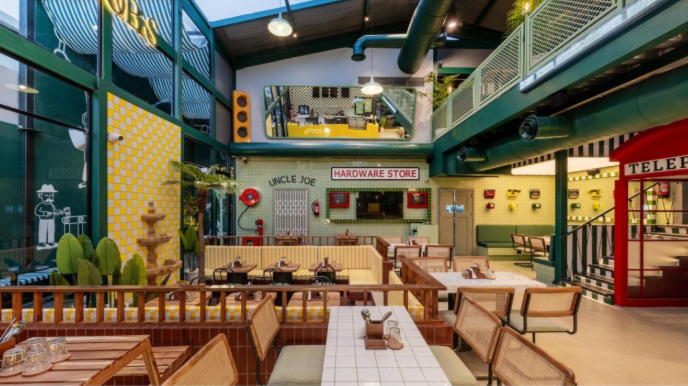
For Jacob’s Brew House, this idea became especially relevant while creating its first outlet in Jaipur. With the city’s café culture growing rapidly, the team wanted to create a space that felt distinct rather than follow the familiar café formats centred around greenery, open spaces, and comfort. The intention was to build a café with a clear story, one where the architecture, interiors, food, and coffee could all come together as one experience.

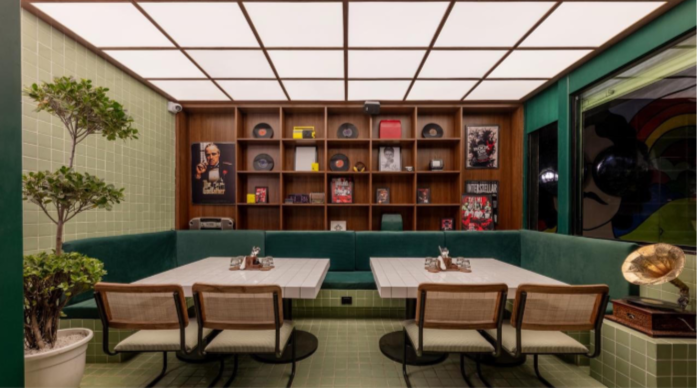
The result was a vintage garage space turned into a café, designed by architect and designer Kanika Gupta Wahi, Founder of House of Kian. The concept was built around creating a space that went beyond aesthetics and had a narrative of its own. Inspired by Sir Samuel Swinton Jacob’s architectural legacy, Jacob’s Brew House brings together heritage references with industrial textures and contemporary details.

The exterior sets the tone with a rustic, industrial façade, cotton-textured elements, and an 18-foot chimney. Inside, the experience changes into something warmer and more inviting, with brick, cement, and wood combined with refined finishes and British retro-inspired colours from the 1980s. The contrast between the two spaces is intentional, giving the café a sense of discovery as you move through it.

That sense of discovery continues through the smaller details. A freezer-inspired door, playfully called the “peezer,” adds an unexpected touch, while the private dining rooms draw from vintage recording studios and old workspaces, complete with typewriters and nostalgic artefacts. The vintage elements are functional and thoughtfully reinterpreted, making them part of the café’s story rather than simply decorative pieces.

The design is also closely connected to the larger experience at Jacob’s Brew House. Its specialty coffee programme, globally inspired food, and plans for tastings, workshops, and creative collaborations are all intended to bring people together.

For Jacob’s Brew House, the idea is simple: a café should give people more than something to eat or drink. It should give them a space they enjoy being in, a story they can discover, and an experience they remember even after the last cup is finished.

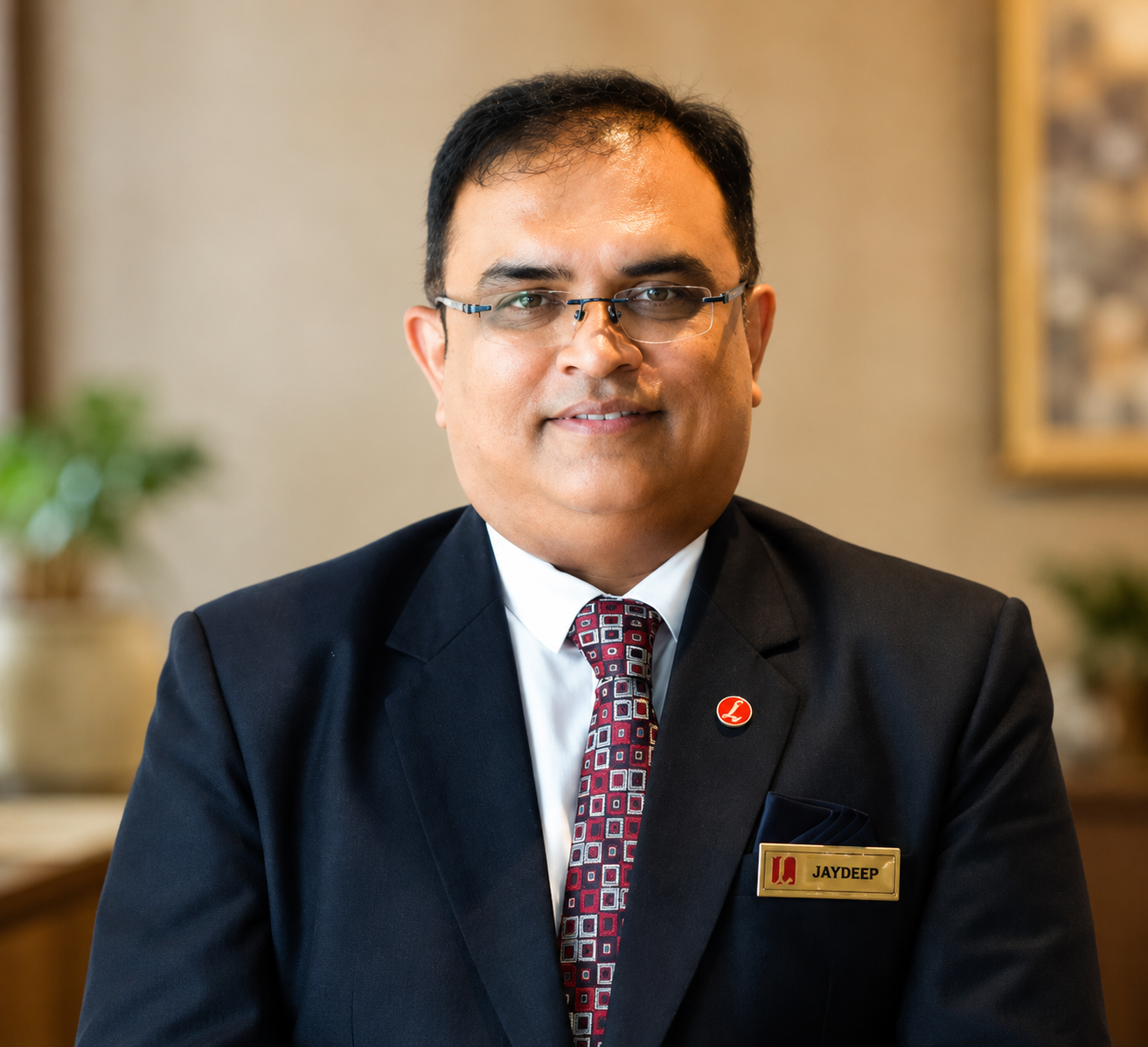
Technology, Personalisation, and the Future of Menus Jaydeep Vithlani, Area Head, Lords Hotels & Resorts

The modern menu is evolving from a simple list of dishes into an interactive tool that enhances the guest dining experience. As technology reshapes hospitality, restaurants are embracing digital menus, QR-based ordering, AI-powered recommendations, and real-time updates to offer greater convenience and personalisation. Innovation is also redefining the way menus are designed and presented, with restaurants experimenting with interactive formats, digital storytelling, immersive visuals, and smart recommendations that go beyond traditional listings.

At Lords Hotels & Resorts, innovation is thoughtfully blended with a diverse culinary portfolio designed to suit varied guest preferences and dining occasions. Our signature Blue Coriander serves as an all-day multi-cuisine restaurant, offering an extensive selection of Indian and international delicacies in a contemporary setting. Manorath Pure Veg Restaurant is specially curated for our hotels in religious and pilgrimage destinations, providing wholesome vegetarian cuisine rooted in traditional flavours. The Lime Tree offers an elevated rooftop dining experience with scenic views and a relaxed ambience, while Distil – The Bar Lounge presents a stylish space for premium beverages, cocktails, and social gatherings. Adding a distinctive regional touch, we recently introduced Kali Mirch at our Muduba- Shivamogga resort, where the cuisine draws inspiration from the estate’s pepper plantations, celebrating the rich aroma and flavours of locally grown pepper through specially crafted dishes. Together, these dining concepts reflect our commitment to authentic flavours, culinary creativity, and memorable hospitality experiences.

Commenting on the future of restaurant dining, Jaydeep Vithlani, Area Head, Lords Hotels & Resorts, said:

"Technology enables us to better understand our guests and deliver experiences that are more relevant, personalised, and efficient. AI-powered recommendations, smart digital menus, and data-driven insights help us enhance every stage of the dining journey while improving operational excellence. At Lords Hotels & Resorts, we believe technology should support our people, allowing them to focus on what matters most—serving exceptional food with genuine warmth and hospitality."

 As digital innovation continues to influence the hospitality sector, restaurants are finding new ways to combine intelligent technology with authentic guest service. AI-powered personalisation, smart kitchens, predictive analytics, and interactive dining solutions are helping create experiences that are more intuitive and memorable. By embracing these advancements while remaining committed to quality, service, and culinary excellence, Lords Hotels & Resorts continues to shape dining experiences that are both contemporary and deeply rooted in hospitality.

Cooking is a dialogue: cuisine as a universal language By Karine Hyon Vintrou – Managing Director, École Ducasse

Cuisine is often described as codified. This reflects a historical reality: culinary practices have been formalised over time, shaped by figures such as Auguste Escoffier, who helped organise and structure a shared body of techniques and repertoires.

In many ways, this codification functions much like that of a language. Cuisine draws on a vocabulary (ingredients), a grammar (techniques), and a form of syntax (the way flavours are composed and arranged). Like any language, it only takes on meaning through use, interpretation and context.

Yet cuisine, like language, is never limited to its rules. Above all, it enables communication. And it is precisely this role that is becoming increasingly central: cuisine no longer merely expresses identity, it brings together influences, practices and individuals from different worlds.

A language shaped by movement

No language develops in isolation, and the same holds true for cuisine. Culinary traditions have always evolved through borrowing, adaptation and exchange. The story of the tomato, introduced to Europe in the 16th century through transatlantic trade, reminds us that what we consider “typical” is often the result of centuries of integration.

What sets today’s context apart is the intensity of these exchanges. Ingredients, techniques and ideas now circulate at unprecedented speed, turning cuisine into a true space for dialogue.

A shared foundation

This dynamic is reflected in professional trajectories. In hospitality, international mobility has grown significantly.

Professional kitchens now bring together individuals trained across very different cultural landscapes. Each arrives with their own references, habits and, in a sense, culinary “accents”.

And yet, despite this diversity, collective work remains possible. Why? Because beyond spoken languages, there is a shared foundation: a common culinary logic. In this sense, cuisine operates as a universal language, structured enough to create understanding, yet flexible enough to welcome variation.

A context that reinforces its role as a language

Recent developments have only strengthened this dimension. The digital dissemination of culinary knowledge has transformed how skills are transmitted: techniques, recipes and presentation styles now spread almost instantly across the world.

At the same time, environmental constraints and sourcing challenges are reintroducing the need for local adaptation. Chefs must work with what is available, while still drawing inspiration from global references.

This tension reinforces cuisine’s role as a language: a system capable of translating diverse influences into specific contexts, rather than simply reproducing them.

Teaching how to speak, not just how to execute

In this environment, training chefs goes far beyond teaching technique. It means enabling them to “speak” this language in all its complexity: to understand its foundations, but also its nuances, its variations and its cultural subtleties.

This requires exposure to diversity, the development of interpretation skills, and the ability to combine different influences while maintaining coherence.

Training chefs today means shaping professionals who can engage in dialogue, who can understand, respond and create with others.

A language that reconnects

In a fragmented world, cuisine remains one of the rare spaces where mutual understanding is still possible. This mediating role is far from insignificant: history shows that many diplomatic moments have unfolded around a shared meal, where conversation takes on a different tone, often more open and more human.

The table encourages listening. It creates a setting in which disagreements can be approached differently, and where distance can be reduced. In this sense, cuisine becomes a language of openness, one that requires curiosity, an acceptance of difference, and the ability to turn it into connection rather than division.

From this perspective, cooking is not simply about production. It is about taking part in a wider conversation.

A language is only as meaningful as those who share it. Cuisine is no exception.

How Rooftop Dining is Evolving with Changing Guest Preferences

Discover Fame Garden at Planet Hollywood Thane, where rooftop dining transcends food, offering stunning views, ambiance, and unforgettable experiences.

At Fame Garden, the rooftop dining destination at Planet Hollywood Thane, guest expectations have evolved significantly in recent years. Dining today extends far beyond food and beverages; it is increasingly driven by ambience, design, comfort, scenic city views and the desire for memorable experiences that create a lasting impression.

The growing popularity of rooftop dining reflects a broader shift towards experiential dining, where the setting plays an equally important role as the menu itself. Guests are seeking open-air spaces that offer a sense of exclusivity and escape from the pace of urban life, while providing the perfect backdrop for social gatherings, celebrations and meaningful connections.

Alongside this trend, there is rising interest in sustainable dining practices, mindful consumption and authentic culinary experiences. Modern diners are placing greater value on quality, craftsmanship and concepts that align with contemporary lifestyle preferences. At Fame Garden, this evolution is reflected through thoughtfully curated food and beverage offerings, with craft cocktails, premium beverages and innovative pairings designed to complement the cuisine and elevate the overall guest experience.

As guest preferences continue to evolve, rooftop destinations are increasingly becoming lifestyle-led dining spaces where atmosphere, hospitality and culinary excellence come together to create distinctive and memorable moments.

Drāvida Debuts in New York's East Village with a Fresh Take on Indian and South Asian Diaspora Cuisine

Chef Aarthi Sampath's first restaurant brings deeply rooted, global dishes to a New York dining context

Mumbai/New York, 2026: Drāvida, a chef-driven restaurant disrupting traditional Indian dining and offering an intimate, transportive experience rooted in South Asian diaspora culture and craft, has opened its doors in Manhattan's East Village. The concept, from acclaimed chef, television personality, and culinary entrepreneur Aarthi Sampath, is an intimate journey through the South Asian diaspora. Influenced by the cuisines of India, Sri Lanka, Pakistan, Nepal, Trinidad, Guyana, and beyond, Drāvida is personal and rooted in tradition, celebrating authenticity and diversity.

"I wrote the concept for Drāvida in 2019, and now, the vision is coming to life. This restaurant is for New Yorkers who haven't seen their food represented - for the communities that built this city and whose cuisines haven't always had a place at the table," said Chef Aarthi Sampath. "My 13 years of experience as a New York chef have shaped everything about this space. The city is direct, demanding, and honest, and so is the food. I want people to walk in and feel like they belong here - to feel at home in a place that reflects where they come from and where they are."

Located at 211 1st Avenue, Drāvida reflects the movement of South Asian flavours across regions and generations. The menu focuses on bold, high-quality cooking, featuring dishes more commonly found in homes than restaurants, adapted for a broader New York audience. Born of love and deep-rooted inspiration from global cuisines, Drāvida is designed to deliver an immersive and personal culinary experience, where each dish reflects heritage and innovation.

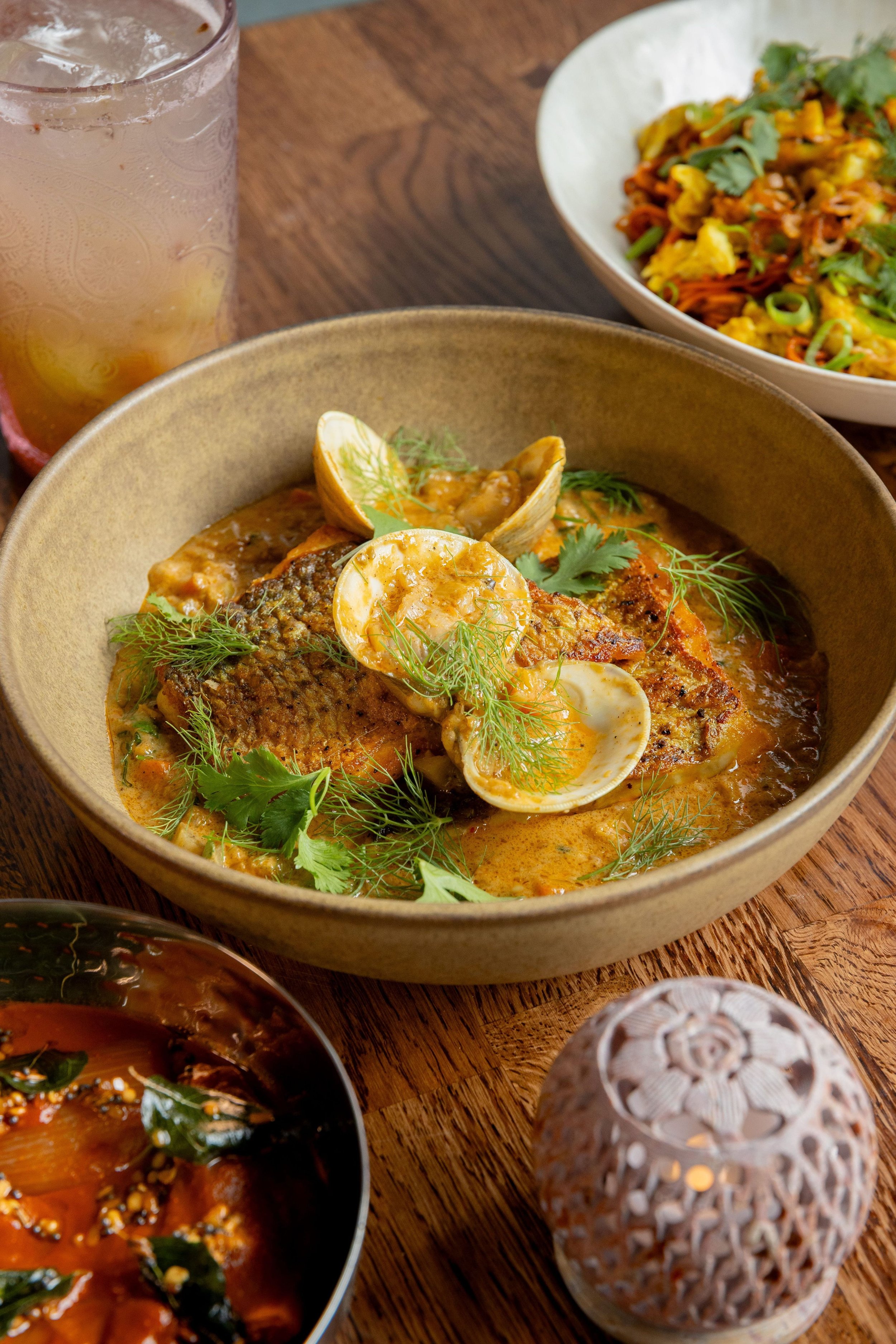
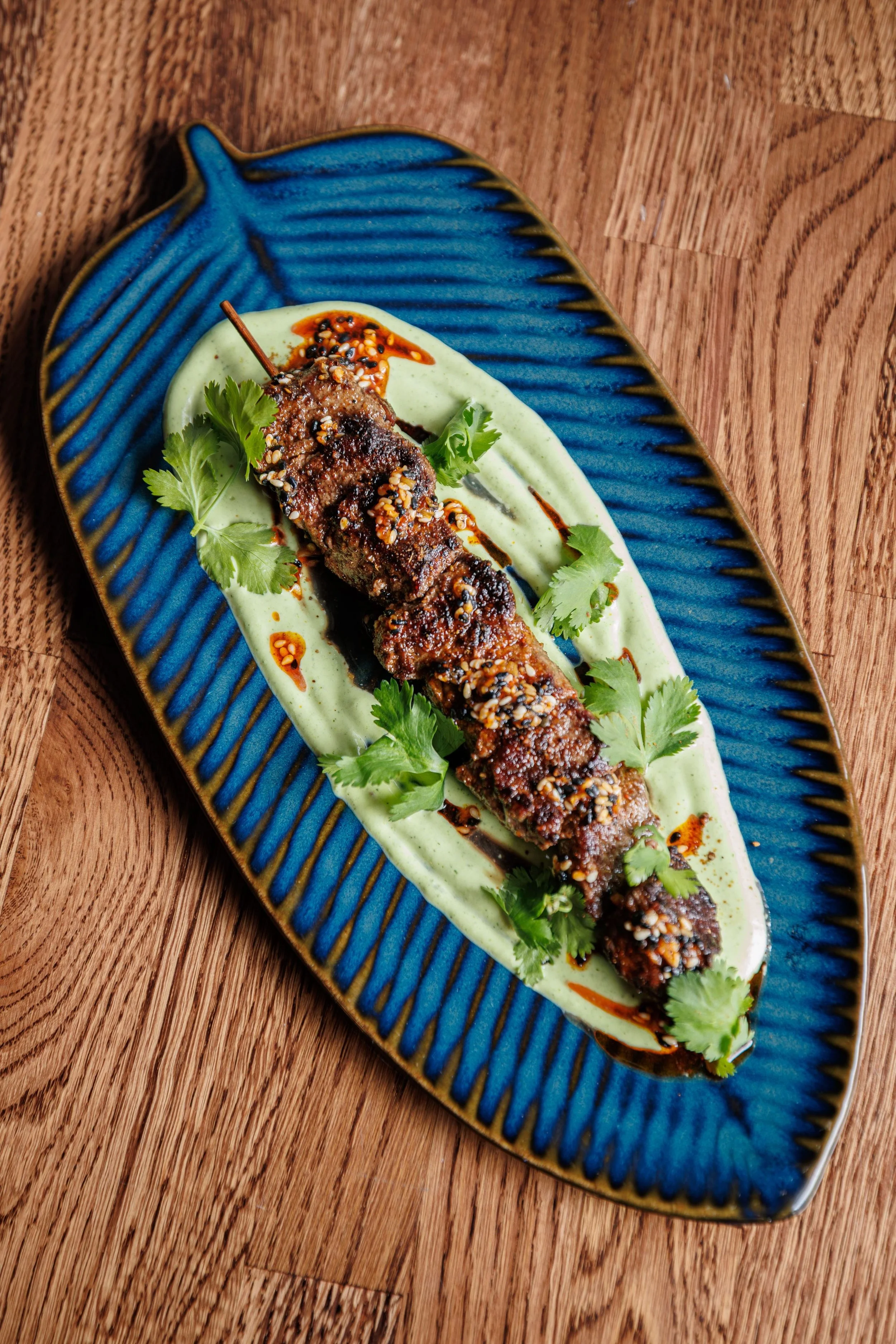
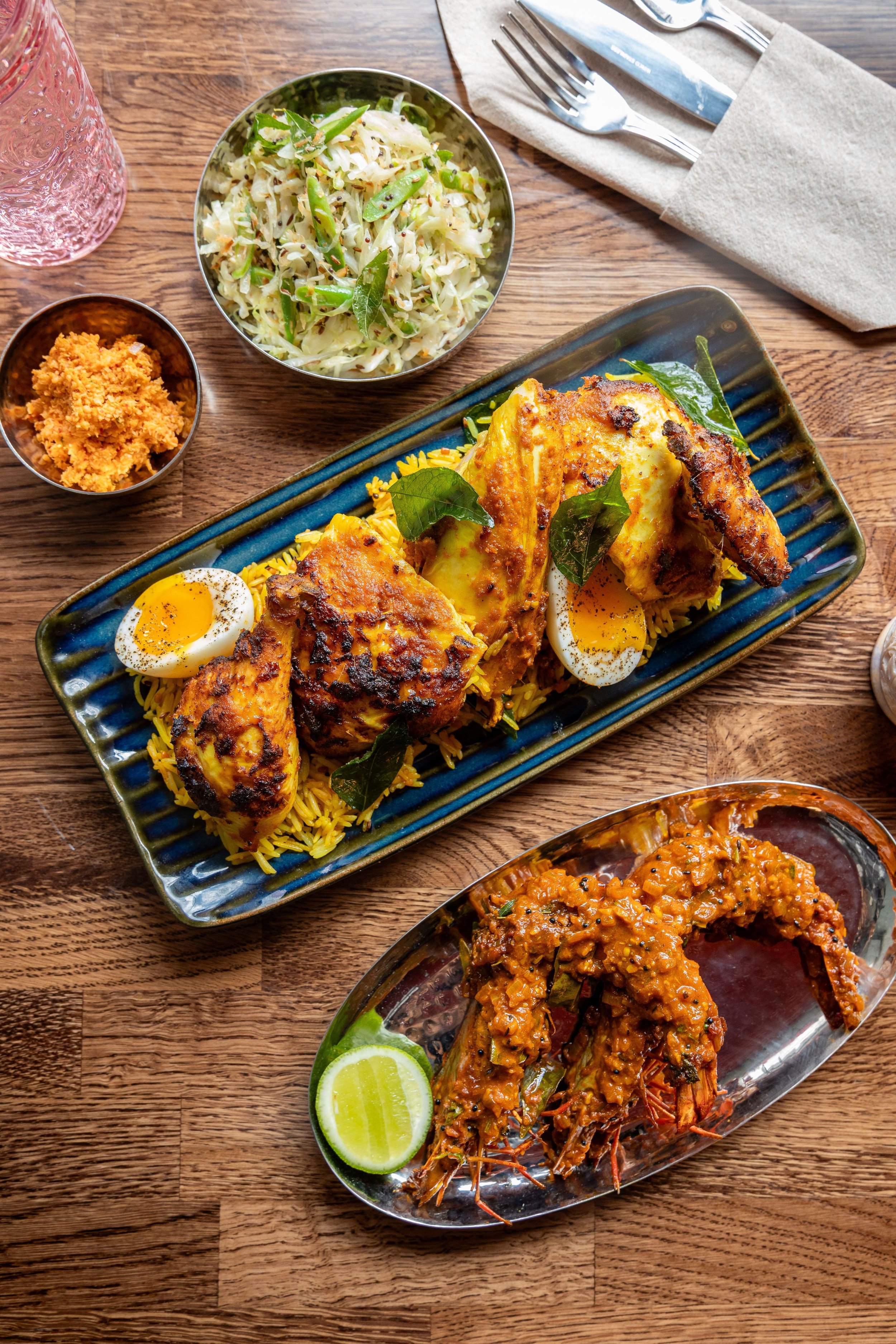
The menu features regional sub-cuisines and diaspora influences, including lesser-seen culinary traditions and the impact of South Asian migration across the Caribbean, Africa, and other regions. Highlights include Doubles, a popular Trinidadian street snack; Oxtail Bunny Chow, a South African favourite served in bread; Idli & Shrimp, bringing together South Indian comfort and Indonesian influences; and the Nasi Kandar Feast, a hearty Indo-Malay spread of rice, curries, and accompaniments. 

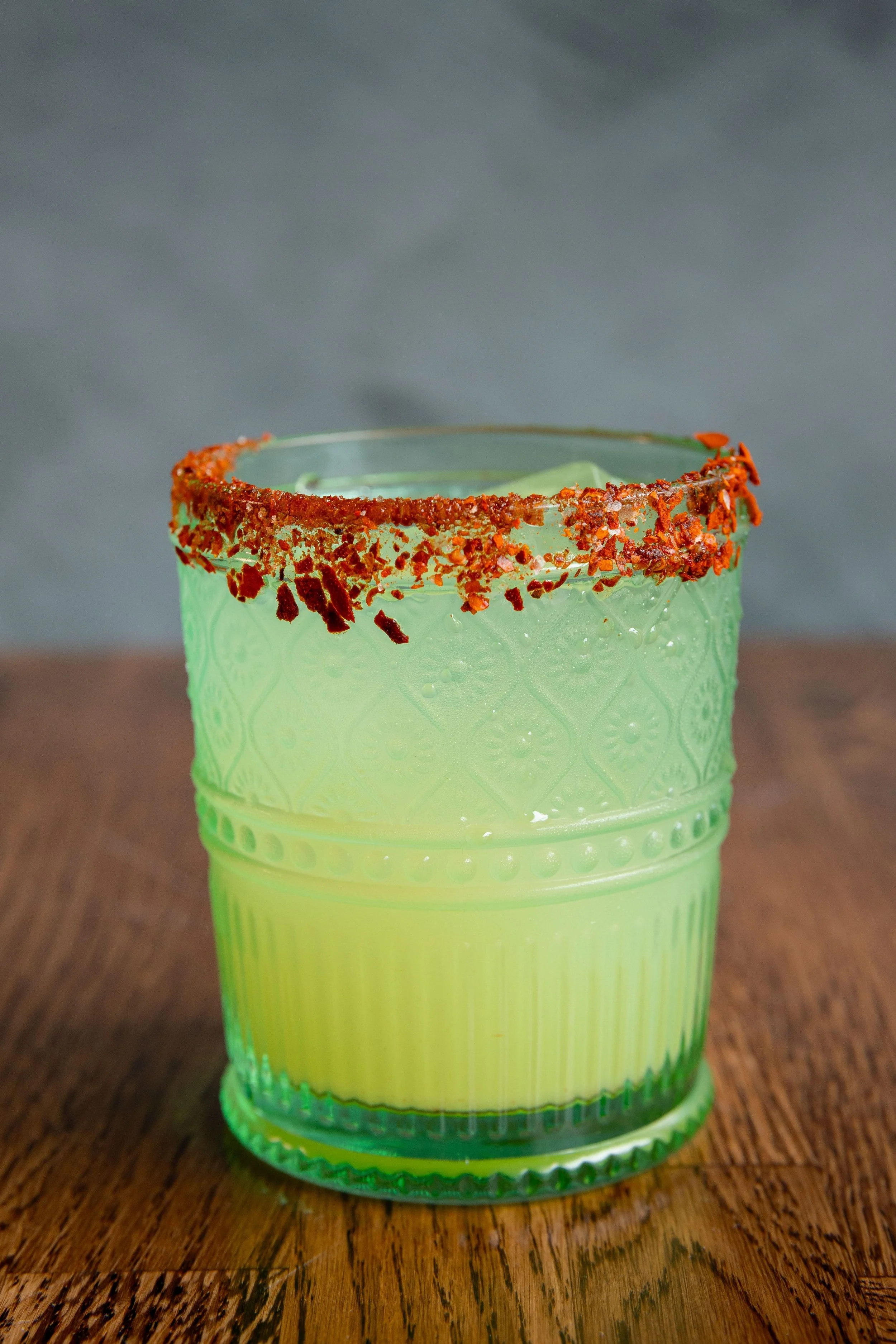
Complementing the food is a cocktail program that reimagines familiar South Asian flavors in unexpected ways, from the tropical Passionfruit Lassi and the floral, citrus-forward Dravida Highball to the indulgent Orange Cream, inspired by nostalgic dessert flavors. Together, the drinks reflect the same balance of tradition and innovation that defines the cuisine.

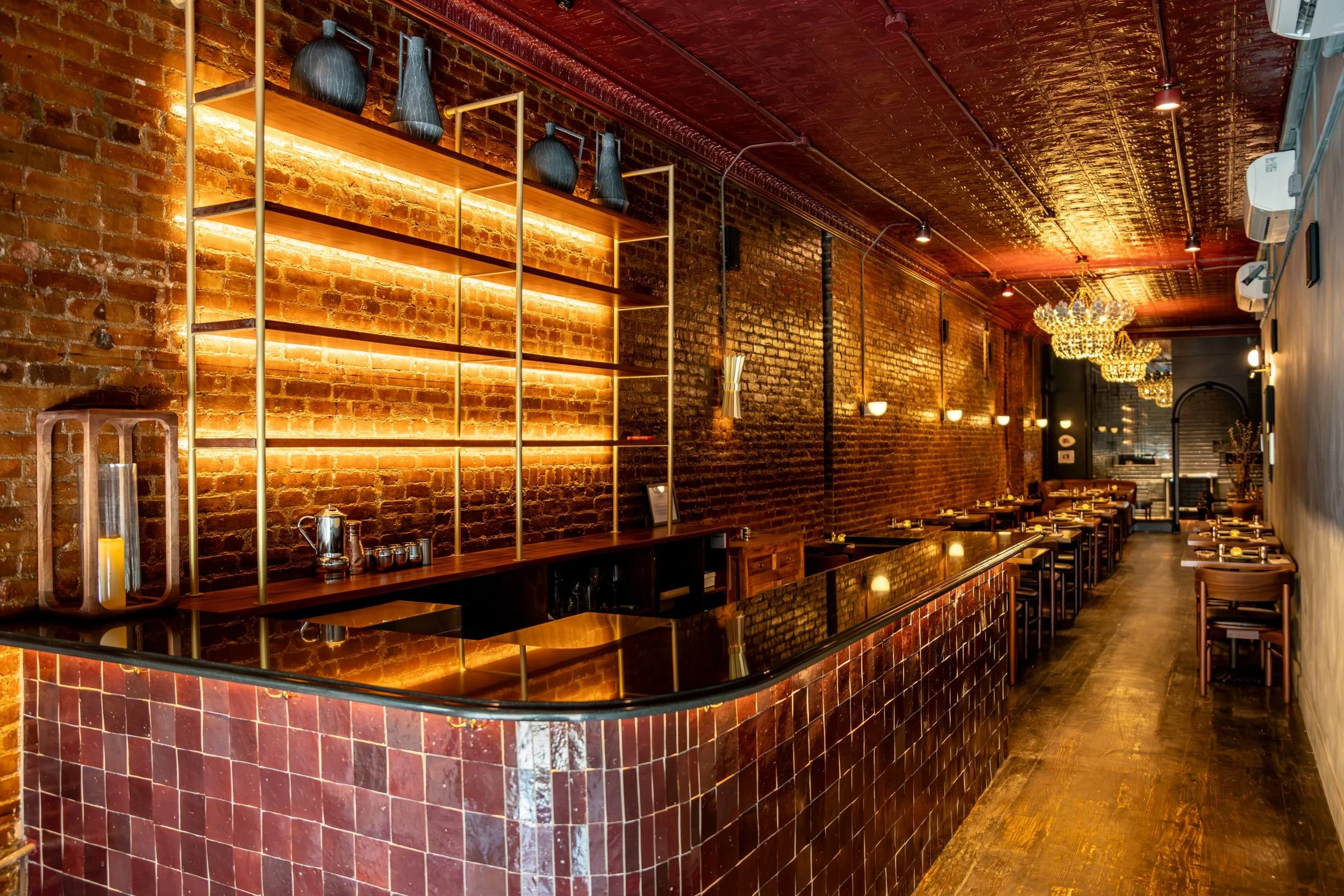
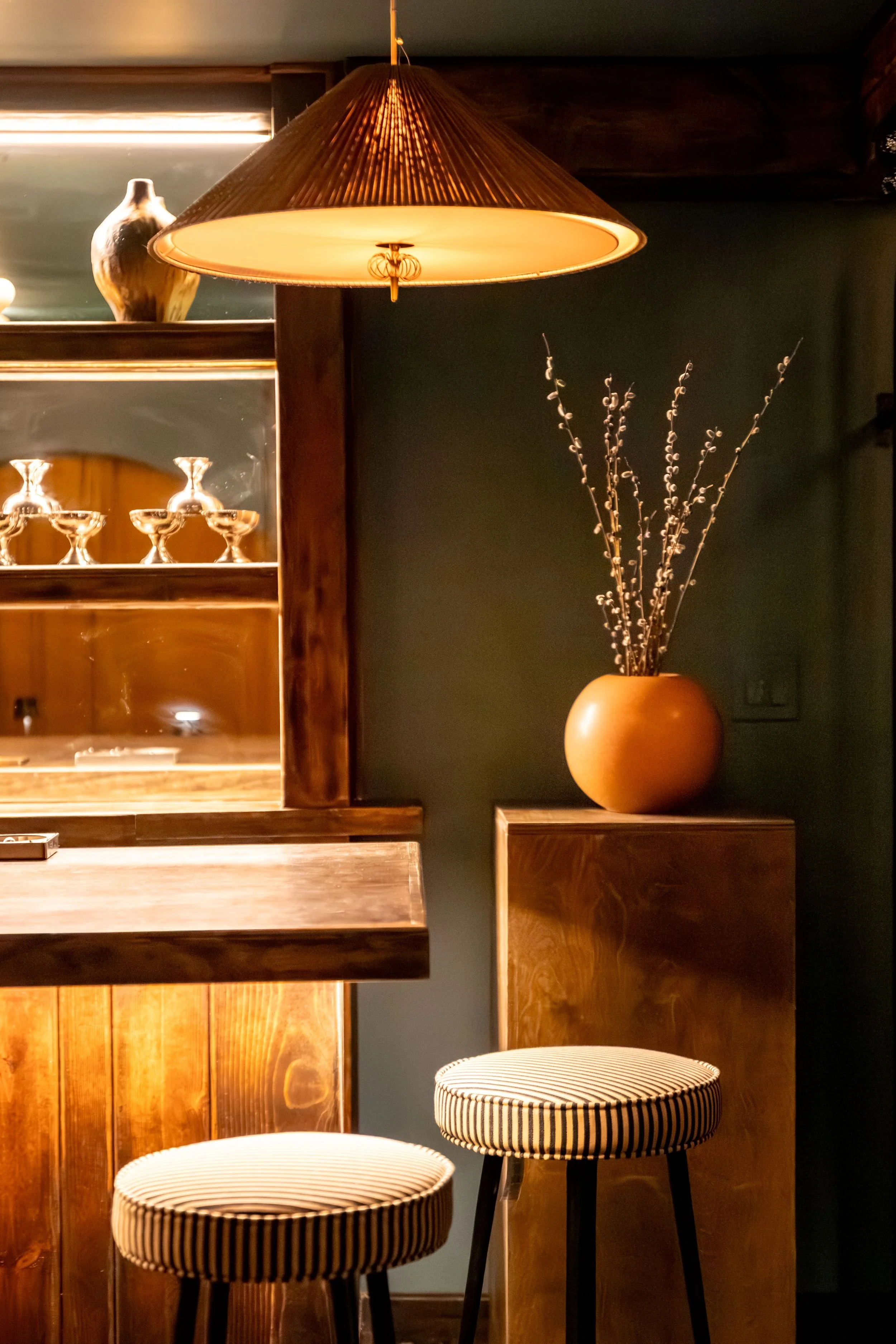
Drāvida occupies two floors in a restored 100-year-old building that includes original brick ovens. A 20-seat downstairs speakeasy, Jam and Jaggery, offers a straightforward, welcoming ambiance with a separate bar serving unique cocktails and small plates.

Chef Aarthi's path to opening Drāvida spans more than a decade in the culinary industry. After moving to the U.S. from Mumbai in 2013, she trained in leading kitchens, including Junoon, The Breslin, and the Rainbow Room, before launching her own ventures. She gained national recognition through Food Network—with wins on Chopped and Beat Bobby Flay—and reaches a broad audience through CookUnity, where she sells approximately 50,000 meals weekly across U.S. markets.