Your guests remember the people. So why aren’t they on your feed?
/I am lucky to travel a lot for work, and some hotels hold a special place in my heart. But the truth is that most of my favourite hotel stays had very little to do with the room. It’s the receptionist who knows exactly what I will want as a welcome drink when I arrive, or the breakfast host who knew my name by day three and how I take my morning coffee. Then I get home, look up the hotel on Instagram to relive it a bit and sadistically give myself the holiday blues, and I find a dozen photos of the pool and not one of those people. That’s a problem.
Start with what guests actually ask
Your reservations team, front desk and whoever answers the WhatsApp messages hear the same questions week after week. How far is it from the airport? Is breakfast included? Can we check in early if our flight lands at 7 am? Will my screaming children be tolerated, or is it a quiet place? Ask them to jot every one down for a month.
Then group them by the decision the guest is trying to make rather than by department. Most fall into a few piles: is this right for people like us, how hard is it to get to, what’s included, and what will the service be like? Underneath it all is the real question: will we regret spending this money? Which is really a question about trust.
Let social set honest expectations
Social media is good at that kind of reassurance, as long as it shows the stay as it really is. A short video of the actual walk from the car to reception, what breakfast looks like at 9 am on a busy Sunday, or how big the standard room is will answer more than another sunset. Before anything factual goes out, have the people who run that part of the hotel check it. If the spa closes at 8 pm, the post shouldn’t say 9.
And show the team. I see it all too often: a property famous among regulars for its staff, with a feed that suggests it’s run entirely by furniture. I understand the hesitation; it’s normal for your people to move on, and some would rather not be on camera, so ask them, don’t volunteer them. But a short clip of the concierge explaining the one thing first-time visitors always get wrong about the area answers a real question and shows a prospective guest what to expect when they arrive. For people who have already stayed, it’s a reminder of why they loved it, which is often where a return booking starts. I have seen this hesitation vanish entirely when working with hotels; once your team feels involved and valued, and sees the engagement their wonderful faces bring to the Instagram page, they usually want to do it again and again.
Know what social shouldn’t answer
Your social media posts can be informative, but don’t slip into sharing current rates, availability, accessibility details or anything that depends on their circumstances. Those belong on the booking page or with a person on your team, because they change and because a wrong answer turns into a problem at check-in. Kirill Naumov made a similar case in this magazine about what hotel AI needs to know before it says yes, and the same goes for a caption. “Ask us about accessible rooms, and we’ll talk you through the layout” beats a confident line that turns out to be true for only some.
Judge it by the questions that come back
People now use social media as a travel planning tool. Expedia Group’s 2025 Traveller Value Index found that 61% of travellers find trip ideas on social platforms, up from 35% in 2022. So reach on its own tells you very little. I’d place higher value on saves; they are often the mechanism people use to store a shortlist of hotels they will come back to when planning. Be sure to also watch the enquiries, specifically to see if the basic questions start to thin out, and the ones that remain get more specific; the content is doing its job.
None of this needs a big budget. It needs someone to write the questions down, and a team that is happy to be seen answering them.
About the author
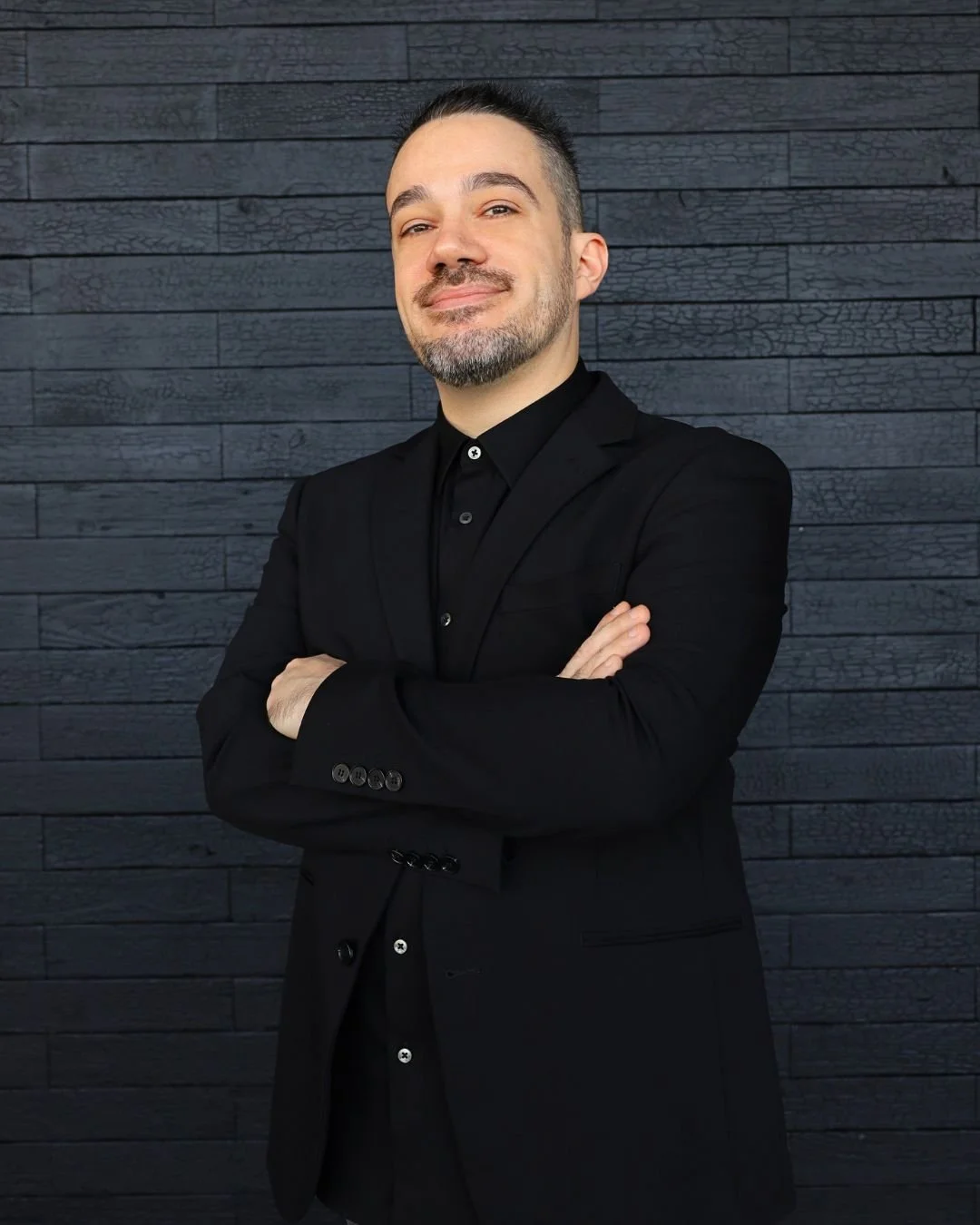
Phil Treagus-Evans is co-founder and CEO of Giraffe Social, a human-first travel marketing agency that helps established brands build trust on social media. Founded in 2012 and based in Portsmouth, UK, Giraffe works with destination, hospitality and tour operator brands, putting real people and guest stories at the heart of their social media. Phil is also the author of the Amazon bestseller Human-First Marketing: The Art of Being Seen, Trusted and Remembered.
Images: courtesy of Phil Treagus-Evans / Leah Marie Photography