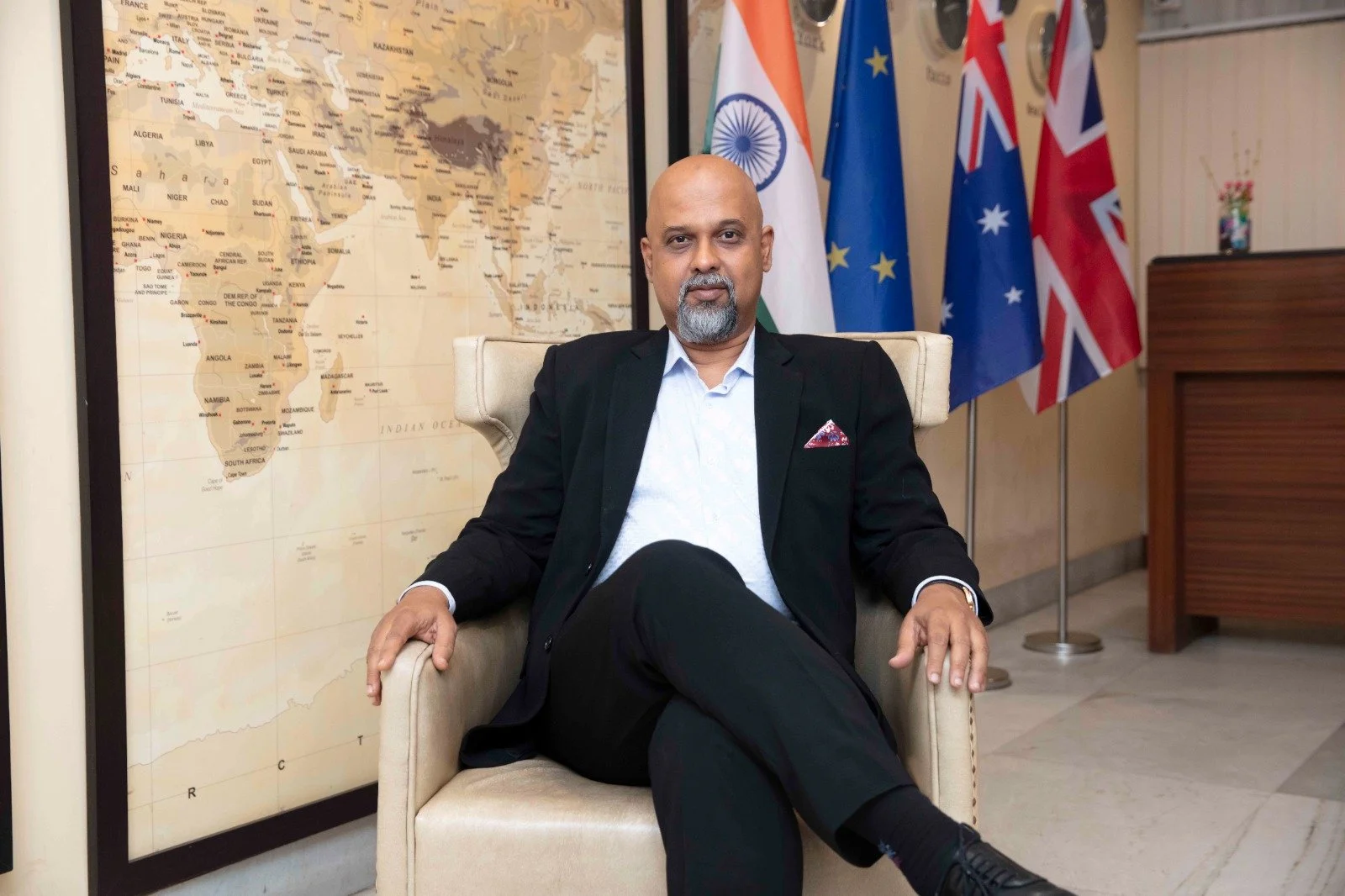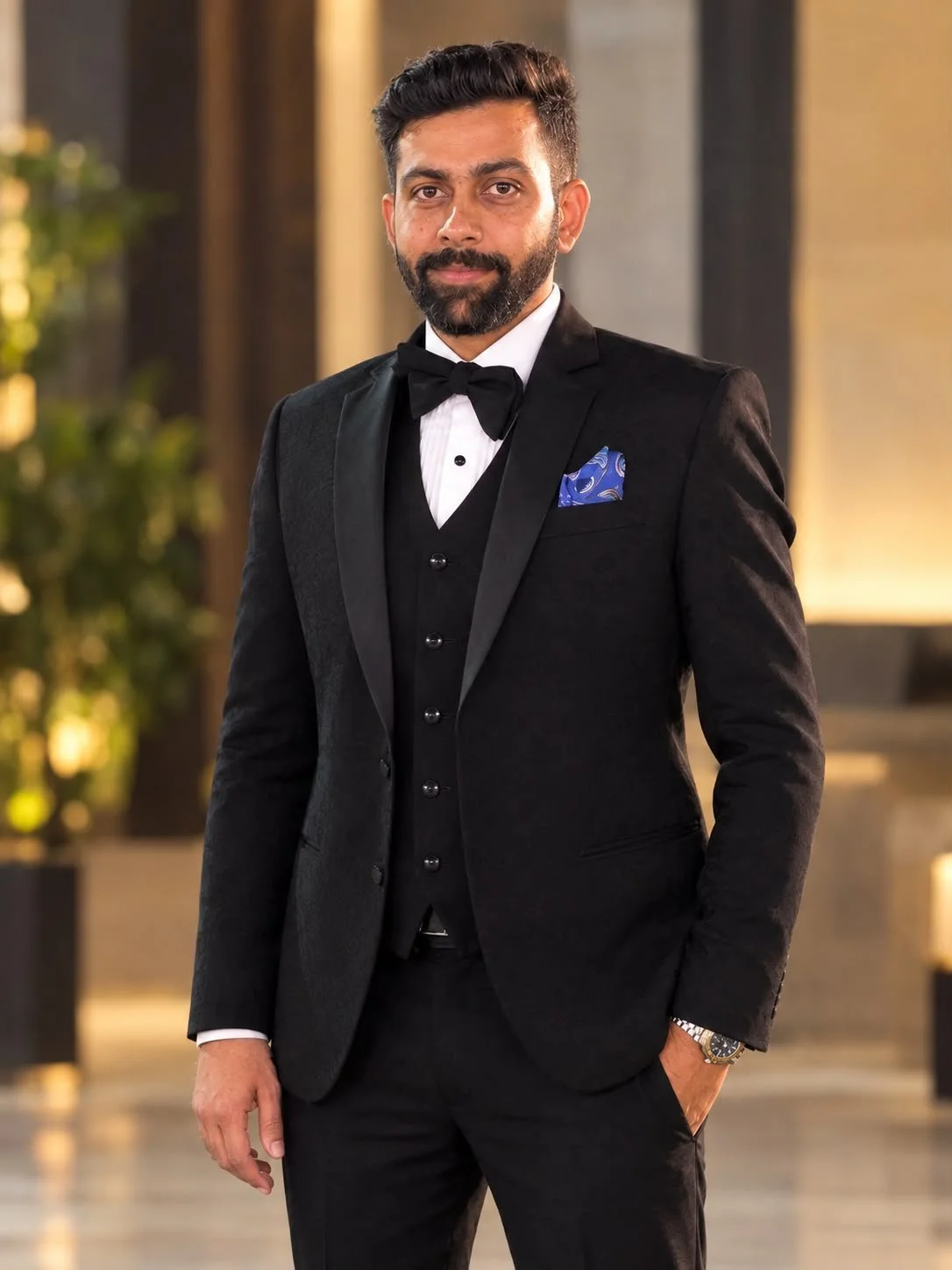
Business of Experience Perspective – Prajwal Lokesh, Founder & CEO, Chin Lung Brewery
/
Chin Lung Brewery began as a Bengaluru community bar in 1960 and has grown into a craft brewing brand, opening its largest outlet, a 15,000 sq ft venue in Marathahalli, in 2025. For Hospemag’s Business of Experience series, Founder & CEO Prajwal Lokesh shares how he thinks about guest experience.
**Q: What are the small details that guests may never consciously notice but that fundamentally change an experience?**
The details that have the greatest impact are often the ones guests never consciously register. It could be the way a guest is welcomed, whether the team remembers their usual drink, how quickly a table is cleared without making them feel rushed, or whether the music evolves naturally as the evening progresses. Even things such as lighting, room temperature, table spacing and the pace between courses can influence how comfortable someone feels.
At Chin Lung, we believe hospitality is built through these small signals of attentiveness. A guest should feel looked after without feeling watched. The best service is often intuitive rather than intrusive. It is about understanding when to engage, when to give people their space and when to step in before they have to ask.
These details create a sense of ease, and ease is often what turns a good meal or drink into an experience people remember. When these moments happen consistently, they become part of the character of the place rather than simply being a service protocol.
**Q: Where should technology disappear completely from the guest experience?**
Technology should disappear wherever it begins to interfere with human connection. Hospitality is ultimately about people, conversation and shared experiences, so technology should support the experience in the background rather than become the experience itself.
There are many areas where technology can make operations more efficient, from reservations and inventory management to payments, guest preferences and service coordination. These systems are valuable because they allow teams to be more informed and responsive. However, the guest should not feel that they are interacting with a system when they are meant to be interacting with people.
At the table, technology should never replace attentiveness. A digital ordering system can improve efficiency, but it cannot replicate a bartender understanding what a guest might enjoy or a server recognising when a table needs another drink without interrupting their conversation. The ideal use of technology in hospitality is almost invisible. If it makes the experience smoother without demanding the guest's attention, it is doing its job.
**Q: How do you design for anticipation before the guest even arrives?**
Anticipation begins long before someone walks through the door. It starts with what they see, hear and understand about a place before they visit. The communication around a venue, the way the menu is presented, the visual identity, the reservation journey and even the tone of a confirmation message all contribute to the expectations a guest develops.
But anticipation should not mean overpromising. The experience needs to deliver on the promise created before arrival.
For us, design is not simply about interiors or aesthetics. It is about designing a journey. What does a guest feel when they first hear about the place? What happens when they make a reservation? How are they welcomed? What do they notice when they sit down? How does the energy of the space change through the evening? And, importantly, what do they remember when they leave?
At Chin Lung, we want that journey to feel natural rather than overly choreographed. The objective is to create enough anticipation to make people curious, while leaving enough room for discovery once they arrive.
**Q: What is one experience at your property that could only exist in that particular place?**
Every hospitality space should have something that is inseparable from its location. A successful venue cannot simply be transplanted from one city to another and remain the same, because hospitality is shaped by its surroundings, its people and the community it becomes part of.
For Chin Lung, this is particularly important as we grow. We do not believe that every outlet needs to look or feel identical. Certain principles should remain consistent, particularly the warmth, quality and spirit of the brand, but each location should have its own character.
The most meaningful experiences emerge when a venue responds to the place around it. That could be reflected in the music, the rhythm of service, the food and beverage programme, the people who work there or the way the space interacts with its neighbourhood. What makes a place memorable is often the feeling that it belongs there. We want each Chin Lung to feel like a part of its community rather than a concept that has simply arrived in it.
**Q: What is one thing the hospitality industry still does not understand about creating memorable experiences?**
I think the industry sometimes places too much emphasis on creating memorable moments when what guests actually remember is how consistently a place made them feel.
There is a tendency to think that memorable hospitality requires something dramatic or highly visual. In reality, people often return because of much simpler things. They felt comfortable. Someone remembered them. The service felt effortless. The music was right. They could stay for another drink without feeling rushed. They felt welcome. A memorable experience is therefore not necessarily about creating a story that the guest will tell everyone the next morning. It can be about creating a place they instinctively want to return to.
For Chin Lung, that sense of belonging is particularly important. Our ambition is for guests to eventually stop feeling like customers and start feeling like regulars, even if they have not visited for some time. That is much harder to manufacture than a moment, but it creates a far stronger and more enduring relationship between a hospitality brand and its guests.
**Q: How do you build a culture where employees actively look for opportunities to create better experiences?**
It starts with giving people ownership rather than simply giving them a checklist of tasks. Service standards and processes are important because they create consistency, but great hospitality cannot be reduced to a manual.
Our teams need to understand not only what we expect them to do, but why it matters. When employees understand that remembering a guest's preference, noticing that someone needs assistance or giving a little extra attention can change someone's evening, they begin to recognise opportunities themselves. We also believe the culture has to work from the inside out. It is difficult to ask employees to create warmth for guests if they do not experience trust, respect and support within their own workplace. A strong hospitality culture therefore begins with how we treat our teams.
As we grow, one of our priorities is to protect that sense of ownership. We want our people to feel confident enough to make thoughtful decisions rather than constantly waiting for instructions. The best hospitality often happens in moments that no manager has planned. Ultimately, our teams are not simply serving food and drinks. They are creating an environment where people feel comfortable, recognised and welcome. When that becomes part of the culture rather than just a service standard, better experiences happen naturally.