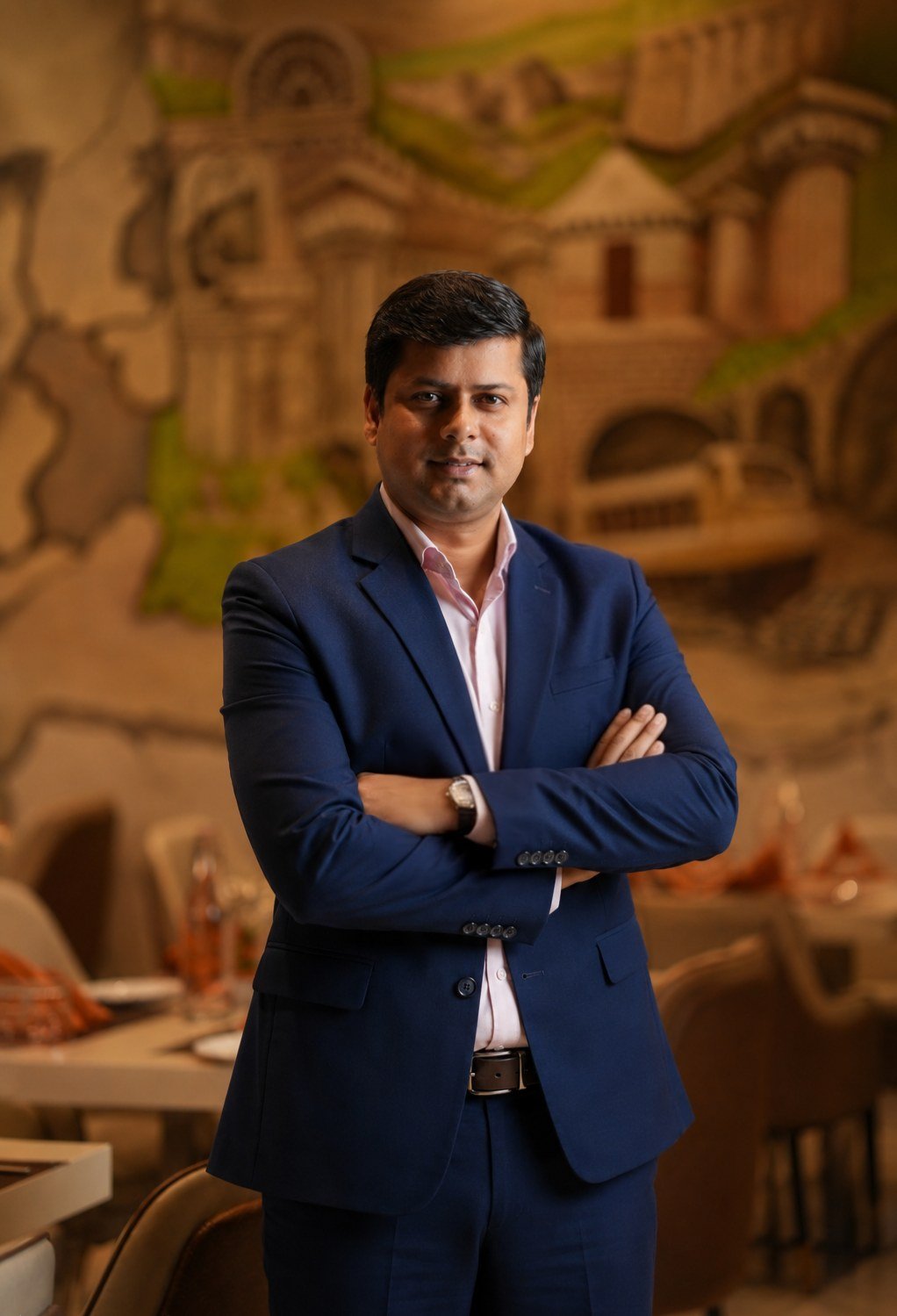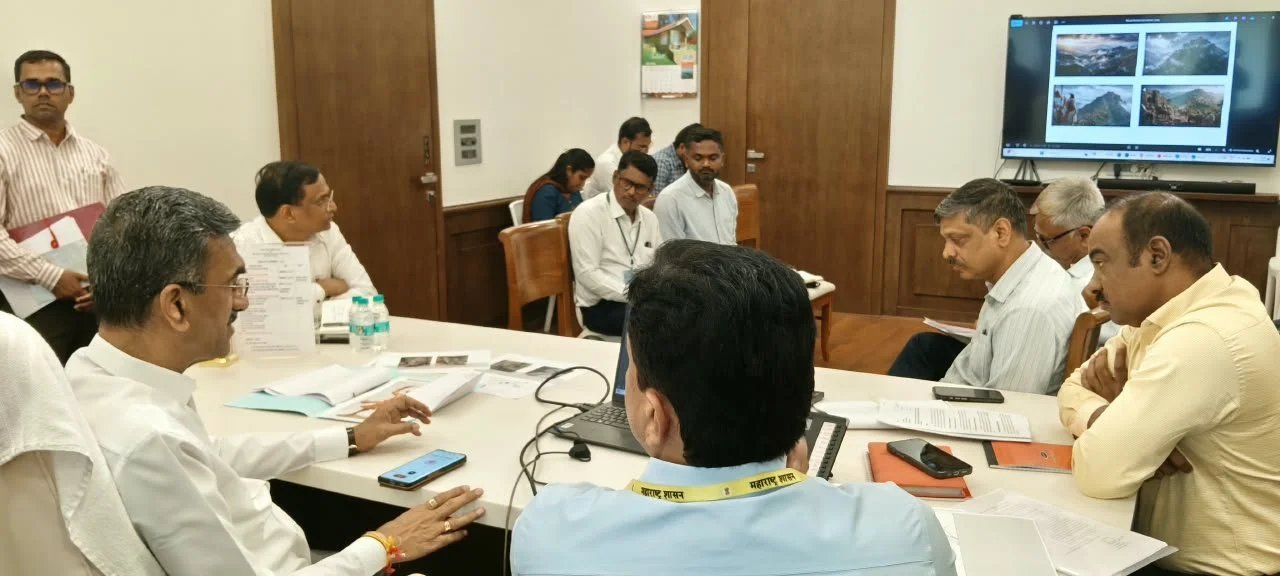
Business of Experience Perspective – Prajwal Lokesh, Founder & CEO, Chin Lung Brewery

Chin Lung Brewery began as a Bengaluru community bar in 1960 and has grown into a craft brewing brand, opening its largest outlet, a 15,000 sq ft venue in Marathahalli, in 2025. For Hospemag’s Business of Experience series, Founder & CEO Prajwal Lokesh shares how he thinks about guest experience.

**Q: What are the small details that guests may never consciously notice but that fundamentally change an experience?**

The details that have the greatest impact are often the ones guests never consciously register. It could be the way a guest is welcomed, whether the team remembers their usual drink, how quickly a table is cleared without making them feel rushed, or whether the music evolves naturally as the evening progresses. Even things such as lighting, room temperature, table spacing and the pace between courses can influence how comfortable someone feels.

At Chin Lung, we believe hospitality is built through these small signals of attentiveness. A guest should feel looked after without feeling watched. The best service is often intuitive rather than intrusive. It is about understanding when to engage, when to give people their space and when to step in before they have to ask.

These details create a sense of ease, and ease is often what turns a good meal or drink into an experience people remember. When these moments happen consistently, they become part of the character of the place rather than simply being a service protocol.

**Q: Where should technology disappear completely from the guest experience?**

Technology should disappear wherever it begins to interfere with human connection. Hospitality is ultimately about people, conversation and shared experiences, so technology should support the experience in the background rather than become the experience itself.

There are many areas where technology can make operations more efficient, from reservations and inventory management to payments, guest preferences and service coordination. These systems are valuable because they allow teams to be more informed and responsive. However, the guest should not feel that they are interacting with a system when they are meant to be interacting with people.

At the table, technology should never replace attentiveness. A digital ordering system can improve efficiency, but it cannot replicate a bartender understanding what a guest might enjoy or a server recognising when a table needs another drink without interrupting their conversation. The ideal use of technology in hospitality is almost invisible. If it makes the experience smoother without demanding the guest's attention, it is doing its job.

**Q: How do you design for anticipation before the guest even arrives?**

Anticipation begins long before someone walks through the door. It starts with what they see, hear and understand about a place before they visit. The communication around a venue, the way the menu is presented, the visual identity, the reservation journey and even the tone of a confirmation message all contribute to the expectations a guest develops.

But anticipation should not mean overpromising. The experience needs to deliver on the promise created before arrival.

For us, design is not simply about interiors or aesthetics. It is about designing a journey. What does a guest feel when they first hear about the place? What happens when they make a reservation? How are they welcomed? What do they notice when they sit down? How does the energy of the space change through the evening? And, importantly, what do they remember when they leave?

At Chin Lung, we want that journey to feel natural rather than overly choreographed. The objective is to create enough anticipation to make people curious, while leaving enough room for discovery once they arrive.

**Q: What is one experience at your property that could only exist in that particular place?**

Every hospitality space should have something that is inseparable from its location. A successful venue cannot simply be transplanted from one city to another and remain the same, because hospitality is shaped by its surroundings, its people and the community it becomes part of.

For Chin Lung, this is particularly important as we grow. We do not believe that every outlet needs to look or feel identical. Certain principles should remain consistent, particularly the warmth, quality and spirit of the brand, but each location should have its own character.

The most meaningful experiences emerge when a venue responds to the place around it. That could be reflected in the music, the rhythm of service, the food and beverage programme, the people who work there or the way the space interacts with its neighbourhood. What makes a place memorable is often the feeling that it belongs there. We want each Chin Lung to feel like a part of its community rather than a concept that has simply arrived in it.

**Q: What is one thing the hospitality industry still does not understand about creating memorable experiences?**

I think the industry sometimes places too much emphasis on creating memorable moments when what guests actually remember is how consistently a place made them feel.

There is a tendency to think that memorable hospitality requires something dramatic or highly visual. In reality, people often return because of much simpler things. They felt comfortable. Someone remembered them. The service felt effortless. The music was right. They could stay for another drink without feeling rushed. They felt welcome. A memorable experience is therefore not necessarily about creating a story that the guest will tell everyone the next morning. It can be about creating a place they instinctively want to return to.

For Chin Lung, that sense of belonging is particularly important. Our ambition is for guests to eventually stop feeling like customers and start feeling like regulars, even if they have not visited for some time. That is much harder to manufacture than a moment, but it creates a far stronger and more enduring relationship between a hospitality brand and its guests.

**Q: How do you build a culture where employees actively look for opportunities to create better experiences?**

It starts with giving people ownership rather than simply giving them a checklist of tasks. Service standards and processes are important because they create consistency, but great hospitality cannot be reduced to a manual.

Our teams need to understand not only what we expect them to do, but why it matters. When employees understand that remembering a guest's preference, noticing that someone needs assistance or giving a little extra attention can change someone's evening, they begin to recognise opportunities themselves. We also believe the culture has to work from the inside out. It is difficult to ask employees to create warmth for guests if they do not experience trust, respect and support within their own workplace. A strong hospitality culture therefore begins with how we treat our teams.

As we grow, one of our priorities is to protect that sense of ownership. We want our people to feel confident enough to make thoughtful decisions rather than constantly waiting for instructions. The best hospitality often happens in moments that no manager has planned. Ultimately, our teams are not simply serving food and drinks. They are creating an environment where people feel comfortable, recognised and welcome. When that becomes part of the culture rather than just a service standard, better experiences happen naturally.
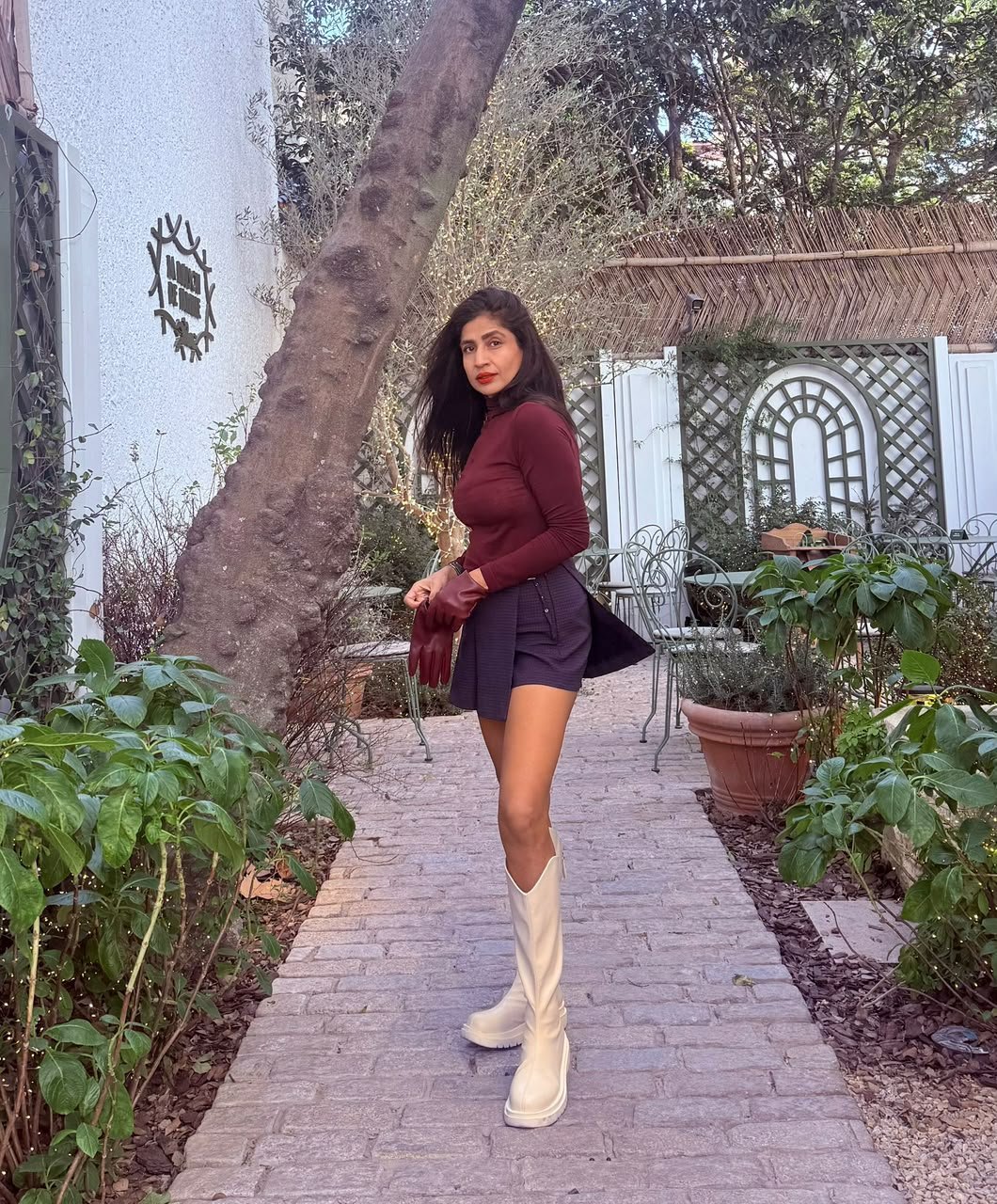

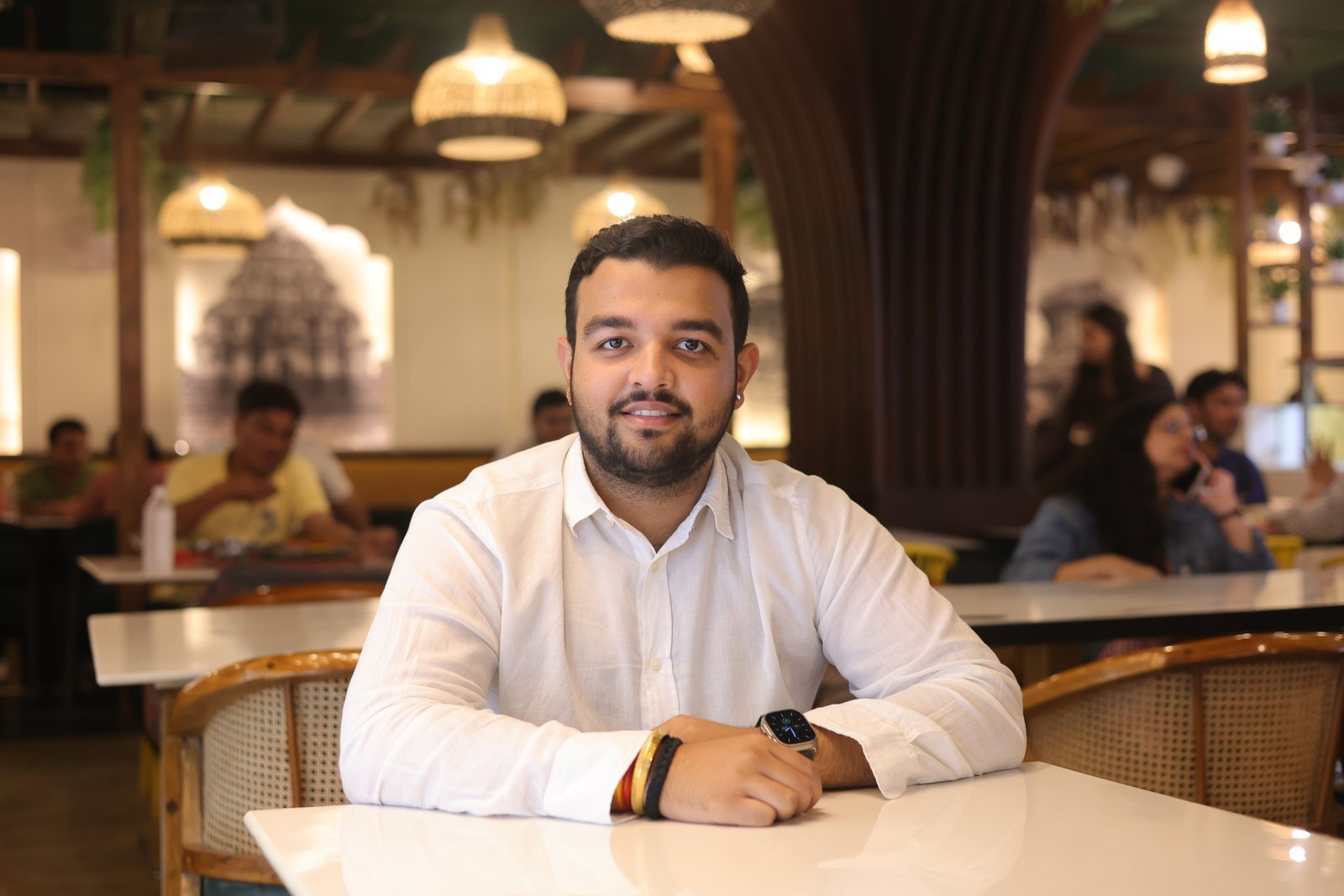
Business of Experience Perspective – Sumedha Mahajan, Founder, Brakefree Cafe

Sumedha Mahajan is the founder of [Brakefree Cafe](https://www.hospemag.me/cms/brakefree-cafe-a-quiet-new-spot-to-eat-read-and-unwind-in-pali-hill), which sits inside a bookstore in Pali Hill, Bandra. A Forbes-listed author, long-distance runner and former national-level lawn tennis player, she sees hospitality as creating spaces that make people feel better than when they walked in. With Brakefree, she brings together her belief in mindful living, good food and the simple joy of slowing down. For Hospemag’s Business of Experience series, she shares her thoughts on designing experiences that feel genuine, purposeful and memorable.

**Q: What separates a good hospitality experience from a truly memorable one?**

A good experience satisfies you, but a memorable one stays with you. At Brakefree, we want people to remember how they felt in the space, whether it was enjoying their favourite coffee with a book, having an unhurried conversation or simply finding a quiet moment for themselves.

**Q: How do you build a culture where employees actively look for opportunities to create better experiences?**

It starts with making them understand that hospitality is about serving people, not just serving food. At Brakefree, our philosophy of ‘Kaar Seva Bhaav’ encourages the team to look at every interaction as an opportunity to make someone’s day a little better.

**Q: What is the difference between an experience that creates value for the guest and one that simply creates cost for the operator?**

The difference is purpose. If something genuinely improves the guest’s experience, it creates value. If it is done only because it looks impressive or follows a trend, it can quickly become an unnecessary cost.

**Q: How do you turn local culture, food, people and stories into genuine experiences rather than staged attractions?**

You have to let the place speak for itself. At Brakefree, the bookstore is a natural part of the experience. There is no need to manufacture a story when people can genuinely browse books, sit down with coffee and spend time in a way that feels natural.

**Q: Will the future of hospitality be about increasingly elaborate experiences or increasingly simple ones?**

I think there will always be room for both, but simplicity is becoming increasingly valuable. People are constantly surrounded by noise and stimulation. Sometimes, a good coffee, a comfortable space and a book are all you need.

**Q: How much should an experience be scripted, and where should employees have the freedom to improvise?**

The basics should be consistent, but warmth cannot be scripted. Employees should have enough freedom to respond naturally to the person in front of them. That is where genuine hospitality happens.

**Q: How much of the guest experience ultimately depends on the employee delivering it?**

A great deal. You can design a beautiful space and create a thoughtful menu, but the person interacting with the guest brings all of it to life. Hospitality is ultimately human.

**Q: How do you determine whether an experience is generating real business value?**

Of course, sales and repeat visits matter, but I also look at whether people choose to stay longer, return with friends or recommend the space. When people want to come back, you know you have created something meaningful.

**Q: What role will AI play in the future of experience design?**

AI can help us understand preferences, improve efficiency and personalise certain aspects of hospitality. But it cannot replace human warmth. The best use of technology is to support the experience, not become the experience.

**Q: How do you design for anticipation before the guest even arrives?**

By creating a clear sense of what the place stands for. When someone hears that they can walk into a bookstore, pick up a book and enjoy it with their favourite coffee and small bites, they already begin imagining the experience.

**Q: Can experiences be measured in commercial terms, and if so, what should we actually be measuring?**

Yes. Repeat customers, dwell time, average spends, referrals and customer feedback are useful indicators. But hospitality also has a less tangible measure: whether people genuinely enjoyed being there.

**Q: Which moments in the guest journey deserve the most attention?**

The first impression, the welcome and the final interaction are particularly important. But I also think the quiet moments in between matter. Is the guest comfortable? Do they have what they need? Are they enjoying their time without feeling rushed?

**Q: What are the small details that guests may never consciously notice but that fundamentally change an experience?**

The pace of service, the cleanliness, the music, lighting, how a table is set and, most importantly, how someone is spoken to. Guests may not consciously identify these things, but they definitely feel them.

**Q: Has personalisation genuinely improved hospitality experiences, or has it sometimes made them feel more transactional?**

Personalisation works when it feels thoughtful rather than calculated. Remembering someone's preferences can make them feel valued. But if every interaction feels like data being used to sell something, the warmth disappears.

**Q: Has the hospitality industry overused the word ‘experience’ to the point that it has lost some of its meaning?**

Perhaps. Experience has become a very broad word. For me, it is much simpler. It is about how a guest feels during and after their time with you.

**Q: Can genuine warmth and hospitality be trained, or can you only train the behaviours around it?**

You can train behaviours, but genuine warmth comes from within. What you can do as an operator is create a culture where kindness, attentiveness and respect are valued every day.

**Q: What is one shift that you think the industry is underestimating?**

I think we are underestimating the value of slowing down. People are increasingly looking for spaces where they can disconnect from constant stimulation. Hospitality does not always have to entertain us. Sometimes it should simply give us room to breathe.

**Q: What happens when the employee experience and guest experience are out of sync?**

Guests feel it immediately. If employees are stressed, disengaged or unhappy, it eventually reflects in the service. Taking care of your team is therefore not separate from taking care of your guests.

**Q: How important is a property's sense of place in creating an experience that cannot easily be replicated elsewhere?**

It is extremely important. A sense of place gives a property its identity. At Brakefree, being part of a bookstore in Pali Hill is not just our location. It is a fundamental part of what the experience is. You can enjoy a coffee anywhere, but enjoying it while surrounded by books creates a very different feeling.

How Branded Residences Are Redefining What “Home” Means in Urban India

How Branded Residences Are Redefining What “Home” Means in Urban India

Sandeep Ahuja, Managing Director of Atmosphere Living and One Atmosphere, on how branded residences are reshaping urban Indian homes through hospitality-led service, design and operational consistency.

Read More

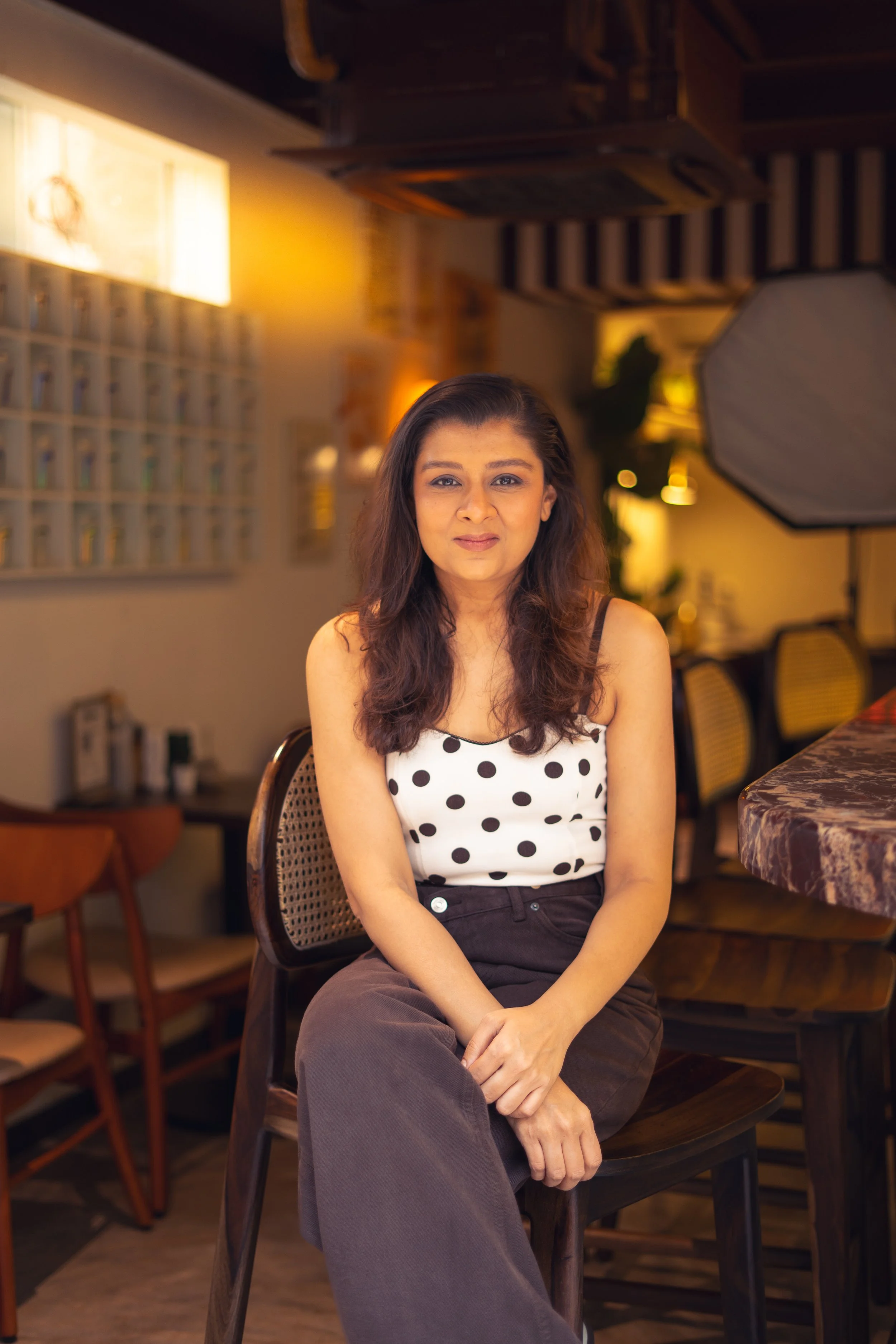
Rashi Morbia Kumar on the Business of Experience: Why Authenticity Matters in Hospitality

1. How do you give frontline teams enough autonomy to create memorable moments without compromising operational standards?

For me, it's about trusting people. You can train someone on service standards, but you can't script genuine hospitality. The basics should always be consistent, but beyond that, I want my team to have the freedom to be themselves, read the room, and create those little moments that make a guest feel seen. Systems keep the business running, but it's the human instinct behind them that people remember.

2. How much of an experience is about what happens, and how much is about how the guest feels?

I genuinely believe people don't come back for the food or the cocktails alone. They come back because of how a place made them feel. You might not remember every dish or drink, but you'll remember the conversation you had, how comfortable you felt, or how welcomed you were. For me, that's what hospitality is really about, creating a feeling people want to return to.

3. Can AI create meaningful personalisation, or will the most memorable moments always require human intuition?

AI can definitely help us understand our guests better and personalise certain parts of their experience, but I don't think it can ever replace human intuition. Some of the most meaningful moments are incredibly simple, remembering someone's usual order, noticing they're having a difficult day, celebrating a special occasion without being asked, or knowing when they'd rather be left alone. Those aren't things that come from data, they come from genuinely paying attention. And I think that's something only people can do.

4. What is the difference between an experience that creates value for the guest and one that simply creates cost for the operator?

Some of the most memorable moments are surprisingly simple: a thoughtful gesture, a conversation, a well curated event, or just a space where people feel comfortable enough to stay longer than they planned. If people leave feeling something, you've created value. If you're spending money on things they don't notice or connect with, then it's just a cost.

5. What is one trend in experiential hospitality that you think is overhyped?

I think experiences designed purely to go viral are one of the most overhyped trends in hospitality today. Don't get me wrong, aesthetics matter, and social media is an incredibly powerful tool, but not everything that goes viral stays. The obsession with chasing virality has become so intense that a lot of brands are starting to lose their authenticity. Everyone is trying to outdo each other, create the next big Instagram moment, and somewhere along the way, they lose their own identity and essence. I've seen it happen, and I honestly find it a little sad.

For me, the goal has never been to create something people visit once because they saw it online. I'd much rather create a place people keep coming back to, trends come and go, but genuine experiences have a much longer life.

6. Where do you begin when designing a guest experience, with the guest, the destination, the story, or the business objective?

I think it starts with staying true to what you genuinely believe in. When something is created just to follow trends or impress people, it eventually shows. Guests can sense when a place lacks authenticity or meaning. For me, the energy of a space matters more than anything else. If that feels honest and intentional, everything else naturally falls into place.

Every guest who walks through the door is different. They have their own expectations, preferences, and reasons for being there. If you try to design an experience around pleasing every individual, you'll end up creating something that stands for nothing. I'd rather build a place with a clear identity and let the right people connect with it. The people who resonate with it will keep coming back, and those are the relationships that last.

7. How do you build a culture where employees actively look for opportunities to create better experiences?

I think people mirror the environment they work in. If you create a culture where kindness, curiosity and genuine hospitality are valued, your team naturally starts looking for ways to make someone's day better. I don't expect perfection, I expect people to care. Some of the best improvements come from the team because they're the ones having real conversations with guests every single day.

8. What are the small details that guests may never consciously notice but that fundamentally change an experience?

I think it's always the little things. The music, the lighting, how quickly someone is acknowledged when they walk in, guests may not consciously notice these details, but they absolutely feel them.

I also love doing small things that don't necessarily get spoken about online. I don't believe every thoughtful gesture needs to become content. We give away little souvenir matchboxes, serve complimentary boozy fruits and jello shots on some weekends, surprise guests with random giveaways, and we're constantly experimenting with new little touches. We rarely post about these things, and I don't expect our guests to either. They're not done for social media, they're done because they make someone's visit a little more memorable. I think those unexpected moments quietly leave a lasting impression, and that's far more valuable than a viral post.

9. Should guests pay separately for experiences, or should they be built into the overall proposition?

I don't believe every experience should have a price tag attached to it. Some are absolutely worth paying for because they offer something special, but I also think generosity has a place in hospitality. Sometimes the most memorable experiences are the unexpected ones that guests weren't charged for and never saw coming. We do both. We create curated experiences that people choose to pay for, but we also believe in adding little moments of delight just because we can. I think that balance makes a place feel less transactional and a lot more genuine.

10. How do you create experiences that feel unique to a destination rather than transferable from one hotel to another?

I think every destination already has a story, you don't need to force one onto it. The best experiences come from understanding the people, the culture and the energy of a place, while still staying true to your own identity. The Nook wouldn't be The Nook without Bandra, and it also wouldn't be The Nook if we tried to be everything to everyone. I think that's what makes a place feel authentic. It belongs where it is, and people can feel that the moment they walk in.

11. What will guests expect from hospitality experiences five years from now that they don't necessarily expect today?

I actually think people are going to crave authenticity more than anything else. We've reached a point where almost every place looks beautiful online, and with AI becoming more common, it'll become even easier to create polished, curated experiences. What will be harder to replicate is genuine human connection and a place with real character. I think guests will become much better at sensing what's authentic and what's been manufactured purely to attract attention.

Five years from now, I don't think people will just be looking for great food or beautiful interiors. They'll be looking for places that have a point of view, where they feel recognised, comfortable and genuinely connected.

12. What separates a good hospitality experience from a truly memorable one?

I think what separates a good experience from a truly memorable one is the energy of the space. And that energy can only come from authenticity. It comes from staying true to your vision, believing in what you're building, and not constantly changing your identity just to attract more people. Guests can feel when a place is genuine, and they can also feel when it's trying too hard.

Right now, there's a huge obsession with chasing trends, creating waiting lists, and doing whatever it takes to go viral. But I don't think that's what creates longevity. If you're constantly changing your voice just to pull in a crowd, eventually you lose the very thing that made your place special. I'd rather build something with a clear identity that resonates deeply with the right people than something that appeals to everyone for a few months. Trends fade, but authenticity has a much longer life.

The Business of Experience: Crafting Authentic Hospitality at Sayaji Raipur

What makes an experience genuinely memorable — and not simply well-produced? At Sayaji Raipur, the answer lies in connecting food, people and local character with the fundamentals of good hospitality. In this perspective, the team explores how destination, employee empowerment and commercially meaningful experiences can come together without losing authenticity.

Read More