Hidden Summer Escapes in Western India Beyond the Usual Shimla-Manali Circuit
/
As summer travel preferences evolve, more Indian travellers are moving beyond the traditional hill station circuit of Shimla and Manali in search of destinations that offer authenticity, accessibility, and meaningful experiences. Western India, with its blend of heritage, nature, and cultural richness, is emerging as a compelling alternative for those looking to escape the crowds and discover lesser-explored gems.
According to Mr. Jayant Singh, Managing Partner, TreeHouse Hotels & Resorts, travellers today are increasingly prioritising immersive experiences over conventional sightseeing. “We have witnessed a noticeable shift in travel preferences, especially among urban Indian travellers who are looking beyond the traditional hill-station circuit of Shimla and Manali. Today's traveller is seeking experiences that are more immersive, accessible, and rooted in local culture,” he says.
This shift is driving interest toward destinations such as Jaipur, Chail, and Narmadapuram, where visitors can enjoy local traditions, regional cuisine, and slower-paced travel experiences. Improved connectivity and shorter travel times have further enhanced the appeal of these destinations, making them ideal for quick yet enriching getaways.
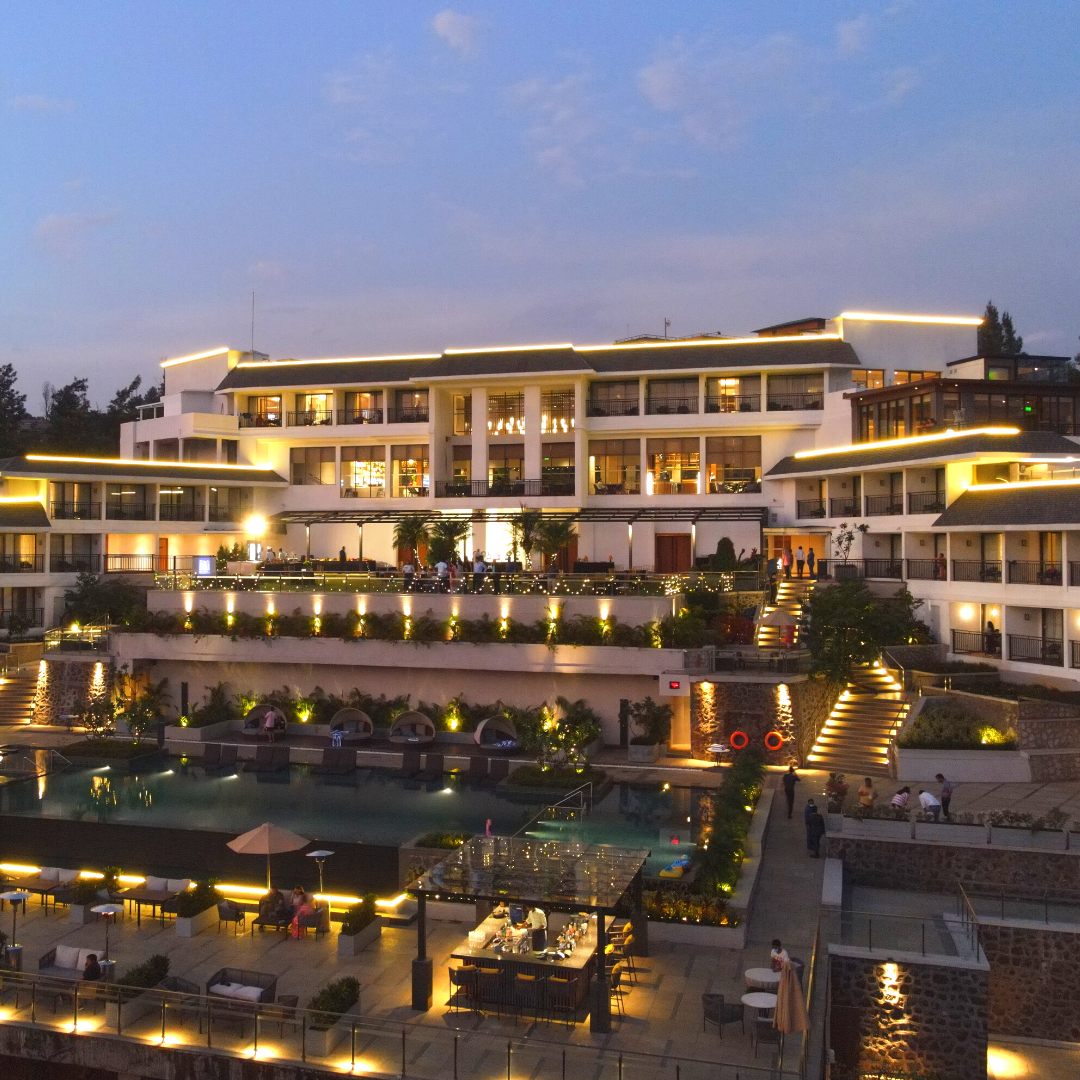
Closer to home, Mahabaleshwar continues to stand out as one of Western India’s most rewarding summer retreats. Nestled in the Sahyadri hills and easily accessible from Mumbai and Pune, the destination offers cool weather, scenic valleys, and a refreshing break from urban life. From exploring the historic Pratapgad Fort and colonial-era viewpoints to indulging in the region’s famous strawberries, visitors can experience a unique combination of heritage and nature.
Sharing her perspective, Shaoni Sen, Head of Marketing and Communications at Courtyard by Marriott Mahabaleshwar, notes, “Mahabaleshwar has always been Western India’s best-kept secret. It offers cool temperatures, dramatic Sahyadri landscapes, and a genuine sense of escape without the distance or chaos of crowded Himalayan routes.” The destination’s appeal is further heightened by the onset of the monsoon season, which transforms the landscape into a lush green paradise.
Meanwhile, Vadodara is emerging as an attractive gateway for travellers seeking a blend of culture, history, and adventure. Home to the iconic Laxmi Vilas Palace, the city offers access to some of Gujarat’s most celebrated attractions. Among them is the Statue of Unity, the world’s tallest statue at 182 metres, which has become a major tourism landmark.
“Western India is increasingly attracting travellers who want experiences that combine comfort, discovery, and authenticity,” says Anand Mishra, Director of Operations, Sayaji Hotel Vadodara. He highlights nearby attractions such as the UNESCO World Heritage Site of Champaner-Pavagadh Archaeological Park, known for its remarkable blend of Hindu and Islamic architecture, and Jambughoda, a nature retreat celebrated for its forests, biodiversity, and tribal heritage.
As experiential travel continues to redefine tourism trends, destinations across Western India are proving that memorable summer escapes need not involve long journeys to crowded hill stations. Instead, travellers are discovering the charm of destinations that offer culture, tranquillity, and a deeper connection with the places they visit, making Western India an increasingly attractive choice for summer holidays.