The filtered world: What travel influencers show you and what they leave out

Exploring the growing divide between curated travel content and authentic travel experiences in the social media era
The digital age has completely transformed travel storytelling. Earlier, people relied on guidebooks, magazines, and personal experiences to discover destinations. Today, social media platforms shape travel decisions through visuals, reels, and instant content. This shift has sparked an interesting conversation around travel influencers and real travelers, and how both influence the way people experience the world.

Who Are Travel Influencers?

Travel influencers are digital creators who share travel experiences across social media platforms, often in collaboration with tourism boards, hospitality brands, and travel companies. Their content is visually curated, engaging, and designed to inspire audiences to explore destinations.

Over the years, influencers have become key voices in the tourism industry, helping destinations gain global visibility within a short span of time.

Who Are “Real” Travelers?

Real travelers are individuals who travel for personal experiences rather than content creation. Their journeys are driven by curiosity, cultural learning, and human connection rather than digital engagement.

They often explore destinations at their own pace, interact closely with local communities, and value authentic experiences over perfectly curated moments. Their stories may appear less polished, but they often feel more relatable and genuine.

Social Media: Aesthetic vs Authenticity

Social media has turned travel into a highly visual experience. Many travelers today choose destinations based on how “Instagram-worthy” they appear online. While visually appealing content inspires tourism, it can also create unrealistic expectations.

Edited images and curated moments often present an idealized version of destinations that may differ from reality. As a result, travelers sometimes focus more on capturing content than truly experiencing the place itself.

Commercialization of Travel Content

The growing influence of digital creators has also commercialized travel storytelling. Sponsored stays, paid partnerships, and brand-led itineraries have become common across the industry.

While these collaborations help destinations and hospitality brands gain visibility, they can sometimes blur the line between genuine recommendations and promotional content. In many cases, only the positive side of a destination is highlighted, while concerns such as overcrowding, sustainability challenges, and rising travel costs receive limited attention.

The Authenticity Challenge

As travel content becomes increasingly polished, audiences are becoming more aware and selective about what they consume online. Viewers today value transparency, honest reviews, and clear disclosure of sponsorships.

There is a growing demand for storytelling that feels trustworthy and experience-driven rather than purely promotional. Authenticity has now become one of the most important aspects of digital travel communication.

Impact on Tourist Behavior

Influencer-led trends have significantly shaped tourist behavior in recent years. Viral destinations often witness sudden surges in visitors, leading to over-tourism, environmental strain, and pressure on local communities.

Many travelers now plan trips around trending locations seen online instead of discovering destinations organically. While social media has encouraged travel exploration, it has also reduced travel to a checklist experience for some audiences.

Changing Expectations in Hospitality

The hospitality industry has adapted quickly to influencer culture. Hotels, cafes, and resorts are increasingly designing visually appealing spaces that perform well on social media.

However, travelers today are also seeking comfort, personalized service, and meaningful experiences beyond aesthetics. The industry must strike a balance between visual appeal and genuine hospitality to create long-term customer satisfaction.

The Rise of Slow and Experiential Travel

In response to fast-paced, content-driven tourism, many travelers are now embracing slow and experiential travel. This approach encourages people to spend more time in one destination, engage with local traditions, and experience cultures more deeply.

Experiential travel focuses on meaningful memories rather than quick digital validation, making journeys more enriching and sustainable.

Bridging the Gap

Interestingly, the gap between influencers and real travelers is gradually narrowing. Many travel creators today are moving towards more honest and relatable storytelling by sharing unfiltered moments, challenges, and authentic experiences.

This shift reflects a growing awareness that audiences value sincerity as much as inspiration.

Conclusion: The Future of Travel Storytelling

The future of travel storytelling will likely be shaped by a balance between inspiration and authenticity. Influencers will continue to drive travel trends and destination visibility, while real travelers will continue to remind audiences about the true essence of exploration.

Together, these narratives can encourage a more responsible, meaningful, and experience-driven travel culture that goes beyond visuals and creates deeper human connections.
HRAWI flags sharp LPG price hike impact on hospitality sector

Association warns of rising operational costs and pressure on margins across the hospitality sector.

The hospitality industry is facing mounting cost pressures following consecutive hikes in commercial LPG prices. Industry bodies warn that rising fuel costs are significantly impacting operations, margins and overall sustainability.

Industry response

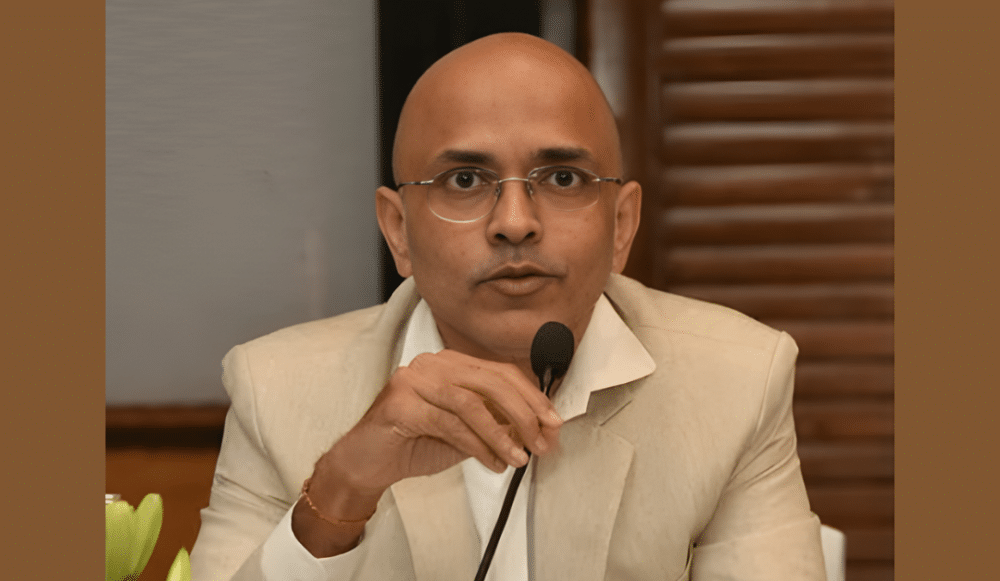
“The latest increase of Rs.993/- per 19-kg commercial LPG cylinder, coming immediately after hikes of Rs.195.50/- in April and Rs.144/- in March, has dealt a severe blow to the hospitality industry. With commercial LPG prices now having risen by a staggering Rs.1,332.50/- within just three revisions, the sector is facing an unprecedented escalation in operating costs at a time when businesses are already struggling with supply disruptions, reduced operational capacity and weakened cash flows. For an industry where energy costs form a major chunk of operational expenditure, this is nothing short of catastrophic. Hotels and restaurants are among the largest consumers of commercial LPG and this sharp increase will disproportionately impact the hospitality sector, particularly small and medium establishments, caterers and businesses dependent on large scale food production. Many establishments are already operating with curtailed hours, limited menus and alternative cooking arrangements due to inconsistent supply and rising fuel costs. This latest revision will further strain margins and make operations increasingly unsustainable. Many have already shut down temporarily; this latest hike will accelerate closures and job losses. The impact extends beyond individual businesses. Rising fuel costs inevitably affect employment, food pricing, events and banqueting operations, tourism linked services and the broader supply chain connected to hospitality. Due to the recent rise in LPG prices, a 10 to15 per cent hike in menu prices is imminent. But even that may not be enough to absorb the impact. We urge the Government to urgently intervene, roll back this hike and stabilise LPG prices to give the sector some breathing space. Without immediate relief, the hospitality industry, a key employment generator, faces an existential crisis,” says Pradeep Shetty, Spokesperson, Hotel And Restaurant Association (Western India) (HRAWI) & VP, Federation of Hotel & Restaurant Associations of India.

How upcycled ingredients are transforming sustainability in hospitality kitchens

From food waste to culinary innovation, hotels and restaurants rethink sourcing, usage and efficiency.
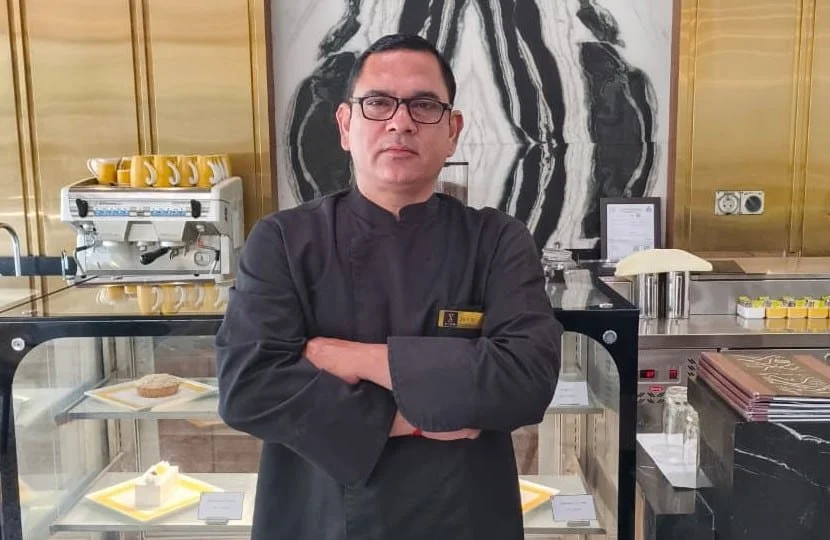
The hospitality industry is undergoing a significant shift toward sustainability, with kitchens across hotels and restaurants rethinking how ingredients are sourced, used, and discarded. One of the most impactful trends driving thi change is the rise of upcycled ingredients—transforming kitchen waste into innovative, high-value culinary creations. What was once overlooked or discarded is now being reimagined as a resource for creativity, efficiency, and responsible dining.

Food waste has long been a challenge in the hospitality sector, with large volumes generated during preparation, service, and storage. From vegetable peels and fruit pulp to stale bread and meat trimmings, a significant portion of ingredients often goes unused.

Today, chefs are shifting their perspective—viewing these by-products not as waste, but as an opportunity. Upcycling encourages a more mindful approach to cooking, where every ingredient is utilized to its fullest potential. This not only reduces waste but also supports a more sustainable and cost-effective kitchen operation.

The art of upcycling ingredients

Upcycling in the culinary world is both a science and an art. It involves transforming surplus or leftover ingredients into dishes that are not only edible but also appealing and innovative.

Vegetable scraps, for instance, can be turned into stocks, purees, or crispy garnishes. Fruit peels can be used in syrups, jams, and cocktail infusions, adding depth and complexity to flavors. Even seemingly insignificant elements like herb stems or cheese rinds can enhance sauces and broths.

This creative use of ingredients allows chefs to push boundaries while reducing their environmental footprint.

From scraps to signature dishes

Many restaurants are now incorporating upcycled elements into their menus as signature offerings. Dishes such as carrot-top pesto, watermelon rind curry, or bread-based desserts are gaining popularity for their uniqueness and sustainability.

In bakeries and pastry kitchens, stale bread is transformed into croutons, breadcrumbs, or classic puddings, while overripe fruits are used in compotes, cakes, and preserves. Coffee grounds are being repurposed for flavor infusions in desserts or spice rubs, showcasing how innovation can elevate even the simplest ingredients.

These dishes not only minimize waste but also offer guests a fresh and memorable dining experience.

Operational benefits for hotels and restaurants

Beyond creativity, upcycling offers tangible operational advantages. By maximizing ingredient utilization, restaurants can significantly reduce food costs and improve efficiency.

Hotels, particularly those with large buffet operations, are increasingly adopting structured waste management systems. Surplus cooked food can be repurposed into soups, fillings, or staff meals, while unused ingredients are tracked and redirected into new preparations.

Technology is also playing a role, with food waste tracking systems helping kitchens analyze patterns and identify opportunities for reduction. This data-driven approach ensures that sustainability efforts are both measurable and scalable.

Meeting the expectations of conscious diners

Today’s diners are more informed and environmentally aware than ever before. They are not only interested in what they eat but also in how it is prepared and its impact on the planet.

Menus that highlight upcycled ingredients resonate strongly with this audience. Terms like “zero-waste,” “sustainably sourced,” and “upcycled” add value and create a compelling narrative. Diners appreciate transparency and are more likely to support brands that align with their values.

This shift in consumer behavior is encouraging restaurants to embrace sustainability as a core part of their identity.

Balancing creativity with food safety

While upcycling offers numerous benefits, it requires careful execution. Food safety and hygiene remain critical, and all reused ingredients must meet strict quality standards.

Proper storage, labeling, and timely usage are essential to ensure that upcycled components are safe and fresh. Kitchen teams must be trained to identify usable by-products and incorporate them effectively without compromising taste or presentation.

Maintaining this balance is key to successfully integrating upcycling into daily operations.

The future of upcycled menus

The future of sustainable dining is closely tied to the concept of circular kitchens, where waste is minimized, and resources are continuously reused. Upcycled ingredients are set to play a central role in this transformation.

As awareness grows and technology advances, more restaurants and hotels will adopt structured upcycling practices. This will not only reduce environmental impact but also redefine how value is created in the kitchen.

Upcycled ingredients represent a powerful shift in how the hospitality industry approaches sustainability. By turning kitchen waste into gourmet innovations, chefs are redefining creativity, efficiency, and responsibility.

In a competitive and ever-evolving market, the ability to innovate while minimizing waste is a significant advantage. Upcycling is not just a trend—it is a necessity for the future of dining.

As hotels and restaurants continue to embrace this approach, they are not only enhancing their menus but also contributing to a more sustainable and responsible food ecosystem.

HPMF hosts 2026 hospitality procurement convention in Kolkata

The convention brings together hospitality procurement leaders for knowledge sharing, collaboration, and regional expansion initiatives.

April , 2026:The Hospitality Purchasing Managers’ Forum (HPMF) successfully hosted its Eastern Chapter Annual Convention 2026 on April 11, bringing together industry leaders, procurement professionals, and partners from across India, Nepal, and Bhutan for an evening of knowledge sharing, cultural celebration, and strategic dialogue.

Opening ceremony and cultural performances

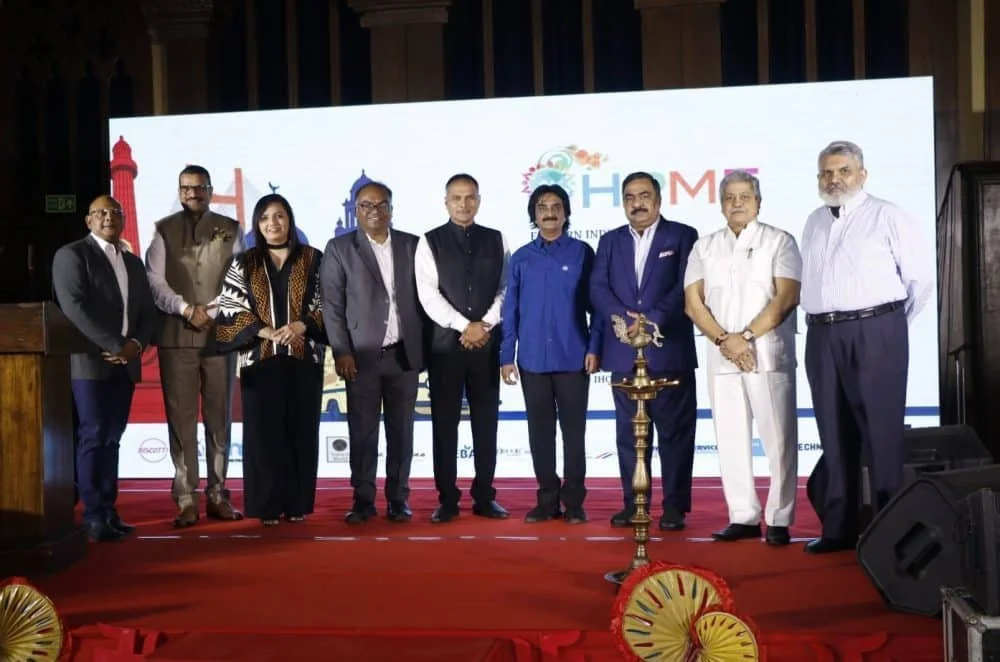
The convention commenced with a traditional welcome featuring Dhaki, Dhunuchi, Shankho, and Kulo dance, followed by a Baisakhi Agomoni dance performance, setting a festive tone for the evening. The ceremonial lamp lighting by advisory board members and distinguished guests marked the formal inauguration of the event.

Key addresses

The event featured welcome addresses by Dr Phalguni Das (Chief Guest), Dr Souvagya Mahapatra (Guest of Honor), and Dr Nitin Shankar Nagrale, Founder & General Secretary, HPMF, who emphasized the growing importance of collaboration, innovation, and knowledge sharing in the procurement function.

Expansion and partnerships

A key highlight of the evening was the launch of the Assam & Bhutan Chapters, reinforcing HPMF’s expanding regional footprint.

Additionally, a strategic tie up between IIMM and HPMF was announced, along with the onboarding of new members, further strengthening the forum’s network. As part of this collaboration, HPMF sponsored a Materials Management course at IIMM for 10 HPMF members, underlining its strong commitment to skill development and professional growth within the fraternity.

Cultural highlights

The convention also showcased cultural performances, including Baul songs and a saxophone performance, reflecting the rich heritage of the region.

Industry dialogue and panel discussion

Industry engagement was deepened through sponsor presentations and an insightful panel discussion titled: “India Hospitality Growth Story: How Strategic Procurement Can Drive Scale, Sustainability & Self-Reliance.” The session explored the evolving role of procurement in driving efficiency, sustainability, and long-term growth within the hospitality sector.

Recognition and CSR initiatives

The event also recognized contributions through memento distributions and featured talks on CSR initiatives and support for local art and handicrafts.

Leadership perspectives

Speaking on the occasion, Biplab Bharti, President, HPMF Eastern Chapter, said: “This convention is a reflection of the Eastern Chapter’s growing strength and unity. We are proud to bring together such diverse talent and thought leadership under one platform. Our focus remains on creating meaningful engagement, promoting regional excellence, and contributing to the overall growth of the hospitality procurement community.”

Dr Nitin Shankar Nagrale, Founder & General Secretary, HPMF, added: “HPMF has always believed in the power of collaboration and continuous learning. From expanding into new regions like Assam and Bhutan to investing in skill development through initiatives like the IIMM certification, we are committed to empowering our members and strengthening the procurement ecosystem. This convention is yet another step towards building a more connected, knowledgeable, and future-ready fraternity.”