The hidden infrastructure behind India’s fastest-growing hotels and offices
/
Boon Edam leaders discuss localisation, partnerships and the opportunities emerging from India’s expanding infrastructure landscape.
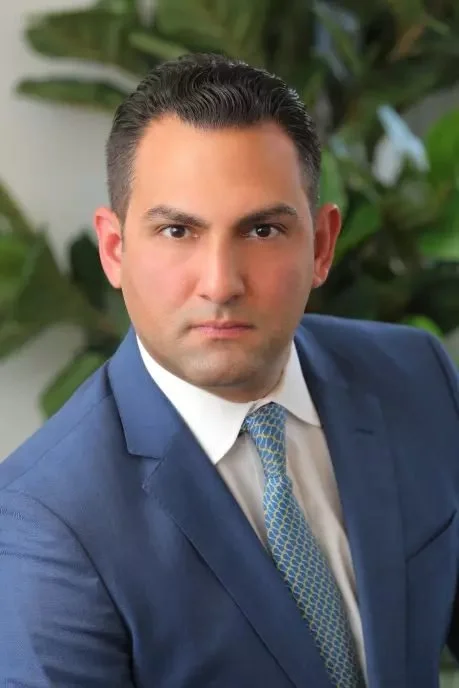
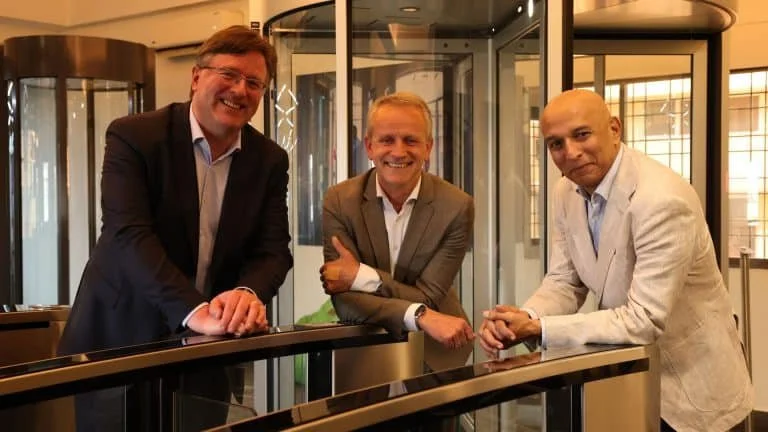
India’s commercial real estate, data centre, and infrastructure segments have posted strong growth in recent years, driving demand for entrance security solutions. Niels Huber, Chairman, and Marc Giese, CEO, of Royal Boon Edam International BV explain in an interview with Hotelier India how the Netherlands-based company is looking to deepen its India presence through long-term partnerships and localisation.
Niels, please tell us about your journey with Boon Edam. How did it all start and how did you join and scale the business?
Niels Huber (NH): I grew up with Boon Edam at ‘the kitchen table’. My father was the second generation of my family working at Boon Edam, so the stories were always about the company. I heard about entering export markets and becoming international. We were mainly producing revolving doors and then expanded into security products and security barriers. My sister and I both loved the business and wanted to continue it.
My actual career at Boon Edam began in 1990 as a truck driver. I travelled across Europe, did installations on sites and worked in production, assembly, warehouse and sales, so I experienced many aspects of the business. In the late 1990s, we realised that service itself could become a business model. I proposed professionalising the service business, and over the years, we transformed service into a professional global business. Today, we call ourselves a ‘mini multinational’ because we operate in 15 countries and work with more than 60 distributors in another 60 countries.
You have been working in India for many years. What structural shifts have you seen in the Indian market over time?
NH: In India, we started through a distributor model before building Boon Edam India. We have now been working together for more than 25 years.
The Indian market was already growing rapidly earlier, but today it is growing even faster. Every time I visit India, I see major developments. I travel extensively across the world and what is happening in India is extremely impressive. I do not know many places in the world developing at such speed.
What are your observations about the Indian market and where does India stand in your global priorities?
NH: One important thing is the fast pace of adapting to change in India. There is rapid development of city centres, offices, and innovations, which many parts of the world can learn from. India has to manage an enormous population, but globally there are efficient systems for handling large volumes of people. Digital systems and flexible working models can help reduce pressure on infrastructure.
Marc Giese (MG): The scale of the Indian market is enormous. We currently have our offices in India in Mumbai and Delhi and additional offices may follow in the coming years, mainly across major industrial regions. Indian projects are similar to those in other parts of the world and well within our capabilities. The Indian market is dynamic and the fast growth places major demands on suppliers. Our success in India is largely because we have built an excellent local team that works closely with customers. We are seeing developments in India comparable to the growth patterns seen in China around 20 years ago.
How are geopolitical disruptions affecting supply chain and delivery for Boon Edam?
NH: Deliveries are under pressure because the world depended heavily on one region for production. Now every region wants more autonomous supply chains and manufacturing capabilities. In India, we already assemble products locally to stay close to the market and ensure quicker turnaround times. Globally, we have manufacturing facilities in the US, China and Europe, which gives us fallback options to meet customer needs.
How much of your Indian sales are fulfilled through local assembly?
NH: In India, we already carry out part of the assembly locally because of the strong market potential. We are focused on building a long-term position with local people and believe in being as close as possible to the customer.
What lessons from your global operations are most relevant for India?
NH: We listen carefully to the people serving the local market because India may require specific local adaptations. While companies may prefer one standard product everywhere, local requirements are important.
Our products are long-life systems expected to operate for 5, 10, 15 or even 30 years, so whatever we develop must also be serviceable over the long term. We are committed for the long term and see it as our responsibility to ensure systems remain operational. We focus on delivering the best value for money, not simply the cheapest product.
MG: Demand for security solutions is increasing worldwide, especially from data centres. Hospitality, offices, airports and office security will continue to generate demand. We supply products to data centres globally and also in India, and this trend will continue over the next decade.
Many of our global customers in India expect the same level of service they receive in the United States or Europe. Customers are also increasingly focused on long-term partnerships and total cost of ownership rather than just product cost.
What challenges does the Indian market pose and how are you addressing them?
MG: Indian customers have very high expectations, especially regarding service. Customers choose Boon Edam because they know they will receive reliable service, which demands strong dedication from our team.
What leadership principles have remained constant for you over the years?
NH: Three key principles—respect, dedication, and drive. Respect means respect for colleagues, customers, suppliers, and the environment—especially regarding sustainability and long-term relationships. Dedication and drive mean having passion for our products and services.
What is your vision for Boon Edam in India? Will you set up your manufacturing plant here?
NH: India has enormous growth potential and we see significant opportunities for our products and services here. Buildings developed today must remain useful for 10, 15 or 20 years from now, so systems must be adaptable. We see strong long-term growth in India and believe that the potential is huge.
MG: Manufacturing in India is certainly a possibility. At present, we are assembling products in India and the supply chain here is excellent. Our experiences in India have been positive and we are building strong momentum in the market.