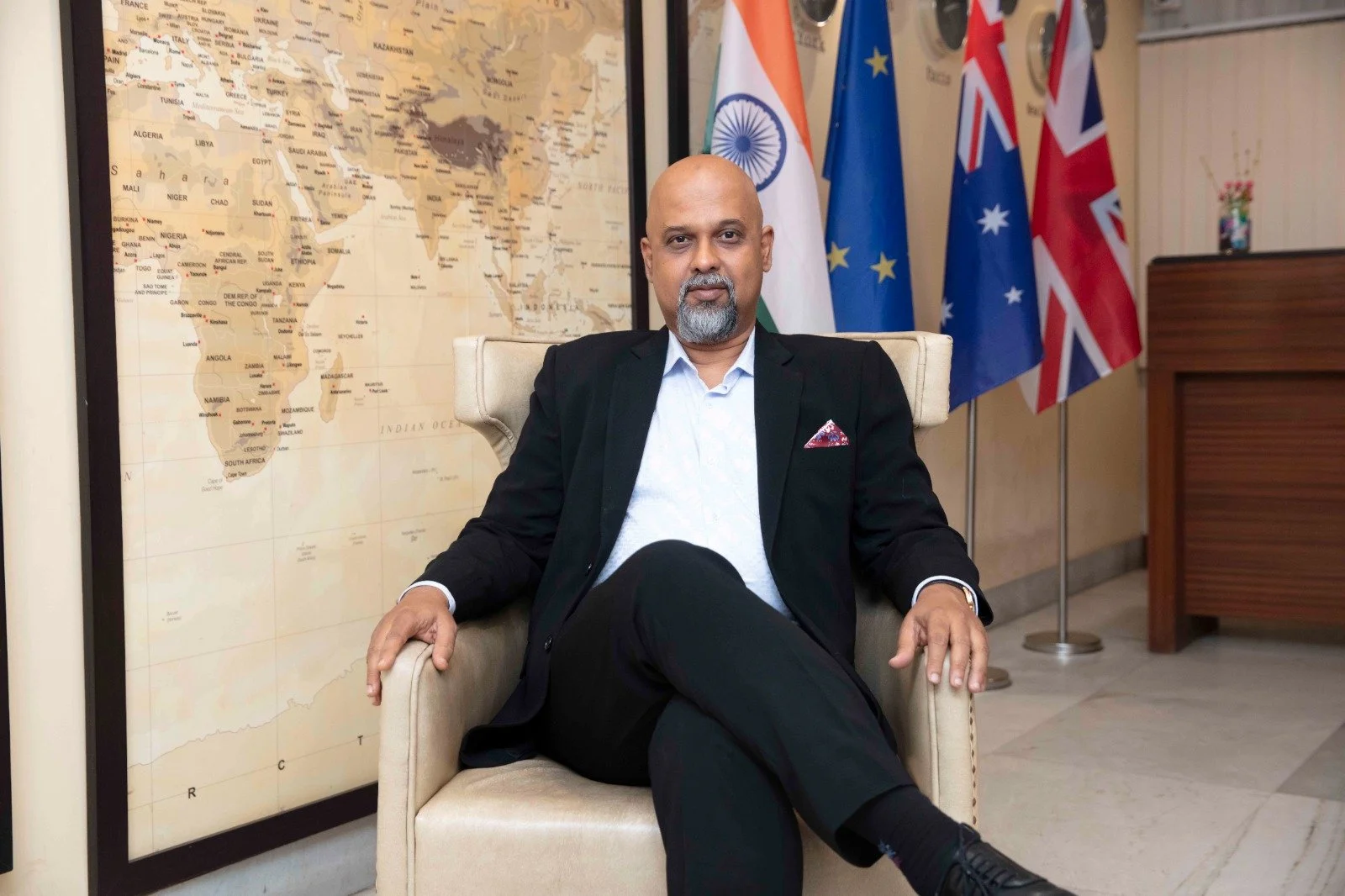
Exclusive Interview | Kapil Shewale, General Manager, The Orchid Panchgani
/
Kapil Shewale
“The principle should be to script the system, not the human interaction.”
Editor: How do you give frontline teams enough autonomy to create memorable moments without compromising operational standards?
The approach is to set clear boundaries and then trust the team. Safety, hygiene, security and core service standards remain non‑negotiable. Within those boundaries, frontline teams should have the freedom to make decisions for guests without constantly seeking approvals. If a team member sees an opportunity to make a guest’s stay more special, they should be able to act in that moment. Empowerment also comes with accountability. When people feel trusted and understand that they are responsible for the outcome, they begin to think with greater ownership.
Editor: Has personalisation genuinely improved hospitality experiences, or has it sometimes made them feel more transactional?
Technology can help hotels remember a guest, but it is people who create the personal connection. Knowing a guest’s name or remembering a previous stay does not necessarily make an experience personal. Genuine personalisation comes from observing, listening and understanding small preferences. It could be a steward noticing what a guest prefers at breakfast or a team member anticipating a need before it is expressed. Technology can support this process, but the warmth and human connection still have to come from the people delivering the experience.
Editor: What is one experience at your property that could only exist in that particular place?
The defining experience is the pace of Panchgani. In a city, hotels often focus on convenience and efficiency. In Panchgani, there is an opportunity to offer something very different: breathing space. The fog, forests, birds, greenery and the simple pleasure of sitting with a cup of tea without rushing are experiences that cannot be recreated elsewhere. The role of the hotel is to complement this natural setting through quiet breakfasts, local flavours and experiences that encourage guests to slow down. The idea is not to compete with Panchgani, but to allow the destination to become part of the stay.
Editor: Are guests becoming harder to impress, or are they simply becoming more discerning?
Guests are becoming more discerning rather than harder to impress. With access to reviews, photographs and information online, they often arrive with a clear understanding of what to expect. What makes a difference now is the quality of the interaction. Guests notice the attitude of the team, the speed of response and the way a concern is handled. Creating a memorable experience does not always require an elaborate or expensive gesture. Attention to detail, ownership and genuine care can have a far greater impact.
Editor: How much should an experience be scripted, and where should employees have the freedom to improvise?
The principle should be to script the system, not the human interaction. There need to be clear standards for housekeeping, safety, hygiene, billing and service delivery to ensure consistency. At the same time, employees should have the freedom to communicate naturally with guests. When people are focused on following a script, they can lose sight of what the guest is actually saying. Hospitality needs consistency, but it also depends on judgement, empathy and the ability to respond appropriately to individual situations.
Editor: How much of an experience is about what happens and how much is about how the guest feels?
The feeling is often what stays with a guest long after the details of the stay have faded. Guests may not remember every aspect of their room or meal, but they are likely to remember whether they felt welcomed, valued and genuinely looked after. Hospitality is about more than delivering a room or a meal. It is about creating a sense of care and connection throughout the stay. When a guest leaves feeling that the team genuinely looked after them, that is a meaningful measure of a successful hospitality experience.