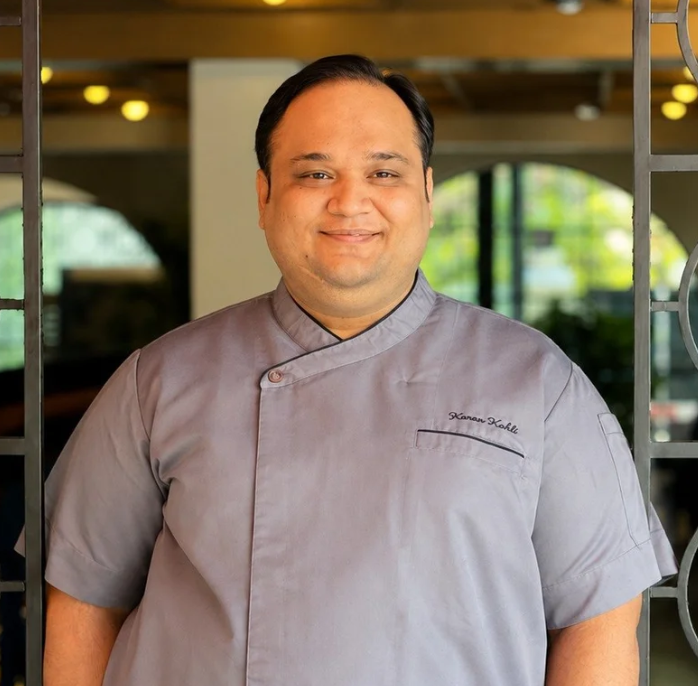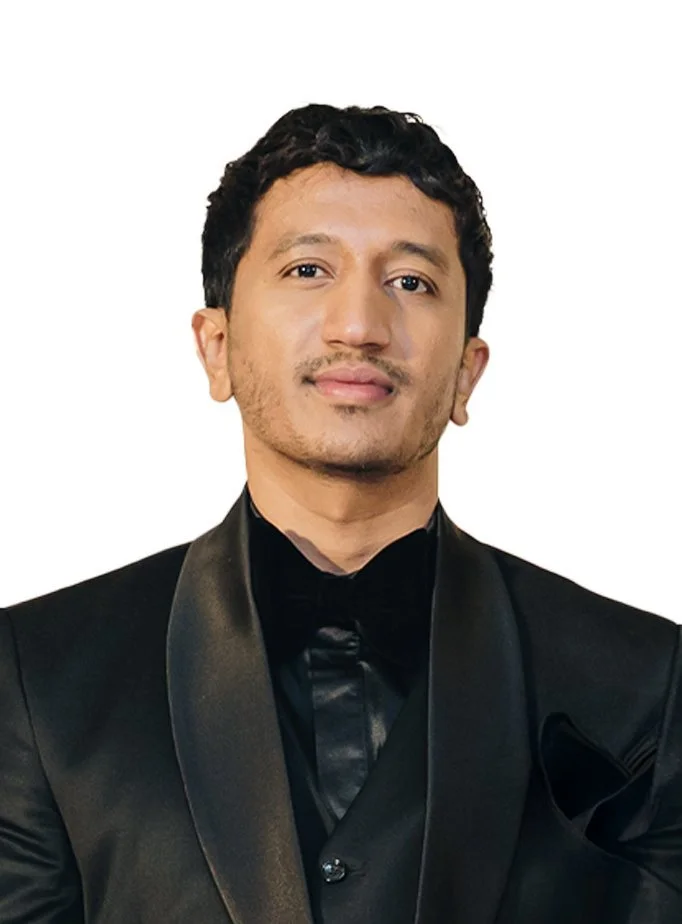
Exclusive Interview | Chef Karan Kohli, Executive Chef, Novotel Mumbai International Airport
/Chef Karan Kohli
"Enjoy the little things in life, for one day you'll look back and realize they were the big things."
Editor: How did it all start? Share your culinary journey with us.
I grew up in Agra, where my first culinary influences came from my family kitchen. What started as a fascination with cooking gradually turned into a career after graduating from IHM Bhopal in 2010. Over the past 16 years, I've had the privilege of working with brands such as Oberoi Hotels, Marriott, Taj, Alila, Accor and Hyatt. Today, as Executive Chef at Novotel Mumbai International Airport, I continue to focus on creating memorable dining experiences while nurturing culinary talent.
Editor: What are your earliest memories of the kitchens you worked in?
I remember the pace, the discipline, and the teamwork. Every service felt like a performance where everyone played an important role. Those early experiences taught me resilience, consistency, and respect for the craft.
Editor: A dish your patrons/guests love.
One dish that never fails to impress our guests is our slow-cooked lamb shank. I have always enjoyed dishes that require patience and attention to detail. As a firm believer in slow cooking, I appreciate how time can transform simple ingredients into something exceptional. The deep flavours, tender texture and comforting nature of the dish make it a consistent guest favourite.
Editor: A dish that you love but do not have on your menu.
One dish I absolutely love is Claypot Chicken Rice. It is a humble comfort dish where marinated chicken, fragrant rice, mushrooms, and salted fish are slow-cooked together in a claypot. What makes it special for me is the depth of flavour that develops during the slow cooking process, along with the crispy layer of rice at the bottom. Simple, rustic and incredibly satisfying, it is a dish that perfectly showcases how great ingredients and patience can create something truly memorable.
Editor: What, according to you, does it take to become a successful chef?
Passion and hard work are essential, but what truly sets a chef apart is consistency, adaptability and the ability to lead and inspire a team. Great food is always a collective effort.
One of the most valuable lessons I learned during my time with Hyatt is that keep “things simple and less is more”, respecting the ingredients, and executing the fundamentals exceptionally well often creates the most memorable dining experiences.
Editor: What advice would you give to a young culinary student?
Master the basics, stay humble, and never stop learning. Trends will come and go, but strong fundamentals and a positive attitude will always be valuable.
Editor: What instruments/equipment/devices can you not imagine working without?
While a chef's knife is an obvious choice, I would also say a tasting spoon and a digital thermometer. As someone who believes in the art of slow cooking, a thermometer helps me monitor and maintain the core temperature of food, ensuring consistency, precision, and the best possible results. At the same time, a tasting spoon is indispensable because great cooking ultimately comes down to continuously checking and refining flavors.
Editor: Your favorite ingredient is...
Fresh coriander for Indian cuisine and heirloom cherry tomatoes for Western dishes. Coriander adds freshness and depth, while heirloom tomatoes bring color, sweetness, and a gentle tartness that can transform even the simplest plate.
Editor: Name chefs you find amazing or whose work you admire.
While there are many chefs who inspire me daily, and I make it a point to learn something new from them every day, Chef Mayur Thapa has had the greatest influence on my culinary journey. His mentorship taught me the values of discipline, consistency, and respect for the craft. I also admire Chef Wuttisak Wuttiamporn for his innovative approach to progressive Thai cuisine and his ability to beautifully balance tradition with modern creativity.
Editor: What books should every chef read?
I'm currently reading Unreasonable Hospitality by Will Guidara, which highlights the importance of creating memorable guest experiences and reminds us that hospitality is just as important as culinary skill.
I would also recommend The Soul of a Chef by Michael Ruhlman for its insight into what makes a great chef, and The Flavor Bible by Karen Page & Andrew Dornenburg, an excellent guide to flavor pairing and culinary creativity.
Together, these books offer valuable lessons in hospitality, craftsmanship, and innovation