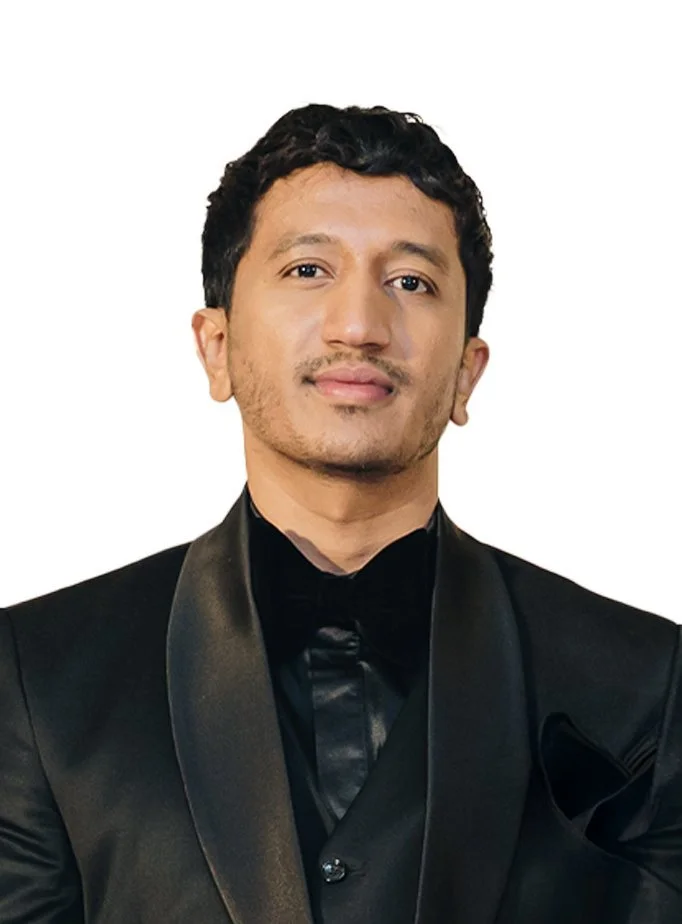
Exclusive Interview | Karreena Bulchandani , Founder, Mokai
/“Mokai is about creating a space people can return to - not just physically, but emotionally.”
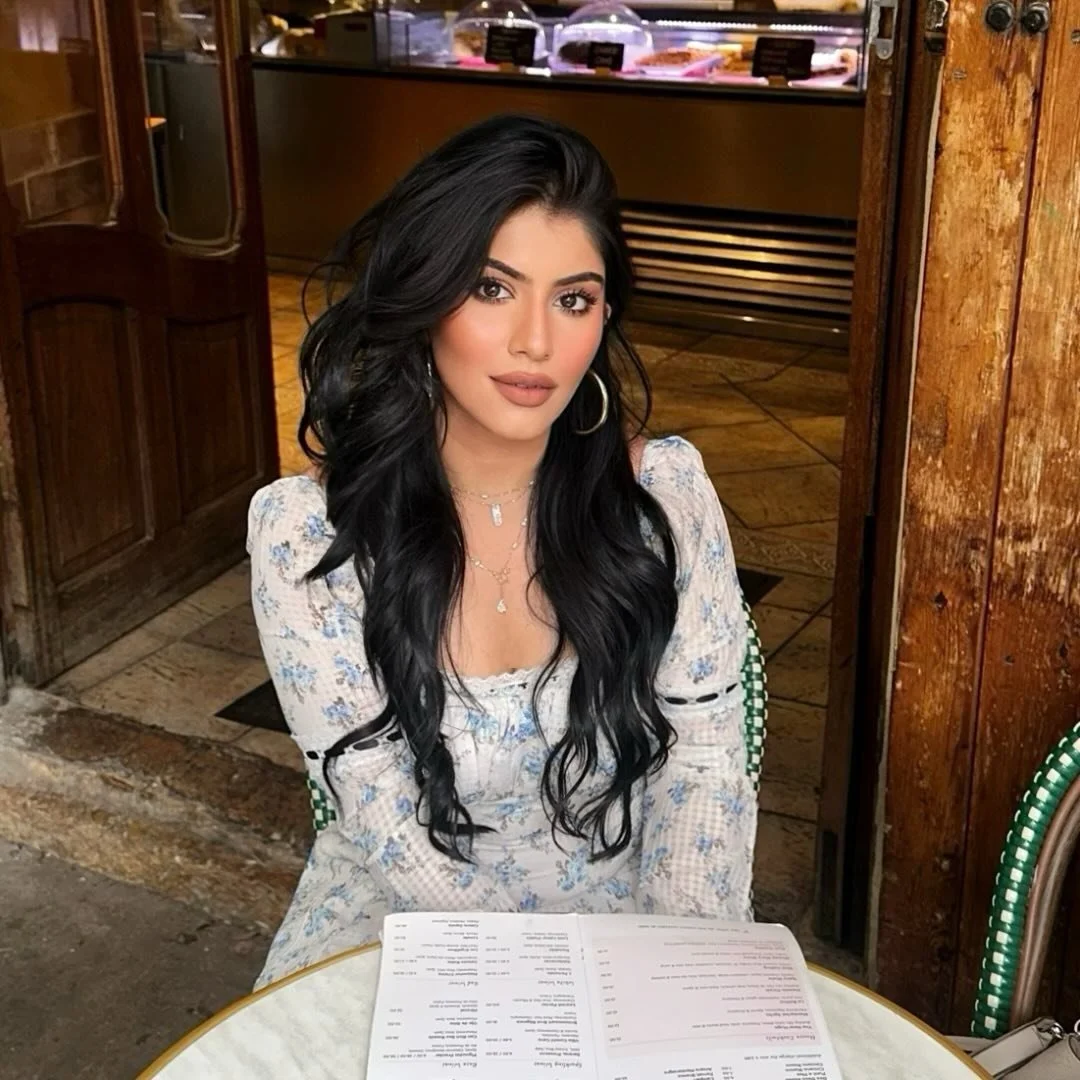
Mokai feels like an experience shaped as much by emotion as by design. What was the first feeling you wanted to build into the space?
From the very beginning, I wanted Mokai to feel warm and familiar like a space you don’t have to “figure out.” It was important that people walk in and instantly feel at ease, almost like they’ve been there before. More than anything, I wanted to create a sense of comfort and quiet belonging.
You entered hospitality without a conventional background. What gave you the confidence to trust instinct over industry playbooks?
I think not having a conventional background actually helped me trust my instinct more. I didn’t feel the need to follow a set formula, I was building something based on what I personally felt was missing. That clarity made it easier to take decisions without overthinking industry norms.
Having lived across different cultures, how did those early exposures influence the way you think about cafés today?
Living in places like China, Singapore, and London exposed me to cafés that felt very personal and lived-in. They weren’t just about food, they were about how people used the space. That stayed with me and shaped how I see cafés today as environments that hold memory and routine, not just transactions.
Your training with Christine Blundell is a unique starting point. How did that world of precision and storytelling translate into Mokai?
That experience really taught me the importance of detail and intention. In prosthetics and makeup, everything contributes to the final story, even the smallest element. I think I’ve carried that into Mokai, whether it’s the design, the menu, or the overall mood, everything is meant to feel cohesive and considered.
Mokai embraces a wabi-sabi philosophy. How do you balance restraint and expression in a market that often leans toward excess?
For me, restraint doesn’t mean less, it just means being more intentional. With Mokai, we focused on textures, light, and subtle details rather than over-designing. The idea is to let the space evolve naturally while still having a strong point of view.
The idea of Mokai as a “third place” is compelling. What does that look like in practice, day to day?
In practice, it’s about creating a space people can come back to without a reason. You’ll see people working, catching up, or just spending time alone. It’s not rushed, and there’s no pressure to leave—it’s designed to feel like a part of your everyday routine.
Your collaborations—from Orry to Sanya Malhotra—feel culturally in sync. What guides your choices when it comes to partnerships?
It’s always about relatability and timing. We collaborate with people who naturally align with the brand and how it feels. It’s less about reach and more about whether the interaction feels authentic and adds to the Mokai story.
Mokai’s social presence feels intuitive and personality-led. How intentional is your digital strategy versus letting things evolve organically?
It’s a mix of both. There is a clear understanding of how we want the brand to feel online, but we leave a lot of room for spontaneity. Social media for us is an extension of the space it should feel natural, not overly planned.
As the brand grows, how do you decide what to evolve and what to hold constant?
We’re always open to evolving, whether it’s the menu or small elements within the space. But the core feeling of Mokai—its warmth, simplicity, and sense of familiarity—will always remain constant. That’s what people connect with.
Looking ahead, do you see Mokai scaling as a brand, or staying intentionally intimate and experience-driven?
Growth is definitely part of the vision, but it has to feel right. I don’t think Mokai is meant to scale in a way that loses its essence. Even if it grows, it should always feel personal and experience-led.
If someone tried to copy Mokai tomorrow, what’s the one thing they would never be able to replicate?
The intention behind it. Mokai comes from lived experiences, instincts, and a very personal way of seeing spaces. That’s not something you can replicate, it’s built over time.
What is one belief about cafés or hospitality that you strongly disagree with?
I don’t agree with the idea that cafés need to constantly do more - more design, more noise, more trends to stay relevant. Sometimes, simplicity and consistency create a stronger connection.