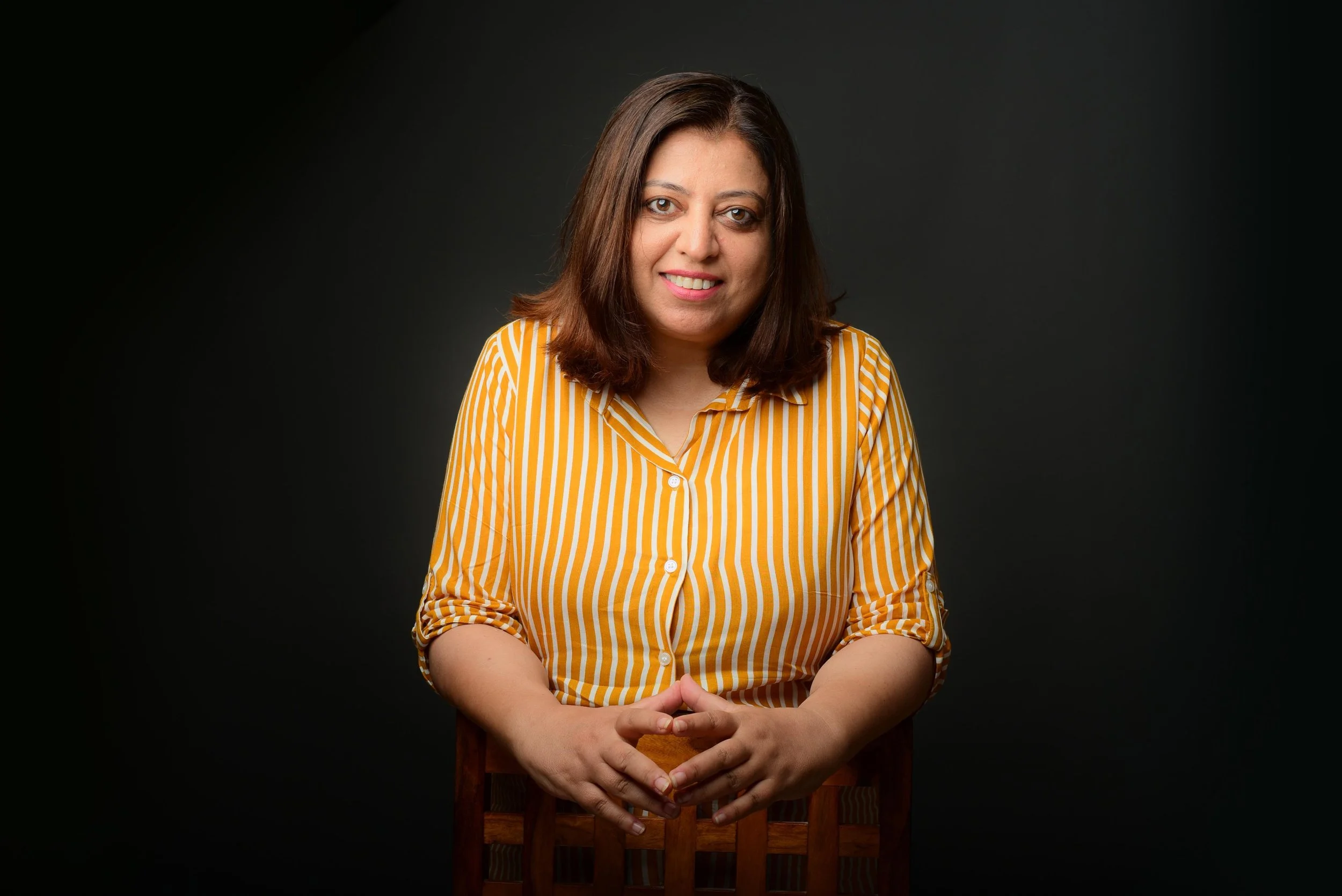
Exclusive Interview | Sonal Pathak, CHRO, Ahuja Residences
/“I have immense belief in human potential”
You’ve been recognised among the Top 25 India’s Most Agile HR Leaders 2025–26—what did that moment feel like, especially being on the receiving end this time?
It was honestly humbling, and a little surreal. More than personal validation, it felt like recognition of the kind of HR we’re trying to build. Business-aligned, People-centric, and Sustainable.
As HR leaders, we’re usually the ones behind the scenes, recognising others, building platforms for people to shine. Being recognised made me pause and acknowledge the journey. It felt good.
As someone who has spent years recognising and celebrating others, did standing on that side of the stage shift your perspective in any way?
Yes, it did. Indeed. It reminded me that recognition is not just a moment—it’s validation. It made me more conscious of how important it is to celebrate people meaningfully and not just ceremonially.
Also, it made me reflect that leadership journeys can be visible—even when you’re just focused on doing the work.
What drew you to HR? Did you always see yourself as a business-focused HR leader?
I often say I’m an HR professional by accident. I started my career in sales, moved through quality and L&D, and eventually found my way into HR. With each transition, the work became more meaningful—and my perspective sharper. What truly shaped me was the foundation in sales and quality; it gave me the ability to look at challenges through both business and people lenses simultaneously—a combination that has been invaluable.
Looking across your journey in hospitality, entertainment, consulting, and now as CHRO, what have been the defining turning points that shaped your leadership style?
Moving across industries—Automobile, Hospitality, Entertainment, Consulting and Entrepreneurship —taught me Adaptability and the ability to Hustle and Pivot quickly in very different business contexts. Working in growth-stage environments—pre-openings, greenfield and brownfield setups, unknow territories pushed me to build from the ground up, not just manage what already existed.
That experience instilled both ownership and a bias for action.
From building HR frameworks for new ventures to leading transformation at scale, which experience challenged you the most—and what did it teach you?
Leading transformation in a growing organisation is the most challenging. You’re balancing legacy culture, business urgency, and future readiness—all at once.
What it taught me:
Change is not about frameworks—it’s about trust and communication
Speed matters, but so do relevance and prioritisation
You can’t disrupt without respecting what already exists. The mindset needed to scale won’t appear overnight either. Change is a gradual process, and leadership requires staying the course.
What does being an agile HR leader truly mean in your day-to-day work?
For me, agility is not about speed—it’s about relevance.
It means:
Continuously aligning people strategy with evolving business priorities
Staying comfortable with ambiguity and leading through it with clarity
Making decisions with incomplete data, guided by strong judgment and cultural context
Knowing when to step in, when to step back, and when to bring it back in view.
How do you balance empathy with performance?
People don’t resist feedbacks—they resist unfairness.
Empathy doesn’t mean lowering standards. It means understanding context while still driving accountability.
The balance comes from:
Clarity of expectations
Intent & Fairness in decisions
Consistency in actions
You’ve worked extensively on culture transformation—what’s one common misconception about workplace culture that you strongly disagree with?
‘What gets rewarded gets repeated’
Culture isn’t about activities, engagement calendars, or perks.
Culture is actually:
How you rise above Business urgencies and take a bold decision which is right .
What you tolerate
What you reward
How leaders behave when no one is watching
You’ve spoken about “unlearning” as part of growth—what’s something you personally had to unlearn to evolve as a leader?
This is very interesting and deep.
One of the first things I am still unlearning is the need to have all the answers , always & immediate.
Earlier, I believed leadership meant always being certain. Over time, I realised that asking the right questions and enabling others is far more powerful.
Letting go of control actually made me a better leader.
What does your personal learning and growth routine look like?
Learning is a simple exercise.
Staying close to operations and numbers , informal conversations often teach more than formal feedbacks , peer conversations, and catching early signs
What values or life experiences have most influenced the way you lead today?
Thank you for asking this and I will keep it sharp and precise .
Core values that guide me
Immense belief in Human Potential
Owning my work and Self Accountability
Staying Grounded, especially during success
Finding Meaning in every situation, whether success or setback
What message would you like to share with young professionals aspiring to build meaningful, future-ready careers in HR and hospitality?
Don’t limit yourself to HR—understand the business deeply.
Focus on:
Building credibility, not just Capability
Be a problem solver
Choose your Path , Everything else will follow.