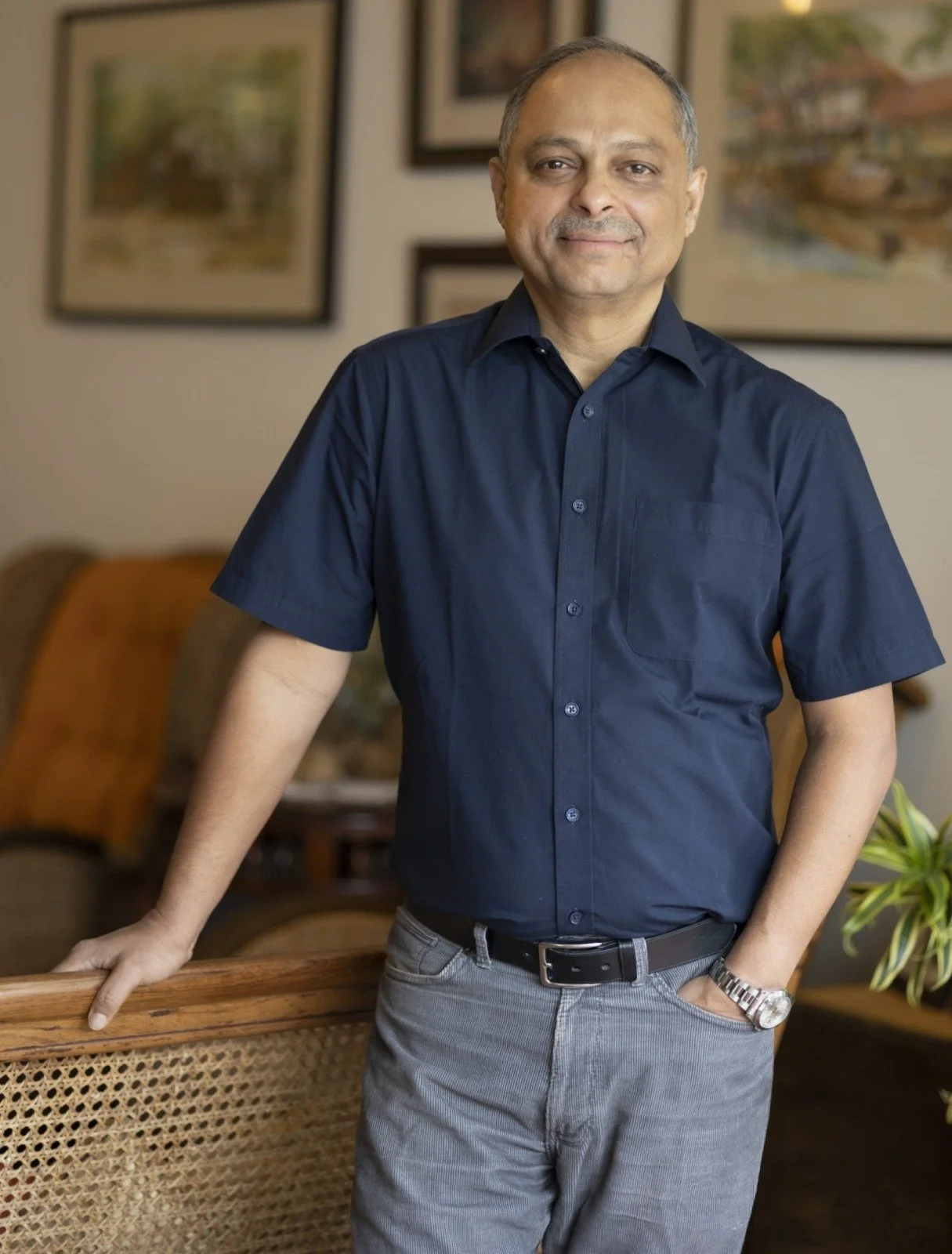
Vikrant Batra, Director and Co-Founder, Batra Bros Food & Beverage Pvt. Ltd.
/
Menu Strategy and Commercial Performance
Over the years, I have realised that a menu is one of the most powerful business tools a restaurant has. It is not just a list of dishes. It influences guest choices, operational efficiency, profitability and even how a brand is perceived.
Whenever we enter a new market, we spend considerable time understanding the location. We study the demographics, spending patterns, dining habits and expectations of guests in that area. Every city and every neighbourhood behaves differently. What works in Gurgaon may not work in Noida & Punjab. That understanding becomes the foundation of menu creation.
We also believe that menu development is an ongoing process. Once a menu is launched, we closely monitor guest feedback, ordering trends and sales performance. These insights often reveal opportunities that may not have been visible during planning. Sometimes it leads to introducing new dishes, while at other times it means simplifying the offering.
A successful menu is one that creates excitement for guests while remaining commercially sustainable for the business. The balance between creativity and practicality is what ultimately drives long term success."
Guest Psychology and Ordering Behaviour
Guests rarely choose food based only on hunger. Their decisions are influenced by emotions, memories, comfort, curiosity and even the occasion they are dining for. Understanding this behaviour is one of the most fascinating aspects of menu creation.
At our brands, we spend a lot of time studying guest feedback and ordering patterns. We try to understand not just what people order, but why they order it. Sometimes a familiar dish wins because it offers comfort. At other times, a guest may choose something completely new because they are looking for discovery and excitement.
The way a menu is structured also plays a significant role. Guests appreciate clarity. They want enough information to make a decision without feeling overwhelmed by too many choices. We have learnt that menus work best when they feel intuitive and easy to navigate. Consumer behaviour is constantly evolving, especially with younger diners who are more adventurous and informed than ever before. The brands that stay relevant are the ones that continue listening, observing and adapting to changing guest preferences."
Menu Engineering and Pricing
Pricing is one of the most sensitive decisions in the restaurant business because it directly impacts both guest perception and business viability. One thing we have learnt over the years is that guests do not judge value purely by price. They judge it by the complete experience.
Before finalising menu prices, we invest significant effort in understanding local demographics, purchasing power and guest expectations. The same dish may command different price points in different markets because consumer behaviour varies from city to city and even from one neighbourhood to another.
Once a menu is launched, we continue to analyse guest feedback, sales performance and ordering behaviour. These studies help us understand whether a dish is delivering the value guests expect and whether adjustments are needed.
Menu engineering is not simply about increasing margins. It is about creating the right balance. Guests should find options across different spending levels while still feeling they are receiving quality and value. When pricing aligns with guest expectations and the overall experience, it builds trust, loyalty and long term success."
Culinary Storytelling and Menu Language
For me, every dish has a story behind it and the menu is where that story begins. Before a guest takes the first bite, the menu has already started shaping expectations.
Today’s diners are increasingly interested in authenticity. They want to know what inspired a dish, where flavours come from and what makes it special. The role of menu language is to create that connection without becoming overly complicated or dramatic.
At Café Delhi Heights, many dishes draw inspiration from familiar comfort foods and shared memories. At Ikigai, the menu reflects a completely different philosophy and dining experience. The language on the menu should always reflect the personality of the brand. Good storytelling creates curiosity while remaining approachable. Guests should feel invited rather than educated. The objective is not to impress people with complicated descriptions but to help them understand what makes a dish worth trying.
In a highly competitive market, storytelling allows restaurants to build stronger emotional connections with guests. Often, people remember the story attached to a dish long after they have forgotten the ingredients."
Design, Usability and Guest Experience
A menu should make a guest’s decision easier, not harder. While design is important, usability is even more important.
One of the biggest challenges restaurants face today is information overload. Guests are presented with endless choices everywhere. When they sit down at a restaurant, they appreciate clarity and simplicity. A well designed menu helps guide them naturally through the experience.
We spend a lot of time understanding how guests interact with menus. Families, young professionals and destination diners often approach menus differently. These observations influence everything from category structure to dish placement and layout.
The goal is to create a menu that feels effortless to navigate. Guests should be able to quickly understand the offering and feel confident about their choices. When that happens, the overall dining experience improves significantly.
Good menu design often goes unnoticed because it works quietly in the background. Yet it has a tremendous influence on guest satisfaction, ordering behaviour and overall perception of the brand.
Hotel and Multi Format Menu Challenges
As hospitality brands expand across locations and formats, maintaining consistency becomes both important and challenging. Guests expect a familiar brand experience, but they also expect menus to reflect local tastes and preferences.
We have experienced this first hand while growing across multiple cities. Every market has its own dining culture, spending patterns and guest expectations. This means menus cannot simply be copied from one location to another. Before entering a market, we spend considerable time studying demographics and consumer behaviour. That research helps us understand how much localisation is required while still preserving the core identity of the brand.
The challenge becomes even greater in hotels where menus often cater to a wide range of guest profiles, from business travellers and families to international visitors. Balancing these needs requires constant review and adaptation.
The answer lies in data, feedback and continuous learning. Brands that remain close to their guests while staying true to their identity are usually the ones that succeed across multiple formats and geographies.
Technology, Personalisation and the Future of Menus
The future of menus will be shaped by a combination of technology and deeper guest understanding. However, I believe technology should support hospitality rather than replace it.
Today, restaurants have access to far more information than ever before. Guest feedback, ordering patterns and consumption data allow us to understand preferences with a level of detail that was not possible a decade ago. These insights help us make smarter menu decisions.
Personalisation will become increasingly important. Guests will expect recommendations that feel relevant to their tastes and dining habits rather than generic suggestions. Digital platforms will help restaurants deliver these experiences more effectively. At the same time, the fundamentals of hospitality will remain unchanged. Guests will continue to seek great food, genuine service and memorable experiences. Technology can improve convenience and decision making, but it cannot replace the emotional connection that great restaurants create.
The brands that succeed in the future will be those that combine data and technology with strong hospitality instincts. The objective is not to create smarter menus. The objective is to create better experiences for guests.
Vikrant Batra is the Director and Co-Founder of Batra Bros Food & Beverage Pvt. Ltd., and the entrepreneurial force behind some of India’s most recognised hospitality brands, including Café Delhi Heights, Comfort Bakehouse, Ikigai, Juicy Lucy Burgers, and Sarava.
With a passion for creating memorable dining experiences, he has played a key role in shaping India’s casual dining landscape, growing Café Delhi Heights to 46 outlets across 16 cities. Known for blending innovation with warmth and accessibility, Vikrant continues to redefine hospitality through concepts that bring people together over great food, thoughtful design, and genuine human connection.