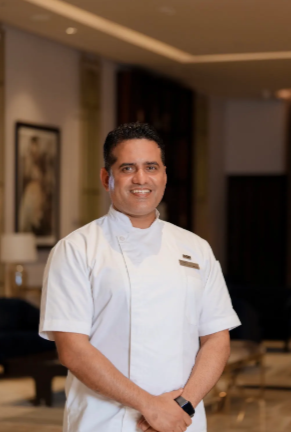
Menus as Silent Storytellers in Hospitality-Younis Khan, Hotel Manager- The LaLiT Ashok Bengaluru

A thoughtfully designed menu is much more than a list of dishes it is a silent storyteller that shapes guest expectations, influences dining choices, and enhances the overall hospitality experience. Research in menu engineering suggests that guests often spend less than two minutes reviewing a menu before making a decision, making layout, sequencing, and descriptions as important as the food itself.

Modern hotel menus are increasingly being designed around guest psychology rather than simply showcasing culinary offerings. Strategic placement of signature dishes, balanced menu categories, concise yet evocative descriptions, and locally inspired ingredients all contribute to improving guest satisfaction. Today's diners are also seeking authenticity, wellness, and sustainability, prompting hotels to incorporate regional flavours, seasonal produce, and healthier preparations alongside classic favourites.

At The LaLiT Ashok Bengaluru, menu development is viewed as an evolving process that reflects changing guest preferences while staying rooted in culinary craftsmanship. Guest feedback, dining trends, and consumption patterns play an important role in refining offerings over time. The objective is not to overwhelm guests with endless choices but to curate a menu that is intuitive, memorable, and relevant. Ultimately, an effective menu creates confidence in decision-making and transforms dining from a transactional experience into a meaningful culinary journey.

Spokesperson Quote

"A menu is one of the most powerful touchpoints in a guest's dining journey. Beyond presenting dishes, it reflects a property's culinary philosophy, local identity, and understanding of evolving guest preferences. When menus are designed with both creativity and guest psychology in mind, they naturally elevate the overall dining experience."

Building Brand Identity Through Strategic Menu Planning -Pratik Shinde, General Manager, Lotus Eco Beach Resort, Murud

1. How do you ensure the menu reflects the identity and positioning of your property or brand?

To ensure that the menu reflects the identity and positioning of the property or brand, consider the following strategies:

  1. Understand Your Brand Identity: Clearly define your brand's mission, values, and target audience. This understanding will guide the selection of menu items that align with your brand's essence.

  2. Incorporate Local and Seasonal Ingredients: Use locally sourced and seasonal ingredients to create dishes that resonate with the regional culture and culinary traditions, reinforcing a sense of place.

  3. Curate a Cohesive Theme: Develop a menu that tells a story or follows a specific theme that complements your property's identity. This may include the cuisine type, presentation style, and overall dining experience.

  4. Focus on Signature Dishes: Create unique signature dishes that reflect your brand's personality and differentiate your property from competitors. These dishes should embody the core values of your brand.

  5. Consider the Guest Experience: Align the menu with the overall guest experience you wish to provide. This includes the atmosphere, service style, and dining format, ensuring that every aspect of the dining experience is consistent with your brand.

  6. Regularly Update the Menu: Periodically review and update the menu based on guest feedback, culinary trends, and seasonal changes, while ensuring it remains aligned with your brand identity.

By implementing these strategies, you can create a menu that not only appeals to your target audience but also effectively communicates and reinforces your brand identity.

2. How involved are you in menu decisions — and where do you draw the line between roles?

My involvement in menu decisions aligns with the collaborative process of creating offerings that meet both customer preferences and operational feasibility. I contribute by analyzing market trends, customer feedback, and dietary requirements to inform menu development. However, I recognize that the final decision-making typically rests with the Executive Chef or Corporate Chef, whose culinary expertise and vision ensure that the menu aligns with the restaurant's identity and standards. My role is to provide data-driven insights and strategic support rather than dictate or override culinary decisions.

3. What role does the menu play in driving revenue beyond just food and beverage sales?

The menu plays a crucial role in driving revenue beyond food and beverage sales in several ways:

  1. Brand Positioning: A well-crafted menu reflects the restaurant's brand identity, influencing customer perceptions and attracting the target demographic. This alignment can lead to increased customer loyalty and repeat visits.

  2. Upselling Opportunities: Thoughtfully designed menus can encourage upselling by highlighting premium items, pairing suggestions, or limited-time offers, significantly enhancing average check sizes.

  3. Cost Control and Profitability: A menu that emphasizes high-margin items can improve overall profitability. By strategically pricing and promoting these items, restaurants can optimize their food cost ratios.

  4. Seasonal and Limited-Time Offerings: Introducing seasonal dishes or limited-time offerings creates excitement and urgency, encouraging customers to visit more frequently and try new options.

  5. Cross-Promotion: Menus can also promote additional revenue streams such as merchandise, catering services, or special events, making them an effective marketing tool.

  6. Customer Experience: A well-organized and visually appealing menu enhances the overall dining experience, encouraging longer stays and additional purchases such as beverages, desserts, or add-ons.

  7. Data Collection and Analysis: Modern digital menus often provide valuable analytics on customer preferences and purchasing patterns, helping businesses refine menu offerings and execute targeted marketing campaigns.

  8. Online Presence: For restaurants offering online ordering or delivery, a compelling digital menu can attract more customers and expand revenue beyond the physical dining space.

4. How do you align menu strategy with broader business goals — occupancy, loyalty, events, or F&B mix?

Aligning menu strategy with broader business goals such as occupancy, loyalty, events, and food and beverage (F&B) mix involves a multifaceted approach:

  1. Market Analysis: Conduct a thorough analysis of market trends and customer preferences to identify menu items that can attract more guests and increase occupancy.

  2. Target Audience: Understand the demographics and preferences of your key customer segments. Tailoring the menu accordingly helps enhance guest loyalty and encourages repeat visits.

  3. Seasonal and Local Ingredients: Incorporate seasonal produce and locally sourced ingredients into the menu. This supports local suppliers while creating opportunities for promotions and seasonal campaigns.

  4. Event-Centric Offerings: Develop menu items specifically designed for themed dinners, festive occasions, or seasonal celebrations to drive attendance and occupancy during key periods.

  5. F&B Mix Optimization: Evaluate the existing food and beverage mix to identify opportunities for improvement. A balanced selection enhances the guest experience and increases average spend per guest.

  6. Feedback Mechanisms: Implement systems to gather guest feedback on menu items. This information helps refine offerings to better meet customer expectations and business objectives.

  7. Cross-Promotion: Use the menu to support loyalty programmes and promotional campaigns. For example, offering exclusive menu benefits to loyalty members encourages repeat business.

  8. Financial Analysis: Regularly assess the financial performance of menu items, focusing on high-margin dishes that support overall profitability and business goals.

  9. Staff Training: Ensure that team members are well-informed about the menu and can confidently recommend items that support occupancy, loyalty, and revenue initiatives.

By integrating these strategies, the menu becomes a powerful tool that not only satisfies guests but also supports the property's broader business objectives.

5. As a leader, what do you look for when evaluating a menu for the first time at a new property?

When evaluating a menu for the first time at a new property, I focus on several key factors:

  1. Alignment with the Concept: The menu should reflect the property's overall theme, brand identity, and target audience.

  2. Quality of Ingredients: I assess the sourcing and quality of ingredients to ensure they meet our standards for freshness and sustainability, as these directly influence flavour and presentation.

  3. Diversity and Balance: A well-rounded menu should offer a variety of options catering to different dietary preferences while maintaining a balanced mix of flavours, textures, and cuisines.

  4. Price Point: I evaluate whether the pricing aligns with the expectations of the target market and reflects the value of the dining experience.

  5. Seasonality and Local Influence: Incorporating seasonal ingredients and local culinary influences enhances guest appeal and strengthens community engagement.

  6. Innovation and Creativity: I look for unique dishes or creative interpretations of classics that differentiate the property from competitors and generate guest interest.

  7. Operational Feasibility: The menu should be practical for the kitchen team to execute efficiently, considering available equipment, staff skills, and service timelines.

  8. Guest Experience: Ultimately, I assess how the menu contributes to the overall guest experience and whether it complements the property's desired ambiance and service style.

By evaluating these elements carefully, I can determine the menu's potential to strengthen the property's reputation and deliver exceptional guest satisfaction.

6. How do you create a menu that works across different guest segments — leisure, business, local, international?

To create a menu that effectively caters to leisure, business, local, and international guests, I consider the following strategies:

  1. Research and Understand Guest Preferences: Conduct surveys, gather feedback, and analyse dining trends to understand the tastes, dietary requirements, and cultural preferences of each guest segment.

  2. Diverse Offerings: Develop a menu with a broad range of options. Leisure guests often seek comfort food and memorable dining experiences, while business travellers value quick, healthy meals. Local guests appreciate regional favourites, and international travellers often look for familiar flavours alongside authentic local cuisine.

  3. Seasonal and Local Sourcing: Incorporate seasonal ingredients and locally sourced produce to enhance freshness, support local suppliers, and create a strong sense of place.

  4. Flexible Menu Design: Offer customisable options, such as build-your-own meals or sharing plates, to accommodate varying dining preferences and occasions.

  5. Cultural Sensitivity: Be mindful of cultural differences and dietary practices. Clear menu descriptions and options for vegetarian, halal, kosher, and other dietary preferences help ensure an inclusive dining experience.

  6. Balanced Pricing Strategy: Provide a range of price points that cater to different budgets, offering premium selections for business travellers while maintaining accessible options for local guests.

  7. Feedback and Continuous Improvement: Regularly collect guest feedback from all customer segments and refine the menu to ensure it remains relevant, appealing, and responsive to changing preferences.

By implementing these strategies, the menu can successfully serve a diverse clientele while enhancing the overall guest experience.

7. What's one menu decision you've made that had a surprisingly significant impact on the business?

One menu decision that had a surprisingly significant impact on the business was the introduction of a seasonal, locally sourced dish. By focusing on fresh, regional ingredients, we enhanced the quality and flavour of our offerings while attracting guests who value sustainability and support local agriculture. This initiative resulted in increased customer engagement and repeat visits, as guests appreciated the unique and regularly changing menu options. It also strengthened our brand image, differentiated us from competitors, and ultimately contributed to higher sales and improved profitability.

The Business of Menus: Why Menus Are Hospitality's Most Powerful Business Tool By Saurab Gahoi, Senior Vice President, Ramee Group of Hotels

In hospitality, menus have long been viewed as a simple list of dishes and prices. Today, however, they have evolved into strategic business tools that shape guest experiences, influence purchasing behaviour, and drive profitability. A well-crafted menu does much more than showcase offerings; it tells a brand's story, guides consumer choices, and directly impacts revenue.

Menu as a Business Tool

Menus sit at the intersection of commerce and experience. Every element, from item placement to descriptions and pricing, plays a role in influencing guest decisions. In many ways, a menu is a silent salesperson. It communicates the brand's personality, reflects culinary philosophy, and determines how guests perceive value. For hospitality brands, menus are no longer operational documents; they are strategic assets that shape both guest satisfaction and business performance.

The Science Behind Menu Design

Menu engineering is rooted in psychology. Research shows that guests' eyes naturally gravitate toward certain sections of a menu, making placement a critical factor in driving sales. Restaurants strategically position high-margin dishes in prime locations to increase visibility and purchase likelihood.

Descriptions matter too. Guests are more likely to order dishes with evocative storytelling or detailed ingredient narratives. Pricing strategies also influence behaviour; removing currency symbols or using rounded pricing can subtly affect spending decisions. Increasingly, menus are being designed to create an intuitive and frictionless guest experience.

Menu Engineering and Profitability

Successful menu strategy balances guest preferences with commercial outcomes. Hospitality operators often categorize menu items into four groups: Stars (high popularity and high profitability), Plow Horses (popular but lower margins), Puzzles (high margin but low popularity), and Dogs (low margin and low popularity).

This framework helps businesses optimize pricing, redesign offerings, and make data-driven decisions. Effective menu engineering ensures that guest satisfaction and profitability work hand in hand rather than in opposition.

Consumer Trends Shaping Menus

Today's consumers are more informed, health-conscious, and experience-driven than ever before. There is growing demand for clean-label ingredients, plant-forward dishes, functional foods, and locally sourced produce. Guests increasingly seek personalization, whether through dietary preferences, customizations, or unique culinary experiences.

At the same time, menus are becoming powerful storytelling platforms that celebrate regional cuisines, sustainability practices, and cultural heritage. Consumers are not just buying meals; they are buying experiences and values.

Technology and Data-Driven Menus

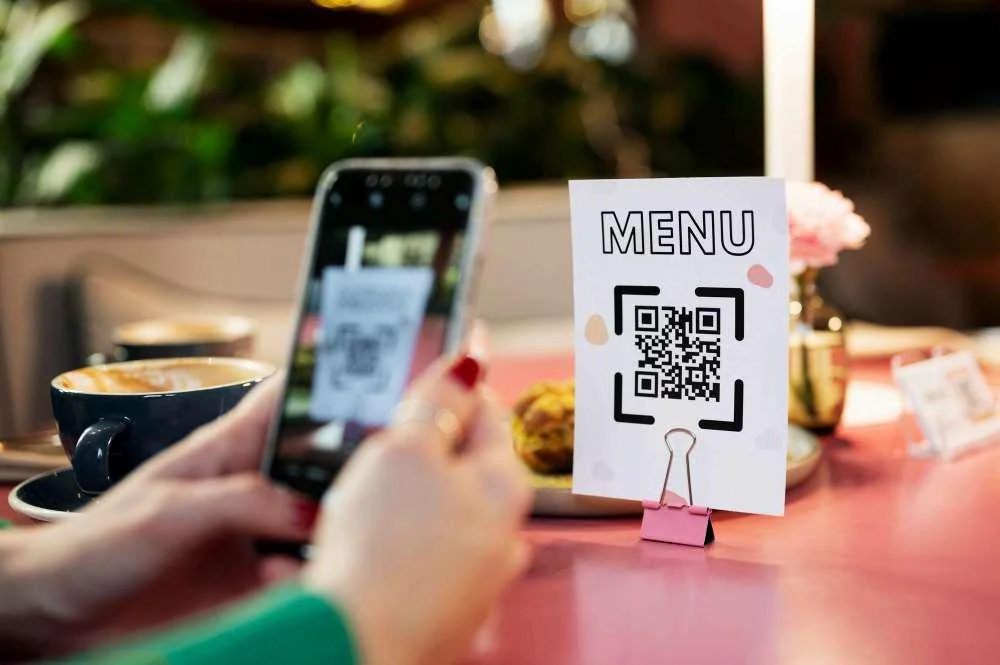
Technology is transforming menu management. POS systems and guest analytics provide valuable insights into ordering patterns, enabling operators to refine offerings in real time. Digital menus and QR-based ordering have enhanced convenience while creating opportunities for dynamic updates and targeted recommendations.

Artificial intelligence is expected to further revolutionize menu planning by predicting demand, optimizing inventory, and personalizing recommendations based on guest preferences and behavioural data.

The Future of Menus

The future of menus lies in personalization, flexibility, and sustainability. Dynamic digital menus that adapt to guest preferences, time of day, or inventory availability are likely to become increasingly common. Wellness-driven offerings and sustainable sourcing will move from being differentiators to industry expectations.

Ultimately, menus are no longer just about food—they are about shaping experiences, influencing choices, and building stronger connections with guests. As hospitality evolves, businesses that view menus as strategic growth levers rather than static documents will be best positioned to thrive in an increasingly competitive landscape.

From Vision to Menu: Chef Rajdeep Rana on Curating Memorable Dining Experiences

1. How do you translate your culinary vision into the language and design of a menu?

Ans: Our outlet menus reflect our philosophy of fresh, seasonal, and thoughtfully crafted cuisine. The language is simple yet engaging, allowing the ingredients and techniques to speak for themselves while making it easy for guests to order.

2. How much does the story behind a dish influence how you describe it on the menu?

Ans: Every great dish has a story to tell, but the menu only gives a hint. We use the menu to spark curiosity, while our service and chef teams share the stories of travel and the learnings gained from working with different craftsmen.

3. What's the right amount of narrative—when does menu language become too much, or not enough?

Ans: The right balance is clarity with personality. Guests should quickly understand what they're ordering while still looking forward to more interactive engagement with the team.

4. How do you write menu descriptions that create desire without overpromising?

Ans: We focus on authenticity. Honest descriptions highlighting key ingredients, flavours, and cooking techniques create interest without overpromising.

5. How do you balance celebrating local or seasonal ingredients with maintaining guest familiarity?

Ans: We introduce regional and hyperlocal ingredients in familiar formats. This allows guests to explore new flavours while enjoying dishes they already know.

6. Is there a dish on your current menu that you're particularly proud of—and how did it find its way there?

Ans: I'm particularly proud of our regional Indian specialties that showcase local ingredients with contemporary presentation. They reflect the essence of India's diverse culinary heritage.

7. How do you decide what makes it onto the menu—and what doesn't, no matter how good it tastes?

Ans: A dish must deliver consistently and align with our culinary benchmarks. Great taste alone isn't enough; it also needs operational consistency, quality ingredients, and the ability to deliver a memorable guest experience.

Balancing Innovation and Efficiency: Vijay Gupta on Modern Menu Planning and Operations

1. How do you approach menu design differently for degustation versus casual or all-day dining formats?
A: A carefully planned story. We control the portion sizes and timing to highlight seasonal themes and reduce waste. Designed for speed and flexibility. We focus on quick-cooking dishes and use ingredients across multiple plates to keep service fast.

2. How often do you revisit or refresh your menu — and what triggers that process?
A: Since our menu is entirely paperless and QR-code-based, we can update it instantly! Daily Adjustments: We do not wait months to print new menus. If a local crop is ready, or if a dish sells out, we update the digital menu in seconds.

3. How do you manage menu changes without disrupting guest loyalty or operational consistency?
A: We never touch our top signature dishes that regular guests love. These favourites continue to deliver the familiar flavours and experiences that guests return for, providing consistency while allowing room for innovation elsewhere on the menu. New dishes are first introduced as daily or seasonal specials, allowing the kitchen to evaluate guest feedback, monitor demand, and refine recipes before deciding whether they deserve a permanent place on the menu. Servers taste every new dish before it is introduced to guests, ensuring they understand its flavours, ingredients, preparation, and story. This enables them to confidently answer questions, make informed recommendations, and provide a more engaging dining experience.

4. How do you handle the tension between a chef's creative ambitions and the realities of scale and cost?
A: Changing menus normally costs a lot of money in paper and printing. Our QR system allows our chefs to test creative ideas for free. We match our electric utility costs directly to our recipes, ensuring every creative dish is highly energy-efficient to cook.

5. How does the kitchen's capacity and team capability influence what ends up on the menu?
A: Electric kitchens require us to manage our total power draw. We plan menus so we do not turn on every heavy electric oven at the exact same minute. Cooler Workspace: Electric cooking releases less ambient heat than open gas flames. This keeps our team less fatigued, energized, and cooking at their best.

6. How do you design a menu that holds up across different day-parts, seasons, or outlet types?
A: The menu is adapted to suit changing weather conditions and seasonal preferences. During Pune's hot summer months, lighter, refreshing dishes with fresh ingredients are featured to complement the climate, while the monsoon season brings comforting, hearty, and warm preparations that offer guests a more satisfying and seasonal dining experience. Versatile sauce bases and foundational preparations are developed to be used across multiple dishes, allowing the kitchen to efficiently create both quick, casual lunch offerings and more refined, upscale dinner plates. This approach improves consistency, reduces preparation time, minimizes waste, and provides flexibility across different dining occasions.

7. What's the hardest operational constraint you've had to work around in menu planning?
A: Our biggest challenge is managing total power limits during massive weddings while keeping our Wi-Fi strong for the QR menus. We design our menu dishes so they can be cooked using different types of electric gear, ensuring the kitchen never overloads the hotel's power grid.

Editorial | When Is It Time To Redo Your Menu? By Mr Prabhjot Singh Bedi

A restaurant's menu is more than a list of dishes — it's a tool for communication, brand identity, operational efficiency, and profitability. But menus don't remain effective forever. Changes in customer preferences, costs, labor, kitchen capability, and brand direction all influence whether a menu needs a refresh. Here's how to recognize the signs that it's time to redo your menu and how to approach that process strategically.

Key signals that it's time to redo your menu

1. Declining sales or margin erosion

  • Same items sell less than they used to despite steady traffic.

  • Food cost percentages rise because ingredient prices increased or yield has declined.

  • High-margin items are not being promoted or are missing from strategic placement.

2. Customer feedback and changing preferences

  • Frequent customer comments about limited options, lack of healthier choices, or outdated offerings.

  • Market trends show demand for plant-based, allergy-friendly, low-carb, or ethnic-flavor items you don't offer.

  • Social media engagement favors competitor dishes or trends you haven't adopted.

3. Menu complexity is hurting operations

  • Kitchen is overloaded with too many distinct recipes, causing long ticket times or order errors.

  • High waste levels because rarely ordered items still consume prep time or inventory space.

  • Labor shortages make complex plating or long prep steps impractical.

4. Brand identity or concept shift

  • You've changed ownership, repositioned the concept, or want to attract a different demographic.

  • The current menu no longer matches the dining experience you want to deliver (e.g., casual to upscale).

  • Seasonal or local-sourcing commitments require different offerings.

5. Ingredient availability and supply-chain issues

  • Persistent shortages or price volatility for core ingredients force substitutions that dilute the concept.

  • Sourcing local, sustainable, or certified ingredients makes some dishes impractical or too costly.

6. Menu layout, readability, and accessibility problems

  • Guests take longer than expected to decide, slowing table turns.

  • Font size, print quality, or design make the menu hard to read in low light.

  • Category structure buries your most profitable items instead of drawing the eye to them.

  • Descriptions are inconsistent or fail to sell the dish — no mention of preparation, sourcing, or standout ingredients.

  • Menu hasn't been adapted for QR/digital ordering, third-party delivery listings, or accessibility needs.

How to approach a menu redesign strategically

Start with the data. Pull a full menu mix report — sales volume and contribution margin for every item — before changing anything. This tells you what to keep, reprice, reposition, or cut.

Cut before you add. Removing low-performing, high-effort items frees up kitchen bandwidth and inventory space for the changes that matter.

Reprice with real food cost in mind. Revisit costing on every dish, not just the new ones — supplier prices drift quietly over time.

Design for profitability, not just aesthetics. Use placement, boxes, and descriptive language to draw attention to high-margin items, not just chef favorites.

Test before a full rollout. Run new or revised items as specials to validate demand and kitchen execution before locking them into the printed or digital menu.

Set a review cadence. Treat the menu as a living document — a full audit every 6–12 months, with smaller pricing and item tweaks quarterly, keeps it aligned with costs and demand without requiring a total overhaul each time.

A menu redesign is rarely just about new dishes — it's a chance to realign your offering with your margins, your kitchen's capabilities, and what your guests actually want.

Thoughtfully Curated: The Future of Restaurant Menus by Francis Thomas, General Manager at The Orchid, Passaros

1. Where do you see menu experiences heading in the next five years?

The way people dine is changing, and menus are changing with them. Guests are no longer looking at a menu just to choose a meal; they're looking for an experience. They want fresh, seasonal ingredients, dishes with a story, and flavours that reflect the local culture while still offering something new. There is also a growing demand for healthier choices and greater flexibility for different dietary preferences. At the same time, sustainability will continue to play an important role, with a stronger focus on responsibly sourced ingredients and reducing food waste.

Over the next five years, menus will become more dynamic, with a stronger focus on seasonality, sustainability, and regional flavours. While trends will continue to evolve, the essence of a great dining experience will remain the same: quality food, genuine hospitality, and memorable moments that keep guests coming back.

Suggested image: A chef presenting a beautifully plated seasonal dish with a modern printed menu on the table, highlighting fresh local ingredients.

2. What's the most exciting shift you're seeing in how menus are being imagined and designed today?

One of the most exciting shifts is that menus are becoming more thoughtful and ingredient-focused. Instead of offering an extensive list of dishes, there is a greater emphasis on quality, seasonality, and well-balanced flavours. Every dish is being created with a clear purpose, whether it's highlighting local ingredients, celebrating regional recipes, or presenting familiar flavours in a fresh way.

Another noticeable change is the growing interest in menus that can cater to a wider range of preferences. Guests appreciate having choices that suit different lifestyles and dietary needs without making them feel like an afterthought.

Overall, menu design today is about creating a meaningful dining experience where every dish tells a story and leaves a lasting impression.

Suggested image: A chef carefully plating a farm-to-table dish with fresh herbs and seasonal produce in a contemporary restaurant kitchen.

3. Is the traditional printed menu at risk of disappearing — and would that be a loss?

The printed menu still has a special place in the dining experience, especially in a restaurant setting. It gives guests a chance to explore the offerings at their own pace and adds to the overall experience of sitting down for a meal. A well-designed menu also reflects the restaurant's personality and identity.

While some aspects of dining will continue to evolve, we don't believe the printed menu will disappear anytime soon. It remains a simple, familiar, and welcoming part of hospitality. Rather than being replaced, it will continue to evolve alongside changing guest preferences while retaining its value as an important touchpoint in the dining journey.

Suggested image: An elegantly designed printed menu placed on a fine-dining table with cutlery, glassware, and a plated entrée.

4. How do you think sustainability, provenance, and ethical sourcing will reshape menus going forward?

Sustainability, provenance, and ethical sourcing are becoming an important part of how menus are planned. Guests today are more interested in knowing where their food comes from and appreciate restaurants that make thoughtful choices when it comes to ingredients.

Going forward, we expect to see a stronger focus on seasonal produce, locally sourced ingredients where possible, and responsible sourcing practices. This not only supports local producers but also helps deliver fresher flavours and reduces unnecessary waste.

At the same time, sustainability is not just about sourcing; it's about creating menus that are mindful, balanced, and make the best use of ingredients. These practices are gradually becoming a natural part of good hospitality rather than just a passing trend. At The Orchid Passaros, these principles are an important part of our philosophy. We strive to make mindful choices in sourcing and menu planning while delivering a memorable dining experience that reflects our commitment to quality and responsible hospitality.

Suggested image: A chef selecting fresh vegetables from local farmers or arranging locally sourced ingredients on a kitchen counter.

5. What's one thing about menus that the industry hasn't figured out yet — and should?

One area the industry can continue to improve is finding the right balance between creativity and simplicity. Sometimes menus try to offer too many choices or use complicated descriptions, which can make it harder for guests to decide what they want.

A good menu should be easy to understand, thoughtfully curated, and focused on quality rather than quantity. It should help guests make confident choices while reflecting the restaurant's identity. As the industry evolves, creating menus that are both engaging and easy to navigate will become even more important.

Suggested image: A minimalist restaurant menu alongside a carefully curated selection of signature dishes.

6. If you could redesign the concept of a menu from scratch, what would you do differently?

If we were to rethink the concept of a menu, we would focus on making it more intuitive and experience-led. Instead of simply listing dishes by category, the menu could guide guests through different flavours, moods, or occasions, making it easier to discover something they'll truly enjoy.

We would also give more importance to the stories behind the ingredients and the inspiration for each dish. When guests understand what makes a dish unique, it creates a stronger connection with the food and the overall dining experience.

At the end of the day, a menu should do more than present options; it should reflect the restaurant's personality and help create a memorable experience for every guest. This is also the philosophy we aim to bring to The Orchid Passaros, where every dish is thoughtfully curated to create a meaningful connection with our guests.

Suggested image: A guest browsing a beautifully designed experiential menu while being served an artistically plated signature dish.

7. What does a truly great menu experience look like to you — as a professional and as a guest?

A truly great menu is one that is clear, well-curated, and reflects the restaurant's identity. As a hospitality professional, I believe every dish on the menu should have a purpose and consistently deliver on quality, flavour, and presentation. It should be easy for guests to understand while offering enough variety to suit different tastes without feeling overwhelming.

Today's guests are also far more conscious about what they eat. Providing information such as caloric values and making it easier for guests to make informed choices adds to the overall dining experience without taking away from the enjoyment of the meal.

As a guest, I appreciate a menu that makes choosing enjoyable rather than confusing. I enjoy discovering dishes that feel authentic, use fresh ingredients, and leave a lasting impression. This is the experience we strive to create every day at The Orchid Passaros, where a thoughtfully curated menu, transparent information, attentive service, and memorable flavours come together to leave a lasting impression on every guest.


Beyond the Plate: The Psychology and Science of High-Yield Menu Design

When opening or running a restaurant, operators pour immense energy into recipes, interior décor, and staff training. Yet, they frequently treat the menu as an afterthought, a basic checklist of dishes and prices. In reality, a menu is not just a piece of paper; it is your silent salesperson. Designed well, it guides choices, increases profitability, and elevates the guest experience. Designed poorly, it creates decision paralysis, frustrates diners, and leaks revenue. In fact, menu engineering—the strategic combination of psychology, layout structure, and positioning—has been shown to increase overall restaurant profitability by up to 15% without altering a single price point.

1. Eliminate Menu Bloat: The 7-to-10 Rule A massive mistake many rookie restaurateurs make is trying to offer something for everyone, resulting in crowded menus. Too many options cause cognitive overload and decision fatigue. Overwhelmed guests panic and default to safe, low-margin options rather than exploring higher-value signature items. Keep individual categories limited strictly to 7 to 10 items. Break lists down logically into intuitive, themed sections such as Brunch Favourites, Lighter Bites, or Sweet Treats. This structuring reduces cognitive load, speeds up table turnover, and helps diners order with confidence.

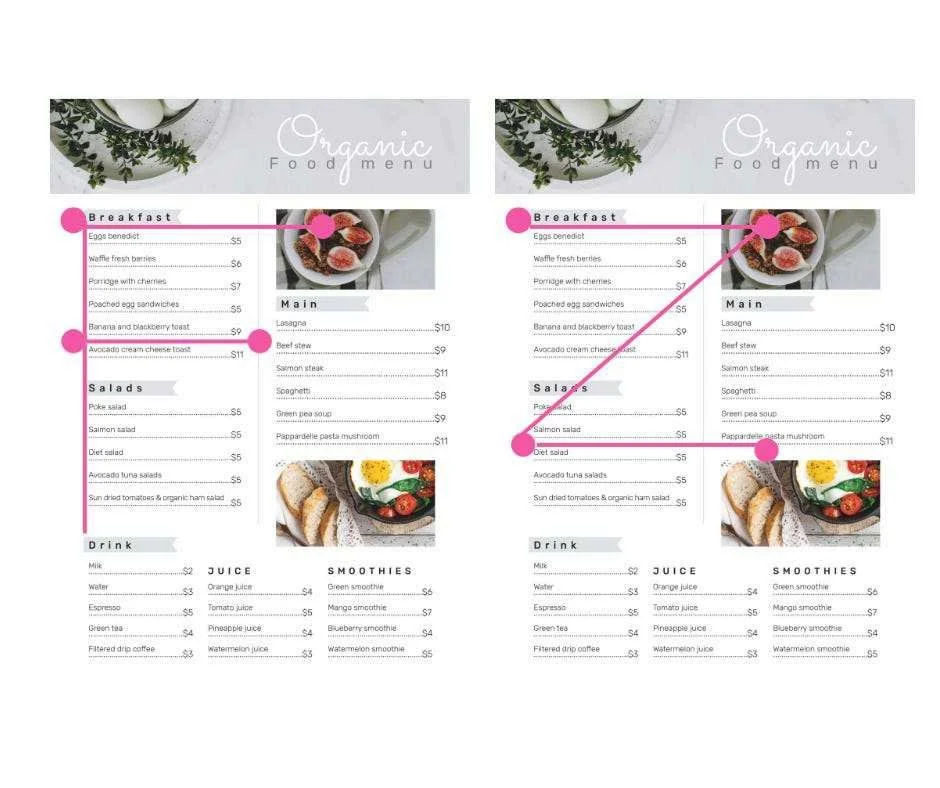
2. Design for Layout Hotspots and Gaze Motion Theory Diners do not read menus cover-to-cover like a book; they scan them rapidly. Eye-tracking neuroscience proves that guests typically follow F-shaped or Z-shaped visual patterns.

  • Capitalise on Prime Real Estate: Diners’ eyes naturally land on hotspots first—top-left, top-centre, and bottom-right areas of a page. For cultures reading right to left, this reverses to the top-right. Place your highest-margin, brand-aligned dishes in these zones. Avoid burying them in low-attention areas like the middle-left.

  • Master the Primacy & Recency Effects: Diners remember the first and last items listed in any section. Position a high-margin signature dish at the top and another irresistible upgrade at the bottom. Place low-margin utility dishes in the middle where they won’t steal focus.

3. Subvert Pricing Friction How a price is positioned alters perception. The goal is to keep focus on the culinary experience rather than the transaction.

  • Keep the price close to the description, formatting it as a unified offer.

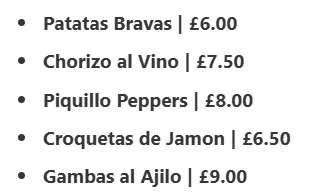
  • Premium venues often drop currency signs and use rounded numbers (e.g., 17 instead of £17.00). This strips away spending triggers and signals confidence.

  • Place high-margin dishes next to expensive specials. A £18 pasta looks appealing when adjacent to a £24 seafood special.

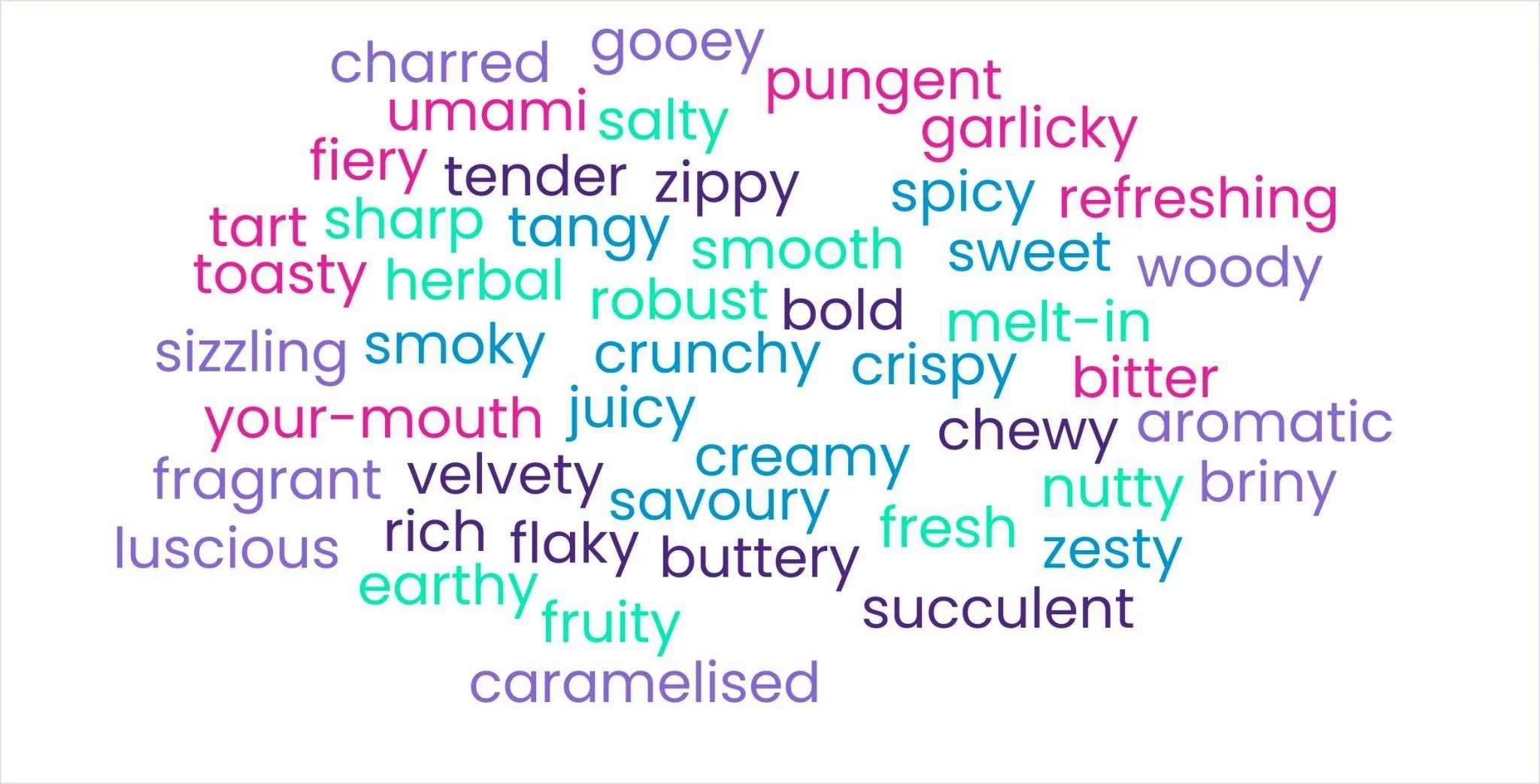
4. Deploy High-Impact Sensory Descriptors Storytelling directly impacts perceived value. Updating wording makes dishes more enticing.

  • Replace generic terms: “Roasted Chicken” becomes “Juicy, tender chicken with a crispy golden crust.”

  • Use vivid words detailing textures, preparation methods, and sourcing origins. Guests are up to 56% more likely to order when descriptions are sensory-rich.

  • Avoid uninspired or overused terms like good, nice, foodie, yummy, mouthfeel, or moist.

5. Adopt a Phygital and Transparent Mindset Modern diners, especially Gen Z, expect convenience and visibility.

  • Provide both physical and digital menus. QR codes are useful, but relying solely on digital is risky due to lighting, Wi-Fi, or preference.

  • Digital menus should be responsive HTML with clear headings, text contrast, and schema tags for accessibility and search verification.

  • Highlight dietary restrictions, calorie counts, allergen alerts, and sustainable sourcing metrics directly on the menu.

Final Checks Before printing or publishing, conduct a physical environment test. Review the menu in the actual dining space under service lighting. If contrast is too soft, text forces squinting, or layout causes hesitation, the design is costing you orders.

Menu Strategy & Design – Sandeep Sharma, FnB Manager, The Orchid Chandigarh on The Business of Menus

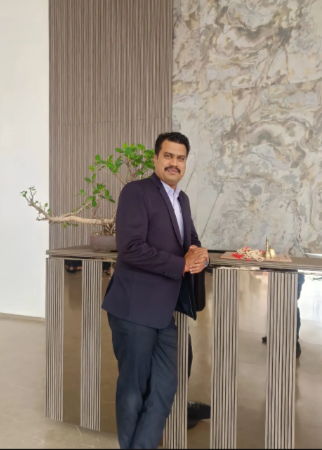
Sandeep Sharma, FnB Manager, The Orchid Chandigarh


1. What are your 3–5 non-negotiable best practices when it comes to menu design?

A well-designed menu should balance guest experience with operational efficiency. My key principles are:

  1. Clarity over complexity: Guests should be able to navigate the menu quickly without feeling overwhelmed.

  2. Brand consistency: The menu should reflect the restaurant's identity, cuisine, and overall dining experience.

  3. Strategic profitability: High‑margin and signature dishes should be highlighted naturally without appearing overly promotional.

  4. Operational practicality: Every item should be something the kitchen can execute consistently, especially during peak hours.

  5. Regular review: Menus should evolve based on guest feedback, seasonality, ingredient availability, and sales performance.

2. How does the physical layout of a menu influence what guests order and is this intentional?

Absolutely. Menu layout has a significant impact on ordering behavior. Guests tend to notice certain sections first, so placing signature or high-value dishes in visually prominent positions is intentional. Grouping items logically, limiting clutter, and using subtle visual cues helps guests make decisions more comfortably. The objective is to guide rather than pressure guests, creating a seamless dining experience while supporting business goals.


3. How do you decide on the structure and flow of a menu, what comes first, what's featured, what's buried?

The structure should mirror the guest's dining journey. We usually begin with appetizers and sharing plates, followed by mains, sides, desserts, and beverages. Within each section, signature dishes, chef's recommendations, or seasonal specials are positioned where they're most likely to be noticed. Less frequently ordered or highly specialized items may appear later in the section, but they remain easy to find for guests specifically seeking them. Every placement is driven by both guest convenience and menu performance data


4. How does the format (print, digital, chalkboard, verbal) change the way you design the menu experience?

Each format serves a different purpose.

  • Print menus focus on readability, storytelling, and a premium tactile experience.

  • Digital menus allow dynamic updates, rich visuals, dietary filters, and personalized recommendations.

  • Chalkboards work best for daily specials and seasonal offerings because they create a sense of freshness and flexibility.

  • Verbal menus rely heavily on staff training, ensuring recommendations are engaging, accurate, and consistent.

Regardless of the format, the goal is always to make choices simple and enjoyable.

5. What role does white space, typography, and visual hierarchy play in guiding guest decisions?

These elements are fundamental. White space reduces visual fatigue and makes the menu easier to scan. Typography establishes readability and reflects the restaurant's personality, whether it's fine dining or casual. Visual hierarchy through headings, spacing, and subtle emphasis helps direct attention toward signature dishes or chef's recommendations without overwhelming the guest. Effective design should feel effortless rather than obviously persuasive.


6. How do you design differently for degustation or tasting menus versus casual à la carte formats?

A degustation or tasting menu is about storytelling. The design is typically minimal, elegant, and focused on showcasing the progression of the culinary journey, often revealing just enough information to create anticipation.


An à la carte menu, on the other hand, prioritizes flexibility and ease of comparison. Guests need clear categories, concise descriptions, dietary information where appropriate, and pricing that supports informed decision-making. The design must accommodate a broader range of choices while remaining intuitive.

7. What's a common menu design mistake you see and what would you do differently?

One of the most common mistakes is trying to offer too many choices. Overly long menus can overwhelm guests, slow decision-making, increase kitchen complexity, and dilute the restaurant's identity.

I believe in a curated approach: fewer dishes executed exceptionally well, using predominantly locally sourced produce, supported by thoughtful design and strategic placement. A concise menu not only improves operational consistency but also gives guests greater confidence in their selections and enhances the overall dining experience.


Head Chef- Abhishek Gupta, The Leela Ambience Gurugram on The Business Of Menus

How much thought goes into the words on a menu? In this edition of All Things Menu, the culinary leadership at The Leela Ambience Gurugram Hotel & Residences shares how menus are crafted to reflect authentic flavours, evolving guest preferences, and the art of storytelling. From balancing narrative with simplicity to showcasing signature dishes rooted in provenance and craftsmanship, this conversation explores how every menu becomes an extension of the hotel's culinary philosophy.

Read More

How Menu Language Shapes Appetite, Perception, and Value

# Reading Between the Lines

How Menu Language Shapes Appetite, Perception, and Value

By Hospemag | The Business of Menus

A guest doesn't taste a dish when they open a menu.

They read it.

And in those few seconds between scanning a description and placing an order, something remarkable happens. Expectations are formed. Emotions are triggered. Value is assigned. Hunger becomes anticipation—not through aroma or presentation, but through words.

Before the first bite reaches the table, the menu has already begun telling a story.

This is the often-overlooked power of menu language. Every adjective, every place name, every reference to heritage or craftsmanship influences how guests perceive quality, justify price, and ultimately decide what to order. In hospitality, words are not decoration. They are commercial tools.

More Than a List of Dishes

For decades, menus were largely functional documents: a list of dishes accompanied by prices. Today, they have evolved into one of the most influential touchpoints in the guest journey.

A thoughtfully written menu communicates far more than ingredients. It reflects a restaurant's personality, reinforces its brand promise, sets expectations, and shapes the dining experience long before the first course arrives.

Consider these two descriptions:

Butter Chicken
Tender chicken cooked in a creamy tomato gravy.

Now compare it with:

Grandmother's Butter Chicken
Slow-cooked overnight using a family recipe, finished with hand-ground spices, fresh cream, and charred tandoor chicken.

The ingredients may be nearly identical. The emotional response is not.

The second description offers context, authenticity, and craftsmanship. It transforms a familiar dish into an experience worth paying for.

The Psychology of Appetite

Menu language works because people rarely make purchasing decisions based solely on logic. Dining is an emotional experience, and words activate imagination.

Terms such as slow-roasted, handcrafted, charcoal-grilled, house-cured, or wood-fired suggest care and technique. References to places—Malabar, Kumaon, Amalfi, Kyoto—evoke culture and travel. Even sensory adjectives like crispy, velvety, smoky, or buttery stimulate mental imagery before the food reaches the table.

When guests can picture the dish, they are more inclined to order it.

The menu becomes an invitation to imagine.

Stories Create Value

Guests don't simply buy food.

They buy stories.

A grilled fish may satisfy hunger. A line explaining that it is sourced daily from a local fishing community, paired with seasonal vegetables grown by nearby farmers, creates meaning beyond the plate.

Storytelling transforms commodities into experiences.

Luxury hospitality has long understood this principle. Fine dining menus frequently reference provenance, chef philosophy, seasonal inspiration, and artisan producers because these narratives reinforce perceived quality.

Importantly, storytelling does not require luxury ingredients. A humble lentil soup becomes memorable when guests learn it follows a family recipe perfected over generations or celebrates a regional culinary tradition.

Authenticity often carries greater value than extravagance.

The Language of Luxury

Luxury menus tend to avoid exaggeration.

Instead of relying on words like best, ultimate, or delicious, they communicate confidence through restraint and specificity.

Rather than saying:

"Amazing grilled salmon with vegetables."

A luxury menu might read:

"Line-caught Norwegian salmon, roasted over cedar wood, served with baby asparagus, citrus beurre blanc, and herb oil."

Specificity creates credibility.

Guests interpret detailed descriptions as evidence of quality and expertise.

The less a restaurant tries to convince people it is exceptional, the more exceptional it often appears.

Descriptive Doesn't Mean Long

One common misconception is that effective menu descriptions must be lengthy.

They don't.

The best menu copy is economical. Every word earns its place.

Effective descriptions answer three essential questions:

  • What makes this dish distinctive?

  • Why should I choose it?

  • What experience can I expect?

Anything beyond that risks slowing decision-making.

A menu should inspire curiosity, not overwhelm.

Words That Increase Perceived Value

Certain language consistently enhances guest perception when used honestly.

Descriptions that reference:

  • Heritage and tradition

  • Regional identity

  • Cooking technique

  • Ingredient provenance

  • Craftsmanship

  • Seasonality

  • Chef philosophy

often increase both perceived quality and willingness to pay.

For example:

"Stone-ground mustard."

feels more intentional than:

"Mustard sauce."

Similarly,

"Freshly baked sourdough from our in-house bakery."

communicates greater value than:

"Bread."

These subtle differences accumulate across an entire menu.

When Storytelling Becomes Fiction

There is, however, a fine line between storytelling and embellishment.

Today's diners are increasingly informed. Authenticity matters.

Invented family recipes, misleading sourcing claims, or exaggerated ingredient descriptions can quickly erode trust.

The strongest menu narratives are grounded in truth.

If the tomatoes genuinely come from a nearby farm, say so.

If the chef learned a technique during years working in Italy, tell that story.

If the dessert celebrates a local festival, explain its significance.

Real stories resonate because they are believable.

Language Must Match the Brand

Not every restaurant should sound the same.

A luxury hotel restaurant, an artisanal café, a modern cocktail bar, and a neighbourhood eatery each require a distinct voice.

A playful burger brand may embrace humour and personality.

A heritage restaurant may focus on culture and nostalgia.

A wellness café might emphasise freshness, balance, and sustainability.

The objective is consistency.

Guests should recognise the brand's personality before they take the first bite.

The Operational Side of Menu Writing

Great menu language is rarely created by chefs alone.

The most successful menus emerge from collaboration between culinary teams, marketing professionals, designers, and operators.

Chefs understand the food.

Marketers understand communication.

Operators understand profitability.

Together, they create menus that are not only appealing but commercially effective.

This collaborative approach ensures that menu language aligns with operational realities while supporting the restaurant's business goals.

The Future of Menu Storytelling

Digital menus are opening entirely new possibilities.

A QR menu can offer expanded stories about producers, highlight chef recommendations, showcase preparation videos, provide allergen information, and personalise recommendations based on previous orders.

Artificial intelligence may soon tailor menu descriptions to individual guest preferences or dynamically highlight dishes most likely to appeal to specific diners.

Yet even as technology evolves, one principle remains unchanged:

People connect with stories.

Whether printed on textured paper or displayed on a smartphone, the words still matter.

Final Thoughts

A menu is often the first meaningful conversation a restaurant has with its guests.

It introduces the brand, sets expectations, communicates value, and shapes decisions long before service begins.

Every description carries commercial weight.

Every sentence influences perception.

Every carefully chosen word has the potential to transform an ordinary dish into a memorable experience.

In an industry where margins are tight and differentiation is increasingly difficult, the language of a menu is no longer simply copywriting—it is strategy.

Because sometimes, the most profitable ingredient on the plate isn't an ingredient at all.

It's the story that convinced the guest to order it.