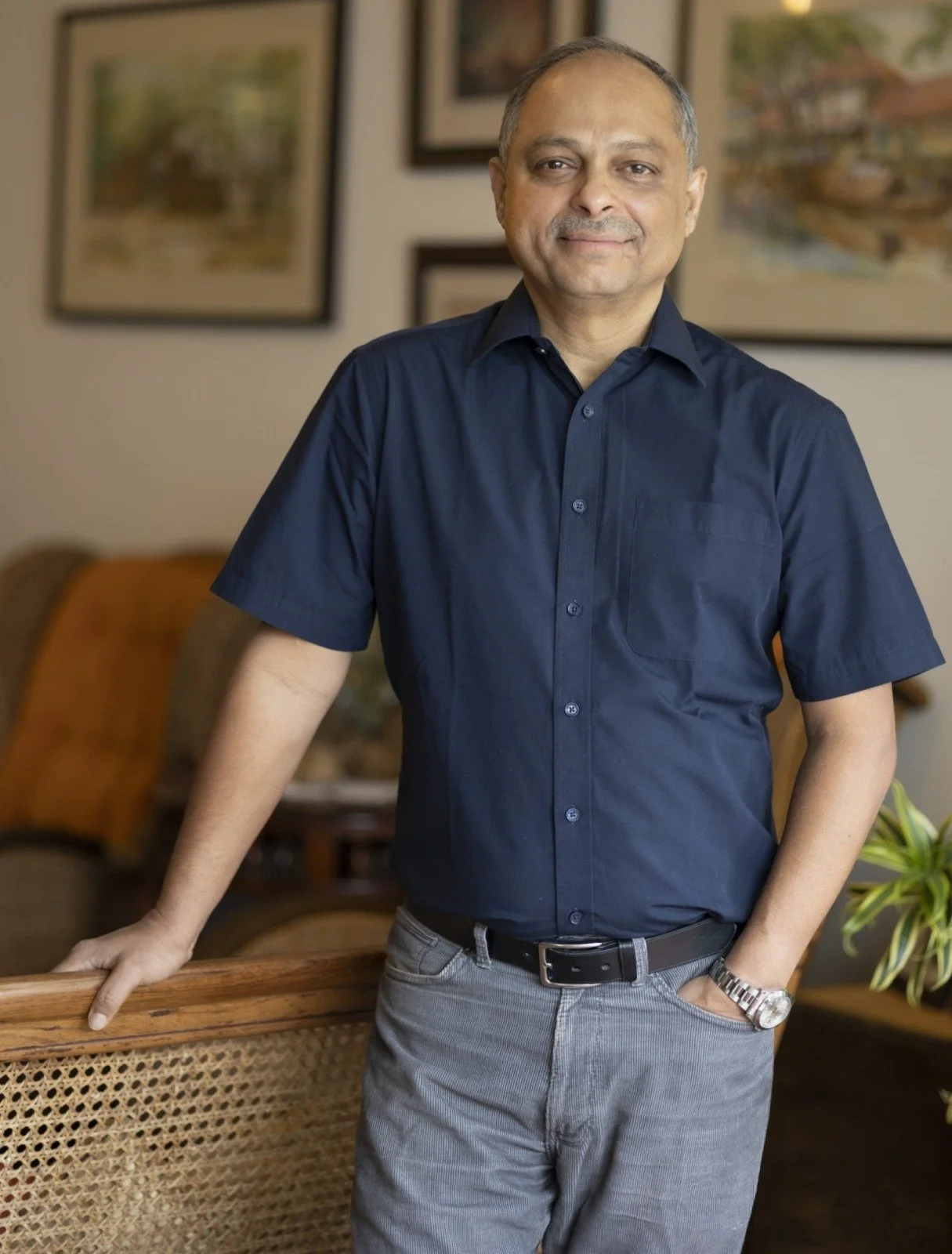
Why Artistic Collaborations Are Becoming Hospitality's Most Enduring Brand Assets By Mr. Jose Ramapuram, Executive Director - Marketing, Evolve Back
/
A hospitality brand can run a campaign, sign an influencer, and watch a dashboard update by the hour, and still have said nothing that lasts.
Getting noticed is one thing. Being remembered is another.
Artistic collaborations offer hospitality brands a way to build recognition that does not rely on constant repetition. Photography, art, film, and literature can capture the character of a place with a depth that a campaign often cannot, creating stories that remain relevant long after a campaign has ended. For hospitality brands, that distinction is increasingly important because the strongest brand associations are often built over time.
Artists as the Custodians of Narrative
A place, its history, its rhythms and the communities that shape it usually take more time to understand than a single campaign allows. A destination’s spirit is rarely captured in one caption or one shoot. Recognising this helps a hospitality brand choose the right medium for the story it wants to tell.
When hospitality brands collaborate with artists, photographers, filmmakers, and writers, they bring different ways of how a destination can be viewed into the brand's story. A photographer documenting wildlife across seasons can capture a depth that a single campaign shoot rarely can. A filmmaker can observe a local ritual over time, while a writer can uncover stories that usually sit outside the usual travel narrative. What begins as a creative project has the potential to eventually become a body of work that continues to represent the destination and the brand long after it is first published.
How Years of Documentation Became both an historical archive and a marketing asset
Luxury hospitality occupies a distinctive position in this conversation. These properties are rarely anonymous backdrops. They are deeply rooted in landscapes, cultures, and histories that predate their own existence. This gives luxury brands both the opportunity and the responsibility to interpret a place rather than simply occupy it.
That thinking shaped our approach to documenting the landscapes, wildlife, heritage, and communities around our properties in Coorg, Kabini, and Hampi through photography, art, and storytelling. What started as a documentation effort continued for close to two decades. Today, it forms the basis of a collector's coffee table book placed in guest rooms across all three resorts.
A photography series on regional wildlife, a film capturing local rituals, or a literary project exploring a destination's folklore can preserve an identity that belongs to the place itself, not just the brand documenting it. Done well, this kind of work protects something the destination and the brand both depend on.
Building Brand Equity Beyond the Campaign Cycle
There is also a clear business rationale behind this approach. Campaigns have a defined lifespan, while a strong piece of cultural storytelling can continue to find relevance years after it is created. A photograph, film, or artistic collaboration can be revisited by new audiences, become part of a property's identity, and even acquire meaning beyond the original campaign or brief. This longevity translates into genuine brand equity, building emotional recall that transactional marketing struggles to replicate, and forming associations that are felt rather than simply seen.
Guests may not remember the details of a seasonal offer, but a striking photograph or a story tied to their stay is often what stays with them.
However, this approach does require patience. Returns are not always immediate, and impact is harder to measure using conventional marketing metrics. The brands willing to wait gain a body of work that continues to represent them faithfully, independent of trends or algorithms. They cultivate relationships with creative practitioners who bring genuine expertise rather than borrowed relevance. And perhaps most importantly, they position themselves as custodians of the places they inhabit rather than temporary tenants passing through.
The brands that last are not necessarily the ones that communicate the most, but the ones that give people something to come back to. Artistic collaborations offer that possibility. They allow a brand to document, interpret, and celebrate a destination while creating cultural assets that can continue to grow in meaning over time. For luxury hospitality, where a sense of place is central to the experience, that may be the real advantage.
***