Business of Experience Perspective – Mukesh Kumar Tripathi, General Manager, The Orchid Hotel Jamnagar
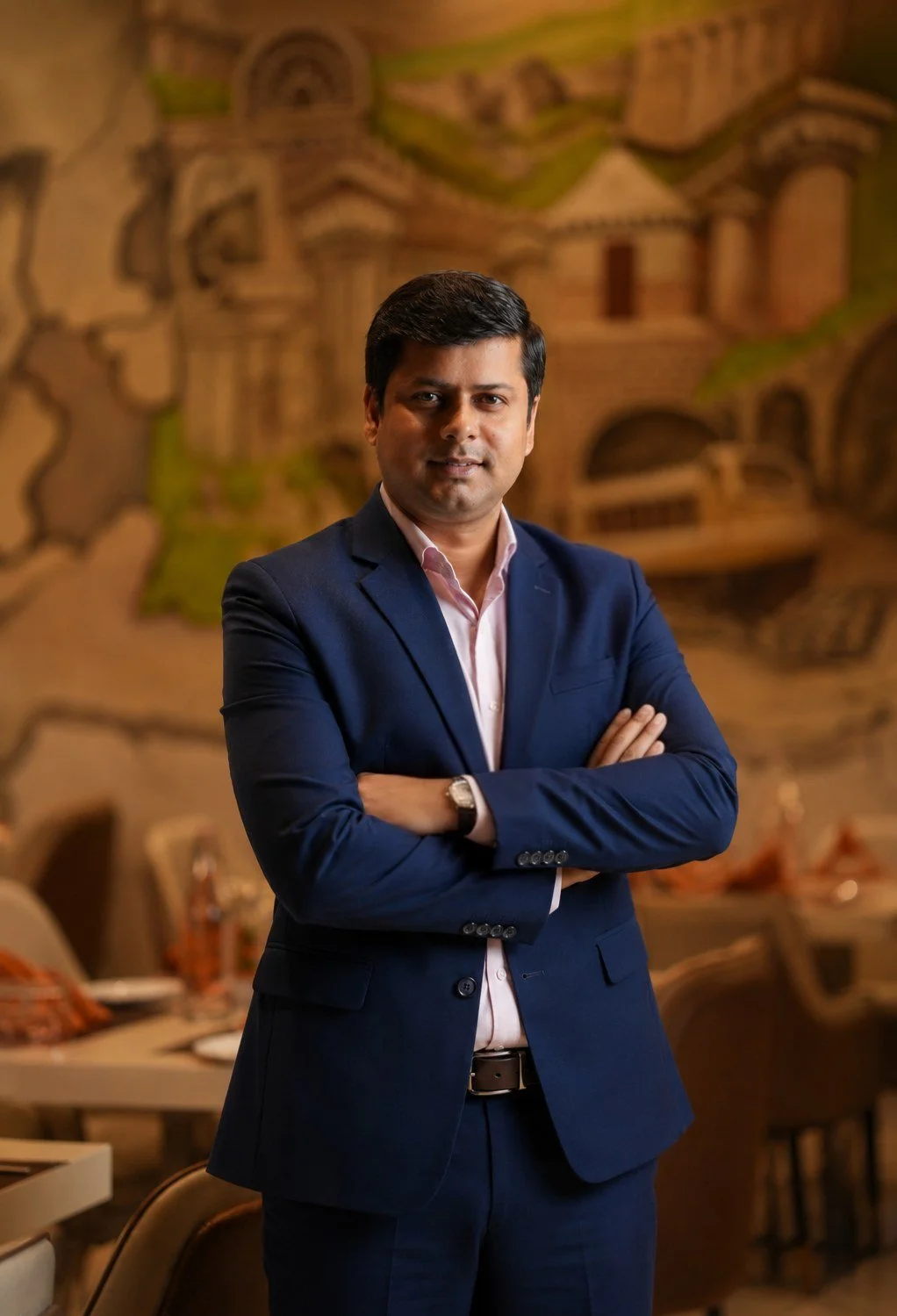
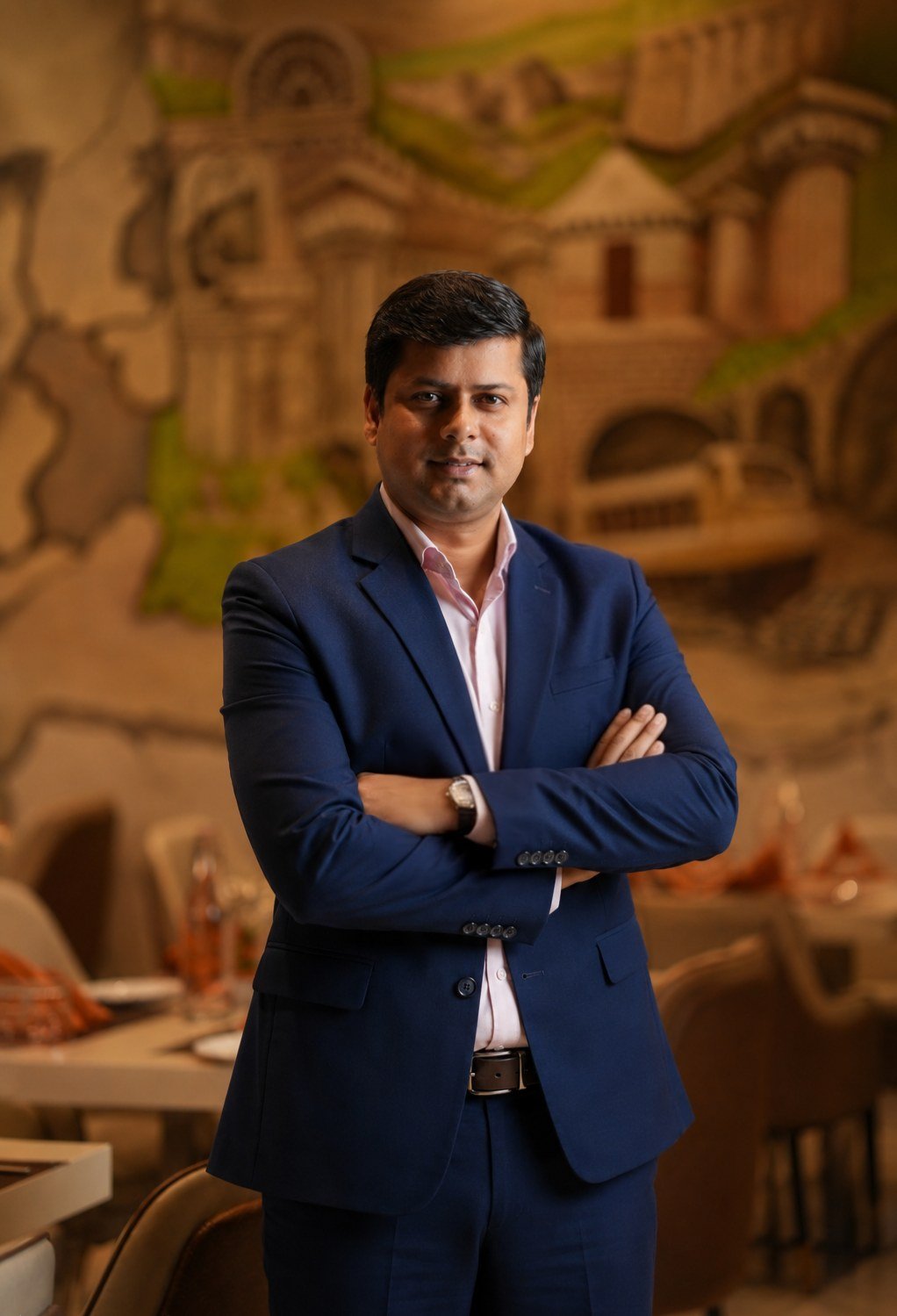
/Mukesh Kumar Tripathi is General Manager of The Orchid Hotel Jamnagar in Gujarat. In this conversation with Hospemag, he talks about the moments no SOP can predict, when personalisation starts to feel transactional, how to turn local culture into genuine experiences rather than staged attractions, and why human connection is what ultimately creates memories.
Tell us about a moment when an employee created an experience that no SOP could have predicted.
Some of the most memorable moments in hospitality happen when an employee notices something that is not written in any SOP and simply chooses to act.
I recall instances where a team member noticed a guest's unspoken need and took a small, thoughtful initiative to make them more comfortable. There was no process instructing them to do it; it came from observation, empathy and ownership.
For me, that is the real essence of hospitality. SOPs provide the foundation for consistency, but it is the human ability to read a situation and respond with genuine care that creates memorable experiences.
What is a personal experience you have had as a guest that changed the way you think about hospitality?
One of the strongest lessons I have learned as a guest is that hospitality is not necessarily about grand gestures. Often, it is the smallest and most thoughtful gestures that stay with you.
Being remembered, having someone notice a preference without being asked, or simply having an employee take an extra moment to connect can create a lasting impression.
It reinforced my belief that guests may not remember every detail of their stay, but they will remember how they felt while they were with us.
Has personalisation genuinely improved hospitality experiences, or has it sometimes made them feel more transactional?
Personalisation has certainly improved hospitality when it is used thoughtfully. Guest preferences and technology can help us anticipate needs and create a more seamless experience.
However, there is a fine line between personalisation and over-engineering the guest journey. If every interaction is driven by data and predetermined preferences, the experience can start feeling transactional.
Knowing that a guest prefers something is useful; understanding the person behind that preference is hospitality.
The best approach, therefore, is to use technology and data as an enabler while allowing genuine human interaction to remain at the heart of the experience.
Where do you begin when designing a guest experience — with the guest, destination, story, or business objective?
I would begin with the guest, but ultimately the experience needs to bring together all four elements.
We first need to understand what we want the guest to feel, discover or remember. From there, the destination provides the sense of place, the story provides emotional meaning, and the business objective ensures that the experience is sustainable.
The strongest experiences are those where the guest's needs and emotions meet something that is authentic to the destination and meaningful to the business.
How do you turn local culture, food, people and stories into genuine experiences rather than staged attractions?
Authenticity starts with respect.
Rather than presenting local culture as something created exclusively for visitors, we should create opportunities for guests to genuinely engage with the people, traditions, food and stories of the destination.
The involvement of local communities, artisans, chefs, farmers, storytellers and craftspeople should be meaningful rather than decorative.
When guests understand the story behind a dish, meet the person behind a craft, or experience a tradition in its natural context, it becomes much more than an attraction. It becomes a connection with the destination.
Is an experience something you can deliberately design, or does the best of it happen organically?
I believe we can design the framework, but we cannot completely script the experience.
We can design the setting, the journey, the story, the touchpoints and, most importantly, empower our people. But the most memorable moments often happen organically — through a spontaneous conversation, an unexpected gesture or an employee simply recognising what a guest needs at that particular moment.
Our role as hospitality leaders is therefore not to script every interaction, but to create an environment where our people have the confidence and freedom to make meaningful moments happen.
Ultimately, SOPs create consistency, personalisation creates relevance, but human connection creates memories. That, for me, is what meaningful hospitality is all about.
Image: courtesy of The Orchid Hotel Jamnagar