Menu Strategy & Design – Sandeep Sharma, FnB Manager, The Orchid Chandigarh on The Business of Menus
/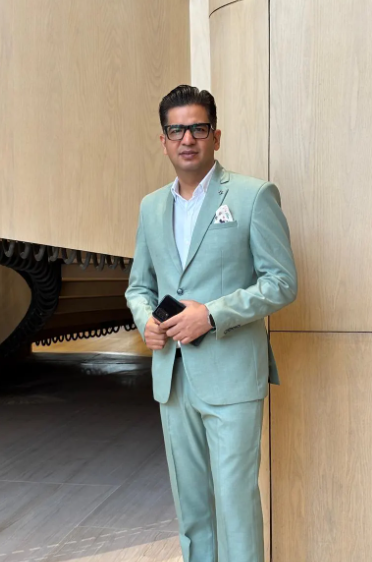
Sandeep Sharma, FnB Manager, The Orchid Chandigarh
1. What are your 3–5 non-negotiable best practices when it comes to menu design?
A well-designed menu should balance guest experience with operational efficiency. My key principles are:
Clarity over complexity: Guests should be able to navigate the menu quickly without feeling overwhelmed.
Brand consistency: The menu should reflect the restaurant's identity, cuisine, and overall dining experience.
Strategic profitability: High‑margin and signature dishes should be highlighted naturally without appearing overly promotional.
Operational practicality: Every item should be something the kitchen can execute consistently, especially during peak hours.
Regular review: Menus should evolve based on guest feedback, seasonality, ingredient availability, and sales performance.
2. How does the physical layout of a menu influence what guests order and is this intentional?
Absolutely. Menu layout has a significant impact on ordering behavior. Guests tend to notice certain sections first, so placing signature or high-value dishes in visually prominent positions is intentional. Grouping items logically, limiting clutter, and using subtle visual cues helps guests make decisions more comfortably. The objective is to guide rather than pressure guests, creating a seamless dining experience while supporting business goals.
3. How do you decide on the structure and flow of a menu, what comes first, what's featured, what's buried?
The structure should mirror the guest's dining journey. We usually begin with appetizers and sharing plates, followed by mains, sides, desserts, and beverages. Within each section, signature dishes, chef's recommendations, or seasonal specials are positioned where they're most likely to be noticed. Less frequently ordered or highly specialized items may appear later in the section, but they remain easy to find for guests specifically seeking them. Every placement is driven by both guest convenience and menu performance data
4. How does the format (print, digital, chalkboard, verbal) change the way you design the menu experience?
Each format serves a different purpose.
Print menus focus on readability, storytelling, and a premium tactile experience.
Digital menus allow dynamic updates, rich visuals, dietary filters, and personalized recommendations.
Chalkboards work best for daily specials and seasonal offerings because they create a sense of freshness and flexibility.
Verbal menus rely heavily on staff training, ensuring recommendations are engaging, accurate, and consistent.
Regardless of the format, the goal is always to make choices simple and enjoyable.
5. What role does white space, typography, and visual hierarchy play in guiding guest decisions?
These elements are fundamental. White space reduces visual fatigue and makes the menu easier to scan. Typography establishes readability and reflects the restaurant's personality, whether it's fine dining or casual. Visual hierarchy through headings, spacing, and subtle emphasis helps direct attention toward signature dishes or chef's recommendations without overwhelming the guest. Effective design should feel effortless rather than obviously persuasive.
6. How do you design differently for degustation or tasting menus versus casual à la carte formats?
A degustation or tasting menu is about storytelling. The design is typically minimal, elegant, and focused on showcasing the progression of the culinary journey, often revealing just enough information to create anticipation.
An à la carte menu, on the other hand, prioritizes flexibility and ease of comparison. Guests need clear categories, concise descriptions, dietary information where appropriate, and pricing that supports informed decision-making. The design must accommodate a broader range of choices while remaining intuitive.
7. What's a common menu design mistake you see and what would you do differently?
One of the most common mistakes is trying to offer too many choices. Overly long menus can overwhelm guests, slow decision-making, increase kitchen complexity, and dilute the restaurant's identity.
I believe in a curated approach: fewer dishes executed exceptionally well, using predominantly locally sourced produce, supported by thoughtful design and strategic placement. A concise menu not only improves operational consistency but also gives guests greater confidence in their selections and enhances the overall dining experience.