International Tea Day 2026: 6 Tea Rituals That Are Redefining How India Drinks Its Daily Cup
/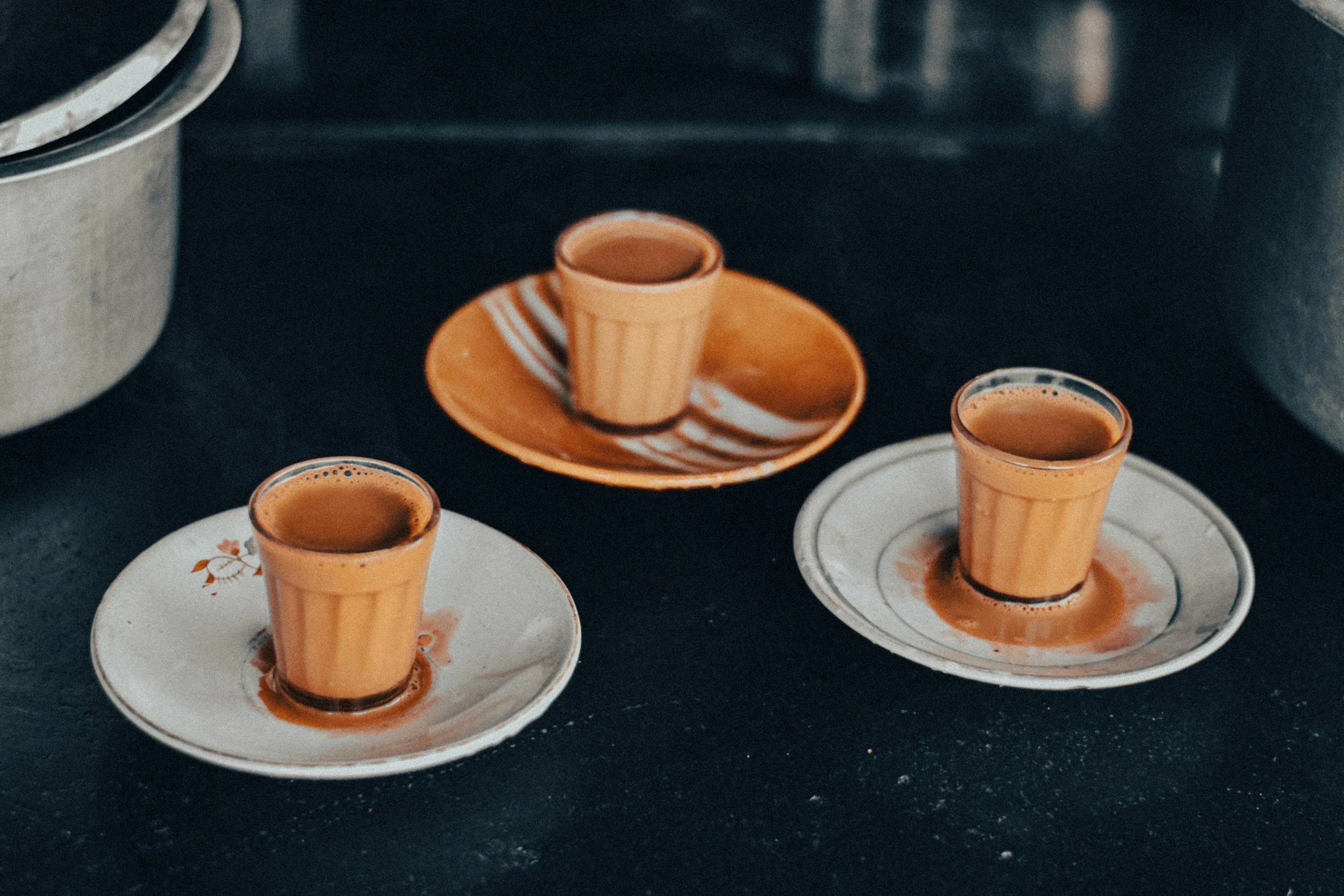
Tea has always occupied a deeply familiar space in Indian households as a habit, hospitality and comfort. But increasingly, it is also being tied to wellness, mindfulness and slower living.
Across urban India, consumers are beginning to move beyond purely functional caffeine consumption and towards teas that feel more experiential, ingredient-conscious and ritual-driven. From floral infusions and loose-leaf blends to artisanal chai masalas, the category is quietly evolving alongside larger shifts in food and wellness culture.
Ahead of International Tea Day on May 21, here are some of the biggest ways India’s tea habits are changing.
1. Botanical Teas Are Becoming Part of Everyday Wellness Routines
Floral and herb-led teas are steadily moving from niche wellness shelves into mainstream consumption. Ingredients like hibiscus, butterfly pea flower, lavender and rose are increasingly being associated with calmness, balance and mindful consumption, especially among younger consumers looking to reduce dependence on sugary or heavily caffeinated beverages.
Wellness-focused brands such as Anahata Organic are among those experimenting with botanical ingredients and loose-leaf formats that align with this growing preference for slower, more intentional beverage rituals that help being calm.
2. Tea Is Being Viewed Through a Functional Lens
Much like the broader health-food category, tea is increasingly being consumed for perceived wellness benefits beyond refreshment alone. Digestion-friendly ingredients, calming herbs and immunity-linked spices are becoming more visible across modern tea blends and café menus alike.
This shift reflects how consumers today are looking for beverages that fit into larger self-care and wellness routines rather than simply serving as quick energy fixes.
3. Traditional Indian Flavours Are Seeing a Contemporary Revival
Even as global tea trends influence Indian consumers, familiar local ingredients remain central to evolving preferences. Cinnamon, ginger, lemongrass, cardamom and tulsi continue to dominate consumer comfort zones but are now appearing in more contemporary formats ranging from artisanal infusions to premium loose-leaf blends. The growing popularity of these ingredients also points to a larger demand for products that feel rooted in familiarity while still catering to modern wellness sensibilities.
4. Masala Chai Is Quietly Premiumising
India’s relationship with masala chai remains unchanged, but the format itself is evolving. Consumers are increasingly exploring regional chai blends, small-batch spice mixes and café-style brewing experiences at home. Brands such as Galaji Spices are leaning into this demand through spice-forward chai masalas that prioritise aroma, depth and traditional flavour profiles over instant convenience.
Across artisanal food brands and online marketplaces, chai masalas are increasingly being positioned as premium pantry staples rather than purely everyday commodities. This reflects the larger premiumisation trend currently shaping India’s food and beverage space.
5. Loose-Leaf Tea Is Becoming a Lifestyle Category
The rise of mindful living and slower routines has also contributed to renewed interest in loose-leaf tea culture. For many consumers, brewing tea is becoming less transactional and more experiential, tied to routines around journaling, reading, work breaks or digital detoxing. This shift is also influencing packaging, gifting and presentation within the tea industry, particularly among younger urban buyers looking for products that combine utility with aesthetics.
6. Social Media Is Influencing Tea Consumption Too
Visually distinctive teas, from deep blue butterfly pea infusions to colourful fruit-and-herb blends, are increasingly resonating with consumers accustomed to experience-led food trends online. As beverages become more intertwined with lifestyle and visual culture, teas that offer novelty, storytelling and sensory appeal are gaining stronger traction, especially within premium wellness retail spaces.
As International Tea Day highlights the cultural importance of tea globally, India’s evolving tea landscape reflects a broader consumer shift: one where everyday beverages are increasingly expected to offer comfort, wellness and ritual all at once.