Corbett Literature Festival opened a new conversation on conservation, culture and responsible tourism
/
In India’s first national park, a new generation of writers, conservationists, local voices and hospitality partners came together to ask what a responsible future for Corbett should look like
Corbett, Uttarakhand | 13th October 2026
Corbett has been a place of firsts. Established in 1936 it became India’s first national park. In 1973 it was one of the original nine landscapes where Project Tiger was launched. Corbett’s forests have shaped some of India’s most enduring wildlife writing, photography and conservation thinking.
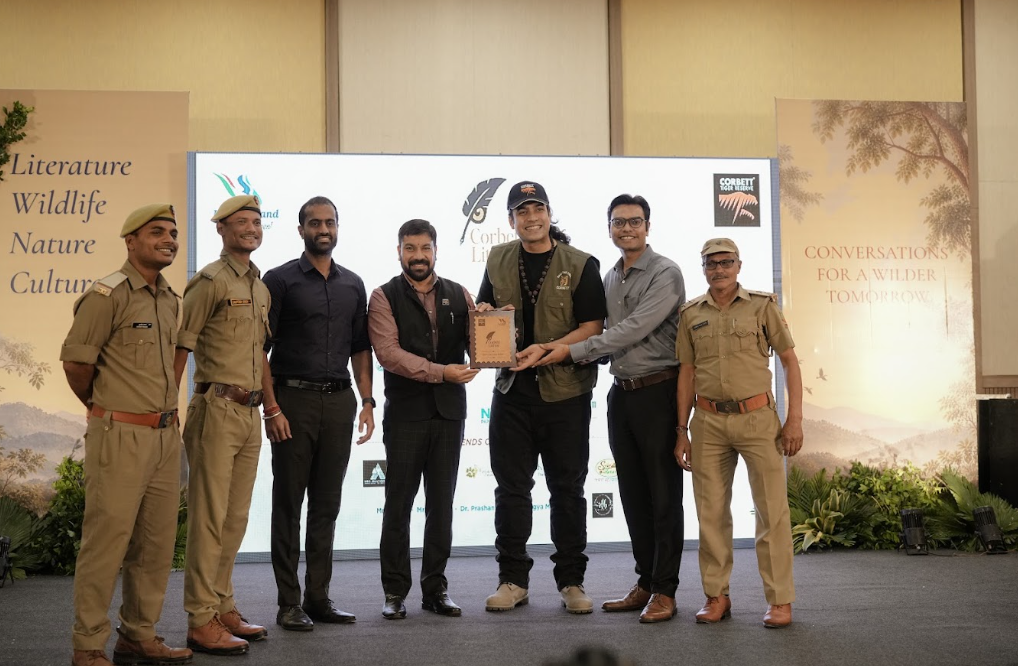
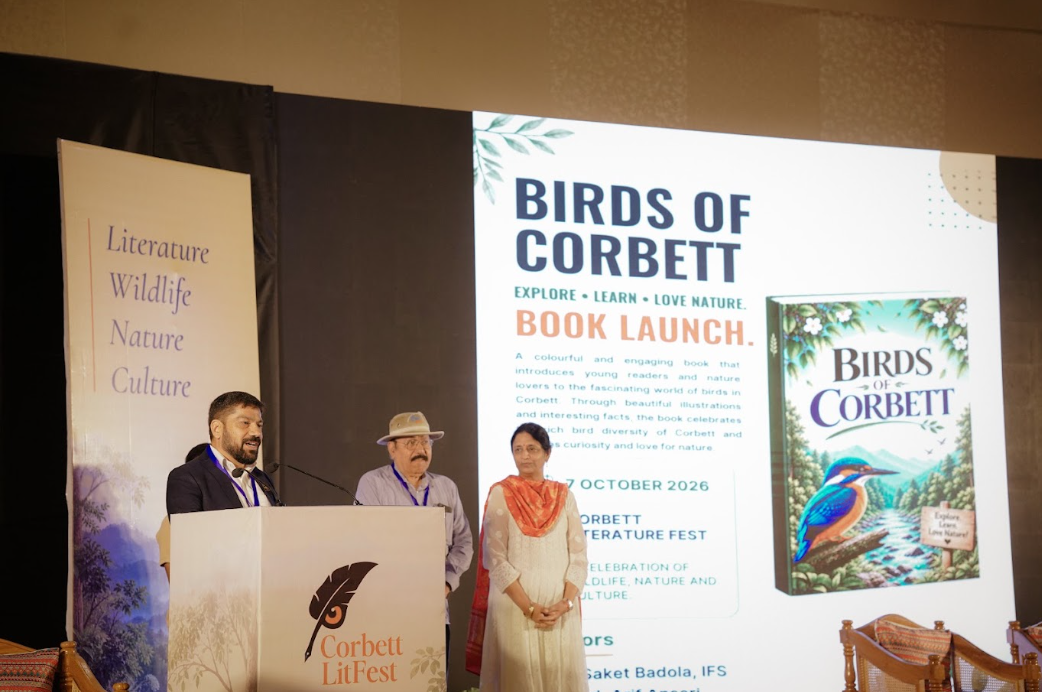
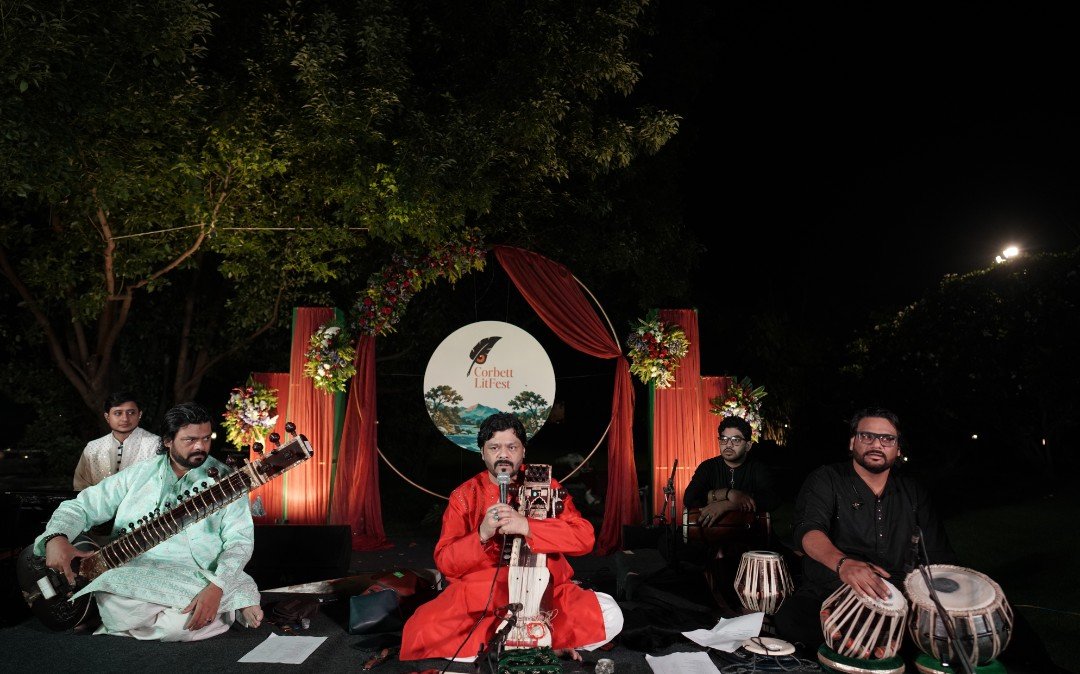
With the inauguration of the first edition of the Literature Festival, Corbett began another first. The inaugural Corbett Literature Festival took place from 6–8 October 2026, bringing together writers, conservationists, scientists, wildlife photographers, historians, artists, local voices and readers for three days of conversations across the Corbett landscape. But the festival was intended to be more than a literary gathering. It was inaugurated by the Forest Minister and concluded by a local MLA.
It comes at a moment when destinations across India are rapidly developing, and asks a more fundamental question: How do we grow responsibly?
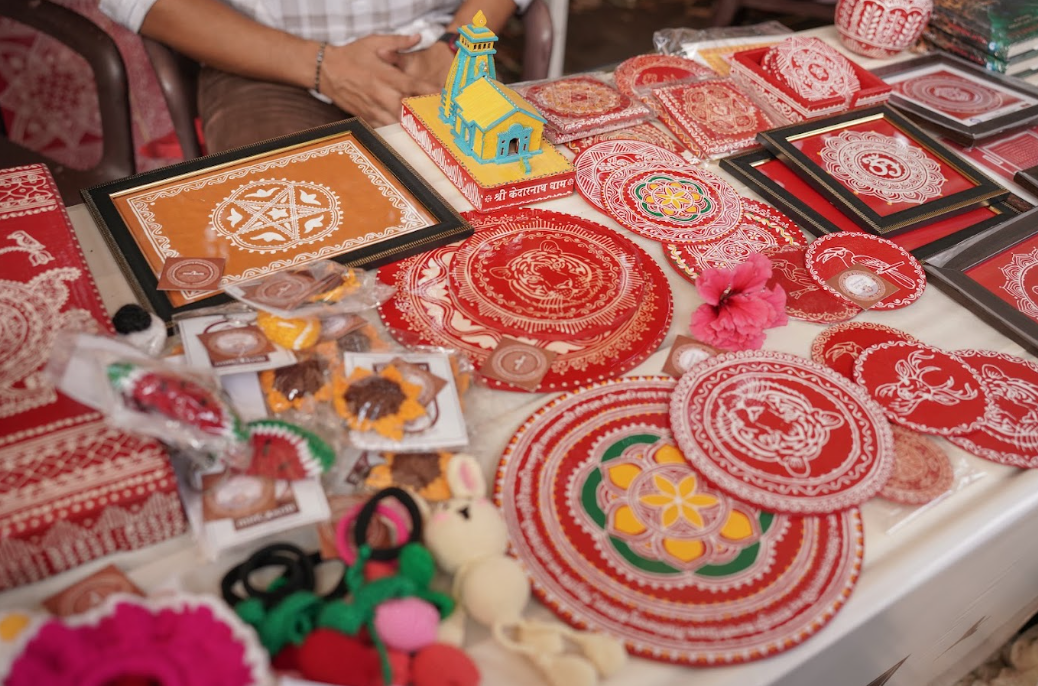
The festival supported by Uttarakhand Tourism Development Board, brought more than 20 conversations and with over 30 speakers, the festival explored conservation, coexistence, responsible tourism, Uttarakhand's cultural heritage, Himalayan ecology and the relationship between communities and the landscapes they call home. The larger ambition was to place conservation and communities at the heart of the conversation about tourism and recognizing that protecting a landscape also means protecting the culture, traditions, livelihoods and local knowledge that have evolved alongside it.
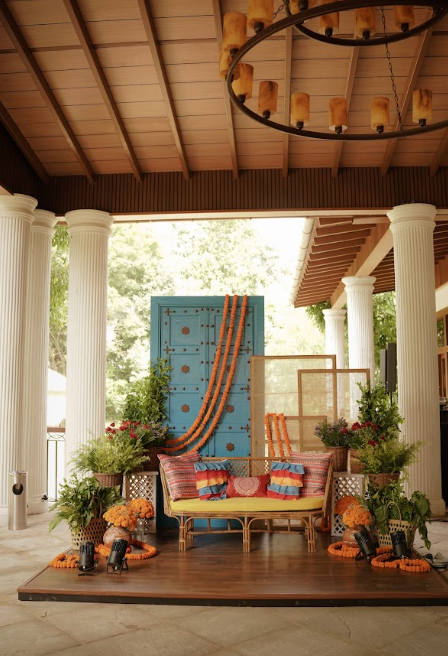
The festival was held with the support of the wider Corbett ecosystem and across three independent hospitality partners: The Riverview Retreat, Aahana Resort & Spa and The Golden Tusk; each opening its doors to a different part of the programme. Rather than presenting hospitality simply as a means of bringing visitors to a destination, the three properties see their role as extending to the future of the landscape in which they operate.
A LANDSCAPE THAT HAS ALWAYS INSPIRED STORIES
From the writings of Jim Corbett to the pioneering wildlife photography and natural history of F.W. Champion, Corbett has long been a landscape where the wild has been observed, documented and interpreted.
Therefore, the festival seeks to continue that tradition while widening the conversation. Its four broad themes: Nature & Wildlife, The Himalayas, Uttarakhand, and Culture & Heritage, bring together national voices with those who live, work and create within the region.
Among the speakers were conservationists Prerna Singh Bindra, Sanjay Gubbi, Vijay Dhasmana, and Raza Kazmi; writers and naturalists including Neha Sinha and Stephen Alter; and wildlife explorers and photographers including Dhritiman Mukherjee, Anup Shah and Akash Das, alongside historians, artists and local cultural practitioners. The programme also looked beyond wildlife itself: towards folk traditions, oral histories, music, food, photography and the lived relationship between people and the forest, bringing names like Pushpesh Pant, Shekhar Pathak, Madhuri Barthwal, Kalyan Singh Rawat to the festival; along with that representation from Corbett National Park: Saket Badola, Praveen Pardeshi, and Samir Sinha.
“CORBETT HAS ALWAYS BEEN A PLACE WHERE CONSERVATION AND STORYTELLING HAVE MET.”
Mr. Saket Badola, Field Director Corbett Tiger Reserve and Festival Director, Corbett Literature Festival, said:
“Corbett’s future lies in finding the right balance between conservation and responsible tourism. The government and the hospitality sector have an important role to play in working together to improve the visitor experience while ensuring that tourism remains sensitive to the needs of the park, its wildlife and surrounding communities. The Corbett Literature Festival brings together many voices around this larger conversation, but the responsibility extends well beyond these three days. Our shared objective must be to protect Corbett, strengthen the region and ensure that tourism grows in a way that supports the long-term health of this landscape.”
THREE HOSPITALITY PARTNERS. ONE LIVING LANDSCAPE.
For The Riverview Retreat, the festival begins beside the Kosi River, with the property hosting the opening day of the programme.
Karam Srivastava, Promoter, The Riverview Retreat, said:
“For over 20 years, The Riverview Retreat has grown alongside the remarkable landscape of Corbett, which has been central to our journey. Hosting the inaugural Corbett Literature Festival has strengthened our resolve to give back to the region through more responsible tourism, sustainable practices and greater conservation awareness. We hope to extend this commitment beyond our property, working with neighbouring villages and hospitality establishments to ensure that the festival creates a lasting, positive impact on Corbett and its communities.”
The festival then moves through the Corbett landscape, with Aahana Resort & Spa hosting conversations centered on conservation, wildlife and the future of responsible tourism.
Ayu Tripathi, Promoter, Aahana Resort & Spa, said:
“Aahana has always believed that being a hospitality business in Corbett comes with a responsibility beyond welcoming guests. We are custodians of a landscape, and the future of tourism here depends on how thoughtfully we grow alongside it. The Literature Festival gives us a chance to bring different voices into the same room — conservationists, communities, storytellers, travellers and those building businesses here — and ask what we want Corbett to stand for in the years ahead.”
At The Golden Tusk, the festival continues its exploration of the relationship between people, place and the wild.
Anirudh Lakhotia, Promoter, The Golden Tusk, said:
“It's a privilege to have been associated with the Corbett Literature Festival which brings conversations about nature conservation, cultural preservation & responsible tourism to centrestage. This festival will act as a catalyst for action-oriented initiatives for creating world-class traveller experiences”
Together, the three properties represent three independent hospitality businesses choosing to invest not only in the visitor experience, but in the wider conversation around the landscape they inhabit.
FROM TOURISM TO STEWARDSHIP
The festival comes at an important point in Uttarakhand's tourism story.
As destinations evolve and infrastructure expands, the question is no longer simply how many people a place can welcome, but how tourism can strengthen, rather than erode, the ecological and cultural systems that make that place special.
For Corbett, that means protecting its forests and wildlife, while also recognising the people who live around them; preserving local traditions, music, food and oral histories; creating meaningful livelihoods; and ensuring that tourism remains compatible with the long-term health of the landscape. The first edition is therefore not being positioned as an endpoint, but as an inception. An annual platform; a gathering that can continue beyond these three days. And, potentially, a new chapter in how Corbett thinks about tourism, conservation, and its own future.
Because some landscapes are not simply destinations. They are inheritances. And what we choose to do with them becomes part of their story.