The Restaurant That Did Everything Right by Manoj Mathew V M
/We trained a team to perfection. We scripted every sequence. The opening night was flawless. Six weeks later, we were losing guests — and no one could explain why. This is the story of what we had actually built, and what it took to undo it.
Every General Manager knows the feeling. The pre-opening briefings are done. The SOPs are laminated. The team has been drilled to the point where the service flows like clockwork. The opening night arrives, the reviews are glowing, and for a few weeks the numbers confirm what the training promised.
Then something quieter begins. The scores do not collapse. They slip — persistently, marginally, in ways that are easy to explain away. The team is proud. The floor looks right. Guests are leaving with handshakes and warm words. And yet something is missing, and you cannot name it from a RevPAR report.
That is the moment I want to write about. Not the crisis. The drift.
What we built at the restaurant
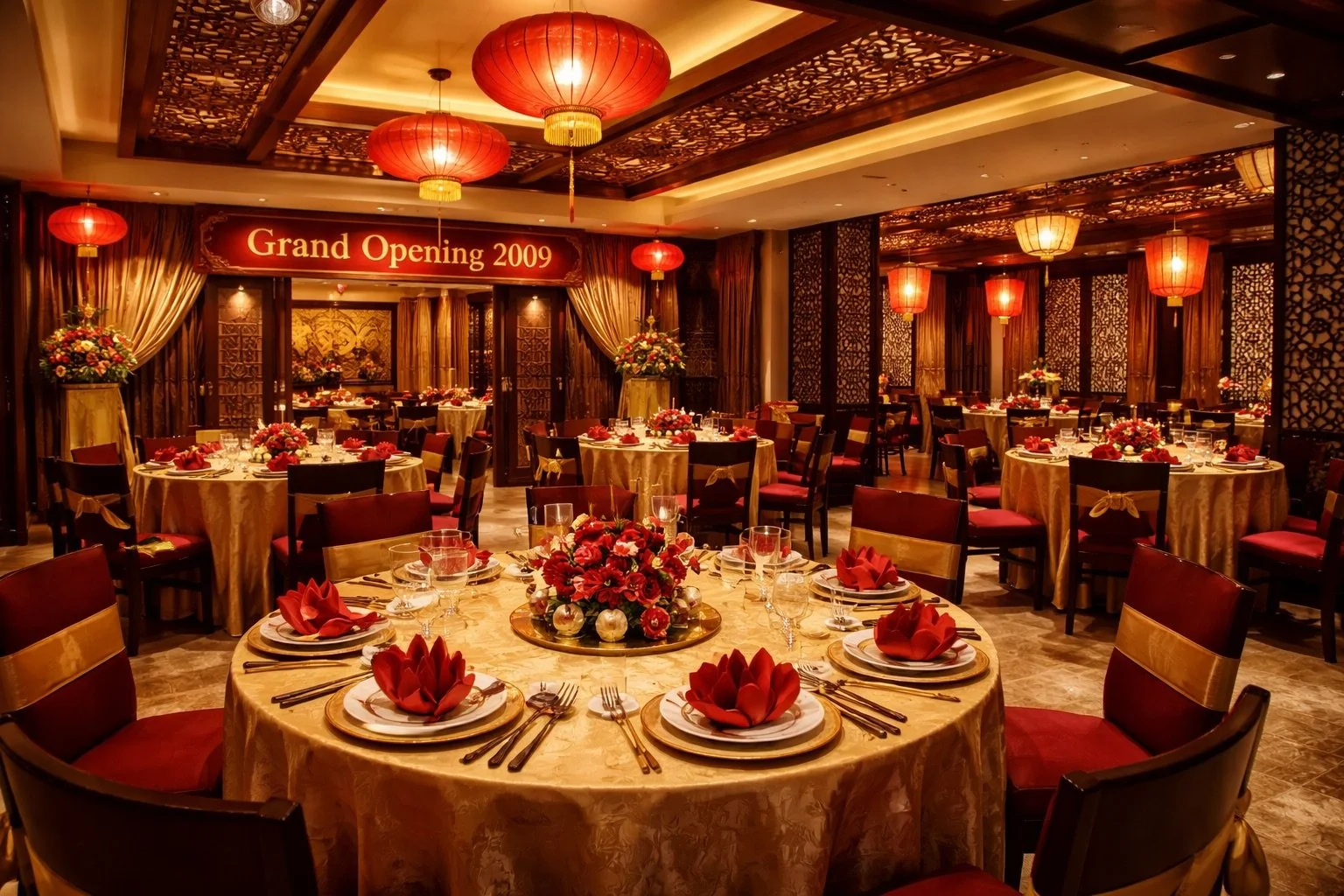
In 2009, at a five-star hotel in a South Indian city, we launched a Chinese specialty restaurant. The preparation was meticulous by any standard. We flew in a Master Chef from China to train the team. We scripted every sequence of service: wok station workflow, dumpling timing, the precise phrase each captain would use to present the tea ritual, even the placement of chopsticks. Three months of training. Three months of rehearsal.
The opening night was genuinely flawless. For six weeks, the momentum held. Then a regular guest — a former diplomat who dined with us weekly — set down his chopsticks one evening and said, almost conversationally: “The food is authentic. The service is precise. But it feels like watching a very good play for the tenth time. I already know what comes next.”
I stood in the restaurant long after he left, watching the team work. The captain greeted every table with the exact same phrase. The tea ritual arrived with rehearsed elegance. Every motion was correct. Every interaction was scripted. The map had not failed. It had succeeded too well. We had trained the soul out of the service.
The gap between satisfaction and loyalty
This is the distinction that guest satisfaction scores are poorly designed to capture, and that most post-opening reviews miss entirely. A guest who leaves satisfied has had their expectations met. A guest who leaves loyal has experienced something they did not expect — a moment of genuine human attention that the system never prescribed.
At the restaurant, we were producing the first type of guest consistently. The second type had quietly stopped appearing. And because the scores were still acceptable, the system had no mechanism to tell us this.
The problem was not the training. The problem was that the training had become the ceiling. We had built a team that knew exactly what the script said and stopped there.
In hospitality, the script is the floor. The moment it becomes the ceiling, you are no longer in the service business. You are in the compliance business.
Breaking the map
The morning after that conversation, I gathered the team in the restaurant itself — not the boardroom, but the dining room, chairs still upturned on tables.
“We have a problem,” I said. “And the problem is that we’re doing everything right.”
I asked them to sit as guests rather than as staff. Then I asked them to describe their last meal somewhere that had made them feel genuinely welcomed. Not the food. The feeling.
One by one, they described a street stall where the cook remembered their chilli preference. A grandmother’s kitchen. A small family restaurant where the owner recommended something not on the menu.
“None of those places had our training manual,” I said. “None had our system. But they had something we have trained out of this room.”
We removed the table-side scripts. Captains could recommend dishes based on what they genuinely loved. Stewards could share a personal memory about a dish if asked. The kitchen was given permission to respond to the moment: if a guest looked tired, send a calming broth unprompted. If a family was celebrating, offer something small on the house — not because the SOP said so, but because the occasion warranted it.
The first week was uncomfortable. The team kept looking to me for permission before acting. They hesitated. They second-guessed themselves.
Then something shifted.
A steward named Sreejith noticed a couple sitting in silence. He did not ask if everything was alright. He brought them two small cups of ginger-infused tea — “to warm the conversation.” They smiled for the first time that evening.
A chef named Anil saw a guest picking at his food. He came out himself — not in whites, in a simple apron — and said: “May I prepare something lighter for you?” The guest’s relief was visible.
Captain Mani, on a fully booked evening, saw a large family arrive without a reservation. An elderly grandmother was leaning heavily on her daughter’s arm. He did not consult the chart. He seated them in the lobby near a quiet window, took their order in advance, and when a table was ready, added an extra chair so the grandmother could sit near the aisle. He did not say we were fully booked. He said:
“We’ll make space.”
It was not policy. It was judgment. And judgment lives in the space where policy runs out.
The question I stopped asking
What that posting corrected in me was a belief I had carried through every pre- opening I had run: that building a good system was the same as building a good team.
It is not.
A system tells people what to do. It does not tell them why. And a person who knows only the what will stop at the edge of the script and wait — exactly when the guest needs someone to step forward.
The question I eventually stopped asking was: have they memorised the procedure?
The question I started asking instead was: do they know why the procedure exists?
A person who understands the purpose of a standard will adapt it intelligently when the situation requires. A person who only knows the rule will comply until the rule runs out — and then do nothing.
The difference between those two people is the difference between a hotel that produces satisfied guests and one that produces loyal ones. And it is not built in a training room. It is built by leaders who give their teams explicit permission to notice things and act on what they notice — and who recognise them for doing so, publicly, in a way that tells the rest of the team what this organisation actually values.
One thing to do differently tomorrow
In your next town hall, do not recognise the team member who executed the flawless event. Recognise the one who noticed the guest picking at their food and did something about it without being asked. Recognise the housekeeper who spotted the chocolate éclair wrappers and made sure they were replenished when the guest extended their stay. Recognise the security guard who found oranges at a railway station vendor because the kitchen had run out and a regular guest’s preference was on record.
These are not stories about going above and beyond. They are stories about what genuine ownership looks like when a team has been given permission to exercise it. The script is the floor. What your team does above it is the product.
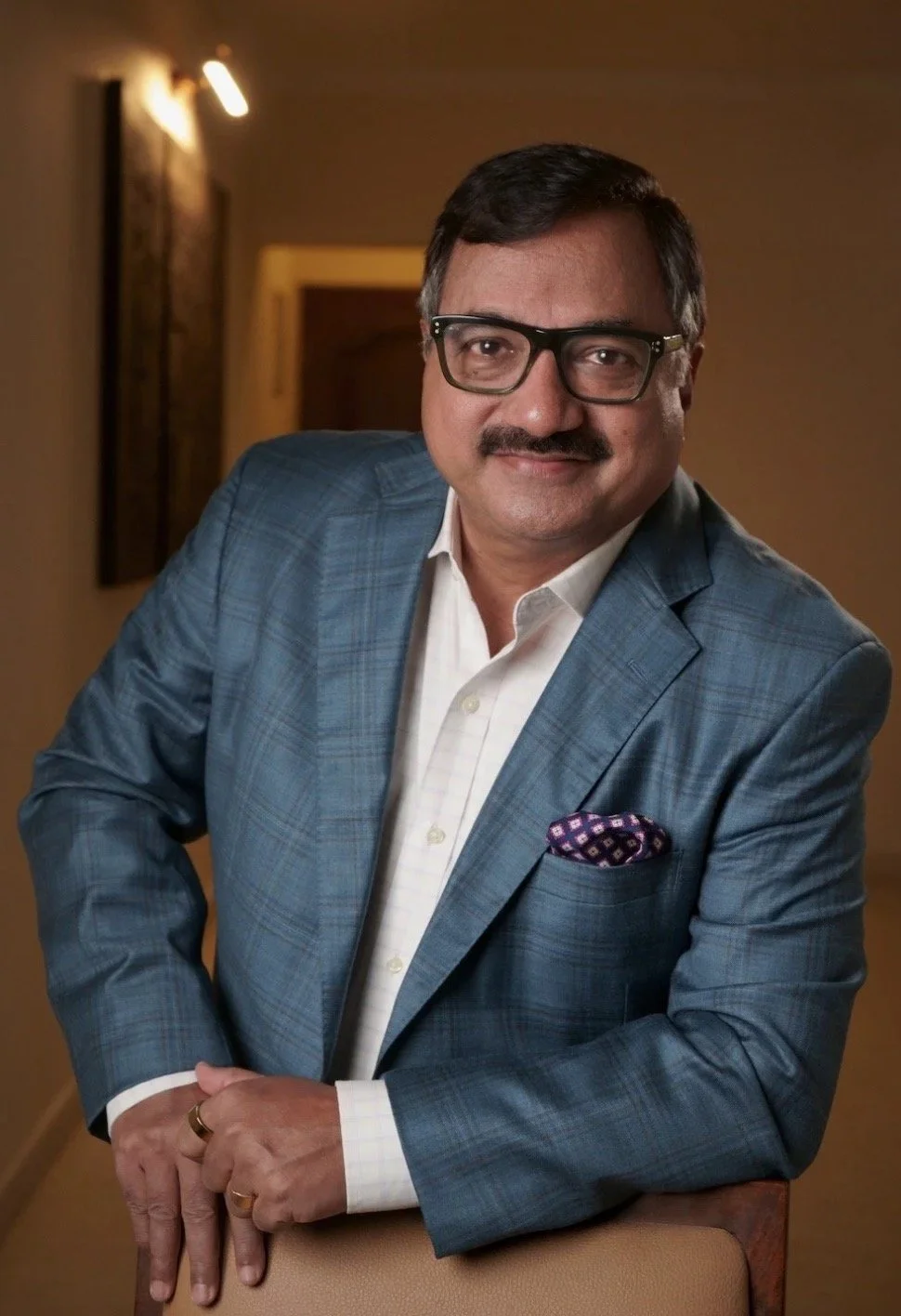
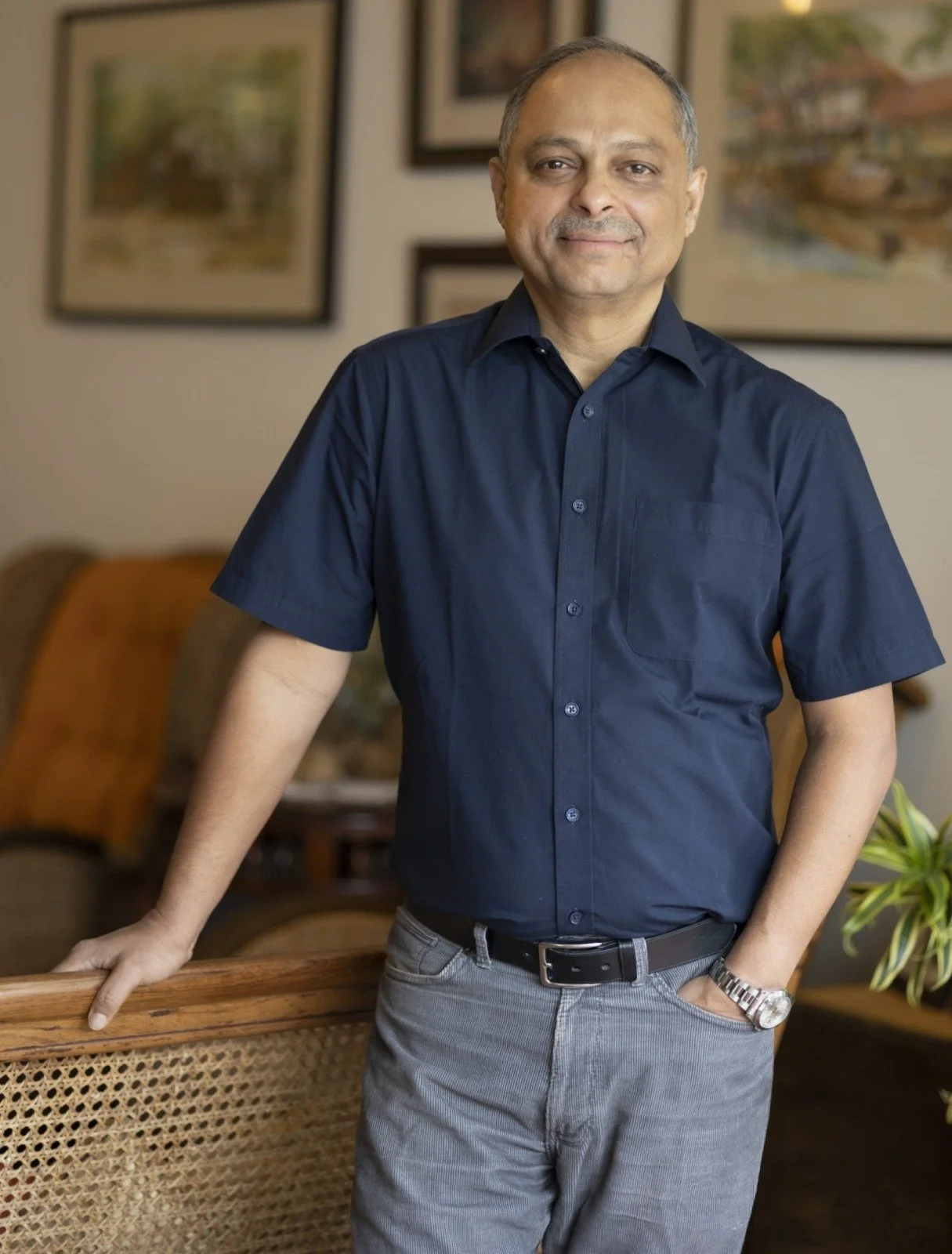
Manoj Mathew V M is Senior Vice President – Operations at Tamara Leisure Experiences.
He spent thirty-three years with the Taj Group of Hotels across India, Zambia, and Sri Lanka. He is the author of Journey Without Maps and Where the Map Ends, published under the series title Dead Reckoning:Leadership by Accumulated Judgment (2026).