AI Is Already Deciding Where Guests Stay And Where They Eat by Dawn Gribble MIH MCIM
/
Before a guest reaches your website, an AI system may already have formed an opinion about your business.
Read MoreBefore a guest reaches your website, an AI system may already have formed an opinion about your business.
Read MoreWe trained a team to perfection. We scripted every sequence. The opening night was flawless. Six weeks later, we were losing guests — and no one could explain why. This is the story of what we had actually built, and what it took to undo it.
Read MoreGrilling can be interpreted in recent times to be an international fad, like anything else.... The concept of grilling and everything that goes with it (cook with heat, add smoke from flame, heat slowly with wood) was devised in India thousands of years ago by trial and error from our ancestors.
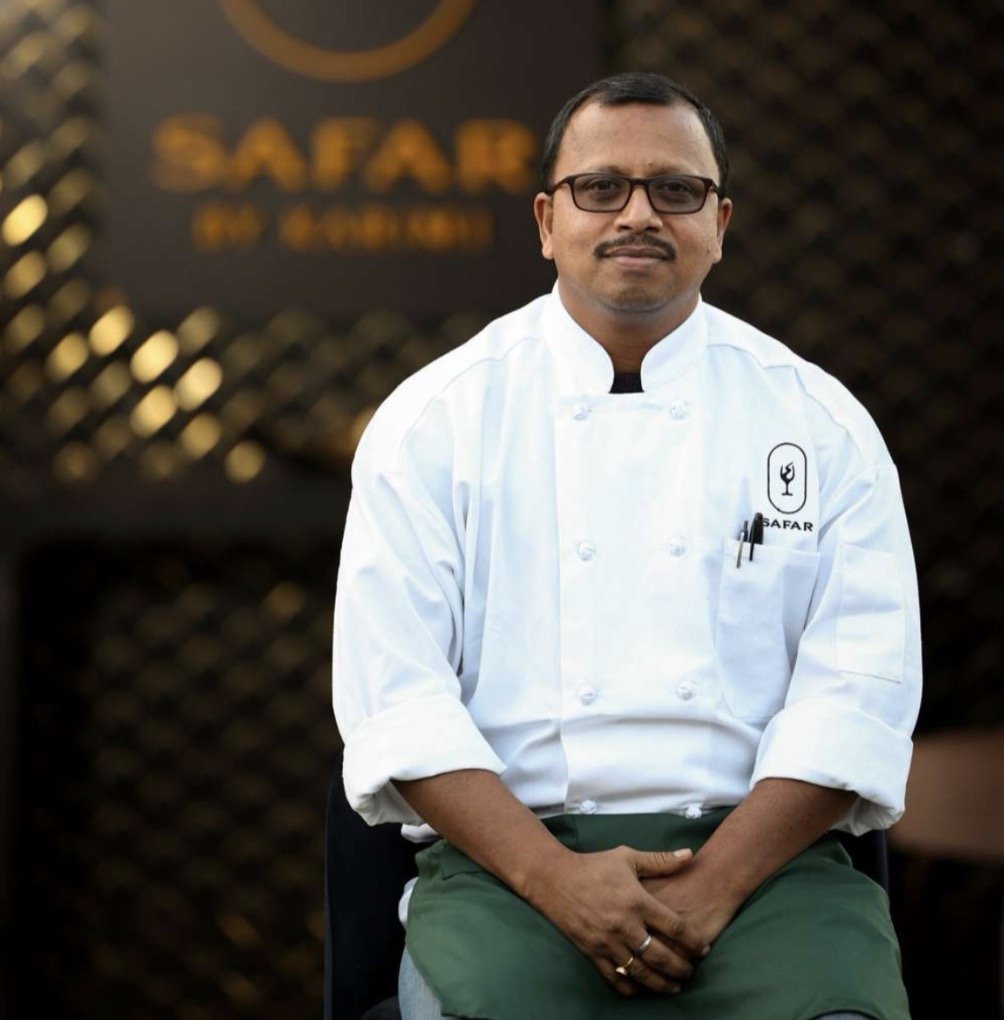
The methods of cooking used in Ancient Indian kitchens influence today, and have always been a part of cooking, giving us the special flavours, fragrances and textures of cuisines in every region of our world says Chef Sumanta Nandi, Head Chef, SAFAR by Karimi in Cupertino California.
Tandoor – the First-Generation Grill
It is undeniable that prior to the establishment of charcoal grills and steel gas grids, the Tandoor Grill was the world’s first high-temperature cooking device. The Tandoor, which uses clay, can be heated with coal or firewood, and cooks between 450C and 500C (between 840F to 1,000F). This extreme heat creates a very high kinetic energy for the meat and bread (naans) cooked inside the Tandoor, allowing the meat and bread to develop a crusty exterior while retaining moisture in the middle. The unique smoky aroma and flavour are only available from cooking with a Tandoor, thus today’s cooking devices cannot reproduce that flavour.
Dhungar – The Process of Smoking Food
Long before the invention of modern day smoker boxes and smokeless charcoal grills, Indian chefs perfected the technique of infusing food with smoke using dhungar. This technique involves heating a piece of charcoal until it is bright red, placing it in a bowl and adding (pouring) ghee or spices to the charcoal, which releases aromatic smoke. The bowl is placed over the top of the dish being prepared; the smoke from the charcoal gets trapped inside the dish as the dish is sealed. This infuses the dish with the full spice and charcoal flavour from the ghee and spices that were added to the charcoal.
Sigdi Cooking - Cooking Slowly over Low Heat Creates Rich Flavours
Sigdi, the traditional Indian charcoal cooking stove, provides the first example of a way to control cooking temperature over an extended period of time. Unlike tandoors that produce intense heat, sigdi allows for steady and lower temperatures. Cooking over this type of temperature allows the spices to fully bloom and flavour the marinade and the meat by allowing for even heating while the meat stays moist. Today’s grillers have embraced the benefits of slow cooking and have duplicated the slow and low technique of a sigdi by using smoker grills and low-and-slow BBQ methods. The same results are achieved through the combination of patience and precision and produce incredibly tender and rich in flavour meats.
Marinating with Ancient Wisdom
Marinating has been practiced in India for millennia as a way to tenderise & flavour meats. The product created using yoghurt is a natural enzyme that helps to maintain the integrity of the meat whilst also providing a more succulent texture. The various spices used in the marinade (turmeric, cumin, garlic, ginger, etc.), not only enhance the taste of the meat, but they also have medicinal & digestive properties. The use of marinades in modern grilling is still common, with many people using marinades to produce moist food which layers on flavours.
Cooking in Banana Leaves and Clay
Cooking with banana leaves & in clay pots is an ancient practice in India. Both methods were originally created to trap steam Cooking with banana leaves imparts a mild sweetness & earthy scent and it keeps the food from drying out, much like the process of foil grilling, but producing a richer end product. Clay pots radiate heat evenly and impart mineral qualities to the food cooked within them. Both of these methods are examples of steam-grilling or trapping heat, allowing the ingredients to steam in their juiciness.
Ancient Indian cooking techniques have demonstrated that the best grilling is not only based on heat; it is also about knowing how to use smoke, flavours & time. Today, as many kitchens around the world are being inspired by different cultures, these techniques will continue to help enrich the griller’s experience, adding more depth, aroma, & tradition to the process.
Tourism has long been one of the most powerful bridges between cultures, people, and economies. In recent years, Northeast India has emerged from the margins of the tourism map to becoming a sunrise player in the country’s hospitality and travel story.
It was only in December 2014 that the Northeast saw its first five-star hotel open its doors. Within three years, two more followed. While this may seem late compared to other parts of the country, it marked a turning point. Since then, the region has steadily transformed. Today, with increased economic activity and rising tourist inflows, the hospitality sector in the Northeast is not just catching up but creating its own unique identity.
Tourist footfall across the Northeast doubled in FY 2024-25.
States like Mizoram, Arunachal Pradesh, and Sikkim recorded over 100% growth, joining high-footfall states such as Assam and Meghalaya.
Improved air connectivity, better road networks, and upgraded airports have enabled travellers to reach destinations that once felt distant.
Assam’s Chief Minister Himanta Biswa Sarma projected that Guwahati will host 11 five-star hotels within the next three years, contributing directly to GDP growth and generating significant employment.
This surge in interest is part of a larger national trend. Across India, the hospitality sector is witnessing robust expansion:
Investments are expected to reach USD 1 billion by 2028.
The industry is projected to touch nearly USD 60 billion in the same period (IDBI Capital).
Domestic travel is forecasted to grow from 2.5 billion trips in 2024 to 5.2 billion by 2030.
Revenue per available room (RevPAR) has seen strong growth, reflecting a demand-supply mismatch that benefits investors and operators alike.
With its unparalleled natural beauty, rich cultural heritage, and enhanced connectivity, the Northeast has the right ingredients to become a global tourism hub. For a new generation of travellers seeking immersive and experiential holidays, the region offers authenticity that goes far beyond conventional tourism.
The pandemic reshaped travel preferences, with wellness, sustainability, and cultural immersion taking precedence. Travelers now seek destinations that combine peace and authenticity with modern comforts.
In the Northeast, boutique properties and luxury stays are responding to this demand by blending local art, material, and cuisine with world-class service.
Example: Rhino & River, a wildlife retreat near Pobitora, offers “farm-to-table” dining, village walks, birding trails, and Brahmaputra boat rides.
Luxury properties such as Vivanta Shillong and Novotel Guwahati signal confidence in the region’s potential to attract upscale visitors while raising benchmarks of quality.
The story is not only about leisure. Corporate travel, MICE (Meetings, Incentives, Conferences, Exhibitions), and spiritual tourism are also on the rise. The Northeast is increasingly hosting business gatherings and cultural events that once bypassed the region.
Hospitality is one of the most employment-intensive industries.
Every new hotel or resort creates hundreds of direct jobs and many more indirect opportunities in transportation, handicrafts, food supply chains, and local experiences.
For the youth of the Northeast, this sector represents not just jobs but also dignity of work and global exposure.
The Northeast is a biodiversity hotspot and home to fragile ecosystems. Tourism development must embrace sustainability through:
Eco-friendly design
Responsible sourcing
Community engagement
The goal should not be to replicate mass tourism models but to offer high-value, low-footprint experiences that benefit both travellers and local communities.
The Northeast today stands at a remarkable juncture. It is no longer a hidden corner of India but a vibrant region ready to welcome the world. With visionary policy support, growing investor confidence, and an evolving tourism landscape, the next decade could very well belong to the hospitality and tourism sector of the Northeast.
As someone deeply engaged in this sector, I see this not merely as an opportunity for business, but as an opportunity to reshape perceptions, create employment for thousands of young people, and give travellers memories that last a lifetime. The journey of tourism in the Northeast has just begun, and its future promises to be as diverse and extraordinary as the land itself.


For years, destination weddings in Europe or Southeast Asia were seen as the ultimate mark of aspiration for Indian couples. Yet today, a noticeable shift is underway. More and more families are choosing to host weddings within India, and the reasons go beyond convenience. Economic growth, cultural pride, social media influence, and government support are converging to make domestic destinations not just an alternative but the preferred choice. The outcome is a thriving wedding tourism sector that is reshaping how Indians celebrate life’s most important milestone.
India’s appeal begins with the sheer diversity of venues on offer. Couples can exchange vows in royal palaces in Rajasthan, host cocktail nights on the beaches of Goa, or celebrate amidst the tranquil backwaters of Kerala. Every region provides a unique setting, allowing weddings to reflect both grandeur and individuality. Lesser-known locations such as Daman, Khajuraho, and Mussoorie are also drawing attention, offering distinctive ambiences that feel fresh yet rooted in Indian heritage. The variety available ensures that couples can find something to match not only their aesthetic preferences but also their budgets, creating backdrops that rival anything abroad.
The economics behind this trend are equally compelling. India’s wedding industry is estimated at around $130 billion, already larger than many international markets. Rising disposable incomes mean that millennials and Gen Z couples are willing to spend significantly on weddings, but they want that investment to reflect their identity and values.
Choosing a domestic location keeps money within the country, circulating across a vast ecosystem of florists, caterers, designers, photographers, and hospitality providers. Families also recognize the value in supporting local businesses while ensuring that their money goes further, delivering scale and quality that international options often cannot match.
Celebrity culture has amplified the shift. Bollywood weddings at palatial hotels and heritage forts set aspirational benchmarks, while the visuals flood social media, influencing millions.
Couples no longer see Europe’s castles or Thailand’s resorts as the pinnacle of glamour. Instead, they find inspiration in photoshoots at Udaipur’s lakeside venues or Jaipur’s ornate courtyards. In an era where Instagram posts carry as much weight as personal albums, the photogenic quality of Indian locations is irresistible. Every mandap framed against centuries- old architecture or sunset coastline becomes content that validates the choice to stay local and inspires the next wave of weddings.
Cost and convenience add another layer of appeal. Destination weddings abroad can involve unpredictable expenses, complicated logistics, and stress over visas, currency exchange, and transportation. By contrast, Indian resorts and hotels increasingly offer all-inclusive packages covering décor, catering, and guest accommodation. This predictability makes weddings easier to plan and often more affordable at a comparable level of luxury. Families can focus on celebrating rather than troubleshooting international travel issues, while guests enjoy smoother participation without the hurdles of passports and flight connections.
The Indian government has also recognized the potential of wedding tourism. Initiatives like “Wed in India” are actively promoting domestic venues, highlighting heritage properties, and streamlining processes for families. The campaigns are designed to keep billions in outbound spending within the country, boosting both tourism and hospitality. States are competing to position themselves as wedding hubs, improving infrastructure, offering incentives, and showcasing cultural experiences that can be woven into ceremonies. This official backing reassures couples and planners that India is not only capable of hosting large-scale celebrations but eager to do so with professionalism.

Beyond economics and logistics, domestic weddings align with the emotional fabric of Indian families. Weddings here are not just about two individuals but about extended kinships and communities coming together. Hosting celebrations in India ensures that rituals and customs remain authentic and accessible. Elderly relatives, who may struggle with international travel, can comfortably attend. Large guest lists, often stretching into hundreds, become manageable when families are not constrained by international caps or costs. The result is a stronger sense of connection and cultural continuity, something that cannot always be replicated abroad.
Sustainability adds yet another dimension. Flying hundreds of guests overseas creates a significant carbon footprint. Domestic weddings reduce that impact while channeling spending into local economies. Many couples are now consciously choosing venues with eco-friendly practices, from reducing single-use plastics to supporting community artisans for décor and gifts. This alignment with responsible tourism reflects a generational shift where values matter as much as visual appeal. Celebrations become an opportunity to create social impact, marrying personal joy with collective responsibility.
Innovation within India’s wedding industry has further cemented the shift. Professional planners, equipped with world-class technology and design expertise, are offering highly personalized experiences that rival global standards. Couples can choose themes ranging from minimalist chic to traditional opulence, complete with digital invitations, drone photography, and interactive guest engagement. Luxury fashion, custom décor, and culinary experimentation are all available at scale, with the flexibility to adapt to every budget. The combination of cultural richness and modern innovation makes domestic weddings a compelling blend of heritage and progress.
Taken together, these factors explain why domestic destinations are outpacing international ones in popularity. India offers an unmatched mix of beauty, convenience, economic value, and cultural depth. What once required a foreign stamp on the passport is now proudly found within the country’s borders. Couples are not just saving money or simplifying logistics, they are redefining what aspiration means in a globalized yet locally rooted era.
The “Wed in India” trend signals more than a preference; it is a statement of confidence in India’s heritage, economy, and future. And as the industry continues to expand, domestic weddings are likely to remain the gold standard for celebrating love in the world’s most vibrant democracy.

Akarsh Mathur, General Manager at The Deltin Daman

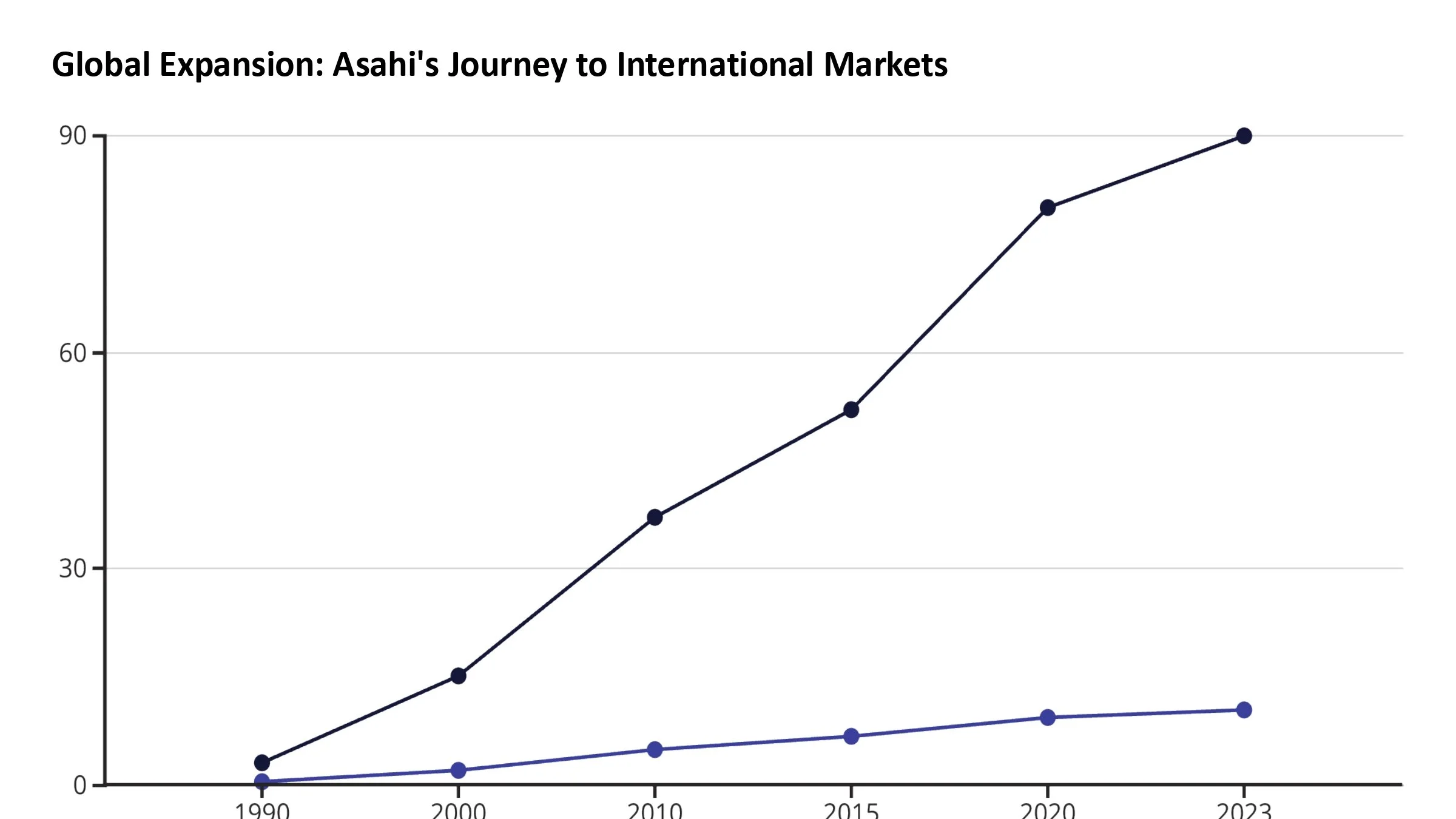
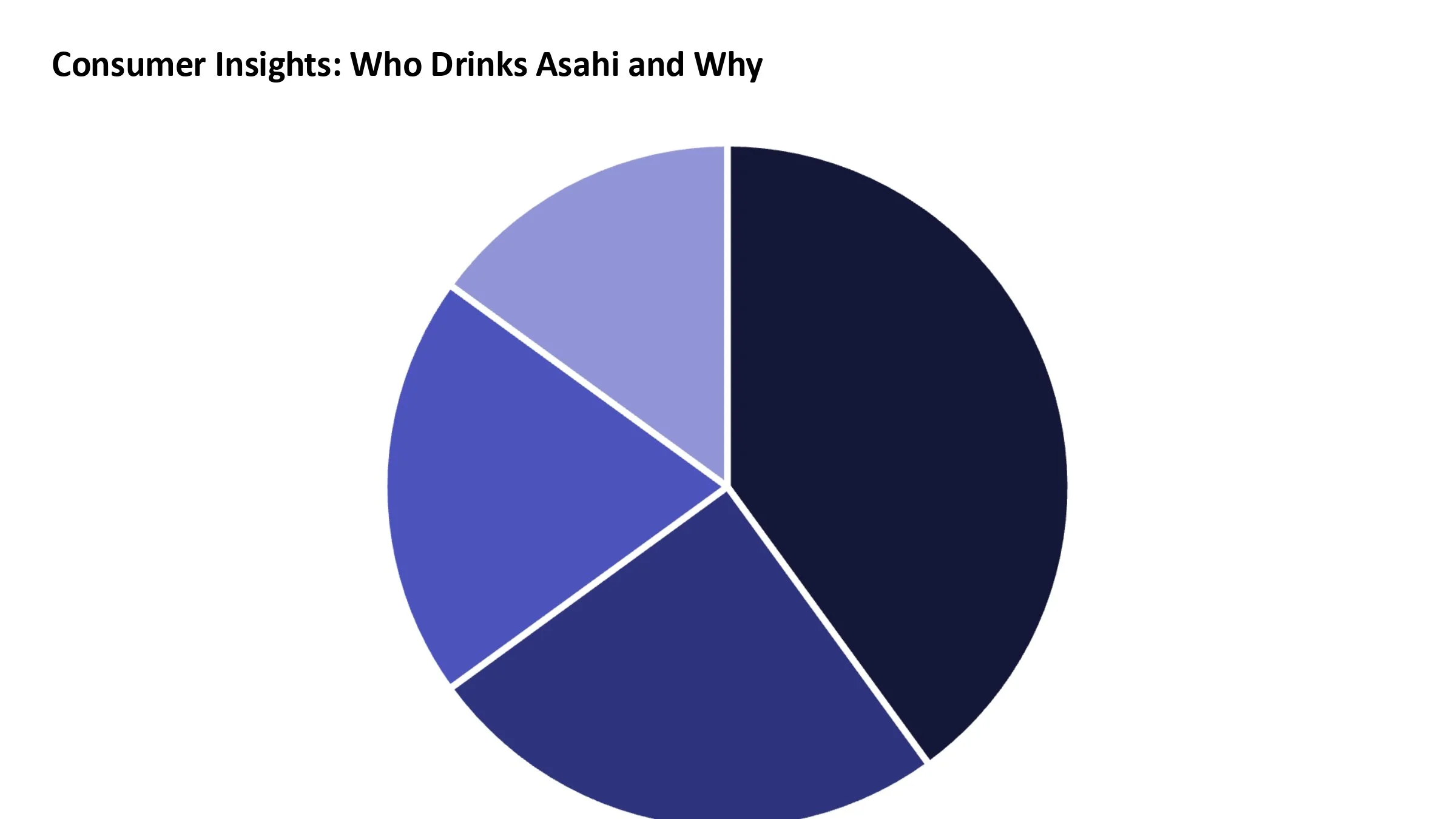
In this captivating presentation, Arvind Bartwal, passionate about people and processes, and known for crafting training experiences that elevate both, takes us on a whirlwind tour through the frothy rise of Asahi. From its roots in Meiji-era Osaka to its reign as a global icon of crisp refreshment and innovation, this isn’t just a corporate timeline. It’s a cultural chronicle, a masterclass in marketing, and a toast to tradition that dared to evolve.
What makes this deck sparkle (besides the Super Dry, of course) is the attention to detail: the poetic origin of the name "Asahi," the dry beer revolution that rewired Japanese drinking habits, and the way a brewery became a lifestyle symbol. There’s something here for business buffs, brand nerds, foodies, and fans of fermentation alike.
So raise a glass, scroll on, and soak up the sunshine behind the rising sun. 🌞🍻






The wedding industry has always been about creating magical, unforgettable experiences, but with technology evolving, hospitality in weddings is now reaching new heights. Today, technology is reshaping the way couples interact with their guests, making celebrations more immersive and efficient. These insights are contributed by Ms. Anjali Tolani, Vice President of Celebrations at Tamarind Global, who highlights how weddings are now entering a new era where tradition meets innovation. Here’s how tech is revolutionizing guest experiences at modern weddings.
1. Smart Invitations
The first touchpoint of any wedding experience begins with the invitation and technology has overtaken even this age-old tradition. Digital wedding invites have become more sophisticated than just an e-card. AI-powered invitations now include personalized RSVP tracking, QR codes that provide real-time updates on venue details, accommodation arrangements and even interactive maps for easy navigation. Some couples are even using chatbots to answer guest queries, eliminating the hassle of back-and-forth coordination. With sustainability at the forefront, tech-driven invitations also reduce paper waste and create a flawless communication channel between the couple and their guests.
2. Live Streaming for Remote Guests
With destination weddings and intimate gatherings becoming more popular, live streaming has been a game-changer for guests who can’t physically attend. High-definition video streaming ensures that loved ones from around the world don’t miss out on the special moments. Weddings now have professionally managed live streams with multiple camera angles, interactive chats and real-time engagement features. Some couples even send pre-event packages to virtual guests, complete with wedding favours and snacks, so they can celebrate from afar while feeling included in the festivities.
3. Augmented Reality (AR) Entertainment
Photo booths have been a wedding staple for years, but now, Augmented Reality (AR) is taking guest entertainment to the next level. Imagine stepping into a photo booth that transports you to the couple’s favorite travel destination or a fairytale-inspired backdrop, all through AR projections! Guests can choose themed filters, add custom animations and instantly share their images on social media. Couples are using AR to create 3D projections of their love story, interactive guest books where attendees can leave video messages and even virtual dance performances that blend real and digital elements. It’s a fun and futuristic way to engage guests while making every moment picture-perfect.
4. Digital Guest Engagement
With social media playing a massive role in modern weddings, couples are now incorporating interactive elements to enhance guest engagement. AI-generated animations that turn guest photos into digital sketches or GIFs are becoming popular wedding mementos. Live social media walls display real-time posts from guests using a unique wedding hashtag, creating a delightful feed of shared memories. Some weddings even feature AI-driven quizzes or games tailored to the couple’s story, making guests feel more connected to the celebration. Beyond social sharing, personalised wedding apps are also seen as a one-stop hub for itineraries, seating charts, special announcements and digital thank-you notes after the event.
5. Smart Venue Transformations
Technology is now an integral part of wedding décor and ambiance. Projection mapping is revolutionising how spaces are transformed, walls and ceilings can shift from serene beach sunsets to celestial galaxies with the flick of a switch. Smart LED lighting allows couples to adjust the mood of the venue in real time, ensuring every moment has the perfect glow. Some weddings are even incorporating temperature control systems that adjust automatically based on guest comfort. This fusion of aesthetics and technology creates a truly immersive atmosphere which will leave your guests in awe.
Technology is an essential part of elevating guest experiences. These innovations are ensuring that guests feel more included, entertained and engaged than ever before. As weddings continue to evolve, the integration of smart solutions will help streamline logistics and make celebrations more interactive and memorable.

About The Author: Anjali Tolani is a seasoned marketing professional with a strong background in pharmaceutical studies and management. She holds a Bachelor's degree in Pharmaceutical Studies from Mumbai University, where she topped her marketing class, and a Master's in Management Studies (MMS) with a Marketing major from SVKM's Narsee Monjee Institute of Management Studies (NMIMS).
With over nine years at Tamarind Global, Anjali currently serves as Vice President – Celebrations at Tamarind Global. In this role, she leads contracting and procurement across India, overseeing hotels, transport, and luxury services. She is instrumental in developing proprietary product lines and itineraries and heads support operations in West and South India. Anjali also represents the organization to domestic and international hotel chains and boutique hotels across India and the subcontinent.

In the bustling world of hospitality, where every interaction is an opportunity to create unforgettable experiences, the pursuit of excellence is not just a goal, but a way of life. At the heart of this ethos lies self-development, a transformative journey that not only enriches individuals but also elevates the entire industry to new heights of success and distinction.
In an industry where the guest experience reigns supreme, investing in self-development is paramount. Hospitality professionals are the face of their establishments, embodying the values and standards that define their brand. By continuously honing their skills and expanding their knowledge base, individuals in the hospitality sector not only enhance their own capabilities but also enhance the quality of service they provide to guests.
One of the most compelling reasons why self-development is crucial in the hospitality industry is its direct impact on guest satisfaction. From front-line staff to managerial roles, every member of the hospitality team plays a pivotal role in shaping the guest experience. By cultivating skills such as communication, problem-solving, and emotional intelligence, individuals can anticipate and exceed guest expectations, fostering loyalty and positive word-of-mouth.
Moreover, in a rapidly evolving industry landscape, staying relevant is essential for long-term success. The hospitality industry is subject to constant change, driven by shifting consumer preferences, technological advancements, and global trends. Those who embrace self-development are better equipped to adapt to these changes, remaining agile and resilient in the face of challenges.
Self-development also empowers individuals to unlock their full potential and pursue career advancement opportunities within the hospitality industry. Whether it's mastering new techniques, acquiring certifications, or pursuing higher education, continuous learning opens doors to new possibilities and positions individuals for success in leadership roles.
Furthermore, in an industry centered around human connection, personal growth not only enhances professional performance but also fosters a culture of teamwork and collaboration. By investing in self-development, organizations cultivate a workforce that is motivated, engaged, and committed to collective success, ultimately driving operational excellence and profitability.
Beyond its tangible benefits, self-development in the hospitality industry fosters a culture of innovation and creativity. By encouraging individuals to explore new ideas and perspectives, organizations can spark innovation that sets them apart in a competitive market. Whether it's designing unique guest experiences or implementing cutting-edge technologies, self-development fuels a culture of innovation that drives industry progress.
In conclusion, self-development is not just a luxury in the hospitality industry; it is an absolute necessity. By prioritizing personal growth and continuous learning, individuals and organizations alike can unlock their full potential, enhance guest satisfaction, and drive innovation. In a world where excellence is the standard, self-development is the key to unlocking limitless possibilities in the dynamic realm of hospitality

In the ever-changing landscape of today’s global economy, hospitality properties have become high-performance, growth-driving, and resilience-building strategic assets. Previously considered peripheral to main sectors, hotels, resorts, branded residences, and experience properties are now the focal points of investment portfolios, city planning, and national development strategies—particularly in the post-pandemic recovery phase.
World travel and tourism are poised to generate $9.5 trillion in output for the global economy in 2025, nearly 9.2% of international GDP—essentially back to where it was at the peak before the pandemic. This sharp rebound has helped stimulate renewed optimism towards hospitality-driven model investment and redisposed the sector as an imperative driver of jobs and infrastructure, a report issued in March of 2025 by the World Travel & Tourism Council (WTTC) predicts.
In India, the branded residence market is expected to expand by 60% by 2027 with 90 new projects lined up in the pipeline according to a January 2025 report by Noesis Capital Advisors. The segment is expected to double globally by 2031, reflecting a shift in demand towards lifestyle real estate supported by hotel-standard services and international brands.
Additionally, hospitality properties are now being created as part of mixed-use environments that provide long-term sustainability. Metropolises such as Dubai, Singapore, and Mumbai are experiencing a trend of integrated developments where hotels form the foundation of larger urban structures integrating residential, retail, and entertainment areas. This concept is not tourism-focused—it’s about building urban hubs that bring capital and culture.
The investment returns are just as strong. In their peak markets, branded hospitality developments receive 30–70% premiums on non-branded alternatives. According to a report by Finance Middle East in April 2025, Dubai alone is leading the world with more than 140 branded residence schemes, evincing investor demand for hospitality-backed property.
The industry also generates direct and indirect jobs. For every $1 million in hospitality facilities invested, approximately 15–20 jobs are created, covering construction, design, logistics, operations, and services. The chain reaction renders hospitality a vital element of inclusive economic growth. In addition, new hospitality developments are coming in line with ESG objectives—embedding sustainability in operations, digital guest experiences, and renewable energy infrastructure, thus enhancing their attractiveness to institutional investors.
Overall, hospitality assets are no longer rooms and reservations. They are the convergence of real estate, experience, technology, and international mobility. Nations which adopt hospitality-led development are investing in long-term economic resilience—driving tourism, city innovation, employment, and international competitiveness all at once.

Manmeet Singh, General Manager, Novotel Guwahati
Northeast India is no longer just an emerging destination; it has established itself as a formidable player in the national travel landscape. With its breath-taking landscapes, rich indigenous cultures, and unparalleled hospitality, the region has always captivated travellers. Now, as Agoda ranks Guwahati as India’s fastest-growing tourist destination and Sky scanner’s Travel Trends Report places Shillong above Baku as the most sought-after destination for Indian travellers in 2025, the world is taking notice.
However, with this surge in interest comes the challenge of meeting the evolving expectations of modern travellers. Today’s hospitality is no longer about offering a place to stay—it is about crafting an experience that lingers far beyond checkout.
The experiential travel market in India is projected to grow at a remarkable CAGR of 17.4% between 2023 and 2030 (Future Market Insights). This shift necessitates that hotels evolve from being mere accommodation providers to becoming curators of immersive experiences. The concept of staycations is redefining hospitality, where the stay itself becomes the highlight. A retreat in the hills must offer more than just a scenic view—it must immerse guests in local flavours, indigenous crafts, and cultural traditions that reflect the soul of the region. A hotel by the Brahmaputra should not just provide a riverside stay but curate experiences such as heritage tea tastings, serene river cruises, or live performances by regional artists.
As consumer preferences shift, the hospitality industry must transition from offering stays to delivering transformative experiences. Events, too, are no longer just gatherings but curated experiences. The global MICE (Meetings, Incentives, Conferences, and Exhibitions) industry is projected to reach $1.7 trillion by 2032 (Allied Market Research, 2023), driven by an increasing demand for immersive corporate and social experiences. Corporate retreats are expanding beyond traditional boardrooms to incorporate adventure, wellness, and cultural engagement. Even a weekend getaway presents an opportunity for storytelling evenings with local folk artists, guided forest walks, or culinary journeys exploring forgotten regional recipes—experiences that are particularly relevant in a culturally rich region like Northeast India.
Sustainability is no longer an option but a defining principle of responsible tourism. The sustainable tourism market is expected to exceed $450 billion by 2032 (Future Market Insights, 2023), with 67% of travellers preferring hotels that integrate eco-friendly practices (Skift Research, 2023). The future belongs to hotels that seamlessly weave sustainability, community, and culture into their operations. Structures incorporating traditional bamboo architecture, farm-to-table dining experiences, and tourism that nurtures rather than disrupts are the way forward. True hospitality now means fostering an ecosystem that supports local communities and preserves the environment while delivering authentic guest experiences.
Technology, while transformative, should serve as an enhancer rather than a replacement for genuine hospitality. The global smart hospitality market is forecasted to reach $58.1 billion by 2032 (Statista, 2024), emphasizing the growing role of digital innovation. Smart rooms, seamless digital check-ins, and AI-driven personalization can certainly elevate convenience, but the essence of Indian hospitality lies in human connection. A guest should not only feel accommodated but truly understood and valued.
As these transformative shifts take hold, Northeast India’s hospitality sector is poised for an exciting future. With global travellers turning their attention to the region, hotels are setting new benchmarks—introducing weekend staycations, festival-themed experiences, curated culinary adventures, and even sustainable infrastructure such as EV charging stations. This is not just an evolution; it is a revolution. Hotels that embrace experiential travel are redefining luxury while positioning Northeast India as a global leader in immersive and sustainable tourism.
everything hospitality
only hospitality
Where the hills slow you down and hospitality invites you to stay a little longer.
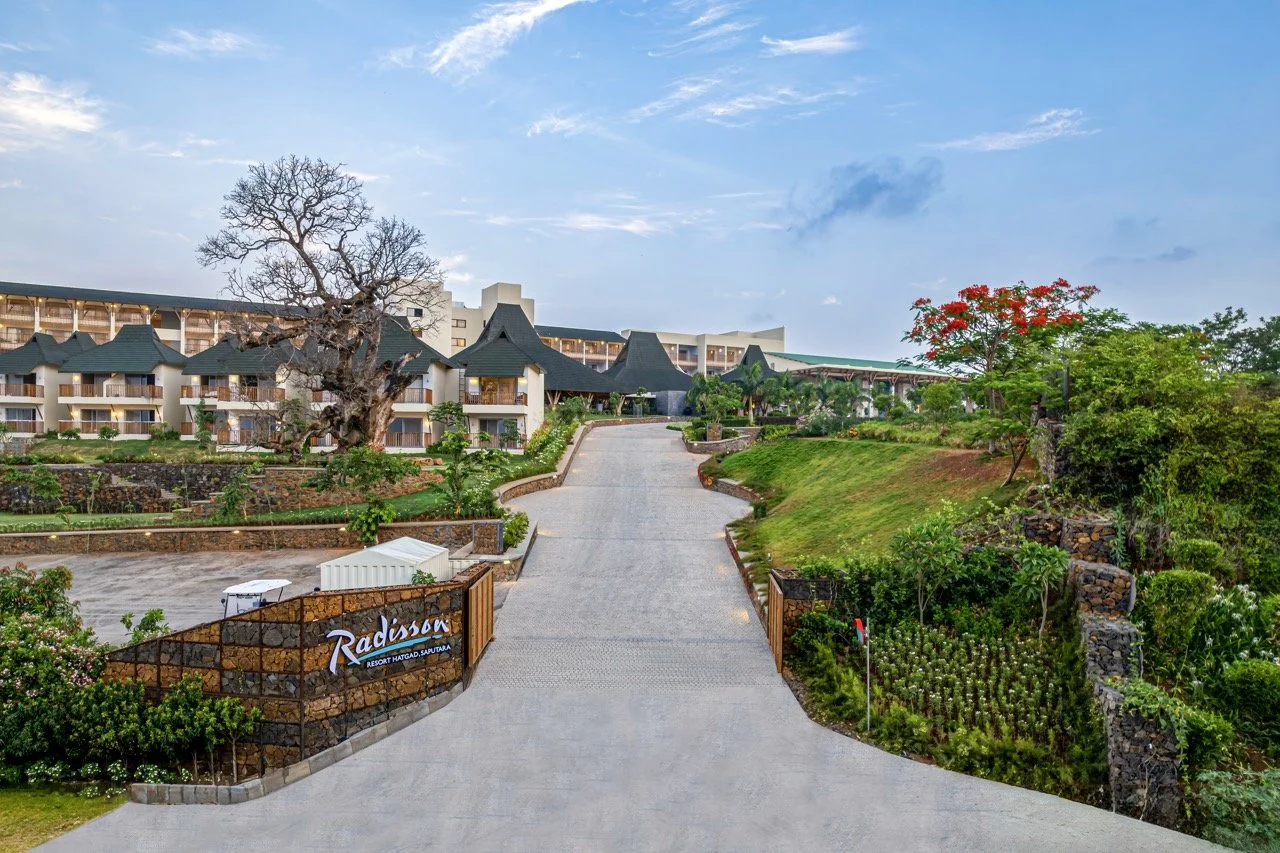
Set against the misty landscapes of Hatgad, just beyond Saputara, this feature explores a resort that is as much about place as it is about property. From mountain-facing rooms and expansive wellness experiences to its distinctive all-vegetarian culinary philosophy, the story examines how Radisson Resort Hatgad Saputara blends contemporary luxury with the quiet rhythm of the Western Ghats. More than a getaway, it is a study in how nature, design, and thoughtful hospitality come together to create a destination that feels both restorative and memorable.
Revel isn’t selling trips, it’s designing life-changing stories.- Mr Sahil Wahid