The Hotel General Manager in 2030
/The Hotel General Manager in 2030
Read MoreThe Hotel General Manager in 2030
Read More
Some stories start with a visit. This one started with a message.
When Vanilla Beans reached out to share their new mango collection, it came with a simple promise: Alphonso mangoes, treated with care, and desserts built around them. We asked if we could try it. They said yes. And somewhere between the first slice and the last bite, this turned into something we knew we had to share.
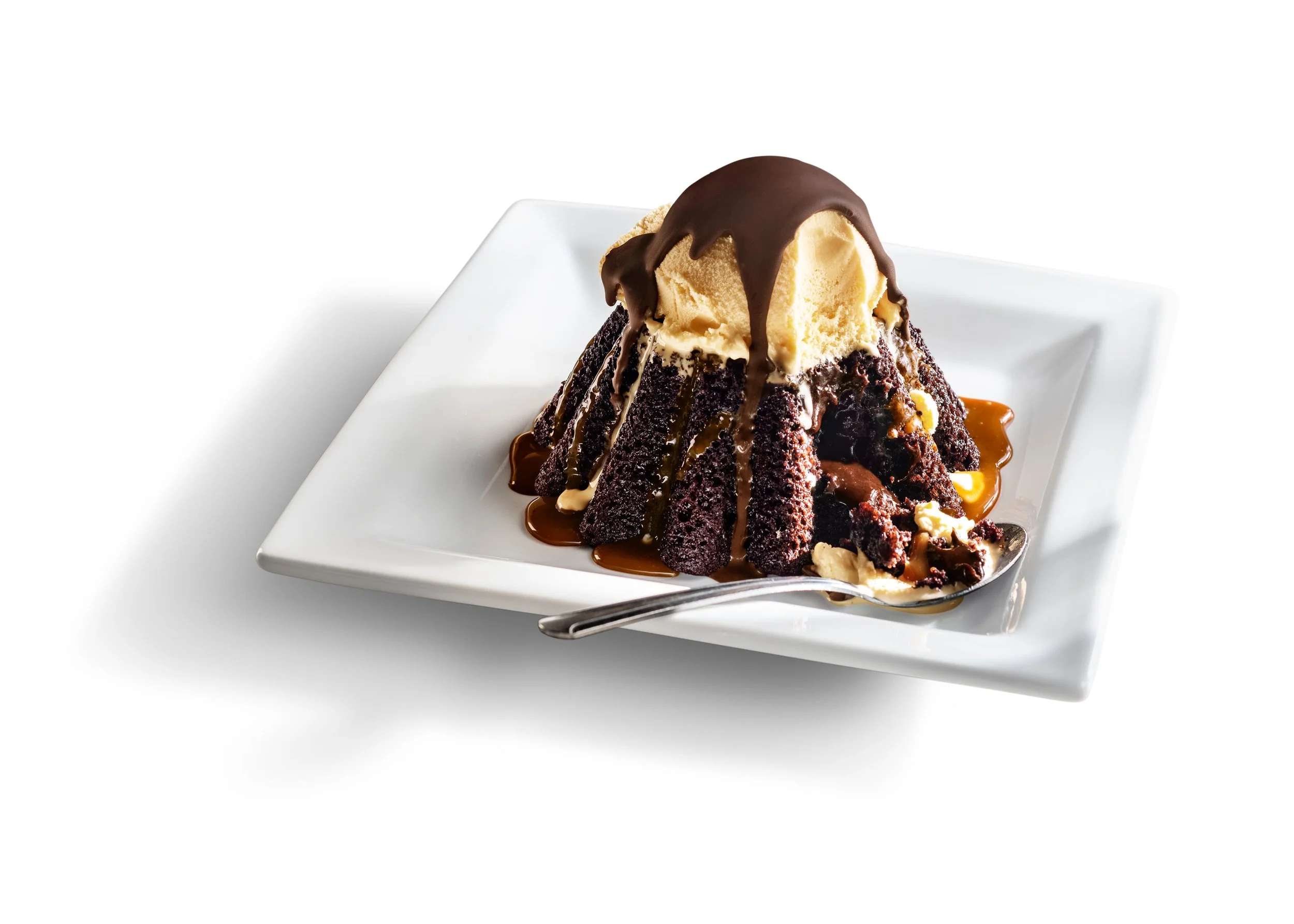
There’s something deeply nostalgic about a mango dessert done right, and this one gets it. Visually, it arrives like summer on a plate—bright mango layered generously over soft, cloud-like cream, the kind of thing you pause for a second before cutting into.
Then comes the first bite.
The texture is what lands first—soft, light, and fresh without trying too hard. It doesn’t lean on heaviness or overload you with sweetness. Instead, it steps back just enough to let the mango do what it does best. And here, it’s all about the aamras—rich, fragrant, and unmistakably Alphonso. It runs through the cheesecake in thick, generous layers, so every bite carries that sweet, sun-ripened depth.
The base brings in a quiet contrast—buttery, slightly crumbly, grounding all that silkiness above it. And the cream cheese layer sits right in the middle of it all, adding just enough tang to keep things from tipping into excess.
The cream, as always, plays it smart. Light, smooth, and balanced, it complements rather than competes. Nothing feels heavy. Nothing feels overdone. It’s indulgent, yes—but in a way that still feels clean and easy to go back to.
For something built around nostalgia, this feels considered. Not overworked. Not overthought. Just well made.
From the brand’s side, that intent is clear.
“The Aamras Mango Cheesecake is everything we believe a mango dessert should be — honest, unhurried, and completely uncompromising. We start with a buttery, biscuity base that gives way to a silky cheesecake layered with thick, aromatic aamras made from handpicked Alphonso mangoes — slow-cooked the way it’s done at home, no essence, no shortcuts. And then the finish: fresh mango cut into a flowering design on top, because something this beautiful deserves to be seen before it’s savoured. It’s our way of saying that when the ingredient is this good, it deserves reverence, not reinvention.”
— Rohit Desai, Co-Founder
Founded by Deepa and Rohit Desai, Vanilla Beans has built a quiet following in Bandra for cakes that lean into balance and texture rather than excess. This seasonal mango collection feels like a natural extension of that approach—letting Alphonso take centre stage, without overcomplicating what people already love about it.
This one’s available for a limited time, and honestly, it’s the kind of thing you don’t overthink.
If you’re ordering, start here.
Location: Bandra West, Mumbai
Availability: Seasonal
Order here: https://orders.vanillabeanscakes.com
P.S. While we had The Aamras Mango Cheesecake, here are some other goodies they tell us to keep an eye on:

Mango Fresh Cream Cake

Mango Cheesecake

Aamrasmalai Cake

Mango fresh cream cake X vanila bear
Tried & Tasted is our series on things we’ve actually experienced and would go back for. Got something you think we should try? Send it our way—we’re always up for the next great bite.
At Kaner Retreat in Rajasthan’s Thar Desert, a new experience pairs the Thar Desert Pottery Project with a seven-course, five-elements meal by Chef Pankaj Sharma. Rooted in Panchmahabhuta and the desert’s Jajmani traditions, the journey moves from clay vessels to communal dining, celebrating locally sourced ingredients, sun-dried produce, and the elemental beauty of earth, air, fire, water, and space.
Read MoreBefore a guest reaches your website, an AI system may already have formed an opinion about your business.
Read MoreWe trained a team to perfection. We scripted every sequence. The opening night was flawless. Six weeks later, we were losing guests — and no one could explain why. This is the story of what we had actually built, and what it took to undo it.
Read MoreCelebrate Ravioli Day 2026 with a deep dive into the 'designer pockets' of hospitality. Discover the history, operational perks, and future tech of this F&B MVP.
Read MoreJoin us as we celebrate National Potato Chip Day! Discover the crunchy history, global flavors, and why this humble snack remains a hospitality superstar in 2026.
Read MoreToday is March 10th, and here at hospemag, we are officially celebrating Paneer Day. 🥂
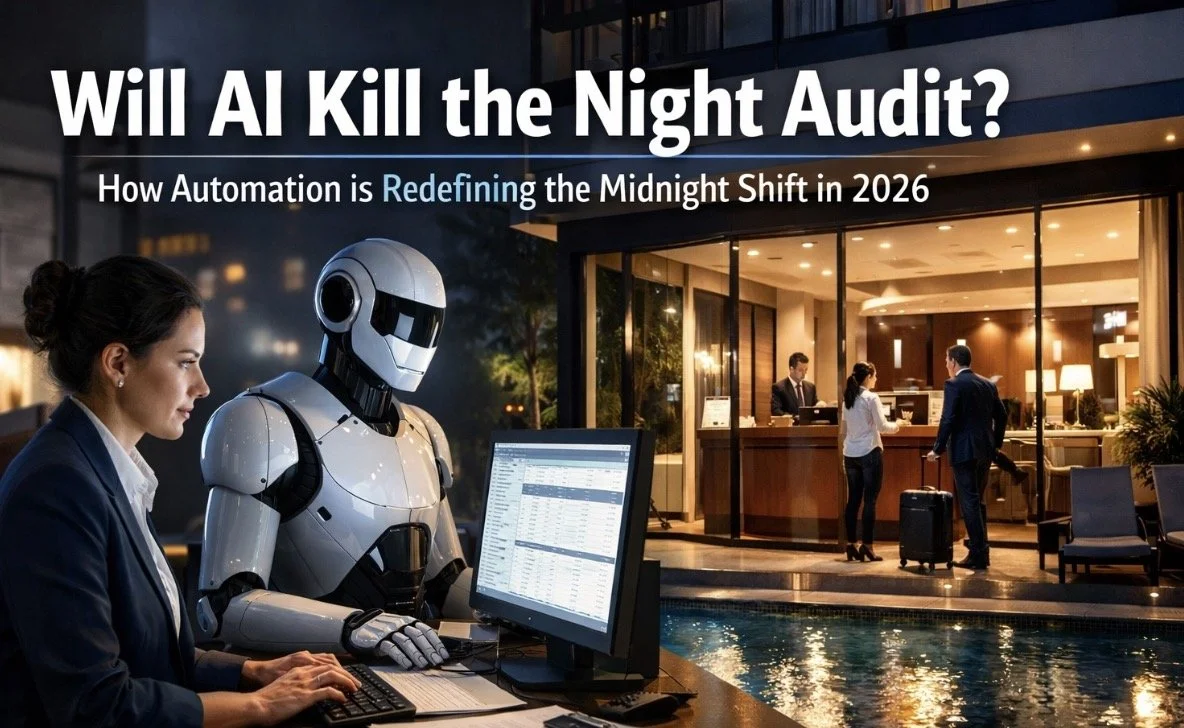
Read MoreFor decades, the lobby at 2:00 AM has been the domain of the night auditor: the lone sentinel balancing ledgers while the world sleeps. But as we step into 2026, the mountain of paper receipts is gone. The frantic search for a missing ₹500 transaction is now handled by an algorithm in milliseconds. At hospemag, the big question is: Is AI going to kill the night audit?
Read MoreForget the crowbar; the modern hotel burglar only needs a laptop and a seat in your lobby. As cyber threats evolve, your Wi-Fi network has become the new frontline of loss prevention. From RFID lock vulnerabilities to man-in-the-middle attacks, learn why the "Digital Deadbolt" is your most critical security investment in 2026. This is why a laptop in the lobby is the new open window.
Read MoreMeta search is no longer optional in 2026. Discover why Google Hotel Ads and AI-driven booking are reshaping direct revenue strategies for hotels.
Read MoreIn a world where business travelers usually talk about location, brand, or service standards, Courtyard Navi Mumbai stands out for the rarest reason of all: the people who make hospitality feel alive.
Read More
Radisson Hotel Group is proud to announce its first two hotels to achieve Verified Net Zero status, achieving 2040 requirements of the Net Zero Methodology for Hotels today. The properties in Oslo and Manchester are taking steps to eliminate Scope 1 & 2 emissions, significantly reduce Scope 3 emissions, aligned with the GHG protocol, and remove the remaining footprint with Nature Based Solutions. The achievement is unique, as the alignment with the Net Zero Methodology for Hotels is verified by a third party, TÜV Rheinland.
With the launch of two Verified Net Zero Hotels, Radisson Hotel Group is setting the gold standard for sustainable hospitality. The existing Park Inn by Radisson Manchester City Centre is renovated to Radisson Hotel Manchester City Centre, A Verified Net Zero Hotel, completing its transition on 19 th May 2025. The current Park Inn by Radisson Oslo City Centre will be renovated to Radisson RED Oslo City Centre, A Verified Net Zero Hotel, and will be in operation as of the beginning of July 2025.
All remaining emissions are compensated using Nature Based carbon credits from carbon removal in partnership with Agreena, the largest soil carbon program in Europe, supporting over 2,300 farmers to regenerate more than 4.5 million hectares of European farmland.
“Radisson Hotel Group aims to become Net Zero by 2050. While the move is easier in new build properties, the reality is that 80% of the buildings that need to become Net Zero by 2050 are already built. We believe it is critical to move as fast as possible with these existing buildings. Today, we are demonstrating that Net Zero conversion hotels are possible. In a conversion approach, the Manchester and Oslo hotels prove that non-sustainable hotels can become high performing asset classes with a positive impact on the planet. This approach needs to be serious and verified. And we are doing so with TÜV Rheinland. These Verified Net Zero hotels bring the future forward and offer guests the pinnacle of sustainable stays.” commented Federico J. González, Executive Vice Chairman at Radisson Hotel Group.
The Radisson Hotel Manchester City Centre, A Verified Net Zero Hotel, has installed heat pumps to generate hot water. Together with a fully electrified kitchen using induction cooking, the hotel is entirely eliminating gas use. Because the hotel buys 100% renewable electricity, none of the electricity used at the hotel comes from fossil fuels.
The Radisson RED Oslo City Centre, A Verified Net Zero Hotel, is powered by a combination of renewable electricity and heating provided by the city. Oslo is one of the few cities in Europe to use fully renewable energy for its district heating by using renewable heat generated from multiple sources such as city waste treatment, or data centers.
Radisson Hotel Group partnered with Klimato – a specialized partner from Sweden – to develop low-carbon menus by analyzing the entire food offering for in-room dining menus, M&E menus and the breakfast buffet, curating recipes to lower their overall carbon footprint. Guests are informed by clear labels, ranking recipes’ carbon footprints from A (best) to E (worst). Menus focus on fresh, seasonal ingredients while reducing recipe carbon footprints up to 40%, without compromising on taste.
New measures are in place to minimize waste based on the Reduce, Reuse, Recycle principles. Guests can rest assured a maximum of the waste will be avoided or recycled, and none of the waste goes to landfill. To enhance recycling and minimize waste, Verified Net Zero hotels:
Use kitchen food waste management software – eSmiley – which tracks the weight of food leftovers on plates when they return to the kitchen, updating menu portions and ingredients to minimize waste
Offer unused ingredients on the social innovation platform Too Good to Go – providing the community with tasty affordable meals avoiding readymade meals going to waste
Recycle coffee pods in partnership with Nespresso
Provide glass water bottles in guest and conference rooms, as opposed to PET plastic
Offer recycling bins in all guestrooms and main public areas including the lobby and conference rooms
Conduct waste audits to ensure high accuracy of recycling throughout the hotel
Reduce paper use with the Stay E-concierge app which displays hotel bookable services, and provide online check-in, check-out, and e-invoicing
Use 100% bulk bathroom amenities and recycle the packaging with Clean the World
Adopt plastic free dry amenities and implement a program to minimize wastage of accessory amenities
Regarding the announcement, Inge Huijbrechts, Chief Sustainability & Security Officer at Radisson Hotel Group, said, “With the opening of our first two Verified Net Zero hotels, Radisson Hotel Group demonstrates its commitment to Net Zero 2050, and to showcasing truly sustainable hospitality. For the first time, we focus on reducing emissions from energy, operations and the supply chain. As we face the evolving challenge of climate change, Radisson Hotel Group is taking an essential step in reshaping the future of hospitality, one Verified Net Zero hotel at a time.”

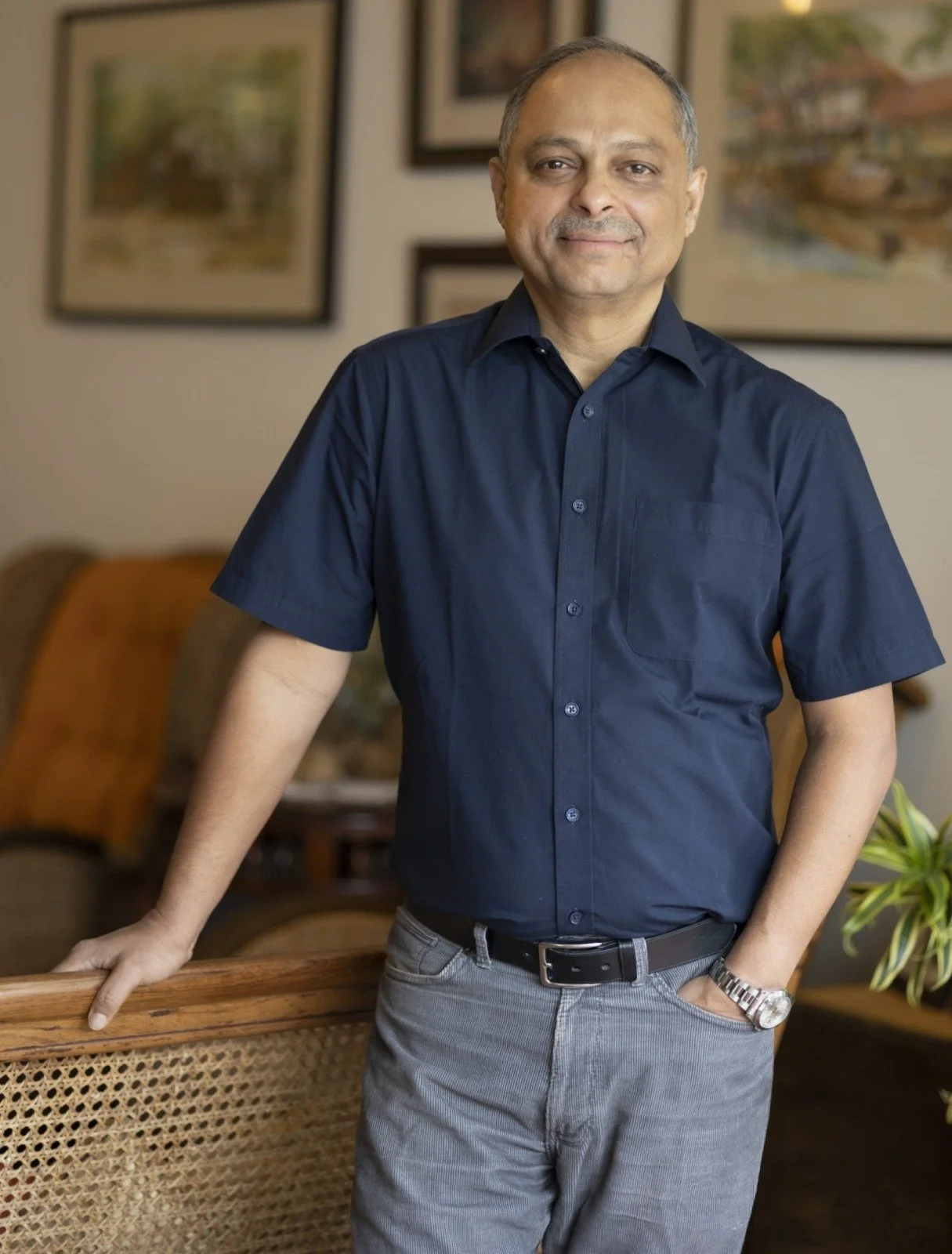
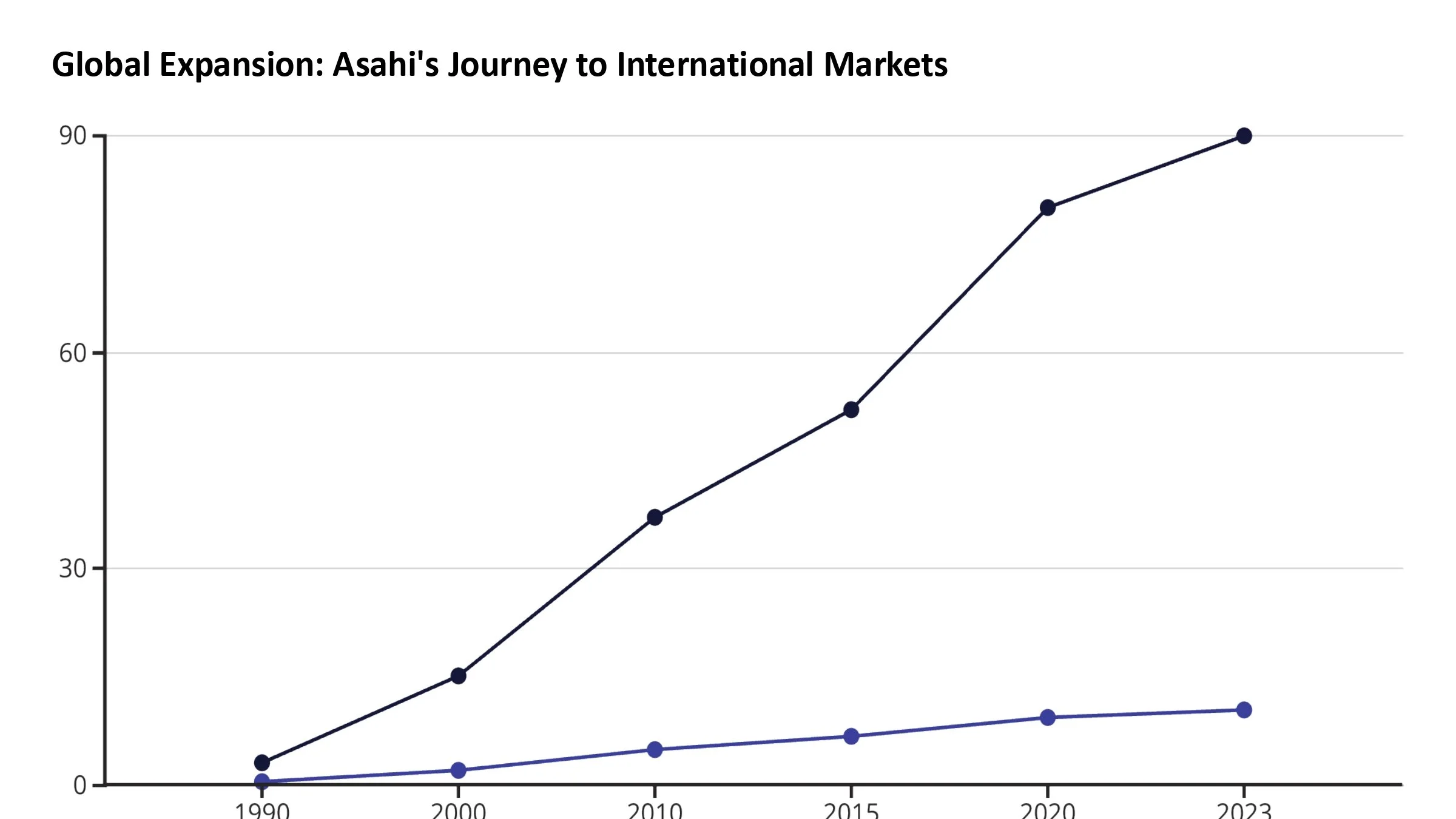
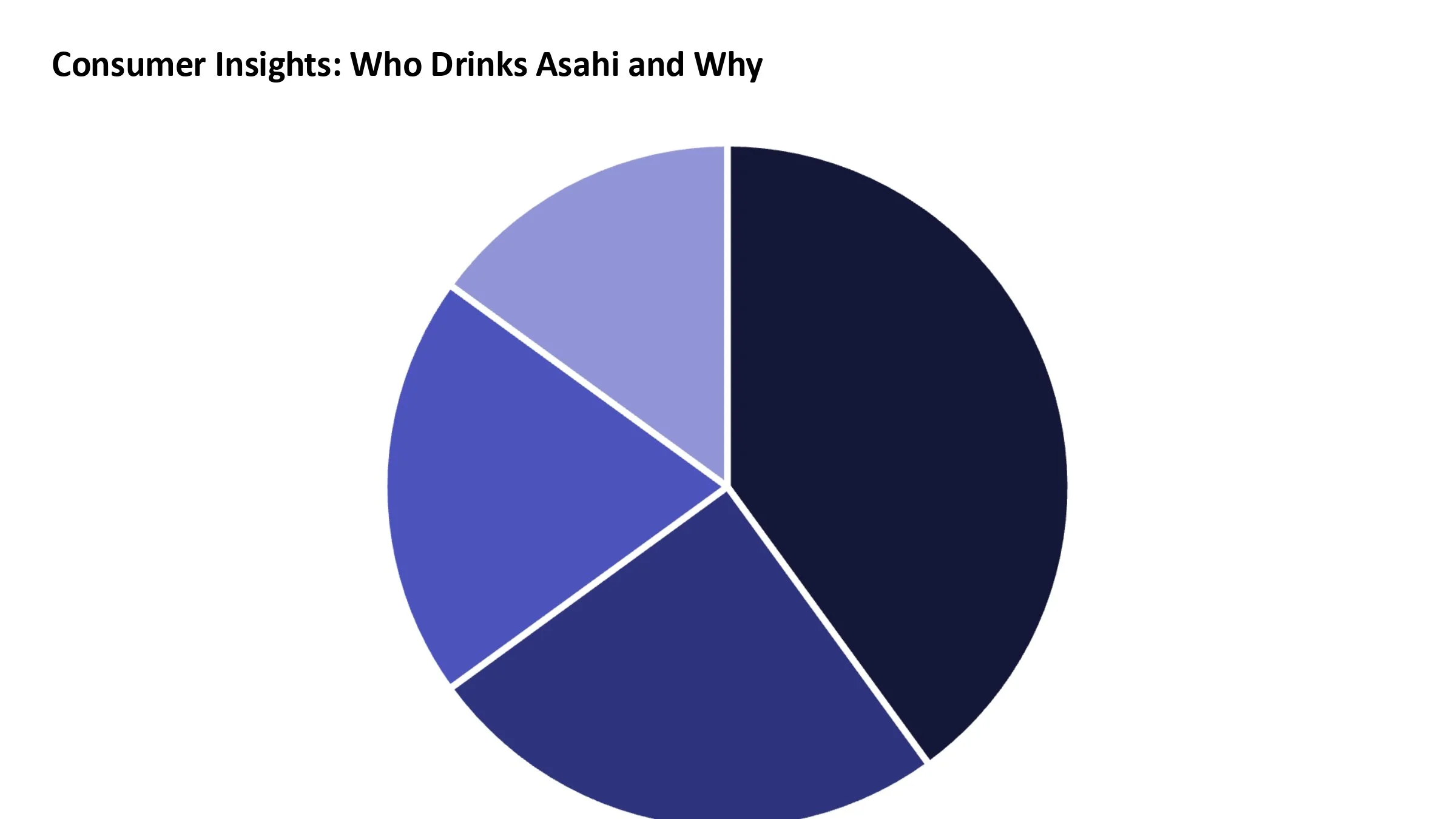
In this captivating presentation, Arvind Bartwal, passionate about people and processes, and known for crafting training experiences that elevate both, takes us on a whirlwind tour through the frothy rise of Asahi. From its roots in Meiji-era Osaka to its reign as a global icon of crisp refreshment and innovation, this isn’t just a corporate timeline. It’s a cultural chronicle, a masterclass in marketing, and a toast to tradition that dared to evolve.
What makes this deck sparkle (besides the Super Dry, of course) is the attention to detail: the poetic origin of the name "Asahi," the dry beer revolution that rewired Japanese drinking habits, and the way a brewery became a lifestyle symbol. There’s something here for business buffs, brand nerds, foodies, and fans of fermentation alike.
So raise a glass, scroll on, and soak up the sunshine behind the rising sun. 🌞🍻






In the bustling world of hospitality, where every interaction is an opportunity to create unforgettable experiences, the pursuit of excellence is not just a goal, but a way of life. At the heart of this ethos lies self-development, a transformative journey that not only enriches individuals but also elevates the entire industry to new heights of success and distinction.
In an industry where the guest experience reigns supreme, investing in self-development is paramount. Hospitality professionals are the face of their establishments, embodying the values and standards that define their brand. By continuously honing their skills and expanding their knowledge base, individuals in the hospitality sector not only enhance their own capabilities but also enhance the quality of service they provide to guests.
One of the most compelling reasons why self-development is crucial in the hospitality industry is its direct impact on guest satisfaction. From front-line staff to managerial roles, every member of the hospitality team plays a pivotal role in shaping the guest experience. By cultivating skills such as communication, problem-solving, and emotional intelligence, individuals can anticipate and exceed guest expectations, fostering loyalty and positive word-of-mouth.
Moreover, in a rapidly evolving industry landscape, staying relevant is essential for long-term success. The hospitality industry is subject to constant change, driven by shifting consumer preferences, technological advancements, and global trends. Those who embrace self-development are better equipped to adapt to these changes, remaining agile and resilient in the face of challenges.
Self-development also empowers individuals to unlock their full potential and pursue career advancement opportunities within the hospitality industry. Whether it's mastering new techniques, acquiring certifications, or pursuing higher education, continuous learning opens doors to new possibilities and positions individuals for success in leadership roles.
Furthermore, in an industry centered around human connection, personal growth not only enhances professional performance but also fosters a culture of teamwork and collaboration. By investing in self-development, organizations cultivate a workforce that is motivated, engaged, and committed to collective success, ultimately driving operational excellence and profitability.
Beyond its tangible benefits, self-development in the hospitality industry fosters a culture of innovation and creativity. By encouraging individuals to explore new ideas and perspectives, organizations can spark innovation that sets them apart in a competitive market. Whether it's designing unique guest experiences or implementing cutting-edge technologies, self-development fuels a culture of innovation that drives industry progress.
In conclusion, self-development is not just a luxury in the hospitality industry; it is an absolute necessity. By prioritizing personal growth and continuous learning, individuals and organizations alike can unlock their full potential, enhance guest satisfaction, and drive innovation. In a world where excellence is the standard, self-development is the key to unlocking limitless possibilities in the dynamic realm of hospitality
When they were first introduced, metasearch channels quickly became an important part of travelers’ online shopping habits, as they were a way of getting an ordered overview of the endless shopping options available online. Growing rapidly in popularity during the 2010s, an industry report in 2017 showed that “nearly half of U.S. travelers used metasearch platforms for flight and hotel bookings;” that same year, another showed that “metasearch engines had become a dominant marketing channel, surpassing investments in traditional ads.”
That initial success did not last. An industry report showed that “metasearch's share of travel traffic decreased from 22% in 2017 to 17% by 2020”, as it was no longer the most reliable or efficient way for travelers to find the best price on travel bookings – a trend that continues today.
But is the value proposition of metasearch dead or is it simply the original business model that failed?
To get to the bottom of this question, let’s look at the key commercial and consumer issues at play.
Ad-Based Revenue Model
The advertising-based, cost-per-click (CPC) revenue model is fundamental for traditional metasearch sites. The sites earn revenue whenever a traveler clicks off the metasearch engine to visit an OTA or hotel site, regardless of whether the traveler books the stay. Because advertisers & hotels are ranked in the search results primarily based on their CPC bids (rather than on price), travelers are often not shown the best rates; rather, they are shown the rates that will earn the metasearch site more revenue.
This leads to higher prices being offered through the metasearch channels, helping sponsor higher bids, while customers click off the site quickly in search of better prices.
Another key problem that dilutes metasearch’s value proposition is the fact that Booking and Expedia are better able to navigate the CPC revenue model than smaller OTAs or direct booking sites. The result is that more than 3/4 of the revenue for many top metasearch channels comes from Booking and Expedia.
The value of metasearch engines is diminished because the OTAs’ public rates offered via metasearch are often higher than if the traveler searched directly, as a member of either OTAs loyalty program or on their apps, where cheaper rates are more likely to be offered.
Better prices from other sources are even harder to come by. An auction forcing high CPCs leads all hotels to raise the room rates offered through the metasearch channels – again, undercutting the value offered by the channels as they are not giving travelers access to the best rates.
As such, the business model of running multiple ads using ‘price comparison’ alone does not align well with the goal of the traveler – finding a great hotel with good value – nor the advertiser – to secure bookings with as low a cost of acquisition as possible – making traditional metasearch channels a lose/lose for both.
Simple Price Comparison Marketplaces
Booking a hotel is a subjective choice that requires research to get right. For travelers, price is one of the top criteria in their hotel selections, but it is not the only factor. Metasearch’s core functionality enables travelers to do a quick price comparison on the search results page and they must click through to the OTA or hotel site to get additional information about the room options, including:
Room Images - Is it recently renovated? Does it look comfortable and clean? Is it well laid out for my needs?
Payment Questions - Do I need to pay upfront, or can I pay later? Does the hotel support Apple Pay?
Customer Support Questions - Does the hotel offer support in my language or currency?
Detailed Reviews - How are the amenities? What have other travelers like me said about their stay?
In addition, the large metasearch channels do not find the cheapest prices and/or do not highlight them for travelers because they are largely offering ‘public’ rates, which are often limited by price parity agreements. Even when an OTA or hotel site offers a cheaper price than the rest, it must first meet the metasearch auction CPC price to be featured high enough in the search results where a customer would actually find and click on it.
In short, traditional metasearch offers travelers a ‘click and go’ experience that is not comprehensive enough to enable customers to complete their search or finalize a booking on the sites.
Lack of Customer Retention
Travelers’ online habits have evolved in the past years. This has led OTAs to invest in the growth of their apps and loyalty programs to convince users to begin their search on the OTA (rather than on metasearch). By offering better rates to members and customers using their apps, the OTAs have been able to retain users much more effectively.
Conversely, the traditional metasearch channels offer users no incentive to install their app or sign up to become members of their sites for two reasons:
Their CPC revenue model financially disincentivizes them to do so because, instead of clicking on a paid ad, the sign-in process adds friction, leading to fewer revenue-generating ad clicks.
If users do sign in, the auction dynamics changes, and they may see better prices. Again, this is counterproductive to traditional metasearch channels’ revenue model as higher bids would be less likely to win the click, leading to fewer clicks and lower revenue per click.
As such, the metasearch channels’ cost of acquisition must be repaid within the session (hence the CPC revenue model), while an OTA can repay its cost of acquisition across the lifetime of the user.
Now, we get to the most important part… with all these innate problems, how can metasearch sites still provide value for both travelers and hotels?
Here’s the truth: traditional metasearch channels are dying, but that doesn’t mean that the utility of an effective price comparison tool is no longer valuable, both to travelers and hotels.
That being said, to be successful today, metasearch channels must expand beyond simple price comparison to offer sophisticated OTA functionality, which addresses the diverse needs of today’s travelers and enhances the overall booking experience.
A Customer-Centric Approach
Finding the best hotel at the best value is the end goal of travelers using metasearch sites; as such, to be successful these hybrid booking channels must adopt the same as their product goal to create a win-win business model.
The best way to do that is to change from an ad-based CPC model – which doesn’t benefit travelers or hotels – and adopt a robust customer-centric strategy using a cost-per-action revenue model based on booking conversions. Given that lower prices convert more often, they are more likely to show higher in the search results, incentivizing hotels to offer better deals.
Integrated OTA Functionality
Like a traditional OTA, this hybrid metasearch model must include comprehensive information about the various accommodation options to empower users in their decision-making process. A traveler can take their time, browsing through room images, understanding each offer’s cancellation terms, filtering reviews, etc. They can stay on-site to book through the internal OTA or go elsewhere.
At the same time, innovative OTA functionality – such as price freezes enabling travelers to take their time deciding on the best hotel, price alerts, membership incentives, incentives to download the app, etc. – are valuable tools to maximize customer retention and the customer value.

Screenshot from AtHotel which is an OTA that uses price comparison across its product
Transparency & Personalization
When the transparency that is fundamental to the metasearch model is combined with OTA functionality, conversion and retention rates increase because travelers know they are getting a good deal and appreciate that they don’t need to visit multiple sites to compare prices. We now see OTAs adopting the same strategies, turning their search results or hotel pages into transparent offerings. When they can offer the best price, they rank on top; when they can’t, they tell the customer where they should go to get a better deal, rather than accepting a low conversion outcome and unsatisfied customers.
To become successful, metasearch sites must evolve to a traveler-focused, CPA-based revenue model, which includes both price comparison and OTA functionality to maximize price and product transparency, increasing their value proposition for all audiences. By making these changes, metasearch sites can once again become a trusted booking channel for travelers and firmly re-establish themselves as a sustainable and profitable marketplace for hotels.
So, the bottom line is clear: metasearch isn’t dead; it just needs to be reimagined.
About Vio.com
Vio.com is a hotel booking site trusted by 100 million users each year to find better value on every stay, with savings of up to 45%. The company discovers exclusive accommodation deals and compares prices across top travel sites, so travelers can book the best room with confidence. The company's exceptional customer support team is available 24/7, which is reflected in their rating on Trustpilot and rapid growth.
The hospitality industry is at a turning point. The question is no longer "Will AI take my job?" but "Am I evolving fast enough to keep up?" This is not a threat. It is a career revolution.
Read MoreFor years, corporate events were synonymous with endless PowerPoint slides in dimly lit conference halls and passive audiences nodding along to scripted speeches. But the landscape of Meetings, Incentives, Conferences, and Exhibitions (MICE) is rapidly changing.
The future is no longer about one-way presentations, but more of a two-way stream of communication that leaves a lasting impression.
According to Mr. Ramanpreet Singh, Vice President of Growth & Strategy, SKIL,
“Technology is revolutionising how MICE events are structured. Attendees today expect more than just knowledge transfer and seek interaction, engagement and a connection to the experience. The future of MICE is about moving beyond the ordinary and creating events that are digitally, physically and emotionally stimulating.”
So, how exactly is the MICE industry transforming? Let’s have a look.
From Passive Spectators to Active Participants
Two decades ago, PowerPoint was the backbone of corporate presentations. Today, it feels outdated in an era where attention spans are shrinking and audiences crave engagement. Events are less about listening and more about participation.
Take Salesforce’s Dreamforce, one of the largest business conferences globally. Instead of conventional presentations, the event integrates gamification, interactive workshops and AI-powered networking tools. Attendees earn rewards for participating in activities, solving business challenges and networking through AI-matched meetups. This participatory approach has made Dreamforce a global benchmark for experiential business events.
Another standout example is Cisco’s Live Conferences, where breakout sessions incorporate virtual reality (VR) simulations, allowing IT professionals to troubleshoot networking issues in a real-world setup. Such experiential learning enhances information retention and creates memorable experiences beyond the lecture format.
The Rise of Experiential Conferences
Attendees no longer want to sit through long, monotonous talks. They crave events that catch their attention from the get-go. That’s why forward-thinking companies are integrating storytelling, sensory engagement and unconventional settings into their conferences.
For instance, TED Conferences have redefined knowledge-sharing. Instead of dry presentations, TED speakers use storytelling, multimedia and stage design to captivate audiences. Likewise, Airbnb’s annual conference for hosts makes use of workshops inside custom-built “Airbnb Homes,” that showcase real-world applications instead of static slides.
Companies must rethink event formats to drive deeper connections. A Swiss corporate retreat even replaced traditional seminars with “Forest Walks for Leadership,” where executives engage in fireside discussions outdoors, reinforcing mindfulness and creative thinking.
AI and Hyper-Personalization
The future of MICE is hyper-personalised, driven by Artificial Intelligence. AI can analyze attendee preferences and recommend personalised sessions, networking opportunities and content based on real-time data.
At Web Summit, one of the world’s largest tech conferences, AI-powered matchmaking connects attendees with like-minded professionals, ensuring valuable interactions. Similarly, Google’s marketing summits use AI-generated content suggestions for attendees based on their engagement history.
Even event planning is changing. AI tools like Bizzabo and Cvent now optimize event schedules, track audience engagement and even predict which topics will trend at conferences. AI is becoming a game-changer for creating experiences that maximise event value for attendees.
Unconventional Venues
Ballrooms and boardrooms are giving way to creative event spaces that enhance engagement through unique environments. The location itself has become part of the storytelling.
Google’s Cloud Next Summit hosted sessions in an industrial-chic warehouse, integrating interactive tech installations. Meanwhile, luxury brands like Louis Vuitton and Gucci have turned to heritage castles and art galleries for product launches, making their events feel exclusive and larger-than-life. Even corporate retreats have shifted, as companies are now hosting meetings in vineyards, boutique resorts and remote eco-lodges, where the setting fosters creativity and collaboration.
The right venue enhances the event’s impact and brands should choose locations that reflect the theme, story and the purpose of their gathering.
Creating Emotional Connections
Events are about creating moments that evoke emotions and bring about meaningful connections. Companies are integrating sensory-rich experiences, real-time social media engagement and many other tactics to keep audiences invested.
For example, Adobe Summit uses augmented reality (AR) photo booths where attendees can “step inside” creative designs. Similarly, major product launches like Apple’s Keynote Events rely on lighting, music and audience interaction to create an atmosphere of anticipation and excitement.
Even post-event engagement has evolved! Companies now send AI-generated personalised recap videos to attendees, ensuring the event’s impact lasts beyond the venue.
PowerPoint presentations once revolutionised corporate communication, but their time has now passed. As audience expectations evolve, the MICE industry must prioritise participation over passive learning and embrace AI-driven personalization. For brands and event organizers, the key question is no longer How do we present this information? but How do we make people experience it?


Cabaret-style seating offers significant advantages for events, combining entertainment and hospitality, as compared to traditional banquet rows or family-style rectangular tables. With guests seated intimately at round tables near the stage, cabaret seating creates an immersive, engaging experience.

Introduction:
When you host events at your venue, setting up the right seating arrangement is key to creating an engaging atmosphere. If you have a stage or performance area or a head table, then the cabaret seating style might work well. Cabaret seating uses round tables but they are only filled up 1/2 to 2/3 full, so that there is empty space at the top of the table and everyone can see what’s going on in the front of the room.
Cabaret seating is a popular option for everything from galas and conferences to weddings and performances. If you’ve ever attended a dinner, awards show, or seminar with circular tables, chances are you’ve experienced cabaret seating.
Just a little bit to share so that we can explore what cabaret seating is, its benefits, and tips on how to make it work for your venue.
What Is Cabaret Seating?
With cabaret seating, four to six people are seated at circular tables. An open area at the top of the table allows everyone to see the front of the room (avoiding awkward seating arrangements where guests are seated with their backs to the stage). Tables are spaced around the venue perimeter to leave room for a central open area, which is usually toward the front of the room. This creates an intimate yet energetic setting ideal for mingling and entertainment.
At a typical 10-person round table, there will be four to six guests seated around sit elbow-to-elbow in a semi-circular arrangement. Round 60′′ or 72′′ tables are often used, but even small cocktail tables are sometimes used. Tables may be plain or decorated with linens, centerpieces, and more to match your event theme. It’s a good idea to avoid tall centerpieces so that the view to the front of the room won’t be obscured.
Benefits of Cabaret Seating
Cabaret-style seating offers significant advantages for events, combining entertainment and hospitality, as compared to traditional banquet rows or family-style rectangular tables. With guests seated intimately at round tables near the stage, cabaret seating creates an immersive, engaging experience.
The circular tables facilitate lively conversation and interaction between guests. With a cabaret style seating arrangement, guests can talk to people seated several seats away much easier than if they were at long rectangular tables. This convivial, informal atmosphere enhances the social experience around the central entertainment. Whether enjoying a meal, appetizers, or drinks, guests feel connected in this setting.
The efficient circular table layout maximizes seating capacity compared to traditional banquet rows. The modular, flexible format can be arranged to accommodate dining, dancing, and more. Despite hosting large groups, cabaret seating provides an intimate, personalized feel that makes guests feel part of the action.
Tips for Cabaret Style Seating in Your Venue
To create a comfortable, engaging cabaret seating set up, keep these tips in mind:
• Table size: Choose appropriate table sizes to avoid overcrowding guests.
• Table placement: Strategically position tables to maximize space and maintain clear pathways for both guests and staff to move around.
• Lighting: Use stage and ambient lighting to create the right ambiance and visibility for entertainment and guests.
• Sound system: Invest in quality audio to deliver clear sound throughout the venue by positioning speakers for full coverage.
• Decor: Use decor elements like centerpieces and linens to complement your event theme and enhance visual appeal.
• Staffing: Have ample staff to assist guests and contribute to a seamless experience.
• Table weight: Portable, lightweight, folding tables allow for easy setup and reconfiguration between events.
• Table spacing: Leave ample room between tables for navigability. Round tables should be set up with 60′′ (152 cm) between tables. This leaves room for chairs and aisles between tables.
• Entertainment visibility: Set up tables with 3 to 4 empty spots at the head of the table. Stage entertainment so all guests have a line of sight.
• Seating Chart: Assigned seating keeps guests organized and able to find their spots.
• Accessibility: Allow wide aisles for wheelchairs and mobility devices to navigate.
There needs to be 36′′ (91 cm) of clear space so that wheelchairs can navigate a cabaret-style banquet room.
Ideal Event Types for Cabaret Seating
To optimize your cabaret seating setup, pay attention to the floor plan, décor, and to adding in other seating types, as needed. This style of seating is highly versatile for both social and corporate events.
Popular use cases include:
• Wedding receptions: The intimate rounds facilitate lively conversation for celebrating newlyweds. Centralized dance floors work well. A rectangular head table for the bride and groom and close family and friends can be placed so everyone can see it.
• Corporate dinners: Multi-course dinners benefit from cabaret seating’s up-close view of entertainment and speeches.
• Cocktail parties: Scattered cabaret tables enable guests to mingle while allowing server access. Place a few groups of chairs around the edge of the room, where additional guests can congregate.
• Conference breakouts: Small cabaret tables create an intimate workshop setting for breakout groups.
• Presentations and speakers: Attendees can dine and take notes while engaging with speakers.
• Comedy or theatrical Shows: Guests enjoy entertainment, food, and drinks in the cabaret’s intimate viewing format.
• Musical presentations and concerts: Add a portable stage at the front end of the room for concerts and musical events, which can be held during dinner or afterward.
Comparing Cabaret Seating with Other Seating Arrangements
While "cabaret seating" and "crescent rounds" are often used interchangeably, the key difference is that "cabaret seating" refers to a general layout where tables are arranged in a semi-circle with chairs only on the half facing the stage, while "crescent rounds" specifically describes the shape of the tables used in this arrangement, which are crescent-shaped, allowing all attendees to face the front without turning their chairs; essentially, "crescent rounds" is a specific type of cabaret seating layout using crescent-shaped tables.
Key points:
• Cabaret seating: A broader term describing a seating arrangement where tables are positioned in a semi-circle with chairs only on the side facing the stage, creating a focused view for all attendees.
• Crescent rounds: A specific type of cabaret seating where the tables used are crescent-shaped, ensuring everyone faces the front without having to turn their chairs.
How does cabaret seating compare to other table/seating options?
• Cabaret seating: Cabaret seating is ideal for events where guests need to see the front of the room, as when they will be watching a performance, a ceremony, a head table, or a lecture during the event. Cabaret seating eliminates the craned necks and unequal viewing that typically occurs in banquet seating, where some guests are seated with their backs to the stage. With cabaret seating, everyone has a good seat to the performance.
• Banquet Seating: Round tables and linear banquet-style rows do allow for more seating capacity compared to cabaret-style rounds (which leave part of the table unseated). However, cabaret seating facilitates more comfortable conversation and engagement between guests at each table. Traditional banquet-style seating works well for dinners and events where there is not a presentation or performance associated with the event.
• Classroom Seating: Like cabaret seating, classroom-style rows ensure all guests have visibility of speakers and entertainment. However, the stacked rows lack the intimate, collaborative feel created by circular cabaret tables.
• Crescent Seating: Crescent round tables have a similar engaged, conversational feel to cabaret seating. However, crescent shapes occupy more space than efficient circular tables used in cabaret arrangements.
• Cocktail Seating: Scattered tall cocktail tables encourage mingling between guests, which cabaret seating also facilitates. However, cocktail tables are not as conducive to seated dining experiences.
In general, cabaret strikes an ideal balance of capacity, engagement, and event versatility.
Tips for Setting Up Cabaret Style Seating
Setting up cabaret seating takes thoughtful planning and preparation. Follow these tips for smooth execution:
• Assess the venue space and required capacity to determine if it can accommodate a cabaret layout.
• Start with a floor plan showing table placements and aisle locations; include measurements.
• Drop power and AV cables in the entertainment zone before placing tables.
• Position tables to maximize stage visibility for most guests. Avoid angles too close to the stage.
• Bring in 4-6 chairs per folding table. Arrange chairs into semi-circles around the table, with a large gap at the top of the table pointing toward the stage. Leave 3–5 feet between tables.
• Use piping or partitions to define cabaret areas if needed.
• Add tablecloths, centerpieces, signage, and other decor.
• For plated dinners, preset rolled flatware and plates at place settings.
• Plan table numbers and seating arrangements, if your client has requested this.
• Ensure enough space between tables for comfortable guest movement and accessibility
• Do a walkthrough to test and adjust the setup as needed.

Trinh Quan Huy-Philip

In today’s evolving hospitality industry, offering local and authentic culinary experiences has become a key differentiator for hotels, resorts, and restaurants. Modern travelers are increasingly seeking more than just comfortable accommodations; they desire immersive cultural encounters, with food being a central element of their journey.
Enhancing Guest Experience
One of the primary benefits of incorporating local cuisine into hospitality services is the enhancement of the guest experience. Tourists often view food as a gateway to understanding the culture, traditions, and history of a destination. By offering regional specialties prepared using authentic methods and locally sourced ingredients, hotels and restaurants can create a memorable and unique dining experience.
Boosting Local Economies
Supporting local farmers, fishermen, and artisans by sourcing ingredients from nearby markets not only ensures freshness and quality but also strengthens the local economy. This approach fosters sustainability and community engagement, allowing the hospitality sector to contribute positively to the destination’s economic well-being.
Sustainability and Ethical Considerations
With sustainability becoming a major concern in the travel and hospitality industry, focusing on local and seasonal ingredients helps reduce carbon footprints associated with food transportation.
Additionally, promoting indigenous and organic produce encourages responsible consumption and supports traditional farming methods, preserving biodiversity and culinary heritage.
Marketing and Competitive Advantage
A well-curated local dining experience serves as a strong marketing tool. Hotels and restaurants that emphasize authentic culinary offerings stand out in a competitive market. Social media and digital platforms amplify the impact of these experiences, as guests often share their food journeys online, further promoting the destination and its unique flavors.
Culinary Tourism and Destination Appeal
Culinary tourism has witnessed significant growth, with travelers deliberately choosing destinations known for their food culture. By integrating cooking classes, food tours, and farm-to-table experiences, the hospitality sector can attract food enthusiasts and culinary adventurers looking to explore beyond traditional sightseeing.
Challenges and Considerations
While integrating local cuisine into hospitality services presents numerous advantages, challenges such as maintaining consistency, meeting diverse dietary preferences, and ensuring hygiene standards must be addressed. Collaborating with experienced local chefs and continuously innovating menus can help overcome these challenges while maintaining authenticity.
Conclusion
The role of local and authentic culinary experiences in hospitality extends beyond just food—it embodies culture, sustainability, and community engagement. As travelers increasingly seek deeper connections with their destinations, integrating regional flavors into hospitality offerings enhances guest satisfaction, supports local economies, and fosters sustainable tourism. Emphasizing these elements allows hospitality businesses to create meaningful, lasting impressions that go beyond traditional service expectations.
everything hospitality
only hospitality

Chef Smriti Iyer trained to design buildings. She ended up designing meals — and an argument for what Indian ingredients can become.
READ THE FEATURE →