Why great hospitality talent slips away early
/
Internship is a pain point. But if done right, it is great for all three stakeholders – Organisations, Institutions and Students. Dominic CostaBir offers a stakeholder-specific perspective.
“Don’t worry about the stipend,” I explained to Seema (name changed), a friend. Her son, Rahul, was due to start an internship. Seema was furious that organisations offer a measly stipend yet expect hard work and dedication. I argued that this is part of your investment in his education and in him as a professional, so focus on how he benefits. Let the industry sharpen and toughen him up – make a gentleman out of him – in the long term, it’s good for him.
Internship is a bone of contention. Hotel Management Institutes place students in 4-5-month internships during semester 3 or 4. Hotels are accused of exploiting interns and using them as ‘cheap labour’. Students, once attracted by the glitz and glamour of hospitality, get a reality check – long working hours, hard labour, so-called toxic environment… The rose-tinted glasses are removed because they don’t see the long-term benefits.
Education vs training
Organisations complain that interns ‘know nothing’ and are not taught anything at the institute. But they are confusing education with training. Training is for specific skills, such as serving F&B or preparing a dish. This can only be done on the job, as you need repetition (practice), variations, and ‘live’ pressure to build skills. Education, on the other hand, is knowledge-based. Students get a vast theoretical understanding of the industry, departments, cuisines, etc. Practicals only enhance theoretical understanding.
If a child sees pictures of a tiger, they don’t realise the power or size – that’s theory. A visit to the zoo shows the size – that’s college practicals. But if the child encounters a tiger face-to-face in the jungle — now they know what a tiger is – that’s industrial exposure.
Organisations – Stakeholder 1
Here’s my take on the three different stakeholders… Organisations, Institutions and Students.
Owners spend a fortune building uber-luxe infrastructure, but cut corners on people to maximise profits. But in hospitality, people are a major part of the brand promise. People are hospitality.
Organisations must attract talent through Employee Value Proposition — compensation, benefits, career progression, and work-life balance. The Accor Group raised stipends from Rs 1,200 to Rs 5,000, and now Rs 8,000. ITC Hotels ensures that interns don’t work more than 9 hours. Such publicity reduces recruitment time and ad spend, improves staff quality, and lowers attrition. Better staff, better service, lower complaints, and higher repeat patronage. Higher sales and profits – is that not what you want?
Institutions – Stakeholder 2
Institutions – Stakeholder 2: Must hire teachers with industry experience and passion, not just degrees. My teacher at IHM, Mumbai, Chef Tony Menezes, was new to teaching but had worked on cruise lines. He spoke about long shifts, hard work and work-life imbalance… but wore it like a badge of honour. Not something he detested or wanted to escape, but something he was passionate about and that shaped his life. He saw the world, earned well, and could take care of family… His story inspired us to want to work hard and make our mark in hospitality. Teachers, in addition to educating kids about food and beverage ingredients, must also prepare them mentally and emotionally for the industry.
Students – Stakeholder 3
Students – Stakeholder 3: Students are transitioning into professional life, which is naturally overwhelming. Away from overprotective, understanding and loving parents. But life in the industry is tough, and professionals thrive as they are tougher. So, they expect interns to be the same. Their intention is right – “students must toughen up.” Agreed, these professionals need to be trained and sensitised on how to handle Gen Z in particular.
During my internship, my first Chef was easy on me – if I couldn’t do a task, he said, “Don’t worry, I’ll do it.” I hardly learned anything compared to later, when I reported to a no-nonsense Chef. If I tried to explain why I couldn’t do a task… He snubbed me, “Don’t give me excuses – give me results.” When he passed by my work area, he’d snap, “What is this… Do it fast!” He made me report early and stay late. But I was in awe of his passion, dedication, speed and skills. I aspired to match him. Till date, I work hard, fast and don’t make or take excuses.
Final words
Final Words: An internship, done right, is an amazing ‘bridge’ for students to transition into the industry. But institutes and industry must collaborate and build this ‘bridge’ in a way that students and parents realise the long-term value and benefits of the discomfort.
This Muhammad Ali quote is for students: “I hated every minute of training, but I said, ‘Don’t quit. Suffer now and live the rest of your life as a champion’.”
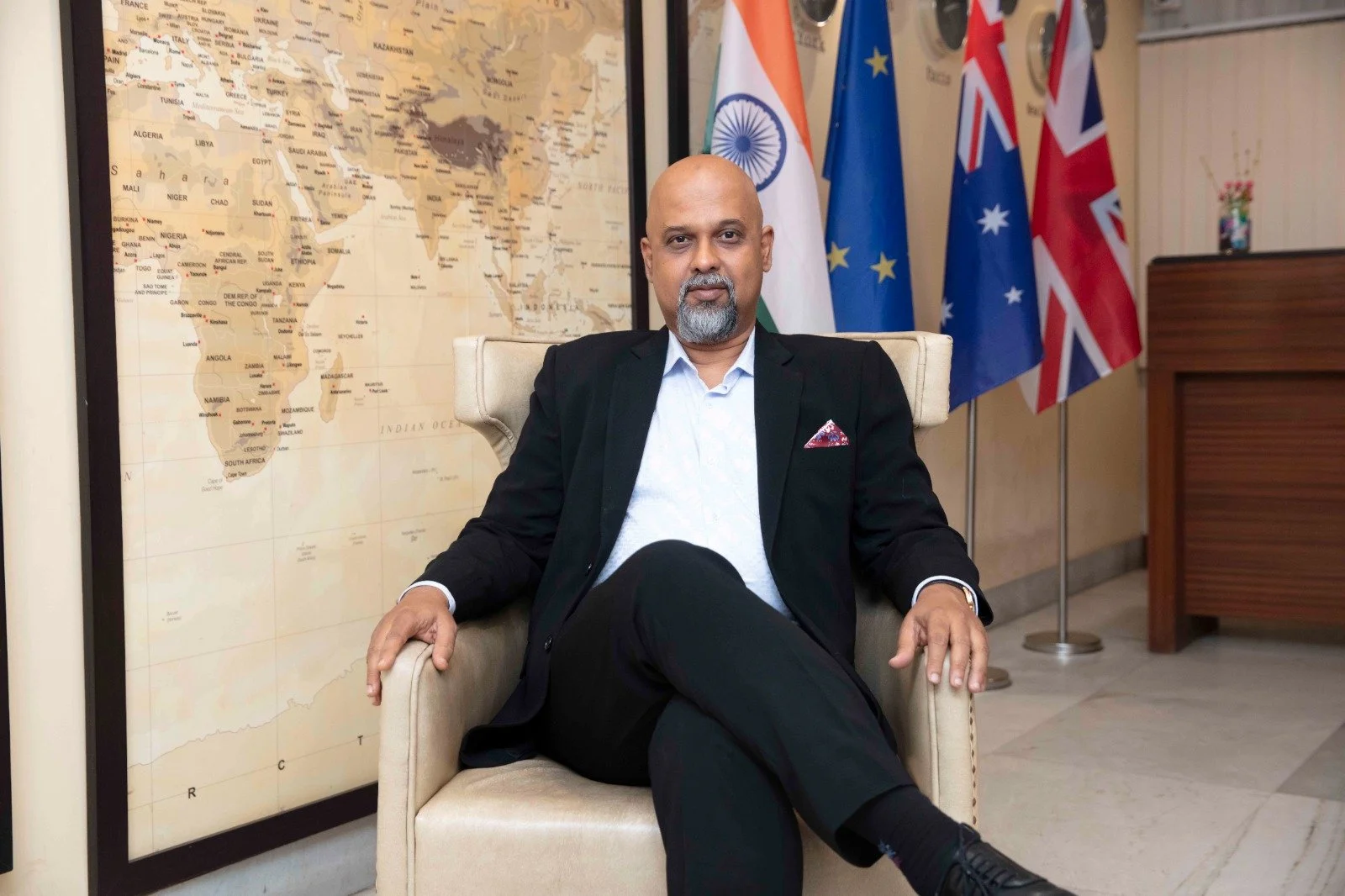
(Dominic CostaBir, Director, Hospitality Training Institute (HTI) and Woosh Biz, is a first-generation entrepreneur. A veteran with 30+ years of experience and India’s best known hospitality trainer, in ‘Third Eye’, he provides a perspective beyond plain sight.)