Four decades of The Leela, built by its people

As the hospitality brand marks four decades, it is recognising the employees and long-serving associates who have contributed to its growth and culture

As The Leela Palaces, Hotels and Resorts marks 40 years since its founding, the milestone also highlights the contribution of employees who have been part of the brand’s growth from a single hotel in Mumbai to a multi-property luxury hospitality company.

For four decades, the brand has focused on hospitality, service and guest experience. Drawing from the Indian ethos of ‘Atithi Devo Bhava’, The Leela’s operations have been shaped by generations of associates across its hotels and corporate functions.

Celebrating Associates

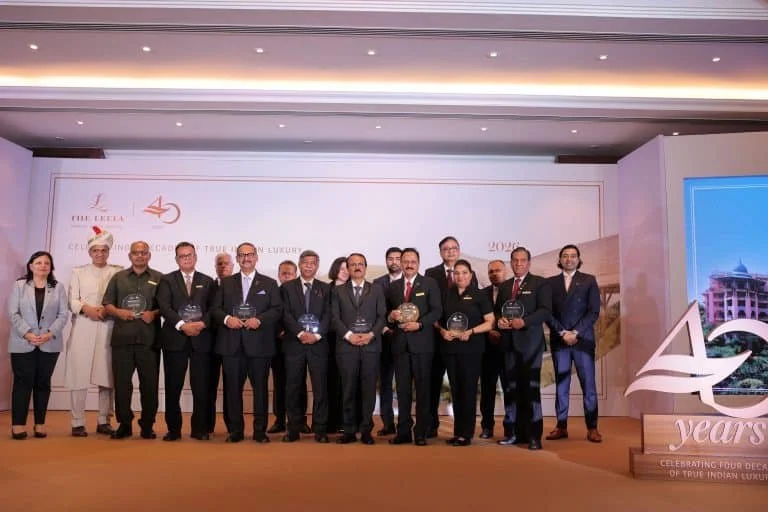
The 40-year celebrations began earlier this year with a corporate townhall involving teams from across the company’s hotels. The event brought together associates from different locations to reflect on the brand’s history and acknowledge the contributions of its workforce.

As part of the event, employees participated in a commemorative pinning ceremony and received 40-year badges. Long-serving associates were also recognised for their years of service and contribution to the organisation.

Journeys of Growth

For many associates, The Leela’s story is deeply intertwined with their own. Their journeys reflect not only the growth of a hospitality brand, but the evolution of a culture built on care, excellence and belonging.

Reflecting on her 31-year journey with the organisation, Seema Jadhav, Assistant Manager – Marketing shares, “What began as my first job soon became an opportunity to witness the making of True Indian Luxury. From just two hotels then to 15 today, I have truly grown alongside The Leela.”

Her words echo the experiences of many long-serving associates who have spent decades helping shape the brand while building lifelong careers and relationships along the way.

Leadership Development

The Leela’s commitment to nurturing talent is reflected in the journeys of many of its leaders. Having joined the organisation in his early years and risen from Management Trainee to Senior Vice President and General Manager, Sridhar Nair’s story embodies the opportunities, mentorship and culture of excellence that have long defined The Leela.

“Having witnessed The Leela’s remarkable evolution firsthand, I have had the privilege of growing alongside the brand through some of its most defining moments. From my early years with the organisation to taking on leadership responsibilities today, the journey has been shaped by learning, growth and an unwavering commitment to excellence. As we celebrate four decades of True Indian Luxury, I feel immense pride in being part of a brand that continues to set benchmarks for Indian hospitality while remaining deeply rooted in its values and people.”

Founder’s Influence

Many of these stories also carry the enduring influence of the brand’s Founder, Captain C. P. Krishnan Nair, whose vision continues to inspire The Leela’s culture today.

Anita Kakodkar, Vice President – Architecture and Design who has been part of the organisation for 28 years, recalls a lesson that has stayed with her throughout her career “Even in a half-built space, he saw the finished story – not just the architecture, but the emotion a guest would one day feel.”

It was a philosophy that extended far beyond design, shaping a culture where every detail is considered through the lens of the guest experience.

A Culture of Belonging

For others, what has endured most is the sense of community that has defined life at The Leela. After three decades with the brand, Sarita Thomas, Executive Assistant – Corporate Finance, describes what wearing the Leela name means to her in a single word: “Family.”

It is a sentiment that speaks to the culture of warmth, respect and genuine hospitality that has remained unchanged even as the brand has grown and evolved over the years.

Why great hospitality talent slips away early

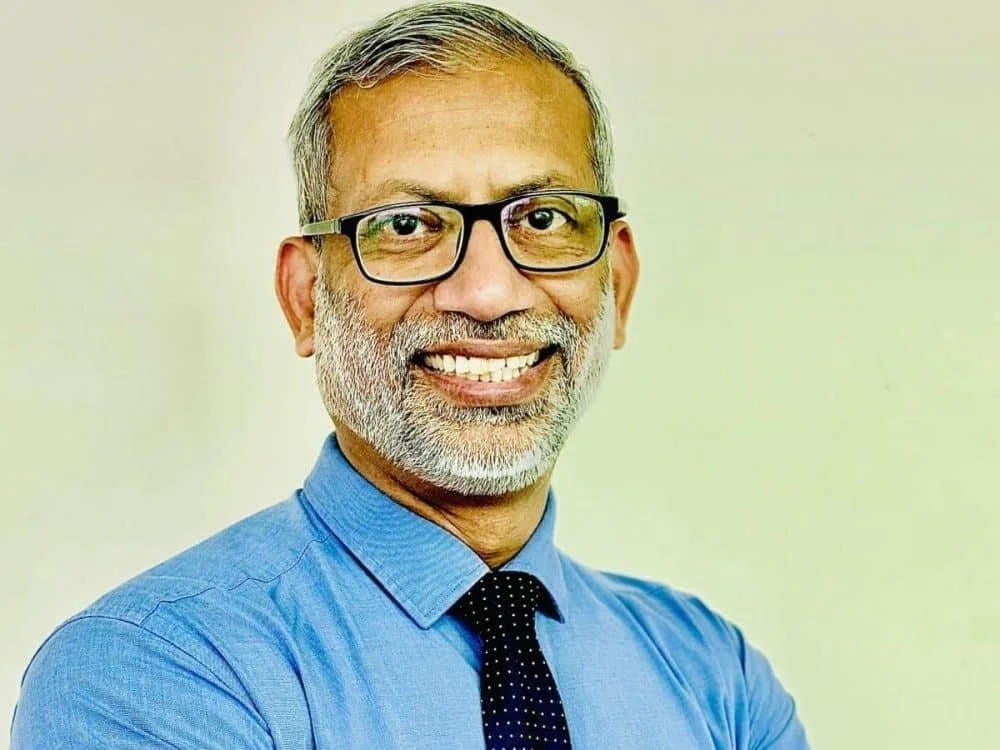
Internship is a pain point. But if done right, it is great for all three stakeholders – Organisations, Institutions and Students. Dominic CostaBir offers a stakeholder-specific perspective. 
“Don’t worry about the stipend,” I explained to Seema (name changed), a friend. Her son, Rahul, was due to start an internship. Seema was furious that organisations offer a measly stipend yet expect hard work and dedication. I argued that this is part of your investment in his education and in him as a professional, so focus on how he benefits. Let the industry sharpen and toughen him up – make a gentleman out of him – in the long term, it’s good for him.

Internship is a bone of contention. Hotel Management Institutes place students in 4-5-month internships during semester 3 or 4. Hotels are accused of exploiting interns and using them as ‘cheap labour’. Students, once attracted by the glitz and glamour of hospitality, get a reality check – long working hours, hard labour, so-called toxic environment… The rose-tinted glasses are removed because they don’t see the long-term benefits.

Education vs training

Organisations complain that interns ‘know nothing’ and are not taught anything at the institute. But they are confusing education with training. Training is for specific skills, such as serving F&B or preparing a dish. This can only be done on the job, as you need repetition (practice), variations, and ‘live’ pressure to build skills. Education, on the other hand, is knowledge-based. Students get a vast theoretical understanding of the industry, departments, cuisines, etc. Practicals only enhance theoretical understanding.

If a child sees pictures of a tiger, they don’t realise the power or size – that’s theory. A visit to the zoo shows the size – that’s college practicals. But if the child encounters a tiger face-to-face in the jungle — now they know what a tiger is – that’s industrial exposure.

Organisations – Stakeholder 1

Here’s my take on the three different stakeholders… Organisations, Institutions and Students.

Owners spend a fortune building uber-luxe infrastructure, but cut corners on people to maximise profits. But in hospitality, people are a major part of the brand promise. People are hospitality.

Organisations must attract talent through Employee Value Proposition — compensation, benefits, career progression, and work-life balance. The Accor Group raised stipends from Rs 1,200 to Rs 5,000, and now Rs 8,000. ITC Hotels ensures that interns don’t work more than 9 hours. Such publicity reduces recruitment time and ad spend, improves staff quality, and lowers attrition. Better staff, better service, lower complaints, and higher repeat patronage. Higher sales and profits – is that not what you want?

Institutions – Stakeholder 2

Institutions – Stakeholder 2: Must hire teachers with industry experience and passion, not just degrees. My teacher at IHM, Mumbai, Chef Tony Menezes, was new to teaching but had worked on cruise lines. He spoke about long shifts, hard work and work-life imbalance… but wore it like a badge of honour. Not something he detested or wanted to escape, but something he was passionate about and that shaped his life. He saw the world, earned well, and could take care of family… His story inspired us to want to work hard and make our mark in hospitality. Teachers, in addition to educating kids about food and beverage ingredients, must also prepare them mentally and emotionally for the industry.

Students – Stakeholder 3

Students – Stakeholder 3: Students are transitioning into professional life, which is naturally overwhelming. Away from overprotective, understanding and loving parents. But life in the industry is tough, and professionals thrive as they are tougher. So, they expect interns to be the same. Their intention is right – “students must toughen up.” Agreed, these professionals need to be trained and sensitised on how to handle Gen Z in particular.

During my internship, my first Chef was easy on me – if I couldn’t do a task, he said, “Don’t worry, I’ll do it.” I hardly learned anything compared to later, when I reported to a no-nonsense Chef. If I tried to explain why I couldn’t do a task… He snubbed me, “Don’t give me excuses – give me results.” When he passed by my work area, he’d snap, “What is this… Do it fast!” He made me report early and stay late. But I was in awe of his passion, dedication, speed and skills. I aspired to match him. Till date, I work hard, fast and don’t make or take excuses.

Final words

Final Words: An internship, done right, is an amazing ‘bridge’ for students to transition into the industry. But institutes and industry must collaborate and build this ‘bridge’ in a way that students and parents realise the long-term value and benefits of the discomfort.

This Muhammad Ali quote is for students: “I hated every minute of training, but I said, ‘Don’t quit. Suffer now and live the rest of your life as a champion’.”

(Dominic CostaBir, Director, Hospitality Training Institute (HTI) and Woosh Biz, is a first-generation entrepreneur. A veteran with 30+ years of experience and India’s best known hospitality trainer, in ‘Third Eye’, he provides a perspective beyond plain sight.)

The Legacy Of Inclusion: How The LaLiT Stayed Ahead Of India’s Pride Conversation

In 2026, India’s corporate landscape is witnessing a visible rise in Pride-led campaigns, DEI conversations, and inclusion-focused branding. From conglomerates to consumer brands, companies are increasingly integrating LGBTQIA+ representation into their public narratives, signalling an important cultural shift in the country.

But long before inclusion became a boardroom conversation or Pride became part of annual brand calendars, The LaLiT Hotels had already embedded queer visibility into the heart of its identity. For over 15 years, The LaLiT has quietly and consistently built one of India’s most visible ecosystems for queer inclusion across hospitality, nightlife, employment, culture, and community engagement, at a time when very few mainstream Indian brands were willing to occupy that space publicly.

Today, while many organisations are beginning to formalise LGBTQIA+ inclusion within workplace policies and campaigns, The LaLiT’s distinction lies in the fact that it has lived this narrative for years. This was never a seasonal strategy. It became part of the brand’s cultural DNA.

Under the leadership and vision associated with Mr. Keshav Suri, The LaLiT emerged as one of India’s earliest hospitality groups to publicly champion queer visibility and safe spaces within mainstream luxury hospitality. At a time when queer representation remained largely absent from public-facing Indian corporate culture, the brand opened its doors — not only to queer guests, but to queer employees, artists, performers, creators, and communities.

Across its hotels and associated platforms, LGBTQIA+ individuals became part of the workforce, creative ecosystem, nightlife programming, and cultural storytelling, years before inclusion became a wider industry trend. That long-term commitment helped The LaLiT create something few hospitality brands in India have managed to achieve: cultural credibility within the queer community.

“Long before inclusion became a corporate conversation or Pride became a calendar moment, The LaLiT chose to stand with the queer community, not as an act of allyship, but as a deeply held value. For over four decades now, we have built spaces where people can live, work, celebrate, perform, and simply be themselves with dignity and without fear. Through platforms like Kitty Su and across every experience we create, we have championed queer visibility, amplified unheard voices, and nurtured communities when few others would. The LaLiT proudly has created the spaces where Pride could truly exist, grow, and flourish. That legacy continues to guide us with humility, authenticity, responsibility, and immense pride every single day,” said Keshav Suri, Executive Director, The Lalit Suri Hospitality Group & Founder, Keshav Suri Foundation.

And nowhere is that more visible than at Kitty Su. For over a decade, Kitty Su has existed as far more than a nightclub. It became one of India’s most recognised queer-safe cultural spaces by platforming drag performers, queer artists, trans voices, underground collectives, and alternative performance cultures long before such representation entered mainstream nightlife and entertainment conversations.

Importantly, the venue helped normalise queer visibility within luxury hospitality spaces — something that was once considered commercially risky in India.

Now, in June 2026, The LaLiT is extending that legacy through Pure Love Nights at Kitty Su, New Delhi, a month-long Pride cultural series reflecting the group’s broader philosophy of representation, self-expression, performance, fashion, and community storytelling.

Through drag artistry, trans-led performances, immersive nightlife concepts, fashion-led experiences, and digital-first storytelling, Pure Love Nights aims to build conversations that extend beyond physical venues into online communities, editorial platforms, creators, podcasts, and wider youth culture throughout Pride Month.

What makes this narrative particularly powerful today is timing. India is entering a new phase of corporate inclusion, where large organisations are increasingly recognising the importance of queer representation, equitable workplaces, and inclusive storytelling. Yet, while many brands are beginning that journey now, The LaLiT already possesses something far more difficult to build: legacy.

The group participated in these conversations before they became widely accepted, commercially safe, or culturally expected. That early commitment has allowed The LaLiT to occupy a unique position, not simply as an ally brand during Pride Month, but as one of the few Indian hospitality groups that helped shape queer cultural visibility itself.

Because in many ways, The LaLiT did not just support Pride culture in India. It helped build spaces for it to exist.

From Meghalaya to Mumbai: How this hospitality group is helping hundreds of young Indians build new careers

Radisson Hotel Group announced a significant milestone under its Youth Skilling Initiative, having positively impacted over 850 young people across India through its ongoing collaboration with Tourism and Hospitality Skill Council (THSC) and The Job Plus.

The initiative, aimed at improving employability and creating sustainable livelihood opportunities in the hospitality sector, has emerged as one of the largest hospitality-focused skilling interventions for underserved youth in the country.

Driving employability through industry-aligned training

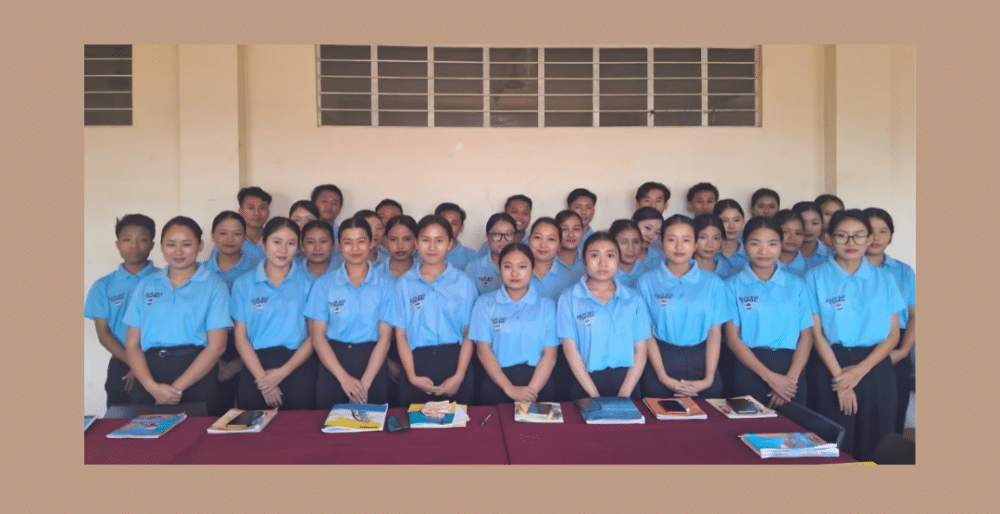
Across the first two completed projects under the initiative, 616 young people have already been trained and certified under the National Skills Qualifications Framework (NSQF), with 501 successfully placed in formal hospitality employment across leading hotel brands in India. More than half of the placed candidates are women, reflecting the programme’s focus on inclusive growth and gender participation.

Leaders speak on the initiative’s impact

“At Radisson Hotel Group, we believe hospitality can be a powerful medium for social and economic transformation. Through our collaboration with THSC and The Job Plus, we are proud to have impacted over 850 young people across eight states, including Nagaland, Meghalaya, Manipur, Jammu & Kashmir, West Bengal, Delhi NCR, Himachal Pradesh, and Telangana. The programme has focused on regions where access to formal skilling and employment opportunities remains limited, and it is encouraging to see rural youth participating in the initiative achieve an 87% placement rate. These outcomes reinforce our commitment to building an inclusive and future-ready hospitality workforce in India,” said Nikhil Sharma, Managing Director & COO, South Asia, Radisson Hotel Group.

“The continued confidence that Radisson Hotel Group has placed in The Job Plus is both affirming and energizing. Over the past two project cycles, we have demonstrated that when skilling is closely aligned with industry demand, it can create a scalable pathway to employment and long-term economic mobility for young people. This renewed commitment enables us to expand our reach and further strengthen a talent pipeline that delivers value to both underserved youth and the hospitality industry,” said Natwar Nagar, Founder, The Job Plus.

“What makes this partnership particularly meaningful is the shared intent to build impact with both scale and accountability. Each project cycle has strengthened our ability to reach young people in geographies that are often disconnected from formal employment opportunities and connect them to industry-recognized training and quality careers. As we move into the next phase, our focus is on expanding this initiative with greater precision, stronger employer integration, and outcomes that continue to deliver measurable value for both communities and the industry,” said Divya Krishan, Chief Growth Officer, The Job Plus.

“CSR initiatives and collaborations reflect our shared commitment towards strengthening the hospitality workforce ecosystem by equipping youth with industry-relevant skills, practical exposure, and meaningful employment opportunities. We are pleased to continue our association with Radisson Hotel Group in creating a positive impact through skill development and industry collaboration. Such partnerships play a vital role in bridging the gap between skilling and employment while supporting the growth of a future-ready hospitality industry,” said Rajan Bahadur, CEO, THSC.

Transforming lives through hospitality careers

The initiative has enabled several inspiring journeys of transformation for young beneficiaries. Abigail Ryntathiang from Shillong, Meghalaya, who came from an economically weak family, enrolled in the programme while awaiting her Class 12 results. Before completing her 45-day training, she secured employment at The Bay Club in Mumbai with a great package, becoming the first person in her family to enter the hospitality industry.

Similarly, Asharani Hamom from Imphal, Manipur, who grew up amidst years of ethnic conflict and uncertainty, joined the programme and relocated to Delhi to pursue a career in hospitality. Today, she works as an F&B Associate at The Leela Palace New Delhi, demonstrating the programme’s role in helping youth build careers beyond geographical and social barriers.

Expanding the next phase of impact

With the third phase of the initiative currently underway, Radisson Hotel Group aims to further expand its impact by enabling more youth across underserved regions to access formal skilling, certification, and long-term employment opportunities within India’s growing hospitality sector.

Encalm is taking airport hospitality into the skies

With the launch of Encalm Skyplates, the company is expanding into aviation catering and inflight passenger services.
Encalm announced its strategic expansion into the aviation catering sector with the launch of Encalm Skyplates. This dedicated platform will mark a pivotal milestone in Encalm’s pursuit to provide an integrated, end-to-end hospitality ecosystem for the modern traveller.

Encalm Skyplates will operate as an aviation catering platform integrating large-scale food production, logistics systems and food safety protocols. The platform is planned across key aviation hubs and will cater to domestic and international passengers.

Official Statement

“With Encalm Skyplates, we are redefining the boundaries of airport hospitality by taking our signature excellence from the lounge to the aircraft cabin,” said Vikas Sharma, Group Chief Executive Officer, Encalm Hospitality. “In-flight catering is a high-stakes environment where precision must meet passion. Our goal is to bridge the gap between ground and air, ensuring that the premium experience a traveler starts with at the terminal continues seamlessly at 30,000 feet. Skyplates isn’t just about dining; it’s about elevating the entire passenger journey through consistent, world-class service.”

Culinary and Operational Focus

Beyond logistics, Encalm Skyplates positions itself as a culinary-first brand. Led by a team of veteran chefs, the platform offers curated menus that balance global gastronomy with regional authenticity, supported by a dedicated fleet designed for seamless, aircraft-side delivery. This operational excellence is matched by a deep commitment to Environmental, Social, and Governance (ESG) standards.

Sustainability and Infrastructure

“Skyplates is being built as a high-performance, systems-led catering platform where sustainability and accountability are at the core,” said Abraham Pothen, Chief Operating Officer, Encalm Skyplates. “Every element of this platform – from energy-conscious infrastructure and optimized production systems to responsible sourcing and waste-reduction, is designed with long-term environmental responsibility in mind. We are embedding globally benchmarked safety protocols and precision logistics to guarantee reliability, ensuring that as we scale, we do so responsibly and in line with the future of sustainable aviation catering.”

Future Plans

The launch of Encalm Skyplates marks Encalm Hospitality’s expansion into aviation catering and inflight services. The platform extends the company’s operations beyond airport hospitality into onboard passenger experiences, with a focus on scale, logistics and sustainability.

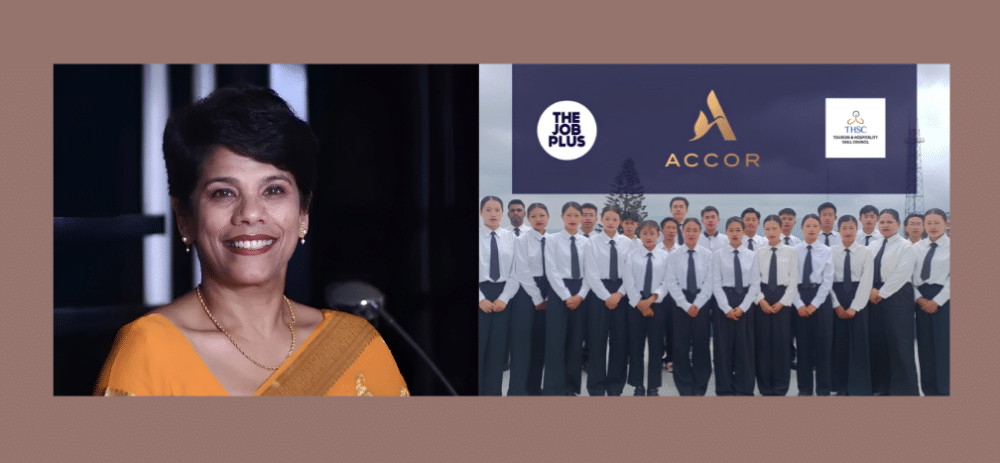
Accor partners with The Job Plus and THSC to skill 500 youth for hospitality roles in India

The initiative focuses on creating a structured pathway from training to employment for underserved communities.

Accor has announced a strategic tripartite partnership with The Job Plus and Tourism & Hospitality Skill Council to skill over 500 youth from low-income and underserved communities across India for entry-level roles in the hospitality and service sector.

Purpose and approach

Rooted in Accor’s global purpose, ‘Pioneering the art of responsible hospitality, connecting cultures, with heartfelt care’, this initiative is designed to expand access to formal employment, enabling young individuals who have traditionally remained excluded from structured career pathways to step into the workforce with confidence and dignity.

Enabling access to opportunity

This partnership seeks to bridge that gap by creating a structured, outcome-driven pipeline from skilling to employment. By combining Accor’s industry expertise, The Job Plus’s implementation capabilities, and THSC’s NSQF-aligned certification framework, the initiative creates an ecosystem that supports youth from training through to job placement.

Driving measurable impact

The programme aligns with India’s Section 7 CSR mandate and contributes to key United Nations Sustainable Development Goals, including:

SDG 4: Quality Education
SDG 8: Decent Work and Economic Growth
SDG 10: Reduced Inequalities

These priorities are part of Accor’s global Planet 21 framework, reflecting its broader sustainability approach.

Leadership perspectives

Ranju Alex, CEO, Accor South Asia, said, “At Accor, responsible hospitality goes beyond our hotels. It is about creating meaningful opportunities for the communities we serve. This partnership is a step towards strengthening a more inclusive hospitality ecosystem in India, where talent is nurtured, empowered, and connected to career pathways.”

Rajan Bahadur, CEO, Tourism & Hospitality Skill Council, said, “This initiative highlights the importance of demand-driven skilling, where industry plays a role in shaping both training and outcomes. Through this collaboration, THSC will ensure that candidates are equipped with nationally recognised, NSQF-aligned certifications and practical competencies that meet employer expectations.”

Natwar Nagar, Founder & CEO, The Job Plus, added, “At The Job Plus, we believe that talent is widely distributed, but opportunity is not. This partnership aims to address that gap by enabling access to formal hospitality careers.”

Divya Krishan, Chief Growth Officer, The Job Plus, said, “This alliance is built around outcomes. Industry-led skilling, where employers are involved from the start, helps create long-term career opportunities.”

GST reset could redefine India’s hospitality competitiveness on the global stage

EY India and Federation of Indian Chambers of Commerce & Industry propose a sharper tax structure to reposition India as a high-value, experience-driven tourism destination.

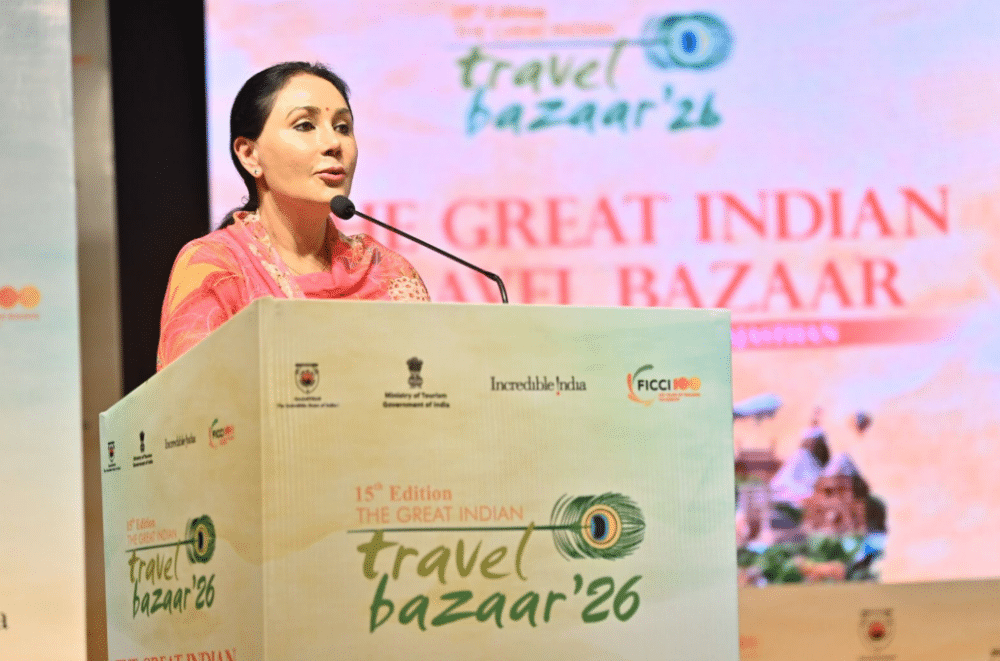
April , 2026: Diya Kumari, Hon’ble Deputy Chief Minister of Rajasthan

Ernst & Young LLP (EY India) has proposed a revised Goods and Services Tax (GST) structure for hotel accommodations, recommending a reduction in the higher tariff category from 18% to 9% for room rates above ₹7,500, while retaining the existing 5% slab for tariffs between ₹1,000 and ₹7,500, a targeted intervention aimed at easing the tax burden, enhancing value perception, and better aligning India’s hospitality pricing with competing global destinations.

The case for a competitive tax structure

“Higher cost of accommodation, transportation and taxes are the reason India is often perceived as an expensive destination in comparison to countries such as Thailand and Vietnam. India currently levies 5% GST is for room tariffs between ₹1,000 and ₹7,000 and 18% for tariffs above ₹7,500. The 18% tax on higher tariff categories impact overall price competitiveness particularly for international travelers. A reduced GST of 9% for tariffs above ₹7,500 will enhance value perception, improve affordability across segment and better align India with competitive destinations,” said the report, which was released at 3-day long Global India Tourism Bazaar 2026 being organized from April 26-28, 2026.

Structural gaps limiting global appeal

The report also identifies key structural challenges constraining India’s global competitiveness — fragmented state-led branding, limited global marketing outreach, lack of experience-led packaging, and ease-of-travel barriers including connectivity and visa processes.

A roadmap towards ‘Incredible India 4.0’

The insights and recommendation forms part of EY India and FICCI’s latest report titled “Reimagining Inbound Tourism in India: Trends, Technology & Transformational Opportunities – Towards Incredible India 4.0,” which presents a comprehensive and forward-looking roadmap to unlock India’s inbound tourism potential, advocating a decisive shift from a fragmented, destination-led approach to a unified, experience-driven tourism ecosystem. The report presents a bold strategic vision — transforming India’s positioning from “a country with many destinations” to “a destination with infinite experiences” — built on six interconnected imperatives: branding, pricing, experience, infrastructure, policy, and technology.

The inbound tourism paradox

India’s tourism landscape reflects a striking paradox — strong domestic demand yet a persistent inbound gap, with foreign tourist arrivals at approximately 9.9 million in 2024, modest against competing destinations. The tourism sector currently contributes approximately ₹21 trillion to GDP and supports over 46 million jobs. With a hospitality pipeline exceeding 1,00,000 rooms, the report notes that supply growth must align with international demand to ensure sustainability.

Experience-led travel emerges as the next frontier

India’s tourism landscape is undergoing a powerful transformation, with experience-led and high-value segments emerging as the next big growth frontier. From Sports and Culinary Tourism to Spiritual Wellness, Wildlife, and Event-led Travel, India’s diverse offerings are increasingly capturing global imagination. India’s live entertainment sector surpassed ₹12,000 crore (US$ 1.28 billion) in 2024, projected to grow at 19% CAGR over three years, making festivals, concerts, and sporting events powerful inbound drivers. AI and digital platforms are redefining travel discovery, while the rise of Gen Z, women, and solo travellers signals a fundamental shift in traveller profile that India must be equipped to serve.

A pivotal moment for global positioning

India stands at a pivotal moment in its tourism journey, and enhancing price competitiveness is central to unlocking its true potential on the global stage. By addressing cost dynamics around accommodation, taxation, and transport, India can position itself as a compelling value destination against its Southeast Asian counterparts. International visitor spending — projected to grow at 5.5% per annum to reach US$ 2.95 trillion by 2034 — represents the most compelling growth opportunity ahead.

Conclusion

With coordinated policy interventions, competitive pricing structures, and a shift towards unified, experience-driven tourism delivery, India is well-positioned to convert its unparalleled diversity into a decisive global tourism advantage.

EkoStay grows profitably, hits ₹40 crore without external funding

Bootstrapped alternative accommodation brand scales through demand-led expansion, repeat customers, and operational discipline.

April , 2026: EkoStay reported ₹40 crore in revenue for FY 2025–26, reflecting 43% year-on-year growth, while remaining EBITDA-positive with margins of around 10%.

Scale beyond revenue

Beyond revenue, the business has expanded to over 150 professionally managed villas across 12+ leisure destinations, with an average occupancy of 56% and a growing base of repeat customers. The company is targeting ₹52+ crore in revenue in FY27, with plans to scale to 220+ properties nationwide.

A bootstrapped model that prioritised fundamentals over funding

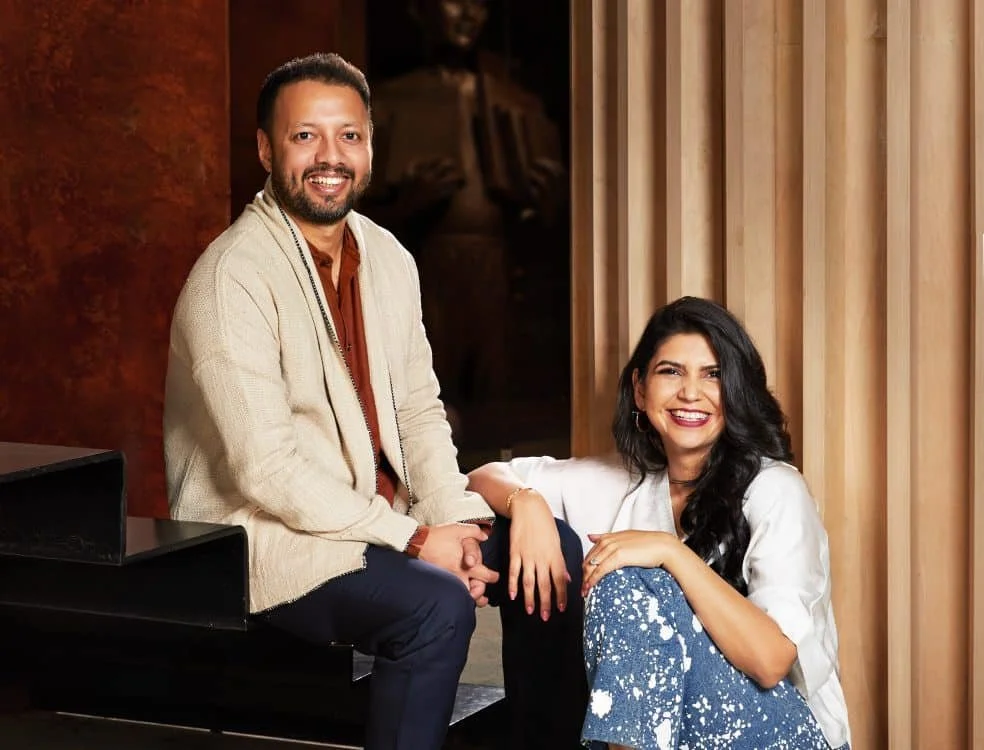
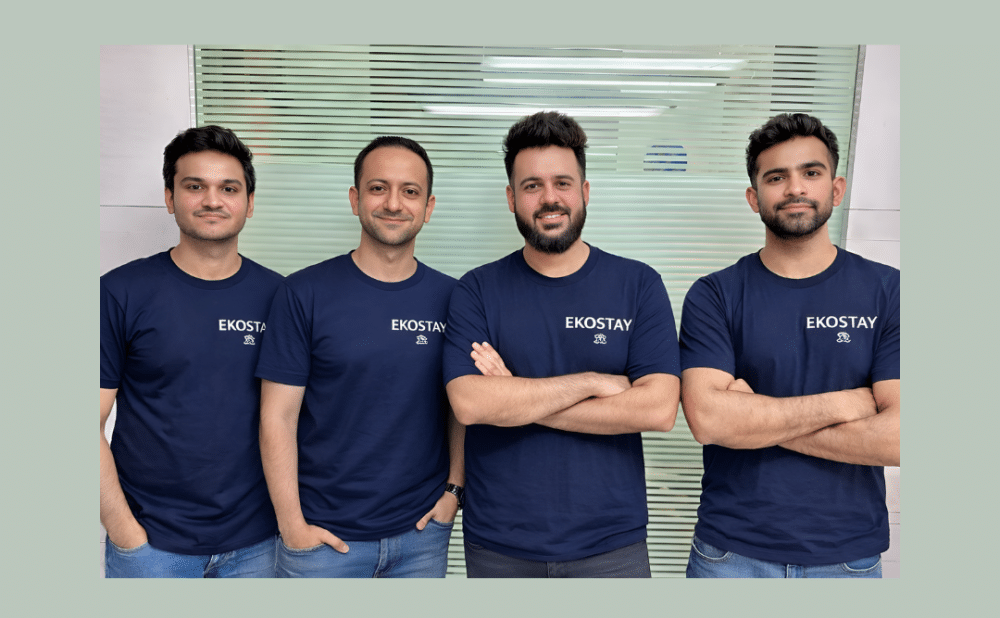
Founded by Husain Khatumdi, Sohail Mirchandani, Varun Arora, and Zishan Khan, EkoStay has been built without raising external capital, relying instead on internal accruals, measured expansion, and sharp operational control.

“Being bootstrapped meant every decision had to be efficient and accountable. That discipline is what continues to define how we scale today,” said Varun Arora, CEO & Co-Founder, EkoStay.

Repeat behaviour, not discounts, driving growth

A defining lever of EkoStay’s growth has been repeat bookings and organic referrals, significantly reducing dependence on paid acquisition channels.

“Consistency in guest experience has been critical in building trust. A large part of our growth today comes from guests who choose to stay with us again or recommend us within their network,” added Sohail Mirchandani, COO & Co-Founder.

This repeat-driven model has allowed the brand to strengthen unit economics while scaling demand in a capital-efficient manner.

Scaling supply where demand already exists

The brand has seen particularly strong growth across South India, including the Nilgiris region, where demand for private villa stays continues to rise alongside evolving travel preferences.

“Our focus has always been on identifying destinations where demand is structurally strong and aligning our supply accordingly,” said Zishan Khan, Chief Acquisition Officer & Co-Founder.

What ₹40 crore represents

It reflects a business built with zero external funding, zero dilution, and no reliance on debt, driven entirely by customer demand and internal reinvestment.

“₹40 crore is not just a revenue milestone, it validates a model that has been built sustainably, with long-term value creation at its core,” said Husain Khatumdi, Managing Director & Co-Founder.

Lords Hotels & Resorts Announces new sign up in Lucknow

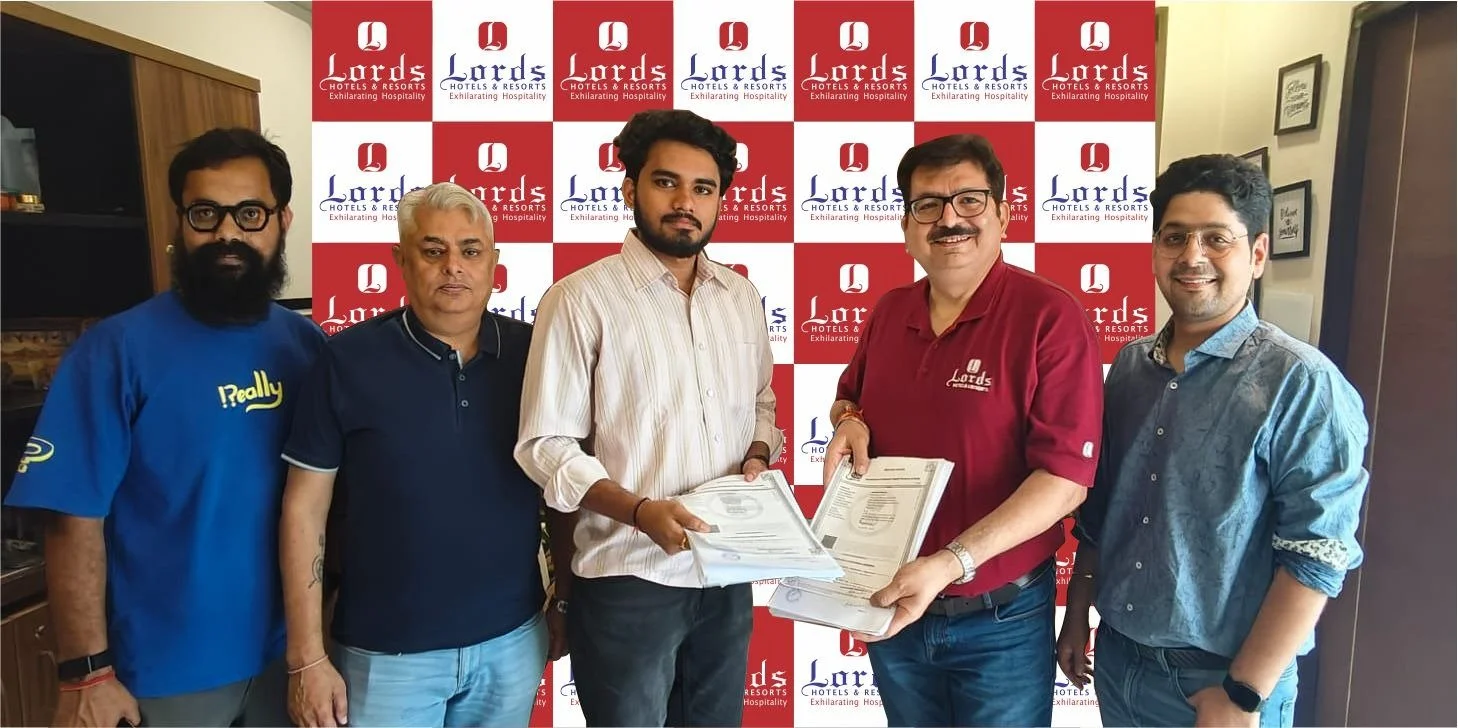
Lords Hotels & Resorts is pleased to announce the sign up of its new boutique hotel in Lucknow, scheduled to open by the end of 2026. This development marks a significant addition to the Group’s growing hospitality portfolio across key destinations in India.

 Strategically located in Gomti Nagar near Shaheed Path, the property offers excellent connectivity and is just minutes away from Ekana Stadium, one of the city’s key sporting and entertainment landmarks, as well as major shopping and commercial hubs. The location places the hotel in one of Lucknow’s most vibrant and rapidly developing corridors.

 The upcoming property will feature luxuriously designed rooms, a multi-cuisine restaurant, a spacious banquet hall along with an exclusive rooftop restaurant designed to offer a distinctive dining experience.

Speaking on the new agreement, Pushpendra Bansal, COO, of Lords Hotels and Resorts said "With unprecedented growth and high-velocity expansion plans, we are well positioned to further expand our existing portfolio in the coming months in this region . We thank our partners for their trust and look forward to collaborating with more like-minded owners as we continue to deliver Lords’ signature hospitality experiences.” 

 Vikas Suri, Vice President, said, “With this signing, we are excited to enter Lucknow and strengthen our presence in Uttar Pradesh. This boutique hotel reflects our commitment to quality, thoughtful design, and guest-centric experiences. Positioned in a prime location, it will cater seamlessly to both business and leisure travellers, offering comfortable stays and exceptional value.”