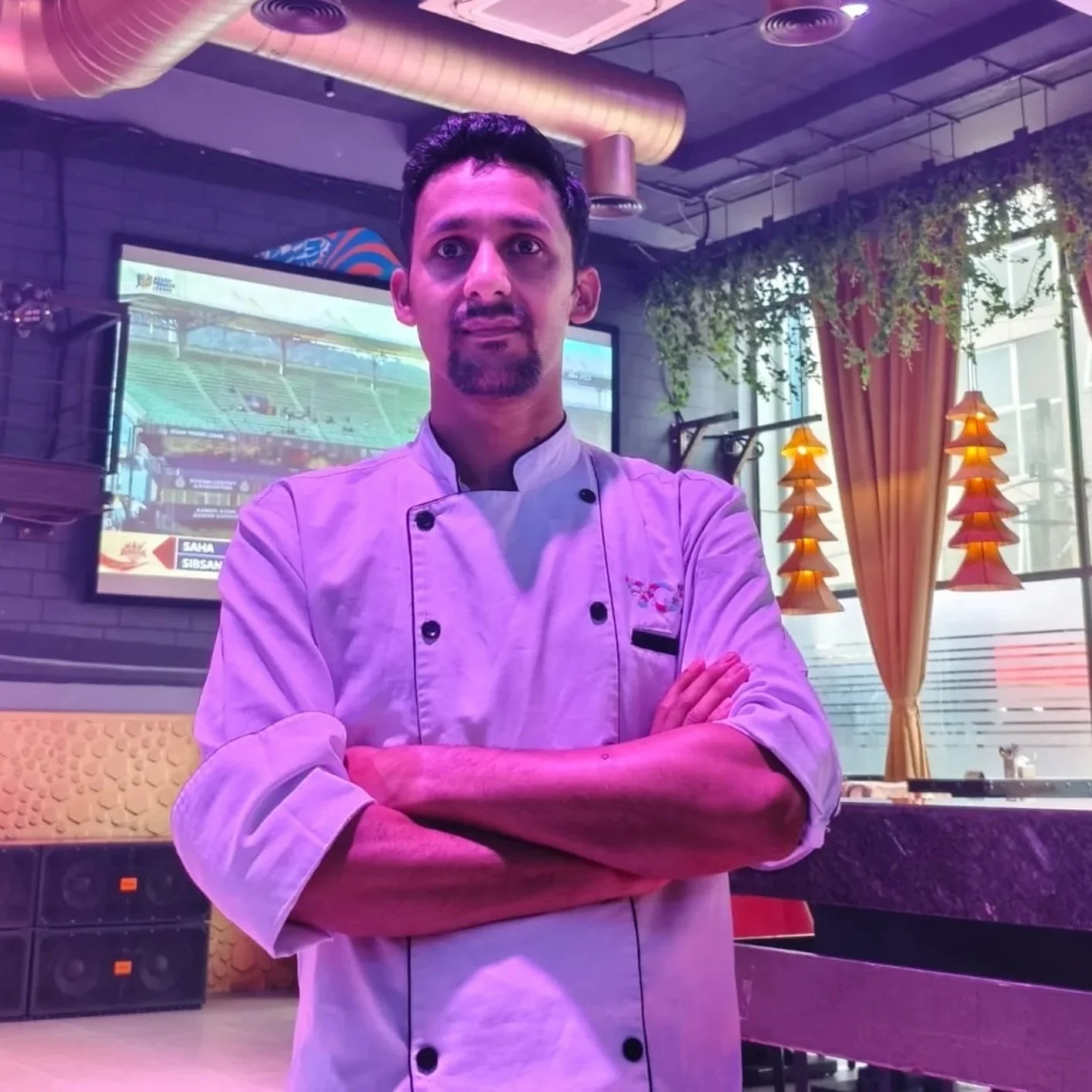
Exclusive Interview | Aman Talreja, Co-Founder, FARRO
/“We don’t just serve meals; we craft moods.”
From engineering to entrepreneurship to hospitality, what was the moment you knew you were meant to be in this industry?
The turning point came while managing Subway outlets in Pune. I realized I was more drawn to the rhythm of service, the energy of a kitchen, and the joy of creating memorable experiences for guests than anything I’d experienced in engineering. That hands-on exposure made it clear: this is where I belonged.
Farro brings together ancient wisdom and modern techniques. What inspired this blend, and how does it shape the guest experience?
The idea came from my love of storytelling through food. Ancient grains like farro connect us to the roots of civilization, while modern techniques allow us to present those stories in fresh, engaging ways. It creates an experience that feels both familiar and new, refined yet approachable.
With five successful restaurants in Pune, what have been your biggest lessons in building a portfolio of unique, independent dining concepts?
The biggest lesson has been that no two concepts can be approached the same way. Understanding your audience, building a team that believes in the vision, and constantly listening and adapting—these have been key. Staying rooted in purpose while being open to evolution is what keeps each space distinct.
You’ve often spoken about food as emotion and memory. How do you ensure your spaces are more than restaurants, they are experiences?
It starts with intent. Every dish, every corner, every scent is curated to evoke something—comfort, curiosity, nostalgia. We don’t just serve meals; we craft moods. From music to plating, it’s about immersing guests in a story they remember long after the last bite.
What are some global dining trends you’re closely following, and how do you adapt them for an Indian audience?
I follow the rise of local sourcing and experiential dining. The key is to adapt, not adopt. We reinterpret these ideas in a culturally relevant way: whether it’s sourcing local grains, using traditional techniques, or creating interactive dishes with Indian flavors.
How do you approach branding and storytelling when launching a new restaurant? What’s the most important element?
Storytelling begins with a strong ‘why.’ The most important element is authenticity. The name, the logo, the menu—they all need to align with the core philosophy. With Farro, the ancient grain was our anchor, and everything else unfolded from that central narrative.
As a restaurateur, what’s your take on balancing innovation with consistency? How do you surprise regulars without losing your brand’s essence?
Innovation keeps things fresh, but consistency builds trust. We strike a balance by anchoring our menus with familiar flavors while experimenting with textures, ingredients, plating, or presentation. The soul of the dish stays intact, even if the experience evolves.
What have been some of your biggest operational challenges, and how did you overcome them—especially as you scaled?
Scaling brought challenges in maintaining quality and culture across outlets. Building a strong middle-management team and investing in training helped ensure consistency.
Technology also played a role—streamlining operations while giving us data to make informed decisions.
If we invited you to mentor young hospitality entrepreneurs, what are three principles or pieces of advice you’d insist they follow?
First, lead with passion—if you don’t love this industry, it will show. Second, know your numbers; creativity must be balanced with strong operations. And third, obsess over the guest experience—it’s not just about the food, it’s about how you make people feel.
What’s next on the horizon for Sip & Savour Co.?
Right now, our focus is on establishing Farro as a standout restaurant in Pune. It’s a concept very close to my heart, and we’re committed to refining every detail—from the food to the overall experience.