Exclusive Interview | Chef Shriram Rajendran: From Paris to India’s Evolving Foodscape
/“Humility and consistency are the unsung ingredients that make a chef last in this industry.”
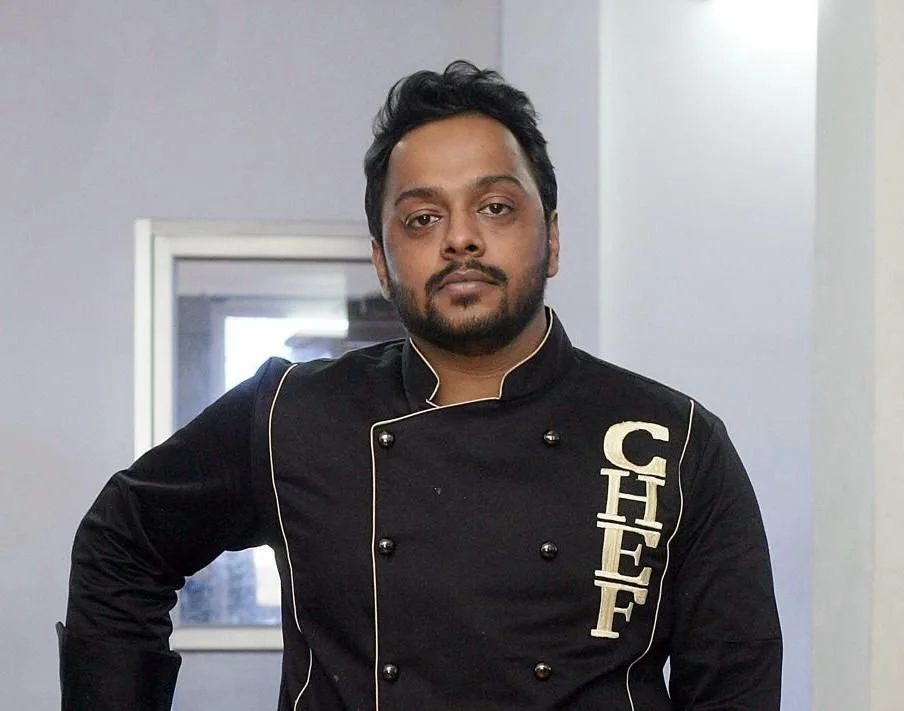
Discipline, humility, innovation, and a respect for ingredients — Chef Shriram has taken lessons from the world’s finest kitchens and turned them into brands that define modern Indian dining. From Le Cordon Bleu to Michelin-starred kitchens, from The Table to Scoop Dawg, his journey is one of constant reinvention and fearless creativity.
The early lessons that never fade
Your journey spans from Le Cordon Bleu to some of the world’s most renowned kitchens. What were the defining lessons from those early years that continue to guide you today?
At Le Cordon Bleu, I learned discipline and respect for technique. Michelin-starred kitchens taught me humility and consistency. At The Leela, I discovered how luxury blends with scale. Together, these lessons shaped my philosophy: global finesse, adapted to India’s evolving food landscape.
Knowing when to create something new
From The Table’s dessert-in-a-jar concept to Scoop Dawg and Fifth, your portfolio shows remarkable versatility. How do you decide when it’s time to launch a new brand?
It’s always about spotting a market gap and matching it with something I’m excited about. From artisanal pizzas to modern Chinese QSRs to beach-facing grills, every brand is born when the market — and my own creative urge — say it’s time.
Creativity vs. operations
Innovation is a recurring theme in your career. How do you balance creativity with the operational realities of running multiple ventures?
Big ideas excite me, but systems keep them alive. Every concept goes through recipe costing, supply chain checks, and training before launch. Structured playbooks keep consistency, while R&D kitchens and pop-ups keep creativity flowing.
“Every big idea has to survive recipe costing, supply chains, and training before it ever reaches a plate.”
What makes a dish unforgettable
What do you think makes a dessert or dish truly memorable in today’s saturated dining market?
Story, contrast, and authenticity. If it connects emotionally, layers textures, and feels rooted yet fresh — it stays with you.
Scaling from chef to entrepreneur
Many chefs dream of becoming entrepreneurs, but few scale into multiple brands like you have. What are the key challenges you faced in this transition, and how did you overcome them?
The hardest part was moving from chef to strategist. My business degree and family background gave me a base, but I had to learn finance, partnerships, and team-building the hard way. Creativity needed to meet pragmatism.
The power of partnerships
You’ve collaborated with over 75 B2B partners across South India. What role have these partnerships played in your growth?
They were vital in building scale and credibility. Early collaborations helped us distribute widely, maintain quality, and experiment fearlessly.
Fast-casual, fine dining, and finding balance
The F&B industry is increasingly shifting toward fast-casual and QSR models. How do you see fine desserts and artisanal dining fitting into this trend?
They don’t compete — they complement. QSR delivers reach and speed. Artisanal dining offers immersive experiences. The sweet spot is “accessible luxury”: premium quality, approachable pricing, clear story.
Writing vs. running
You’ve authored The Table Book of Desserts. How was the experience of writing and sharing your philosophy through a cookbook compared to running restaurants?
Running restaurants is fast and chaotic. Writing was slow and reflective — about simplifying techniques, sharing lessons, and inspiring the next generation.
Success beyond awards
With so many accolades—like being named Chef of the Year and Pastry Chef of the Year multiple times—how do you personally measure success beyond awards?
Awards are great, but true success is repeat guests, young chefs becoming leaders, and brands that outlast the hype.
Passing it on: what young chefs should learn
At Hospemag Trainers Guild, we believe in knowledge-sharing. If we could request you to take a training session for young chefs and entrepreneurs, what topics would you pick?
I’d cover:
Culinary Entrepreneurship 101
Menu Engineering & Food Costing
Branding & Storytelling in F&B
Business Basics — finance, HR, ops
Resilience: dealing with failures and pivots
“Food is as much about narrative as taste. Get the story right, and you’ve won half the battle.”