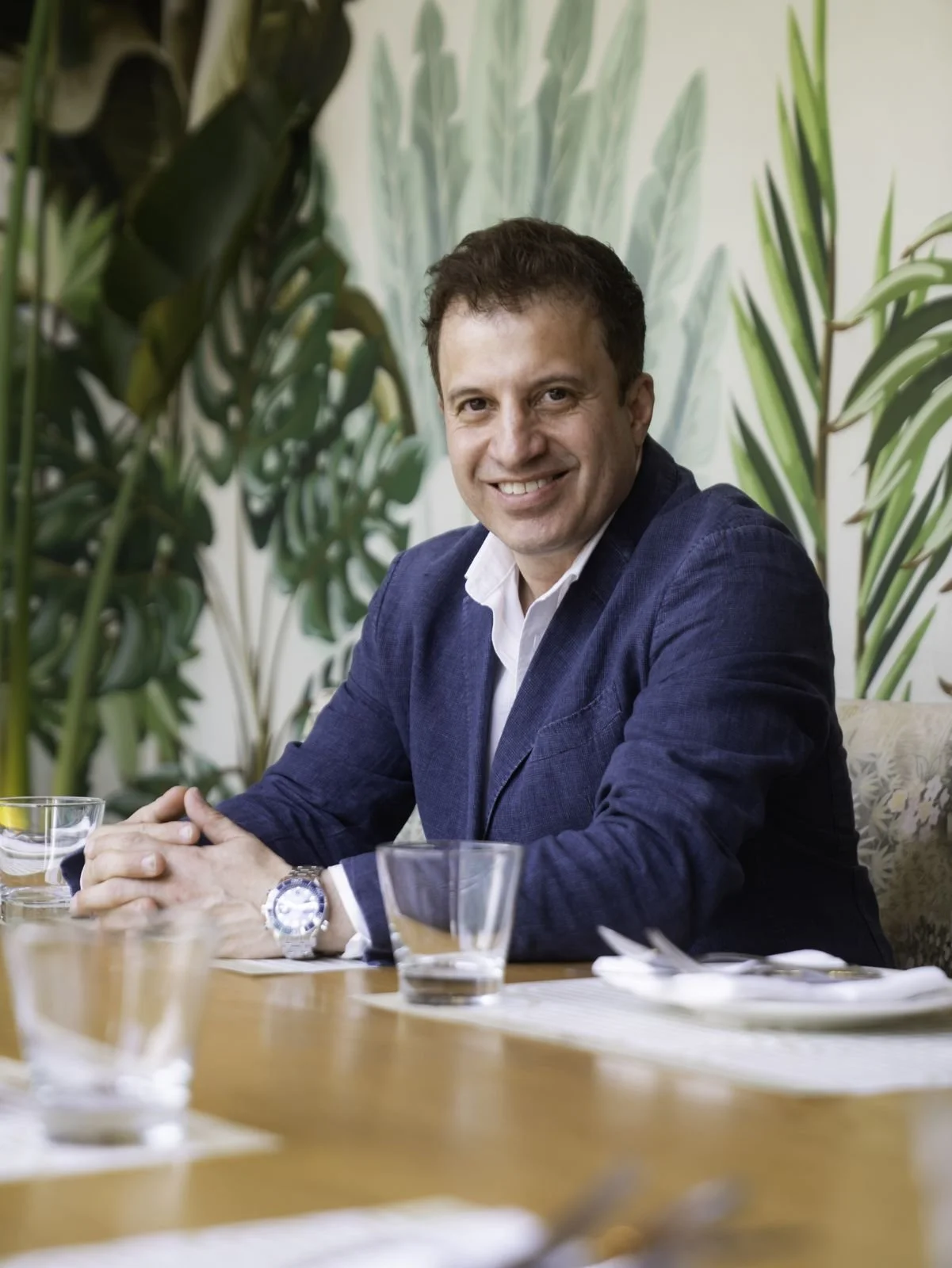
Exclusive Interview | Amrita Singh and Mattia Antonio Cianca, Co-Founders, Cellar 33
/Amrita Singh and Mattia Antonio Cianca, Co-Founders, Cellar 33, speak to Hospemag about bringing international wine producers into India, pairing wine with Indian food, building India's sommelier pipeline through the Sommeliers Association of India, and why Champagne, luxury hospitality, destination weddings and premium gifting are the next big opportunity.
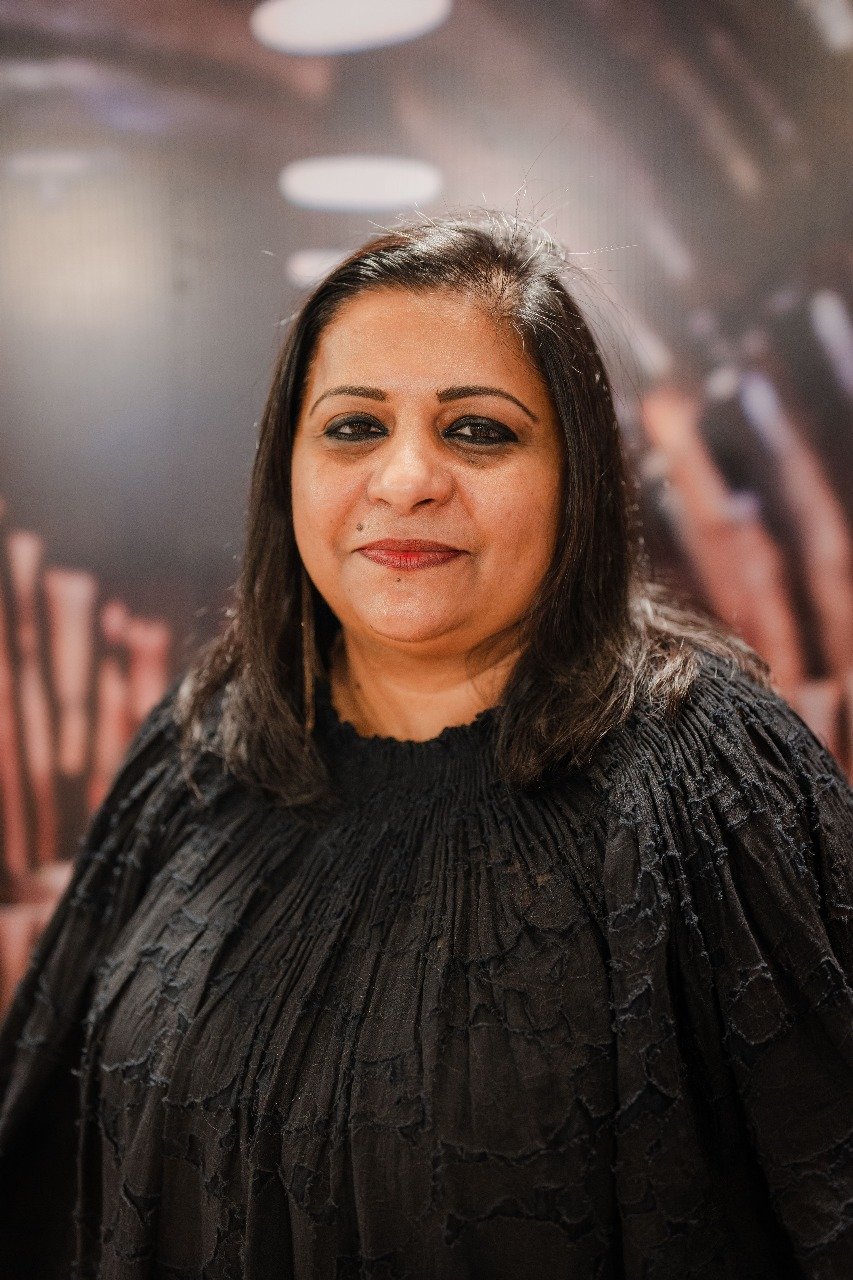
Amrita Singh
You spent years in fashion, luxury and lifestyle, at Aditya Birla Fashion and Retail and Jabong among others, before moving to Bordeaux in 2018 for wine. What made you change course, and which lessons from luxury retail have carried over most directly into building wine brands in India?
After 18 years in fashion and luxury, I felt the need to explore something more personal, rooted in craftsmanship, culture and experience. Wine brought all of this together, and moving to Bordeaux in 2018 allowed me to immerse myself in a completely new world. Interestingly, the lessons from luxury retail have remained central to my approach to wine: the importance of storytelling, understanding consumer aspirations, creating a distinctive brand experience and building trust through consistency. Just as in luxury, wine is about much more than the product; it is about the emotion, provenance and experience behind it. I see a wonderful opportunity to bring these two worlds together and help shape India's evolving wine culture.
Cellar 33 has grown from 21 producers at ProWine Mumbai 2023 to a portfolio of more than 70 in 2026, and has helped secure import agreements for 12 producers after the 2024 edition. What does a foreign producer most often misunderstand about entering India, and what makes an Indian importer say yes?
The biggest misconception foreign producers have about India is that it is one large, uniform market. In reality, it is a complex landscape with different state regulations, taxation structures, distribution systems and consumer preferences. Entering India requires patience, the right local partner and a long-term commitment rather than an expectation of immediate volumes. For an Indian importer to say yes, the wine needs to offer the right combination of quality, differentiation, commercial viability and a compelling story. Importers are looking for producers who understand the market, are willing to invest in building the brand and see India as a long-term opportunity. Ultimately, it is not just about bringing a good wine into India; it is about bringing the right wine, with the right positioning and the right partnership.
You have spoken about women consumers and changing wine habits. How is the way Indian women discover and buy wine changing, and are brands and hotels responding to it well enough?
Indian women are becoming more confident, curious and discerning wine consumers. Their discovery is increasingly driven by travel, social media, restaurants, friends and a growing interest in food, culture and lifestyle experiences. Wine is moving beyond being an occasional celebratory drink to becoming part of everyday social occasions and personal choices. Women are also more willing to experiment with different regions, grape varieties and styles rather than simply following familiar labels. I think brands and hotels have started recognising this shift, but there is still a long way to go. We need to move beyond stereotypical marketing and create more inclusive, engaging experiences through wine lists, tastings, storytelling and education. Most importantly, women should be recognised as knowledgeable consumers making their own choices, rather than being treated as a niche audience.
You are now a Master of Wine Stage 2 candidate while running two businesses and serving as Co-Founder & President of the Sommeliers Association of India. How has the MW journey changed the way you judge which wines to take to the Indian market?
The Master of Wine journey has made me much more analytical and discerning. It has deepened my understanding of terroir, winemaking, regions, styles and, most importantly, what defines quality in a wine. But it has also taught me to look beyond technical excellence and consider context. When selecting wines for India, I now evaluate not just quality but also authenticity, distinctiveness, consistency, food compatibility, price positioning and, above all, whether the wine has a story and a place in the market. A great wine does not automatically make a great commercial proposition. The challenge is to bring together the rigour of wine knowledge with an understanding of the Indian consumer, creating a portfolio that offers both discovery and value while building a more informed wine culture.
Mattia Antonio Cianca
You worked for over a decade in Australian restaurants, alongside chefs such as Ben Shewry and Heston Blumenthal, and were named Best Sommelier of Australia (2017) and of Italy (2019). What does a world-class beverage programme get right that most Indian hotel and restaurant wine lists still miss?
Working in restaurants such as Attica and Dinner by Heston Blumenthal taught me that a great beverage programme is not defined by the number of labels on a wine list or the prestige of the producers represented. It is about creating an experience that complements the cuisine, reflects the restaurant's identity and, most importantly, responds to the expectations of its guests.
One of the biggest differences I notice in India is that many wine lists are still built primarily around commercial agreements, supplier portfolios or internationally recognised brands, rather than around the food and the dining experience. However, I also recognise that this is not necessarily a choice made by the restaurants themselves, but often a consequence of the limitations of the market.
In Australia and Europe, we often had the opportunity to source wines directly from producers, negotiate exclusive allocations, develop private labels or collaborate with wineries on unique projects. This flexibility allows a sommelier to create a truly individual wine programme that guests cannot easily experience elsewhere. In India, these opportunities are considerably more limited by regulations, import structures and the relatively narrow diversity of wines available through existing distribution channels.
I hope that the gradual reduction of import duties and improvements in market accessibility will eventually allow Indian restaurants to enjoy greater freedom and creativity when building their selections.
But a world-class beverage programme goes far beyond wine. Tea, coffee, infusions, non-alcoholic pairings and other carefully designed beverage experiences can be just as important. At the highest level of hospitality, every beverage served should have a purpose and contribute to the overall dining experience. India, with its extraordinary heritage of teas, spices and aromatic ingredients, has enormous potential to develop something truly unique in this area.
Of course, none of this works without well-trained staff, thoughtful pricing, strong by-the-glass selections and proper stock management. A great sommelier must understand purchasing, margins, inventory and profitability just as well as wine regions and grape varieties.
For me, the real luxury is not having the most expensive bottle on the list. It is having the right beverage, served in the right way, to the right guest.
Indian food, with its spice, heat, tang and layered sauces, is often called "hard to pair". Which pairing myths would you like to retire, and could you give two or three specific Indian dish and wine matches that work better than people expect?
The first myth I would like to retire is that Indian food is inherently difficult to pair with wine. Quite the opposite! I find Indian cuisine one of the most exciting cuisines to work with because of its extraordinary diversity of flavours, textures, spices and, perhaps most importantly for me, colours.
I often approach food and wine pairing through colours. When I look at a dish, its dominant colours can inspire my initial choice of wine. Of course, this is not a scientific rule, but rather a creative starting point that I have found surprisingly effective.
For example, when I see green elements in a dish, whether fresh herbs, coriander, mint or green vegetables, my mind naturally goes towards wines with a similar green or herbal aromatic profile, such as Sauvignon Blanc or Grüner Veltliner.
If a dish has golden, yellow or creamy tones, I might consider a richer Chardonnay, perhaps with some oak influence, or a mature white Rioja, where the texture and complexity of the wine can beautifully complement those elements.
With red-coloured dishes, particularly those based on tomatoes or red spices, I start thinking about red wines, moving from lighter to more structured styles depending on the intensity and richness of the preparation. And when we encounter orange or amber tones, an orange wine or a more developed, textural white wine can sometimes create a fascinating connection.
What is equally important is understanding that Indian spices are not synonymous with chilli heat. There is an enormous difference between aromatic spices such as cardamom, cumin, coriander or saffron and the actual sensation of heat generated by chilli. Each of these elements can inspire a completely different pairing.
For example, I love the idea of pairing a fragrant green herb-based chicken preparation, such as hariyali chicken tikka, with a fresh Grüner Veltliner or Sauvignon Blanc. The herbal character of the wine reflects the green aromatics of the dish, while the acidity brings freshness.
Another interesting combination would be a rich, creamy butter chicken with a fuller-bodied Chardonnay or a textured white Rioja. The roundness and complexity of the wine can complement the creamy texture and gentle spices of the dish, provided the chilli heat is not excessive.
For a deeply coloured, aromatic lamb rogan josh, I would consider an elegant Syrah from the Northern Rhône, where peppery and savoury notes can complement the spices and the richness of the meat.
Naturally, colour alone does not determine the pairing. We still need to consider acidity, sweetness, tannins, alcohol, texture and the intensity of the dish. But I find that starting from the visual identity of food opens up a much more creative and intuitive way of thinking about wine.
And we should remember that Indian dining often involves several dishes being shared at the same time. Sometimes the best wine is not the one that pairs perfectly with a single preparation, but the one that creates harmony across the entire table.
Ultimately, food and wine pairing should be about curiosity, pleasure and experimentation, rather than following rigid rules.
You represented your countries at the Best Sommelier of the World contest in Paris in 2023 and are now a Master Sommelier candidate. What should a young Indian sommelier focus on today to compete internationally, and what is the Sommeliers Association of India doing to build that pipeline?
My first piece of advice to any young sommelier is very simple: never stop being curious, never stop learning and, above all, remain humble.
Throughout my career, I have been fortunate to work alongside extraordinary chefs, sommeliers and hospitality professionals, and one of the most valuable lessons I have learned is that knowledge is everywhere, provided you are willing to listen and ask questions.
I always encourage young professionals to be like sponges. Absorb as much information as possible from your colleagues, managers, suppliers, winemakers and, very importantly, your guests.
Learning should not be something that happens exclusively in a classroom or during a wine course. It should become part of your everyday working environment. Ask questions during service, discuss wines with colleagues, organise small tastings, share discoveries and create a culture where everyone is constantly learning from one another.
This approach has two immediate benefits: you become a better professional every day, and the experience you deliver to your guests improves alongside your knowledge.
Of course, competing internationally requires a very high level of preparation. Having represented Australia and Italy in international competitions, I know how demanding the process can be. Beyond theoretical knowledge and blind tasting, sommeliers must develop exceptional practical service skills, communication, language abilities, time management and the capacity to remain calm under pressure.
I would also encourage young Indian sommeliers to expand their knowledge beyond wine. International competitions increasingly require expertise in spirits, sake, beer, coffee, tea, water and many other beverages. The modern sommelier needs to be a complete beverage professional.
But I believe the most important thing is to develop the right mindset. Competitions and certifications are wonderful objectives, but they should never become the only reason to study. The ultimate purpose of our profession is hospitality, making people feel welcome and creating memorable experiences.
This is precisely why we founded the Sommeliers Association of India (SAI). We wanted to create a structured pathway for Indian sommeliers to access international education, certifications, competitions and professional networks.
In 2025, we organised the first Best Sommelier of India competition, following international ASI standards, with Jai Singh emerging as the winner. We also introduced the ASI Sommelier Diploma examination in India, providing local professionals with access to an internationally recognised qualification.
These are important milestones, but our ambition goes much further. We want to build a sustainable professional community where education, mentorship and international exposure become accessible to a new generation of Indian sommeliers.
India has extraordinary hospitality talent. What we need to develop further are the structures and opportunities that allow this talent to compete on equal terms with professionals from more established wine markets.
I would love to see an Indian sommelier reach the final of the Best Sommelier of the World competition in the coming years, and I genuinely believe it is achievable.
But ultimately, my greatest satisfaction would be seeing a generation of Indian sommeliers who are not only internationally competitive, but also recognised for their knowledge, humility, curiosity and genuine passion for hospitality.
For Both
Your showcase at ProWine Mumbai (18–19 November) includes a dedicated Champagne Bar and an International Spirits Corner. Why lean into Champagne now, and how big an opportunity do luxury hospitality, destination weddings and premium gifting represent in India?
Champagne has a very special place in the world of luxury and lifestyle, and we believe India is entering a phase where consumers are increasingly ready to explore it beyond traditional celebrations. There is a growing appetite for premium experiences, particularly within luxury hospitality, destination weddings and corporate and personal gifting. These segments represent a significant opportunity for Champagne and premium spirits, as consumers are looking for products that offer provenance, exclusivity, quality and a sense of occasion. Hotels and restaurants are also playing an important role in introducing consumers to new labels and experiences. Our dedicated Champagne Bar at ProWine Mumbai is an opportunity to bring this world closer to the Indian trade and consumers, encourage discovery and create meaningful connections with producers. We see enormous potential in positioning Champagne not just as a celebratory drink, but as part of India's evolving luxury lifestyle and hospitality culture.
For a guest at an Indian hotel who finds wine intimidating, what is the one change in service or on the wine list that would make the biggest difference, and who should own it: the sommelier, the F&B manager or the producer?
We would start by making the wine list less intimidating and more approachable, with simple descriptions that focus on taste, style and food pairing rather than technical terminology. Guests should feel comfortable asking questions and discovering something new without feeling they need prior knowledge. A well-trained sommelier can make a tremendous difference by listening to the guest's preferences and guiding them rather than overwhelming them with choices. Ultimately, this is a shared responsibility: the producer must communicate the wine's story simply, the F&B manager must invest in training and an accessible wine programme, and the sommelier must bring it to life through personal interaction. The objective should be to make wine enjoyable, inclusive and part of the overall dining experience, rather than something that feels exclusive or intimidating.
Looking five years ahead, what will the Indian wine consumer look like, and what role do you want Cellar 33 to have played in shaping them?
We believe the Indian wine consumer will become more informed, adventurous and confident, with a growing interest in exploring different regions, grape varieties, styles and price points. Wine will increasingly become part of a broader lifestyle, food and social culture rather than being reserved for special occasions. We also see younger consumers and more women playing an important role in shaping this evolution. Our ambition for Cellar 33 is to be a catalyst in this journey bringing exciting international producers to India, creating opportunities for discovery, building knowledge and connecting the trade with the global wine community. Ultimately, we would like Cellar 33 to have helped make wine more accessible, inclusive and aspirational, while nurturing a more knowledgeable and curious generation of Indian wine consumers.