Nishant Negi, Welcomhotel Dwarka, on Personalisation, People and Delhi's Evolving Hotel Market
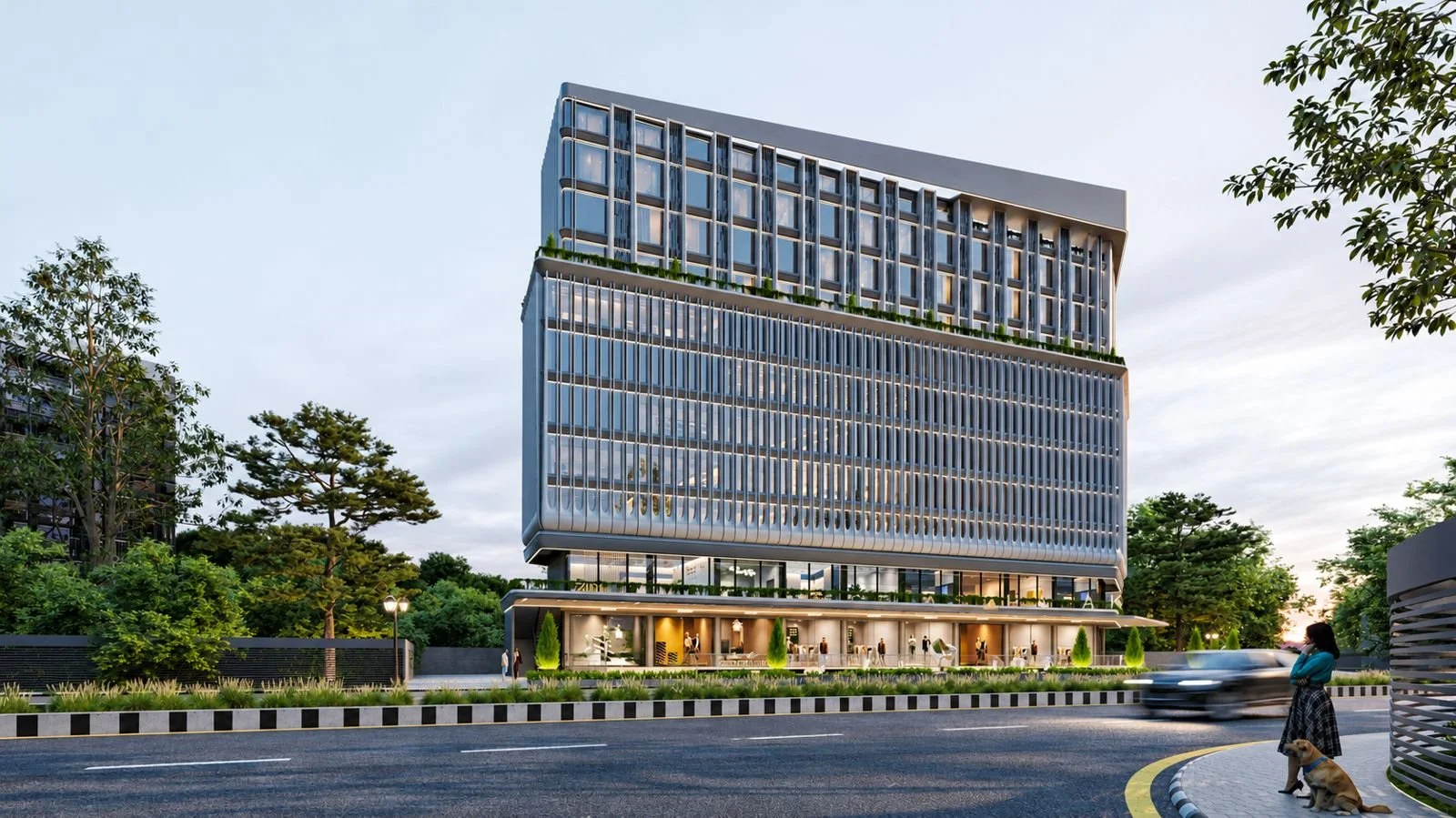
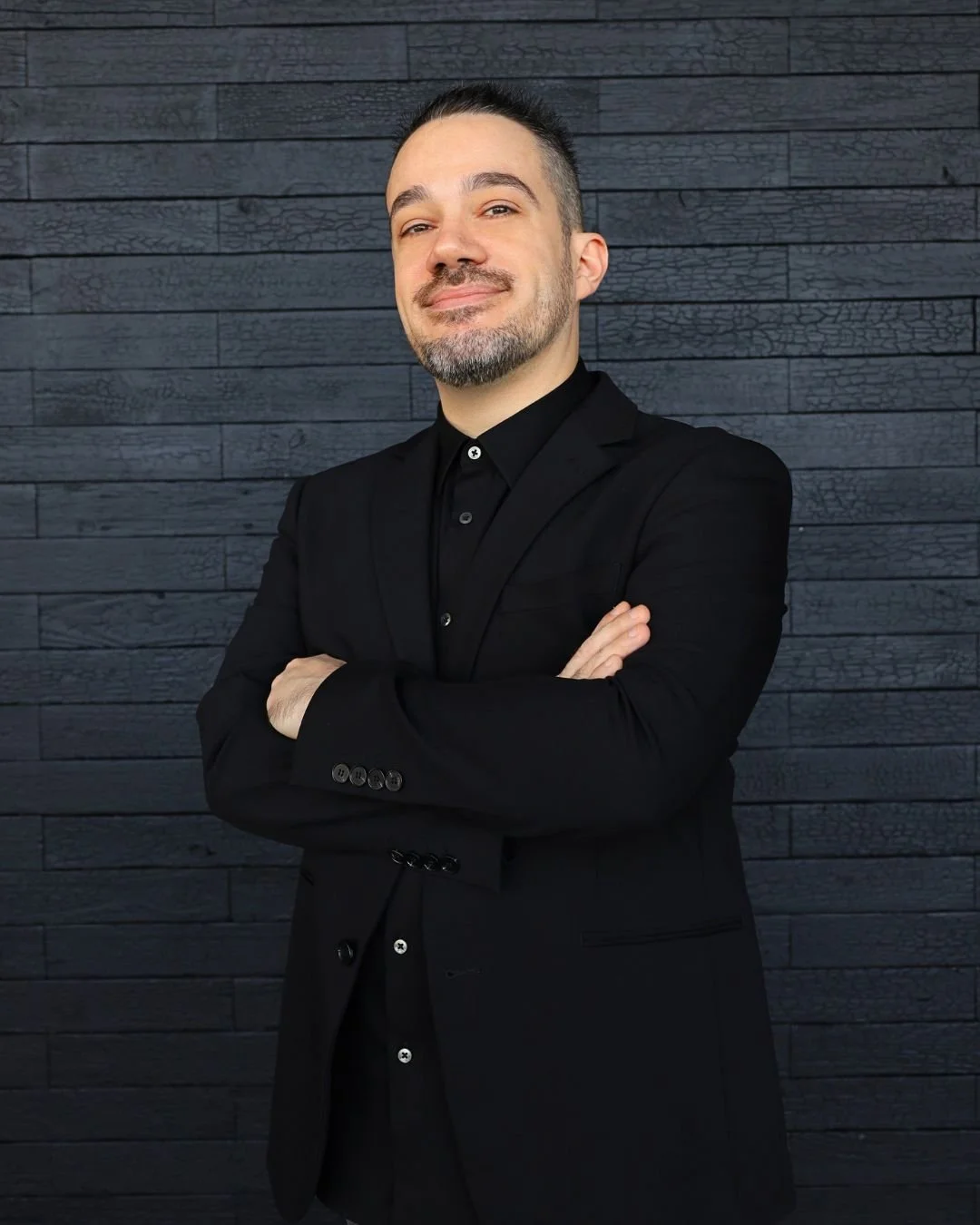
/Nishant Negi is General Manager of Welcomhotel by ITC Hotels, Dwarka, a 392-room upper-upscale hotel beside Yashobhoomi, the India International Convention & Expo Centre, in New Delhi. He has spent over 20 years with ITC Hotels, including roles at ITC Grand Chola, ITC Maratha, Sheraton New Delhi and ITC Mughal, and holds a Revenue Management certification from IIM Ahmedabad. He is repositioning the hotel towards MICE and celebrations, with the launch of Del One, its all-day dining restaurant, and Still & Soil, a craft gin bar. He has won the Hotelier India GM of the Year – North award.
Hospemag spoke to him about traveller expectations, operations, food and beverage and leadership in Delhi.
How are traveller expectations in Delhi evolving, and how is Welcomhotel Dwarka responding to these changes?
Today's travellers are seeking experiences that are seamless, personalized, and purpose driven. With comfort and service as the basic requirement, guests have started valuing convenience, wellness, technology-enabled interactions, authentic local experiences, and sustainable practices.
At Welcomhotel Dwarka, we are responding by focusing on personalized guest engagement, enhancing digital touchpoints, offering thoughtfully curated dining experiences with season and festive-based themes, and maintaining the highest standards of service excellence. Given our proximity to the airport and major business hubs, we cater to a diverse mix of corporate, leisure, MICE, and international travellers, ensuring flexibility and consistency across every touchpoint. Our emphasis remains on delivering warm Indian hospitality while embracing evolving guest expectations.
How is Delhi's hospitality landscape evolving, and what opportunities and challenges lie ahead?
Delhi continues to strengthen its position as one of India's most important hospitality markets, driven by business travel, tourism, MICE activity, weddings, and international events. Infrastructure development, improved connectivity, and growing inbound travel are creating significant opportunities for hotels.
At the same time, increasing supply in certain segments has intensified competition, making differentiation more important than ever. Hotels can no longer compete solely on location or pricing; they must compete on experience, service quality, and brand value. The biggest opportunity lies in creating distinctive guest experiences, while the biggest challenge is maintaining profitability amid rising operating costs and heightened customer expectations.
What are the biggest operational challenges for hotels in Delhi, and how do you address them?
The hospitality industry is currently navigating challenges related to talent acquisition and retention, increasing utility costs, evolving guest expectations, and operational efficiency.
Our approach is rooted in investing in people, leveraging technology, and maintaining robust operational processes. We focus significantly on employee engagement, training, and career development because exceptional guest experiences begin with motivated teams. Additionally, we continuously review operational efficiencies, optimize resource utilization, and strengthen preventive maintenance practices to ensure seamless delivery of services.
How are guests' food and beverage preferences changing?
Guests today are more informed and experimental than ever before. There is growing demand for healthier choices, locally inspired cuisine, sustainability-driven practices, and menus that accommodate diverse dietary preferences.
At the same time, diners continue to seek authenticity. Whether they are enjoying regional Indian specialties or international cuisine, they want quality ingredients, a compelling story, and memorable presentation. We are seeing increased interest in wellness-focused dining, experiential culinary offerings, and customized dining experiences that balance indulgence with conscious choices.
What does effective leadership look like in the hospitality industry today?
Effective leadership in hospitality today is about balancing business performance with empathy, agility, and accountability. Leaders must inspire teams, adapt quickly to changing market conditions, and keep the guest experience at the centre of every decision.
In an industry built on people, leadership is not about giving directions; it is about creating an environment where individuals feel valued, empowered, and motivated to deliver their best. The most successful leaders are those who remain visible, approachable, decisive, and committed to continuous learning and innovation.
What key shift or lesson do you believe will shape the hospitality industry over the next few years?
The most significant shift will be the growing importance of personalization supported by technology, without losing the human touch that defines hospitality.
While technology will continue to streamline operations and enhance convenience, genuine service and emotional connections will remain the true differentiators. Guests may remember efficient processes, but they are far more likely to remember how a hotel made them feel. The hotels that successfully combine technological innovation with authentic hospitality will be best positioned for long-term success.
"Hospitality has always been about people. As technology reshapes the industry, our greatest competitive advantage will continue to be our ability to create meaningful experiences, build trust, and deliver genuine care at every guest touchpoint." – Nishant Negi, General Manager, Welcomhotel by ITC Hotels, Dwarka.
Images: courtesy of Welcomhotel by ITC Hotels, Dwarka