Exclusive Interview | Chef Jagdish Singh | CDC Indian Cuisine
/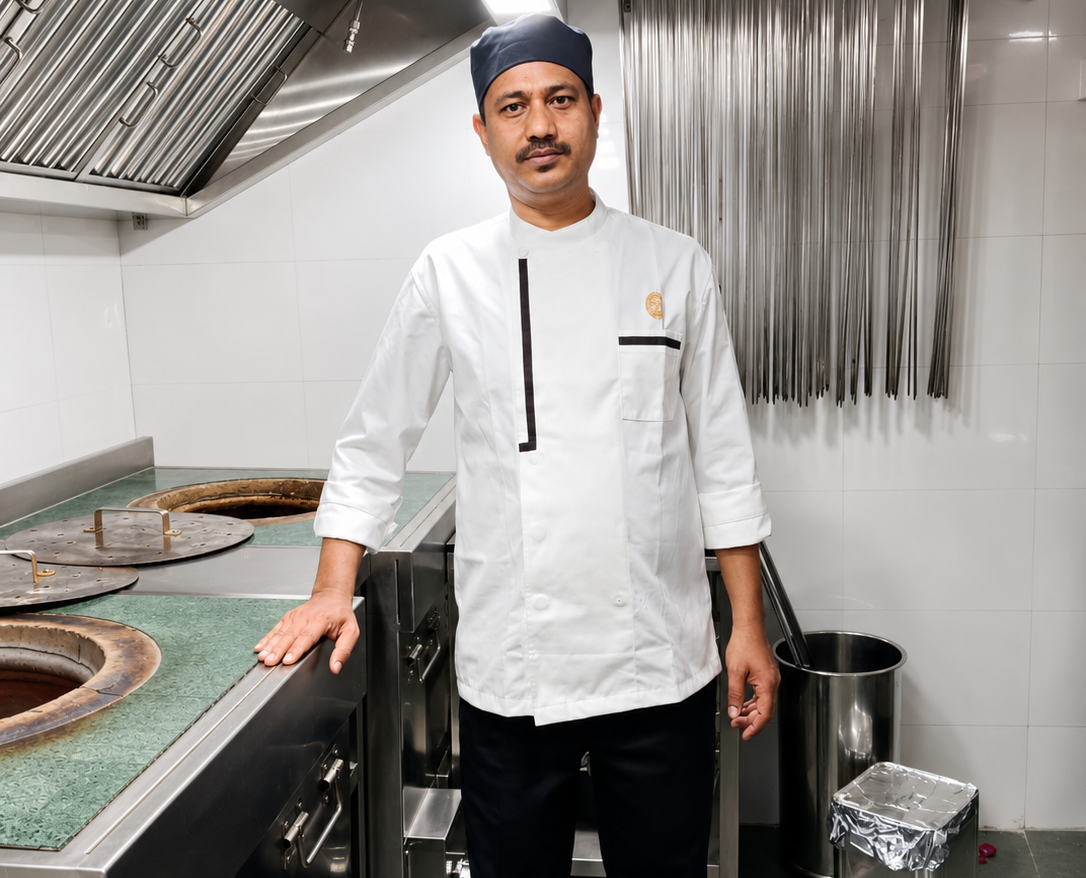
Chef Jagdish
“Consistency is the key to success. Clients may not remember every detail of a restaurant’s atmosphere, but they will keep coming back because they know the food tastes right.”
Editor: How did your culinary journey start back in 2003, and how has working across India and the Maldives shaped your approach to kitchen leadership?
My culinary odyssey began in 2003 with my entry into commercial kitchens and my understanding of the true meaning of working in hospitality. Through my experience of working with restaurants, hotels, and hospitality brands in India and the Maldives, I was exposed to different teams, guests, working environments, and kitchen techniques, which made my learning curve steeper over the years. Each experience has been an informative one for me.
Over time, I began to understand that being a chef is not only about cooking. It also means managing others, ensuring discipline and hygiene, training young people, and making sure that everything works perfectly in the kitchen. My experience shaped my views on leadership: lead by example, take care of your employees, and never compromise on quality.
Editor: What essential skills, techniques, or mindset are needed to master tandoor cooking in professional kitchens today?
Cooking with the tandoor requires patience, accuracy, and considerable experience. You are working with fire, so an understanding of temperature is essential. The same heat can behave differently depending on what you are cooking, which means flavour and texture are greatly influenced by the heat level.
In addition to technical skills, consistency is essential. In a restaurant, it is not enough to prepare one perfect naan or kebab. The same quality must be consistently produced on a larger scale.
Editor: What specific attributes do you look for when selecting, hiring, or mentoring young talent for your kitchen team?
To start with, attitude is an essential quality in a professional working environment. Techniques can be taught to an individual, but a sense of discipline, willingness to learn, and respect for the kitchen have to come from within. Therefore, punctuality, a hardworking approach, cleanliness, and the ability to listen have become my primary selection criteria.
I also believe that curiosity is an indispensable quality for young cooks. They should not only know how to ask questions but also be willing to learn from their mistakes.
Editor: What steps should an aspiring cook take if they want to train under your guidance in tandoor specialisation?
As a mentor, the first thing I would recommend to anyone interested in working with a tandoor is to learn the basic aspects of kitchen work. They should understand the principles of hygiene, mise en place, cooking methods, and the discipline required in a professional kitchen.
Moreover, they should be willing to study before trying to master the technique. Learning how to control the fire, understanding the role of temperature, and observing how experienced cooks work with dough and ingredients are all essential steps.
Editor: What key advice would you offer to a young intern stepping into a high-pressure commercial kitchen for the first time?
Do not feel stressed, and refrain from trying to prove your worth on your first day. First and foremost, observe everything happening around you. Understand how the hierarchy operates in the kitchen and follow the instructions given to you precisely. At the same time, make sure you know where everything is in your station.
Do not forget to clean the place where you work, as cleanliness and discipline in the kitchen also matter. If you do not know something, you should not hesitate to ask others in the kitchen. The essence of working in a kitchen lies in the daily learning process.
While mistakes do happen in the kitchen, you should always keep in mind that repeating the same mistake without learning from it is unacceptable.
Editor: Reflecting on your 19-year journey leading kitchen teams, what single factor contributed most to your growth as a chef?
Consistency is the key to success. I have always been of the opinion that clients may not remember every detail of the atmosphere of a restaurant they have visited, but they will keep coming back because they know the food there tastes right. This principle has guided me throughout my career.
Consistency also applies to the way we work — working together as a team, following hygiene rules, maintaining discipline, and ensuring the quality of the food served. Throughout the years, taking responsibility for what happens in the kitchen and learning from experience have helped me grow as a professional.
Editor: What key trends do you see impacting traditional Indian cooking, consistency, and kitchen management in hospitality?
The world of kitchens is moving faster nowadays than ever before. Various types of equipment and technologies are emerging every day to help people organise and conduct their work more effectively, while customers are becoming more particular and demanding.
I see this as a positive development because it contributes to the growth of chefs as professionals. However, when it comes to traditional Indian cuisine, we should be careful with the emphasis on speed. The challenge for today’s chefs is to learn how to manage and use modern techniques and technologies in their kitchens while keeping traditional methods and heritage in mind.
Editor: How do you view the role of modern tech in tandoor cooking, and what traditional techniques must remain hands-on?
Technology can definitely make professional kitchens faster, more organised, and more efficient. It can help with temperature control, operational workflows, and cooking procedures.
However, tandoor cooking still requires a human touch, particularly when it comes to handling fire. Knowing how the heat feels, how the ingredients react, and when to take a dish out of the tandoor are special skills acquired through experience.
Therefore, technology should not replace the decisions of a chef but should enhance them.
Editor: What is the one kitchen tool or tech feature you wish existed to make daily operations smoother?
I would love to see a smart kitchen system that encompasses everything, including temperature control, cooking times, and workflow management. This would reduce the need to constantly monitor every aspect of the process.
However, such a system should be convenient and uncomplicated, as technology should be aimed at saving time in the kitchen rather than creating another task for the staff.
Editor: What are two traditional culinary practices in hospitality that you would like to see transformed?
The first is the way knowledge is passed from one generation of chefs to another. A lot of valuable information remains informal and is not documented. I would like experienced chefs to pass on their knowledge of traditional cooking methods and recipes to the younger generation of cooks.
The second is the belief that working long hours is a measure of dedication. Being dedicated should be about working efficiently, maintaining quality, and contributing meaningfully to the team rather than simply spending long hours in the kitchen.
Editor: What is your favourite question to ask culinary candidates during an interview, and why?
I enjoy asking questions such as, “What is one thing you want to learn that you don’t know at this moment?”
For me, the response reveals a great deal about the candidate’s attitude. A person can have technical knowledge, but in the kitchen, things change all the time and no one can know everything.
I would rather work with someone who is curious, disciplined, and eager to learn than with someone who thinks they know it all. A chef continues learning throughout their career, and I strongly believe the same is true for every member of a kitchen team.