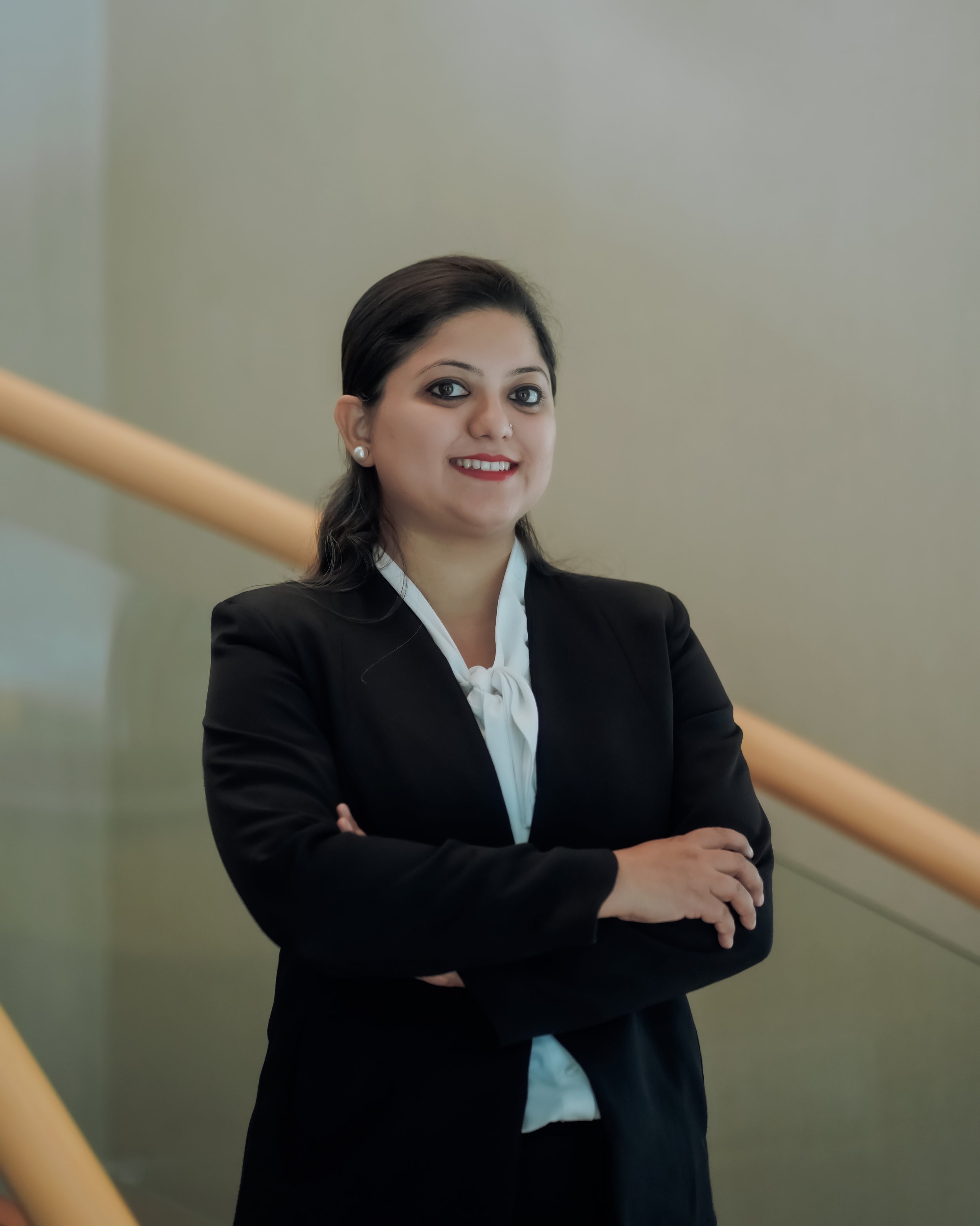
Exclusive Interview | Neha Pant Learning & Development Manager | Novotel Pune
/
Editor: Tell us about your journey in learning and development. How did it all start? My journey into Learning & Development began with a simple yet powerful moment early in my hospitality career. During my first induction, I attended a series of training sessions facilitated by a trainer whose presence, passion, and ability to inspire people left a lasting impression on me. Watching her create such a meaningful impact on the learners made me think, "One day, I'd love to do what she does." That thought stayed with me for years.
In 2019, I joined academia, where I was entrusted with teaching and mentoring young graduates aspiring to become future hoteliers. It was during this phase that I truly discovered the joy of facilitating learning and witnessing students grow in confidence, knowledge, and professionalism. Being surrounded by fellow educators further strengthened my belief that Learning & Development was not just about delivering training—it was about shaping careers, building confidence, and unlocking potential.
My return to the hotels in an L&D role happened quite unexpectedly. What began as an accidental opportunity soon evolved into a purposeful career. As I grew into the role, I found immense fulfillment in helping people learn, develop, and succeed. Whether it's supporting a new Heartist in finding their confidence or enabling leaders to strengthen their capabilities, every learning journey I facilitate reminds me why I chose this profession.
Today, I often describe myself as “Nurturing Neha” because I believe my greatest purpose is to help people grow. There is no greater reward than knowing you've made a positive difference in someone's personal or professional journey.
Editor: What do you think it takes to succeed in the training and development side of hospitality?
I believe success in Learning & Development begins with curiosity—the willingness to keep learning, ask questions, and understand the evolving needs of both people and the business. Hospitality is a dynamic industry, and an L&D professional must continuously adapt to changing guest expectations, operational priorities, and workforce trends.
Open-mindedness is equally important. Every individual learns differently, and embracing diverse perspectives helps create learning experiences that are inclusive, relevant, and impactful.
Empathy is at the heart of effective learning. Before we can develop people, we need to understand them—their aspirations, challenges, and motivations. When learners feel heard and supported, they are far more engaged and willing to grow.
Finally, adaptability is essential. No two days in hospitality are the same, and neither are the learning needs of our teams. The ability to tailor learning approaches, embrace new technologies, and respond to changing business priorities is what makes Learning & Development truly effective.
For me, training is not just about transferring knowledge—it’s about inspiring people to become the best version of themselves while enabling them to create exceptional experiences for our guests.
Editor: What are the attributes you look for while selecting or hiring talent for learning initiatives?
The two qualities I value most are attitude and professional presence.
For me, attitude is the foundation of success. Skills can be taught, communication can be refined, and technical knowledge can be developed through training. However, qualities such as a willingness to learn, a positive mindset, humility, accountability, and the desire to grow come from within. When someone has the right attitude, they are far more receptive to feedback and continuous learning.
Professional presence, including grooming, is equally important in hospitality. Grooming is more than appearance—it reflects how seriously you take yourself and the respect you have for your role, your colleagues, and your guests. It creates a positive first impression and demonstrates pride in representing the brand.
Ultimately, I believe it’s easier to develop skills than to change mindset. When I see someone with the right attitude, a genuine passion for hospitality, and the willingness to learn, I know they have the potential to grow into an exceptional professional.
Editor: If someone wants to work with you in learning and development, what should they do?
The first thing I’d say is be yourself. Authenticity is one of the most valuable qualities anyone can bring to the workplace. When people are comfortable being themselves, they are more open to learning, collaborating, and bringing fresh ideas to the table.
Secondly, stay curious and keep an open mind. Learning & Development is a field where you never stop learning. The best professionals are those who ask questions, seek feedback, explore new perspectives, and are willing to challenge their own thinking. Curiosity fuels growth, while open-mindedness allows us to embrace change and continuously evolve.
Most importantly, come with the mindset of wanting to make a difference. In Learning & Development, our role goes beyond conducting training—we have the privilege of shaping careers, building confidence, and creating meaningful learning experiences. If you genuinely enjoy helping others grow, you’ll find this profession incredibly rewarding.
Editor: What advice would you give to a young, aspiring hotelier starting their internship with a focus on training?
My advice would be to stay curious, keep an open mind, and be willing to step outside your comfort zone. An internship is much more than completing assigned tasks—it’s an opportunity to observe, explore, and learn from every experience around you.
Don’t limit yourself to what’s on your checklist. Ask questions, seek feedback, volunteer for new experiences, and spend time understanding how different departments work. Some of the most valuable lessons come from being proactive and taking the initiative to learn.
This is something I share with every intern or Heartist starting their career: never stop asking “why.” Curiosity is one of the greatest strengths you can develop early in your career. The more you seek to understand, the more confident and capable you will become.
Most importantly, remember that every experience—whether it is a success or a challenge—is shaping you into the hospitality professional you will become. Stay humble, embrace learning, and make the most of every opportunity.
Editor: What is the single factor that helped you achieve your promotion in learning and development?
If I had to identify one factor, it would be having a clear sense of purpose. My purpose has always been to create a positive impact in the lives of as many people as I can through learning.
I have never viewed my role as simply delivering training sessions. Every interaction is an opportunity to inspire confidence, unlock potential, and help someone become a better version of themselves. When you genuinely invest in people’s growth, the results naturally follow—not just in their development, but in your own journey as well.
I believe promotions are a by-product of consistently creating value. When you stay committed to making a meaningful difference, recognition and career growth eventually find their way to you. That purpose continues to guide me every day and is what motivates me to keep learning, growing, and nurturing others.
Editor: What are some of the trends you see impacting training and employee development in the hospitality industry?
Learning in hospitality is becoming far more personalized, technology-enabled, and continuous than ever before. Digital learning platforms, microlearning, AI-driven recommendations, and mobile learning are making it possible for employees to learn anytime, anywhere, and at their own pace.
At the same time, there is a growing emphasis on human skills. While technical competencies remain important, organizations are investing more in developing emotional intelligence, communication, adaptability, leadership, and collaboration. These are the skills that elevate guest experiences and strengthen team performance.
Another trend I find encouraging is the shift from training for compliance to learning for growth. Employees today want meaningful development opportunities, clear career pathways, and continuous feedback. Learning is becoming a key part of the employee experience rather than a one-time event.
I believe the future of Learning & Development in hospitality lies in creating a balance between technology and the human touch. Technology can make learning more accessible and engaging, but it’s meaningful conversations, coaching, and real workplace experiences that truly inspire people to grow.
Editor: What technology would you like to see in training operations? What operational problems need tech solutions?
I would like to see technology becoming more intelligent, integrated, and learner-centric. Artificial Intelligence has the potential to recommend learning paths based on an individual’s role, performance, career aspirations, and skill gaps—making learning more relevant and targeted.
Technology can also simplify operational aspects of Learning & Development. Automating training nominations, attendance tracking, compliance reminders, certifications, and learning analytics would reduce administrative effort and allow L&D professionals to spend more time on coaching, mentoring, and developing people.
Another area where technology can make a difference is in measuring the effectiveness of learning. Beyond tracking course completion, smarter tools should help us understand how learning is being applied on the job and how it contributes to employee performance, engagement, and guest satisfaction.
Ultimately, technology should not replace the human element of learning—it should enhance it by making learning more accessible, efficient, and impactful.
Editor: What is the one tech/app/software feature you would like to see for employees or for training operations?
If I had to choose one feature, it would be an AI-powered Learning Companion integrated into the organization’s learning platform.
Imagine a Heartist being able to ask questions like, “How do I handle an upset guest?” or “What learning should I complete to prepare for a Front Office Supervisor role?” and instantly receiving personalized guidance, relevant learning content, and practical resources.
For L&D teams, the same feature could identify skill gaps, recommend learning journeys, send intelligent reminders, and provide insights into learning effectiveness. It would shift learning from being event-based to being available in the flow of work, exactly when employees need it.
I believe the future of workplace learning is not just about giving employees access to content—it is about giving them access to the right learning, at the right time, in the right