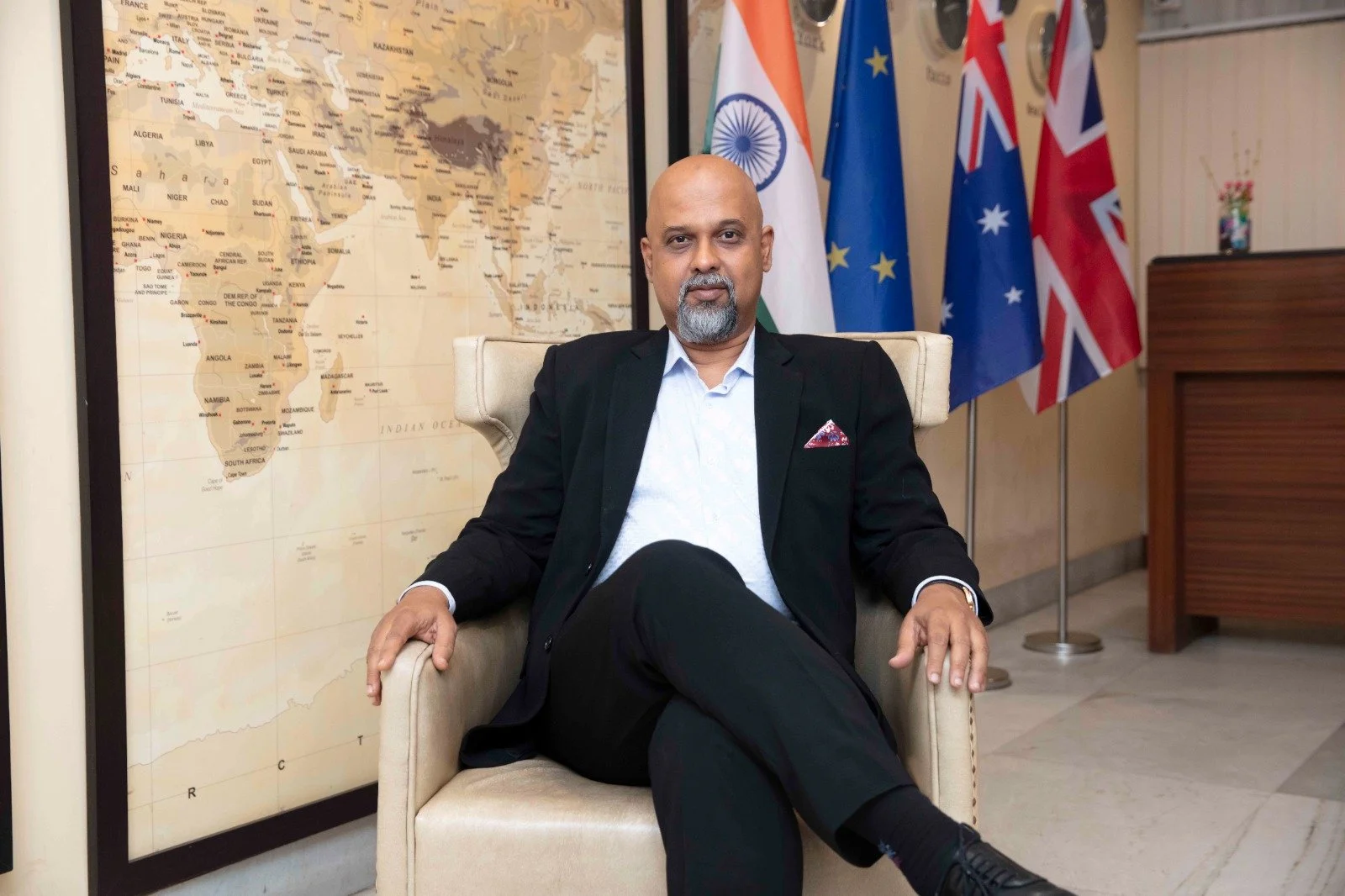
Exclusive Interview | Shayaan Mitha – Senior Sous Chef at Prego, The Westin Hyderabad Mindspace
/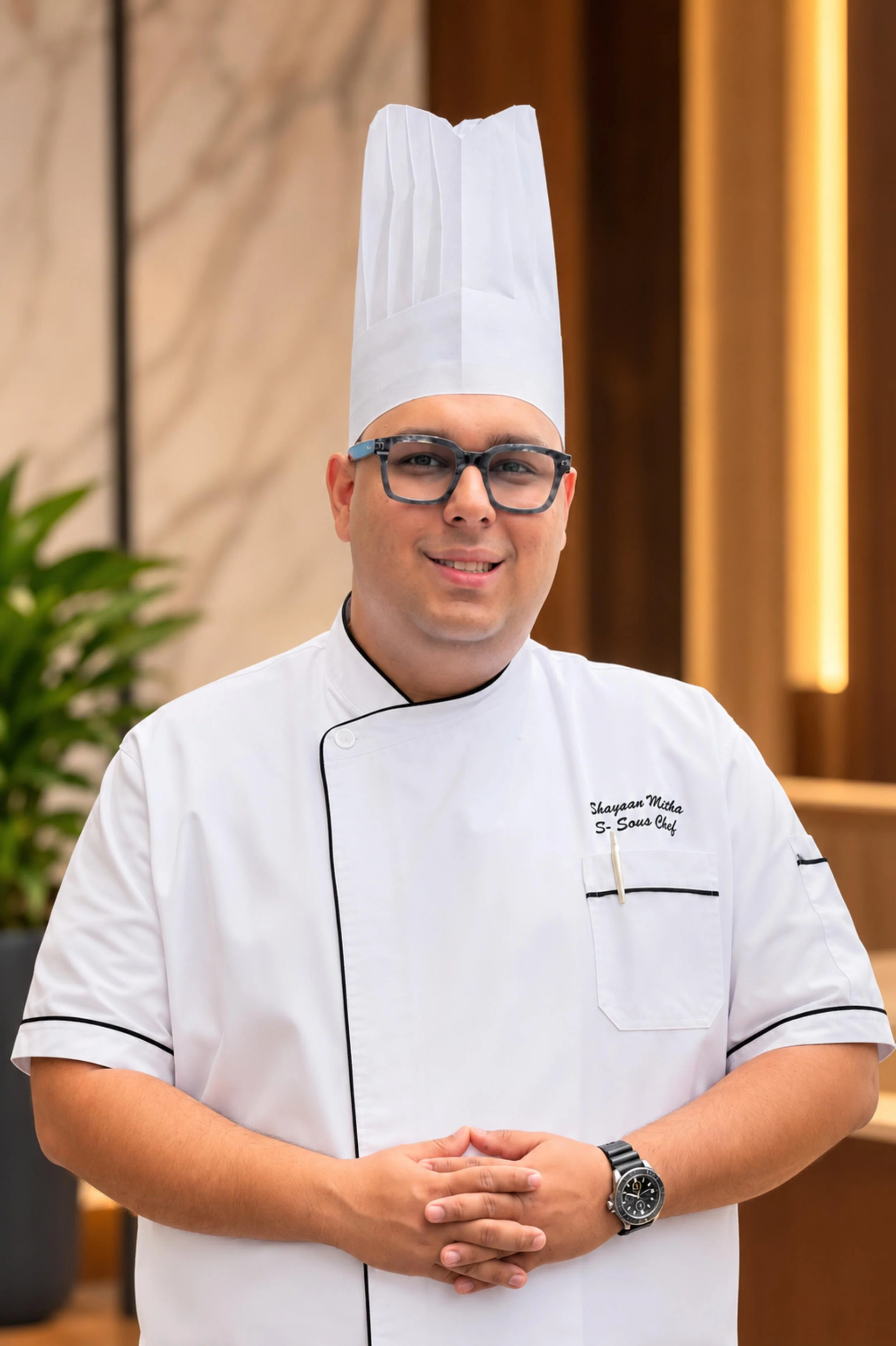
Chef Shayaan Mitha
"Those early experiences and one on one mentorship opportunities with great chefs laid the foundation of ‘Create, don’t imitate’ for my career and sparked a lifelong commitment to learning and growing as a chef."
Editor: How did it all start? Share your culinary journey with us.
My culinary journey began when I was 17, working as a barista and washing dishes at an award-winning pâtisserie. Starting in the front of house and behind the sink taught me the value of hard work, discipline, and attention to detail.
As I gained experience and earned the chef's trust, I was allowed to step into the kitchen. There, I developed my skills across multiple disciplines, learning the craft of boulangerie (artisan bread), viennoiserie (laminated pastries), and savoury cuisine. Every new challenge strengthened my passion for the culinary arts and deepened my appreciation for the precision, creativity, and dedication that go into creating exceptional food.
Those early experiences and one on one mentorship opportunity with great chefs laid the foundation of “Create, don’t imitate” for my career and sparked a lifelong commitment to learning and growing as a chef.
Editor: What are your earliest memories of the kitchens you worked in?
My earliest memories of the kitchen are being taught the importance of precision through simple knife cuts like I call it the journey from brunoise to macédoine. One represents small dices & the latter is larger cubes. Those tiny, meticulous cuts represented something much bigger—they taught me that every chef starts with the smallest details, and that growth comes from mastering the fundamentals.
As my skills developed, so did the opportunities. I was fortunate to work in a lab-based kitchen where I moved beyond the basics into fermentation, learning to operate incubation chambers to create fermented black vegetables and preserve seasonal local produce through pickling. My journey continued into whole-animal and fish butchery, where I worked with more than 100 varieties of fish while building relationships with sustainable fisheries across India.
Looking back, the progression from perfecting a brunoise to understanding fermentation, butchery, and sustainable sourcing reflects how my career has evolved—one lesson, one ingredient, and one opportunity at a time.
Editor: A dish your patrons love.
The dish people love most isn't always the one that took three days to make. It's the one they come back for—the one that reminds them of home or evokes a memory.
For me, that's a grilled cheese sandwich.
Growing up, my mum would make grilled cheese sandwiches for my school tiffins. It was simple, comforting, and something my friends always looked forward to. That memory has stayed with me throughout my career and continues to influence the way I think about food.
At Prego, we've reimagined that feeling in our Quattro Formaggi Fogatoni. Served with a 100% tomato jus and caramelized onions, it captures the familiar flavours of a classic grilled cheese while elevating them through technique and craftsmanship. It's a dish that surprises guests, but more importantly, it takes them back to a moment of comfort and nostalgia.
To me, that's what great food should do—not just impress with technique but create an emotional connection that lingers long after the meal is over.
Editor: A dish you love but do not have on your menu.
I'm fortunate to work with Chef Ashfaque Ali at The Westin Hyderabad Mindspace, who encourages creativity and gives me the freedom to experiment. If there's a dish, I'm passionate about, chances are it won't stay off the menu for long—it usually finds its way onto our specials at Prego.
Editor: What does it take to become a successful chef?
I'll let you know when I get there.
For now, I think it takes curiosity, consistency, a willingness to keep learning, and the ability to laugh when things don't go to plan.
Editor: What advice would you give to a young culinary student?
Be an open book. Stay humble and soak everything in like a sponge. Every kitchen, every chef, and every experience has something to teach you.
Master the basics, ask questions, stay curious, and never stop learning. The hospitality journey is built one lesson at a time.
Editor: What instruments or equipment can you not imagine working without?
Great equipment is always a bonus, but it doesn't make a great kitchen. I've seen kitchens with the most advanced tools struggle, while others with just the basics create exceptional food.
For me, the most important tool in any kitchen is the team. Food is about people—people who care, collaborate, and create memorable experiences together. This connects deeply with Marriott’s commitment to “Take Care of Our People So They Can Take Care of Our Guests.” When we invest in our people, support their growth, and create a culture where they feel valued, they bring that same care and passion to every dish they create.
Editor: Your favorite ingredients are…
Truffles, Triphala pepper, and Axone are some of my favourite ingredients to work with. Each one represents a different story—truffles bring elegance and seasonality, Triphala pepper showcases the depth of Indian spices, and Axone reflects the rich culinary heritage and fermentation traditions of Northeast India.
Editor: Name chefs whose work you admire.
The list is endless. The modern culinary world has inspiration everywhere. I admire chefs who have a strong connection to their ingredients, culture, and purpose. Some chefs whose work inspires me are Chef Prateek Sadhu, Chef Alex Sanchez, Chef Zafar Ali, Chef Hussain, Chef Bali, Chef Manish Mehrotra, Chef Vineet Bhatia, Chef Dan Barber, Chef Massimo Bottura, and Chef Ferran Adrià.
Editor: What books should every chef read?
Every chef should have a strong foundation in the classics. Larousse Gastronomique, The Professional Chef by the Culinary Institute of America, The Flavour Thesaurus, and Math for the Professional Kitchen are books that build essential knowledge.