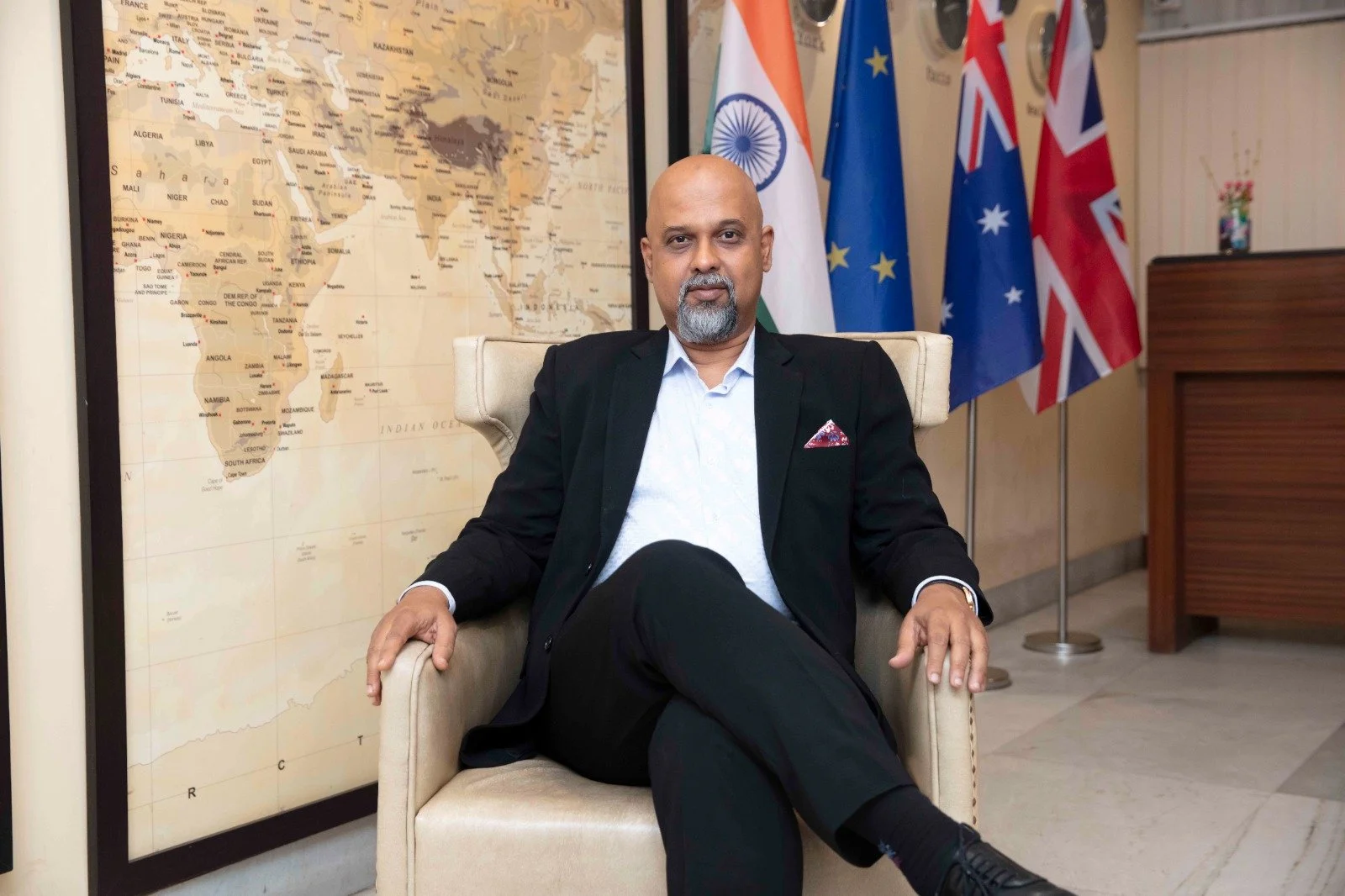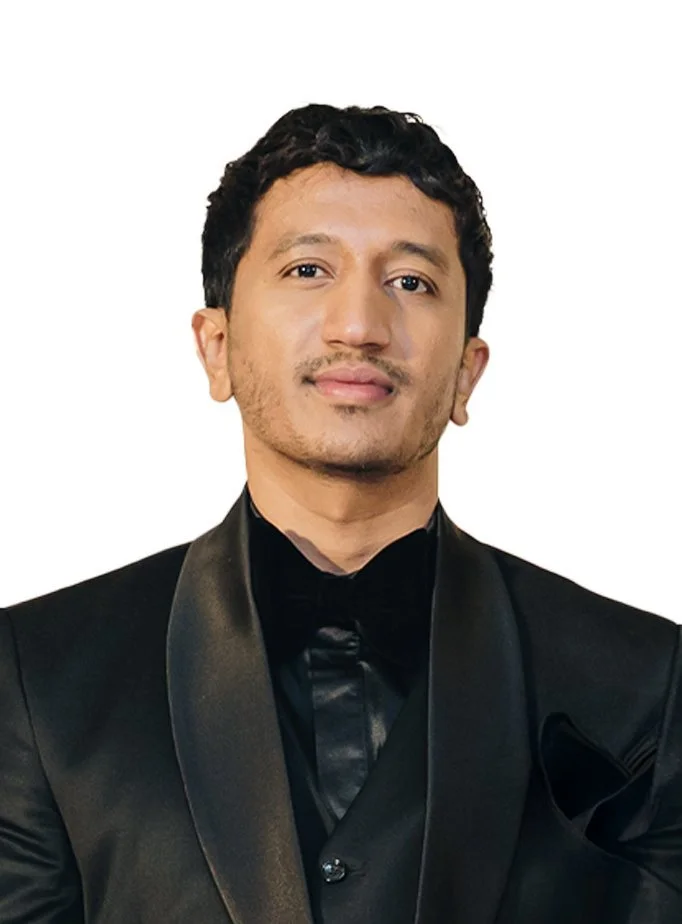
Exclusive Interview | Aditya Ramani Director of Operations | Marriott Executive Apartments Bengaluru UB City
/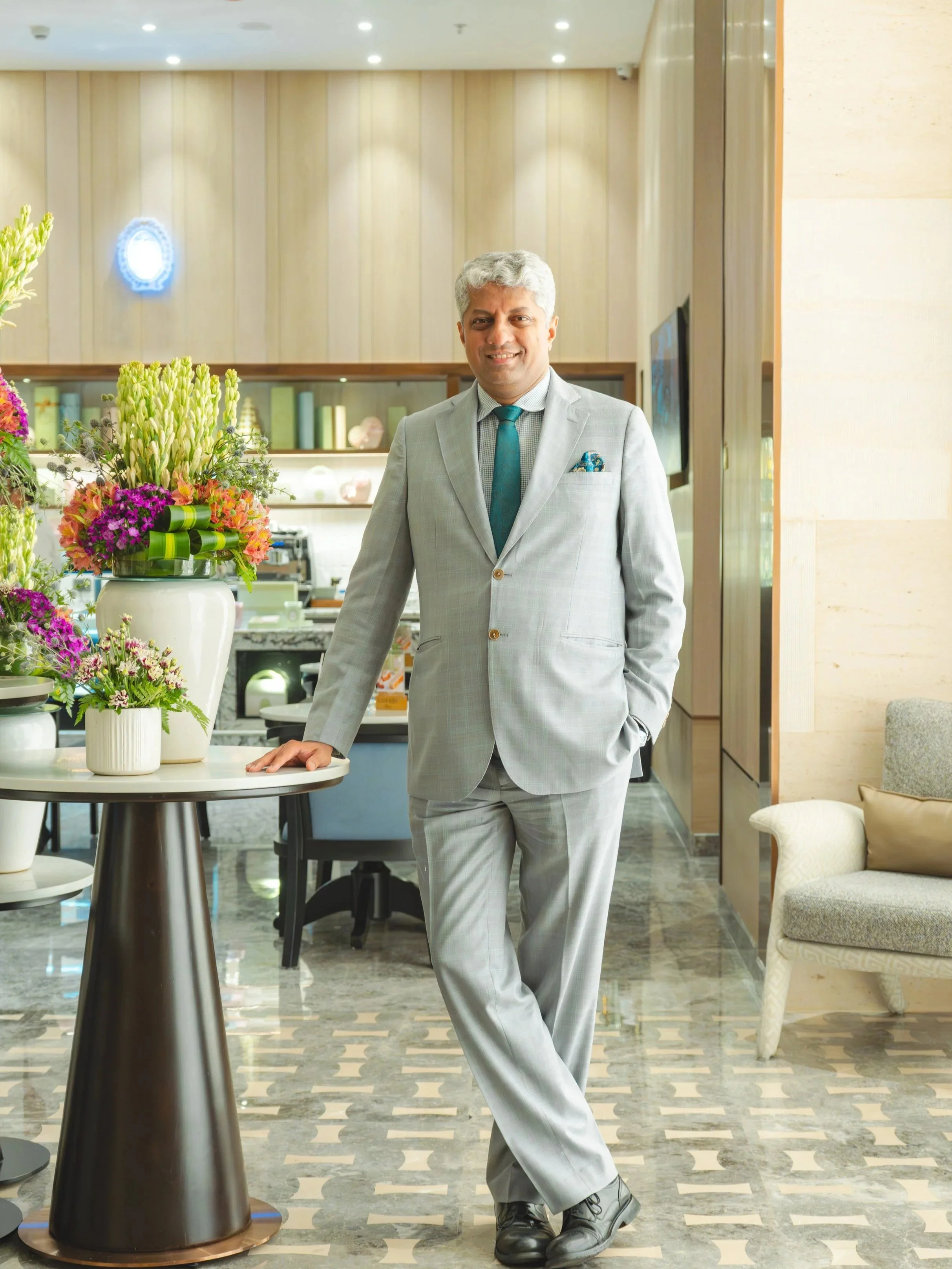
Aditya Ramani
Approach service as the biggest act of goodwill, and everything else becomes easier, from managing teams to delighting guests
Director of Operations | Marriott Executive Apartments Bengaluru UB City
Editor: Tell us about your journey in hospitality operations. How did it all begin?
Like many students of my generation, engineering was considered the obvious career path. The only challenge was that I couldn't quite see myself enjoying it! Fortunately, my father and uncle encouraged me to explore hospitality, and joining IHM Mumbai turned out to be one of the best decisions of my life. What drew me in was the incredible diversity of people, cultures, and opportunities. Every day felt different, and I quickly realized that hospitality is one of the few industries where technical skills and human connection are equally important. I thoroughly enjoyed my training years and was fortunate to perform well early in my career. Today, 22 years later, across five companies and four countries, I can confidently say that hospitality has shaped me into a more aware, empathetic, and people-focused professional. What keeps me excited even now is that despite all the technology and innovation around us, hospitality remains fundamentally a people business.
Editor: What do you think it takes to succeed in operations management within the hospitality industry?
Three things: listening, open-mindedness, and a genuine desire to serve. Operations leaders often feel the need to have all the answers, but I believe great leaders spend more time listening than speaking. The ability to understand different perspectives, stay curious, and remain approachable is critical. At its core, hospitality is about creating experiences for others. If you approach service as the biggest act of goodwill, everything else becomes easier, from managing teams to delighting guests.
Editor: What attributes do you look for when hiring or building operational teams?
I always look for people who are hungry to learn, ambitious enough to grow, but grounded by a positive attitude. Hospitality can be fast-paced and unpredictable, so I value individuals who can remain calm under pressure and make thoughtful decisions during challenging situations. Technical skills can be taught, but attitude, resilience, and emotional balance are much harder to develop. I also strongly believe in diversity. The best teams are built when people from different backgrounds, experiences, and perspectives come together to solve problems.
Editor: If someone wants to work with you in operations, what should they do?
Come with curiosity, accountability, and an eagerness to learn. I don't expect anyone to know everything on day one. What impresses me is someone who asks questions, takes ownership, and consistently looks for ways to improve. Hospitality rewards people who are willing to go the extra mile, not because they have to, but because they genuinely care. And most importantly, bring positive energy. Skills can be developed, but enthusiasm is contagious.
Editor: What advice would you give to a young, aspiring hotelier starting their internship in operations?
You're entering one of the most exciting industries in the world. The opportunities today are far greater than they were when I started. My biggest advice is to focus on personality development as much as professional development. Build confidence, work on your communication skills, stay humble, and never lose the willingness to serve people. Guests may not always remember what you did, but they will remember how you made them feel.
Editor: What was the single factor that helped you achieve your promotion to Director of Operations?
I wouldn't call it a single factor. It was a combination of long-term planning, continuous learning, and having the right mentors along the way. Becoming a Director of Operations was always part of my career roadmap. Marriott's leadership development culture played a very important role in helping me prepare for this responsibility. Throughout my journey, especially in my previous role in Juhu, I was fortunate to receive coaching, exposure, and development opportunities that helped me broaden my operational perspective. The promotion may happen on one day, but the preparation starts years before.
Editor: What trends do you see impacting hotel operations and guest experience in the coming years?
Today's guests are more informed and well-travelled than ever before. They have experienced different brands, destinations, and service styles, which means expectations continue to evolve. We'll continue to see trends driven by technology, personalization, wellness, sustainability, and experiential travel. However, I firmly believe that two things will never go out of style: authenticity and storytelling. Guests connect with genuine experiences. Technology may enhance a stay, but memorable hospitality still comes from authentic interactions and meaningful service moments.
Editor: What technology would you like to see integrated into hotel operations? Which operational challenges need tech-driven solutions?
I would love to see technology become better at helping associates rather than replacing human interaction. One area with huge potential is predictive operations, where technology can help identify guest preferences, anticipate service requirements, and simplify operational decision-making before issues arise. If technology can remove repetitive tasks from our teams, it gives associates more time to focus on what matters most: engaging with guests and creating memorable experiences.
Editor: What is the one tech/app/software feature you would like to see, whether for guests or operational efficiency?
Honestly, Marriott Bonvoy already does an excellent job of simplifying the guest journey. From planning and booking to earning and redeeming benefits, it offers a comprehensive travel ecosystem. Going forward, I think the best technology is the kind guests barely notice. It should be intuitive, seamless, and helpful without ever feeling intrusive. The ideal guest experience is one where technology works quietly in the background while people remain at the centre of hospitality.
Editor: Two things you would like to change in the hospitality industry from an operations perspective.
First, I would like to see less compartmentalization between departments. Guests don't experience a hotel in silos, so operational teams should think beyond departmental boundaries and focus on the complete guest journey. Second, I believe our industry must continue investing in emotional intelligence and empathy. Today's travellers have very different needs, whether they are a business traveller rushing between meetings or a leisure guest seeking relaxation. Understanding those nuances will become an even more important operational skill in the future.
Editor: What is your favorite question to ask a candidate during an operations interview, and why?
I often ask, "Tell me about the last time something didn't go your way. What did you do next?" Anyone can talk about their successes. What really interests me is how people respond to setbacks, pressure, or uncertainty. The answer tells me a lot about resilience, accountability, attitude, and problem-solving ability. In hospitality, things don't always go according to plan, and I believe character is revealed far more during challenges than during victories.