Why Mixed-Use Developments Are Increasing Demand for Serviced Apartments | By Sandeep Kumar, COO – Serviced Apartment Vertical, Ahuja Residences
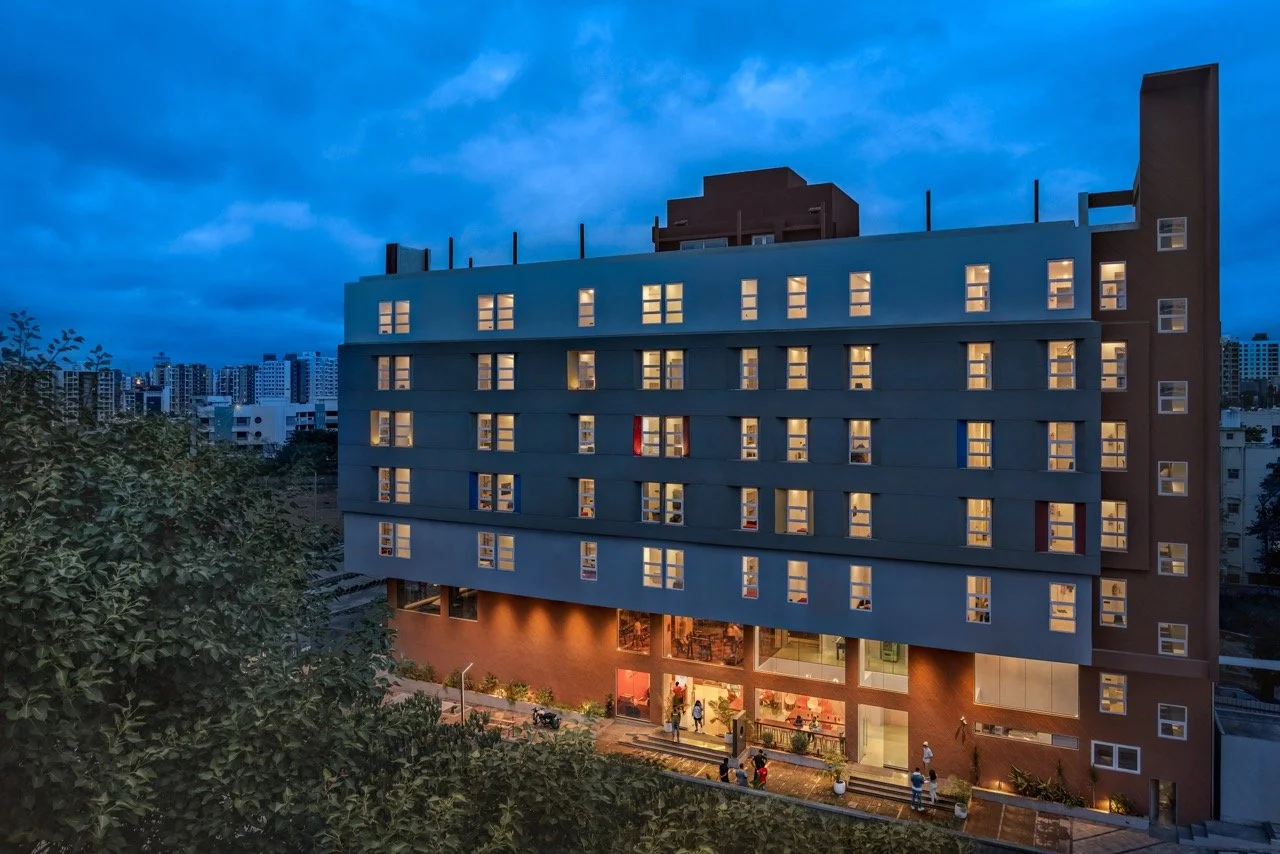
/Look at how large urban projects are being planned in India today, and a pattern is hard to miss. Offices, retail, residences and hospitality are no longer built in separate corners of the city. They sit together, often on the same campus, within a few minutes' walk of each other. Mixed-use development has moved from being an exception to being the default for many large projects.
One side effect of this shift gets less attention than it should. As these districts fill up with businesses and people, the demand for flexible, well-managed places to stay nearby keeps growing. Serviced apartments are a big beneficiary.
Work and Living Are Moving Closer Together
When an office tower, a retail centre and residential blocks share a location, the area stays active through the day and well into the evening. People don't have to cross the city for work, meals or errands. That convenience is mixed-use's main selling point, and it changes who needs accommodation there.
Think of the people an office cluster brings in. Project teams assigned for a few months. Executives visiting from other cities. Consultants, auditors and trainers who spend weeks at a client site. Employees who have been transferred and are yet to find a permanent home. All of them need somewhere to stay, and for many, the best option is a place within walking distance of where they work. This is a pattern we have seen at Ahuja Residences as well, where a good share of long-stay guests are tied to a nearby business district.
Neither a Hotel nor a Lease Quite Fits
For a stay of a few days, a hotel works well enough. For a stay of a few weeks or months, it starts to feel restrictive and expensive. There is no kitchen, little space, and a daily rate that adds up quickly.
A regular rental has its own difficulties. Leases are usually written for a year or more, deposits are large, and the flat needs to be furnished and set up. That is a lot of effort for someone who may be in the city for just a quarter.
Serviced apartments sit comfortably between these two. Guests get a proper living space with a kitchen and room to work, along with housekeeping, maintenance and security. They can move in quickly and leave without the paperwork. In a mixed-use setting, where demand for this kind of stay is built into the neighbourhood, the format makes practical sense.
What Developers Gain from the Format
The interest is not only from guests. Developers planning mixed-use projects are looking at serviced apartments as a useful part of the overall mix.
A residential block depends on buyers or long-term tenants. An office tower depends on corporate leasing. Serviced apartments draw on a different kind of demand, one linked to the movement of people rather than the purchase of property. That can bring steadier footfall and activity to the development, and it adds a stay option that supports the offices and retail around it.
There is also a practical point. A well-run serviced apartment block helps a district feel lived in, not just used between nine and six. Guests eat at nearby restaurants, use local services and keep the place active on weekends and evenings.
Management Makes the Difference
None of this works without good operations. A furnished flat on its own does not meet the expectations of a corporate guest or a relocating family. They look for cleanliness, quick responses when something needs fixing, reliable connectivity and consistent service from the first day to the last.
Developers and property owners also want assurance that the asset is being looked after properly. That is why professional operators matter in this segment. The real work is not in opening the doors, but in running the property well, day after day. Our own experience at Ahuja Residences has been that guest satisfaction and owner confidence both come down to this.
Looking Ahead
As cities continue to build integrated districts, and as companies keep moving people between locations for projects and assignments, the need for flexible stays close to where work happens is only likely to increase.
Serviced apartments are not a replacement for hotels or traditional housing. They serve a specific need that mixed-use developments are creating in large numbers. For planners, developers and operators alike, that makes them a natural part of how the next generation of urban districts will be built.
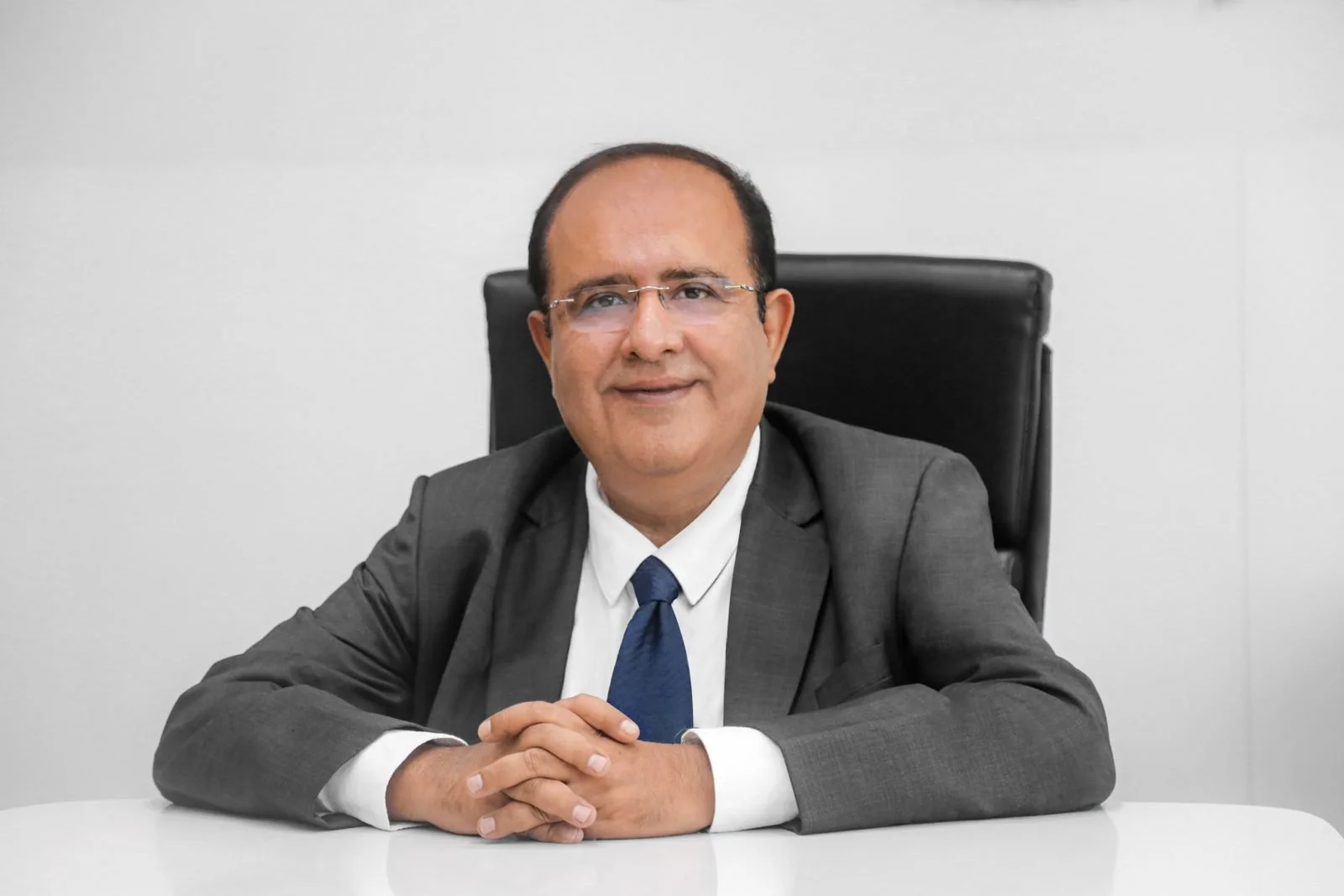
Sandeep Kumar is COO – Serviced Apartment Vertical, Ahuja Residences. Views are the author’s own.
Images: courtesy of Ahuja Residences / Intelliquo PR