Beyond the Buffet: Chef Harsh Shodhan on How Festive Menus Are Changing
/The festive table has become a piece of design. For Mumbai-based Chef Harsh Shodhan, co-founder of The Gourmet Kitchen & Studio, a celebration menu is now judged as much by how guests move around it as by what is on the plate.
"Festive dining is moving beyond conventional menus towards more immersive, experience-led formats," he says. "Today, food is not just about flavour; it is also about presentation, interaction, variety, and how it brings people together. Guests are increasingly looking for menus that feel distinctive, visually appealing, and thoughtfully curated for the occasion."
The grazing table as centrepiece
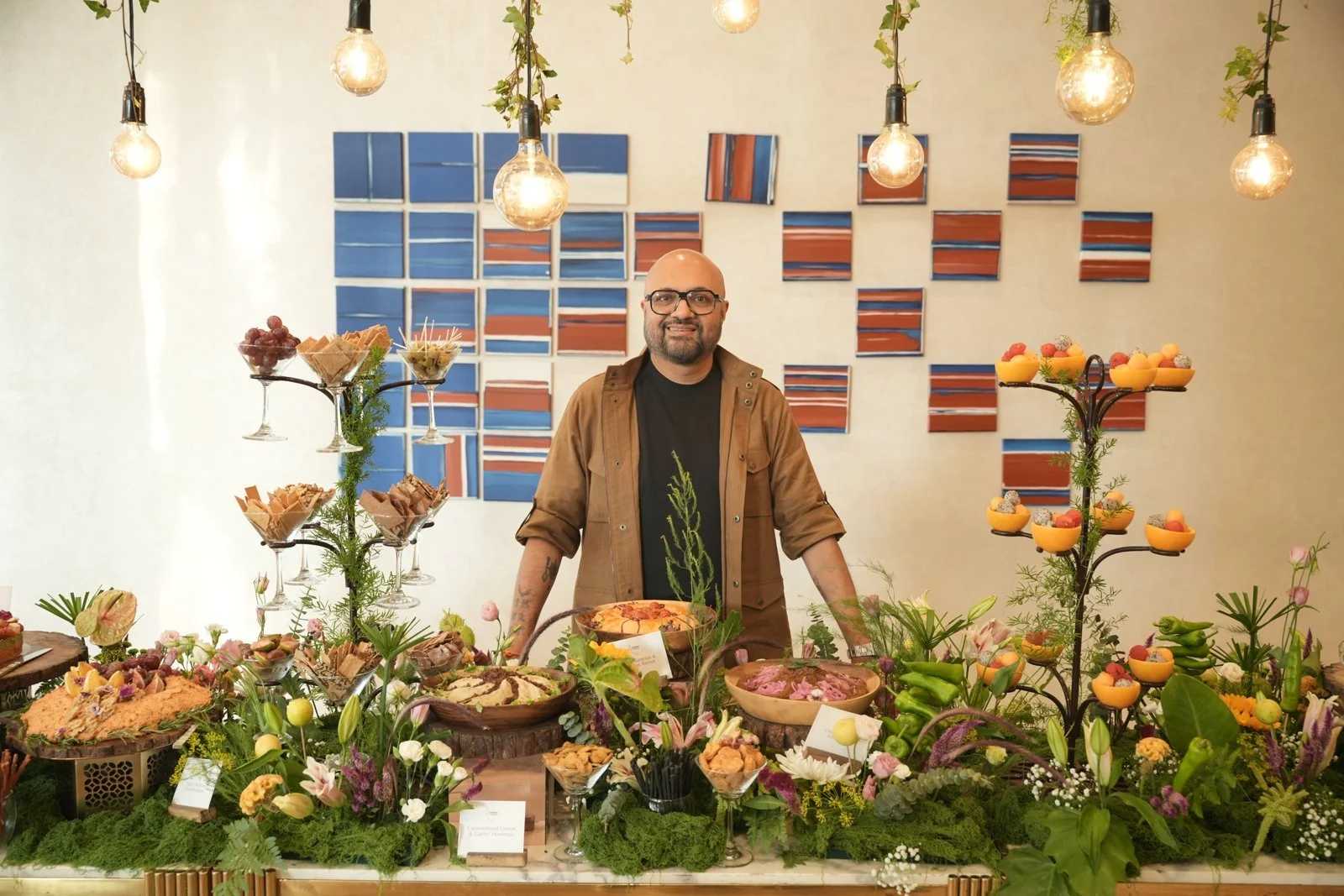
Grazing tables, he argues, are a natural extension of that shift, turning food into a visual centrepiece while letting guests explore flavours, textures and combinations at their own pace. Through Gourmet Tables, the brand's grazing vertical, the spreads run from artisanal cheeses, dips, breads and fresh produce to Indian-inspired bites and globally influenced appetisers.
"The idea is to create a cohesive experience rather than simply arrange a collection of dishes," he says. "The key is to ensure that the display is as functional as it is beautiful. A well-designed grazing table should encourage interaction, maintain accessibility, and offer a natural flow for guests throughout the event."
Plan the flow before the food
Presentation and service flow, in his view, must be considered together from the very start of menu planning. "An elaborate spread may look impressive, but if guests struggle to access it, if replenishment is difficult, or if the food does not hold its quality throughout service, the experience falls short."
His team weighs event format, guest count, venue layout, duration and guest movement before finalising the menu and display. For grazing tables, that means distinct sections, access from different sides where possible, a balance of high-traffic and low-traffic dishes, and accompaniments placed so guests can navigate the spread comfortably.
At larger gatherings, the team decides which items work best as individual portions, which suit live counters and which can be replenished in smaller batches, to keep food fresh, reduce congestion and hold the presentation steady through the event. "Ultimately, good hospitality is about making the experience feel effortless for the guest, even when considerable planning takes place behind the scenes."
Chaat, reimagined
Chaat is where tradition meets invention on his menus. Recent creations include Jalebi Stracciatella Chaat, Banarasi Tamatar Chaat with Lotus Stem Chips and Stracciatella, Burmese Samosa Chaat, Wasabi Water Chestnut Sev Puri and Nepali Noodle Chaat, alongside reworked regional favourites such as Indori Kopre Ki Tikki, Corn and Jalapeño Khees and Tajín-Rubbed Corn Ribs. The aim, he says, is to keep the familiarity and bold flavours of Indian street food while adding unexpected textures, ingredients and presentations.
The same thinking runs through themed grazing spreads: a modern fusion table for Ganpati that blended festive Indian flavours with contemporary presentation, and a Christmas table built around seasonal elements and an indulgent selection of curated bites. "These experiences reflect our approach to festive dining: respecting culinary traditions while reinterpreting them in ways that feel fresh, interactive, and visually engaging."
Abundance without excess
Cutting food waste, he says, starts with accurate guest estimates, menu planning and portion control. On grazing tables, replenishing in smaller batches keeps food fresh and minimises excess, while careful ingredient selection, efficient production planning and close coordination between kitchen and service teams reduce waste further. Surplus should be recovered or redistributed only when safe handling conditions permit. "Ultimately, the goal is to balance generous hospitality with responsible planning, ensuring abundance without unnecessary excess."
About Chef Harsh Shodhan
With over 14 years of culinary experience, Chef Harsh Shodhan co-founded The Gourmet Kitchen & Studio in 2014. Its verticals include Gourmet Tables (grazing tables and cheese boards), The Chaatwalas (Indian street food) and The Baking Co. (artisanal desserts). He has catered weddings and events for the Adani and Ambani families, destination weddings in Kenya, Thailand and South Africa, and celebrities including Sunny Leone, Karishma Tanna and Neha Dhupia. He was the first external caterer in a decade allowed to work from the kitchens of the Taj Mahal Palace Mumbai, and has been recognised with the WOW Gold Award for Best F&B Experience and named Best Non-Institutional Chef by FBAI.
Images: courtesy of The Gourmet Kitchen & Studio