The ₹7,500 Question: What the GST Council's New Input-Tax-Credit Offer Really Means for Mid-Market Hotels

The ₹7,500 Question: What the GST Council's New Input-Tax-Credit Offer Really Means for Mid-Market Hotels

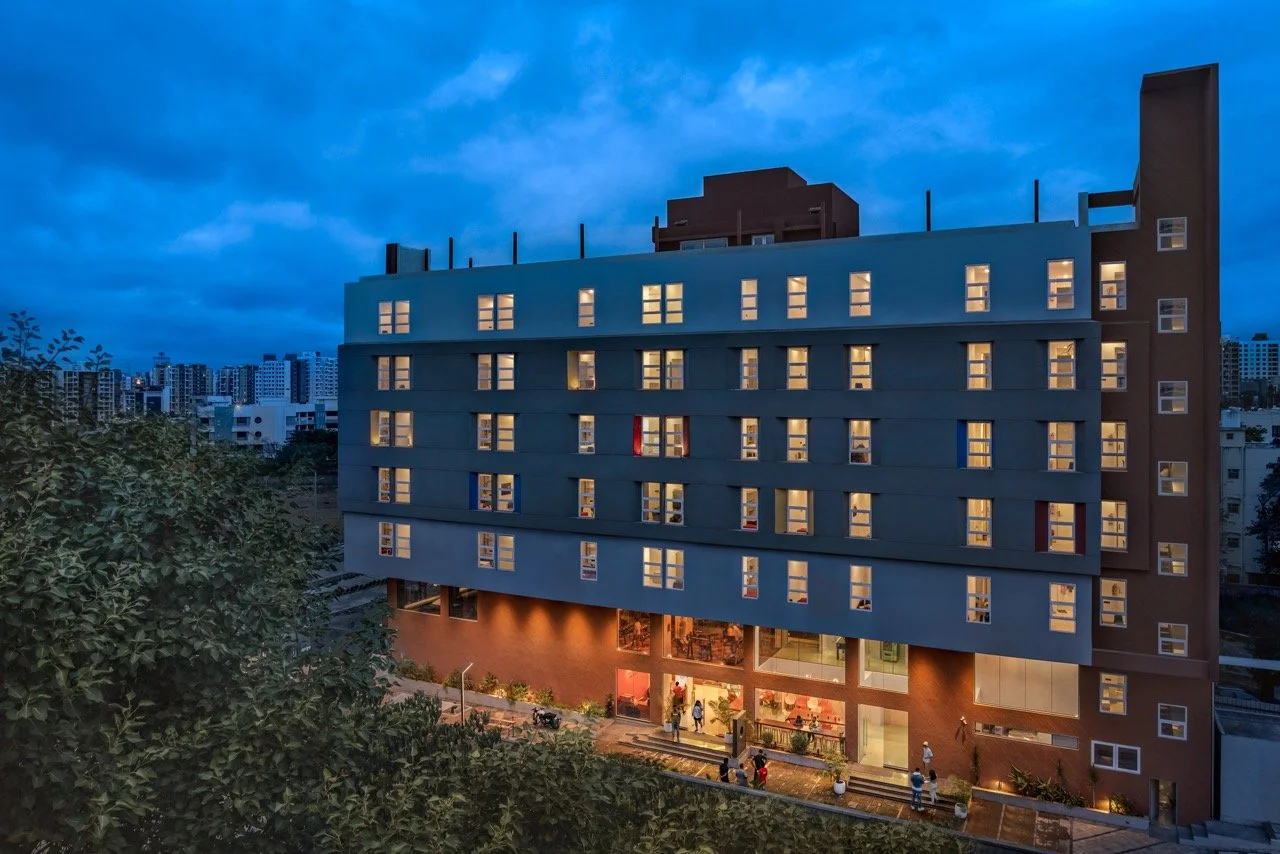
The GST Council's 8 October recommendation restores input tax credit for rooms up to ₹7,500 – but only for the same category of service. Here is who gains, who doesn't, and what owners should do before it is notified.

Read More

India's 47 MICHELIN Keys: What the List Tells Us About Indian Hospitality

India's 47 MICHELIN Keys: What the List Tells Us About Indian Hospitality

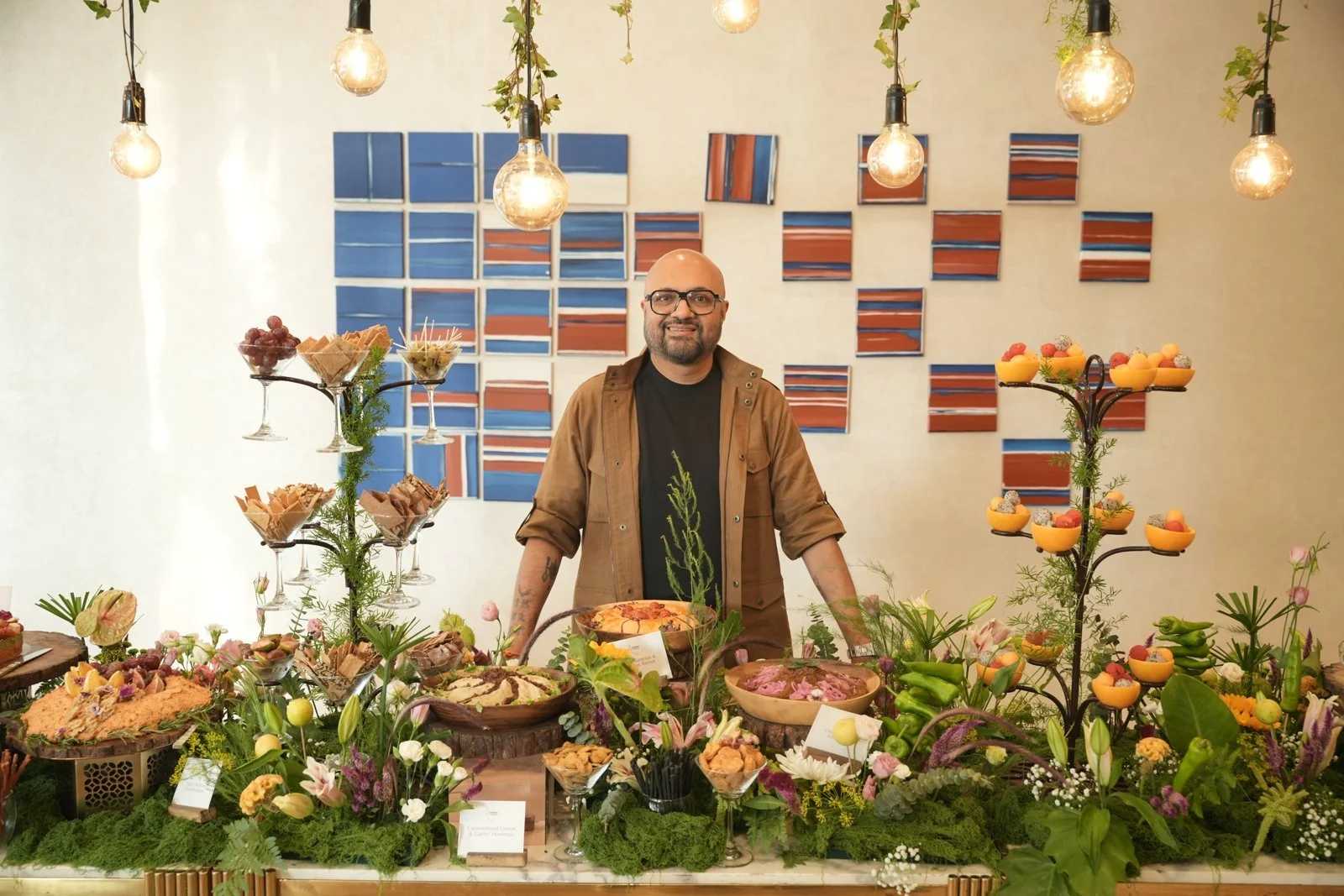
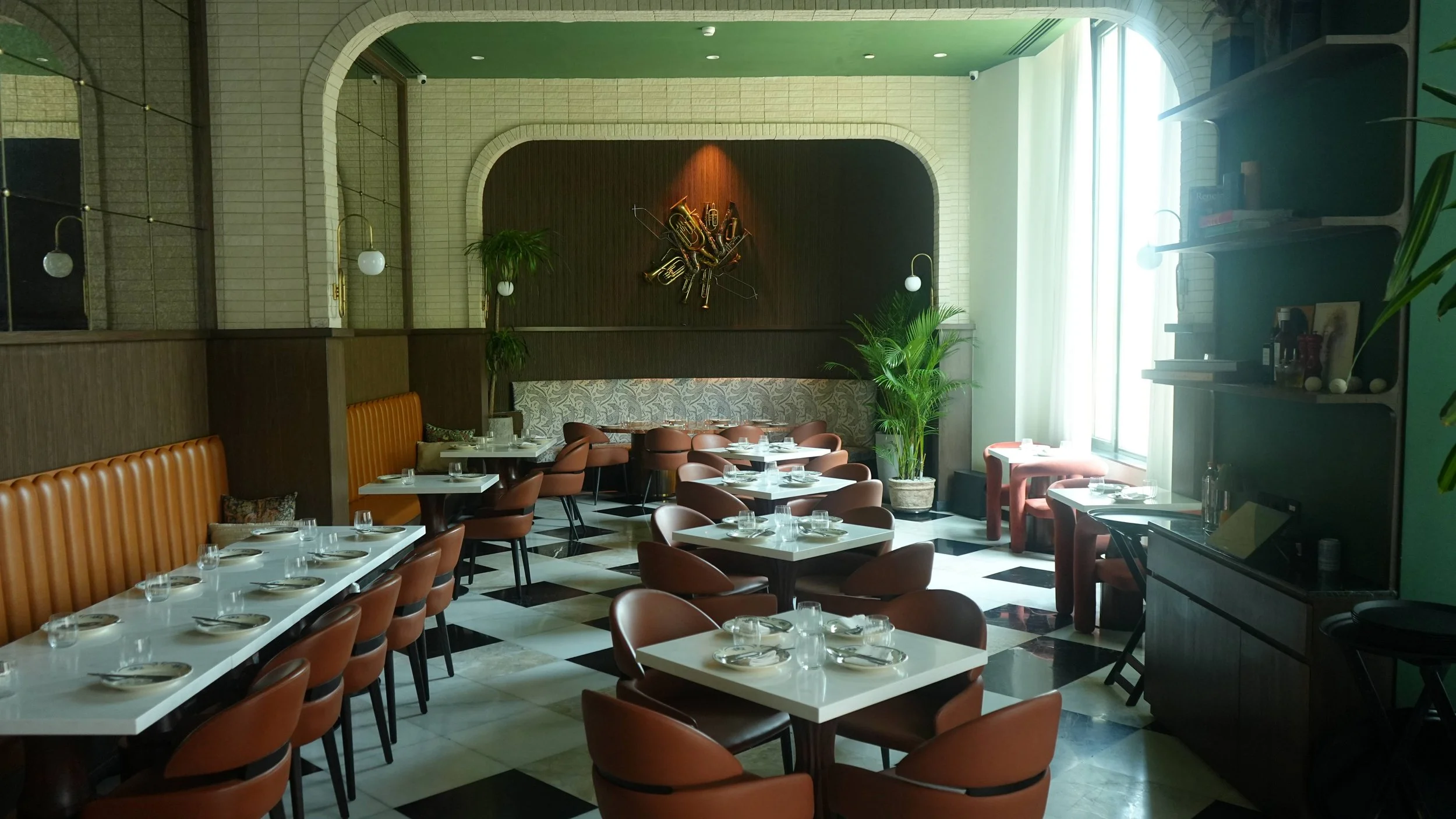
India now has more MICHELIN Key hotels than any other country in the Middle East, Africa and India selection. For owners and operators, the more useful question is what it took to get there, and what it will take to stay by Prabhjot Bedi, Founder and CEO, Eclat Hospitality

Read More

Kshemavana Launches Free Skill-Based Professional Education Programs For graduation student

Bengaluru, May, 2026: Kshemavana SDM Institute of Naturopathy & Yogic Sciences, near Nelamangala, has launched industry oriented B.Voc (Bachelor of Vocation) programs with the objective of empowering youth through skill based, employment focused education rooted in holistic values and practical training.

The initiative reflects the visionary educational philosophy of Padma Vibhushana Dr. D. Veerendra Heggade, whose lifelong commitment has been to make education socially relevant, value based, accessible, and capable of transforming rural youth into self reliant professionals. His vision emphasizes that education must not remain confined to classrooms alone, but should equip students with life skills, professional competence, and social responsibility.

The newly introduced B.Voc programs are designed in accordance with the UGC skill education policy, integrating academic learning with industry training, internships, and hands-on experience. Kshemavana is proud to be among the pioneering institutions in India to implement such comprehensive skill-based B.Voc programs in the wellness and hospitality sectors.

The institution also draws inspiration from the vision of Prime Minister Narendra Modi, who has repeatedly emphasized the importance of skill development in nation-building. As the Prime Minister has stated, “Skill development is the foundation for empowering youth and transforming India into a global talent hub.” The programs at Kshemavana aim to translate this vision into meaningful educational opportunities for students, especially those from rural and semi-urban backgrounds.

In today’s rapidly evolving world, traditional education alone is often insufficient to meet industry demands. Recognizing this gap, Kshemavana has introduced vocational education that combines practical exposure with holistic learning, thereby enhancing employability and entrepreneurship opportunities for students.

Programs Offered

B.Voc in Panchakarma & Naturopathy Therapy

This program provides intensive training in Panchakarma therapies, naturopathy, yoga, holistic wellness, lifestyle management, and nutrition. Students receive practical clinical exposure and are trained for careers in wellness centres, naturopathy hospitals, spas, integrative healthcare institutions, and therapeutic practice.

B.Voc in Hospitality

The Hospitality program offers professional training in front office operations, housekeeping, food and beverage services, customer relations, healthcare hospitality, and event management. Graduates can pursue careers in hotels, resorts, restaurants, wellness tourism, medical hospitality, and related industries.

 Eligibility

The three-year undergraduate programs are open to students who have completed II PUC / 10+2 or equivalent qualifications. Students completing six months receive a certificate, one year leads to a diploma qualification, and successful completion of three years awards the B.Voc degree.

The institute provides scholarship opportunities, accommodation and food facilities, mentorship, internships, and dedicated placement support with strong employment prospects.

Through these programs, Kshemavana aims not only to create employment opportunities, but also to nurture socially responsible, skilled, and confident professionals capable of meeting the evolving needs of society.

For Further Information:

Kshemavana – SDM Institute of Naturopathy & Yogic Sciences
Nelamangala, Bengaluru Rural District, Karnataka
Phone: +91 9035654014
Website:
www.kshemavana.com

Edible spoons: Hospitality’s next big sustainability shift?

Edible spoons are rapidly transitioning from a niche gimmick to a cornerstone of the sustainable hospitality sector, driven by an urgent need to replace single-use plastics (SUPs) with truly circular alternatives. As global awareness of plastic pollution reaches a tipping point, the hospitality industry is increasingly adopting these innovative ideas to align with evolving consumer aspirations for ethical consumption.

Unlike traditional biodegradable plastics that often require industrial composting facilities to break down, edible spoons offer an immediate, absolute zero-waste appeal: they are either consumed by the guest as part of the meal or naturally composted, leaving no trace of microplastics. This “circular” logic addresses the core of the environmental crisis, providing a solution that is as functional as it is ecologically responsible.

By integrating these products, hotels and restaurants are not just following a trend but are participating in a fundamental shift toward regenerative business models that prioritise the health of the planet alongside service excellence.

The push from regulation and changing consumer behaviour

The catalyst for this widespread adoption is twofold, stemming from both stringent regulatory pressures and a growing consumer appetite for novelty and wellness. With international bans on single-use plastics becoming the legal standard in many regions, businesses are forced to seek out biodegradable alternatives that go beyond paper straws, which often fail to meet performance expectations.

Edible spoons, often crafted from a blend of nutrient-dense millets, wheat & corn combination, satisfy this demand by offering a superior structural product. The use of these grains is a deliberate engineering choice; millets, in particular, provide a natural durability that prevents the spoon from becoming soggy too quickly when exposed to moisture or varied temperatures.

Beyond their utility, these spoons tap into the “wellness” trend prevalent in modern hospitality. By offering a snack that is rich in fibre and minerals, brands can enhance guest engagement, transforming a mundane piece of cutlery into a conventional “novelty” item that reinforces the establishment’s commitment to holistic health and environmental hardship.

The economics behind edible spoons

Despite their undeniable appeal, the long-term viability of edible spoons depends on the industry’s ability to navigate significant economic and structural hurdles. Currently, the production cost of an edible spoon sits at approximately $0.10 per unit, a figure that remains considerably higher than the negligible cost of mass-produced plastic.

However, the market is responding with vigour, showing a consistent compound annual growth rate of roughly 12.7%. This trajectory suggests that as manufacturing scales and technology advances, the “green premium” will eventually decrease, making edible spoons a more competitive option for mid-scale and budget-friendly operations.

For now, the higher price point is often justified as a marketing investment, a tangible symbol of a brand’s sustainability values that can drive customer loyalty and justify slightly higher menu prices. As the supply chain matures, the transition from plastic to edible alternatives will likely shift from a luxury choice to an industry-wide standard, supported by a more robust infrastructure of specialised producers & distributors.

The challenges of scale and functionality

Technical refinements and logistical considerations remain the final frontier for edible spoon proponents. While formulations have improved, ensuring the spoons are neither too brittle to handle nor prone to dissolving in hot liquids like soups or coffee requires precise culinary engineering.

Furthermore, the transition introduces new challenges regarding hygiene and shelf life. Unlike plastic, which is virtually inert, edible spoons, being a food product, are susceptible to moisture absorption and microbial infection if not managed correctly. This necessitates specialised, eco-friendly packaging to maintain crispness and safety, adding another layer of complexity to the supply chain.

Nevertheless, the industry’s commitment to continuous improvement is evident. By refining grain ratios and exploring natural moisture barriers, manufacturers are creating products that rival the convenience of plastic while surpassing it in ethics.

In the grander scheme of sustainable hospitality, edible spoons are not just a passing phase; they are a sophisticated response to a global crisis, proving that the most effective way to eliminate waste is to make it disappear entirely.

Manufacturing, AI and Hospitality: Tamil Nadu’s blueprint for the future

An in-depth perspective on how Tamil Nadu’s institutional strength, infrastructure, and human capital continue to drive sustained economic momentum.

Tamil Nadu’s growth story is often spoken about in numbers, rankings, and recent investment announcements. But to truly understand why the state continues to outperform, attract global capital, and create inclusive prosperity, one must look deeper, into its long institutional memory, its early investment on infrastructure and human capital, and its rare ability to sustain economic momentum across decades, governments, and industries.

As someone who has witnessed the state’s evolution not just as a business leader but as a long-term investor in its cities, people, and culture, I believe Tamil Nadu represents one of India’s most complete development models, one that blends industrial strength with social outcomes, and modern economic ambition with deep-rooted civilizational evolution.

Early industrial foundations

To draw a growth trajectory and highlight significant milestones, Tamil Nadu’s industrial journey did not begin after Independence. It began much earlier, at a time when large parts of India had limited access to electricity. The Pykara Hydroelectric Project in the Nilgiris was commissioned in the year 1932. It was the first hydroelectric project launched and successfully implemented by the state, was among the highest in Asia at the time and continues to stand among the significant hydroelectric projects in the world.

This early access to reliable power changed the destiny of entire regions. Coimbatore, once a trading center, transformed into an industrial powerhouse. Power-driven looms replaced manual labor, enabling scale, productivity, and competitiveness. By 1947, Coimbatore was already known as the “Manchester of India.” Simultaneously, match factories flourished in Sivakasi, leather tanneries emerged in Ambur and Dindigul, and small engineering workshops spread across towns and districts.

By the time India attained Independence, Tamil Nadu was not seen as an agrarian backwater but as a state with industrial muscle memory, an economy that had already tasted manufacturing-led growth.

Post-independence industrial growth

Post-1947, the momentum accelerated. Railway coach manufacturing came to Chennai, heavy electrical equipment manufacturing to Tiruchirappalli and defense vehicle manufacturing to Avadi. Each large public sector unit became an anchor around which entire ecosystems developed. Suppliers, foundries, machine shops, component manufacturers, and small engineering firms grew in concentric circles around these factories.

Through the 1960s, 70s, and 80s, Tamil Nadu quietly but steadily built one of India’s strongest manufacturing bases. Tiruppur emerged as a global knitwear export hub producing 90% of India’s cotton knitwear exports, Karur specialized in home textiles and is knows as the “Textile Capital” of Tamil Nadu, Salem strengthened its position in steel and is referred to as “Steel City of South India”, Erode became synonymous with turmeric and is called “Turmeric City” or “Manjal Maanagaram”, and Coimbatore evolved into a center for precision engineering and pumps.

This was not accidental growth. It was the outcome of continuity, planning, and the consistent strengthening of institutions.

Liberalisation and transformation

The 1991 economic liberalization opened a new chapter for Indian states. Tamil Nadu responded swiftly and decisively. In 1992, it became one of the first states in India to release a comprehensive industrial policy. Land was allocated quickly, approvals were fast-tracked, single-window clearances were implemented, and infrastructure was prepared in advance. Importantly, promises were followed by delivery.

The defining moment came in 1995, when Tamil Nadu won the bid for Ford Motor Company’s first manufacturing facility in India. Competing against several other states, Tamil Nadu prevailed because it was faster, clearer, and more reliable in government procedures. Ford’s arrival triggered a cascade. Hyundai followed, then Nissan, Renault, BMW, and several others. Chennai earned its global moniker as the “Detroit of Asia.”

What stood out was that institutions worked regardless of political changes. Industrial financing bodies, land development corporations, and small industry support agencies continued to function with professionalism and predictability. This institutional stability is one of Tamil Nadu’s greatest but least advertised strengths.

Infrastructure and connectivity

Manufacturing needs three fundamentals: power, transport, and connectivity. Tamil Nadu invested in all three for decades. Electricity reached rural areas early, allowing industries to flourish across districts rather than clustering in one city. Industrial growth spread across urban centers and rural towns alike.

A strong road network connected small cities to ports. Ports on both coasts enabled exports at scale. Cars assembled in Chennai could reach a ship within hours. Today, the state has over 7,000 kilometers of national highways, extensive rail connectivity, seven airports, and major ports supporting global trade.

This distributed model ensured resilience. Growth was not concentrated in one geography or one sector.

Culture and tourism

Beyond industry, Tamil Nadu’s cultural depth and natural diversity make it uniquely positioned for the experience economy. With over 4,00,000 temples, the state is a spiritual powerhouse. Temple tourism is vibrant and deeply embedded in everyday life. Tamil Nadu is also India’s cultural capital, home to one of the world’s oldest living classical languages, rich scientific traditions, and timeless art forms.

Its natural landscapes are remarkably diverse, from the hill stations of Ooty, Kodaikanal, and Coonoor to the Western Ghats, dense forests, pristine beaches, mangroves like Pichavaram, and expansive plains. With India’s second-longest coastline stretching over 1,076 kms, the state offers heritage port towns, marine adventure, and thriving coastal cultures. Five national parks, multiple wildlife and bird sanctuaries, and rich biodiversity make it a haven for eco-tourism.

This combination of connectivity, culture, cuisine, and climate makes Tamil Nadu an emerging destination for tourism, weddings and large-scale celebrations. The market is conducive, supported by strong infrastructure, road connectivity, and a culinary tradition that is both diverse and deeply rooted.

Investing in human capital

Equally important was Tamil Nadu’s sustained investment in people. Engineering colleges, ITIs, and polytechnics multiplied. Technical skills became abundant. The early implementation of the mid-day meal scheme ensured children stayed in school, reducing dropout rates and improving nutrition. Those children are today’s factory workforce, literate, disciplined, and trainable.

The outcomes are striking. Around 80 percent of students complete school. Nearly half of young adults attend college. Tamil Nadu has one of the highest literacy rates in India and one of the strongest primary healthcare networks, with more doctors in primary health centers than most states. These indicators reflect a population that is high on capability, aspiration, and adaptability.

Women have played a transformative role. Over 40 percent of India’s female manufacturing workforce is in Tamil Nadu, powering sectors such as textiles, garments, electronics, and assembly lines. This has had far-reaching social and economic implications, making growth more inclusive and sustainable.

A diversified, future-ready economy

Tamil Nadu never relied on a single industry. Its policies deliberately enabled diversification across textiles, automobiles, electronics, aerospace and defense, semiconductors, life sciences, IT, engineering, renewables, and electric vehicles. Traditional strengths were continuously modernized and integrated into global supply chains. Each sector reinforced the others, spreading risk and deepening supplier networks.

Today, Tamil Nadu is India’s fastest-growing large state economy, having grown by around 11 percent last year when India needs to grow at 8 percent annually to reach developed status by 2047. Manufacturing growth in the state is more than three times the national average. One-fourth of the state’s economy is driven by manufacturing. Tamil Nadu has the highest number of factories in India, accounting for over 15 percent of the country’s total factory count, and 100 percent of its districts are industrially developed.

It is India’s second-largest economy with an estimated GDP of over ₹31 lakh crore. The state is the largest exporter of electronic goods, the largest exporter of textile products, and the second-largest exporter of engineering goods. It produces nearly one-third of India’s textiles and around 40 percent of the country’s electric vehicles. Apple manufactures a significant share of iPhones here. Tamil Nadu leads in cars, two-wheelers, electronics, and technology support jobs.

The next wave of investments

The Tamil Nadu government has articulated ambitious economic goals, including achieving a $1 trillion economy through sustained double-digit growth, industrial expansion, and foreign and domestic investments. Government efforts focus on making the state a preferred destination for global businesses while nurturing SMEs.

Global investors continue to commit tens of billions of dollars to Tamil Nadu. In 2025 alone, the state attracted investments exceeding ₹2 lakh crore, focused on future technologies. Electronics and semiconductors, aerospace and defense, electric mobility, renewable energy, data centers, shipbuilding, and man-made fibres are seeing unprecedented activity.

The state has launched the Tamil Nadu Artificial Intelligence Mission to integrate AI across sectors, improve governance services, and boost technological research and innovation. It is set to host India’s first sovereign AI park, with an investment of around ₹10,000 crore. This initiative is expected to create thousands of high-skilled deep-tech jobs and build a robust, inclusive AI ecosystem rooted in public interest, positioning the state and the country as leaders in scaled AI deployment.

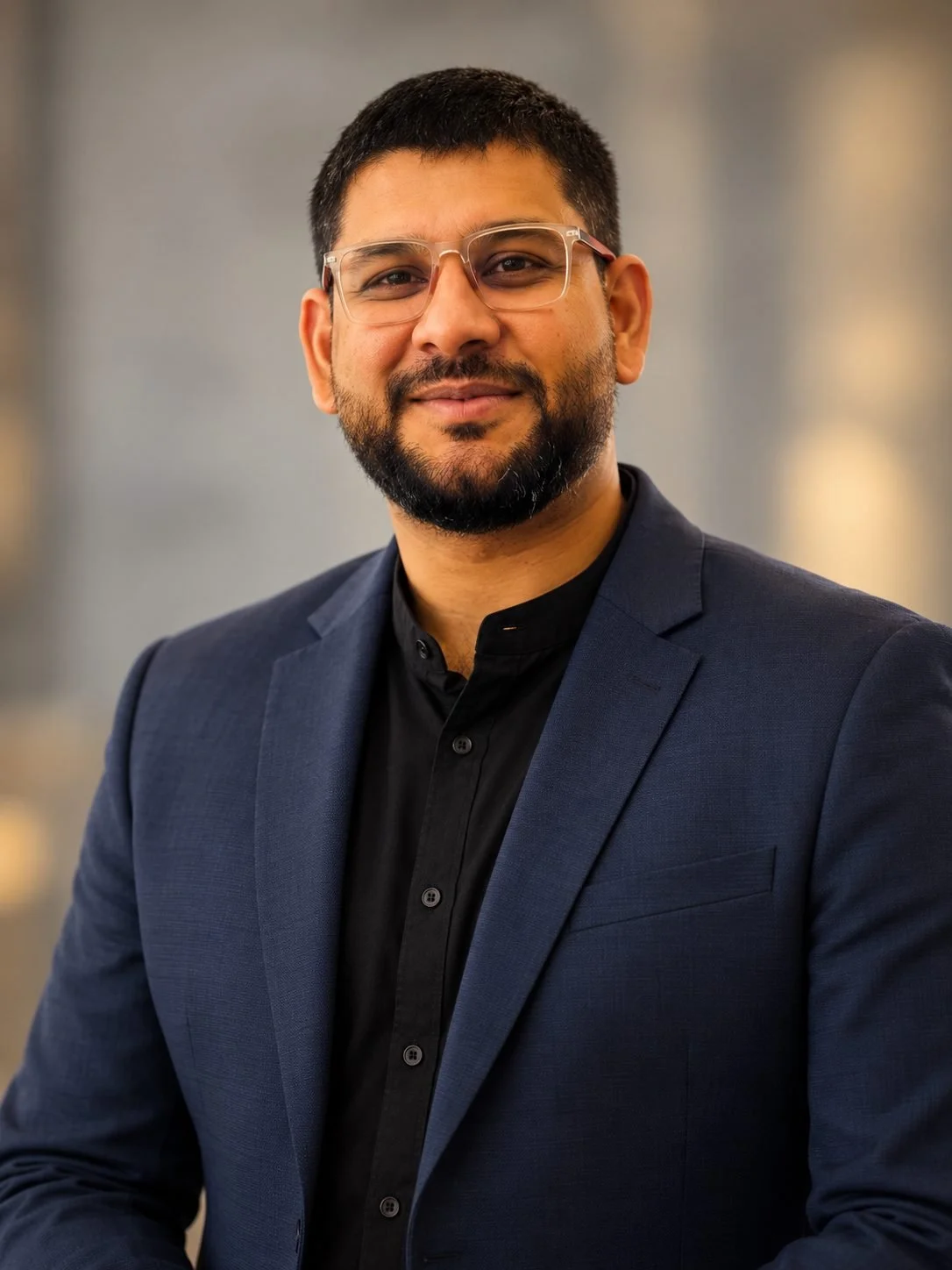
The Fern Hotels marks Earth Day with 1,300+ saplings planted across 60 properties

Nationwide plantation drive by The Fern Hotels brings teams together for on-ground sustainability action.

April , 2026: The Fern Hotels & Resorts marked Earth Day with a tree plantation drive carried out across 60 of its properties in India. Conducted on April 22, the initiative saw the planting of over 1,300 saplings, reinforcing the brand’s ongoing focus on environmentally responsible hospitality.

Leadership perspective on the initiative

Speaking on the initiative, Suhail Kannampilly, Managing Director, The Fern Hotels & Resorts, said: “Sustainability is something we practice every day across our hotels, not just on occasions. This Earth Day, seeing 60 of our properties come together to plant over 1,300 saplings was truly special. It’s a simple step, but one that contributes to greener surroundings in the communities we operate in. As we continue to grow, our focus remains clear building hotels that are environmentally responsible while delivering meaningful experiences to our guests.”

Team participation and on-ground impact

The plantation drive was led by hotel teams across locations, bringing together employees in a shared effort to create a positive environmental impact. By focusing on simple yet meaningful actions, the initiative aligns with The Fern Hotels and Resort’s approach of balancing guest experience with responsibility towards the planet.

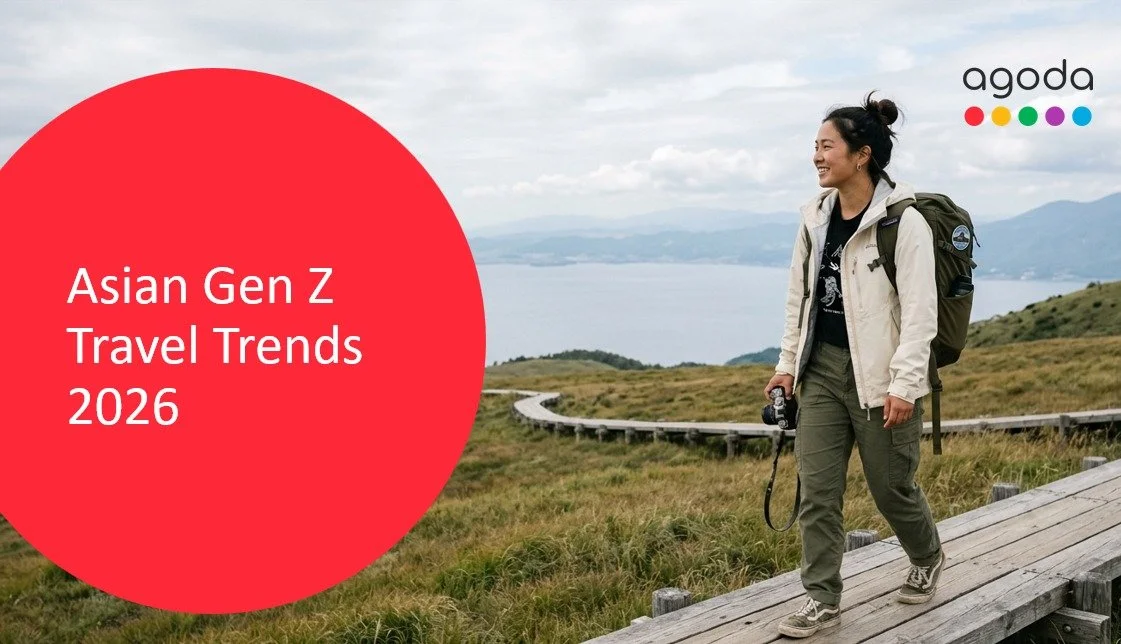
Agoda: Indian Gen Z Makes Travel More Frequent, Flexible, and Experience-Driven

India, April 2026 – Digital travel platform Agoda reveals that Indian Gen Z travelers are reshaping travel into a more regular, experience-led part of life, favoring shorter, more frequent trips over traditional longer holidays. The findings point to a generation prioritizing flexibility, accessibility, and discovery-driven travel, as they look to integrate trips more seamlessly into their routines.  

 The insights are based on a survey of Asian travelers conducted as part of Agoda’s 2026 Travel Outlook Report, highlighting a shift among Indian Gen Z toward traveling with partners (57%) and taking solo trips (22%), moving away from traditional family travel. At the same time, many expect a mix of domestic and international trips, reflecting a preference for balancing exploration with convenience. 

  Frequent, Short Trips Redefine Travel Patterns 

Indian Gen Z is traveling more frequently, with shorter trips becoming the norm. 84% of respondents plan to take between one and six trips a year, and 72% opt for stays of just one to seven days. This shift reflects a move toward travel that is easier to plan and repeat, allowing trips to fit around work, study, and personal schedules. India, alongside markets such as Thailand and Vietnam, show a stronger inclination toward higher trip frequency, reinforcing how travel is becoming embedded in everyday life rather than reserved for specific seasons. 

  Experiences Take Priority Over Destinations 

For Gen Z, travel is increasingly defined by what they want to do, rather than where they want to go. Respondents across India say their trips are primarily motivated by the pursuit of experiences, including cultural exploration (56%) and outdoor activities (36%) as the leading drivers. While experience remains central, relaxation still plays an important role for Gen Z, with 72% of travelers also citing it as part of their travel plans.  

  This points to a more deliberate approach to travel, where each trip is shaped by a clear set of experiences. Gen Z travelers plan around what they want to get out of a trip, whether it is cultural immersion, time outdoors, or a change of pace. As a result, destinations are chosen based on how well they align with that intent. 

  Gaurav Malik, Country Director, India Subcontinent & Indian Ocean Islands, Agoda, said: “For Gen Z in India, travel is increasingly becoming a regular part of their lifestyle rather than an occasional activity. What stands out is how consciously this generation is planning travel by prioritizing flexibility and experiences that align with their interests. At Agoda, we are focused on supporting this evolving behavior by offering a wide range of options across flights, accommodations, and activities, making it easier for Gen Z to plan trips that fit seamlessly into their schedules and preferences while continuing to access great value.” 

  With over 6 million holiday properties, more than 130,000 flight routes, and over 300,000 activities, Agoda enables travelers to plan and combine every part of their journey in one place. Its platform supports different travel styles and preferences, making it easier to plan trips that fit individual pace and priorities. Discover more on Agoda’s mobile app or at Agoda.com. 

In Conversation | Professor Shivani Arora Khanna on her book Mindful Miles.

In her book Mindful Miles, Professor Shivani Arora Khanna reflects on journeys through sacred paths, small villages, and living cultures—where travel becomes less about visiting places and more about learning how to walk gently within them. We sat down with her to talk about the experiences, realizations, and deeper purpose behind the book.

Read More

Ancient Indian Cooking Techniques That Elevate Today’s Grilling

Grilling can be interpreted in recent times to be an international fad, like anything else.... The concept of grilling and everything that goes with it (cook with heat, add smoke from flame, heat slowly with wood) was devised in India thousands of years ago by trial and error from our ancestors.

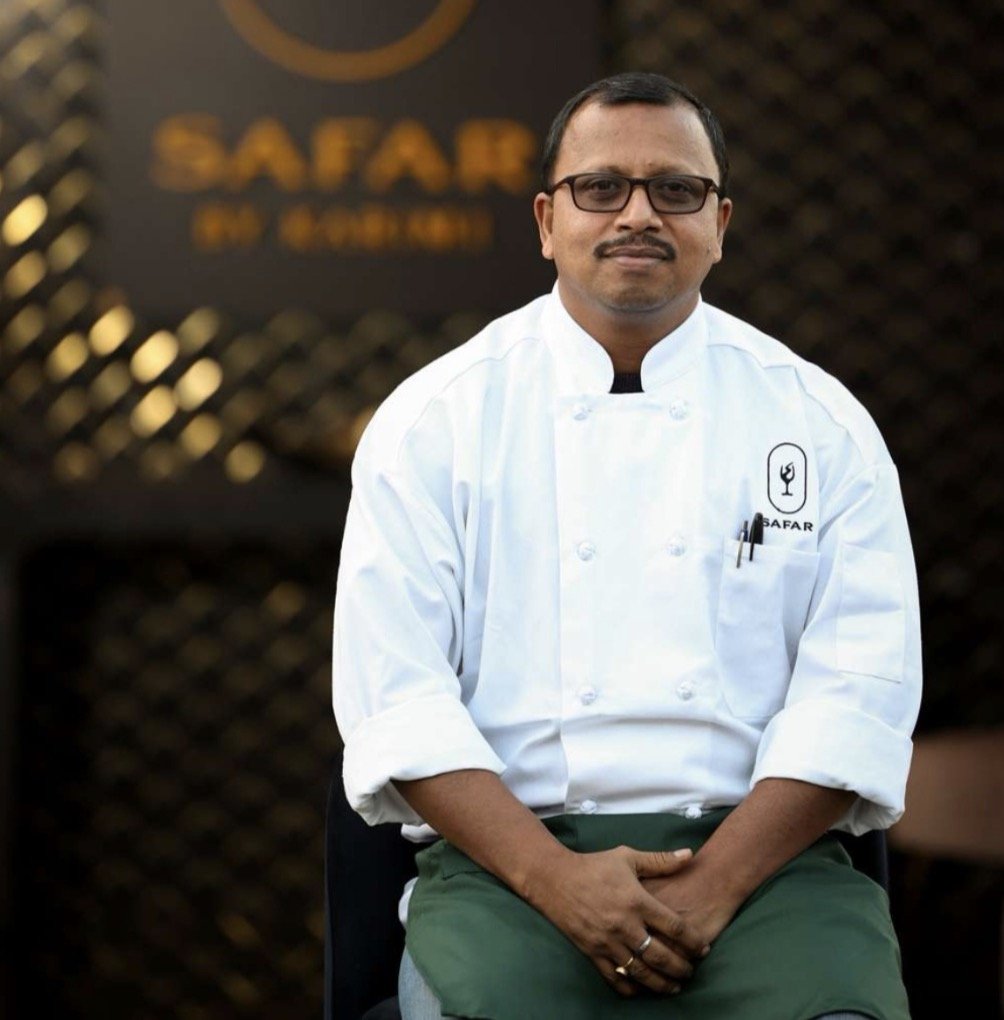
The methods of cooking used in Ancient Indian kitchens influence today, and have always been a part of cooking, giving us the special flavours, fragrances and textures of cuisines in every region of our world says Chef Sumanta Nandi, Head Chef, SAFAR by Karimi in Cupertino California.

Tandoor – the First-Generation Grill
It is undeniable that prior to the establishment of charcoal grills and steel gas grids, the Tandoor Grill was the world’s first high-temperature cooking device. The Tandoor, which uses clay, can be heated with coal or firewood, and cooks between 450C and 500C (between 840F to 1,000F). This extreme heat creates a very high kinetic energy for the meat and bread (naans) cooked inside the Tandoor, allowing the meat and bread to develop a crusty exterior while retaining moisture in the middle. The unique smoky aroma and flavour are only available from cooking with a Tandoor, thus today’s cooking devices cannot reproduce that flavour.

Dhungar – The Process of Smoking Food
Long before the invention of modern day smoker boxes and smokeless charcoal grills, Indian chefs perfected the technique of infusing food with smoke using dhungar. This technique involves heating a piece of charcoal until it is bright red, placing it in a bowl and adding (pouring) ghee or spices to the charcoal, which releases aromatic smoke. The bowl is placed over the top of the dish being prepared; the smoke from the charcoal gets trapped inside the dish as the dish is sealed. This infuses the dish with the full spice and charcoal flavour from the ghee and spices that were added to the charcoal.

Sigdi Cooking - Cooking Slowly over Low Heat Creates Rich Flavours
Sigdi, the traditional Indian charcoal cooking stove, provides the first example of a way to control cooking temperature over an extended period of time. Unlike tandoors that produce intense heat, sigdi allows for steady and lower temperatures. Cooking over this type of temperature allows the spices to fully bloom and flavour the marinade and the meat by allowing for even heating while the meat stays moist. Today’s grillers have embraced the benefits of slow cooking and have duplicated the slow and low technique of a sigdi by using smoker grills and low-and-slow BBQ methods. The same results are achieved through the combination of patience and precision and produce incredibly tender and rich in flavour meats.

Marinating with Ancient Wisdom
Marinating has been practiced in India for millennia as a way to tenderise & flavour meats. The product created using yoghurt is a natural enzyme that helps to maintain the integrity of the meat whilst also providing a more succulent texture. The various spices used in the marinade (turmeric, cumin, garlic, ginger, etc.), not only enhance the taste of the meat, but they also have medicinal & digestive properties. The use of marinades in modern grilling is still common, with many people using marinades to produce moist food which layers on flavours.

Cooking in Banana Leaves and Clay
Cooking with banana leaves & in clay pots is an ancient practice in India. Both methods were originally created to trap steam Cooking with banana leaves imparts a mild sweetness & earthy scent and it keeps the food from drying out, much like the process of foil grilling, but producing a richer end product. Clay pots radiate heat evenly and impart mineral qualities to the food cooked within them. Both of these methods are examples of steam-grilling or trapping heat, allowing the ingredients to steam in their juiciness.

Ancient Indian cooking techniques have demonstrated that the best grilling is not only based on heat; it is also about knowing how to use smoke, flavours & time. Today, as many kitchens around the world are being inspired by different cultures, these techniques will continue to help enrich the griller’s experience, adding more depth, aroma, & tradition to the process.

Will AI Kill the Night Audit? How Automation is Redefining the Midnight Shift in 2026

Will AI Kill the Night Audit? How Automation is Redefining the Midnight Shift in 2026

For decades, the lobby at 2:00 AM has been the domain of the night auditor: the lone sentinel balancing ledgers while the world sleeps. But as we step into 2026, the mountain of paper receipts is gone. The frantic search for a missing ₹500 transaction is now handled by an algorithm in milliseconds. At hospemag, the big question is: Is AI going to kill the night audit?

Read More

How Tech is Elevating Event Engagement and Personalization in 2025

There was a time when corporate events meant ballroom banquets, basic AV, and a barely-there app with a PDF agenda. Not anymore. In 2025, technology isn’t just supporting events—it’s transforming them. As shared by Shivam Mishra, Senior Events Manager at SKIL, these insights reflect firsthand experience from the field.

For those of us who’ve spent the better part of two decades in this space, the shift has been seismic. And for event managers in India, especially those planning large-format MICE events, sales kick-offs, leadership summits, or incentive travel programs, tech is no longer a 'nice-to-have' — it’s core to the experience.

Let’s unpack how:

1. Hyper-Personalised Journeys through AI & Data
Gone are the days of sending one-size-fits-all agendas. Today, AI tools curate bespoke experiences for each delegate. From recommending breakout sessions based on past interests to adjusting F&B choices as per dietary history, events are becoming deeply personal.

Take, for instance, a financial services leadership offsite in Jaipur we executed last year. Delegates received personalised event apps showing tailored agendas, room assignments, table seating based on networking preferences, and push notifications for content most relevant to their roles.


2. Frictionless Mobility and Check-ins
Integrated travel tech now ensures seamless airport-to-ballroom journeys. Smart itineraries, automated flight updates, in-app check-ins, and facial-recognition-based entry eliminate queues and confusion. SKIL Events recently deployed this for a 1,200-pax incentive movement across Vietnam, with under 5% dependency on physical helpdesks. The feedback? "Best-handled logistics we’ve seen."


3. AR, VR & Mixed Reality for Deeper Immersion
Today’s delegates don’t just want to watch—they want to feel. VR booths for factory simulations, AR-enhanced product demos, or immersive brand tunnels using projection mapping are helping brands tell stories like never before.

One of our clients, a leading manufacturing major, wanted to showcase their new plant design at a global distributors' meet. Instead of a 2D walkthrough, we created a VR experience of the future facility. The result? Decision-makers spent nearly 3x longer at the experience zone than at any other booth.


4. Real-Time Engagement Tools
Polling, sentiment tracking, heat maps of delegate movement, gamified feedback – we now have the tools to read the room in real time. This means content can be tweaked on the go, breakout sessions moved, or even food preferences updated instantly.

We once swapped out an underperforming speaker slot with a popular unscheduled fireside chat just by tracking live engagement and app analytics. The audience never knew—but the energy in the room said it all.


5. Tech-Driven On-Ground Engagement Installations
Interactive walls, kinetic LED structures, motion-sensor installations, and AI-powered brand games are redefining physical engagement. These aren’t just decorative elements – they are experience amplifiers.

At a recent annual partner meet, we designed a dynamic LED tunnel that responded to delegate movement and transformed brand values into light and motion. It became the most photographed spot at the venue and drove organic social shares far beyond expectations.

6. Post-Event Memory Making
Event tech doesn’t switch off after the final applause. Auto-generated aftermovies, personalised photo timelines, session recordings, one-click networking follow-ups – all ensure the event lives far beyond the closing act. These aren’t vanity metrics; they’re brand memory triggers.

For one international bank’s India roadshow, we created custom AI-edited highlight reels for each city within 24 hours, pushing them through their internal comms. Result? 30% higher post-event recall in their leadership feedback survey.

Final Thought
Technology isn’t replacing the human element in events – it’s enhancing it. In an age where attention spans are short and expectations are sky-high, integrating tech meaningfully can make the difference between a forgettable gathering and an unforgettable experience.

At SKIL Events, we don’t chase trends. We build tailored engagement ecosystems that blend creativity, logistics, and technology to bring every brief to life – with precision, emotion, and impact.

Because in the end, it’s not just about what people saw. It’s about what they felt. And what they took back with them.


Author’s Profile

Shivam Mishra is a passionate and performance-driven events professional with over 8 years of experience in curating unforgettable experiences across India’s dynamic events landscape. An MBA in Events Management, Shivam specializes in end-to-end event execution—from creative ideation and planning to flawless on-ground delivery. His core strength lies in turning a client’s vision into a tangible, impactful experience, with a strong emphasis on customer delight and innovation.

Currently serving as Senior Event Manager at SKIL Events, Shivam leads high-impact corporate events, conferences, and product launches, combining creative thinking with operational expertise. His work reflects a deep understanding of emerging trends, client psychology, and brand strategy. Prior to this, he has held key roles with industry leaders like Delve-Serwiz, IBFW Hospitality, and Mustang Events, handling everything from luxury weddings to B2B conferences, often under high-pressure environments.


Hilton Bengaluru Embassy Manyata Business Park Concludes Green Month with Tree-Planting Drive, Celebrating a Legacy of Sustainable Hospitality

Bengaluru,  June 2025: Hilton Bengaluru Embassy Manyata Business Park concluded its impactful month-long third anniversary celebration today with a hands-on tree-planting drive led by its senior leadership team. In partnership with SayTrees Environmental Trust, 17 Heads of Department (HODs) from the hotel planted saplings at the Rail Wheel Factory in North Bengaluru, symbolizing the hotel’s commitment to sustainability and community engagement.

This event marked the culmination of the hotel’s “Book a Room, Plant a Tree” campaign, a special anniversary initiative launched in May 2025. For every room booked during the month, a tree was planted in the guest’s name — transforming each stay into a living, growing legacy.

“This final planting is a celebration of purpose,” said Mr. Manish Garg, General Manager, Hilton and Hilton Garden Inn Bengaluru Embassy Manyata Business Park. “We began the month by planting trees alongside our guests. Today, our leadership team has joined hands to reinforce our pledge — that hospitality can and should leave the world better than we found it.”

Around 2,000 trees have been planted as part of this initiative, each geotagged, cared for by local farmers, and trackable by guests through a digital dashboard. This approach ensures a survival rate of over 90%, supports farmer livelihoods, and creates a tangible, lasting impact well beyond the check-out date.

The tree-planting campaign is part of the hotel’s broader sustainability journey, which is deeply embedded in its daily operations. With over 98% of energy coming from renewable energy, the hotel features a solar-powered hot water system that heats 15,000 liters each day, significantly reducing its energy footprint. An in-house glass bottling plant eliminates the need for 2,500 plastic bottles daily, supporting the global push against plastic pollution. Guest rooms are completely free of single-use plastics, and are instead equipped with eco-conscious amenities such as reusable mugs and refillable toiletry dispensers — small touches that collectively make a big difference.

Opened in 2022, Hilton Bengaluru Embassy Manyata has quickly become a benchmark for premium business travel in North Bengaluru, offering 60,000 sq. ft. of flexible event space and world-class hospitality, and responsible luxury under one roof. As one of South India’s largest dual-brand properties, the hotel continues to lead the way in sustainable hospitality.
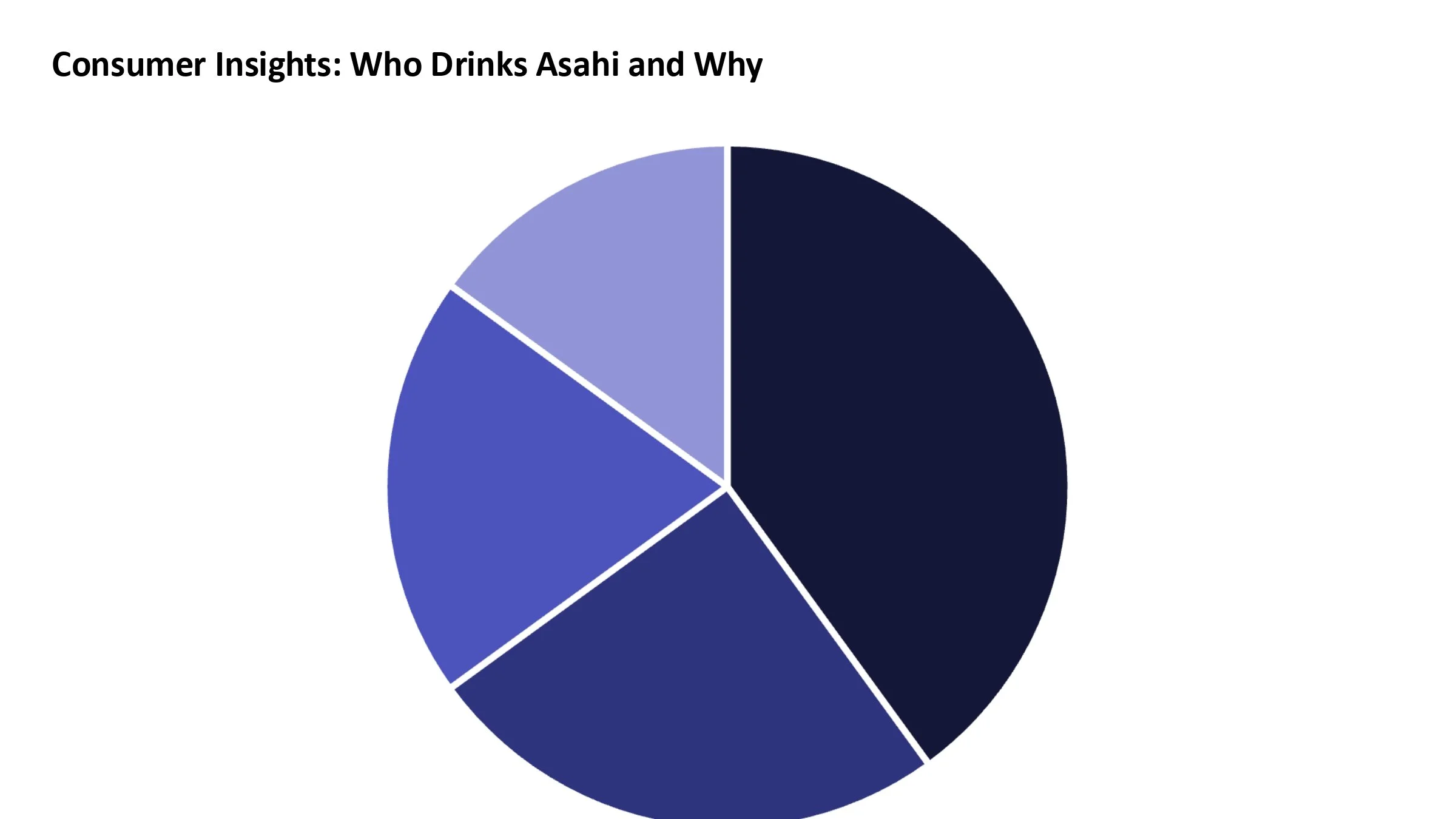
This initiative may have ended, but its impact will continue to grow — leaf by leaf, guest by guest.

The Role of DMCs in Crafting Luxury Travel Experiences

EMMA LE

Suchitra, Aluwihare, Hayleys

Rana Abu Alhala - plan B

Luxury travellers today seek more than just grandeur; they crave authenticity, flawless execution, and meaningful connection. Destination Management Companies (DMCs) play a vital role in delivering these experiences. With local expertise, cultural insight, and operational excellence, they seamlessly transform high expectations into unforgettable moments.

1. Local Expertise

At the heart of any luxury journey is local knowledge. Rana Abu Alhala, CEO of Plan B Travel & Tourism, shares, "Our strength lies in knowing the soul of each destination. We know when the desert blooms in Jordan, which private beaches remain untouched, and where to find artisans who craft heritage into modern luxury. These insider insights are what elevate our itineraries."

By building relationships with luxury hotels, renowned chefs, local elders, and artists, DMCs ensure guests access experiences far beyond what guidebooks offer.

2. Tailor-Made Itineraries with Expert Advice

Customisation today is about more than ticking boxes; it's about understanding travellers’ personalities and passions. "We work like architects of experience," explains Mir Musa Baghirzade, Sales Director, Turalux, "In Azerbaijan and Georgia, we’ve created itineraries for art collectors, culinary enthusiasts, and wellness seekers, all deeply aligned with the traveller's desires. This level of personalisation simply can’t be replicated by algorithms."

Their role is to find that delicate balance between exploration and comfort, crafting journeys that feel both seamless and special.

3. End-to-End Services

DMCs facilitate every step of the guest experience. "From arranging private jet charters to handling VIP immigration procedures, our goal is to remove all friction points," notes Rana Abu Alhala, CEO of Plan B Travel & Tourism. "We want travellers to focus on discovery, not logistics."

From hotel check-ins and guided tours to concierge services, their involvement ensures every detail is anticipated and perfected.

4. Conscious Luxury

Luxury is no longer just about indulgence, but about responsibility. "Our travellers want to know that their presence contributes positively to the destination," shares Mir Musa Baghirzade, Sales Director, Turalux. "We curate experiences with boutique partners who uphold sustainability, from eco-friendly vineyards to heritage preservation initiatives in the Caucasus."

The future of luxury travel blends purpose with opulence, and DMCs are leading this evolution.

5. Unique Luxury Experiences

“The real luxury lies in the unGoogleable,” says Emma Le, Inbound Director, Thang Long Tours, Vietnam. "In Vietnam, we've arranged private poetry readings on ancient pagoda grounds and exclusive lantern festivals on hidden rivers."

By weaving these rare, multisensory moments into itineraries, DMCs create travel experiences that are as personal as they are extraordinary.

6. Cultural Access

Beyond opulent hotels and fine dining, travellers now seek cultural immersion. "We believe guests should become part of the destination’s living story," explains Emma Le, Inbound Director, Thang Long Tours, Vietnam. "Whether it’s a hands-on craft workshop or an intimate meeting with a local historian, we give travellers privileged access to our heritage and communities."

This deeper engagement fosters lasting memories and meaningful exchanges.

7. Luxury Cuisine Experiences

DMCs are also curators of exceptional culinary experiences. Suchitra Aluwihare, COO of Hayley’s Travels, shares, "We go beyond restaurant recommendations. From floating breakfasts on private lakes in Sri Lanka to chef-led spice garden tours, we turn meals into storytelling experiences."

By blending local flavours with world-class presentation, they elevate dining into a highlight of the journey.

8. Elevated Transit Experiences

Travel begins long before arrival. "For us, the journey is as significant as the destination," says Suchitra Aluwihare, COO of Hayleys Travels. "Imagine traversing tea plantations by helicopter or enjoying vintage train rides paired with live musicians and curated wines."

By refining transit itself into an indulgent experience, DMCs ensure that every leg of the journey feels special.

Today’s DMCs are curators and storytellers, blending deep cultural knowledge with the highest standards of luxury. Their ability to merge local authenticity with global expectations makes them indispensable to the modern luxury travel landscape. As travel continues to evolve, the role of DMCs will only grow more essential, offering not just seamless experiences but stories that linger long after the journey ends.

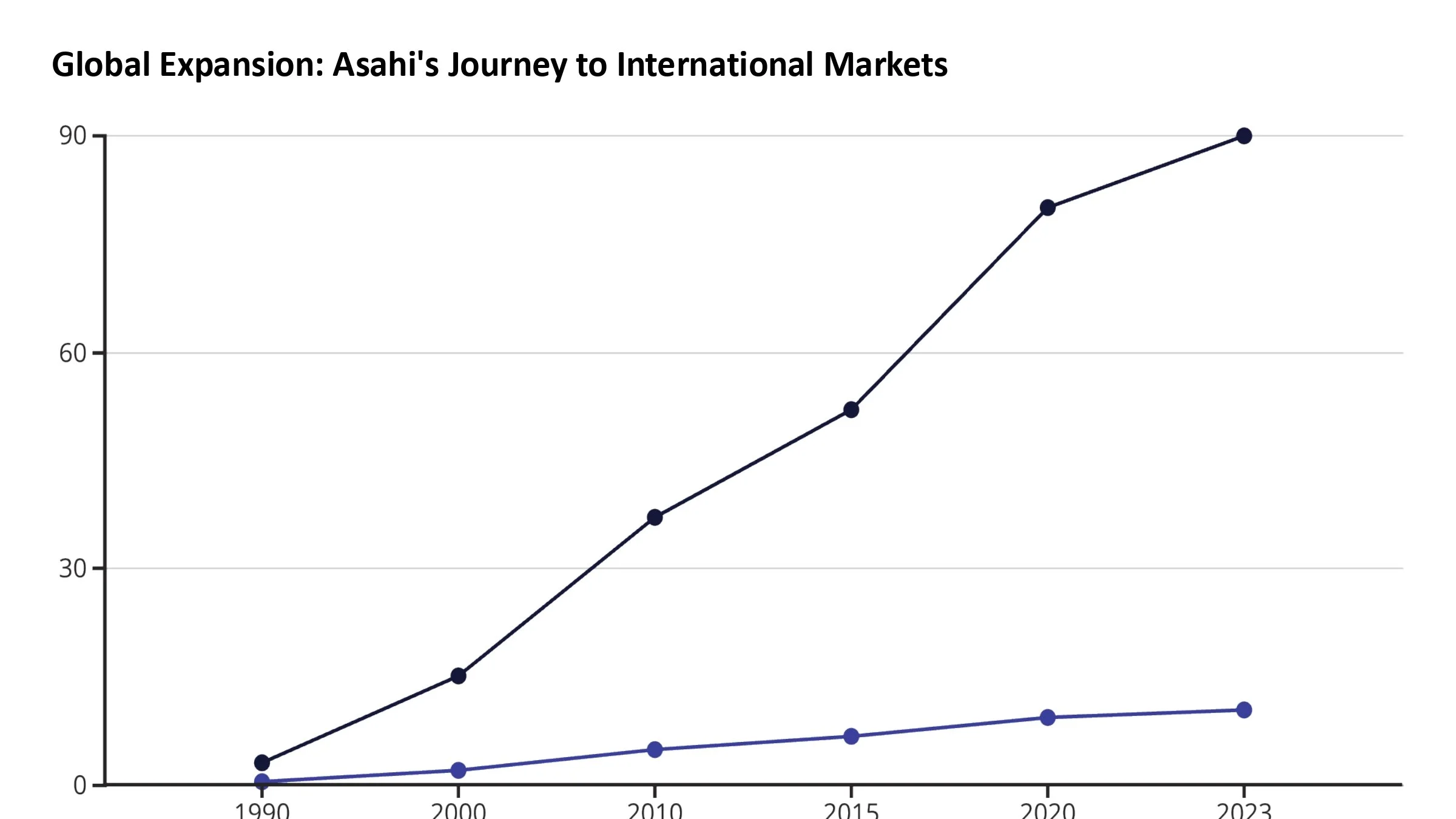
Some brands make beer. Asahi? It made history. 🍺🌅 by Arvind Bartwal

In this captivating presentation, Arvind Bartwal, passionate about people and processes, and known for crafting training experiences that elevate both, takes us on a whirlwind tour through the frothy rise of Asahi. From its roots in Meiji-era Osaka to its reign as a global icon of crisp refreshment and innovation, this isn’t just a corporate timeline. It’s a cultural chronicle, a masterclass in marketing, and a toast to tradition that dared to evolve.

What makes this deck sparkle (besides the Super Dry, of course) is the attention to detail: the poetic origin of the name "Asahi," the dry beer revolution that rewired Japanese drinking habits, and the way a brewery became a lifestyle symbol. There’s something here for business buffs, brand nerds, foodies, and fans of fermentation alike.

So raise a glass, scroll on, and soak up the sunshine behind the rising sun. 🌞🍻