Edible spoons: Hospitality’s next big sustainability shift?
/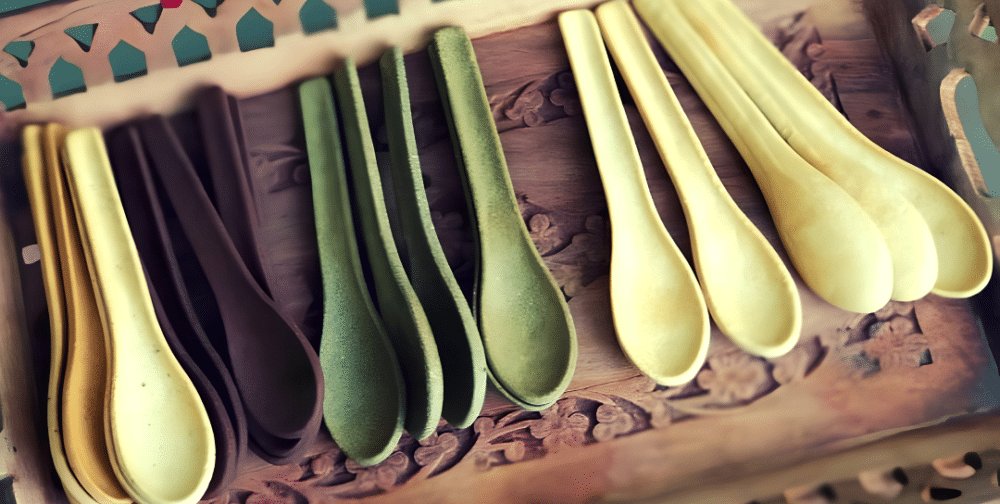
Edible spoons are rapidly transitioning from a niche gimmick to a cornerstone of the sustainable hospitality sector, driven by an urgent need to replace single-use plastics (SUPs) with truly circular alternatives. As global awareness of plastic pollution reaches a tipping point, the hospitality industry is increasingly adopting these innovative ideas to align with evolving consumer aspirations for ethical consumption.
Unlike traditional biodegradable plastics that often require industrial composting facilities to break down, edible spoons offer an immediate, absolute zero-waste appeal: they are either consumed by the guest as part of the meal or naturally composted, leaving no trace of microplastics. This “circular” logic addresses the core of the environmental crisis, providing a solution that is as functional as it is ecologically responsible.
By integrating these products, hotels and restaurants are not just following a trend but are participating in a fundamental shift toward regenerative business models that prioritise the health of the planet alongside service excellence.
The push from regulation and changing consumer behaviour
The catalyst for this widespread adoption is twofold, stemming from both stringent regulatory pressures and a growing consumer appetite for novelty and wellness. With international bans on single-use plastics becoming the legal standard in many regions, businesses are forced to seek out biodegradable alternatives that go beyond paper straws, which often fail to meet performance expectations.
Edible spoons, often crafted from a blend of nutrient-dense millets, wheat & corn combination, satisfy this demand by offering a superior structural product. The use of these grains is a deliberate engineering choice; millets, in particular, provide a natural durability that prevents the spoon from becoming soggy too quickly when exposed to moisture or varied temperatures.
Beyond their utility, these spoons tap into the “wellness” trend prevalent in modern hospitality. By offering a snack that is rich in fibre and minerals, brands can enhance guest engagement, transforming a mundane piece of cutlery into a conventional “novelty” item that reinforces the establishment’s commitment to holistic health and environmental hardship.
The economics behind edible spoons
Despite their undeniable appeal, the long-term viability of edible spoons depends on the industry’s ability to navigate significant economic and structural hurdles. Currently, the production cost of an edible spoon sits at approximately $0.10 per unit, a figure that remains considerably higher than the negligible cost of mass-produced plastic.
However, the market is responding with vigour, showing a consistent compound annual growth rate of roughly 12.7%. This trajectory suggests that as manufacturing scales and technology advances, the “green premium” will eventually decrease, making edible spoons a more competitive option for mid-scale and budget-friendly operations.
For now, the higher price point is often justified as a marketing investment, a tangible symbol of a brand’s sustainability values that can drive customer loyalty and justify slightly higher menu prices. As the supply chain matures, the transition from plastic to edible alternatives will likely shift from a luxury choice to an industry-wide standard, supported by a more robust infrastructure of specialised producers & distributors.
The challenges of scale and functionality
Technical refinements and logistical considerations remain the final frontier for edible spoon proponents. While formulations have improved, ensuring the spoons are neither too brittle to handle nor prone to dissolving in hot liquids like soups or coffee requires precise culinary engineering.
Furthermore, the transition introduces new challenges regarding hygiene and shelf life. Unlike plastic, which is virtually inert, edible spoons, being a food product, are susceptible to moisture absorption and microbial infection if not managed correctly. This necessitates specialised, eco-friendly packaging to maintain crispness and safety, adding another layer of complexity to the supply chain.
Nevertheless, the industry’s commitment to continuous improvement is evident. By refining grain ratios and exploring natural moisture barriers, manufacturers are creating products that rival the convenience of plastic while surpassing it in ethics.
In the grander scheme of sustainable hospitality, edible spoons are not just a passing phase; they are a sophisticated response to a global crisis, proving that the most effective way to eliminate waste is to make it disappear entirely.