Marriott International and CG Hospitality Global Sign Multi-Unit Agreement to Open Three Properties across India and Nepal

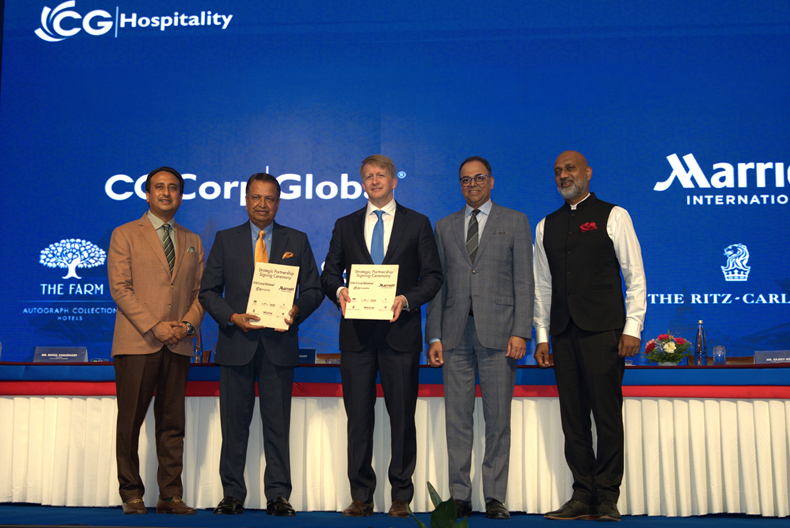
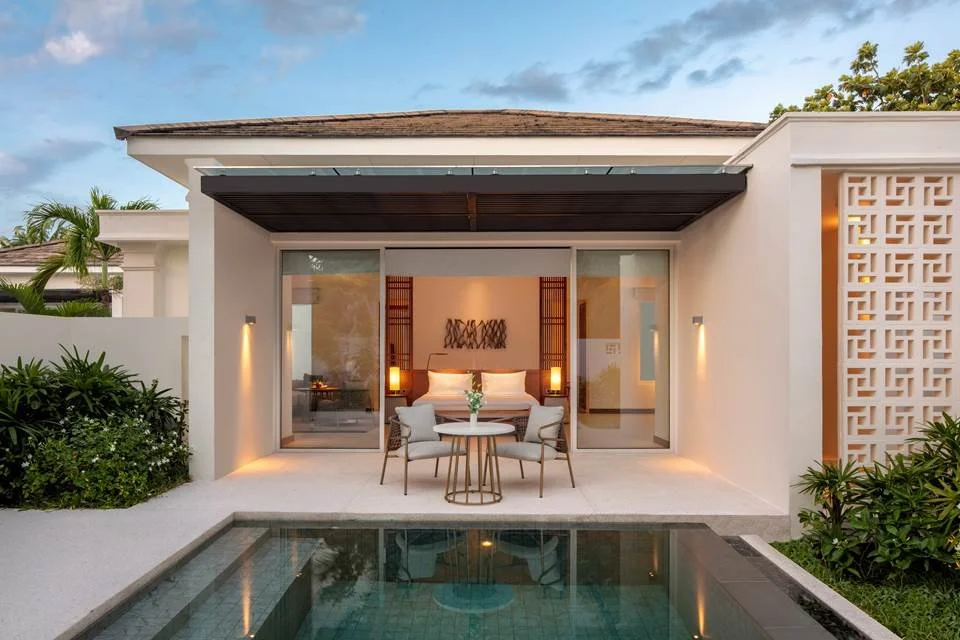
Marriott International, Inc. signed a landmark agreement with CG Hospitality Global to open three new hotels in South Asia, introducing Marriott’s industry-leading luxury and premium hotel brands to key urban, economic and leisure destinations across Nepal and India. Anticipated to open in 2031 and adding nearly 450 keys to the company’s portfolio, The Ritz-Carlton Kathmandu, The Westin Kathmandu and JW Marriott Hotel Siliguri are poised to become coveted addresses for discerning travellers and residents.

CG Hospitality Global is Nepal’s largest and most diversified multinational conglomerates, with interests spanning hospitality, FMCG, financial services, cement, electric vehicles, telecom, education, infrastructure and real estate, amongst others. Headquartered in Nepal, the company is deeply committed to supporting the country’s long-term tourism and economic growth, while helping position Nepal as a globally recognized travel and hospitality destination. CG Hospitality Global shares a strong and growing association with Marriott through multiple hospitality developments across the region, reflecting a shared commitment to expanding world-class hospitality experiences in South Asia.

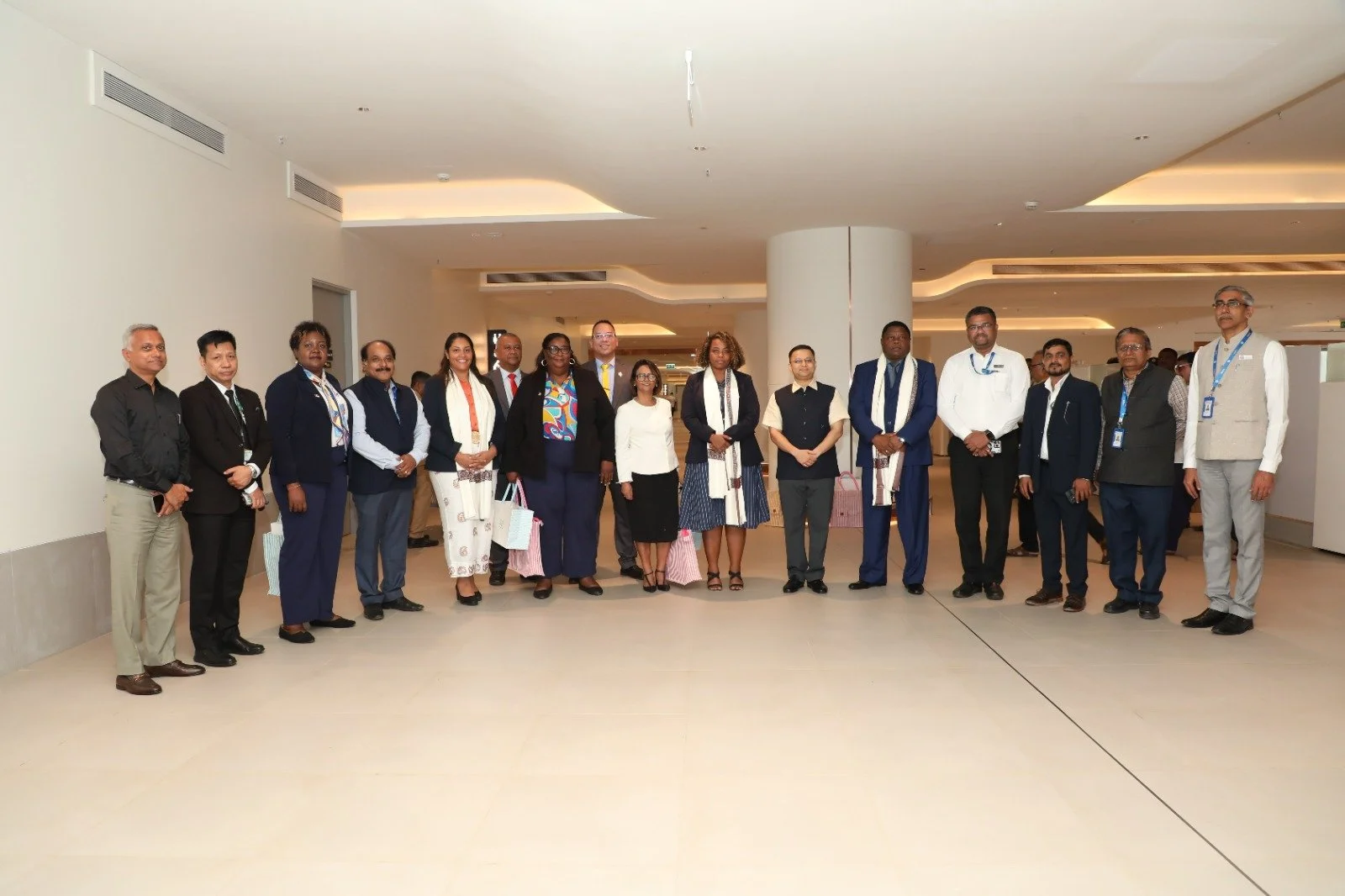
This multi-property agreement was officially signed in the presence of David Marriott, Marriott International’s Chairman of the Board; Rajeev Menon, President, Asia Pacific excluding China, Marriott International and Kiran Andicot, Senior Vice President, South Asia, Marriott International; Dr Binod K Chaudhary, Chairman CG Corp Global & CG Hospitality, Mr. Rahul Chaudhary, Managing Director & CEO CG Corp Global & CG Hospitality Global.  

“We are pleased to deepen our association with CG Hospitality Global through a shared vision to bring world-class hospitality experiences to these high-potential markets,” said Rajeev Menon, President, Asia Pacific excluding China, Marriott International. “These landmark developments reflect the exceptional standards and brand excellence that define Marriott’s luxury and premium portfolio, while contributing meaningfully to tourism growth, local employment and regional economic development. Backed by CG Hospitality Global’s strong market expertise and long-term commitment to Nepal, we are confident these hotels will emerge as defining hospitality destinations in the region.”

On the occasion, Rahul Chaudhary, Chief Executive Officer & Managing Director of CG Hospitality Global, said, “Growing our relationship with Marriott International marks an exciting new chapter in our journey to elevate South Asia’s hospitality landscape. These signings signify the importance that both parties put in this collaboration, and we sincerely thank Marriott for their trust, collaboration, and shared vision as we embark on these landmark projects together. Together, we will create iconic destinations that celebrate local culture, unlock meaningful employment, and deliver exceptional experiences for travelers and communities.”

The Ritz- Carlton, Kathmandu, Nepal

Marking the brand’s debut in Nepal, The Ritz-Carlton, Kathmandu will bring its legendary service and refined aesthetic to one of the city’s most prestigious addresses. Anticipated to feature 150 elegantly appointed guest rooms, including 30 expansive suites, each space will be thoughtfully designed to offer a sense of understated luxury and sophisticated comfort. The property is also expected to feature the Ritz-Carlton Club signature, exquisite dining experiences across five distinct restaurants and bars, an outdoor swimming pool, fitness center, as well as The Ritz-Carlton Spa. Additionally, it is slated to feature over 1,100 square meters of well-equipped conference and event facilities, providing an ideal venue for corporate gatherings and social occasions. The hotel will offer excellent accessibility, located just 5 km from the Tribhuvan International Airport and just a short walk from cultural sites such as the famous Thamel, filled with local eateries and retail shops, The Narayanhiti Palace Museum, Kathmandu Durbar Square, Swayambunath Stupa and the revered Pashupatinath Temple.

The Westin Kathmandu, Nepal

Located at a convenient 7 km from the Tribhuvan International Airport, The Westin Kathmandu is expected to feature 150 premium rooms and suites. Plans for the property include three dining venues, a WestinWORKOUT® Fitness studio, the signature Heavenly Spa by Westin, a rooftop swimming pool and over 700 square meters of flexible meeting and banquet space, enhanced with natural light and smart technology. The hotel is poised to exemplify the brand's position as hospitality's global leader in wellness, allowing travellers to transcend the rigors of travel while on the road through its pillars of well-being: Sleep Well, Eat Well and Move Well.

JW Marriott Hotel Siliguri, India

Rooted in mindful luxury, JW Marriott Hotel Siliguri, is envisioned as a serene sanctuary for the mind, body, and spirit, bringing the brand’s signature warmth, intuitive service, and refined design to the tranquil landscape of Siliguri. Set against the foothills of the Himalayas, in a city known as the gateway to Northeast India, the hotel offers a seamless connection to both place and purpose. Design plans for the hotel include 150 thoughtfully designed guest rooms and suites, alongside wellness spaces that invite guests to pause and reconnect with the present. Immersive culinary experiences will come to life across four distinct dining venues, including a specialty restaurant. Additionally, the property is slated to offer a signature Spa by JW, an outdoor swimming pool, a fully equipped fitness centre and 1,500 square meters of banquet space, ideal for corporate meets and private celebrations. Conveniently located just 10 kilometers from Bagdogra Airport, the hotel will serve as a restorative retreat, balancing effortless access with a profound sense of calm.

The three-property signing is the latest in a series of milestones reflecting the growing association between Marriott and CG Hospitality Global, including recently celebrating 75 total signings and 50 open properties for Series by Marriott in under two years. Outside of India, CG Hospitality Global and Marriott also opened The Farm at San Benito, Autograph Collection in the Philippines, marking the debut of the Autograph Collection brand in the country, while CG Developers announced JW Marriott Residences at Dubai Islands, Central, Dubai’s first JW Marriott branded residences.

These milestones reflect the growing momentum of Marriott and CG Hospitality’s relationship and reinforce a collaboration that continues to deepen across a range of markets and brands especially through the Series by Marriott.

Hospitality with a Heart: How The LaLiT is Building Skills, Inclusion and a Stronger Bharat

At a time when hospitality is often measured by scale, occupancy and expansion, The LaLiT Suri Hospitality Group is quietly shaping a different narrative - one rooted in Indian values of inclusion, dignity and community-building. It is a distinctly swadeshi approach to hospitality: luxury that is deeply Indian in spirit, people-first in practice and committed to nation-building beyond business.

Over the years, the Group has touched more than 1 million lives and directly supported over 300,000 individuals through initiatives spanning skilling, education, employment, healthcare and inclusion. It is this philosophy of hospitality with a heart that continues to define The LaLiT’s larger purpose across India.

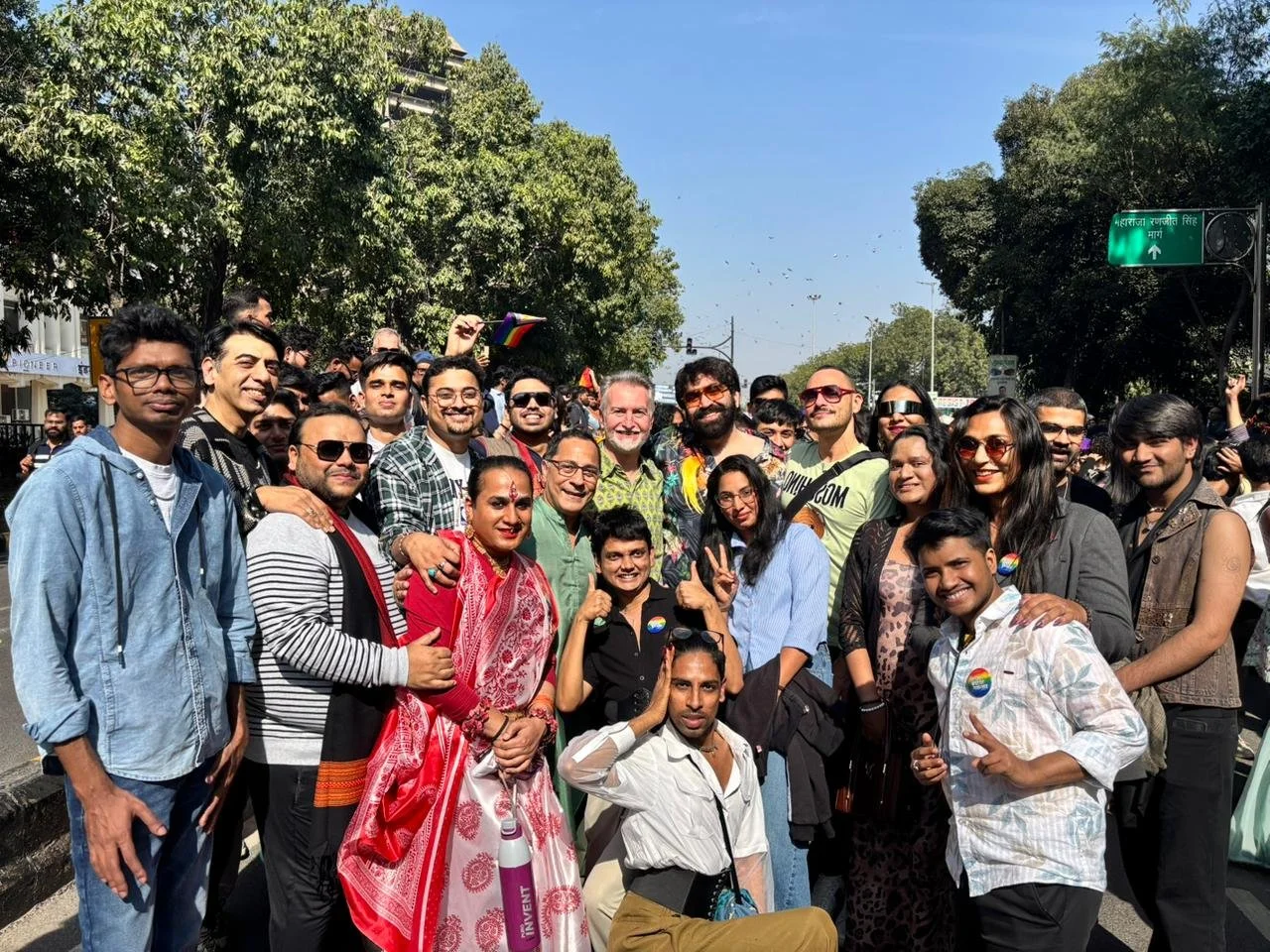
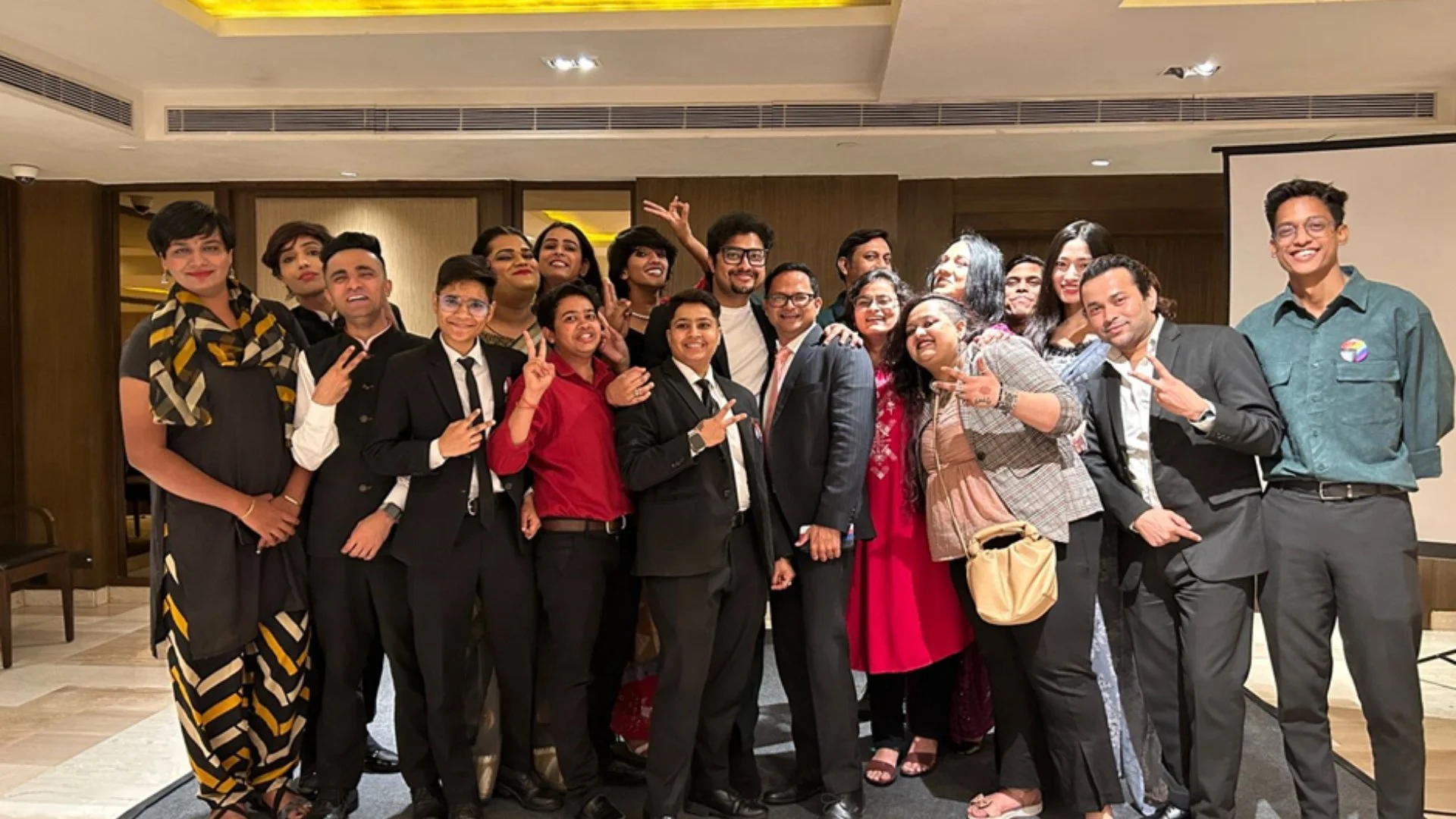
The Group today is India’s largest private-sector employer of transgender persons, with over 250 transgender employees working across roles. Through 13 LGBTQIA+ job fairs, more than 10,000 jobseekers have been reached, leading to over 1,500 direct placements. Alongside this, over 500 persons with disabilities and 50+ acid attack survivors have been supported through focused livelihood and inclusion initiatives.

At the centre of this vision is a strong belief that India’s hospitality growth story must also create opportunities for Bharat. Through destination-led skilling initiatives across Khajuraho, Bekal, Mangar and Goa, The LaLiT has focused on developing local talent linked directly to tourism and hospitality economies. The idea is simple but powerful - create skilled employment within communities instead of forcing migration away from them.

This commitment is also reflected through The LaLiT Suri Hospitality School, which is helping build a future-ready workforce for the industry. Going beyond technical training, the institution focuses on communication, professionalism, empathy and real-world operational exposure - qualities increasingly critical in modern hospitality.

In partnership with the Hotel Association of India (HAI), the school is working to bridge the long-standing gap between hospitality education and industry expectations. The collaboration aims to strengthen skilling pathways, grooming, practical training and industry readiness for young professionals entering the sector.

The Group’s larger skilling ecosystem has already trained over 3,000 LGBTQIA+ individuals through PrideKraft and more than 70 young individuals through the Emerging Queer Leaders in Hospitality programme. In collaboration with the Keshav Suri Foundation, over 350 individuals have undergone vocational and creative workshops, with 200+ placements facilitated. Additionally, 75+ scholarships have been awarded to students across communities, including LGBTQIA+ youth, persons with disabilities and neurodivergent individuals.

The LaLiT’s philosophy has always extended beyond operating hotels. During the pandemic, the Group repurposed hotel infrastructure to support doctors and frontline workers, while also facilitating meal distribution, PPE support and vaccination drives.

In many ways, The LaLiT’s journey reflects a larger Indian idea of hospitality - one where service is not transactional, but humane; where growth is measured not only in revenue, but in livelihoods created and lives uplifted. In an increasingly globalised luxury landscape, it is perhaps this rooted, swadeshi approach to hospitality with a heart that makes the brand stand apart.

Edible spoons: Hospitality’s next big sustainability shift?

Edible spoons are rapidly transitioning from a niche gimmick to a cornerstone of the sustainable hospitality sector, driven by an urgent need to replace single-use plastics (SUPs) with truly circular alternatives. As global awareness of plastic pollution reaches a tipping point, the hospitality industry is increasingly adopting these innovative ideas to align with evolving consumer aspirations for ethical consumption.

Unlike traditional biodegradable plastics that often require industrial composting facilities to break down, edible spoons offer an immediate, absolute zero-waste appeal: they are either consumed by the guest as part of the meal or naturally composted, leaving no trace of microplastics. This “circular” logic addresses the core of the environmental crisis, providing a solution that is as functional as it is ecologically responsible.

By integrating these products, hotels and restaurants are not just following a trend but are participating in a fundamental shift toward regenerative business models that prioritise the health of the planet alongside service excellence.

The push from regulation and changing consumer behaviour

The catalyst for this widespread adoption is twofold, stemming from both stringent regulatory pressures and a growing consumer appetite for novelty and wellness. With international bans on single-use plastics becoming the legal standard in many regions, businesses are forced to seek out biodegradable alternatives that go beyond paper straws, which often fail to meet performance expectations.

Edible spoons, often crafted from a blend of nutrient-dense millets, wheat & corn combination, satisfy this demand by offering a superior structural product. The use of these grains is a deliberate engineering choice; millets, in particular, provide a natural durability that prevents the spoon from becoming soggy too quickly when exposed to moisture or varied temperatures.

Beyond their utility, these spoons tap into the “wellness” trend prevalent in modern hospitality. By offering a snack that is rich in fibre and minerals, brands can enhance guest engagement, transforming a mundane piece of cutlery into a conventional “novelty” item that reinforces the establishment’s commitment to holistic health and environmental hardship.

The economics behind edible spoons

Despite their undeniable appeal, the long-term viability of edible spoons depends on the industry’s ability to navigate significant economic and structural hurdles. Currently, the production cost of an edible spoon sits at approximately $0.10 per unit, a figure that remains considerably higher than the negligible cost of mass-produced plastic.

However, the market is responding with vigour, showing a consistent compound annual growth rate of roughly 12.7%. This trajectory suggests that as manufacturing scales and technology advances, the “green premium” will eventually decrease, making edible spoons a more competitive option for mid-scale and budget-friendly operations.

For now, the higher price point is often justified as a marketing investment, a tangible symbol of a brand’s sustainability values that can drive customer loyalty and justify slightly higher menu prices. As the supply chain matures, the transition from plastic to edible alternatives will likely shift from a luxury choice to an industry-wide standard, supported by a more robust infrastructure of specialised producers & distributors.

The challenges of scale and functionality

Technical refinements and logistical considerations remain the final frontier for edible spoon proponents. While formulations have improved, ensuring the spoons are neither too brittle to handle nor prone to dissolving in hot liquids like soups or coffee requires precise culinary engineering.

Furthermore, the transition introduces new challenges regarding hygiene and shelf life. Unlike plastic, which is virtually inert, edible spoons, being a food product, are susceptible to moisture absorption and microbial infection if not managed correctly. This necessitates specialised, eco-friendly packaging to maintain crispness and safety, adding another layer of complexity to the supply chain.

Nevertheless, the industry’s commitment to continuous improvement is evident. By refining grain ratios and exploring natural moisture barriers, manufacturers are creating products that rival the convenience of plastic while surpassing it in ethics.

In the grander scheme of sustainable hospitality, edible spoons are not just a passing phase; they are a sophisticated response to a global crisis, proving that the most effective way to eliminate waste is to make it disappear entirely.

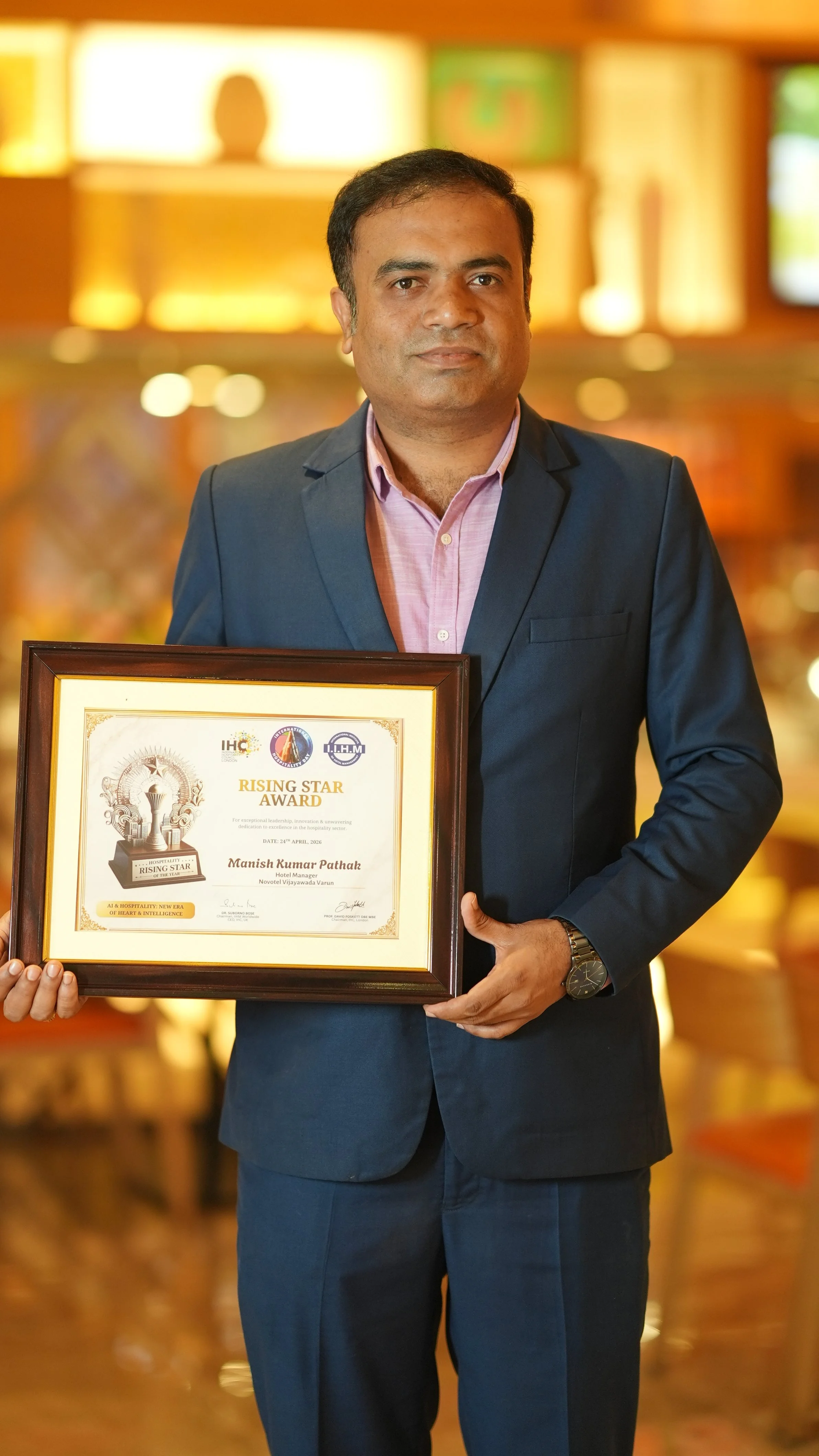
Hospitality Leader Manish Pathak Wins Rising Star Award at IHC–IIHM International Hospitality Awards 2026

Vijayawada, May 2026: Hospitality leader Mr. Manish Pathak has received the Rising Star Award at the IHC–IIHM International Hospitality Awards 2026 for driving stronger operational performance and guest experience, including improving occupancy at Novotel Vijayawada Varun.

With 15+ years across hotel operations and food & beverage leadership, Mr. Pathak is known for turning plans into on-ground results, sharpening daily execution, coaching teams, and elevating guest experience at Novotel Vijayawada Varun. In 2025, he helped transform the hotel into a destination for MICE, celebrations, and leisure, dovetailing with the national trend of discovering new places to strengthen the property’s positioning and deliver operational goals. This resulted in significant gains for brand Novotel in Vijayawada.

Speaking on the recognition, Mr. Manish Pathak said, “This award is a reminder that hospitality is built in the‘everyday, how our teams show up, solve, and serve, shift after shift. I am grateful to the colleagues and mentors who have shaped me, and I am committed to stronger teams, sharper execution, and consistently better guest experiences at Novotel Vijayawada Varun. As we continue to grow Vijayawada’s appeal for MICE, celebrations, and leisure, my focus is on delivering experiences that make guests choose us again and recommend us.”

An alumnus of IIHM, Mr. Pathak described the recognition as especially meaningful, with the award jury drawing on the institute’s long-standing academic and industry network to spotlight high-potential hospitality talent.

The Rising Star Award recognizes emerging hospitality leaders for demonstrated leadership potential and measurable impact on operations and guest experience.

Eight Continents Expands Global Hospitality Corridor with The Royal Hotel Cookstown in Northern Ireland

INDIA, April , 2026: Eight Continents Hotels & Resorts, a UK-based luxury hospitality and hotel management group redefining emotique hotels through distinctive design, cultural authenticity, and personalized experiences, continues to strengthen its footprint across the UK. The Group has announced the addition of The Royal Hotel Cookstown in Northern Ireland to its international portfolio, marking a monumental step in its strategy to build a curated collection of distinctive hospitality destinations.

This tie-up will bring together Eight Continents’ experience-led approach with The Royal Hotel Cookstown’s established legacy, creating a model that balances operational efficiency with consistent, high-quality service delivery. While the property will remain under the ownership of the Thom family, Eight Continents Hotels & Resorts will manage day-to-day operations, bringing in structured frameworks and globally benchmarked service standards to elevate the guest experience.

The group will focus on refining brand positioning within the regional and international travel landscape while driving operational performance to unlock the full potential of the property. This will include strengthening service delivery through intuitive, people-first training, improving commercial outcomes through disciplined revenue strategies, and introducing a more cohesive, design-led identity across touchpoints.

Ms. Richa Adhia, Managing Director at Eight Continents Hotels & Resorts, said, “We are delighted to expand our presence in Northern Ireland with The Royal Hotel Cookstown. This expansion is a natural step in deepening our presence in our home market while continuing to build a globally connected portfolio. Our focus will be on elevating the property’s operational performance and guest experience, while thoughtfully preserving its established identity and legacy.”

For guests, the transition will be seamless with the existing standards of service and hospitality, complemented by strengthened operational systems and experience enhancements. With a diverse portfolio of brands including Treetop, Hanric, Stamps, Ocho Homes, and Signature Collection, Eight Continents Group currently operates across India, the United Kingdom, and East Africa. Its growing footprint spans destinations including Belfast, Guernsey, and Zanzibar. In India, the Group has a presence in Kasauli, Varkala, Udaipur, Sariska, Jodhpur, and Pushkar, reflecting a strong focus on positioning itself as a design-led, experience-driven hospitality brand across destinations.

CMO Asia Honors Soumitra Kundu as Pune's Best General Manager, Hospitality

Pune : CMO Asia has recognized Soumitra Kundu, Deputy General Manager at The Orchid Hotel, Pune, with the prestigious title of Pune’s Best General Managers, Hospitality. With an illustrious career spanning over 20 years in the hospitality sector, Soumitra Kundu has established himself as a leading force in driving operational excellence and elevating service standards.

Under his forward-thinking leadership, The Orchid Hotel, Pune has undergone significant transformation, particularly in its Food & Beverage (F&B) operations, where eco-friendly innovations and advanced technologies have been seamlessly integrated. His comprehensive approach to staff training programs has further enhanced guest satisfaction, aligning with the hotel’s commitment to sustainability and service excellence.

Soumitra Kundu’s expertise extends across hotel budgeting, forecasting, and staff performance development, ensuring that The Orchid Hotel, Pune continues to strengthen its position as a premier hospitality destination. His deep understanding of industry regulations and unwavering integrity has played a pivotal role in maintaining impeccable safety measures for both guests and staff, creating a secure and comfortable environment.

As he accepts this acknowledgement , Soumitra remains dedicated to The Orchid Hotel’s mission of delivering outstanding guest experiences, fostering operational efficiency, and championing sustainable practices. His leadership continues to inspire innovation and growth, ensuring the hotel's legacy as a leader in Pune’s hospitality landscape.

Jolyon Bulley to become Americas CEO following Elie Maalouf’s appointment to Group CEO

InterContinental Hotels Group (IHG) [LON:IHG, NYSE:IHG (ADRs)] today announces that Jolyon Bulley will succeed Elie Maalouf as Americas CEO. Jolyon is currently IHG’s Chief Executive Officer for the Greater China region, and also the Group’s Transformation Lead for Luxury & Lifestyle. The appointment follows the announcement on 5 May that Elie will become IHG’s Group Chief Executive Officer on 1 July following Keith Barr’s decision to step down to return with his family to the US.

Jolyon has been CEO for Greater China since 2018 and is a member of IHG’s Executive Committee. He was previously Chief Operating Officer (COO) for the Americas region from 2014 to 2017. He will take up his new position on 1 July and will be returning to his family home in Atlanta in the US where he will be based.

A career hotelier, Jolyon has held a number of significant roles at IHG since he joined the business in 2001. As CEO for Greater China, he has been responsible for accelerating the growth and driving the profitability of IHG’s second-largest market. Prior to that, as COO for the Americas, Jolyon led the region’s operations for franchised and managed hotels, strengthening owner relationships and hotel operating performance. This led on from Jolyon holding the same role as COO for Greater China, where he similarly oversaw the region’s hotel portfolio and brand performance, new hotel openings and owner relations.

As IHG concludes succession planning for Jolyon’s responsibilities in Greater China, Daniel Aylmer, Managing Director for Greater China, will report into Elie and continue his responsibilities in China. Transition planning is underway for Jolyon’s other commitments.

Keith Barr, outgoing Group CEO, commented: “Jolyon has made an enormous contribution to the success of IHG over his more than two decades in the business, including holding senior roles in our two biggest markets. His appointment as Americas CEO demonstrates IHG’s commitment to invest in our leaders’ development potential, our robust succession planning and a continuation of our existing growth strategy for the Americas region.”

Elie Maalouf, outgoing Americas CEO and Group CEO Designate, said: “Jolyon is returning to the Americas business where he has a proven track record of supporting the growth of IHG’s largest region. When he was COO he redesigned and strengthened how we work with and deliver for our hotel owners. Over the last five years, Jolyon has guided Greater China through the pandemic and into the recovery, further strengthened our owner relationships and continued to grow the business at pace. I am pleased to be able to move into the Group CEO role knowing that Jolyon will further strengthen the Americas leadership team.”

Jolyon Bulley, outgoing Greater China CEO and Americas CEO Designate, added: “I am proud to have the opportunity to lead our Americas business alongside our many talented colleagues and in partnership with our hotel owners. I have worked in the hospitality industry my entire career and I’m looking forward to building on Elie’s legacy in the region, remaining focused on capitalising on strong owner and guest demand for our amazing brands and our attractive enterprise platform.”

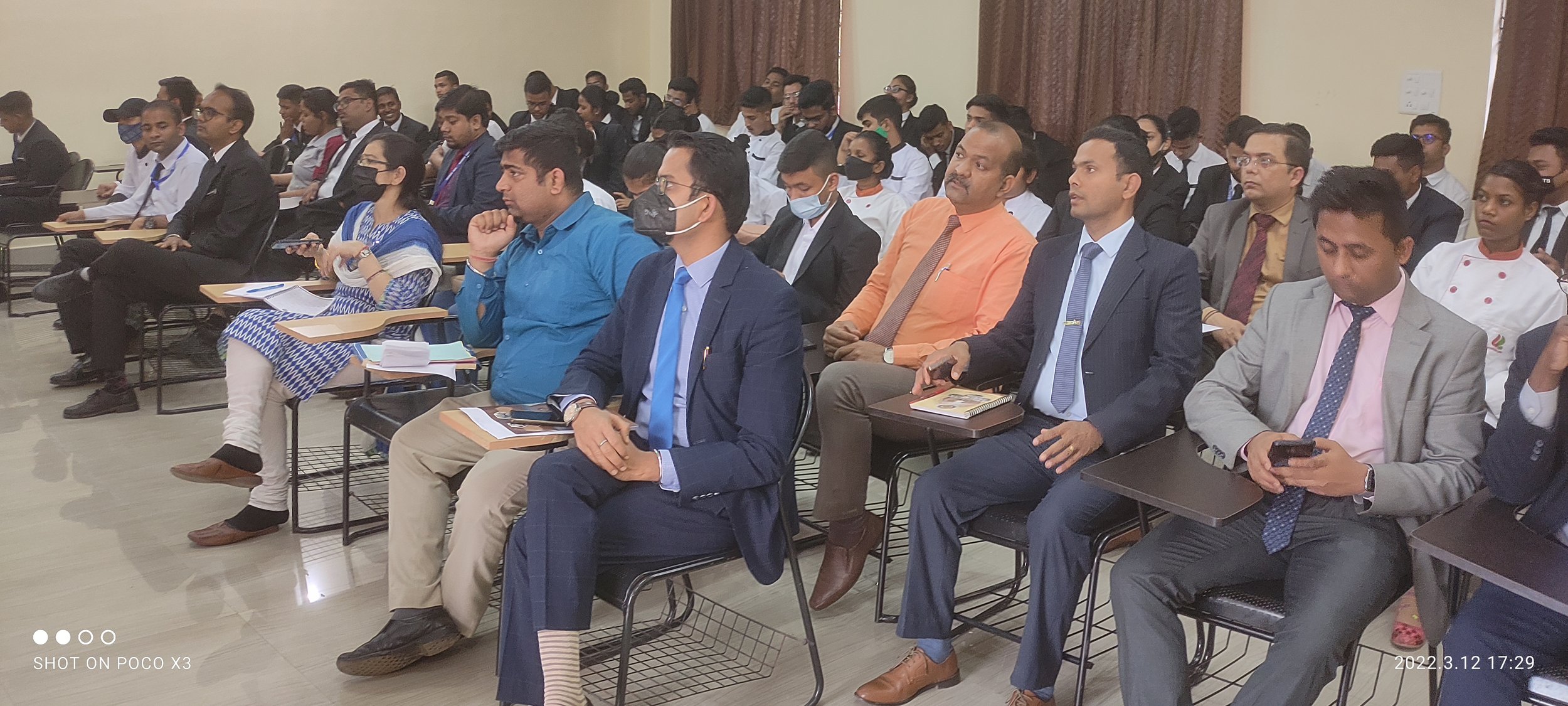
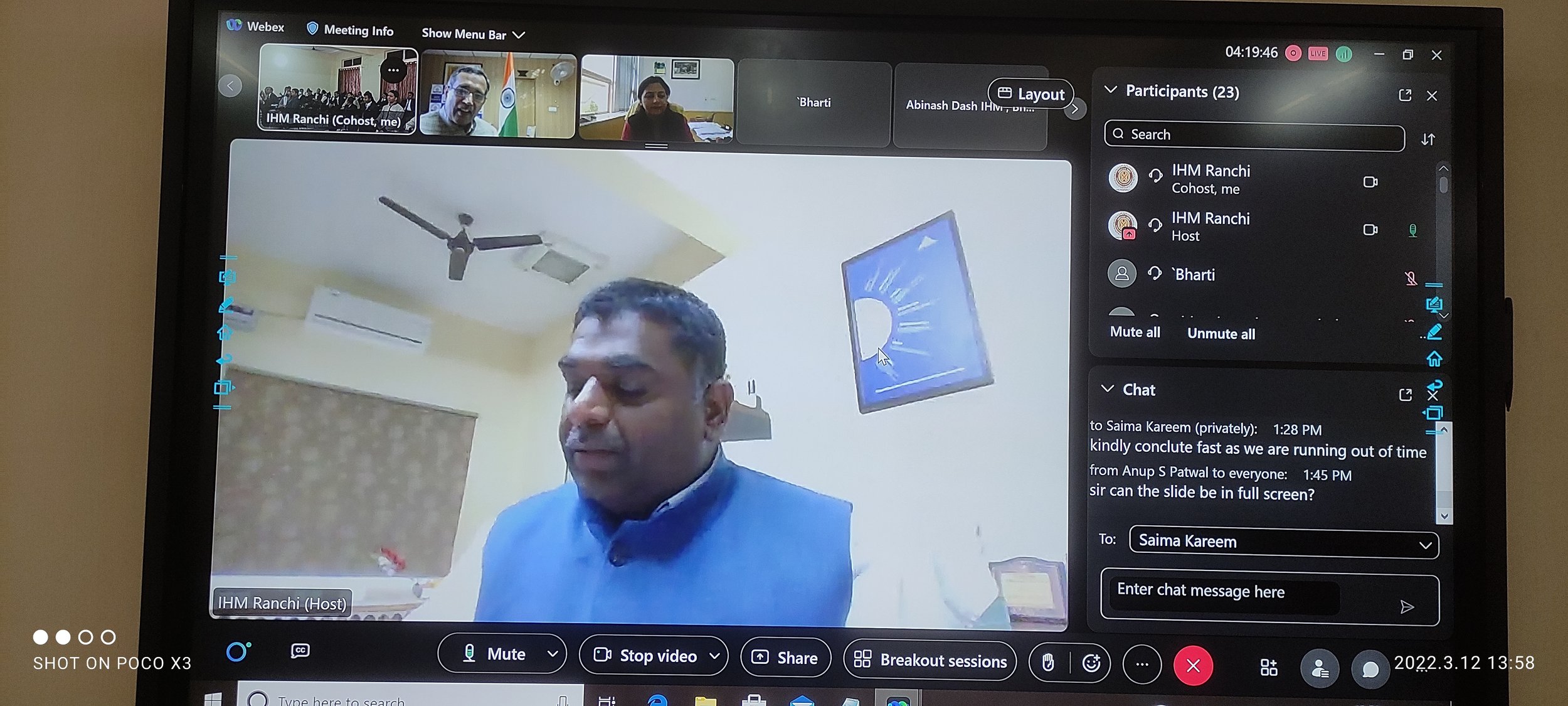
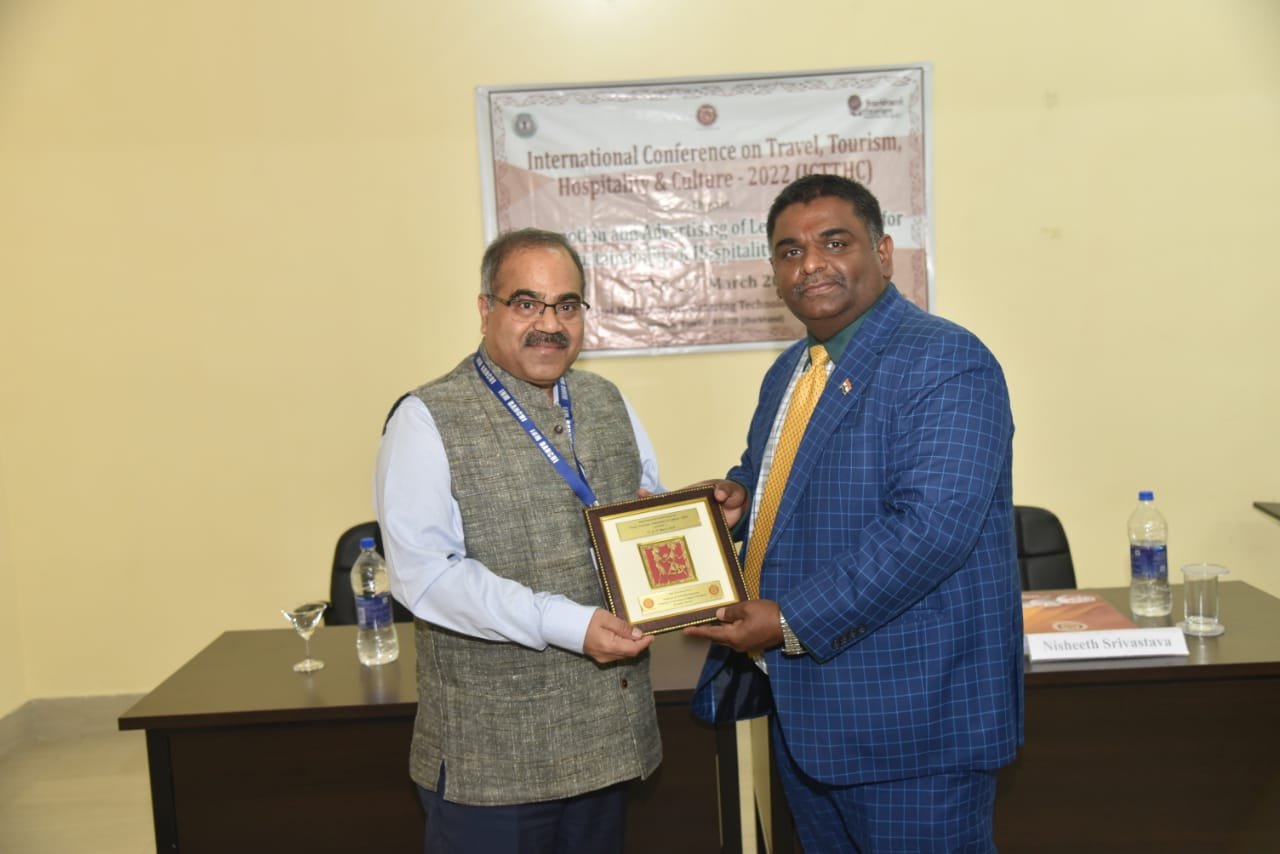
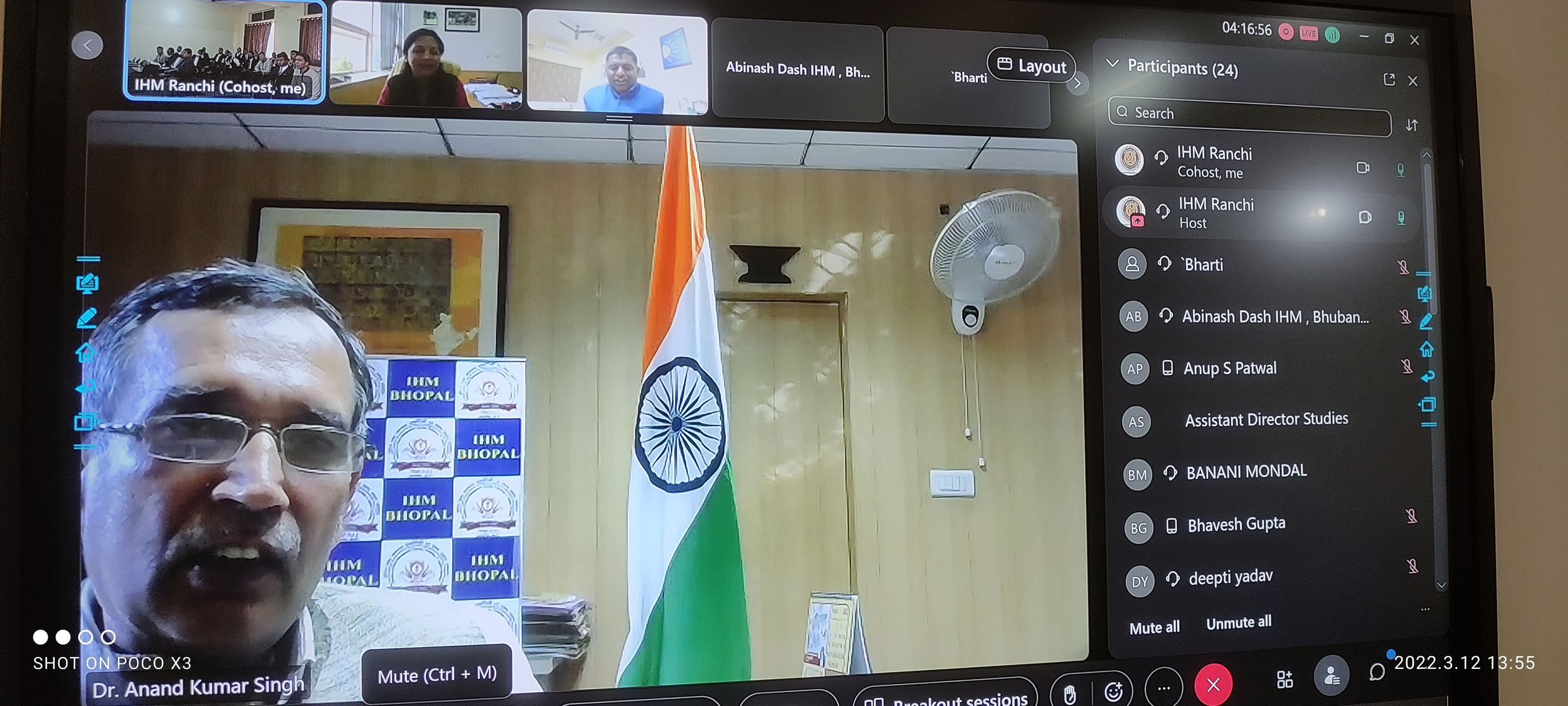
1 st International Conference on Travel, Tourism, Hospitality ; Culture(ICTTHC)-2022 March 11 th – 12 th , 2022

Institute of Hotel Management Catering Technology and; Applied Nutrition, Ranchi, Jharkhand

has organized the 1 st International Conference on Travel, Tourism, Hospitality, and Culture-2022

(ICTTHC) on the theme of “Promotion and Advertising of Leisure Activity for Sustainability of

Hospitality(PALASH) on 11th and 12th March, 202. The conference was conducted on Hybrid

mode.

INAUGURATION

International Conference on Travel, Tourism, Hospitality, and Culture-2022 (ICTTHC) was

inaugurated with l lighting by Chief Guest Hon’ble Governor of Jharkhand, Shri Ramesh

Bais, Guest of Honor, Shri Rahul Sharma, IAS, Secretary, Department of Planning and

Development, Govt. of Jharkhand, Shri Rahul Kumar Sinha, IAS, Director, Tourism, Govt. of

Jharkhand, Dr. Bhupesh Kumar, Principal, President ICTTHC and; IHM Ranchi and Alok Aswal,

Convener ICTTHC and; HOD, IHM Ranchi on 11th and 12th March, 2022 at IHM Ranchi. The

Book of Abstracts was released during the inauguration ceremony.

Shri Ramesh Bais, Hon’ble Governor of Jharkhand appreciated the hard work and

dedication of IHM Ranchi, for organizing the International Conference. He said that for

promoting, advancing and disseminating the knowledge of hospitality and hotel administration

IHM has been instrumental in setting high standards of knowledge. Hospitality plays an

important role for our society and mankind. With the rapid development of tourism in India, its

importance is increasing more and more. The conference will lead to fruitful discussions,

produce constructive results and arrive at some concrete suggestions, which will help policymakers to further boost the growth of the tourism and hospitality sector in the country.

Shri Rahul Sharma said that Jharkhand is developing a lot in the field of Tourism, any

country and state is known only by Tourism and tourism play an important role as a brand.

IHM Ranchi is the newest of all the IHMs across the country, but it has evolved a lot in the last

three years of its establishment. The first batch of IHM Ranchi will pass this year and all the

students have already been placed in different establishments. He envisioned this conference as

a forum where hospitality and tourism experts and professionals will come together to share

practical knowledge and technology, debate openly on policies, which are best for individual

operators and the community.

Dr. Bhupesh Kumar in his speech said It gives me immense pleasure to welcome you all

to the International Conference on Travel, Tourism, Hospitality and; Culture -2022. The

The conference aims to bring Tourism and Hospitality Researchers together to deliberate on the

subjects related to Travel, Tourism, Hospitality, and Culture. It is an honor to host the event

that too in new normal. The state of Jharkhand is a land of bountiful opportunities and one of all

most potential tourism destinations for travelers across the globe. This gives academicians and

research scholars to find scope for research in varied field of Hospitality and Tourism in India. I

would like to thank all those who are associated with this Conference, especially our organizing

team and the supporting staff for their tireless efforts in making this Conference a grand

success.

A vote of thanks was given by Mr. Alok Aswal, Conference Convener and; organizing Secretary

ICTTHC 2022 at the end of the Inauguration ceremony.

Dr. Asad Mohisn, Associate Professor, University of Waikato, Hamilton, New Zealand, Prof.

Maharaj Vijay Reddy, Professor of Sustainable SME Growth, Birmingham City Business

School, Birmingham, United Kingdom, Prof. Ashish Dahiya, Professor, M.D University,

Rohtak, Haryana, Prof. Parikshat Singh Manhas, Professor, The Business School, University

of Jammu, Jammu and; Kashmir, Prof. Paramita Suklabadiya, IGNOU, New Delhi, Mr.

Nisheeth Srivastava, Principal, IHM Kolkata, Dr. Anand Kumar Singh, Principal, IHM

Bhopal, Madhya Pradesh, Ms. Sharada Ghosh, Principal, IHM Bhubaneswar, Mr. Argha

Chakravorty, Principal, IHM Gurdaspur, Dr. Urvashi Yashroy, Dirtor, Tuli College of Hotel

management, Nagpur, Maharashtra, Dr. Bharti Gupta, Assistant Professor, Central University

of Jammu, India and Dr. Aarti Meshram, Principal, GITHMand;CT, Nagpur, Maharashtra

attended the conference.

The Conference explored overall theme related to Hotel, Travel and Tourism industry during

the two days through deliberations on 04 Technical Session Track:

(1) New Normal and Trends

(2) Promotion and Marketing

(3) Sustainability and Environment

(4) Culinary and Cultural Tourism

There were about 40 papers submitted for the conference out of which 38 papers were presented

during the conference.

Day 1, March 11, 2022

The Keynote address by Dr. Asad Mohsin, Associate Professor, The University of Waikato,

Hamilton, New Zealand gave an insight on “The Ageing Challenge in International

Hospitality Management: An intercultural assessment”. He told the Ageing population in

developed countries poses challenges not only to healthcare systems but also for tourism,

hospitality and recreation services. Modern medical technology and improved conditions are

helping to live longer and work longer. The segment is referred with different names/titles such

as elderly, older, aging, aged, retired, senior, silver market, third age, mature market etc. In

contrast to the youth audience, ageing consumers are sensitive to the image and status of goods

paying attention to the real characteristics of goods and services.

The Keynote address by Prof. Maharaj Vijay Reddy, Professor, Birmingham City Business

School, Birmingham, United Kingdom on “Rebuilding Hospitality and; Tourism: How green is

the recovery”. During his keynote he discussed about the impact of Crises, Disasters on

tourism. The crisis is an opportunity to rethink tourism for the future. He told to recycle and

reduce waste, Increasing awareness among tourist, Efficient management and conservation of

forests and other natural resources. All we require is Sustainability awareness and capacity

building - Education and; training to stake holders, International, National and; local corporation,

Research initiatives.

Technical Session Track -1: New Normal and Trends

Session Chair: Mr. Nisheeth Srivastava, Principal, IHM Kolkata and

Mr. Pankaj Chatterjee, Associate Professor RKDF University Ranchi,

Jharkhand

Rita Mitra and; Sohini Basu Mukhopadhyay presented paper on “Prospects of Re-Skilling and

Upskilling Employees in Hospitality Industry” emphasized that it literally seems like the

entire world is changing more rapidly than ever before. Every day brings in new technology,

app, trend or method of working that makes the older version completely obsolete. All sorts of

company must be prepared for these challenges and changes. COVID 19 forced most employers

to make vital changes in how they move ahead to cope up with odds in their field and comply

with limitations forced by the pandemic.

Dr. Goldi Puri presented paper on “Success Factors of online courses offered by Tourism

and Hospitality Institutes” highlighted on E-learning has generated enormous excitement in

education all over the world. It offers the potential to provide learning to new audiences and

chance to fundamentally transform learning delivery and the competitive landscape (Poehlein,

1996). The rapid and massive expansion of the Internet as a potential course delivery platform,

combined with the increasing interest in lifelong learning and budget restrictions has created a

substantial incentive for universities to develop e-learning courses.

John Major presented paper on “Exploring Success Strategies of Indian Start-up’s

(Restaurant) With Global Foot-Print in Food and Beverage Industry” explained that the

main purpose of this research is to explore how Indian food and Beverage startups have matured

and how local and global connectivity is critical to startup success. It is said that for good ideas

and true innovation, one needs to have human interactions, thought exchanges and debate.

Anindita Bharadwaj and; Dr. Amit Kumar presented paper on “A Study on Guestand#39;s

Perception Towards Housekeeping Services in Luxury Hotels of India” emphasized on

Hotel building has been an important economic support in India. The success of a hotel depends

on its guests. Keeping customers pleased is one of a hotel’s most challenging tasks. Customer

satisfaction and service are the foundation of a long-term client relationship. In this research,

hotel personnel in luxury Hotel Category and guests were asked about customer satisfaction

concerns. The study focuses on customer happiness and service quality of housekeeping

services in hotels.

Dr. Suneel Kumar, Sanjeev Kumar and; Varinder Kumar presented paper on “New Normal

Tourism post COVID-19: Trends and Issues” emphasized on COVID-19 has had an effect

on each and every business throughout the world, and the tourism and; hospitality business has

been particularly severely damaged. Earlier to COVIF-19, tourism industry has risen to be one

of the most prominent industries across the globe.

Rahul Bharti presented paper on “Post Covid-19 Innovative Front Office Practices in the

hotels of Delhi- NCR” highlighted on Post Covid-19 hospitality sector needs to adopt

sustainable and innovative practices to recover from the setbacks due to the pandemic. In this

regard, a survey related to current Front Office practices has been conducted in more than ten

hotel properties in Delhi-NCR region. These practices are compared with those which were

prevalent during the pre-covid times.

Technical Session Track -2: Promotion and Marketing

Session Chair: Mr. Argha Chakraborty, Principal, IHM Gurdaspur and

Dr. Nishikant Kumar, BIT Meshra, Ranchi, Jharkhand

Trina Deka and; Dr. Sudhanshu Verma presented paper on “Social Media- An overhyped

tool for destination marketing, being used awfully towards sustainable tourism”

emphasized on Social media allows the people to post unscrupulous data about almost anything.

The data needs to be converted into information for the marketers to be used fruitfully. Since

the input and editing of data is not controlled hence conversion of this data into useful

information is very difficult. The main objective of this study is to examine the authenticity of

the information available on social media and to analyses how effectiveness of using social

media for marketing and promotion of a destination, through it.

Abhishek Chowdhury and; Chandrokala Biswas presented paper on “Tourism Marketing

Strategies for Lady Travelers: A Case Study On Tourism Marketing Strategies for Lady

Travelers and; Feedback from Hospitality Professionals in Mumbai” emphasized on as the

tourist market becomes global, identification of gender differences in tourist behaviors and the

ability to meet the gender specific need will be the key to successful differentiation of the

tourism product. Unfortunately, there is reluctance by many tourism writers and practitioners to

recognize gender specific differences and to fully incorporate gender issues into the design and

marketing of travel and tourism products.

Ratan Lal Sahu and; Seema Jain presented paper on “The Transformation of Tourism

Industry in Post Covid 19 Era and Its Impact On Travel and Tour Businesses” emphasized

on CVOID 19’s effects on the tourism industry and its transformative power for both

professional and researchers are the goal of this study which will help both groups better

manage COVID19 situations pertaining to the industry. This article provides an overview of the

COVID 19 tourism destinations effects and how they can be used in tourism research.

Dr Harshada Satghare and; Nishant Sutare presented paper on “Use of Social Networking

sites for Tourism Marketing: Current Scenario and; Future Prospects” emphasized that

nowadays Social Networking Sites has become an unavoidable component of marketing

strategies of every small and big travel organization. Moreover, new social media channels

are emerging and influencing the methods of tourism marketing now then. Hence the present

research has aimed to anise the present usage of social networking sites among the public and

private tourism stakeholders and their further plans related to the use of sites.

Neha Dubey presented paper on “Marketing strategies of airlines operating in India with its

impact on customer satisfaction” emphasized on the aviation industry plays a significant role

in contributing to the GDP through the travel and tourism sector in the Indian economy. The

civil aviation industry in India has emerged as one of the fastest growing industries in the

country. After China and the United States of America, India has become the third-largest

domestic aviation market in the world.

Pratim Chatterjee and; Debasish Batabyal presented paper on “Analyzing Reviews for Future

Marketing of Jyotirlings in India with Special Reference to Kashi Vishwanath Temple,

Varanasi, India” emphasized on Varanasi or Benaras is believed to have been one of the oldest

extant cities in the world, with Kashi Vishwamnanth as its spiritual identity and religious

salvation. India’s twelve Jyotirlings is also one of the oldest extant pilgrim-circuits of my

mythology, religion and history. The present article is based on reviews in Trip Advisor for all

these twelve Jyotirlings in India, and surprisingly the pride of this Jyotirling is found dwindling.

Rimjhim Neog presented paper on “Destination Designing, Marketing and Management:

Issues and consideration” emphasized on Tourist have always attracted to specific locations.

Destination designing and planning on the other hand is new phenomenon for tourism

industry. Previously travelers travelled to places of their choice (beaches, old cities,

pilgrimage tours, hill stations etc.) that had developed into tourist destination through time,

because of their unique traits, they are popular tourist destinations.

Sahil Sharma and; Dr. Jeet Dogra presented paper on “Inputs for effective marketing of

Hospitality in Ranchi” emphasized on the tourism and hospitality industry is full of

competition today, effective promotion and marketing of products and services play a key role

in the overall success of nay business. In this study, the researchers identify key experiential

dimensions of hospitality services in Ranchi.

Harjot Kaur, Shaina Arora, and; Jyoti Sharma presented paper on “Social Media Marketing:

A Paradigm shift in tourism marketing with the advent of social media” emphasized on

Social media has altered every part of our existence, including our consumption habits. These

advancements have had a tremendous impact on organizations, primarily by enabling new

marketing methods. The paper summarizes recent debates about the future of marketing and

how businesses market to their customers using different social media platforms.

Day 2, March 12, 2022

The second day of conference started with welcoming of guests by Dr. Bhupesh Kumar, Principal,

IHM Ranchi. The Chief Guest for Day 2 was Mr. L. K. Ganguli, Director(Aand;F), National

Council for Hotel management, Noida.

Mr. L. K. Ganguli in his speech informed about the fast growing travel and tourism industry.

Tourism has experienced continued growth and expanding ‎diversification to become one of the

fastest-growing economic sectors in the country. ‎Tourism is closely linked to development and

involves a growing number ‎of new destinations. These dynamics have turned tourism into a key

driver for socio-‎economic progress. He appreciated IHM Ranchi for conducting an international

conference. ‎

Key note Address by Prof. Manohar Sajnani, Director Amity Institute of Travel and Tourism

at Amity University Uttar Pradesh, Noida, India on “Sustainable Community Development”.

In his keynote he told Sustainable Community Development may be defined as

environmentally, socially and economically benefits people without disturbing the ecosystem.

Today population of world has increased significantly which cause degradation of environment

due to massive use of natural resources. Hence it has become essential to make every

community economically and prosperously sustained. Further as the population increases there

will also be increase in the use of bare essential of live needs as food, water and; shelter etc. when

a community becomes sustainable it generate not only profit economically, but also provides

social equality and friendly environment. He said happiness is the key of tourism.

Keynote Address by Prof. Ashish Dahiya, professor, Hotel and; Tourism Management. M.D,

University, Rohtak, Haryana on “Understanding life skills and making our life blissful with

their application in everyday life”. He told that leisure is the way to live. Life skills is a term

open to wide interpretation, it is used to describe a set of basic skills acquired through learning

and direct life experience that enable individuals and groups to effectively handle issues and

problems commonly encountered in daily life. He said behavioral changes through life skills:

Happiness, Knowledge, Motivation, Acceptance, Good habits, Lifestyle.

Keynote Address by Prof. Parikshat Singh Manhas, Director, School of Hospitality and;

Tourism Management (SHTM), Professor, The Business School (TBS), University of Jammu,

Jammu and; Kashmir on “Quality Enhancement in Tourism and; Hospitality Industry”. The

COVID-19 pandemic has seriously affected the political and economic development pattern in the

world. It has deeply changed the hospitality industry and human resource service mode of hospitality.

The livelihood of a lot of people depends on tourism and; the hospitality industry. Once the recovery process has

started we have to address all globally how to build up a better blueprint. Trust is a very important factor

to create sustainable tourism all over the world.

Technical Session Track -3: Sustainability and Environment

Session Chair: Dr. Anand Kumar Singh, Principal, IHM, Bhopal, Madhya and

Dr. Sonia Sharma, Associate Professor, IGNOU, New Delhi

Dr. Supriya Sikari presented paper on “Community Sustainability and Community

Development Through Tourism Practices: An empirical study on ‘Natungram Craft-

Village” considered to be the largest and fastest growing industry, tourism causes in building

and reviving country’s economy by earning foreign exchange, generating employment and

boosting indigenous business opportunities. Tourism also contributes in Socio-cultural

development by understanding, participating, practicing and respecting each other’s culture

both by tourist and host community.

Anup.S.Patwal and; Dr. Jagdeep Khanna presented a paper on “Starting Homestay Business

Post Covid-19: A Social Entrepreneurial Approach” emphasized on the primary goal of

this research is to use social entrepreneurship to make the homestay business more

competitive after the coronavirus(COVID-19) pandemic. The data is acquired from

government organizations, ministries, and commercial travel businesses participating in the

domestic travel and tourism sector.

Gagandeep Soni, Dr. Sarah Hussain and; Saima Kareem presented paper on “The Impact of

Environment-Friendly Practices On Customer Satisfaction in Hotels: A Review of

Literature” emphasized on The study’s goal is to examine at diverse environment friendly

measures employed by the hospitality sector and analyze their influence on customer

satisfaction. From 2000 to 2020, 31 publications with keywords like “environmental friendly,”

“customer satisfaction,” “customer loyalty,” and “sustainability” were downloaded from major

online research databases such as Google Scholar, Science Direct, Research Gate, and Emerald

Insights.

Neha Kumari and; Dr. Nidhi Nayna presented paper on “Women Career Elevation in

Hospitality Industry: An Overview” elaborate that nowadays, women hold incredibly unique

status in a society, they played various roles in their institutions such as family, political or other

social groups. Moreover, in today’s Indian industry women are gaining more power and

positions as compared to past.

Ravi Kumar and; Dr. Bhupesh Kumar presented paper on “Tribal Tourism Planning and

Development in Jharkhand: An Application of Four Hs of Indigenous Tourism”

emphasized on the state of Jharkhand “Nature’s hidden Jewel”, come into existence on 15 th

November 2000 is the land of Bhagwan Birsa Munda. The state is blessed with rich natural

mineral resources, diverse flora and fauna and has enormous tourism potential with Tribal

Tourism, Religious Tourism, Heritage Tourism, Mining Tourism, Eco Tourism, Adventure

Tourism. There are as many as 32 tribes in the state of Jharkhand, each tribe have a unique

culture, custom, tradition and heritage.

Rohan Joglekar and; Tanya Singh presented paper on “To study the significance of Sustainable

Tourism in India” emphasized on Tourism industry is considered as one of the fastest growing

industry in the world. It is an important source of foreign exchange as well. Tourism sector is

extremely sensitive industry which affected by various environmental factors and incorporates

distinct features of information of the society not only of one country but across the world.

Banani Mondal and; Suman Ghosh presented paper on “A Study on Green Hotel Practices and

Achievement of Sustainable Development Goals” emphasized on Hospitality and Tourism

of India has emerged as one of the key service sectors in the context of the country’s economy

and have led the way for development. The present day scenario of the hotel industry has

changes with the shift of focus of the global traveler from high rise hotel buildings in cities to

places that are close to nature and have a peaceful natural environment which does not damage

the natural ecosystem and ecology around.

Suchismita Roy Indra and; Ishika Karia presented paper on “A study on new practices

adopted by Hotels in Housekeeping Department in 5 star hotels in Mumbai post Covid 19”

emphasized on the hotel is a unique place for people to interact, get together and exchange

ideas. Hotel employees are employees who work side by side to provide guests with the best

possible experience. Housekeeping departments are often overlooked, but their work affects all

departments of the hotel. Over time, the housekeeping sector has changed significantly with

new practices following the Covid-19 pandemic.

Vimal Kumar, Surbhi and; Bhavesh Gupta presented paper on “A Study of New Challenges in

learning for students pursuing hospitality programs and new demands of Employers in

hospitality sector in District Faridabad, Haryana” emphasized on we have seen a surge in

the universities and stand-alone institutions offering long term and short term hospitality a

programs and modules in the preceding years to support varying human resource demands in

the hospitality and tourism sectors. The purpose of the study to find out and address the new

challenges encountered by the hotel management students in online learning and the new norms

applicable in Industrial Training and; placement of Hospitality students in the post-pandemic

times.

Arvind Sonkamble and; Pallavi Yedgaonkar presented paper on “To Study the Role of

Hospitality in Health Sector” emphasized on Health plays vital roles in today’s lifestyle,

people are travelling for many purposes tend to have food outside. Youth like to try different

cuisine which is one of the major causes of effecting health negatively. Hotels, restaurants and

other hospitality sectors plays important role in serving hygienic food in clean ambiance.

Abinash Dash and; Sambit Suman presented paper on “Bibliometric Analysis of Central

Finance Assistance (Cfa) Seminars by Ministry of Tourism from 2017 -2020” emphasized

on Research performance is an important part of academic pedagogy system. Continuous

research activities show continuous expansion in capacity building of academic as well as

an academic milieu. The Ministry of Tourism provides financial Assistance (CFA) to establish and

upgrade the Institute of Hotel Management Catering Technology and; Applied Nutrition(IHMs)

and the National Council of Hotel Management in the country.

Madhuri Deshbhratar and; Suchismita Roy Indra presented paper on A Study On Changing

Trends in Housekeeping Department of Five Star Hotels in Mumbai Post Covid- 19

emphasized on this pandemic no other department than the Housekeeping department has

evolved so rapidly. As we all know the hospitality industry is a dynamic industry and the

The housekeeping department plays a vital role in keeping the hotel clean and safe.

Technical Session Track -4: Culinary and Cultural Tourism

Session Chair: Dr. Urvashi Yashroy, Director, Tuli College of Hotel Management, Nagpur,

Maharashtra

Dr. Aarti Meshram, Principal, Government Institute of Hotel Management and;

Catering Technology, Nagpur

Dr. Amit Kumar, CT University, Punjab

Srijani Chatterjee and; Vikram Singh presented a paper on “Prospect for Development of

Sualkuchi is a Destination for Cultural Tourism: Perceptions of Local People and Tourists

in Assam” emphasized on Sualkchi is a weaver’s village in Assam, having immense potential

as a center for culture and heritage. This village is home to around 17000 handlooms, and the

weavers here consider this an heirloom passed on from generation to generation. The people of

this area also suffered hugely due to the pandemic and these flag bearers of heritage and

traditions are surviving on the bare necessities.

Siddhartha Dey, Nomita Dey, and; Harveer Singh presented a paper on “Sustainable Food

Consumption: An Overview of Contemporary Preserve Food Items” emphasized on

Sustainable tourism has become a progressively popular field of research since the late 1980s.

However, the sustainable tourism debate is patchy, disjointed and often flawed with false

assumptions and arguments. This paper is a brief critique of some of the weaknesses in the

sustainable tourism literature.

Manish Semwal and; Anup S Patwal presented a paper on “A Systematic Literature Review on

Local Food Tourism and Regional Development in Uttrakhand” emphasized the use of

food as a distinctive feature of locations, as well as its ability to influence visitors’ travel

decisions, is a contentious issue in academics. Various nations utilize different phases to refer to

Tourism and Food. Food tourism, gastronomic, and food tourism are all interchangeable terms.

Rishabh Kumar, Deepanshu Khurana, Akhil Chawla, and; Dr. Suneel Kumar presented

a paper on “A Critical Investigation into the Emergence and Rise of the Cloud Kitchen”

expressed the major objective of this is study is to see the emergence of cloud kitchens. In the

A modern era where the generation wants everything on the mobile; the Cloud kitchen to get more

popular. Cloud Kitchens are an increasingly vivid model that a lot of new generation

entrepreneurs can move into in recent times.

Deepti Yadav and; Dr.Gaurav Bathla presented a paper on “A study on the factors affecting

the change in food lifestyle of the consumers during COVID-19: a special reference towards

convenience food” emphasized on the purpose of this research is to study the change in the

consumption pattern of food during the covid-19 pandemic in India. The study focused on the

convenience food-related lifestyle and behavior of the consumers changed due to pandemic

Objectives were fulfilled by collecting information from questionnaires through a google form.

Dr. Dhanraj Kalgi, Ashwini Talaulikar, and; Yogendra Tanwar presented a paper on “The study

of advancement in the Tourism and Hospitality industry during Post Covid-19 pandemic”

emphasize on Post Covid-19 pandemic has brought a new revolution in tourism and hospitality.

The new normal put into practice by the government had challenged the tourism and hospitality

industry to evolve new service processes for their revival and survival. Emerging technology

turned to be a boon to this industry as it aided in virtual reality tours, the Internet of thighs, voice

search and contactless payments to provide and maintain the quality of service and customer

satisfaction.

Apurba Chakraborty and; Dr. Santosh Kumar Upadhyay presented a paper on “How the

COVID 19 Pandemic, Effects on Tourism and; Hospitality Industry, of Dooars Region: An

Overview” emphasized on Hospitality and; Tourism industry in Dooars has been the main contributor

to the revenue of income by increasing the GDP Growth of North Bengal. Tourism Industry of

Dooars not only employs workers in cities but also provides an earning base for the rural

population.

Baljit Singh Kalsi presented a paper on “Culinary Tourism- An Upcoming Opportunity for

Tourism Industry in Jharkhand”.

Dr. Dhanraj Kalgi, Ashwini Talaulikar, and; Asmita Patil presented a paper on “To study the

significance of relationship marketing for improving customer loyalty in hospitality and

tourism industry” expressed the relationship marketing is a type of marketing originated from

direct response marketing campaigns which accentuates not only on retention of customers but

also on satisfaction comparatively than sales dealings. Relationship marketing inspires the

establishments of hospitality and tourism to cultivate relationships with guests, suppliers, peers

and partners, to uphold their reliability to the trade.

The conference concluded with a Valedictory Ceremony and Workshop delivered by Dr. Bharti

Gupta, Assistant Professor, Department of Tourism and; Travel Management, Central University

of Jammu, Jammu and; Kashmir on the topic “How to Write and; Publish Research Paper for

International Journals” emphasized to know about what to keep in mind before writing a paper,

things related to writing for Avoiding Desk Reject, how to pick your target journal, understanding the

meaning of Bibliometric and methods, to understand the meaning of citation, citation index and about the

measures that emerge from citation analysis and to know about the Peer Review Process, 4Ps of

Publishing, Publication ethics, Open Access Journals, UGC-CARE, useful software, and SCI-HUB.

The concluding vote of thanks was given by Dr. Bhupesh Kumar, Principal, IHM Ranchi and;

President of ICTTHC 2022 who acknowledged the efforts of all the Researchers and Presenters

for their excellent cooperation and contribution to the Tourism and Hospitality field.



5th INCA edition concludes in Goa

goa.jpg

This year’s INCA also witnessed the screening of the Sisterhood Soiree’s achievements over the last two years, which is an initiative to recognise and empower women in the nightlife and hospitality industry.

The 5th India Nightlife Convention & Awards (INCA) edition was held at W Goa on 13th March. The event celebrated India’s nightlife and hospitality industry through insightful panel discussions with industry experts. It also felicitated COVID contributors from the industry.

Some participants at the convention included restaurateurs like Joy Singh, Priyank Sukhija, Zorawar Kalra, AD Singh, Riyaaz Amlani, Gauri Devidayal, Ashish Singh, Rahul Singh, Mariketty Grana as well as musicians like Ayesha Pramanik and DJ Clement. Some of prominent personalities amongst the attendees included vlogger Malini Agarwal, actor-director Pooja Bedi, blogger Parul Kakad and musicians DJ Starling, Divine, Oscar de Lima and Manasi Scott.

As part of the opening panel discussion, special guest NUCLEYA spoke about new partnerships post the pandemic and his new role with RAASTA, the bar chain. The other panels covered topics like ‘What we learned from the pandemic’ and ‘Brands and industry partnerships’.

This year’s INCA also witnessed the screening of the Sisterhood Soiree’s achievements over the last two years. This is an initiative to recognise and empower women in nightlife and hospitality.

The soiree is a platform specifically designed to bring female industry leaders and aspiring women under one roof with an aim to increase female participation in the industry. With women contributing a substantial amount at every level in the nightlife domain, it is imperative to bestow recognition on their achievements to transform the hospitality sector.

Source

New Appointment Announcement at Eastin Easy Vita, First International Hotel, in Vita Sangli District

Arun Sharma

Arun Sharma

Satish Mishra

Satish Mishra

Mr. Kabir Mehra is delighted to announce new appointments at Eastin Easy Vita, namely Mr. Arun Sharma as Food and Beverage Manager and Mr. Satish Mishra as Accounts Manager.

Academically qualified with a degree in Hotel Management Catering Technology & Tourism, Arun Sharma brings along, diverse experience of over 10 years with in-depth knowledge, experience, and training in all aspects of food and beverage operations.

With over 12 years of experience in the Hospitality industry, Satish Mishra started his hospitality career with Sayaji Hotels in 2008

source

Zaplox Demonstrates Contact-Free Mobile Guest Journey at Cyber HITEC

zaplox-demonstrates-contact-free-mobile-guest-journey-at-cyber-hitec.jpg

Zaplox's contact-free solutions, including its mobile guest app and self-service kiosk, allow hoteliers to use contact-free technology to make all the touch points of the guest journey safer, more convenient, and more cost-efficient. Thanks to Zaplox's mobile guest app, guests no longer have to handle plastic key cards, but can use their own smartphone to check-in remotely. On arrival they can skip the front desk and go straight to their room and unlock the hotel room door by holding their phone against the electronic door lock.

Guests appreciate the convenience and the contact-free process reduces the risk for transmission for both guests and hotel employees. During the stay, guests can use Zaplox's mobile guest app to access information about the hotel amenities, chat with hotel staff to order room service, book spa appointments, or make dinner reservations. At departure, the guest can use the app to review the room charges and pay.

"Our contact-free solutions takes the pressure off the front desk by empowering the guest to use their phone for everything from check-in to payment, supporting social distancing guidelines while offering convenient access to information and high quality service," says said Even Frydenberg, Zap lox's CEO. "Even though we had preferred to meet all the hoteliers and our partners in person, we are excited and impressed by how technology has made this virtual event possible."

Zap lox invites all CYBER HITEC participants to attend the company's presentation at 12:00 pm EDT, October 28, 2020 in the CYBER HITEC Networking Lounge. The presentation will focus on how hotels can benefit from a contact-free guest journey and will share a demo of how The Kinney Hotel in San Luis Obispo uses Zap lox's mobile guest app.

Source

CDC Study Suggests Dining at Restaurants Poses Greater COVID-19 Risk

download (3).jpg

The U.S. Centers for Disease Control and Prevention (CDC) released the results of a study of COVID-19 patients and the activities they participated in and the interactions they had in the two weeks before they tested positive for the respiratory illness.

Eating at a restaurant also seemed to be a bigger determining factor for a positive test than a number of other activities, including going to an office, visiting a hair salon, going to a gym, riding on public transportation, or attending a religious service.

www.foodandwine.com/news/cdc-covid-study-restaurants-dining-out

Soneva Fushi unveils world’s largest one- and two-bedroom overwater villas

dd.jpg

Soneva Fushi’s new Water Retreats are soon to be ready to welcome guests, adding yet another facet to the original barefoot luxury resort.

Guests can expect innovative designs and some new changes to the iconic Water Retreat designs that can be found at Soneva Jani.

Soneva’s floating villa concept, Soneva in Aqua, is a luxury two-cabin yacht that sets sail from Soneva Fushi and Soneva Jani.

There is a multi-purpose facility that encompasses the Maldives’ only hot glass studio, the glass gallery, and boutique where guests can learn the art of glassblowing.

Source

Avani+ Ho Tram Resort under construction in Vietnam

222.jpg

Avani Hotels & Resorts has announced the signing of the first Avani+ upscale resort in Vietnam - Avani+ Ho Tram Resort. The property is scheduled to open in the third quarter of 2023.

Currently, the brand has a total of three properties under construction in Ho Chi Minh City, Doc Let and Cam Ranh, as well as two hotels in operation in Hai Phong and Quy Nhon

Source

Hotel JAL City Fukuoka Tenjin to Open in 2021

12.jpg

Okura Nikko Hotel Management Co., Ltd., a subsidiary of Hotel Okura Co., Ltd., announced today that it will open Hotel JAL City Fukuoka Tenjin in 2021.

Sekisui House, Ltd., a renowned Japanese construction company, is now building the hotel and aiming to complete it by January 2021.

Based on Hotel JAL City's brand concept “smart simplicity”, the new hotel will offer a smart and simple stay experience, providing check-in and check-out and room key functionality by means of guests’ smartphone

Source

Ginger Hotels Announces The Signing Of Three New Hotels

06.jpg

Ginger Hotels announces the signing of three new hotels –two in Chennai and one in Patna –designed around the brand's lean luxe philosophy. The two Chennai properties will take the total number of Ginger hotels in the city to five, while the Patna property will be the brand's second hotel in the city.

Chennai and Patna are both high demand markets. With the addition of these hotels in different micro-markets, the Ginger brand deepens its market penetration in cities that are important commercial hubs of India

Source

Radisson Hotel Group Signs Pakistan’s First Internationally Branded Serviced Apartments

15.jpg

Radisson Hotel Group announced the signing of the Radisson Blu Serviced Apartments, Islamabad in Pakistan, the first internationally branded serviced apartments in the country

This marks the group's second hotel in Pakistan, accelerating its ambition to have 10 hotels and 2,000 rooms in operation and under development across the country by 2025.

The new-build hotel will form part of a mixed-use development, which includes offices and a retail mall

Source

COVID-19 impact: Hospitality sector's revenue loss estimated at almost Rs 90,000 crore in 2020

photo-1571896349842-33c89424de2d.jpg

The COVID-19 pandemic has taken a severe hit on the revenues of the Indian hospitality sector – organized, semi-organized and unorganized. The total revenue loss for the sector in 2020 is estimated at Rs 89,813 crore as against total estimated revenue of Rs 1,58,113 crore in 2019, a report said.

Of this, the revenue loss for organized players is seen at Rs 40,309 crore, semi-organized at Rs 8,379 crore, and unorganized at Rs 41,126 crore.

“The markets were set on a path to recover the grounds lost due to the past disruptive events and supply overhang as the year 2020 started on a positive note with strong performances in the first two months. The onset of COVID-19 and the subsequent travel restrictions and nation-wide lockdown, however, has had an unprecedented impact on the sector,” a report by HVS India and ANAROCK said.

The occupancy rate in 2020 is likely to fall 31.6 percent while Revenue Per Available Room (RevPAR) down by 57.8 percent.

Source

Thai hospitality firm Dusit International announces re-entry into India

download (2).jpg

Thailand-based hospitality firm Dusit International has announced its return to India with a plan to open at least two Dusit-branded hotels per year 2021 onward in tier I and tier II cities.

The company will focus on markets such as Mumbai, Delhi and Bengaluru – as well as key leisure destinations such as Goa.

Source